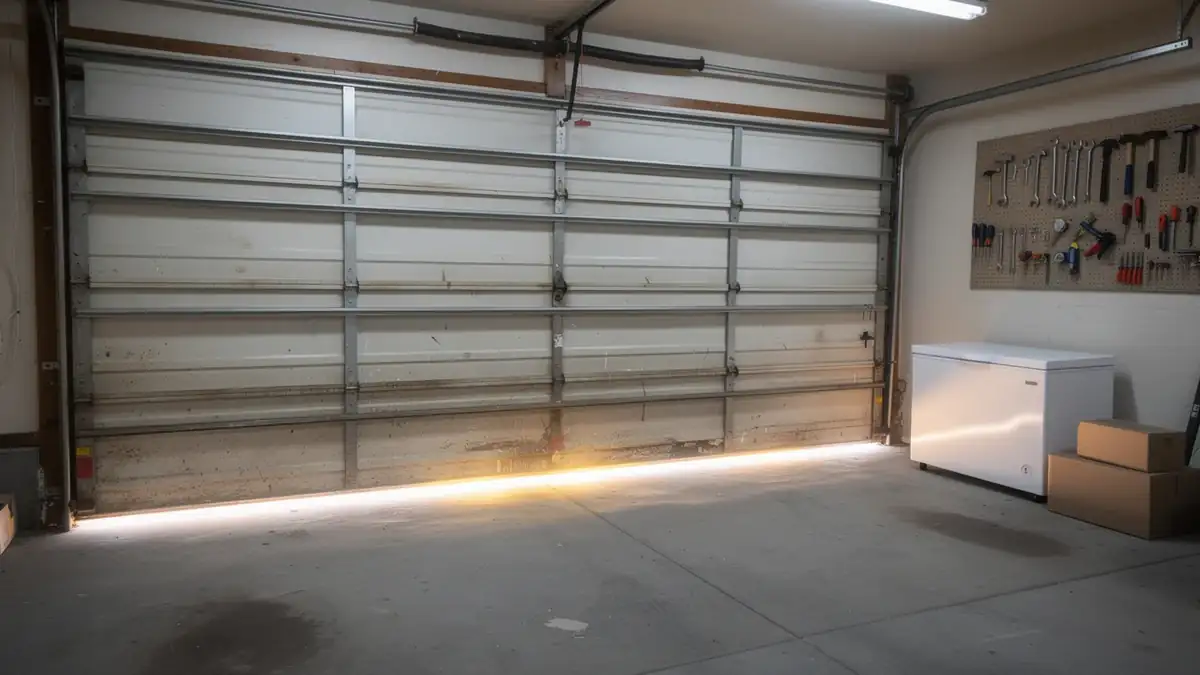
What Is Going On
Most of the housing around Winchester went up between 1971 and 1991, with the median landing around 1980. That matters more than it sounds like it should. Garage doors from that build era, across the seven areas that make up most of the local housing stock, are almost always a single skin of steel or a wood panel with no foam core behind it. Insulated doors weren't standard equipment yet - they were an upgrade, and most builders putting up tract housing through the 70s and 80s didn't spec them.
So what you've got, if your house falls in that window, is a door that's basically a sheet of metal between your garage and the outside air. It doesn't trap heat, it doesn't resist condensation, and it conducts cold straight through to whatever's parked or stored behind it. None of that was a design flaw at the time - it's just what a garage door was before energy codes caught up with the rest of the house.
If your door still looks and operates fine, this isn't an emergency. It's a performance gap, not a failure. But it's worth knowing which kind of door you actually have before you spend money chasing symptoms that insulation would have prevented in the first place.
When to Get Help
Call before the door stops working, not after. A few signs point straight back to a missing insulation layer rather than a worn part: frost forming on the inside face of the door on cold mornings, a cold draft you can feel standing a few feet in front of it, or condensation beading on the panel when the temperature swings. None of those mean the door is broken - they mean it's doing exactly what an uninsulated steel skin does in a cold climate.
Get someone out sooner if you notice ice building up where the bottom panel meets the floor, or if the door feels noticeably heavier to lift on cold mornings than it did in summer. That weight shift usually means the steel has contracted enough to bind slightly in the track, and forcing it through an opener cycle repeatedly is how you turn a minor seasonal annoyance into a cracked panel or a stripped opener gear.
If you're not sure whether what you're seeing is normal for a door this age or a sign something's wearing out, that's a reasonable thing to ask about on a call rather than guess at.
The Common Mistake
The mistake we see most is treating weatherstripping as the fix
New bottom seal and side seals tighten up the gaps, and that does help with drafts, but it does nothing for the steel skin itself. The door still has no insulation layer, so the inside surface still runs close to outdoor temperature through a cold winter. Seals stop air leaks. They don't stop a cold metal panel from being a cold metal panel.
The other version of this mistake is assuming a door looks newer, so it must be insulated
A repaint or a replacement in the last decade doesn't automatically mean a foam-core door went in - plenty of straight replacements on houses from this era kept the same non-insulated spec because it was cheaper and the homeowner wasn't told there was a difference. The only way to know for sure is to check the door's actual construction, not its age or finish.
We'll say this plainly: we don't retrofit foam into an existing steel skin
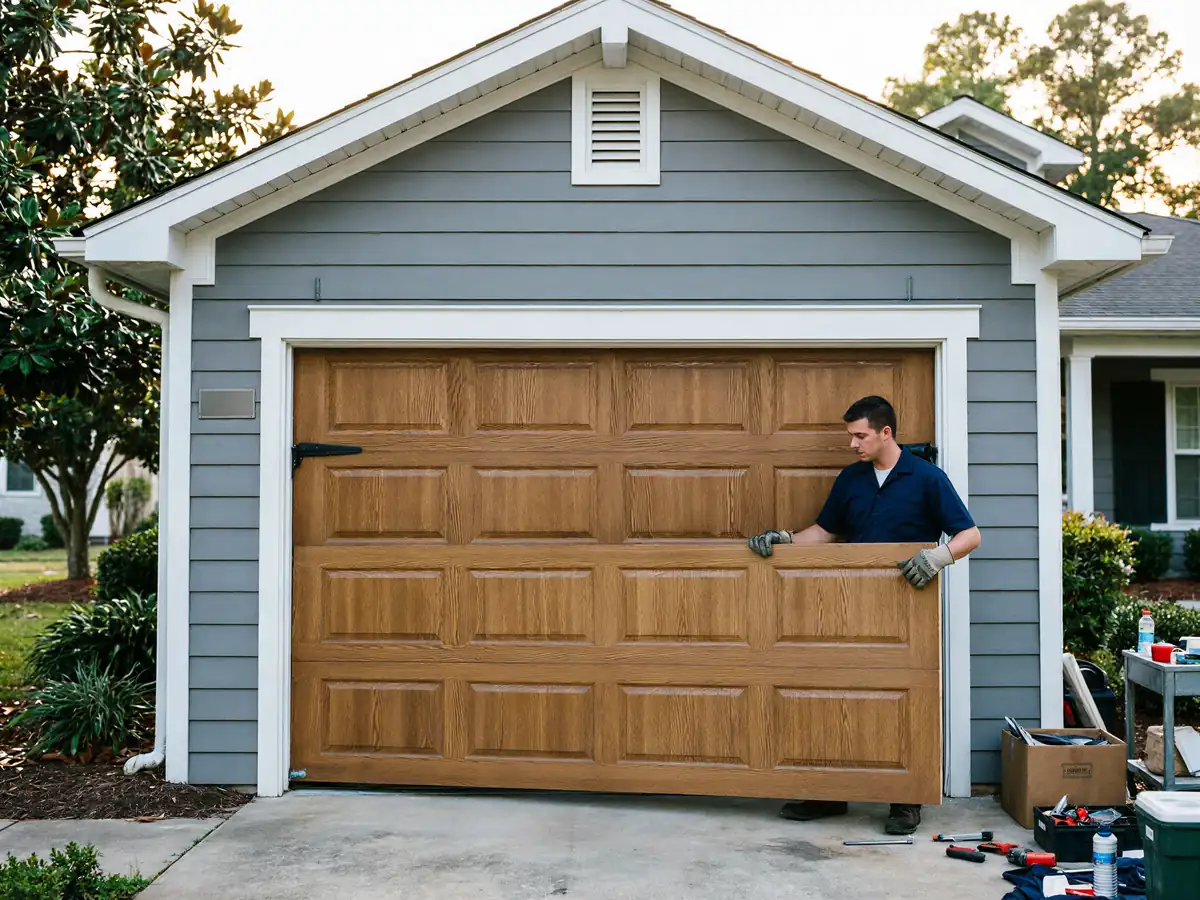
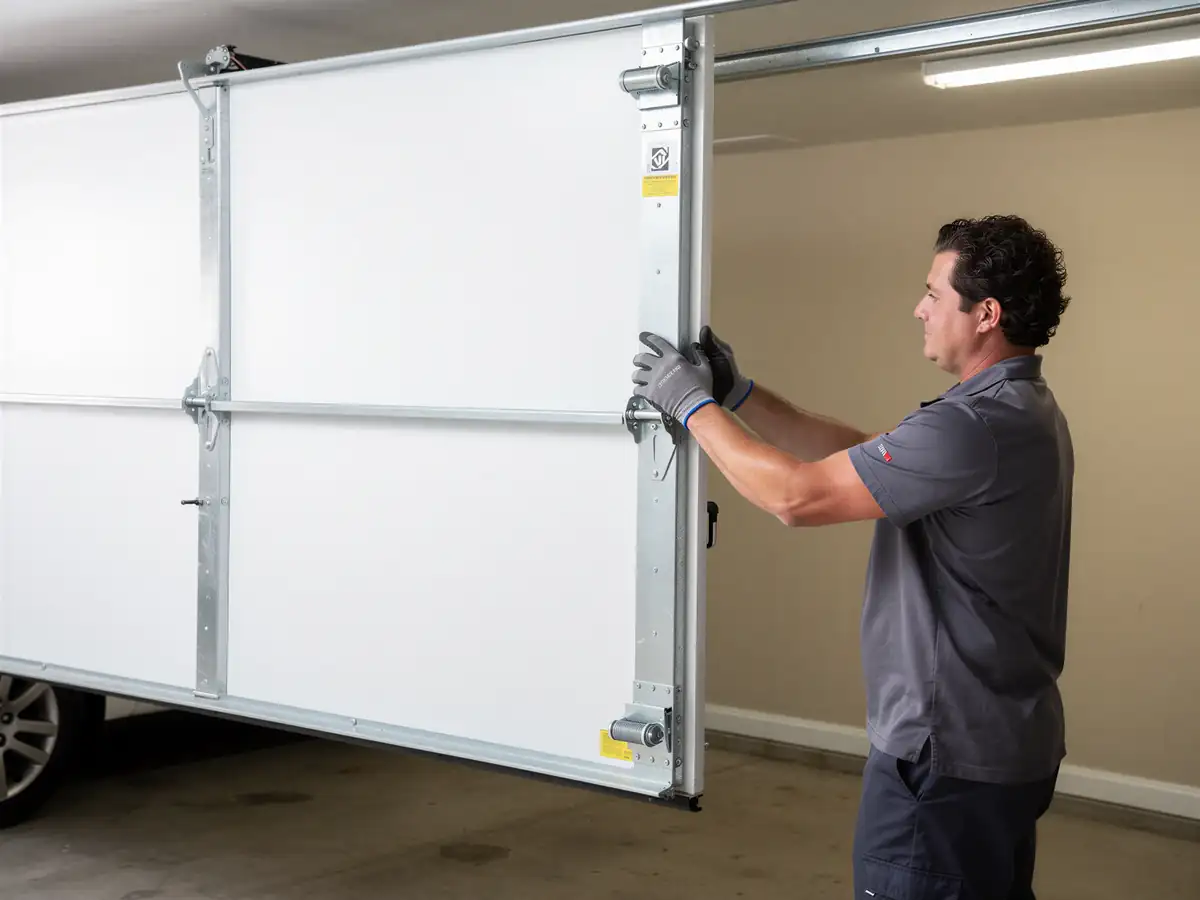
That's not a repair job, it's a different door. If insulation is what you're after, the honest answer is a panel swap, not a patch.
What the Weather Here Does to It
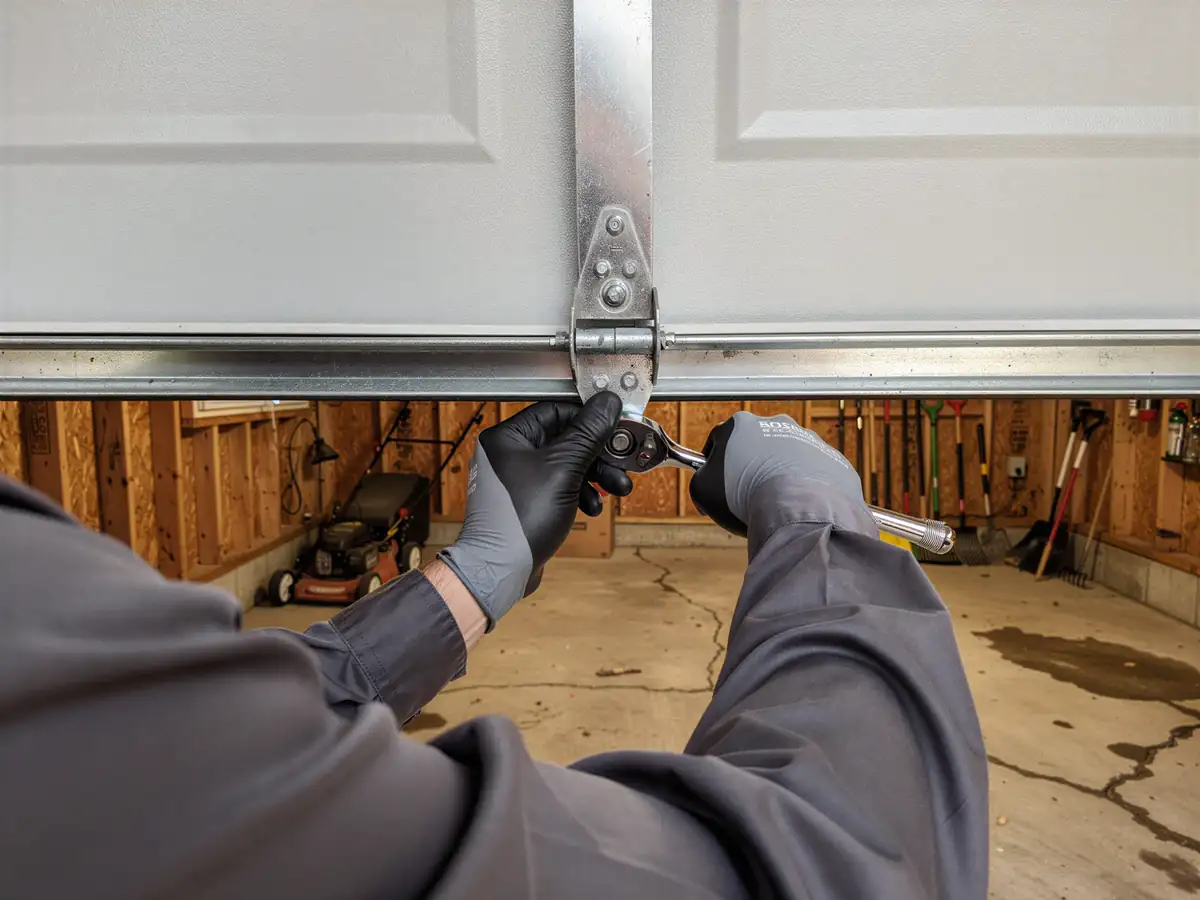
Winchester sits in a cold-severe climate band, and that's the detail that turns an uninsulated door from a minor inefficiency into a real seasonal problem. Steel contracts in the cold. On a door built in the 70s or 80s, with decades of use on the same track hardware, that contraction is enough to tighten tolerances right at the point where rollers meet track - which is why doors that run smooth in July can bind, stick, or need an extra push in January.
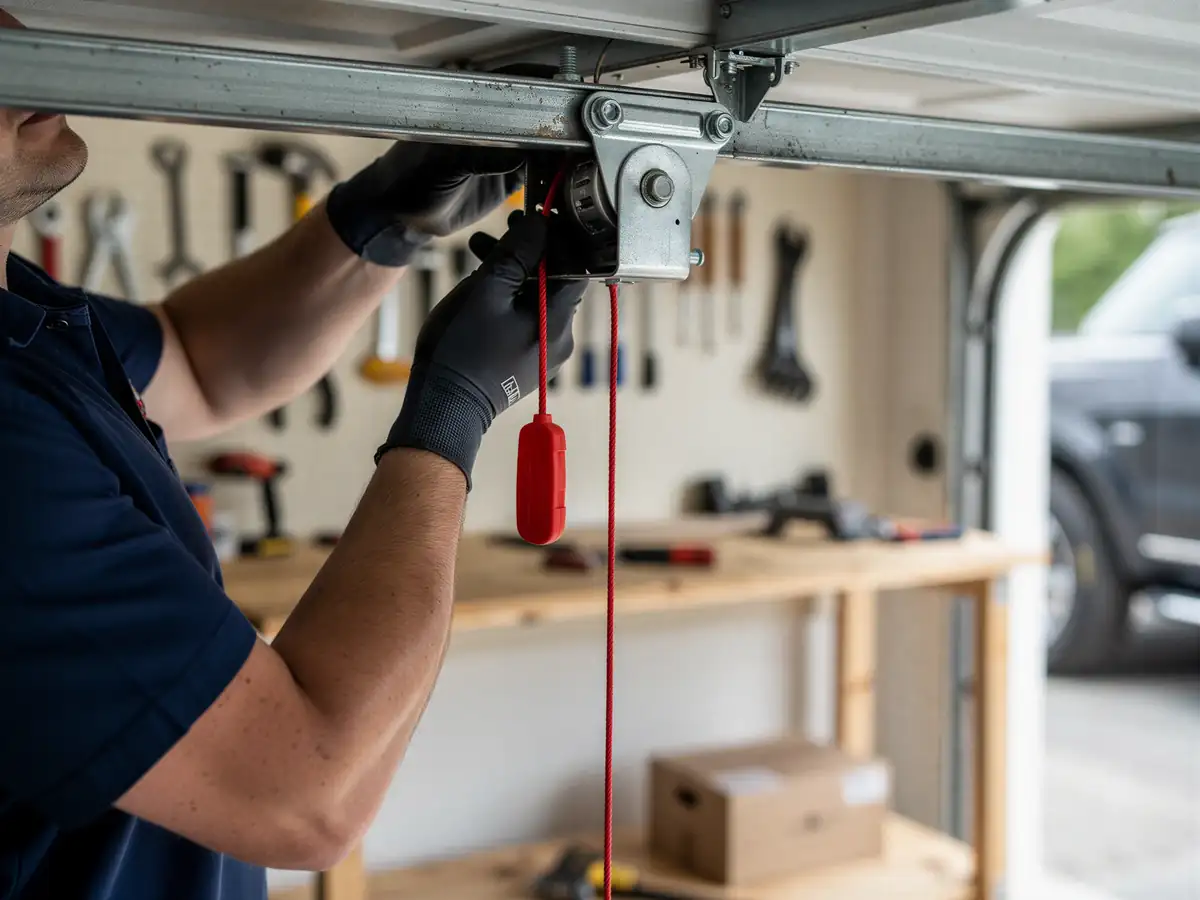
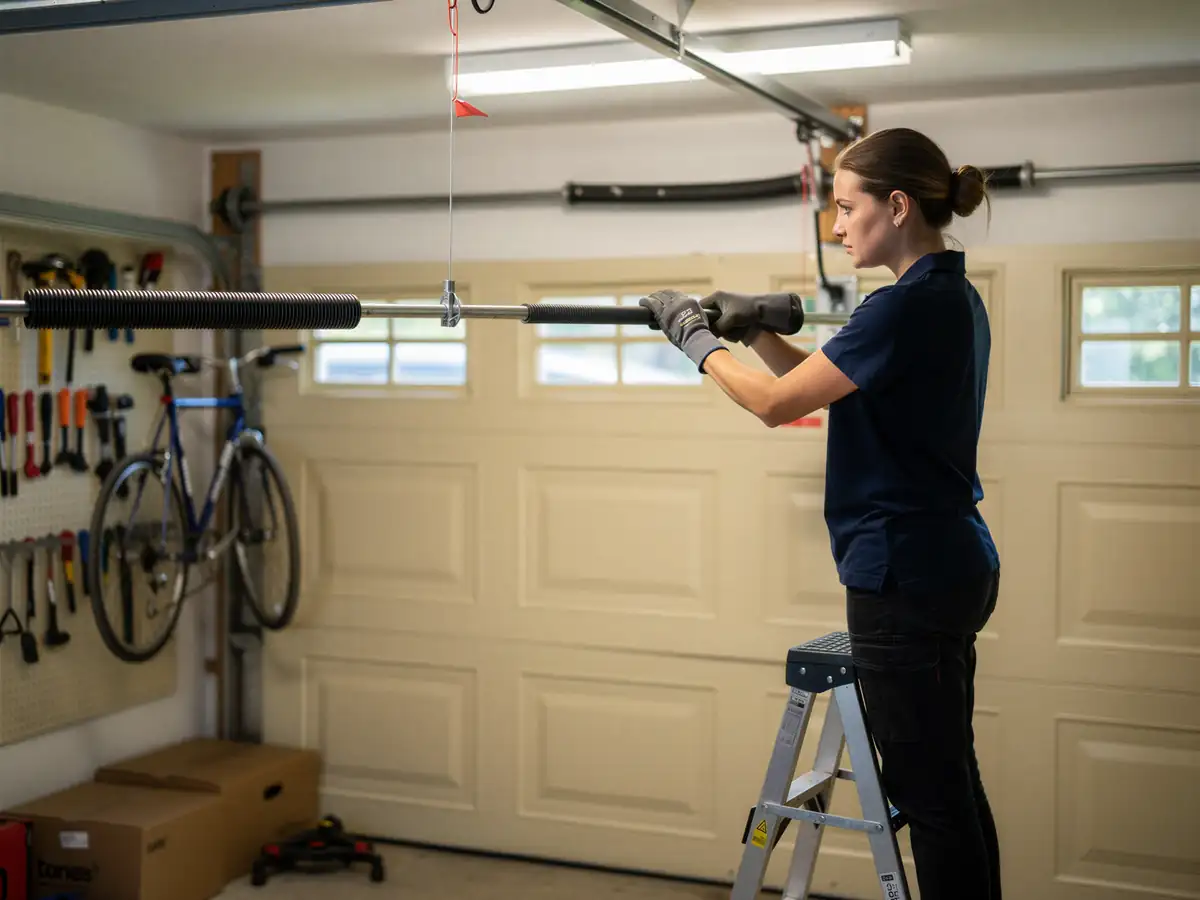
Springs feel it too. Torsion springs lose a little tension as temperatures drop, and on a door that's already carrying no insulation and extra weight from age, that loss shows up as a door that feels heavier to lift by hand or slower to respond to the opener on the coldest mornings. It's not damage by itself, but it's the kind of strain that shortens the life of parts that were already decades old.
We don't see this as often in newer construction with insulated doors and updated track hardware. It's specifically the older stock - 1970s through early 90s builds - where cold and age compound each other.