What Is Going On
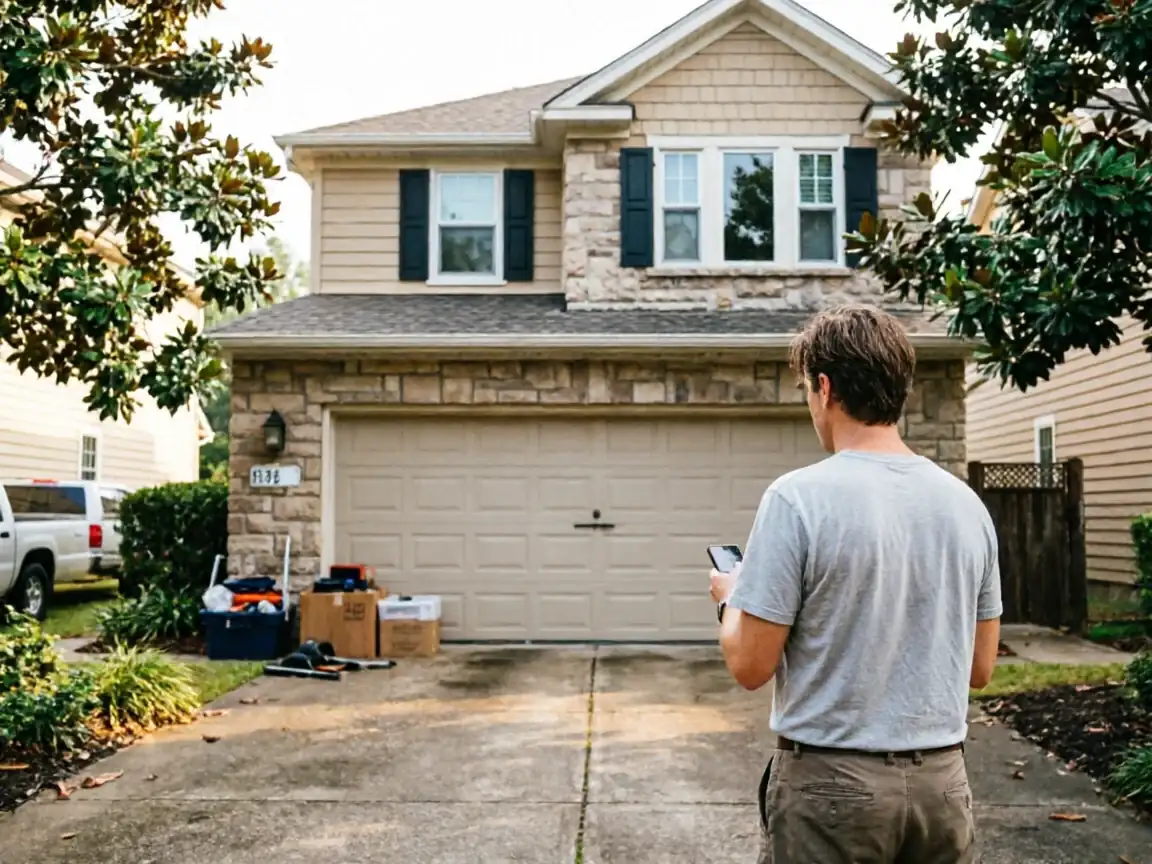
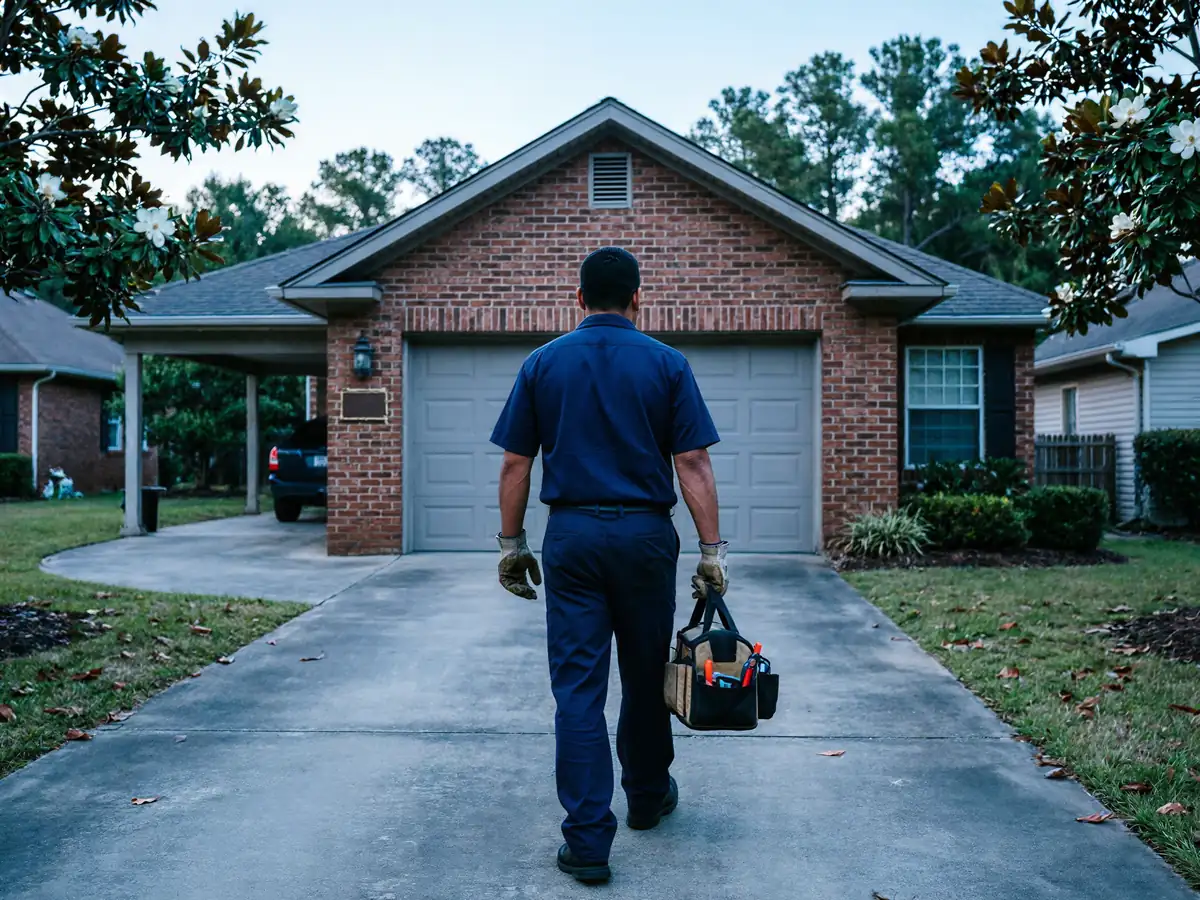
When we pull up to a house in Winchester, the first ten minutes aren't about the door - they're about the decade it was built in. Most of the houses on our call list went up between 1971 and 1991, with the median landing right around 1980, which means a lot of the openers and spring systems we're replacing are pushing forty years old. That matters because hardware from that era wasn't built to the same tolerances as what's sold today, and parts that were common then aren't always common now.
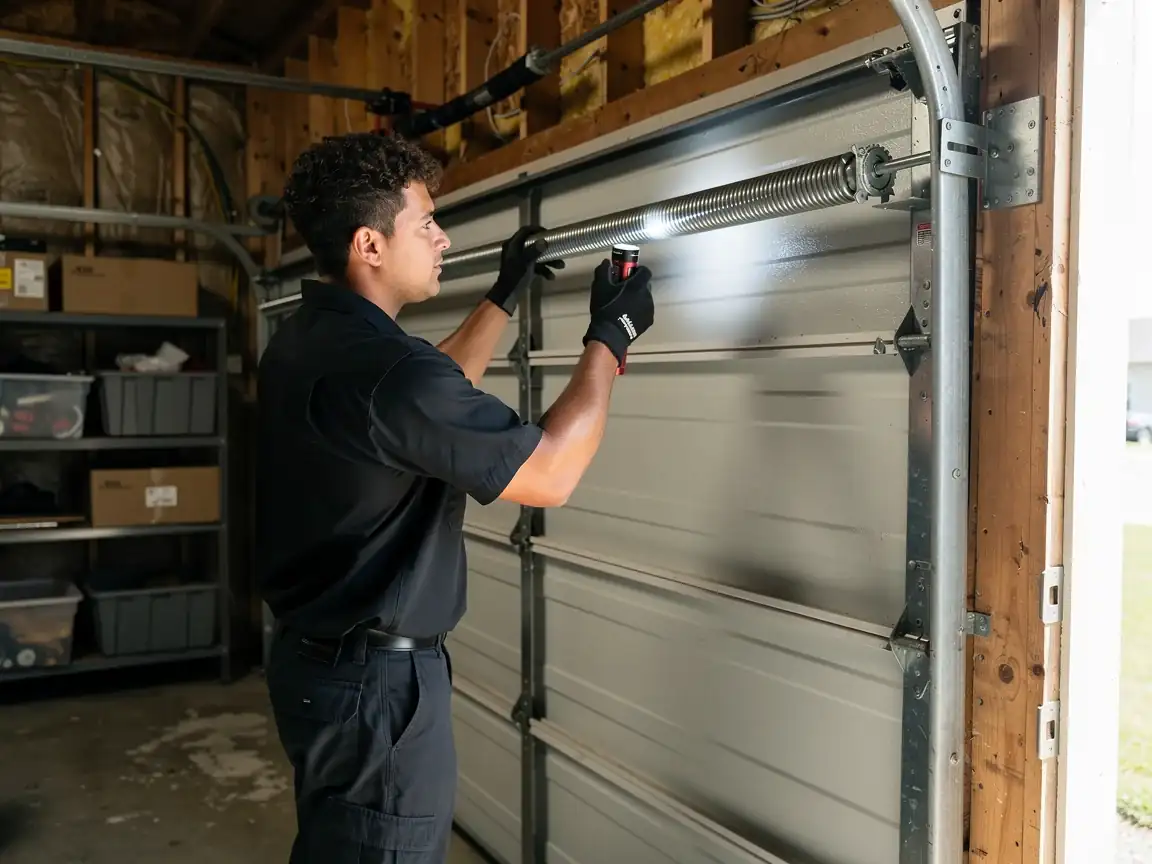
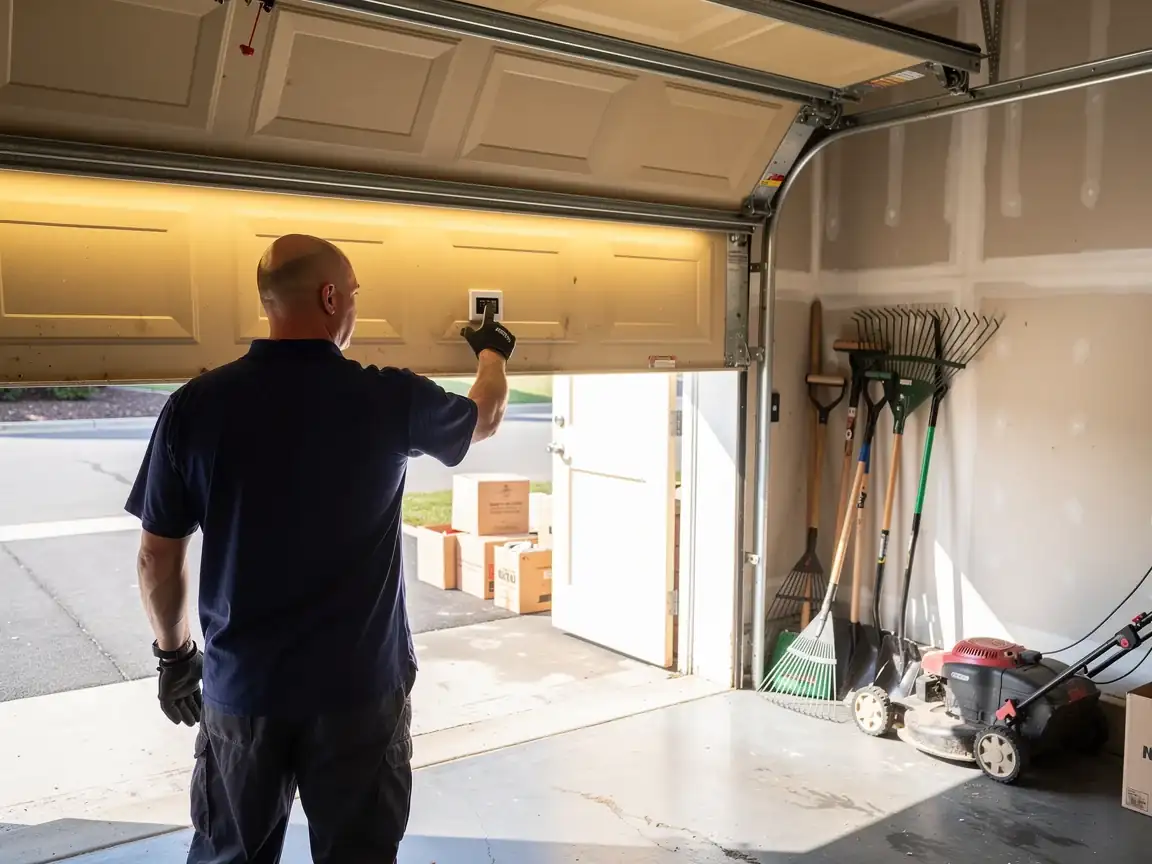
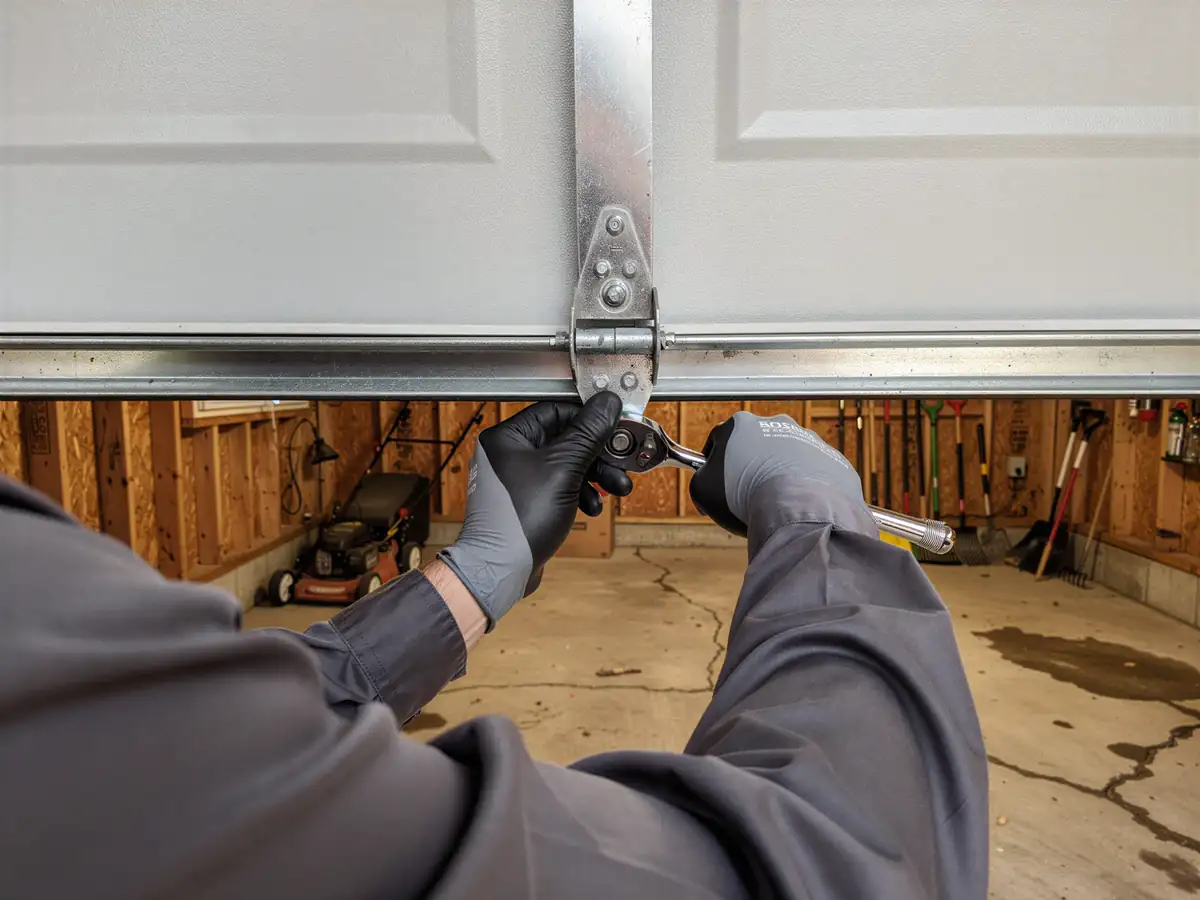
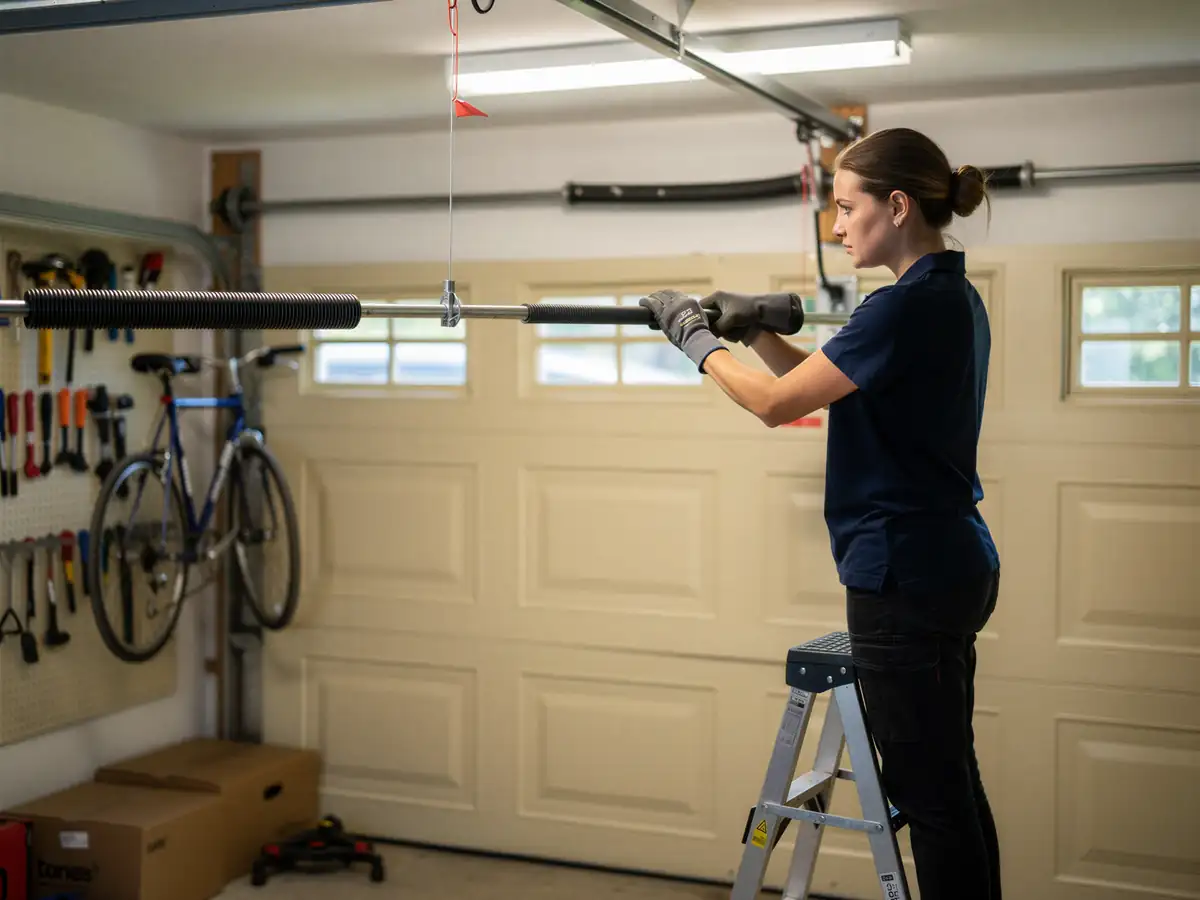
A service call starts with a walk-around: track alignment, cable wear, spring tension, and whether the opener is original to the house or a later swap. We check the panels for rust at the bottom seam, since steel from that building run often used thinner gauge than current code calls for. We also look at the sensors, because a lot of 1980s and 90s doors in this area had openers installed years after the door itself, meaning the safety eyes were bolted on as an afterthought rather than matched to the door's weight.
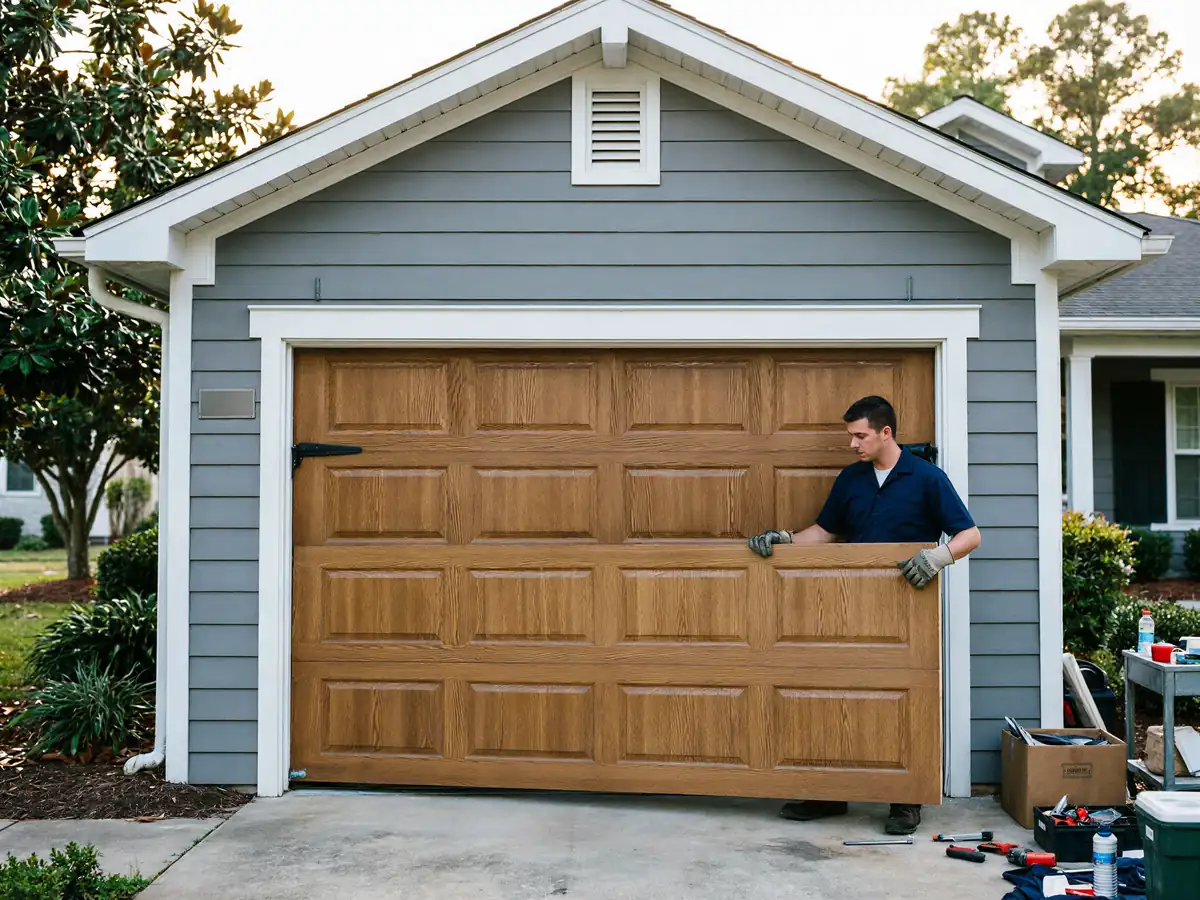
By the time we're done looking, we usually know whether this is a twenty-minute fix or a conversation about replacement. We don't guess at that on the phone - it's not fair to you or to the job.
When to Get Help
Call before the door quits on you, not after. A spring that's starting to go usually tells you first: the door feels heavier on one side, it jerks instead of gliding, or the opener strains and groans before it lifts. Across the service area - Stephens City six miles out, Boyce eight, Berryville eleven, Middletown eleven, Strasburg fifteen, Front Royal seventeen, Locust Grove nineteen - we see the same pattern on houses from that 1971-1991 run: the spring finally lets go in deep cold, usually on the coldest morning of the week, because steel contracts and the stress on a tired spring goes up right when you need the door most.
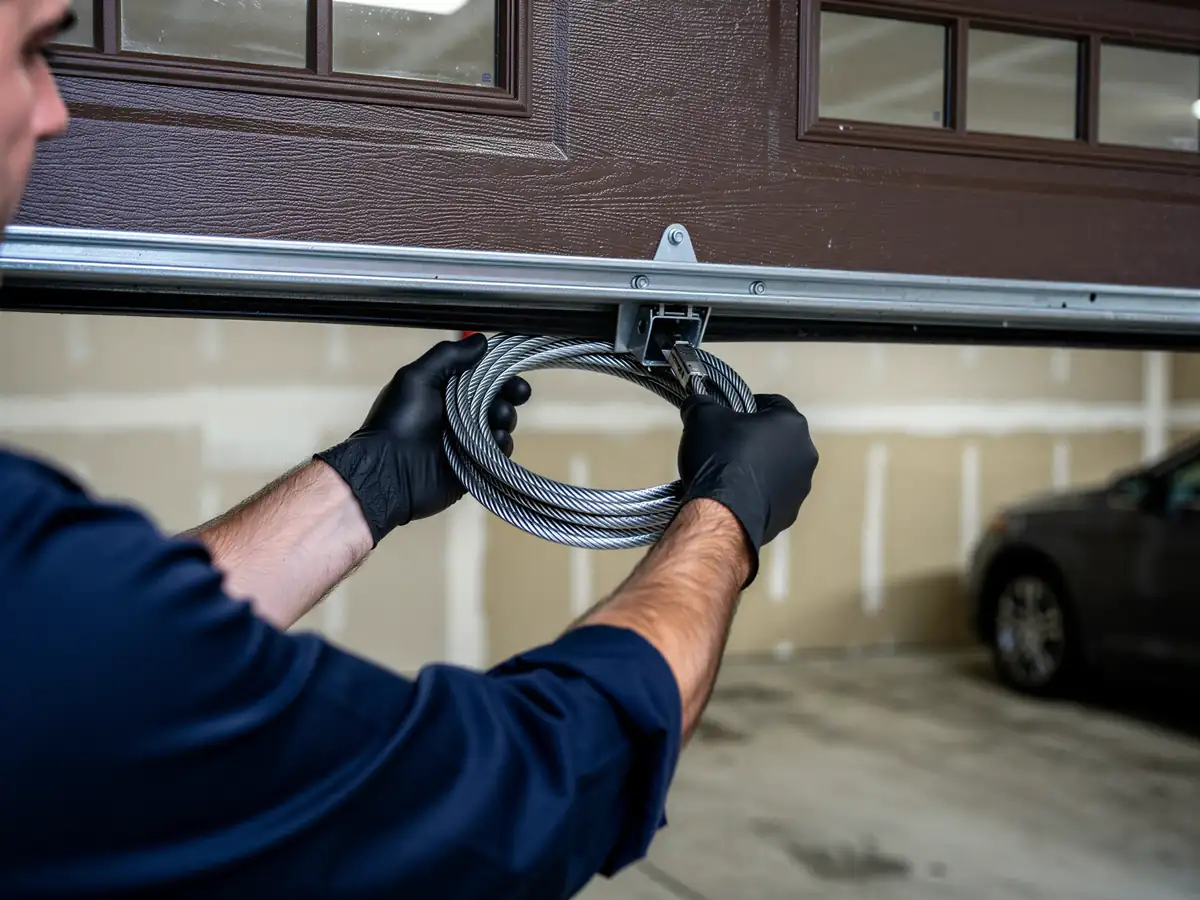
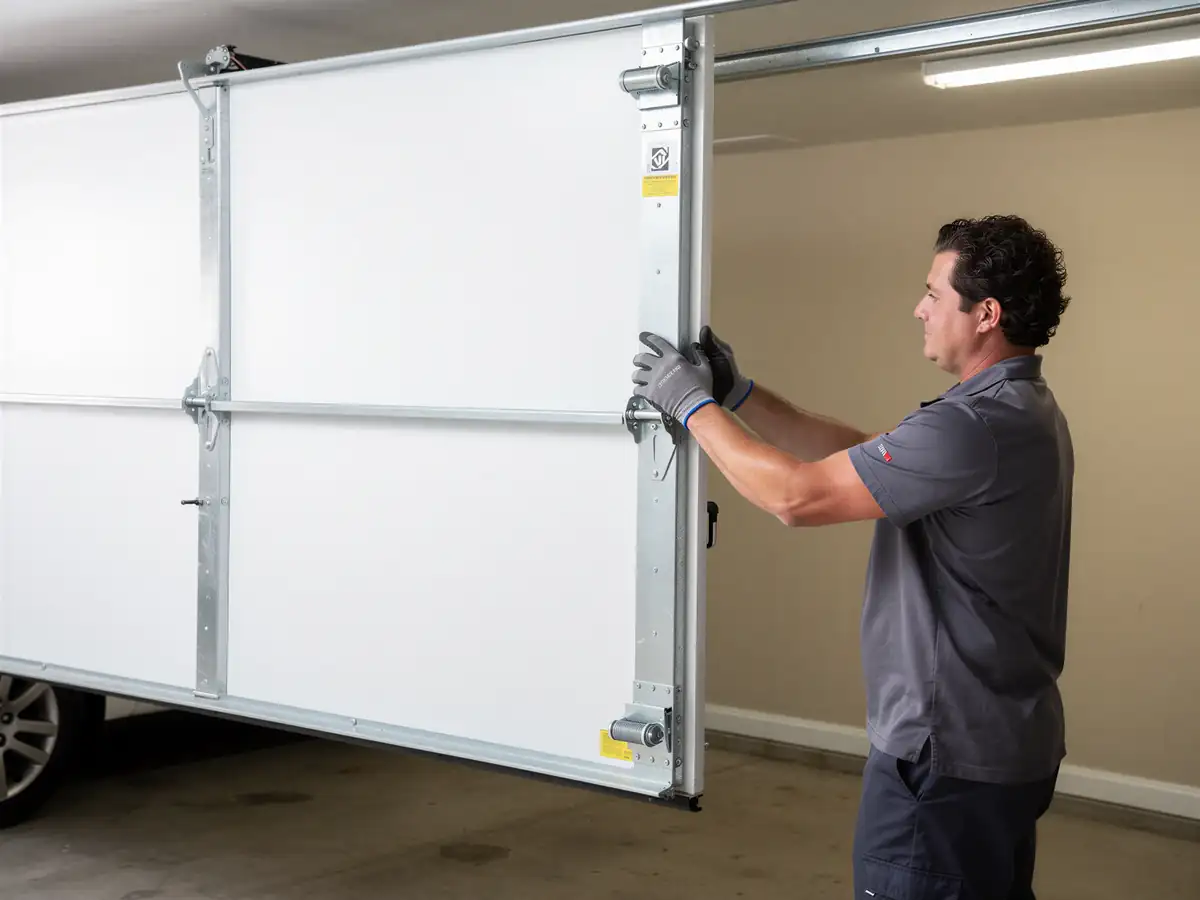
If the door won't open at all, don't force it with the opener. Running the motor against a broken spring or a jammed roller is how a twenty-dollar part becomes a hundred-dollar part. If a cable has frayed or a panel's come off track, that's a same-day call, not a wait-and-see.
One honest limit here: if a part is obsolete - some of the original hardware from houses built in the late 70s and early 80s simply isn't made anymore - we may need a day or two to source a compatible replacement rather than an exact match. We'll tell you that up front, not after we've already opened the door up.
The Common Mistake
The mistake we see most in this area is homeowners treating a 1980s or 90s door like it's got modern hardware underneath
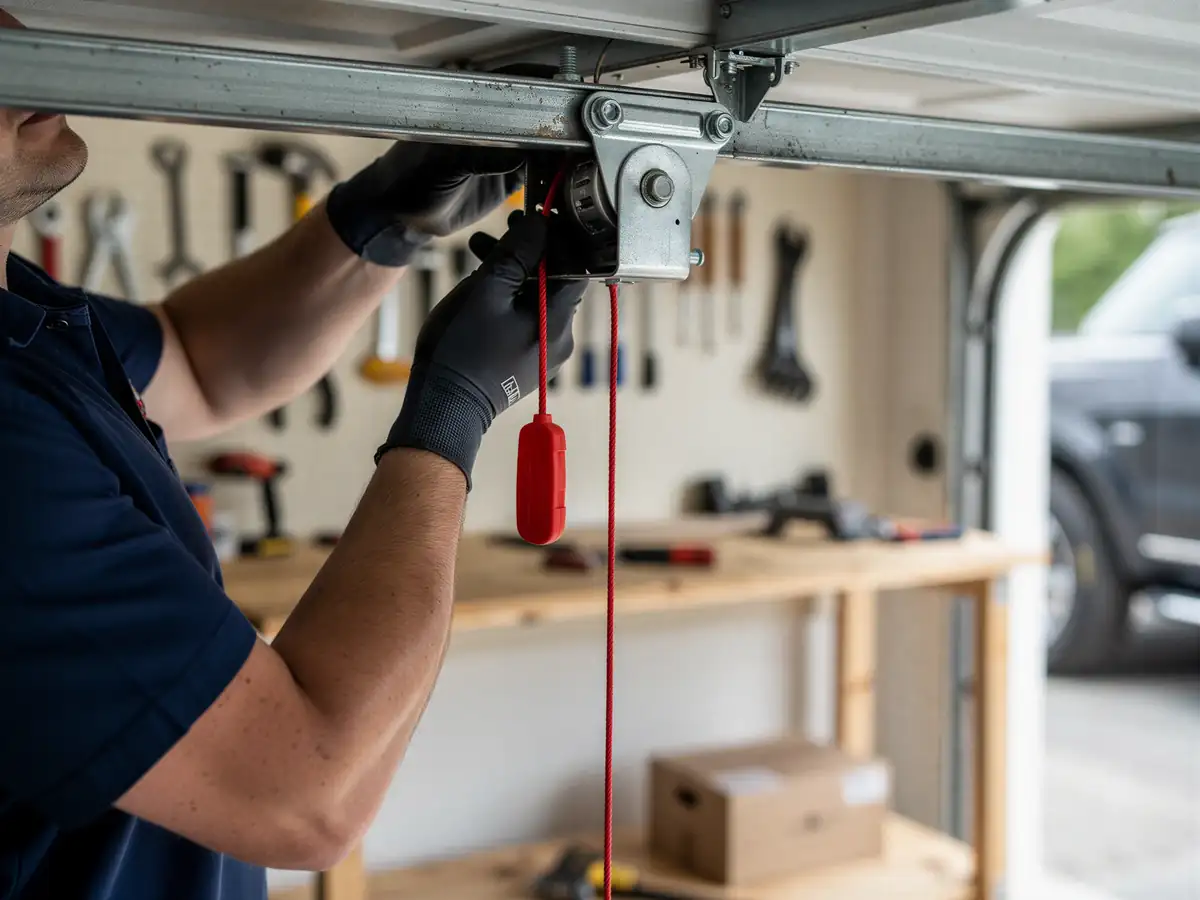
It usually doesn't. People watch a video, buy a universal spring kit, and find out the mounting brackets on their builder-grade door from that era don't match what's sold today. Winding the wrong spring to the wrong tension on old brackets is how people get hurt - torsion springs store a lot of force, and that force doesn't care how careful you are if the bracket wasn't rated for it.
The second common mistake is lubricating the wrong parts
WD-40 on a track doesn't help a roller - it attracts grit and makes the noise worse within a month. Across the 7 named areas of builder stock we work in, most doors need the hinges and the spring coils treated, not the track itself.
The third is ignoring a slow opener for too long
A motor that's been straining against a weakening spring for months doesn't fail gently - it fails on the night you're trying to get the car out. By the time the opener smells hot or trips the circuit, you're usually looking at motor damage that a spring swap two months earlier would have avoided.
What the Weather Here Does to It
Winchester sits in a cold-severe climate band, and that's not a small detail for a garage door - it's the reason certain calls cluster in January and February every year. Steel panels and torsion springs both go through real freeze-thaw cycling here, not just a handful of hard frosts. Cold steel is less forgiving: a spring that's been losing tension slowly all year tends to snap on the coldest morning, when the metal is at its stiffest and least flexible.
Condensation is the other half of it. Houses built in that 1971-1991 run, especially the ones without a tight seal at the bottom panel, pull in moisture that freezes overnight and bonds the weatherstrip to the slab. Force the door on a morning like that and you're not just fighting the spring - you're fighting ice.
We also see rollers seize up in deep cold on doors that haven't had the hinges touched in years. Metal rollers on older track systems contract more than the nylon ones sold today, and that gap shows up as grinding or sticking right when temperatures drop. None of this is dramatic, but it's steady, and it's why a fall check-up before the cold sets in catches more than a mid-winter emergency call does.