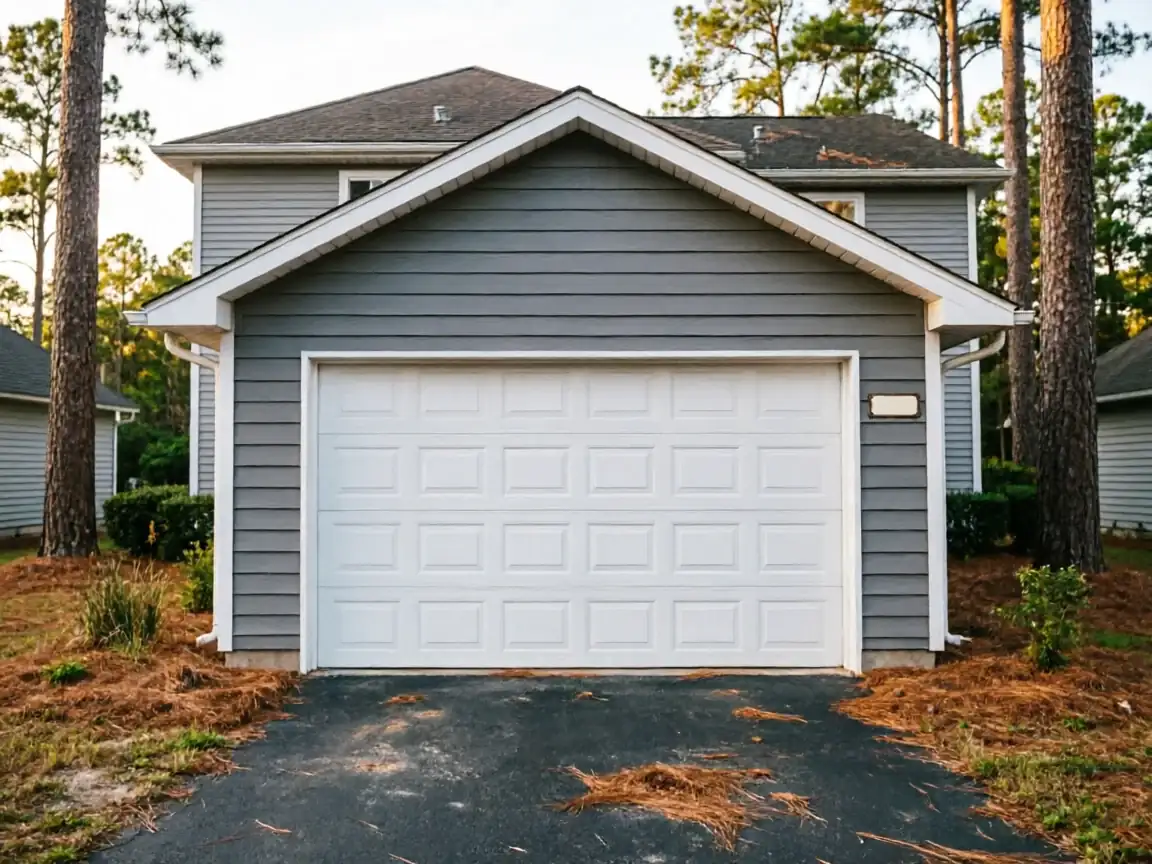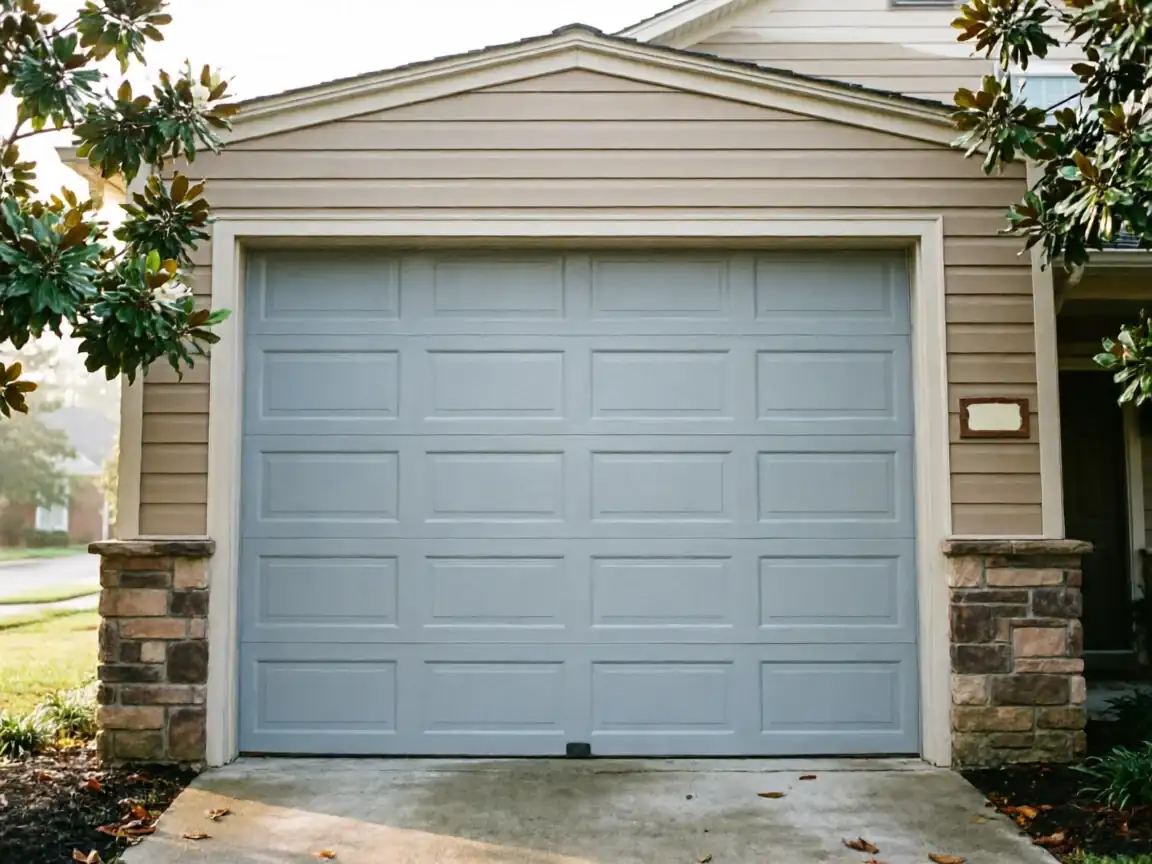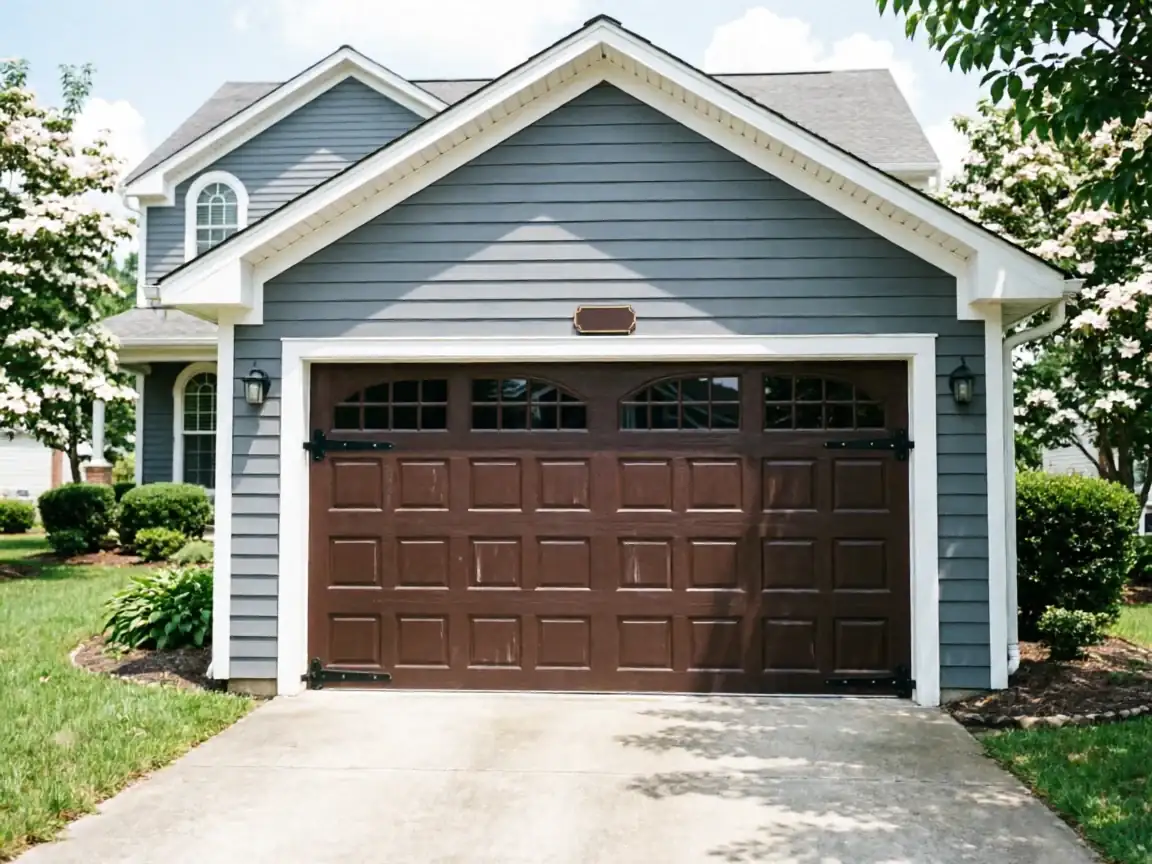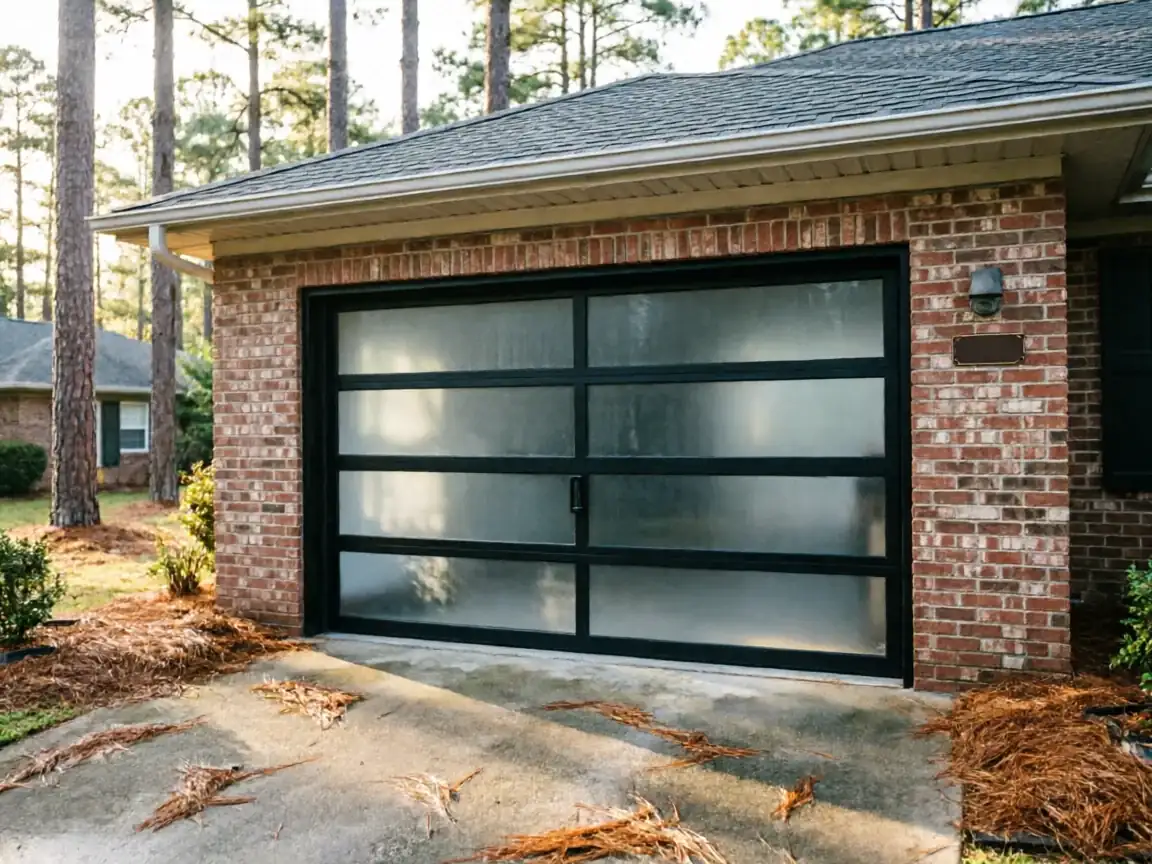
Common Jobs Here
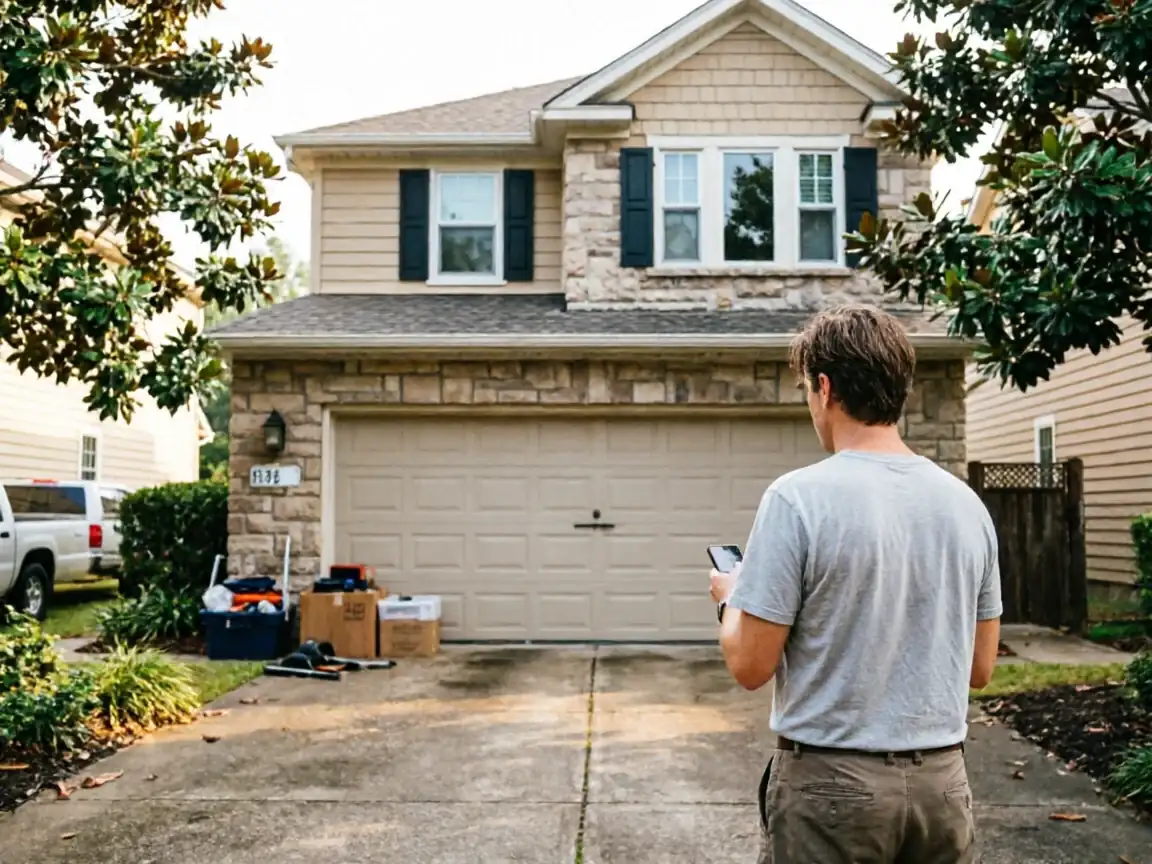
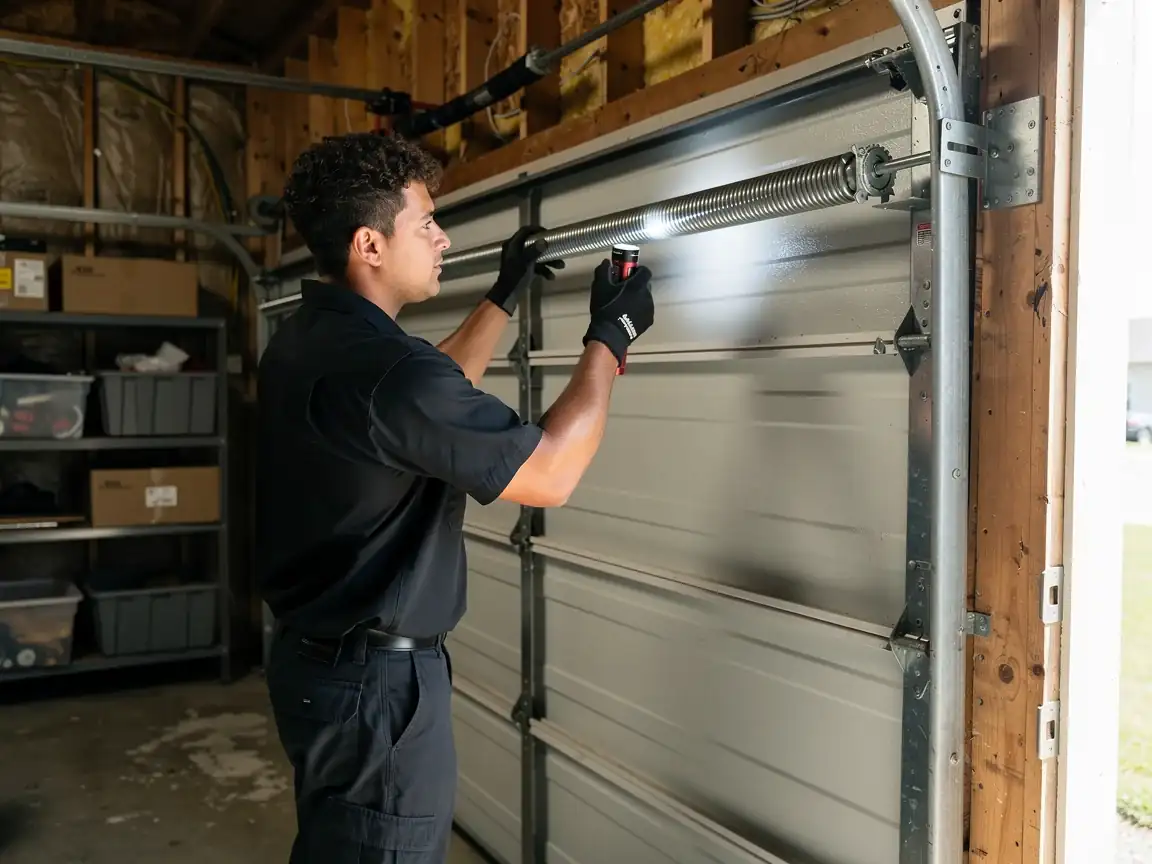
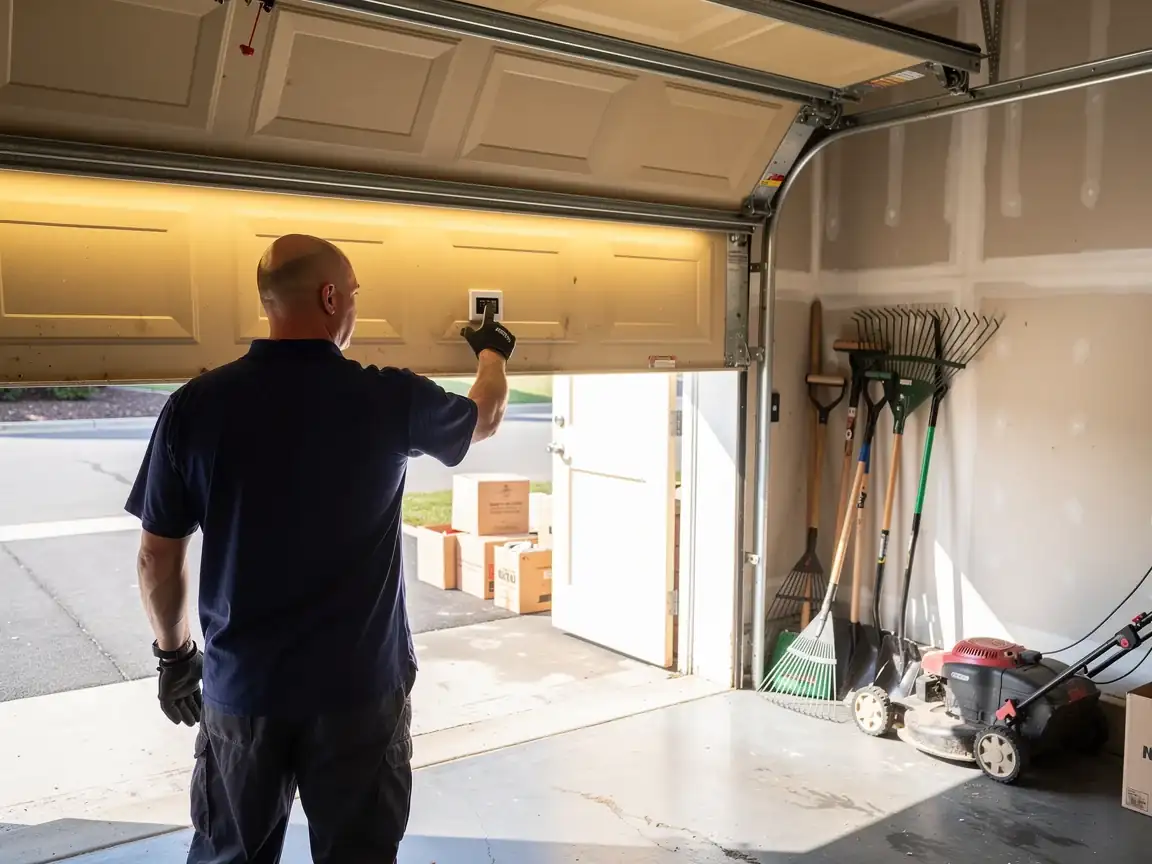
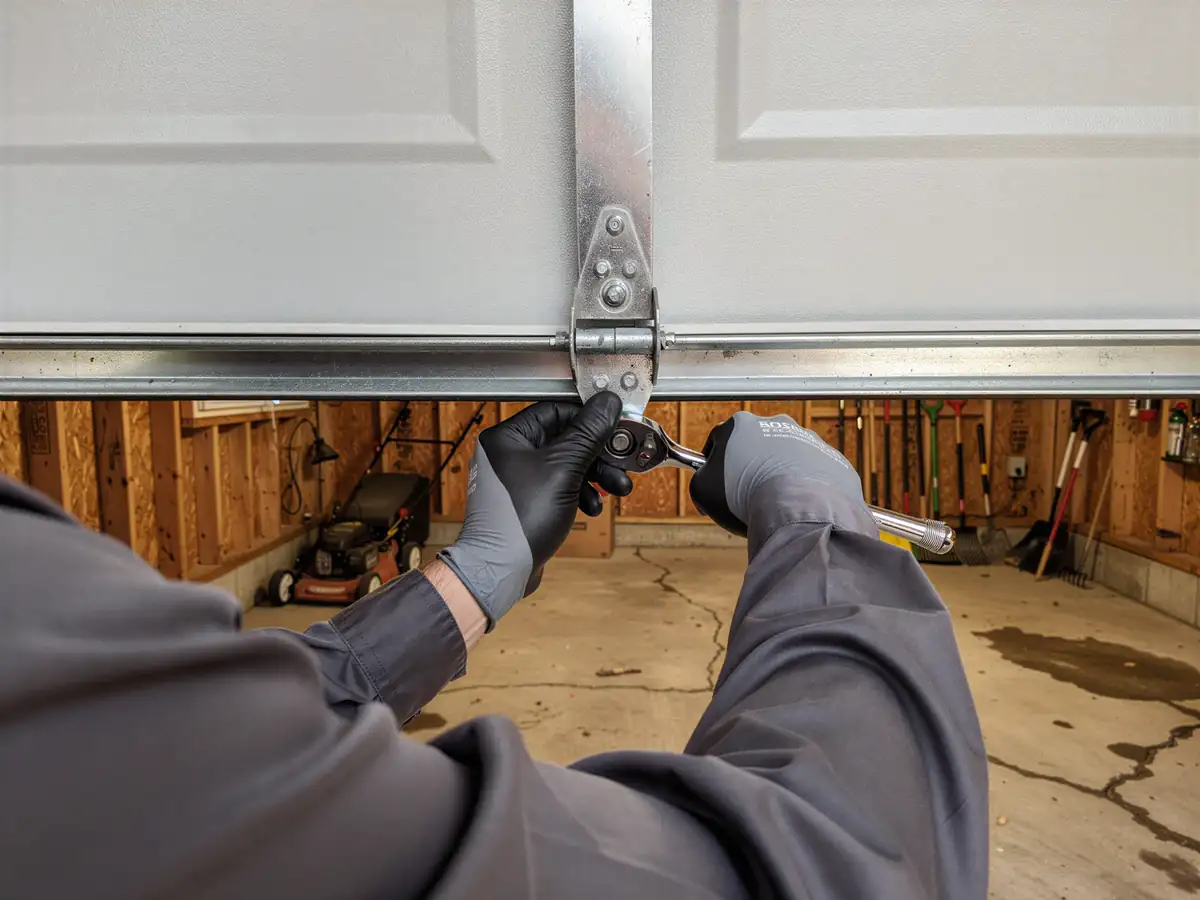
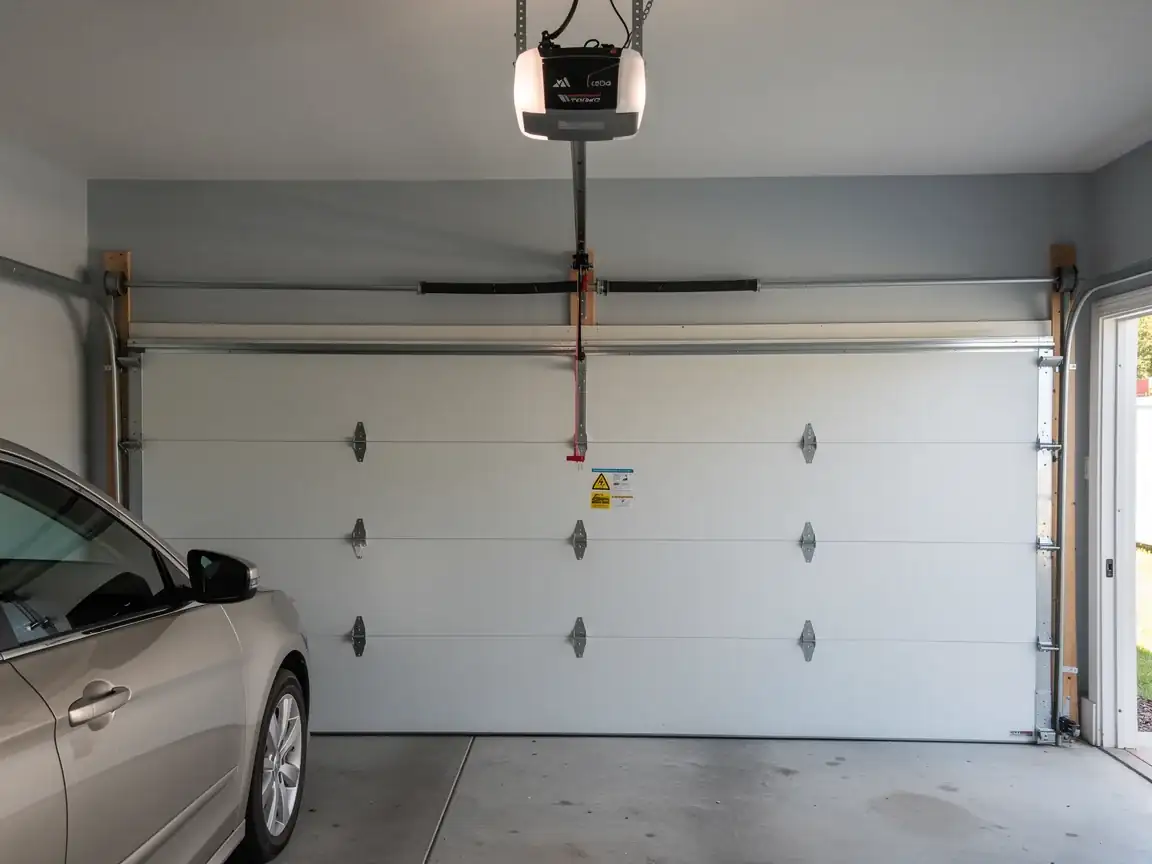
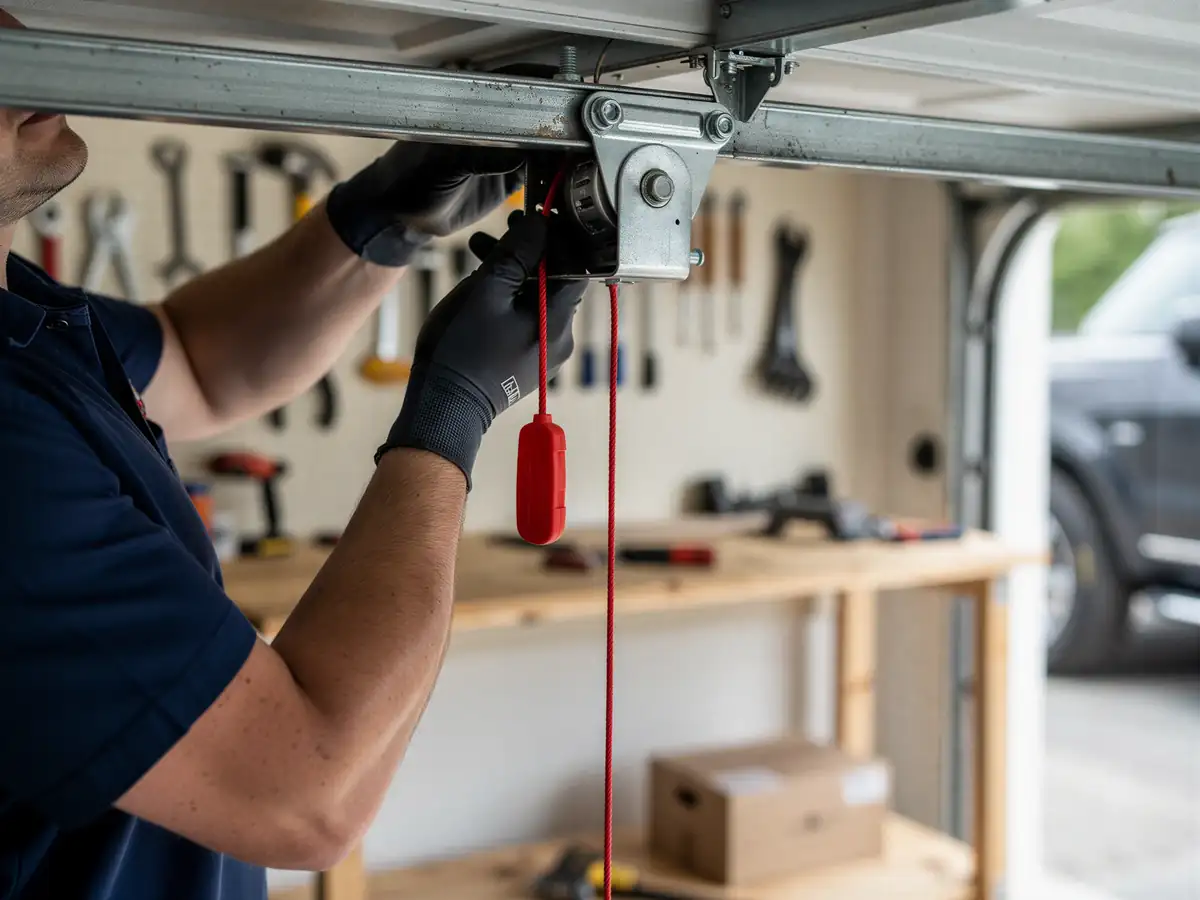
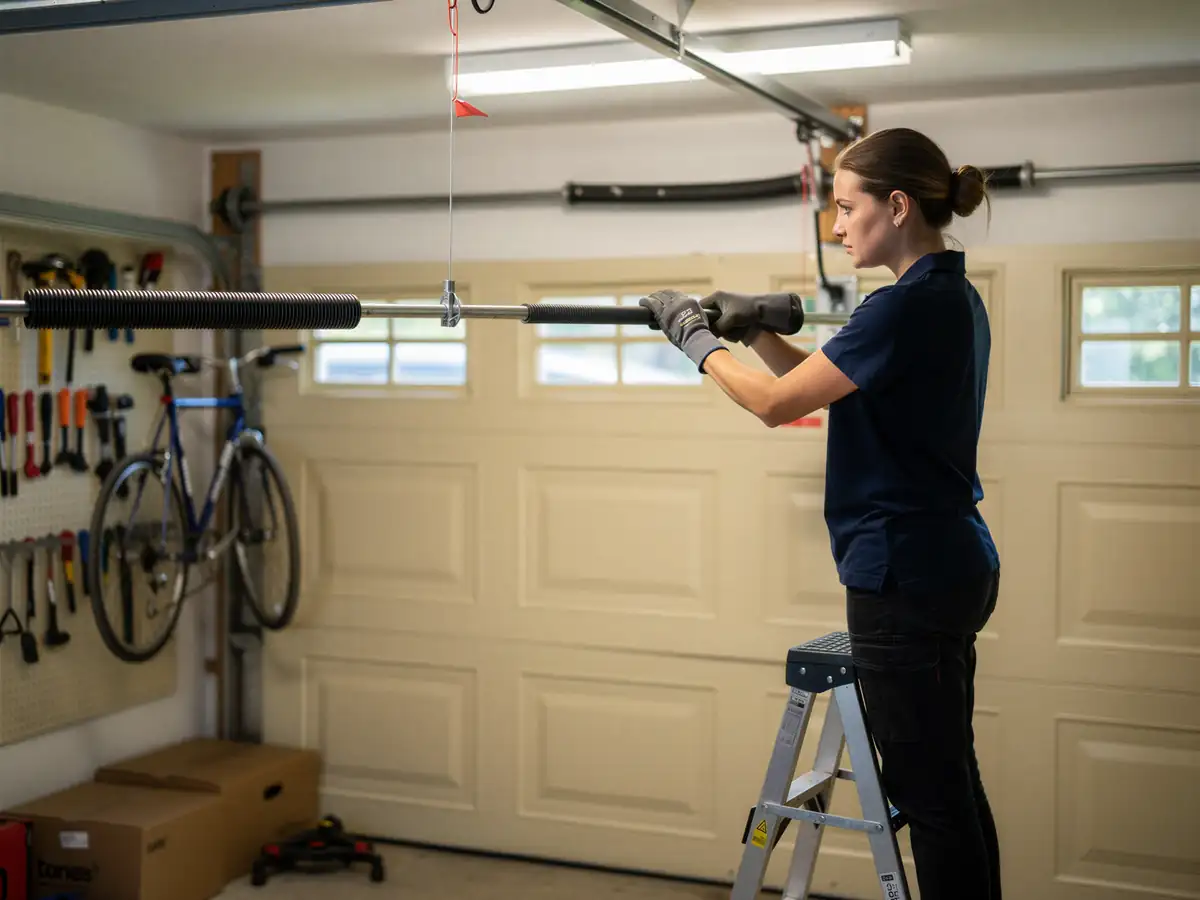
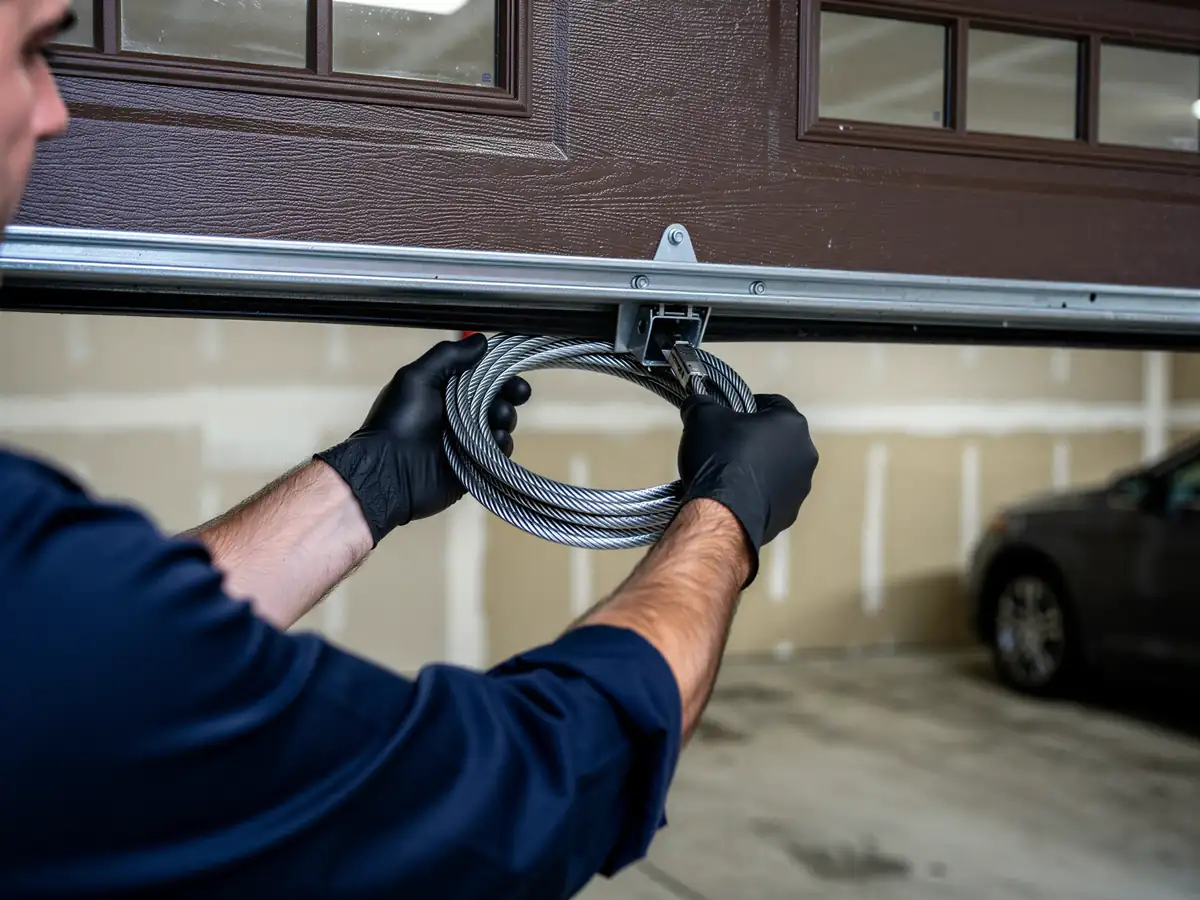
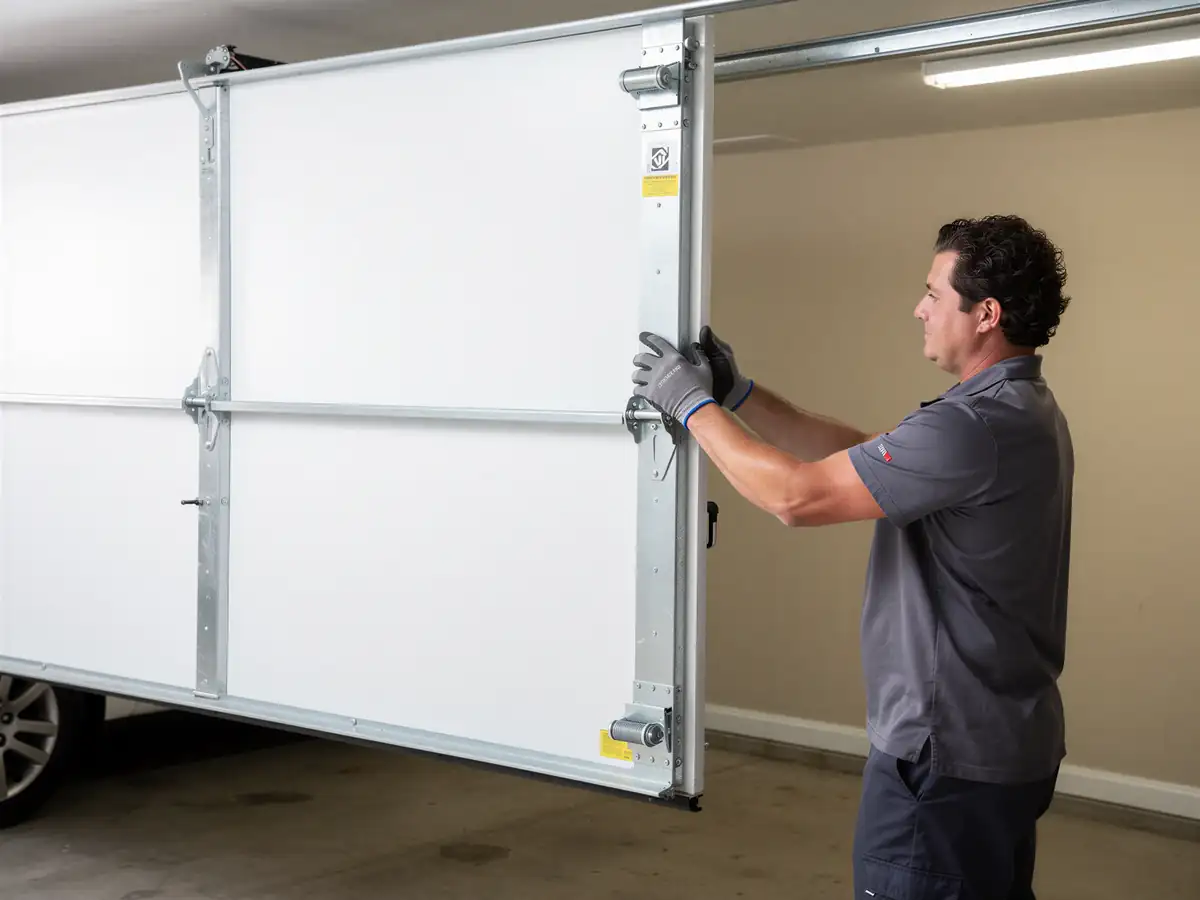
Middletown sits about 11 miles out from our Winchester shop, and most of the calls we get from this area trace back to one thing: the houses here were mostly built around 1980. That means original torsion springs are long past their rated cycle count, and a lot of openers are second or third replacements bolted onto hardware that's older than the motor. We see broken springs on doors that have never been serviced, worn rollers that were never swapped out, and center bearing plates that have rusted into the track because nobody's touched them since the house was built. Panel damage from towing or backing into the door is common too, same as anywhere, but the spring and bearing failures here run heavier than in newer subdivisions because the hardware is simply older. If your door is loud on the way up, or it hangs crooked when the opener strains, that's usually a worn cable or a spring losing tension, not the motor failing. With roughly 667 households in this area, we're not running a crew based here, but the job mix is consistent enough that we know what to bring on the truck before we leave Winchester.
Where We Stop
We cover Middletown as part of our regular route out from Winchester, along with Stephens City (6 miles), Boyce (8 miles), Berryville (11 miles), Strasburg (15 miles), Front Royal (17 miles), and Locust Grove (19 miles). Middletown is roughly the same distance out as Berryville, just a different direction, so it's a normal stop on the schedule rather than a special trip. We don't keep a depot or staff in Middletown itself - every job here starts with a truck leaving Winchester, which is worth knowing if you're calling about something that can wait a day versus a spring that's already let go.
How That Shows Up in the Door
We're in a cold-severe climate band here, and a door built around 1980 wasn't engineered with the insulation or weatherstripping standards that came later. On these older doors, the bottom seal hardens and cracks within a handful of winters, and without insulated panels, the steel contracts enough in deep cold that torsion springs see extra load right when they're already fatigued from age. That combination is why winter is when we get the most spring-failure calls out of this stretch - not because the door broke overnight, but because cold exposed a weakness that had been building for years. One honest limit: if your door's track or jamb has shifted from the house settling, which isn't unusual in a structure this age, a spring or cable swap alone won't fix a door that binds on the way down. That's a track-alignment job, and we'll say so instead of selling you a part that won't solve it.