How Long You Are Without the Door
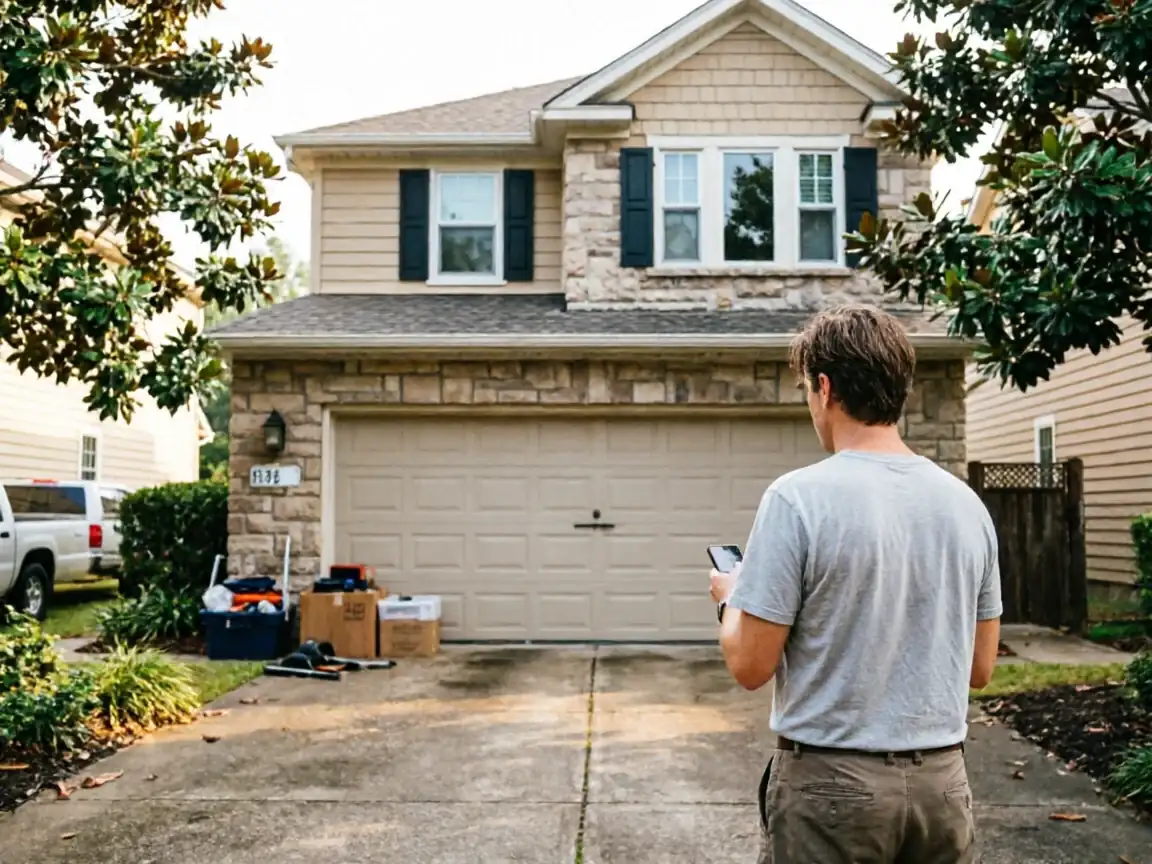
Most houses in Middletown went up around 1980, and a lot of them are still running the torsion spring, the cable, and the center bearing that came with the build. That's over four decades on hardware rated for maybe ten to fifteen years of daily cycling. Nobody replaced it because nothing broke yet - until it does, usually on a cold morning when the steel has stiffened up.
We come out from Winchester, about 11 miles up the road, so we're not sitting in Middletown waiting on a call. We don't promise a same-day window here the way we might closer to the shop. What we can tell you is that most maintenance visits - inspection, lubrication, hardware check - run inside an hour once we're on site. If something's cracked or seized, we'll tell you whether it's a same-visit fix or a return trip for a part we don't carry on the truck.
The honest limitation: if your spring or cable is original from 1980, we may not have the exact replacement size riding with us. Springs got standardized differently decade to decade, and older torsion setups sometimes used shaft diameters that aren't common stock anymore. We'll measure on site and tell you straight if it's an order-it-and-come-back job.
What You Pay
We don't publish a flat maintenance rate for Middletown specifically, and we're not going to guess at one. What we can say is that this area's median household income, just over $57,000, runs noticeably below the wider Winchester service area's median of about $79,000. That gap matters when you're deciding between a maintenance visit now and a full opener or door replacement later - a tune-up on hardware that's otherwise sound is almost always the cheaper call.
With roughly 667 households in Middletown proper, this isn't a town where we're doing volume work on identical new-construction doors. It's older housing stock, most of it dating to the 1970s and 80s across this part of the service area, which means more variation door to door - different spring sizes, different track styles, sometimes a cable gauge you don't see on anything built after 2000. That variation is exactly why a proper maintenance check matters more here than in a newer subdivision: we're not guessing what's behind the panel, we're looking at it.
What Can Go Wrong
Hardware from the 1971-1991 build window is dealing with a severe cold climate on top of its age
And cold is hard on steel. Torsion springs lose a little tension every winter they cycle through freezing temps, and the center bearing - the small part nobody thinks about - dries out and starts grinding instead of spinning. On an original setup, that bearing has never been replaced.
Rollers are the other common failure
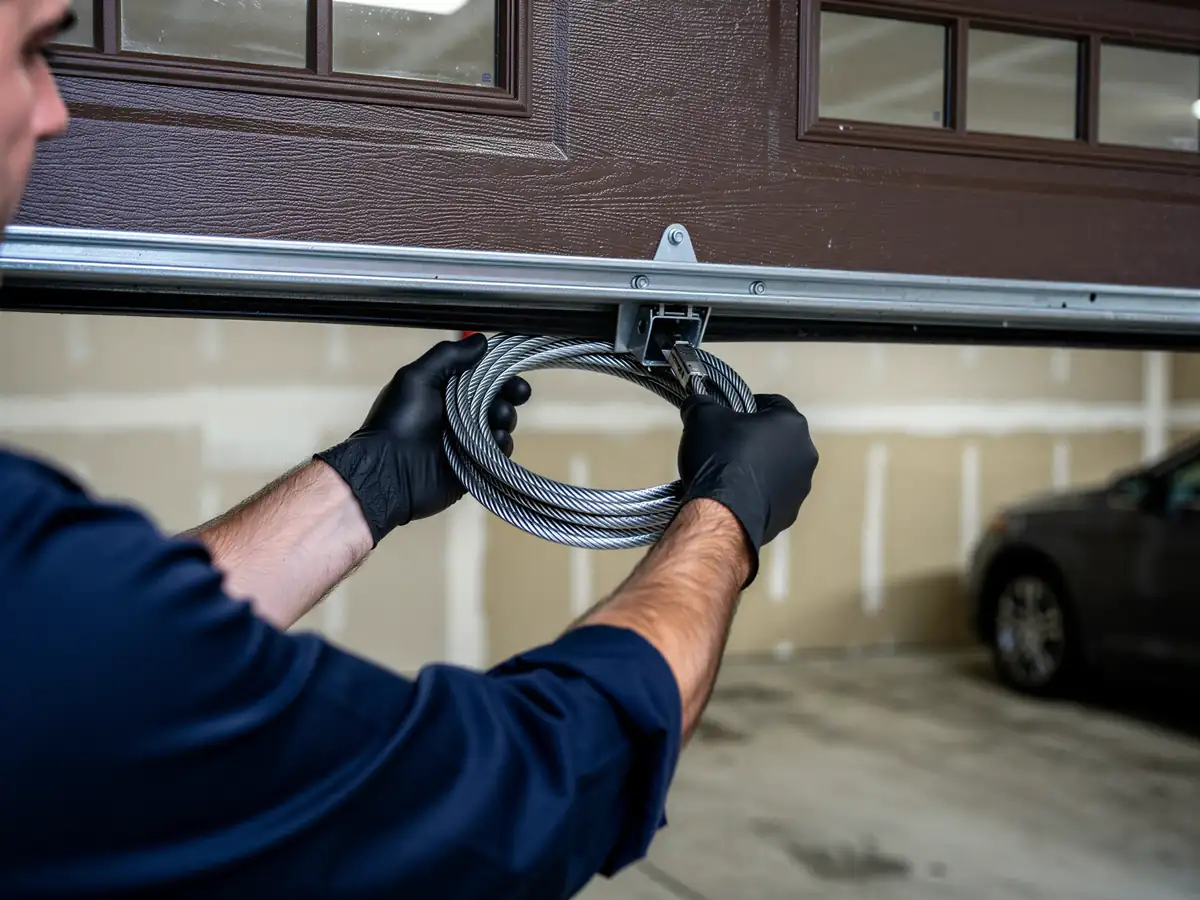
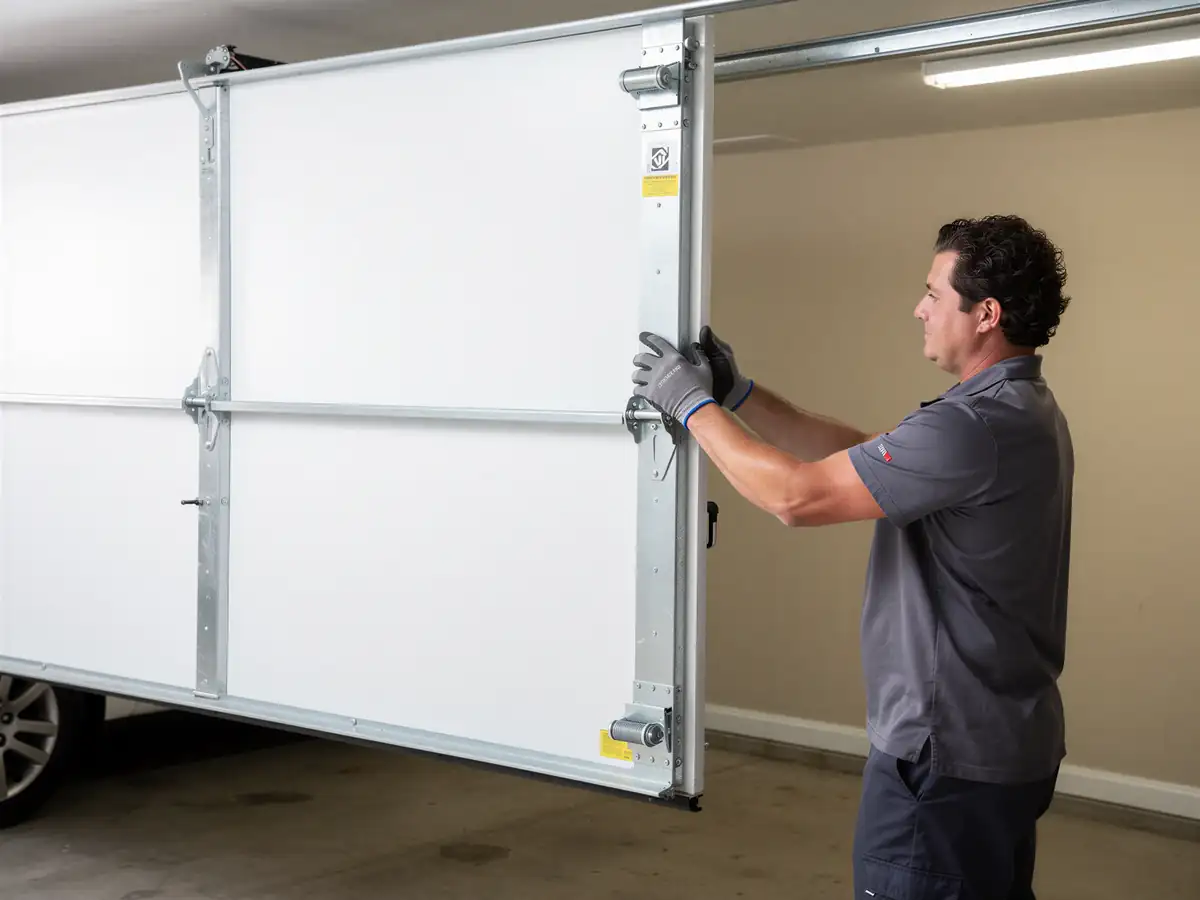
Steel rollers from this era weren't nylon-cushioned, so they're loud going up a cold track and they wear the track lip faster than modern rollers do. Cables fray at the drum end where they've wound and unwound tens of thousands of times. None of this is unique to one house - it's what happens to any door running original 1980-era hardware through forty-plus Virginia winters without anyone opening it up to look.
How We Fix It
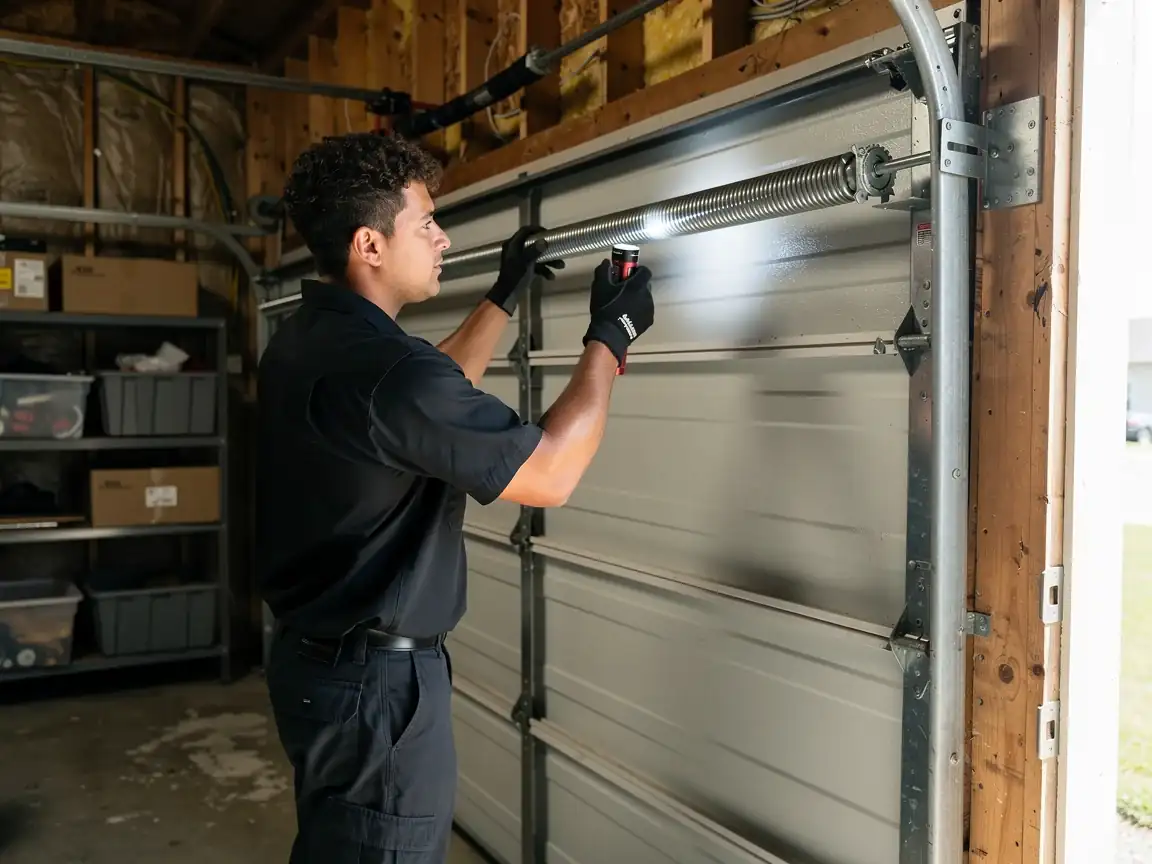
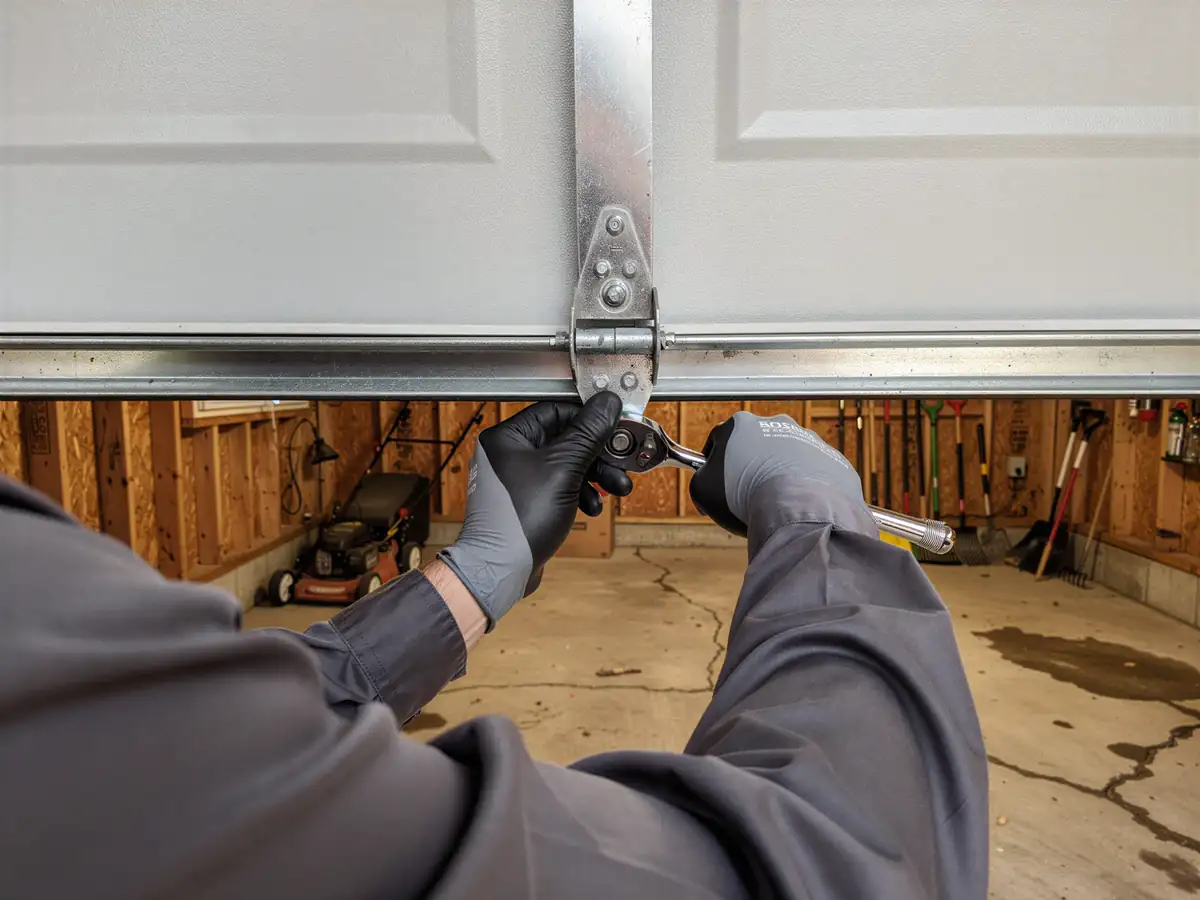
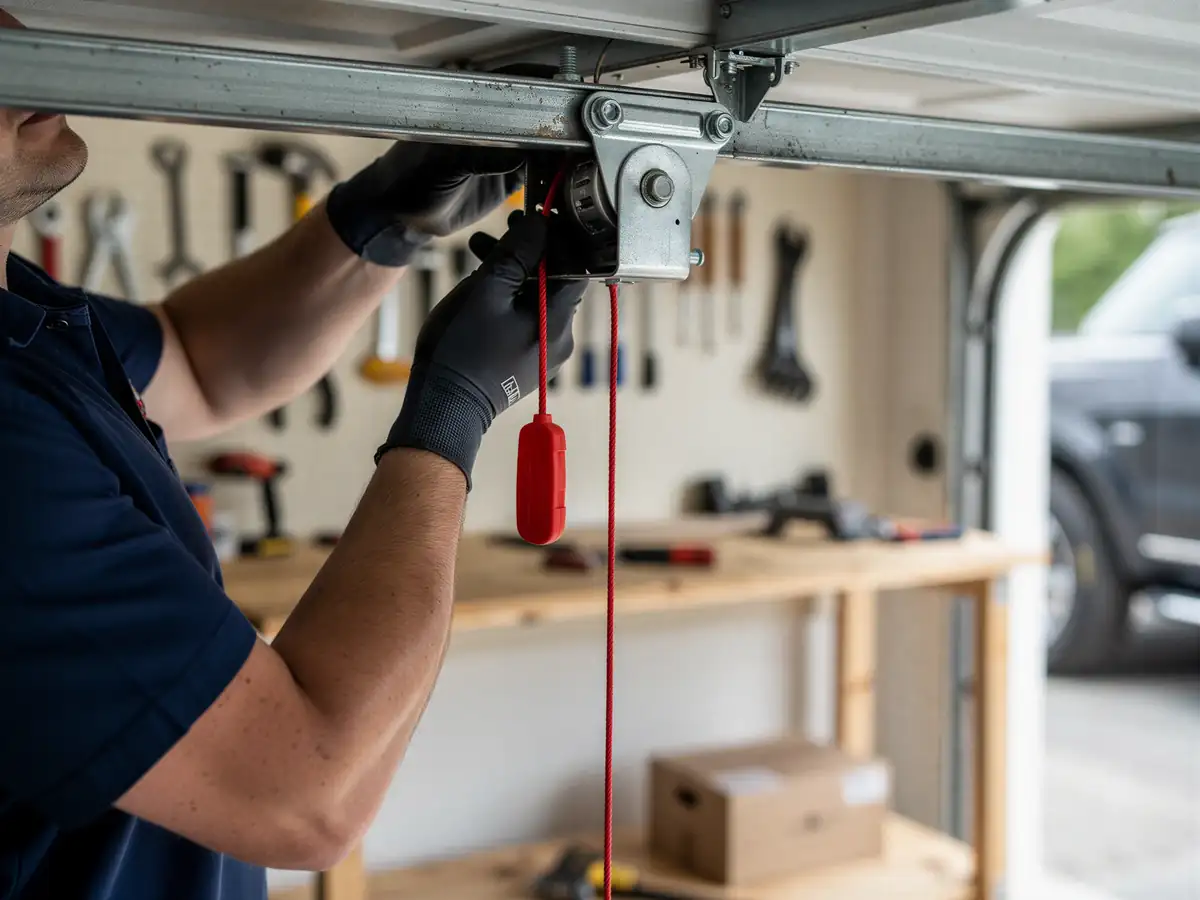
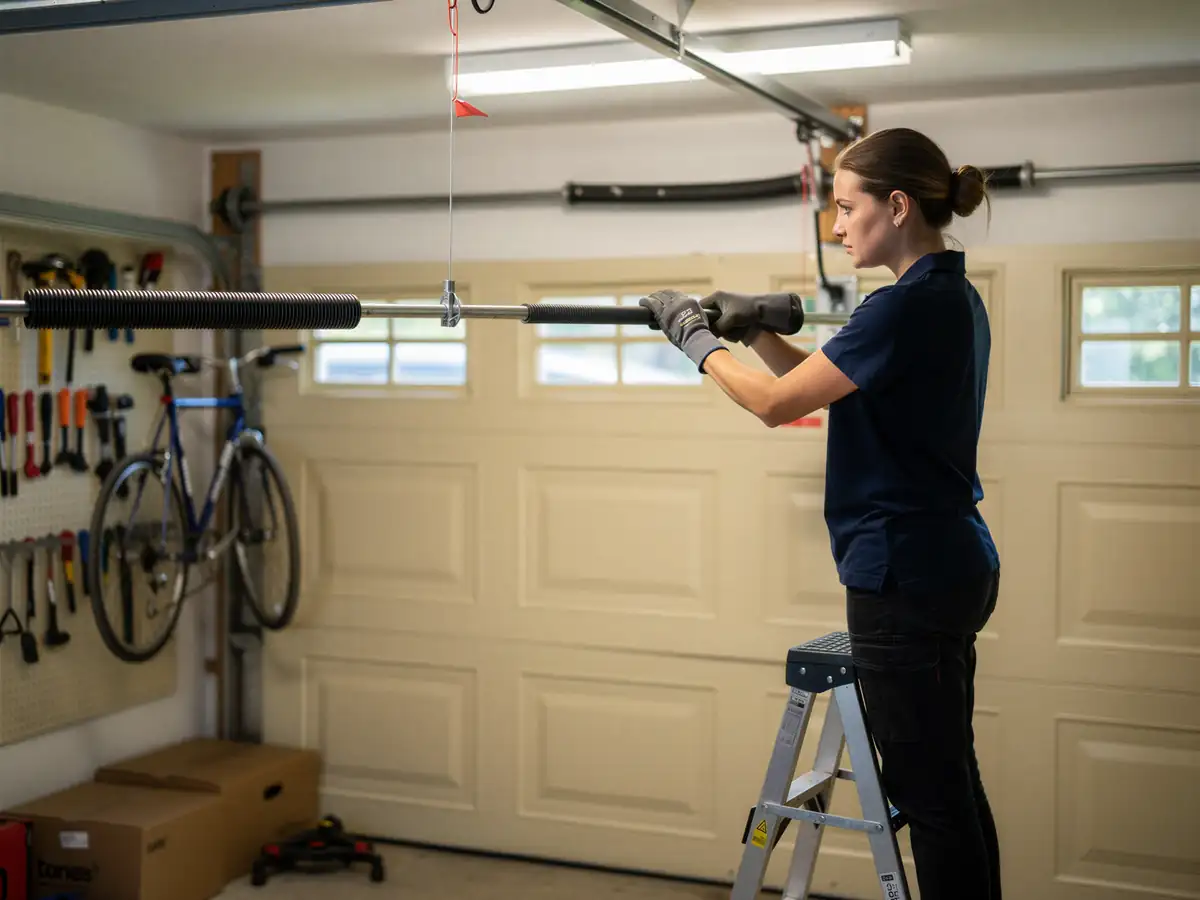
A maintenance visit starts with the spring - checking tension, looking for rust pitting or gaps in the coil, since that's the part most likely to fail without warning on hardware this old. From there we check the cables for fraying at the drum, the rollers for flat spots or cracking, and the center bearing for play or grinding.
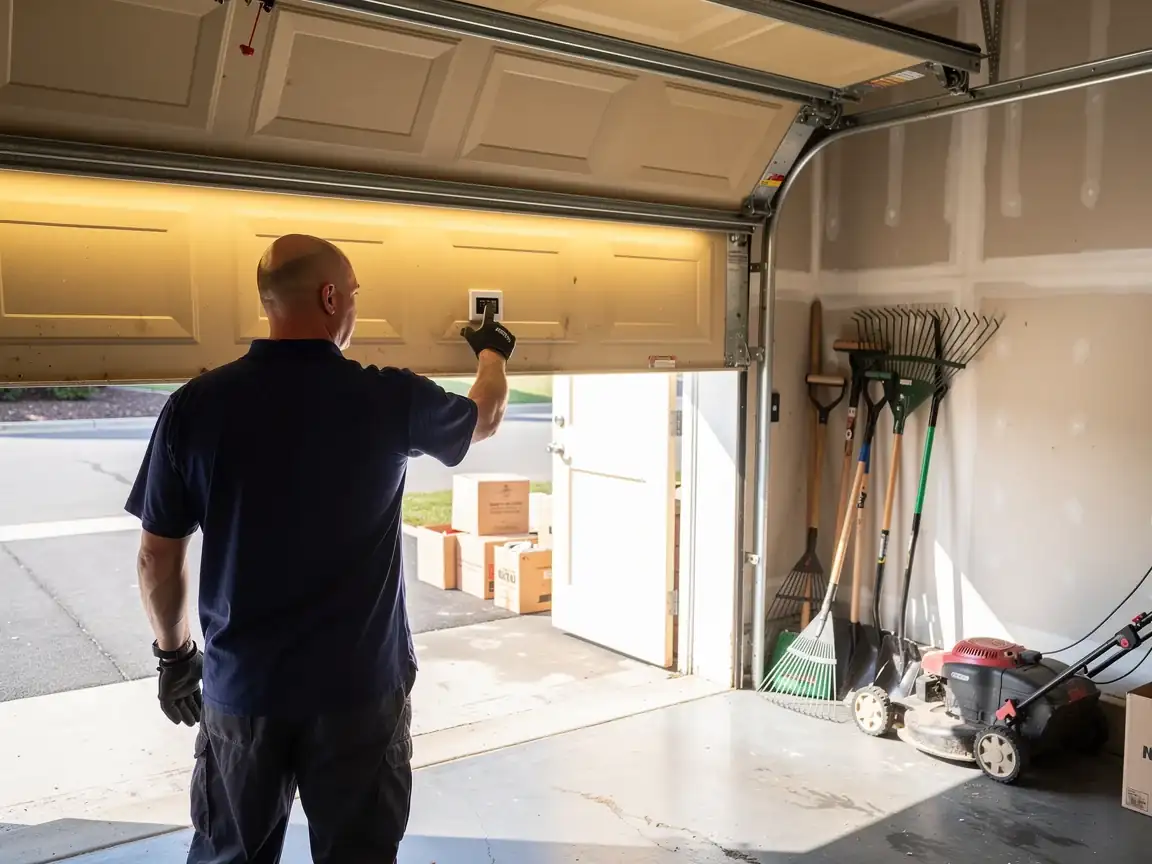
We lubricate the moving parts with the right product for the part - not WD-40 on everything, which actually attracts grit on some components. We check the opener's force settings and safety reverse, since those drift over years of use and matter more in cold weather when the door's heavier to lift. If we find something original that's close to failing - a spring with visible fatigue, a bearing that's seized - we'll flag it and give you the option to replace it that visit if we're carrying the part, or schedule a follow-up.
Booking a Visit
Since we're coming from Winchester, it helps to know roughly what's going on with the door before we schedule - is it noisy, slow, uneven, or has it just never been looked at since you moved in. For a routine maintenance check with no known problem, we can usually work you into a normal route day. If the door's already stuck or the spring's clearly gone, say so when you call so we bring the right parts the first trip.
You can see more on how we cover Middletown on our service area page, and if you're after a broader look at what maintenance and repair work we do across the Winchester area, that's covered on our main maintenance page.
The DIY Question
Lubricating hinges and testing the auto-reverse yourself is fine
And worth doing between our visits - it's free and it catches obvious problems early. What we don't recommend touching yourself is the torsion spring. On a door this old, the spring is under decades of accumulated wear, and an untrained attempt to adjust or release it is one of the few home repairs that puts people in the ER.
If your door is original to a 1980-built house and you've never had it serviced
The honest answer is to get it looked at before you do anything else to it. We'd rather tell you a spring's fine than have you find out it isn't the hard way.