Booking a Visit
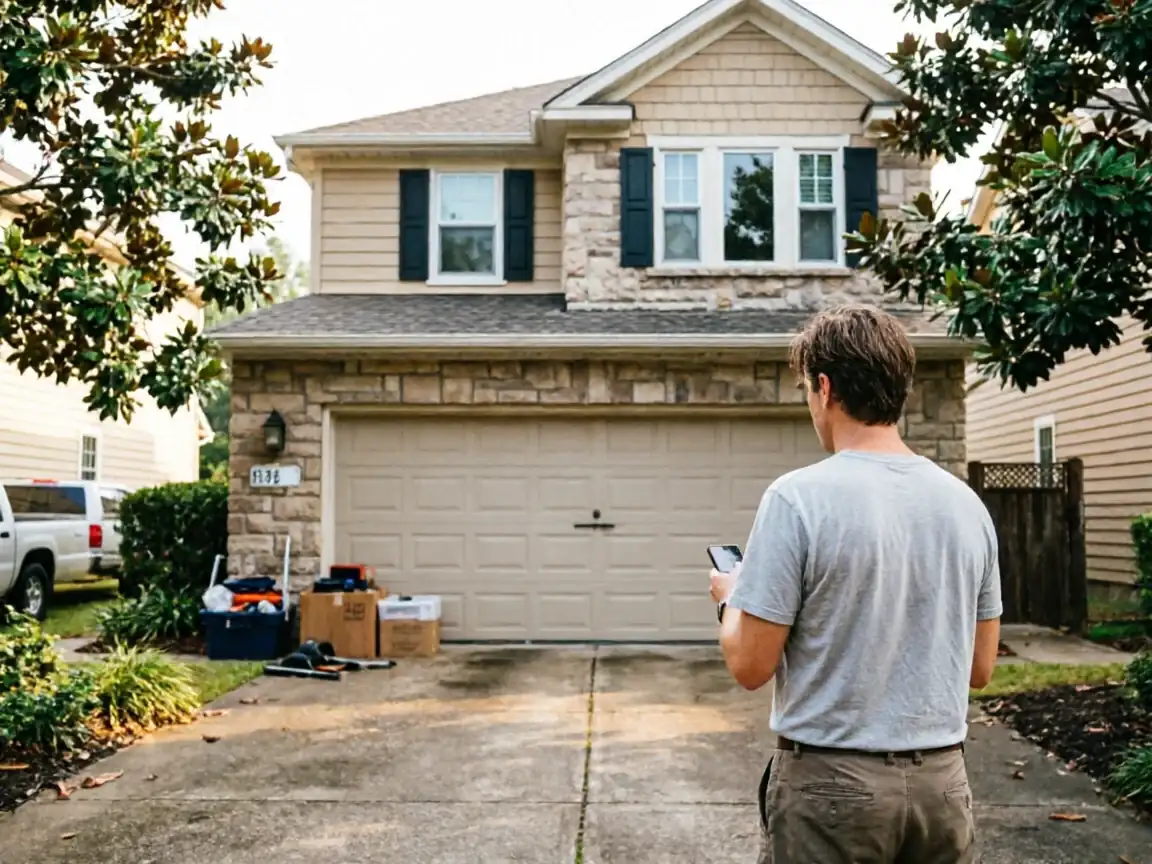
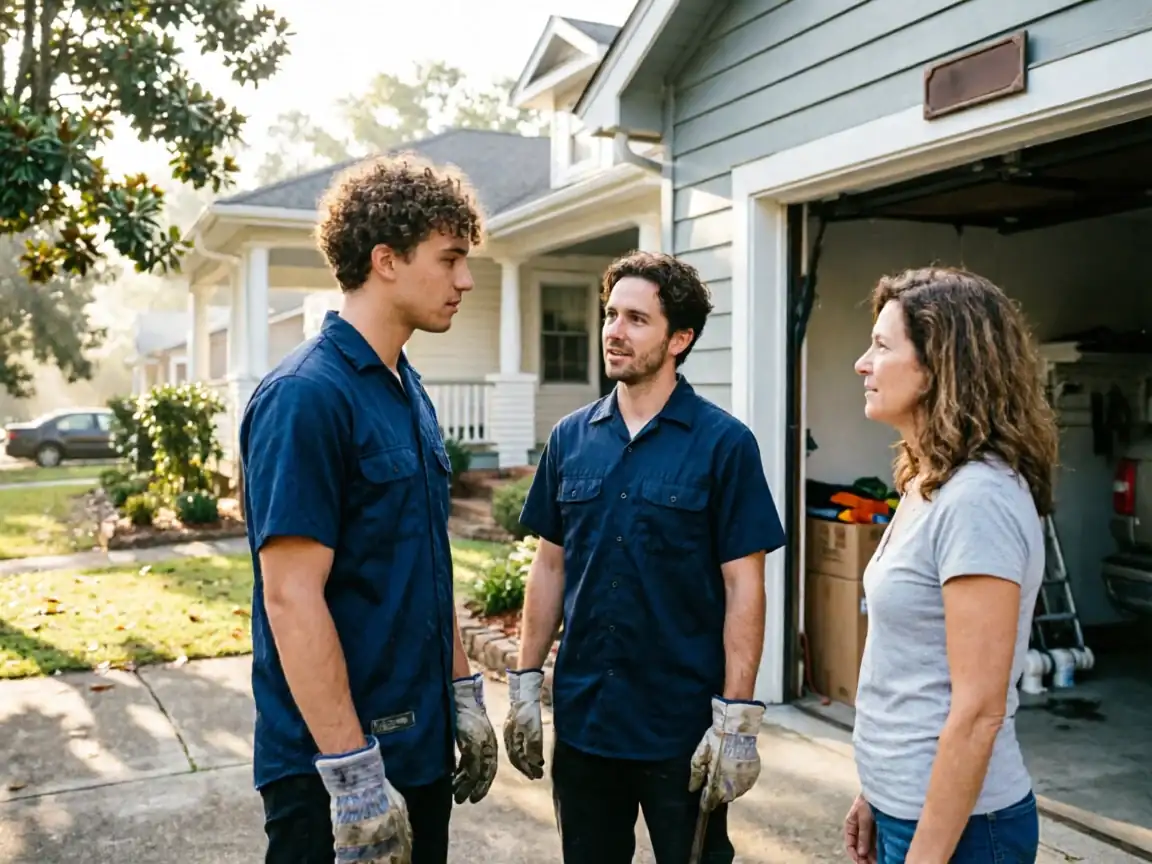
Call and tell us what the door is doing: won't budge, opener strains and stalls, or you can see a gap or a snapped coil in the spring itself. We ask for the make if you know it and whether it's one spring or two, because a double door usually runs a pair and both get replaced together even if only one let go. We serve the Winchester area, including Stephens City, Boyce, Berryville, Middletown, Strasburg, Front Royal, and Locust Grove, so tell us where you are and we'll give you a realistic window for the day. A broken spring is not a wait-and-see repair. The door is either heavy enough to hurt someone cranking it by hand or the opener is pulling against dead weight it was never built to lift, and that strain moves to the next weak part in line - usually the opener's drive gear or the top panel. We'd rather get you on the schedule than have you keep testing it yourself.
One honest limit: if the spring size or drum isn't something we carry on the truck - which happens on older or oddball setups - we may need a day to get the right part in rather than force a close match onto your track.
The DIY Question
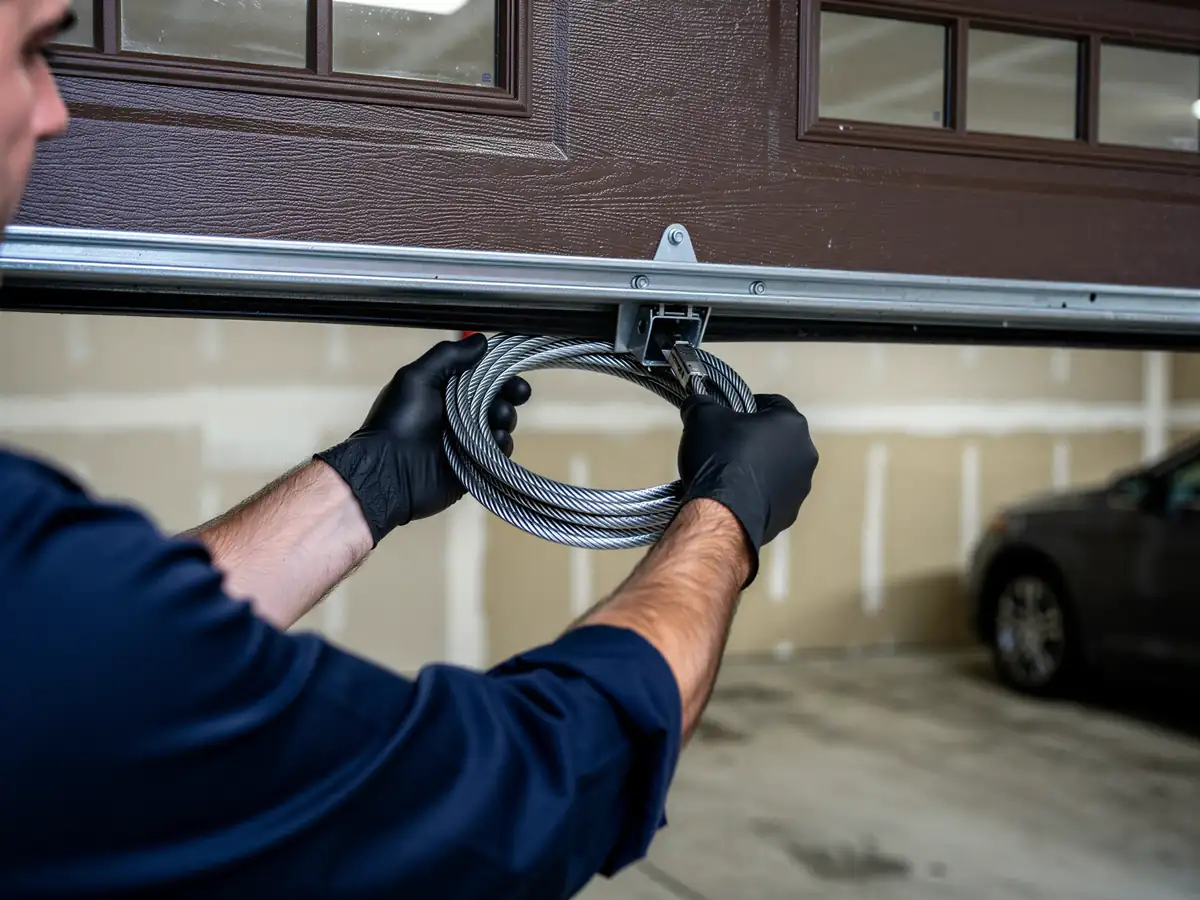
A torsion spring is wound under enough tension to break a bone or worse if the winding bars slip, and that's true whether it's a $20 part or a $200 one. We're not going to walk you through winding one over the phone. Extension springs, the kind that stretch along the horizontal tracks on older doors, are lower-tension and some owners do replace those themselves, but even there a frayed safety cable or a mismatched spring rating turns a quiet repair into a door that slams down.
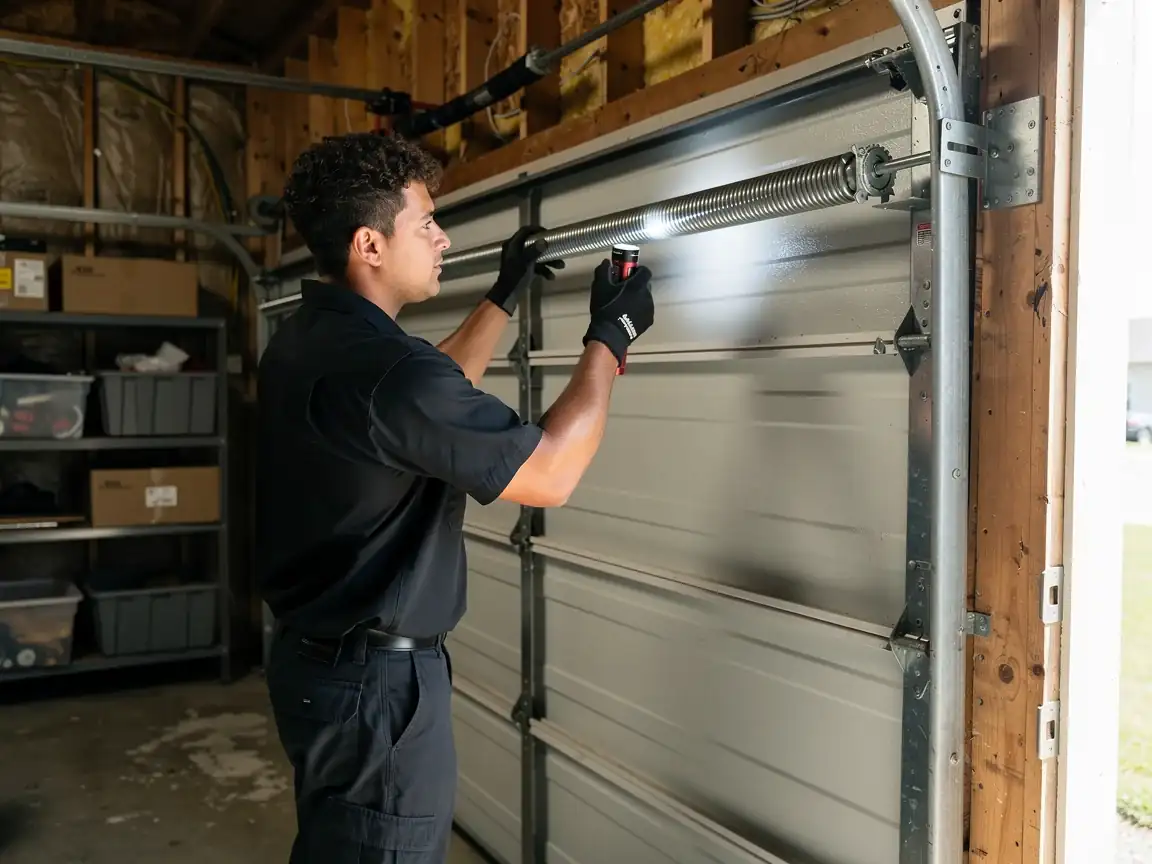
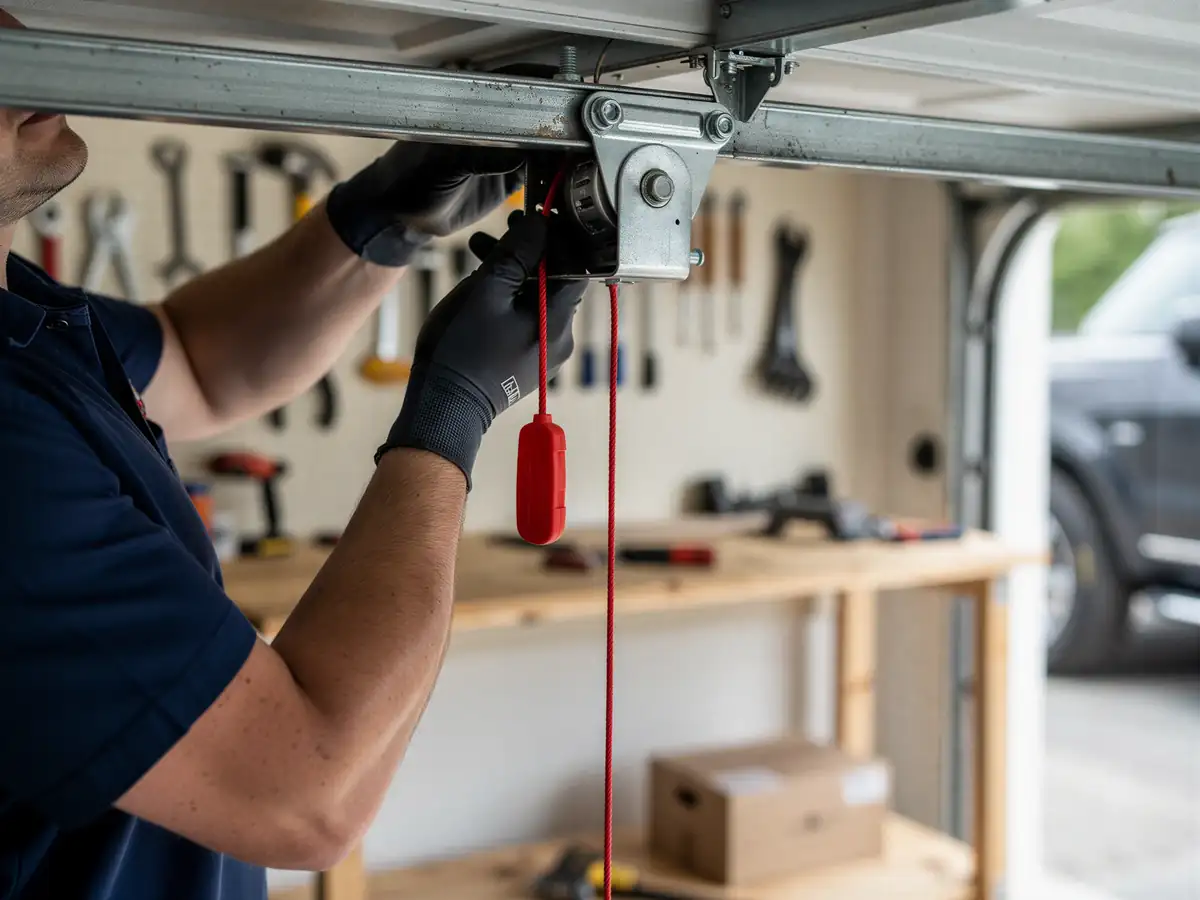
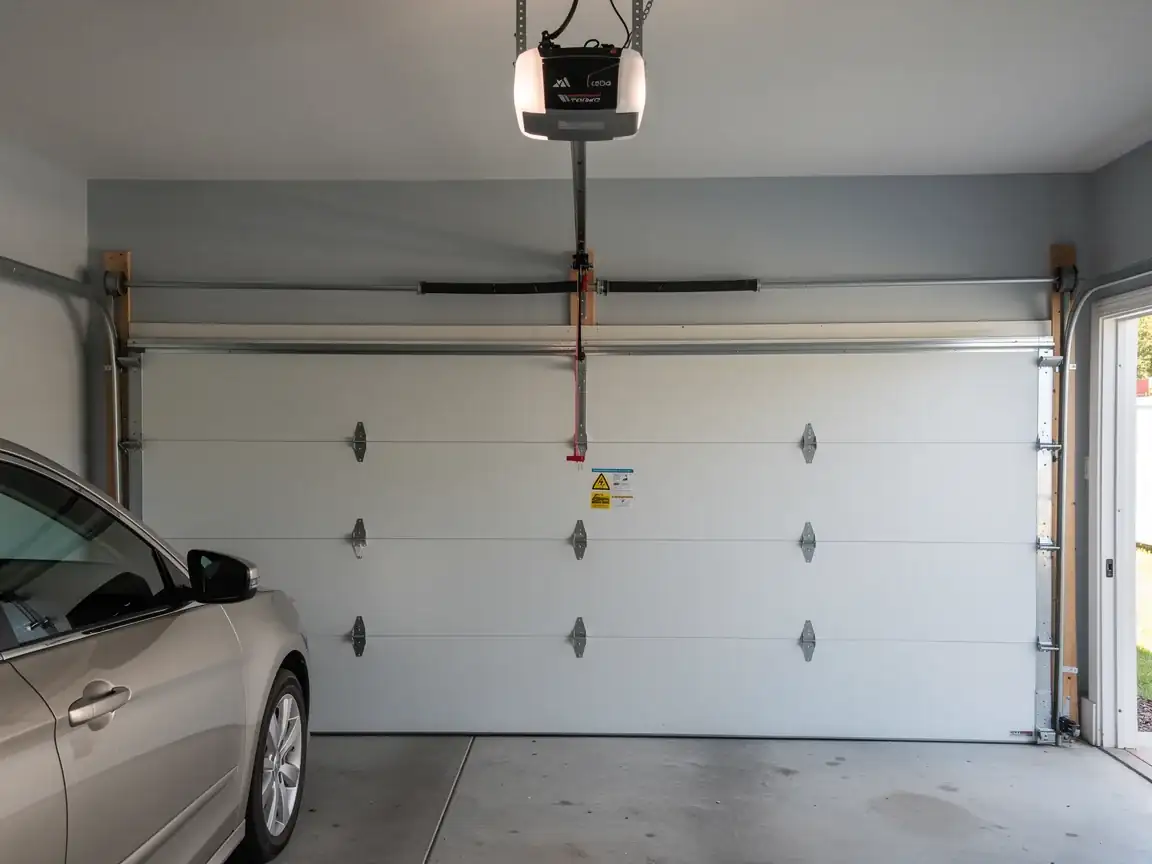
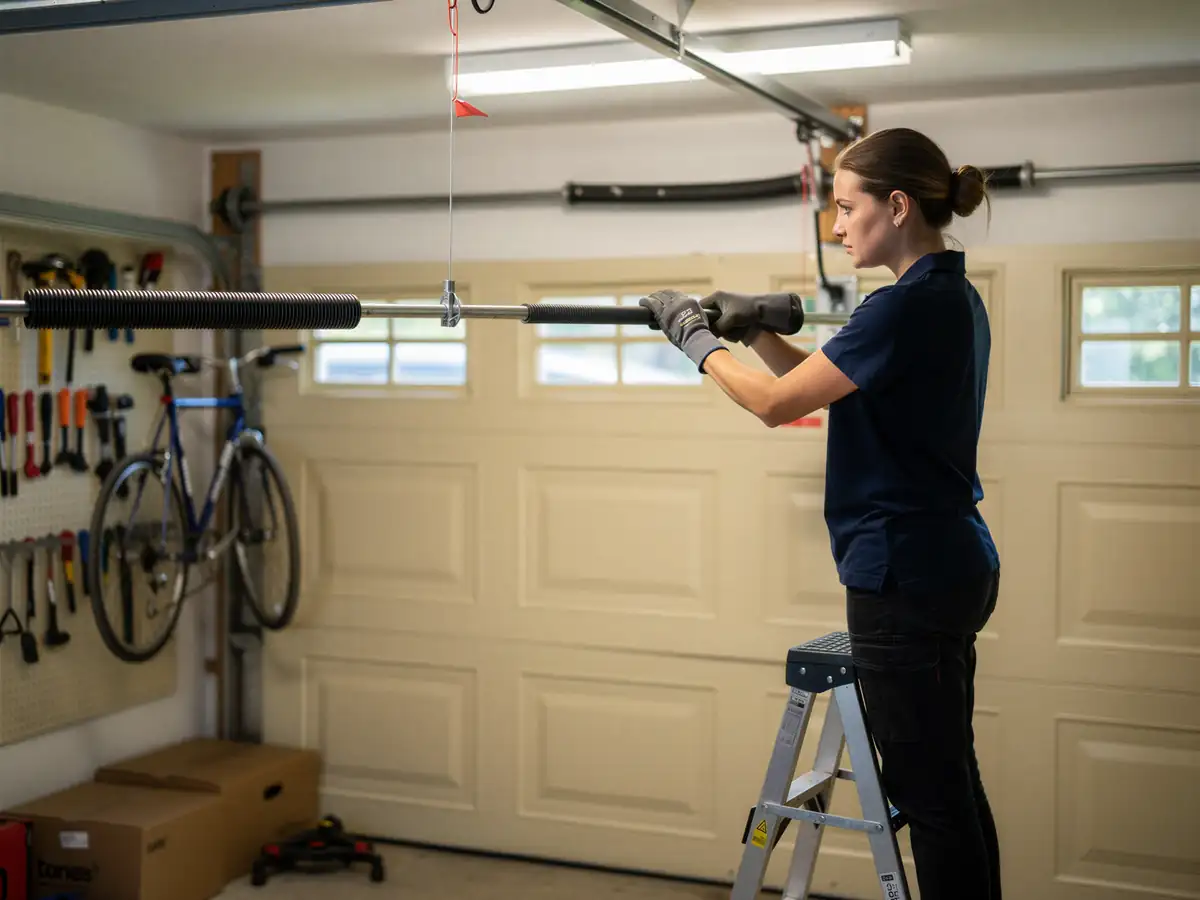
What you can safely check yourself: whether the door is a torsion setup (one spring, usually, mounted on a shaft above the door) or extension (springs alongside the tracks), and whether the break is in the spring coil or somewhere else, like a cable that's come off a drum. That tells us what to bring. Beyond that, the honest answer is to leave it closed, disconnect the opener if you can reach the release cord safely, and wait for someone to look at it in person.
What You Are Seeing
Most spring failures look like one of three things
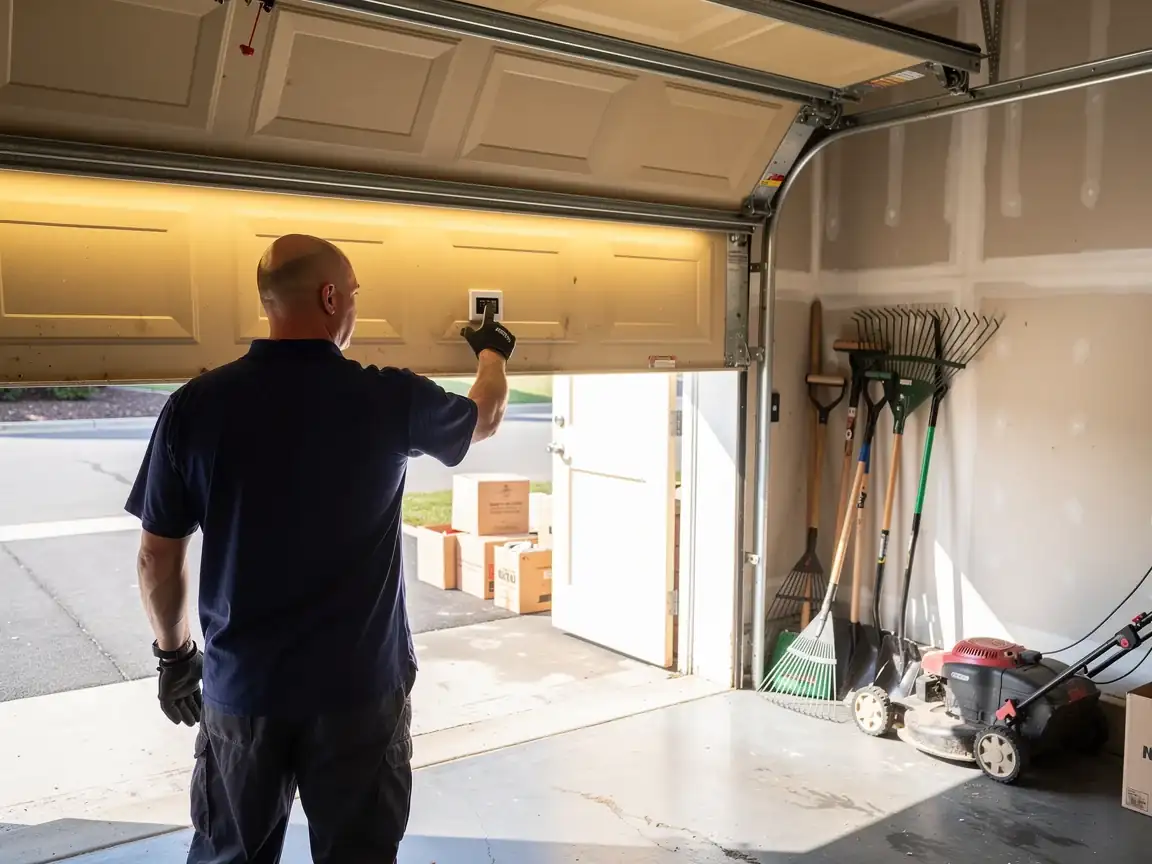
The door won't lift past a few inches and the opener motor hums or clicks without moving it - that's a spring that's lost its tension or snapped clean. You hear a loud bang from the garage, often in the morning when the door hasn't been touched - that's the spring letting go under its own wound-up stress, not something you did. Or the door closes unevenly, dropping faster on one side, which points to one spring in a pair still holding while the other has already failed.
Across the households we work with here
The service area runs about 12,505 households with roughly 5,551 owner-occupied houses - the pattern is consistent enough that we can usually tell from the description alone which of the three it is before we arrive. None of them get better with time or more lifts on the opener. Each cycle on a dead spring just transfers more load to the cables, the drums, and the opener's gearing.
- 12,505 households
- 5,551 owner-occupied
Why It Happens Here
A lot of the housing across this area went up between 1971 and 1991, with the median landing around 1980, and that shows up directly in spring failures. Doors and openers installed in that build wave are now old enough that the original springs - rated for a certain number of open-close cycles - have simply used up their lifespan, springs don't fail on a calendar, they fail on cycle count, and a 1980s door has had three or four decades of cycles on hardware that was never meant to last forever.
The cold climate here adds to it. Steel contracts in winter, and a spring that's already near the end of its rated cycles is more likely to snap on a cold morning than a mild afternoon, because the metal is stiffer and less forgiving right at the moment of highest tension. Across the seven named areas we cover, most of the stock from that 1980s-90s building period shares the same setup: torsion springs sized for a specific door weight that, after enough winters and enough cycles, just aren't there anymore. That combination - decades-old hardware plus hard winters - is why this fault shows up as often as it does here rather than being a rare call.