What Is Going On
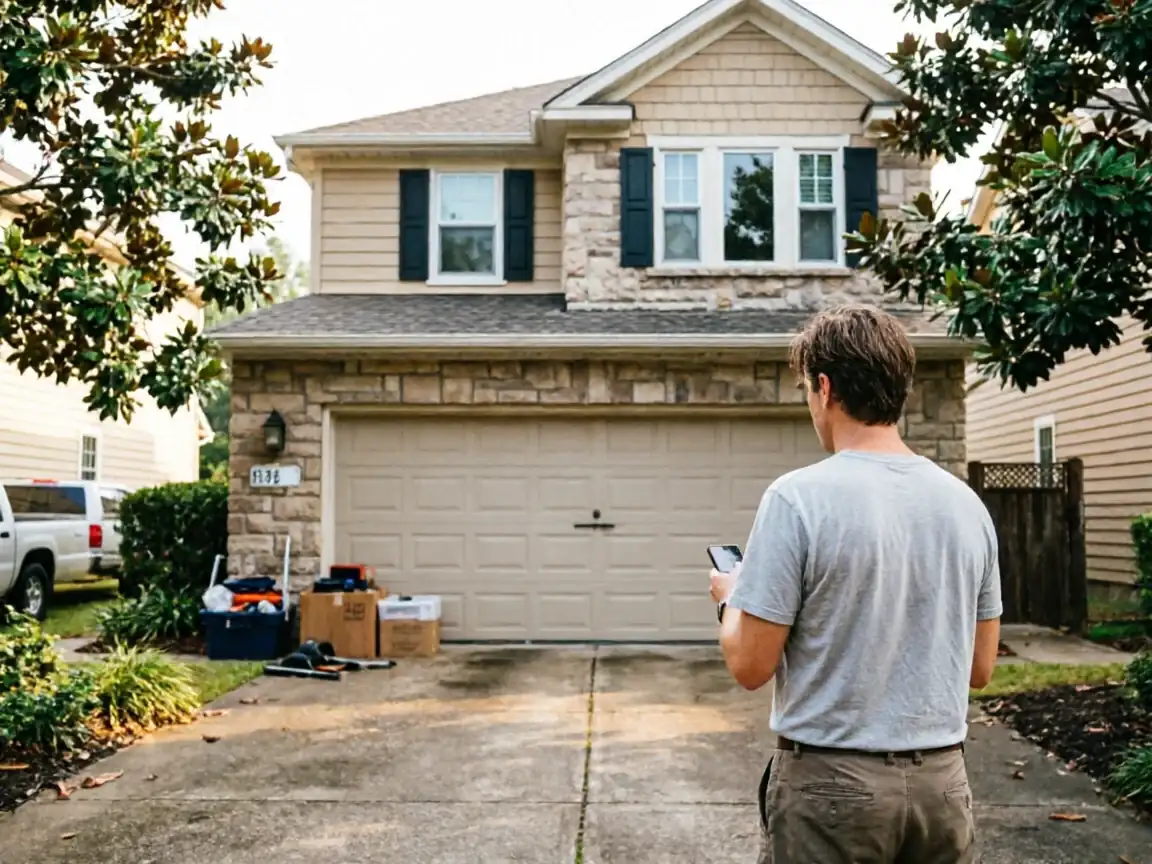
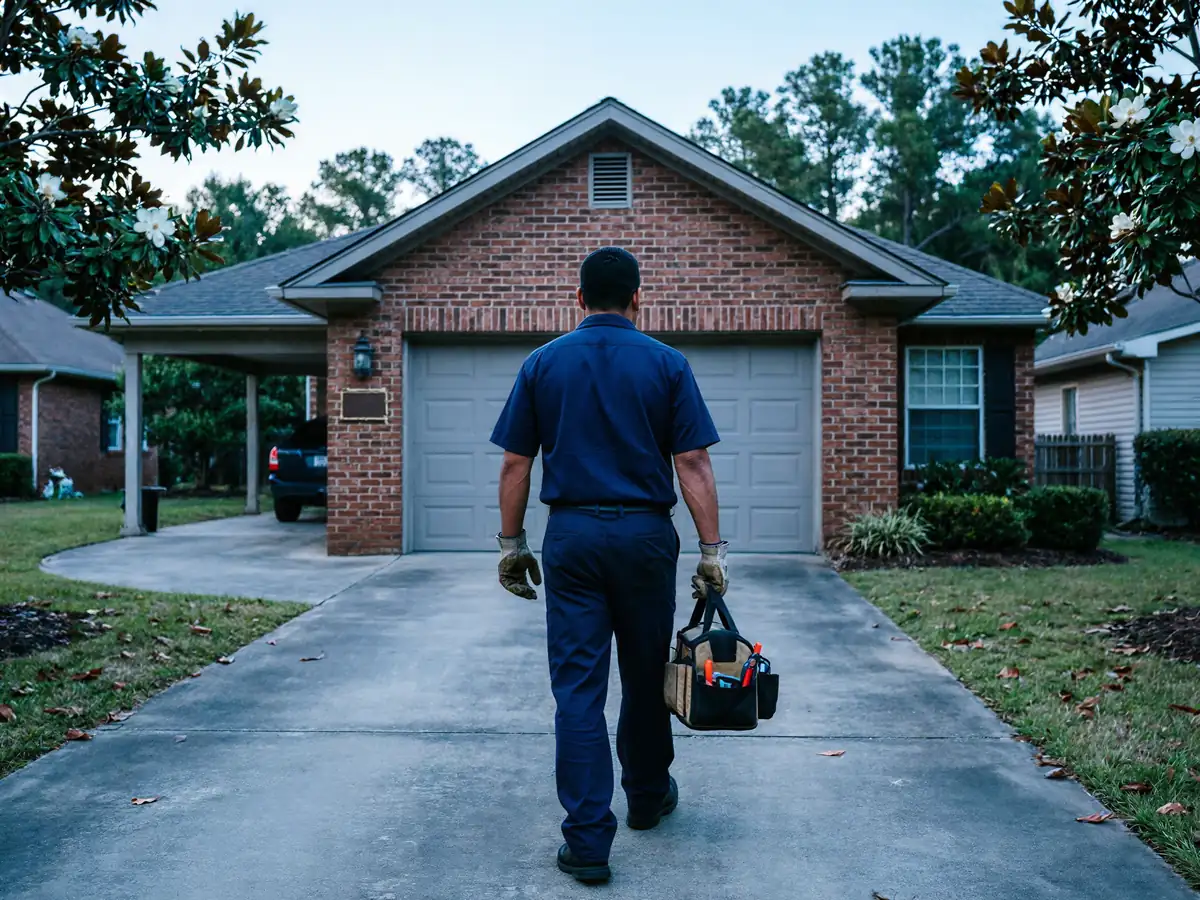
Most houses on this side of the Shenandoah Valley, including the seven areas that make up this service territory, went up between 1971 and 1991, with the bulk of the stock dating to the 1980s and 90s. That matters for one simple reason: openers installed or replaced to match that era of construction predate battery backup as a standard feature. When the power goes out, the door just stops wherever it is. No chime, no backup motor kicking in, nothing.
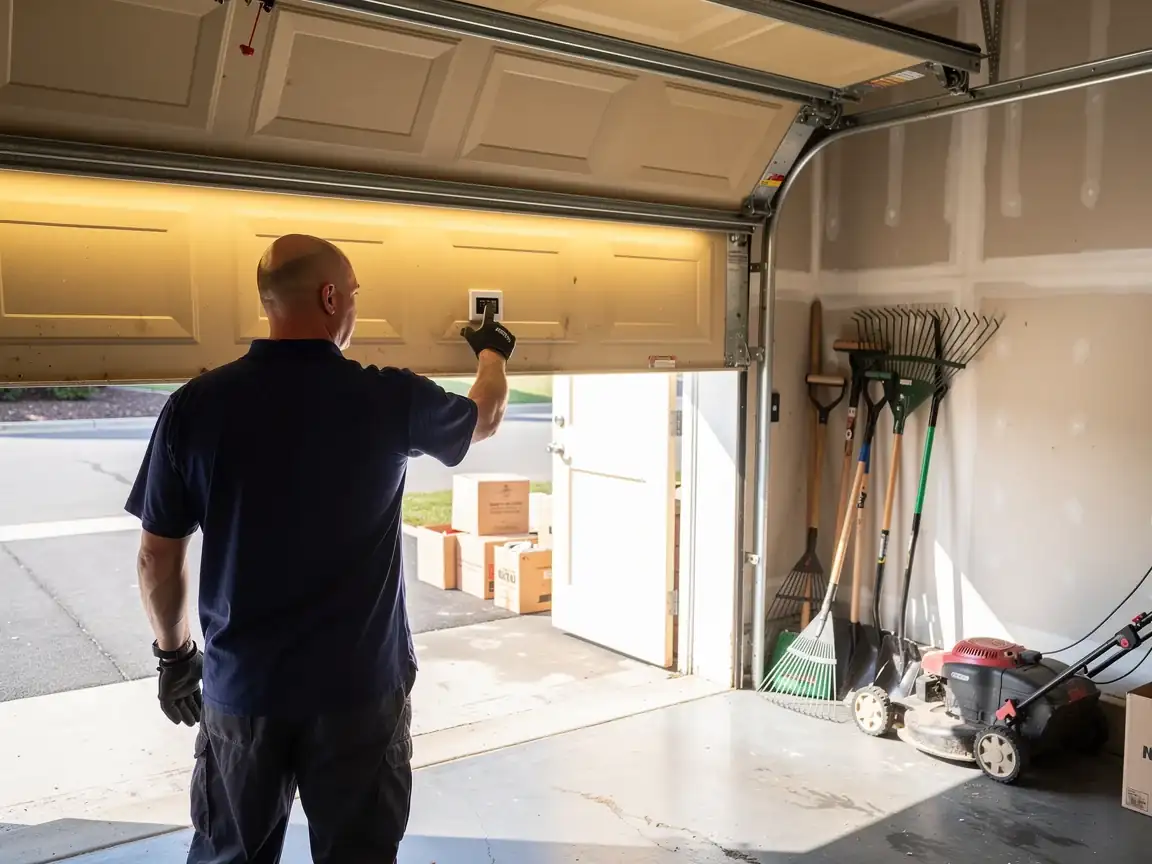
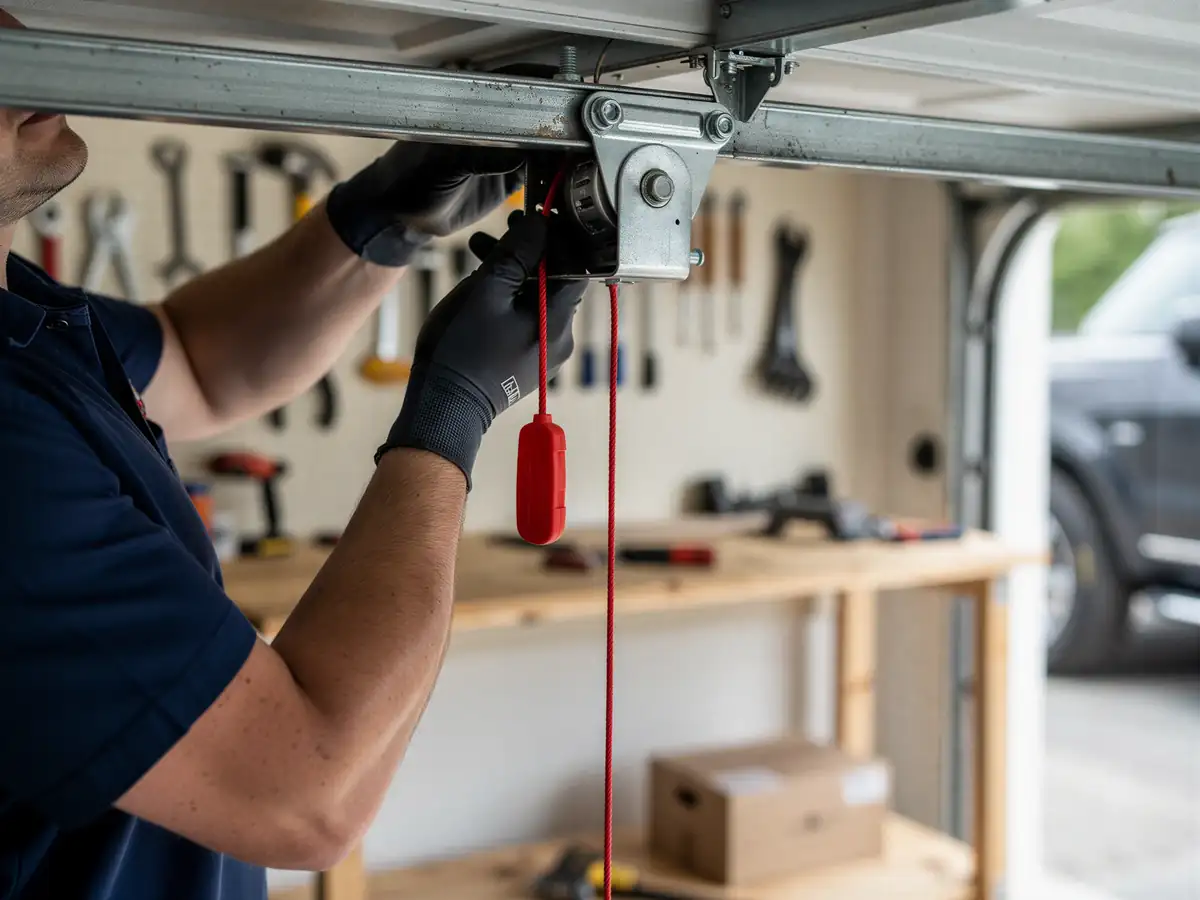
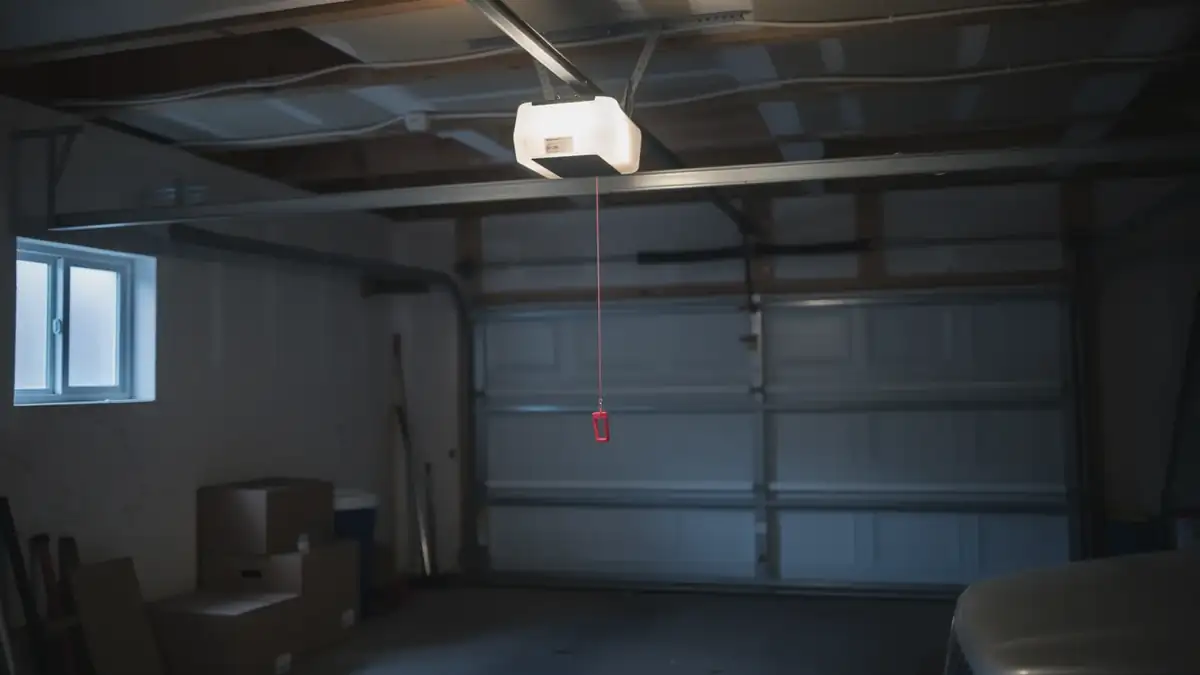
The manual release - that red cord hanging from the trolley - still works without power, but only if nobody's painted over the mechanism or jammed a storage shelf against the track in the last forty years. In a lot of these garages, the release cord is the one part of the system nobody has touched since the house was built. It's stiff, sometimes seized, and homeowners find that out at the worst possible moment: mid-storm, car half in the garage, power already gone.
When to Get Help
Call before you force anything. If the opener hums but the door won't move during a power cut, that's almost always the manual release not engaging clean, and trying to muscle the door on the track can bend it. If the door moves by hand but the opener won't re-engage once power's back, that's a limit switch or circuit board issue, and those boards in 1980s-and-90s-era units are long past the point where parts are easy to source.
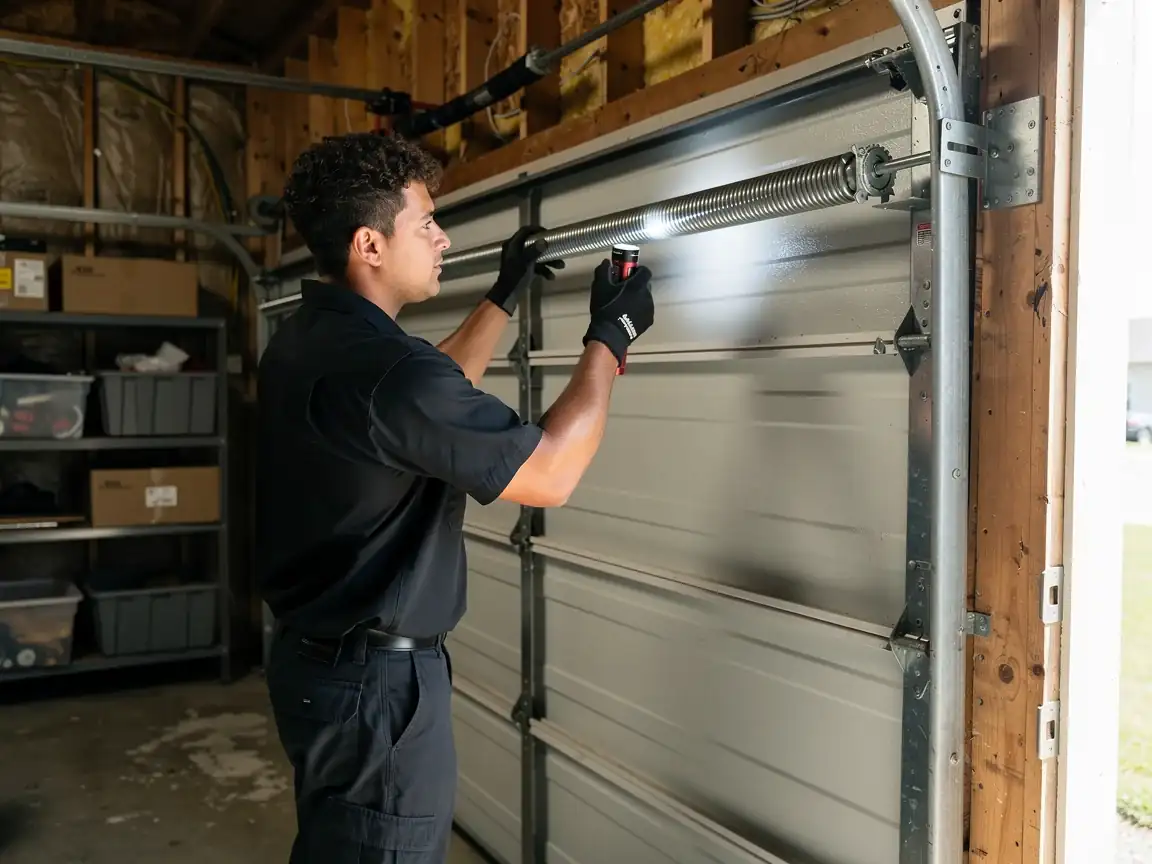
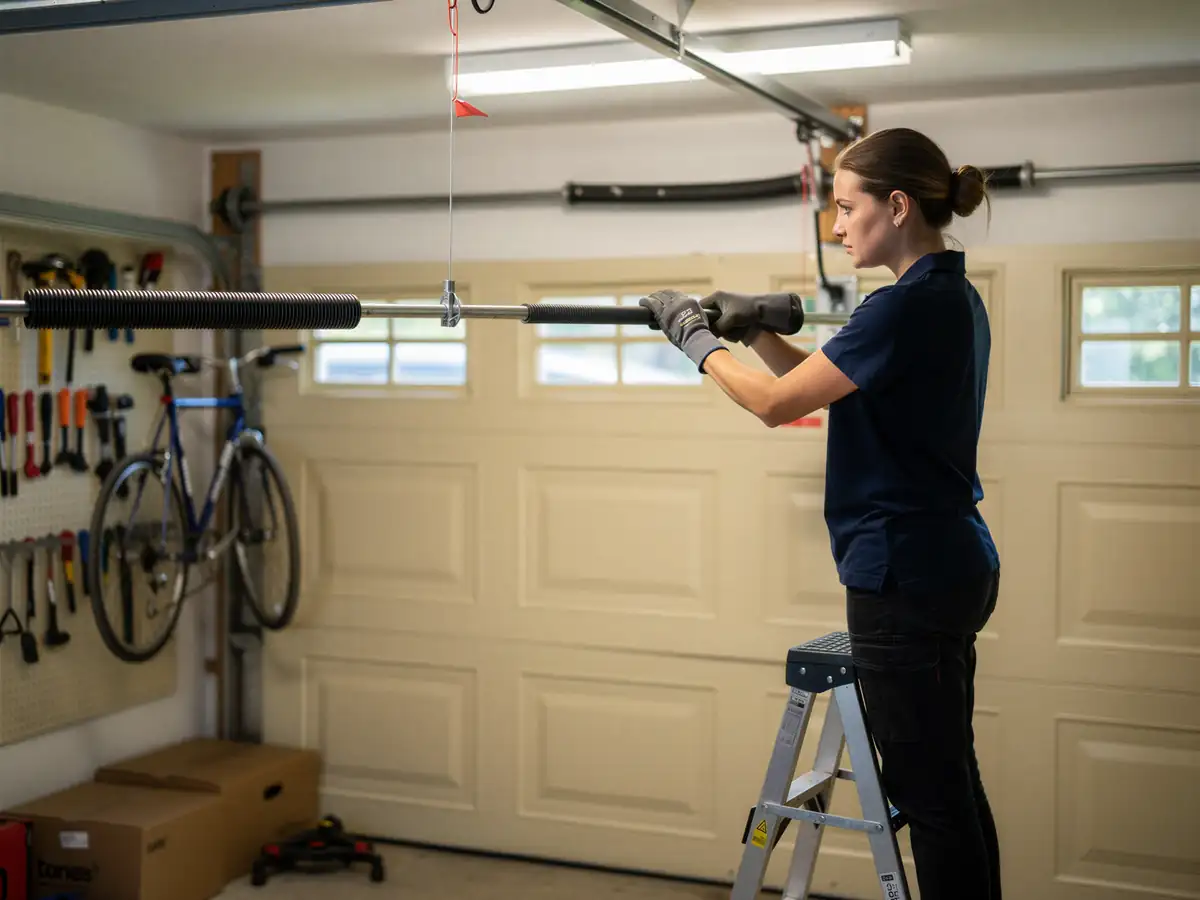
A call makes sense any time you've lost power and the door won't release manually, any time the opener runs but the door doesn't move, or any time you hear the motor straining against a door that feels heavier than it used to. That last one is usually a spring problem wearing on the opener, not the opener itself, and it's worth having someone look at both.
The Common Mistake
The mistake we see most in houses built in that 1971-1991 window
Owners assume the opener failing during a power cut means the opener is broken, replace it, and the new unit fails the same way during the next outage because nobody added battery backup. A straight swap keeps the same vulnerability.
The other common one is letting the manual release sit untouched for years because the door never seems to need it
Until a storm takes the power out and the cord won't budge. A release mechanism needs to move occasionally to stay usable. We won't tell you to test it every month, because nobody does that, but once a year, before winter, is reasonable.
What the Weather Here Does to It
Winchester sits in a severe cold climate band, and cold is hard on openers in a specific way: it thickens the grease in the drive mechanism, which makes the motor work harder to move the door, which trips thermal overload protection on older units more often. Combine that with an ice storm knocking out power, and you get the exact failure mode above - no backup battery, a stiff manual release, and a door stuck shut in freezing weather.
We'll be honest about the limit here: if your opener is original to a house built in that 1971-1991 run, the board and drive gear are at an age where repair parts are getting harder to find, and sometimes replacement is the more sensible call than chasing down a part for a forty-year-old circuit board. We'll tell you straight which one makes sense for your unit rather than defaulting to a repair quote just to get a job.