What Is Going On
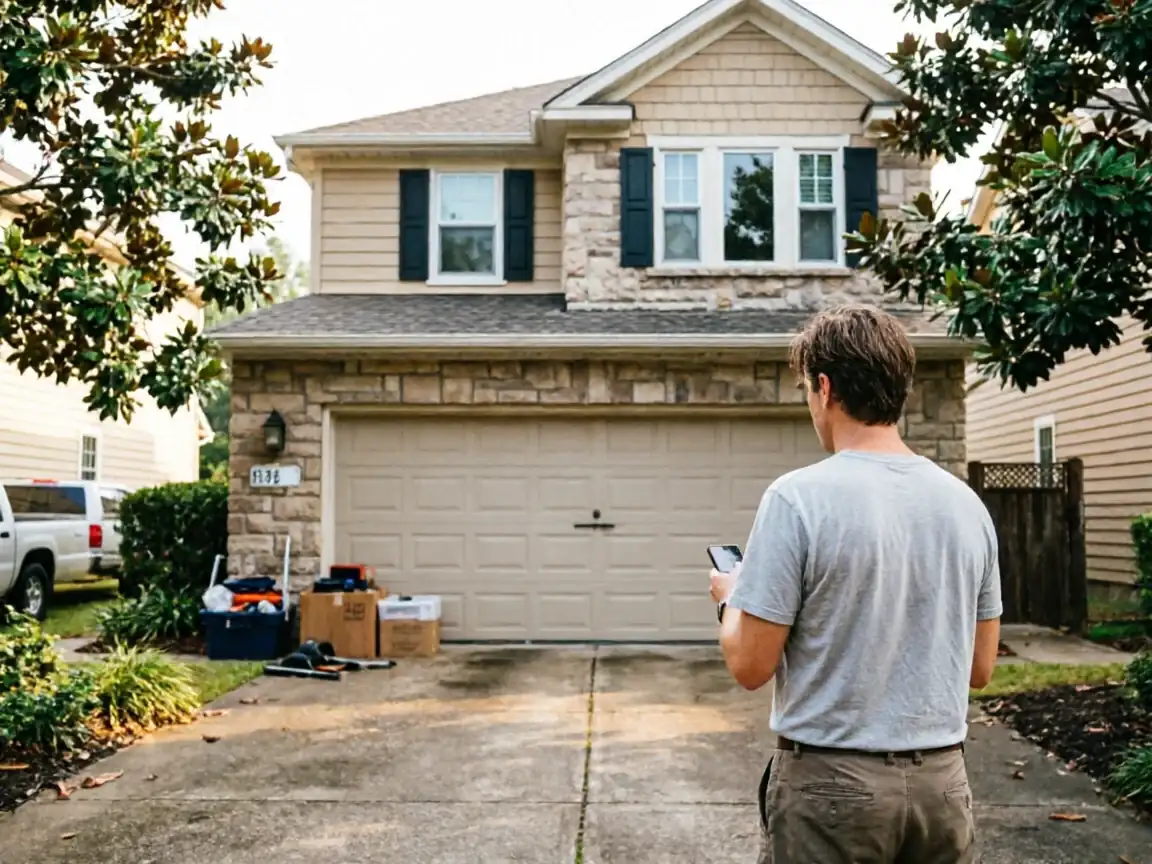
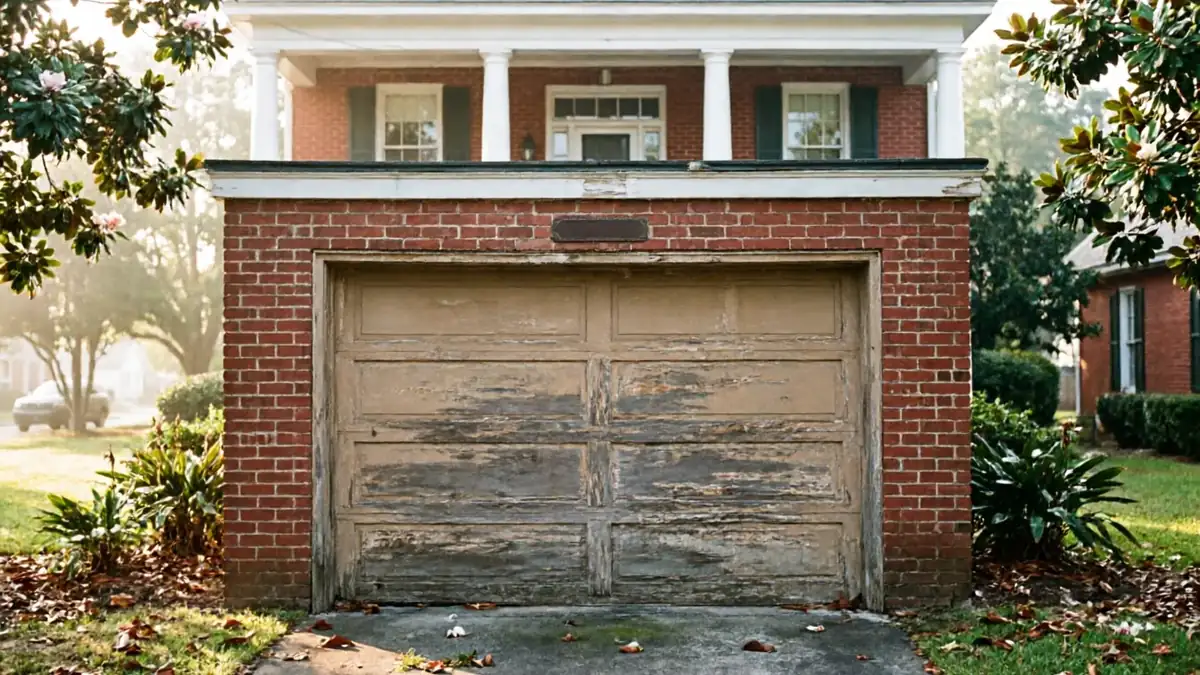
Most houses in Winchester went up between 1971 and 1991, with the median landing around 1980. That means a lot of garage doors in this area are original to the house or close to it - somewhere in the 35 to 50 year range. Across the seven areas this shop works, from Stephens City to Locust Grove, the pattern repeats: 1980s and 90s construction, 1980s and 90s doors, and 1980s and 90s hardware still bolted to the jamb.
A door that old was built before a lot of the hardware standards homeowners now take for granted - safety cables on extension springs, photo-eye sensors, galvanized coatings rated for decades instead of years. The steel is thinner, the spring wind count is lower, and the track is usually the narrower gauge that stopped shipping new sometime in the 1990s.
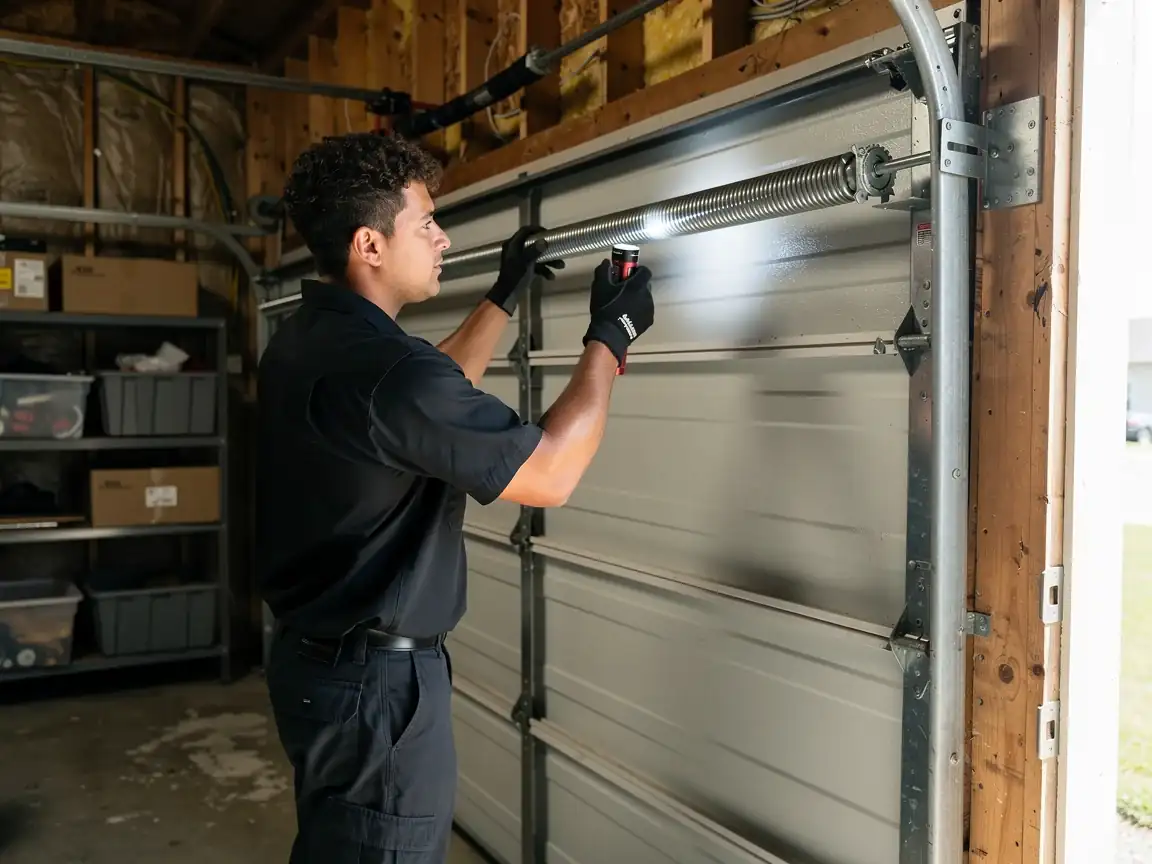
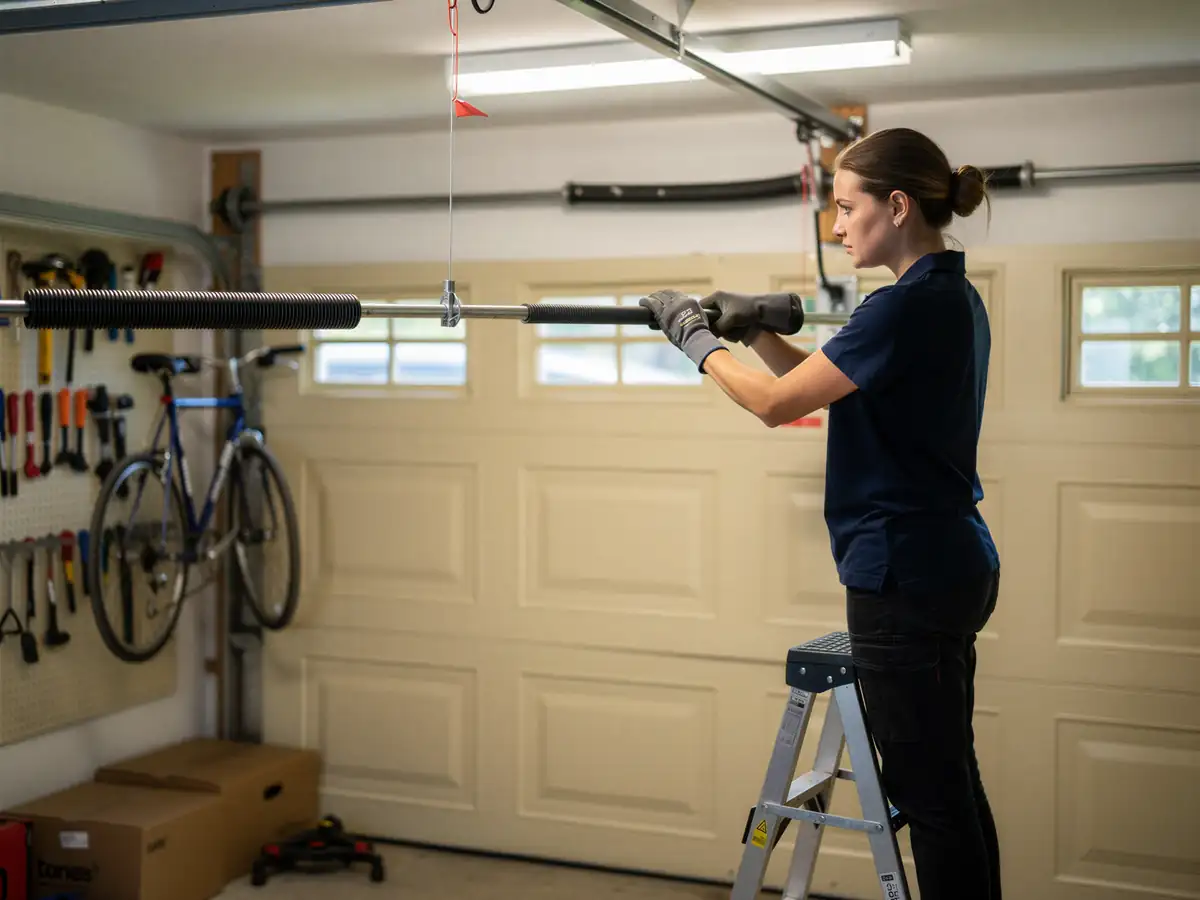
None of that means the door is junk. A torsion spring from 1985 can still be rewound or replaced on the same shaft if the shaft itself isn't pitted. The question isn't age by itself - it's what's actually failed and whether the rest of the door is sound enough to keep running once that part is fixed.
When to Get Help
Call before the door comes off the track entirely, not after. If a panel is denting inward at the bottom, if the door sits crooked when it's halfway up, or if the opener is straining and reversing on its own, those are signs the balance is gone - usually a spring that's lost tension, not yet broken clean.
A fully broken torsion spring on a double door is not a weekend fix. The door weighs more than most people guess, and the wound spring holds enough force to break a hand. If you hear a loud bang from the garage and the door won't lift past a few inches, that's the spring, and it's a same-day call, not a wait-and-see.
Rollers are a quieter problem. Steel rollers on a door built in the 1980s or 90s were rarely nylon - they're the ones that grind and seize in cold weather. If the door sounds like a shopping cart, that's wear, not an emergency, but it's worth a call before a roller jumps the track and bends it.
The Common Mistake
The mistake homeowners make most often with an older door is replacing one part and ignoring the rest of a worn system
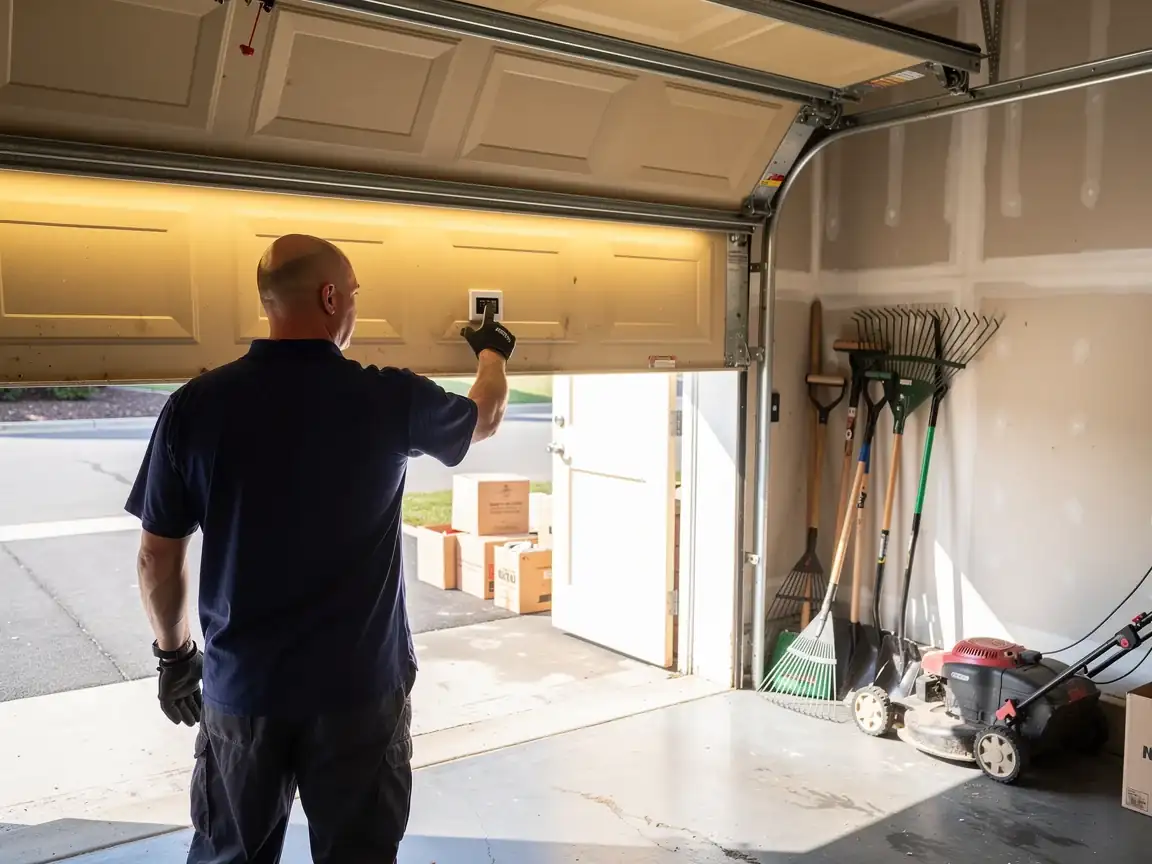
A new opener bolted onto a 40-year-old track and a tired spring doesn't fix anything - it just makes the weak parts fail under new force. The opener is rated for the door's current condition, and if the spring is underpowered for the door's weight, the opener motor takes the strain the spring should be carrying, and it burns out faster than it should.
The other mistake is assuming age alone means replace
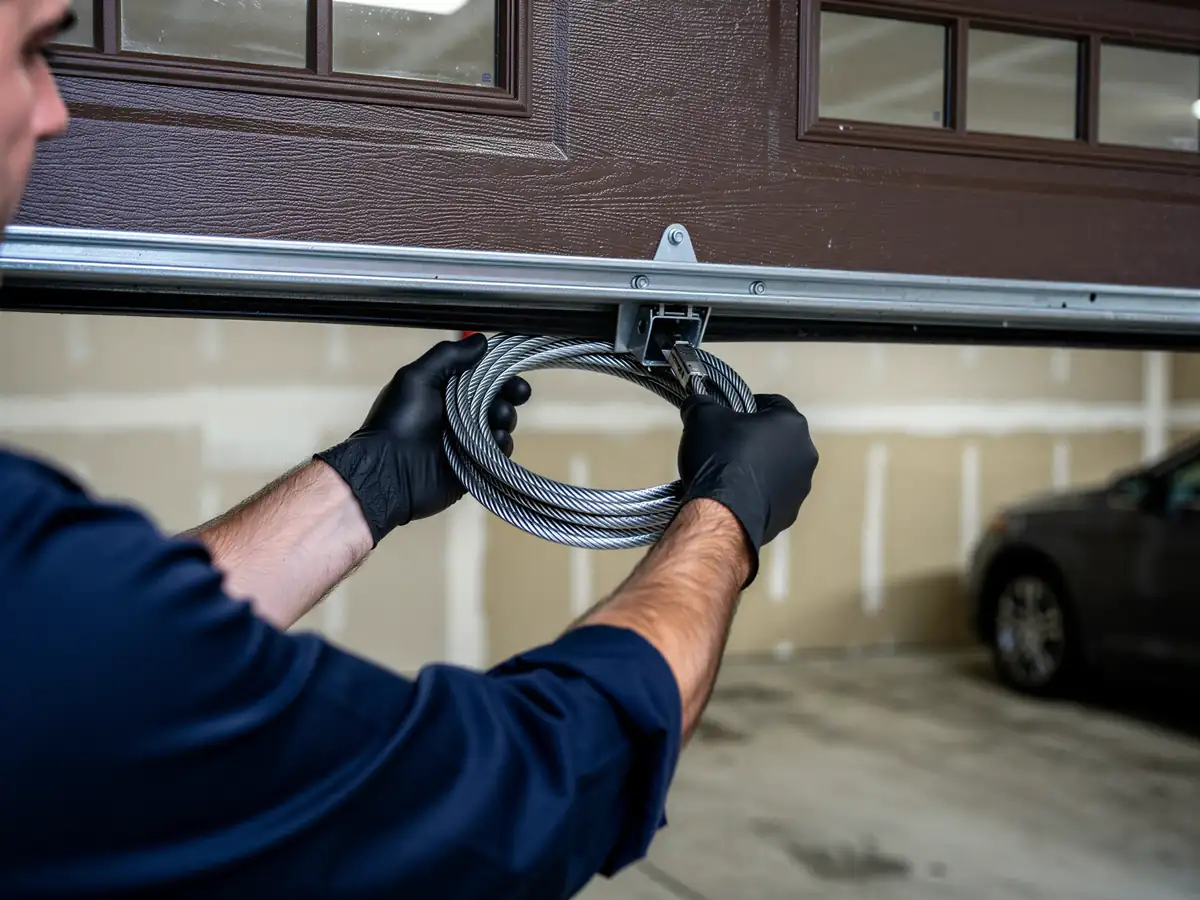
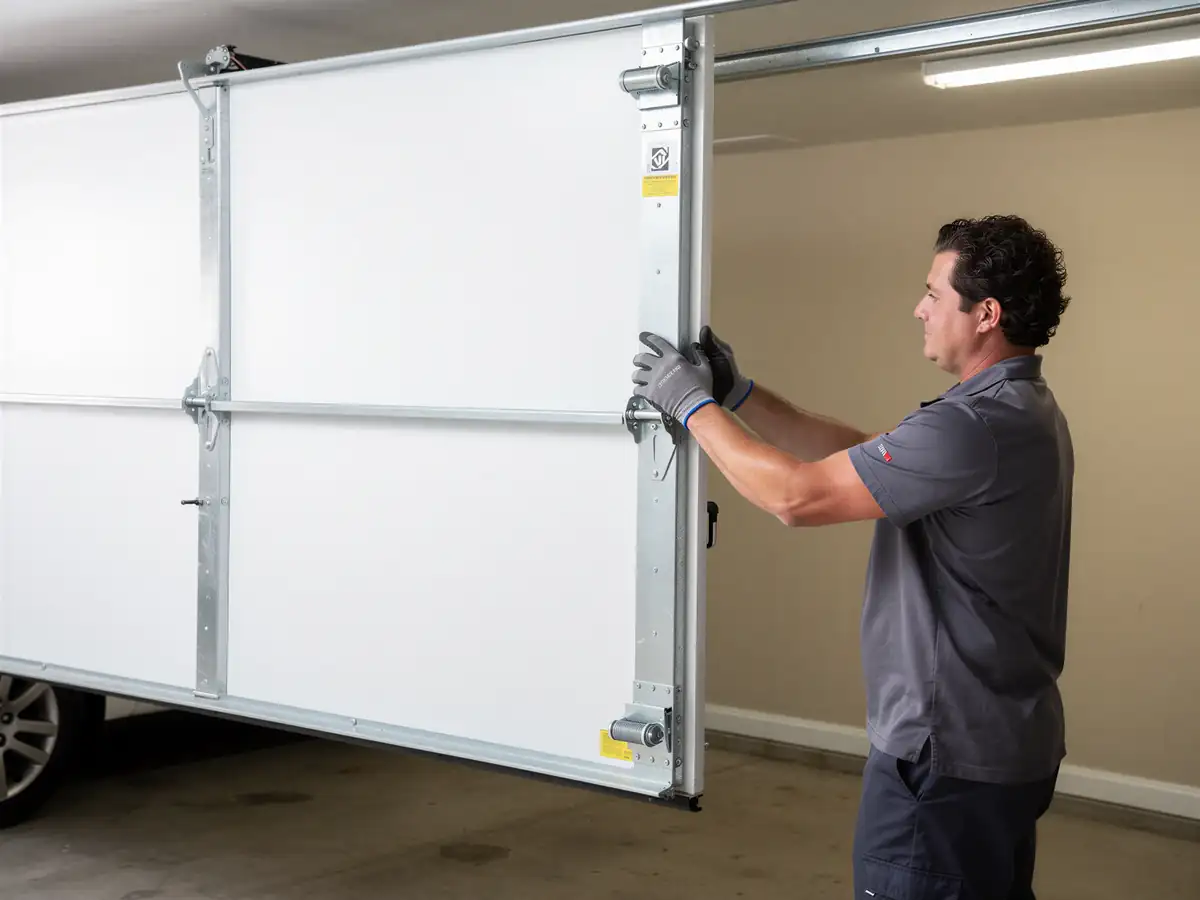
A door from the 1980 median year, if the panels aren't rusted through and the track is straight, can often run another decade on a new spring, new rollers, and a cable set. Full replacement makes sense when the track is bent beyond pulling straight, when panels are cracked or rusted at the seams, or when the door is a style nobody makes parts for anymore. Short of that, fixing the specific failed part is usually the cheaper and more durable call.
One honest limit here
If a part is specific to a door style from the Middletown or Berryville housing boom and it's been out of production for years, sourcing it can take longer than the homeowner expects, and sometimes a like-for-like match just isn't out there.
What the Weather Here Does to It
Winchester sits in a cold-climate band, and that matters more for an older door than a newer one. Steel contracts hard in a sustained cold stretch, and a torsion spring that's been doing its job for 35 years has less give left in the metal to absorb that contraction. That's when a spring that looked fine in October lets go in January.
The same cold affects lubricant on steel rollers and hinges. Grease that's thinned out over decades of summer heat and winter cold stops doing its job exactly when the door needs it most - cold steel against cold steel, grinding instead of rolling. Weatherstripping on an older door also hardens and cracks faster in a cold band like this one, letting in drafts the door wasn't built to stop in the first place.
Stephens City, six miles out, and Boyce, eight miles out, sit in that same cold band and see the same pattern on the same era of doors. It isn't a Winchester-specific weather event - it's what a 40-year-old door does every winter in this part of the country, year after year, until someone replaces the parts that have stopped flexing.