Booking a Visit
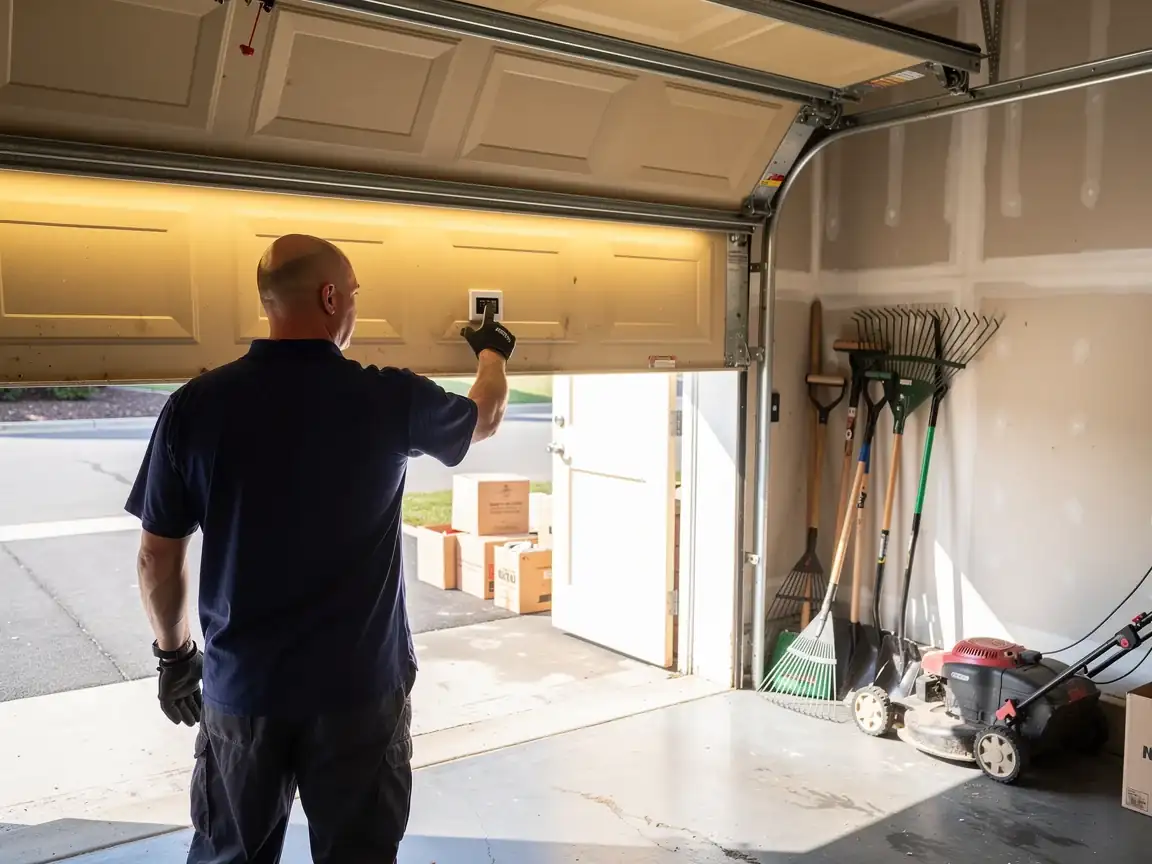
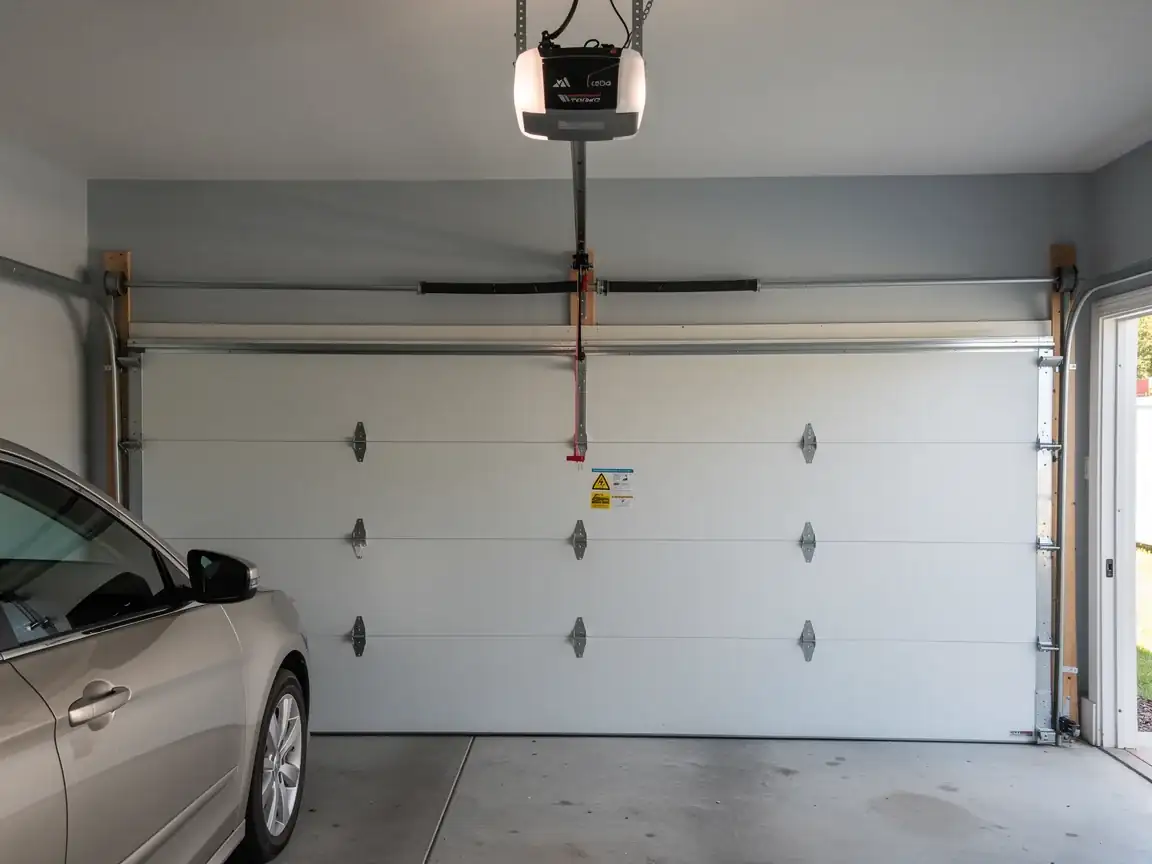
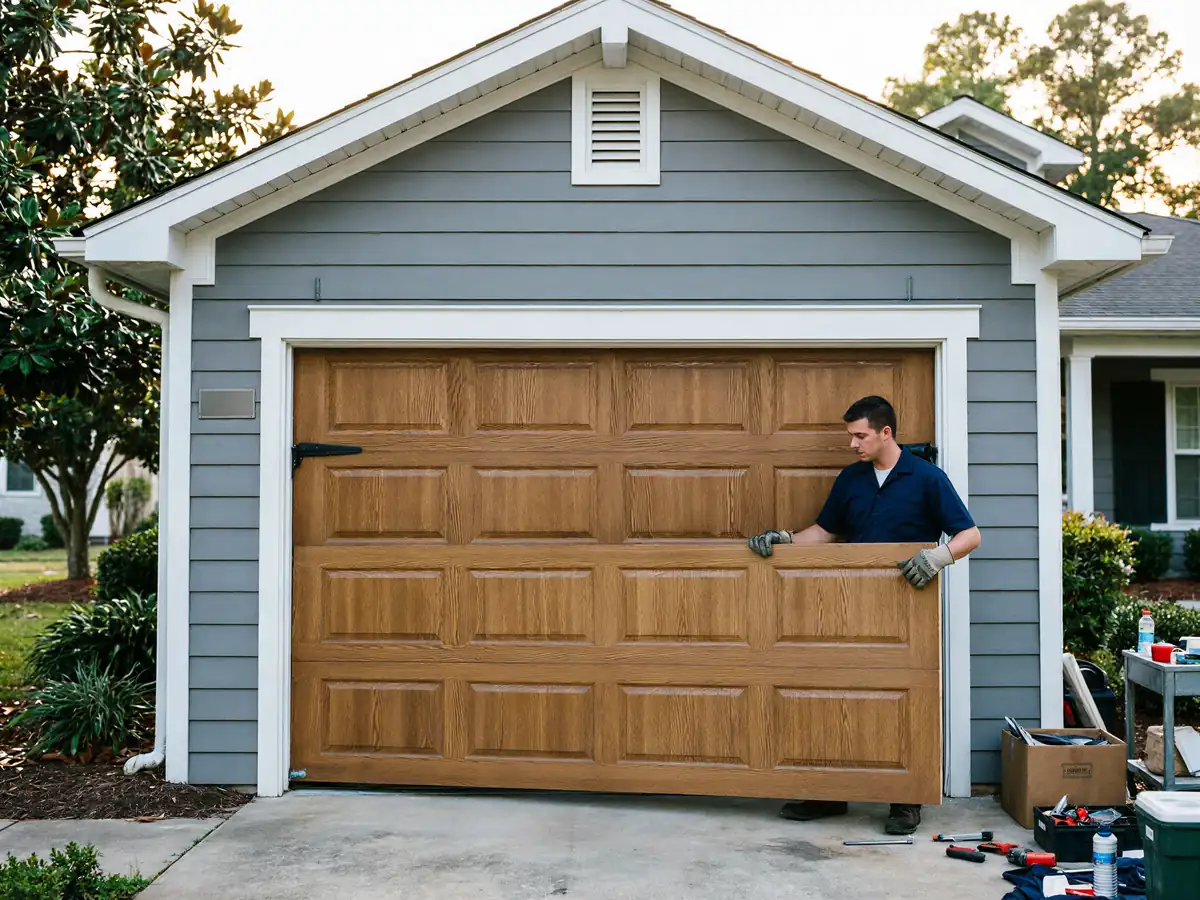
We start with a look at the opening itself, not a catalog page. On houses in this service area, the header height, the track path, and the spring mounting all depend on when the garage was built, and most of what we see here went up between 1971 and 1991. That means we're checking for side-mount torsion hardware, low headroom, and framing that was never squared for a modern insulated door.
We measure, note what's load-bearing and what isn't, and tell you straight whether the opening needs reframing before a new door goes in. If there's rot or water damage at the jamb, we won't install over it - that's carpentry work, and it needs to happen first or the new door won't seal or run true.
Once the opening's sound, we schedule the install and walk you through track position, spring size for the door weight, and opener compatibility if you're keeping or replacing it. You can reach us through the site to get a visit on the calendar here.
The DIY Question
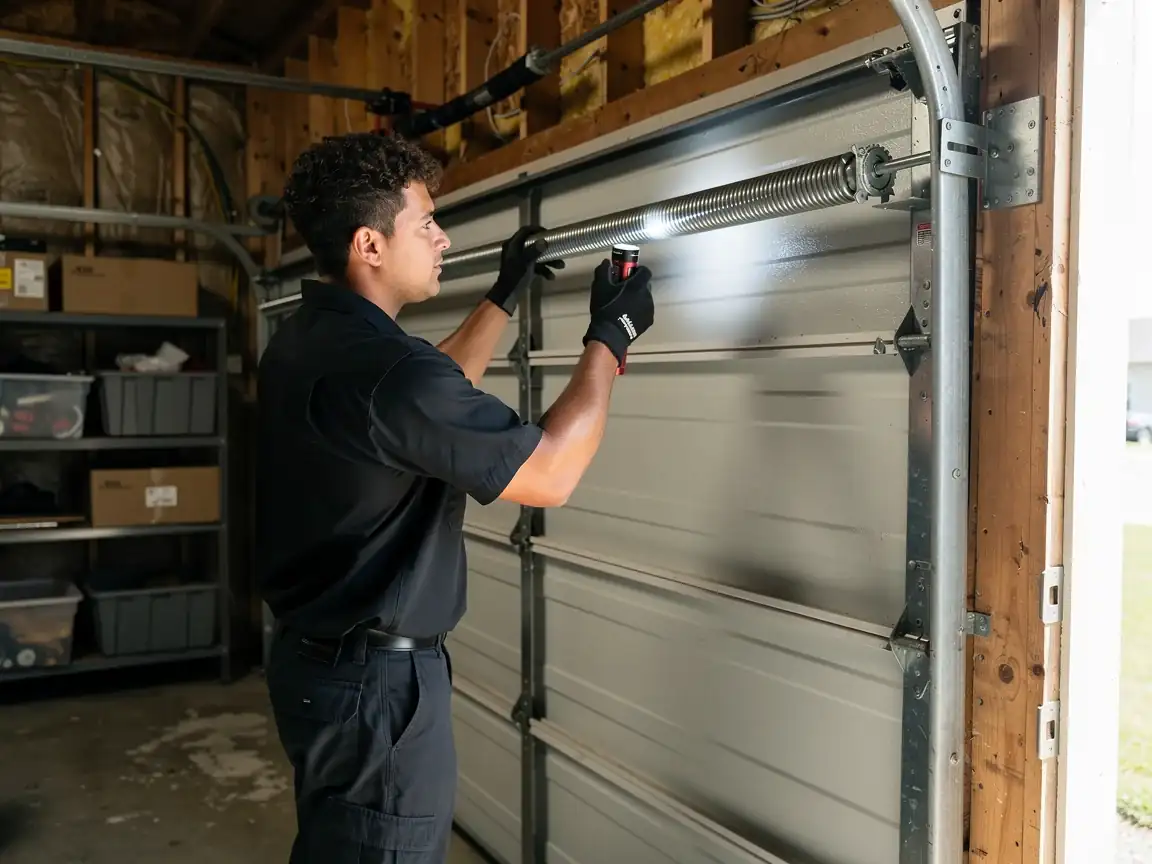
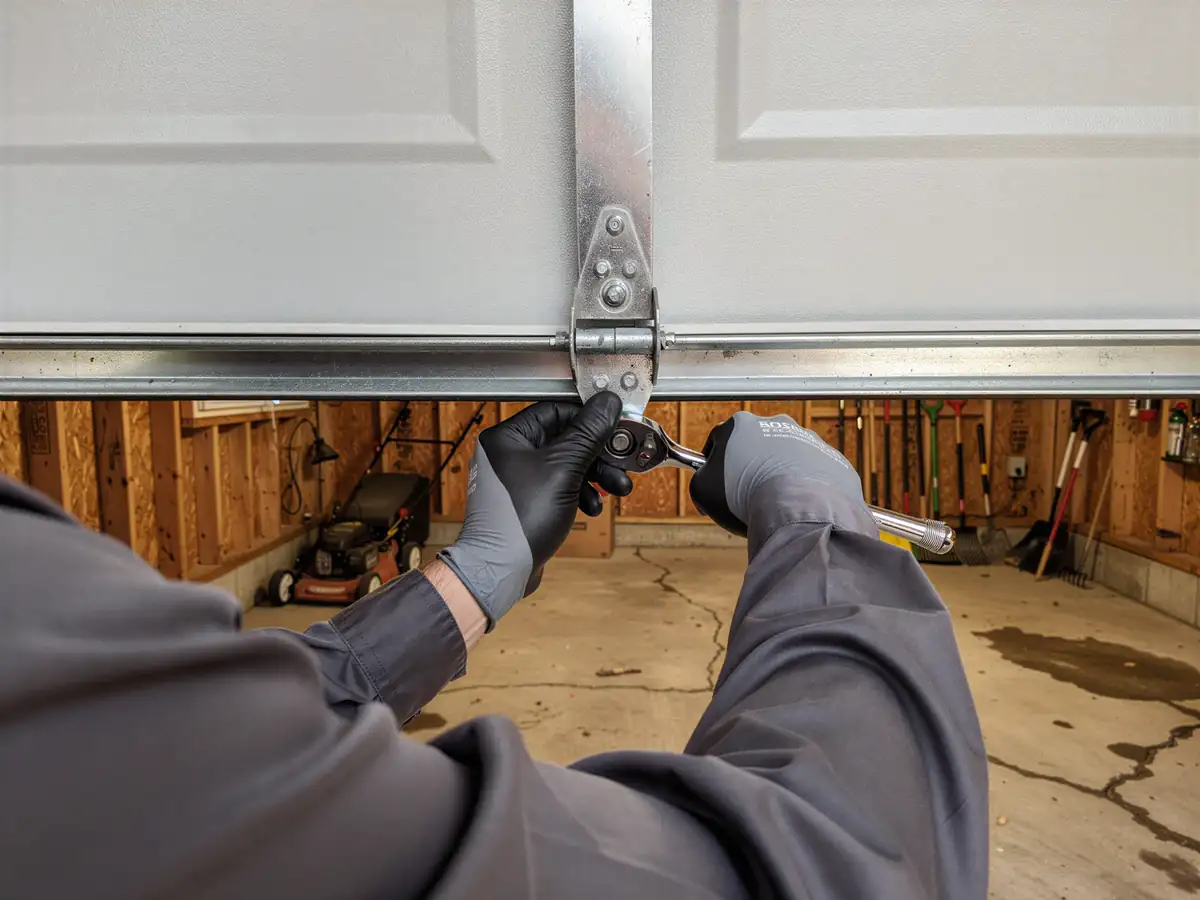
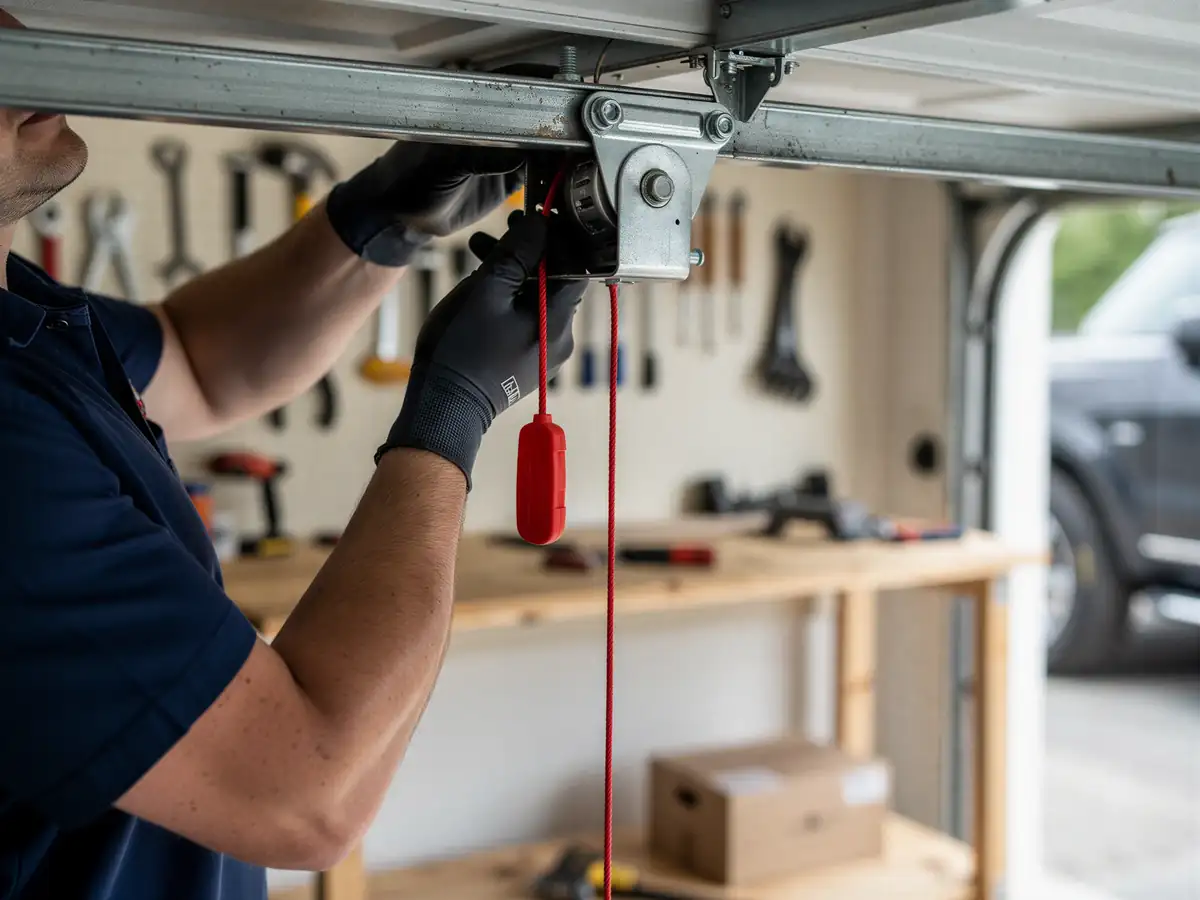
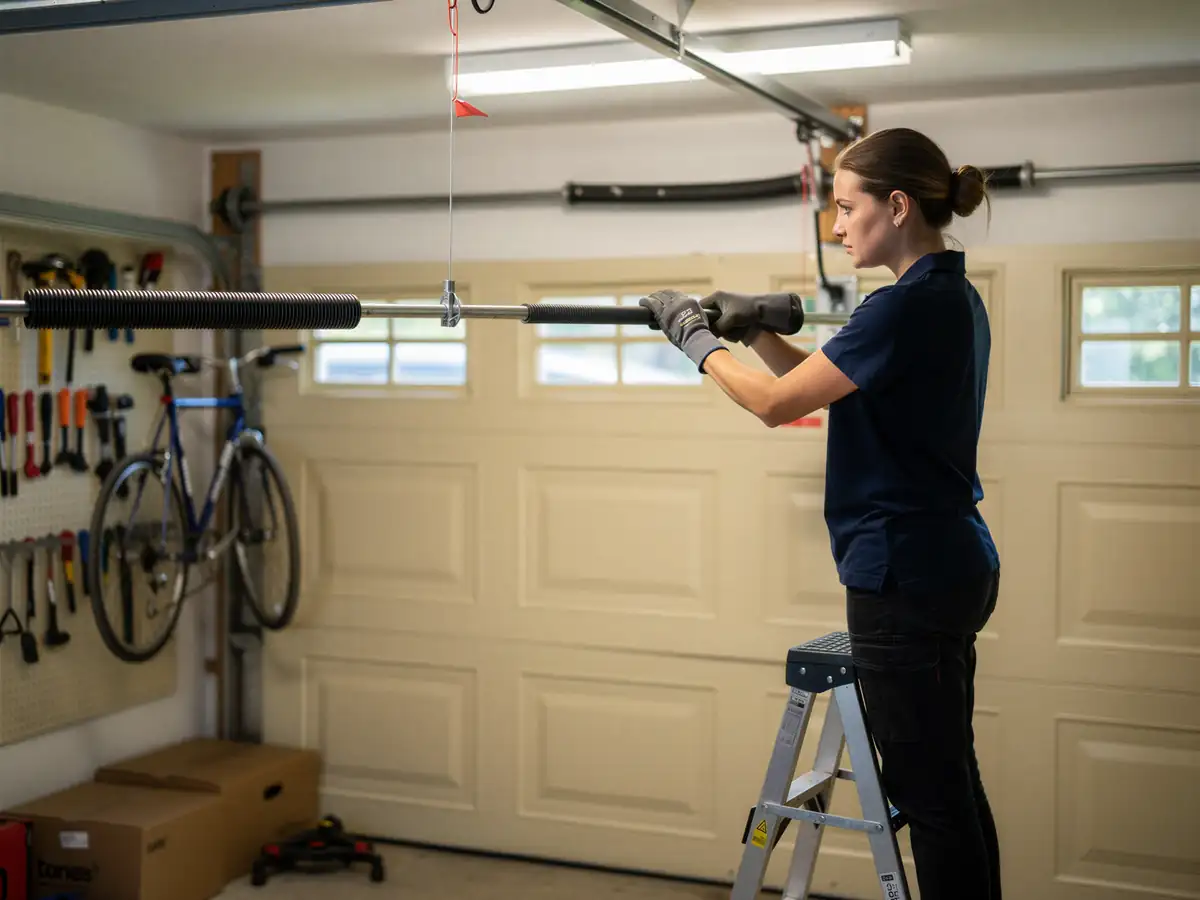
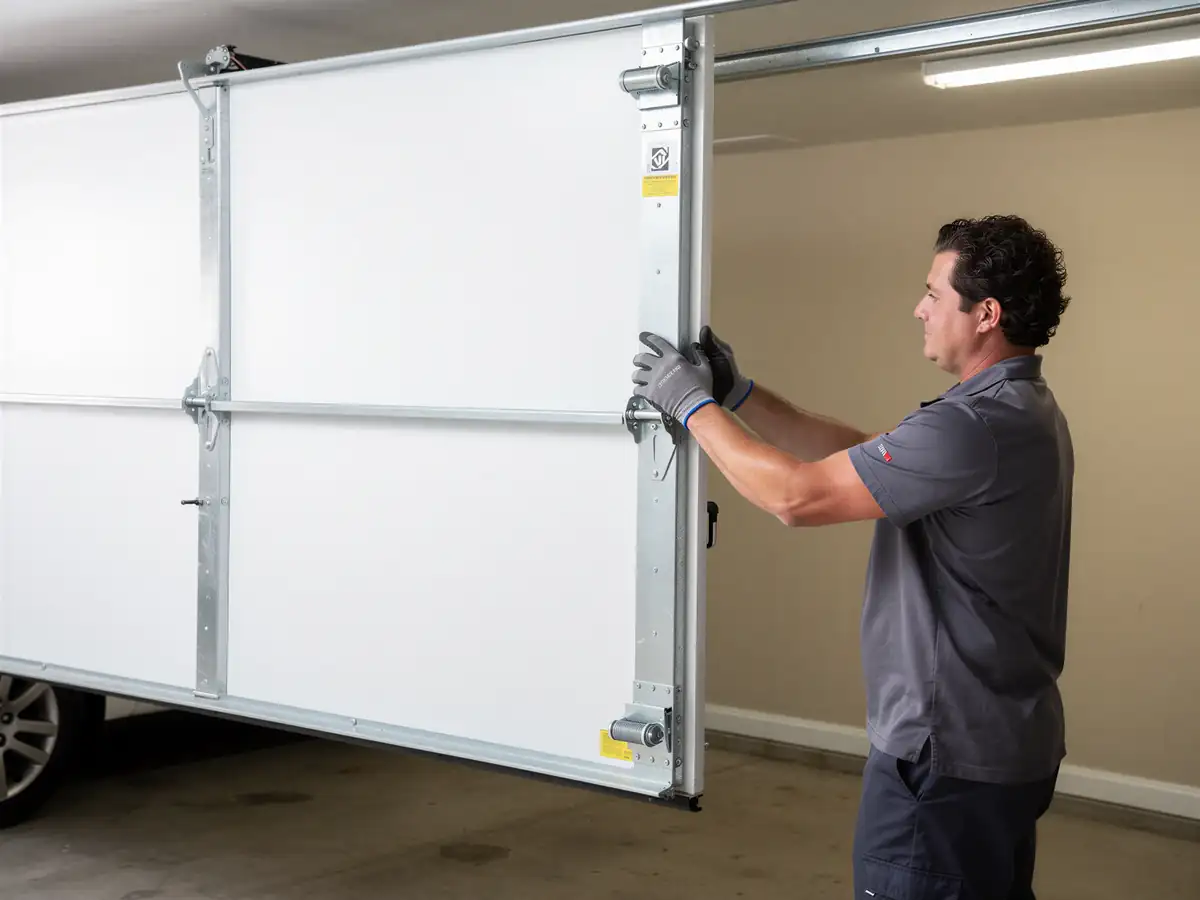
A garage door install looks simple from a video - panels, hinges, a few bolts. What the video skips is the torsion spring under load, and that's the part that puts people in the ER. Winding a spring wrong, or using the wrong bar for the wire gauge, can snap a rod hard enough to break bone.
If you're handing yourself a straight swap on a door of the same size and track configuration, some of the trim and panel work is doable. But on houses built in the 1971-1991 range, which covers most of what we see, the original track and jamb rarely match current door specs exactly. That mismatch is where DIY installs go sideways - gaps at the bottom seal, doors that bind halfway up, openers straining against a door that's not balanced right.
We're honest about this: we don't talk anyone out of trying the cosmetic stuff themselves. We do tell every caller that spring tensioning and track alignment on an older opening are not a Saturday project. That's the line where it stops being a DIY job and starts being a call to us.
What You Are Seeing
Most of the calls we get for a new install, rather than a repair, come from the same pattern
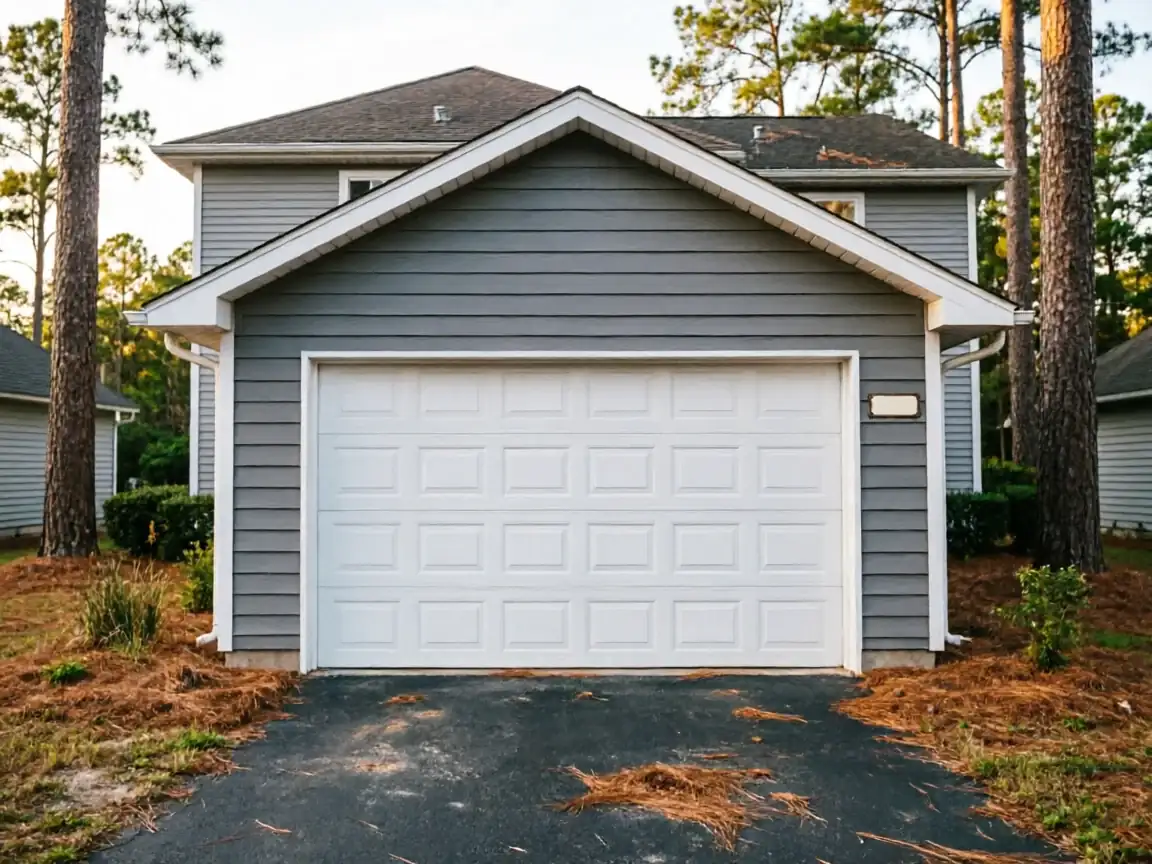
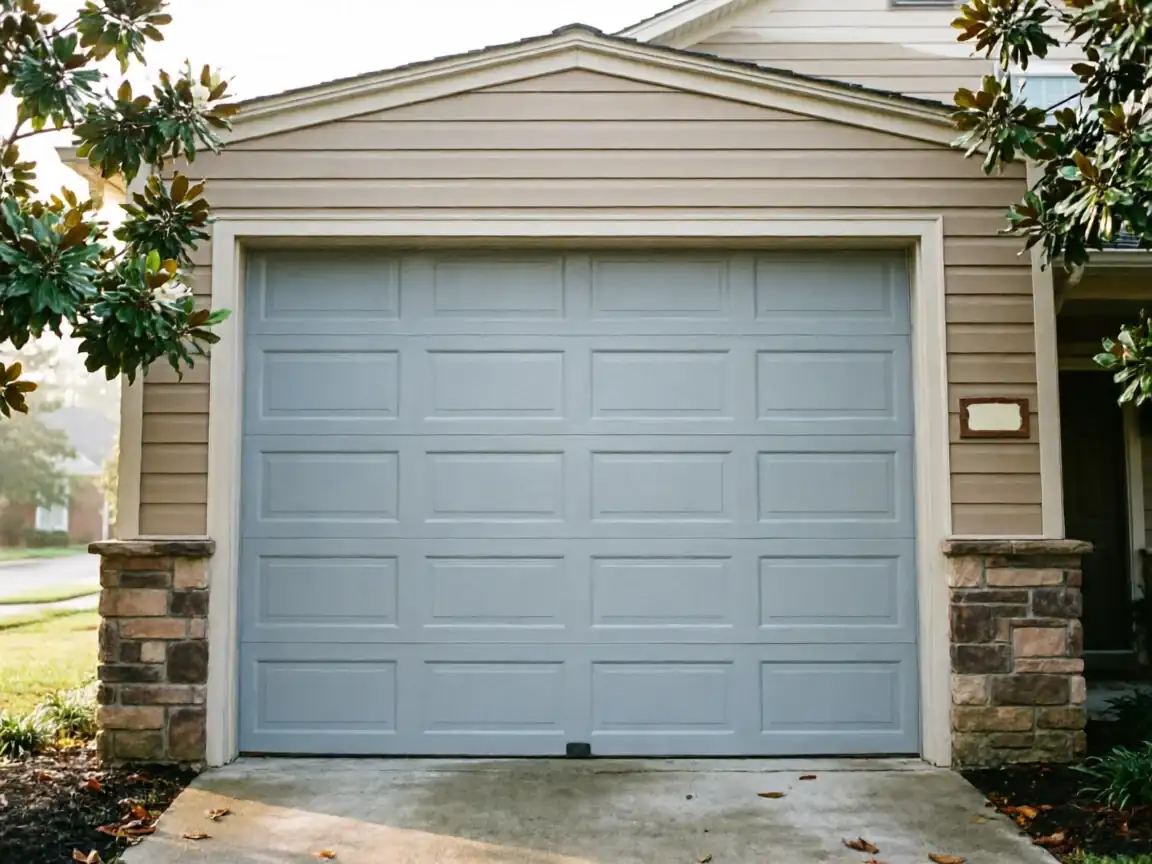
A door that's original to a house built sometime between 1971 and 1991. You'll see it as a door that's heavier than it looks, single-layer steel with no insulation core, hanging on track that was sized for a lighter panel than what's sold today.
Signs it's install time, not repair time
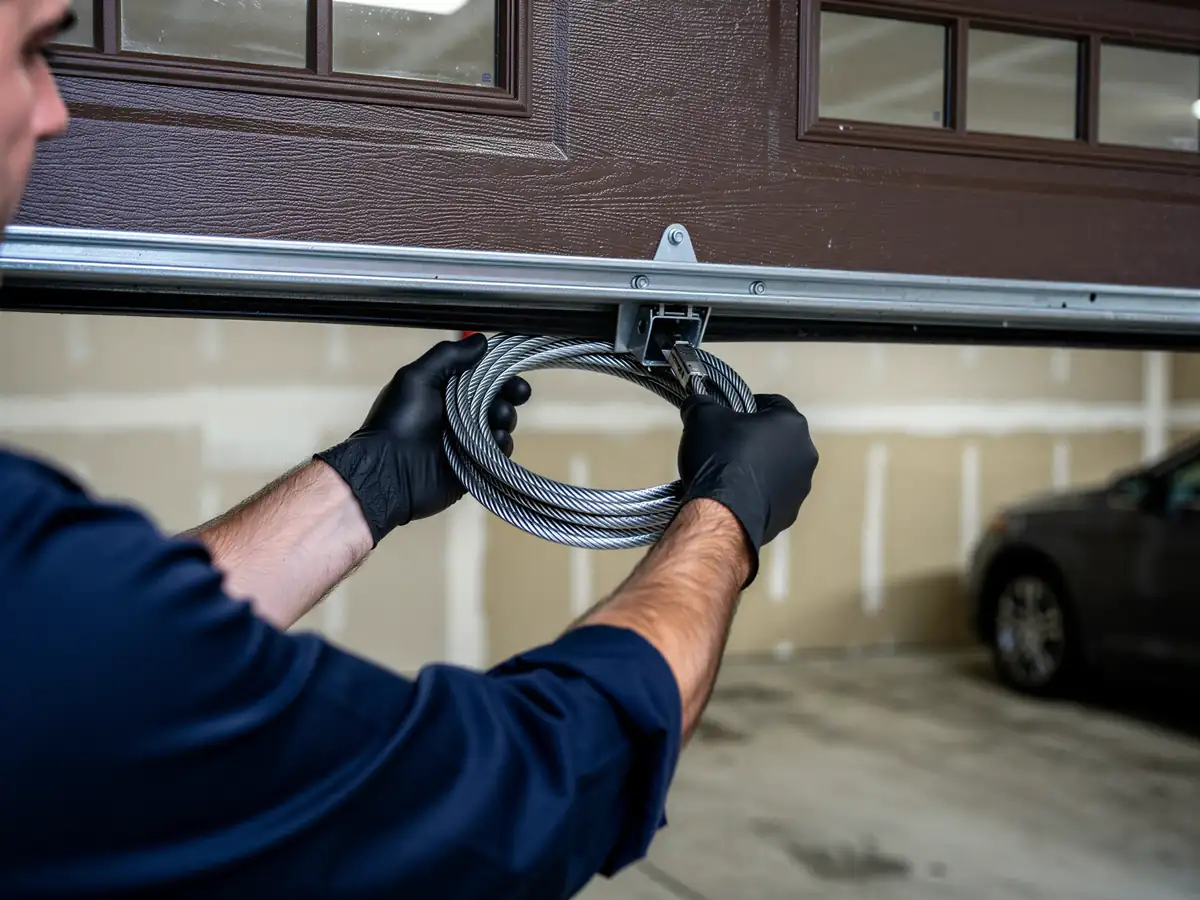
The door sags visibly at the bottom when it's down, the seams between panels have rusted through, or the track has been bent and straightened enough times that it's lost its original shape. On a lot of these 1980s-era garages, the opener has already been replaced once or twice, but the door and track are still the originals - and openers can't compensate for a door that's out of balance.
Across the seven communities in this service area, that same build era shows up again and again
Which is why we see this pattern whether the call comes from close by or from further out toward Strasburg or Front Royal. The door is usually the oldest working part of the garage.
Why It Happens Here
Winchester sits in a cold-climate band with severe winters, and that matters more for a garage door than most people expect. A single-layer steel door from the 1970s or 80s has no insulation value to speak of, so the garage runs close to outside temperature all winter. That's fine until the door's steel contracts enough in deep cold that seams gap and weatherstripping that was already brittle starts to crack and let drafts in.
Because most of the housing stock across this service area dates to that same 1971-1991 window, a lot of garages were built to a standard that didn't account for an insulated door or a modern opener's torque. The track spacing and header clearance were sized for a lighter, single-layer panel. When a homeowner swaps in an insulated door without adjusting for that, the door can end up too heavy for the original spring size, which shortens the spring's life and strains the opener.
With roughly 5,551 owner-occupied houses across the 12,505 households in this area, a sizable share are reaching the point where the original door, not the opener or the motor, is the actual point of failure. Installing the right door for this climate and this housing stock means matching spring weight, insulation, and track to the opening as it actually is, not as a generic size chart assumes.