Booking a Visit
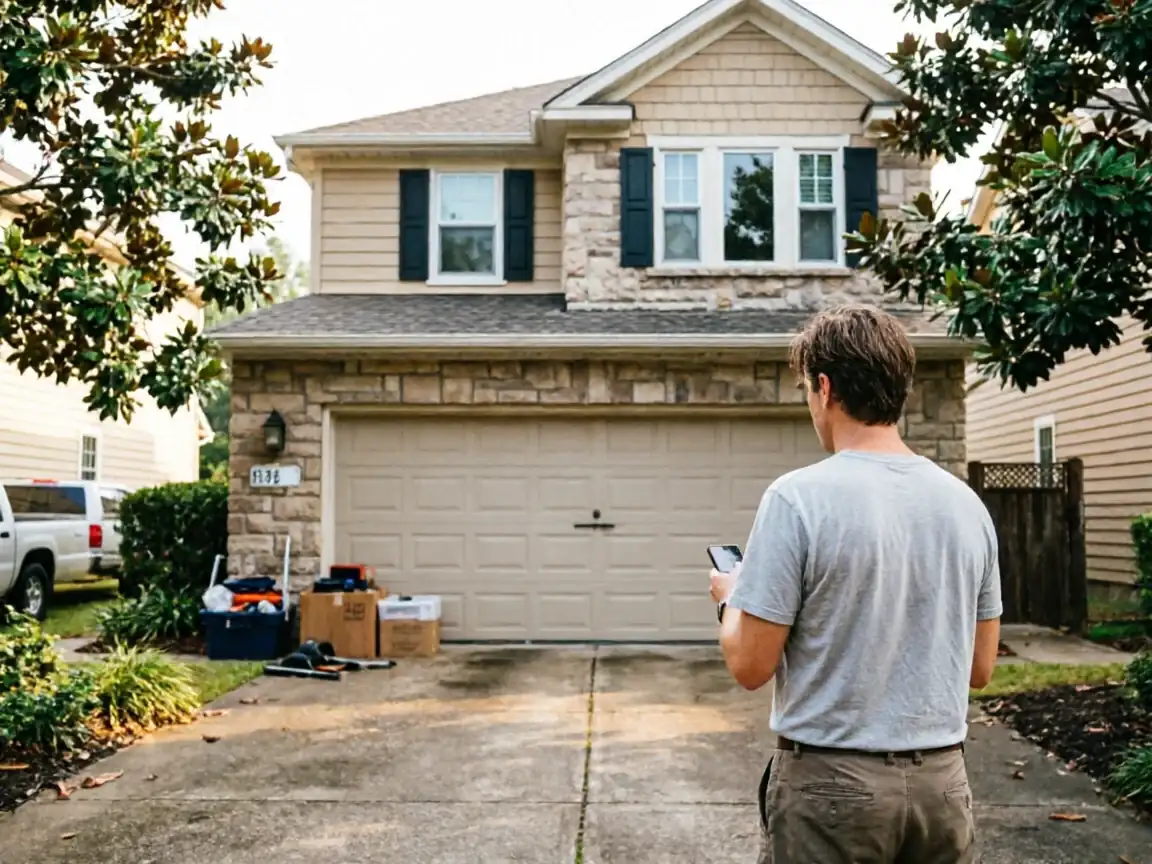
Call and tell us what the opener is doing - or not doing. A light that blinks but the motor stays silent is a different job than a unit that runs but the door won't move, and knowing which one it is before we load the truck saves you a second visit. We cover Winchester and the surrounding towns out to Front Royal, Strasburg, and Locust Grove, so let us know roughly where you are when you call.
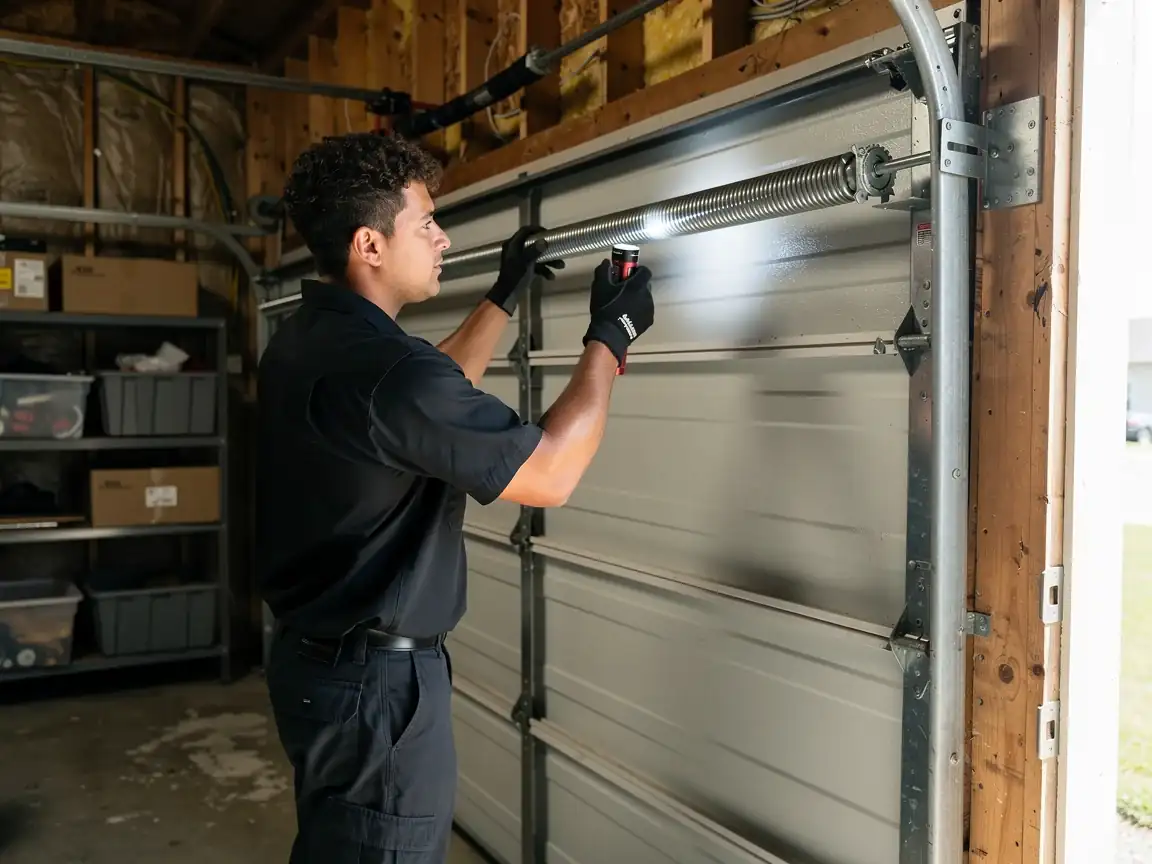
Most opener calls get a same-visit diagnosis: we test the logic board, the wall control, the safety sensors, and the drive mechanism (belt, chain, or screw) in that order, because that's usually the order the failure shows up in. If the fix is a part we carry on the truck, it gets done that day. If it's a board or a motor that has to be special-ordered, we'll tell you the lead time up front rather than guess.
We don't sell openers nobody asked for. If your unit is repairable, we say so, and we say what it'll cost before we start.
The DIY Question
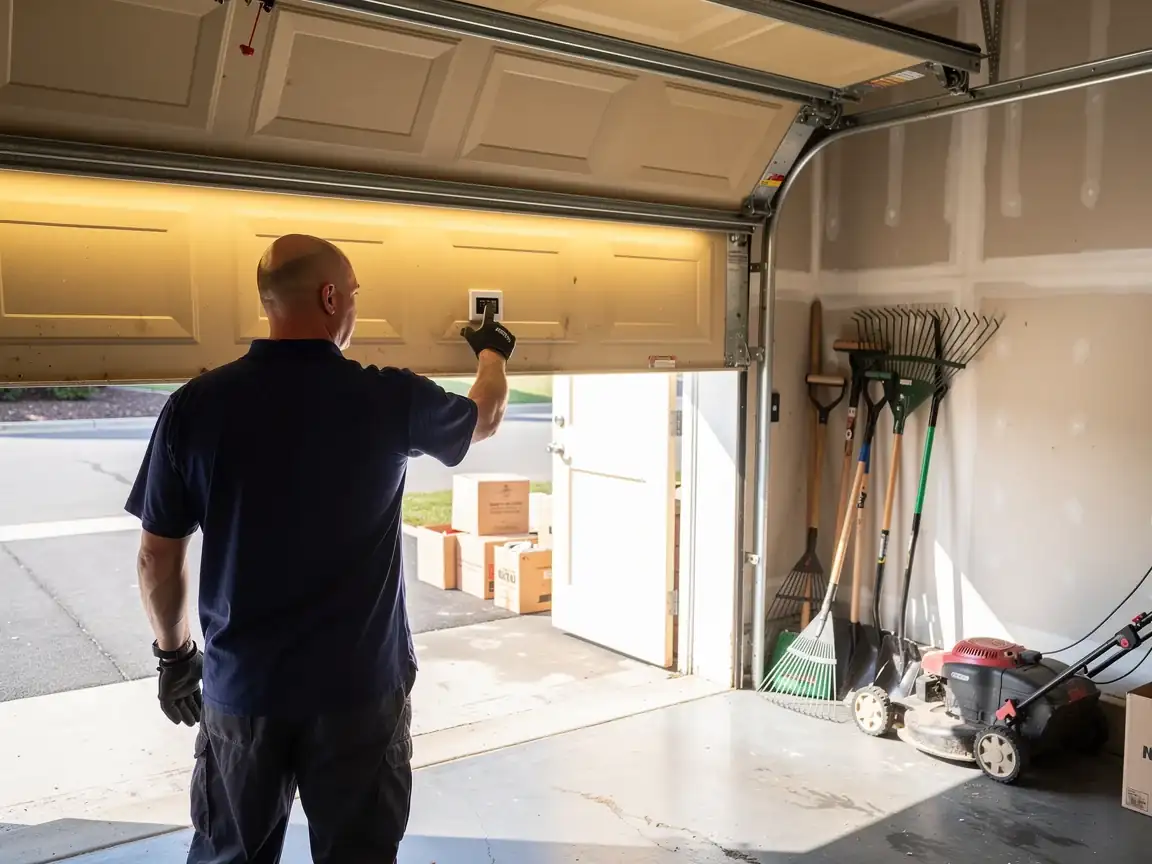
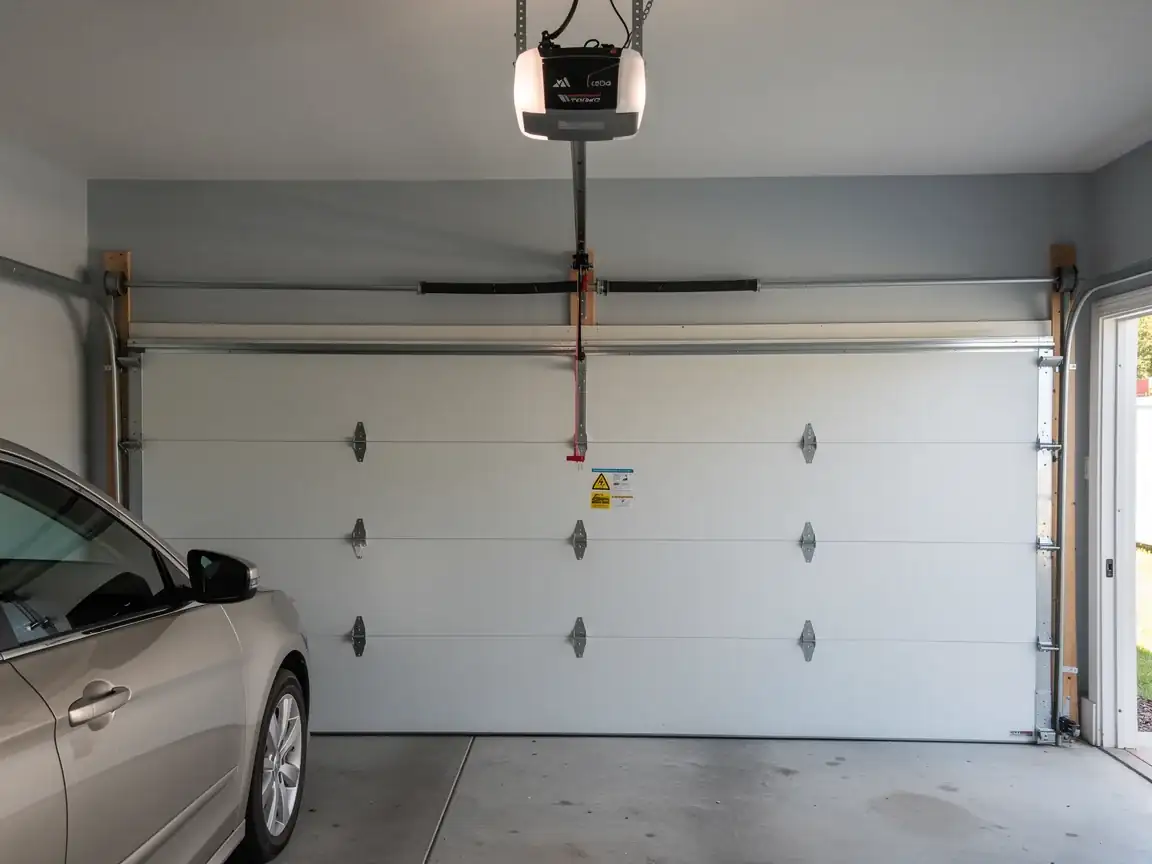
Some opener problems are a five-minute fix with a screwdriver. Misaligned safety sensors - the two eyes near the floor on each side of the track - are the single most common no-reset-light call, and most homeowners can nudge them back into line themselves once they know what to look for. Remote batteries, a tripped breaker, a vacation lock switch left on: all things worth checking before you call anyone.
Where DIY stops making sense is the circuit board and the drive mechanism. Openers from the 1980s and 90s - common across this area given how much of the housing stock dates to that window - often use logic boards that no longer have a direct replacement part, which means a board swap can turn into a full opener replacement anyway. Chasing a wiring fault inside a sealed board with no schematic is a good way to turn a $40 part problem into a new unit.
Our honest limit: if your opener is old enough that the manufacturer no longer makes the board, we'll tell you that up front instead of charging you for a repair attempt that won't hold.
What You Are Seeing
The opener hums but the door doesn't move
Usually a stripped drive gear or a disconnected trolley, not the motor itself. The opener runs the whole cycle but the door reverses right before it closes - almost always a sensor alignment issue or a close-limit setting that's drifted. Lights blink a set number of times with no motor response - that's the board telling you which circuit tripped, and the count means something different on every brand.
A door that opens fine on the wall button but not on the remote points to a transmitter or receiver problem
Separate from the mechanical side entirely. And an opener that runs loud, with a grinding or popping sound at the start of each cycle, is often a gear set wearing out from running the door's full extra weight for years, not a brand-new fault.
We see all of these regularly across the service area
Winchester, Stephens City, Boyce, Berryville, Middletown, Strasburg, and Front Royal - because the opener units installed through the 1980s and 90s building boom here are now thirty-plus years old and hitting end of mechanical life around the same time.
Why It Happens Here
A large share of the housing in this service area went up between 1971 and 1991, with the bulk clustered in the 1980s and 90s across the seven communities we cover. That means a lot of original or first-replacement garage door openers are now at or past the age where gears strip, boards fail, and capacitors give out - not because of bad luck, but because of age matching construction era.
The climate here is the other half of it. This is a severe cold-winter region, and opener logic boards and sensor eyes don't love big temperature swings. Condensation inside a sensor housing after a hard freeze-thaw cycle is a frequent cause of random reversal complaints in winter and early spring. Garages that aren't heated see the opener's moving parts - chain tension, belt tension, lubricant viscosity - change with the season, which is part of why the same unit that ran fine in July can start grinding in January.
Put those two things together - thirty-to-fifty-year-old openers in a cold-winter region - and opener repair calls here cluster in a pretty predictable pattern: old gear sets failing, and sensors or boards reacting to temperature swings.