Common Jobs Here
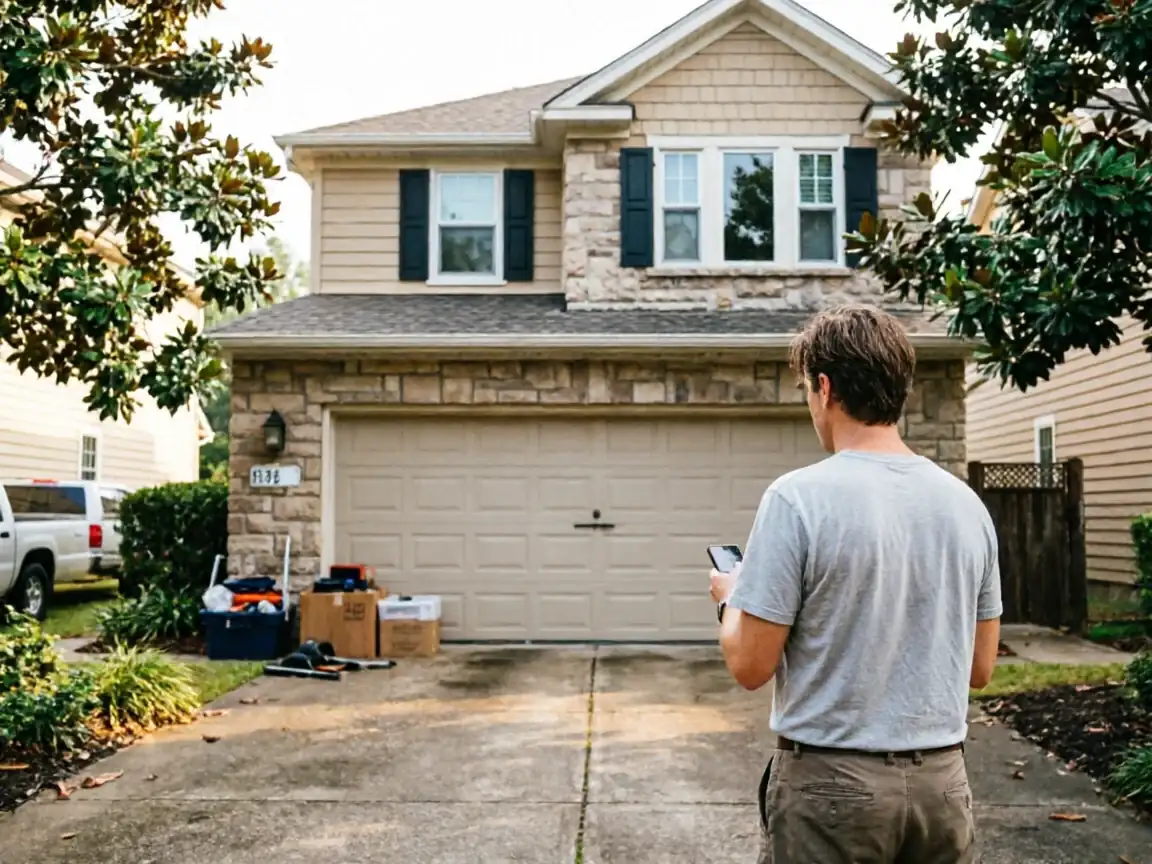
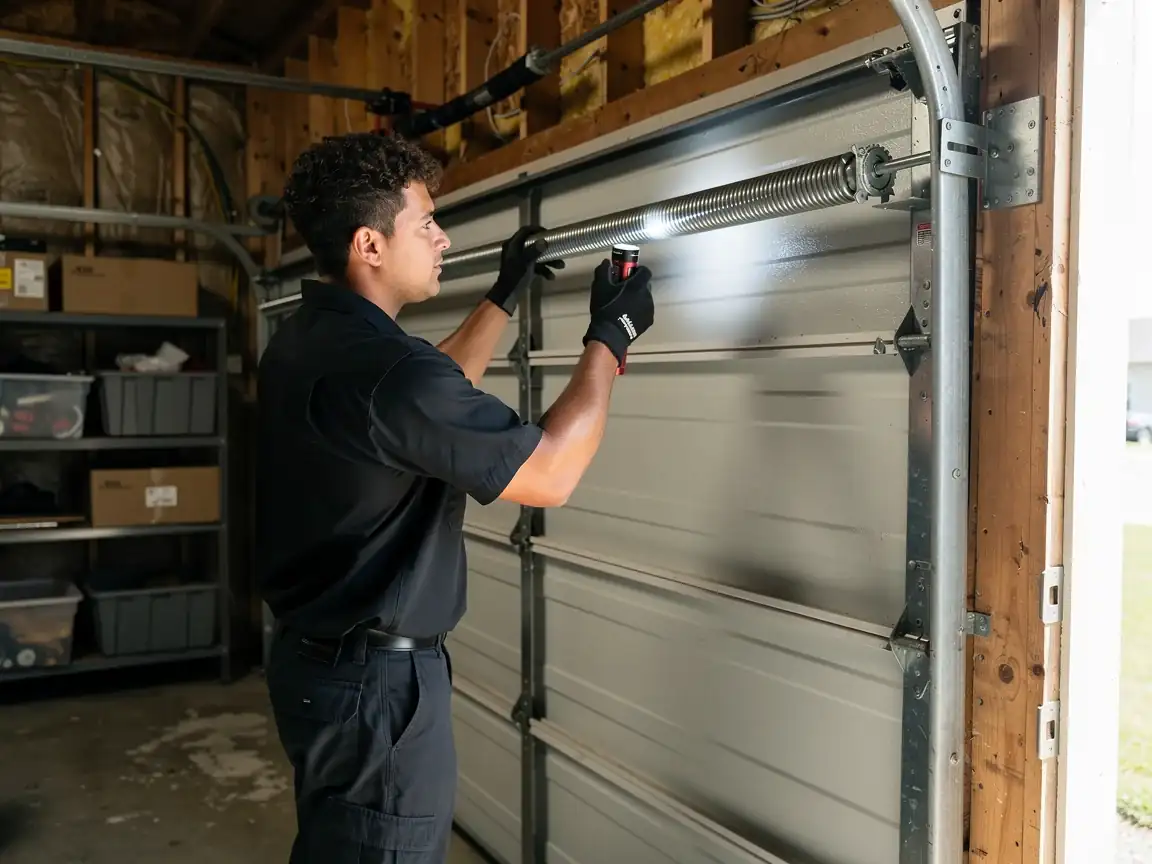
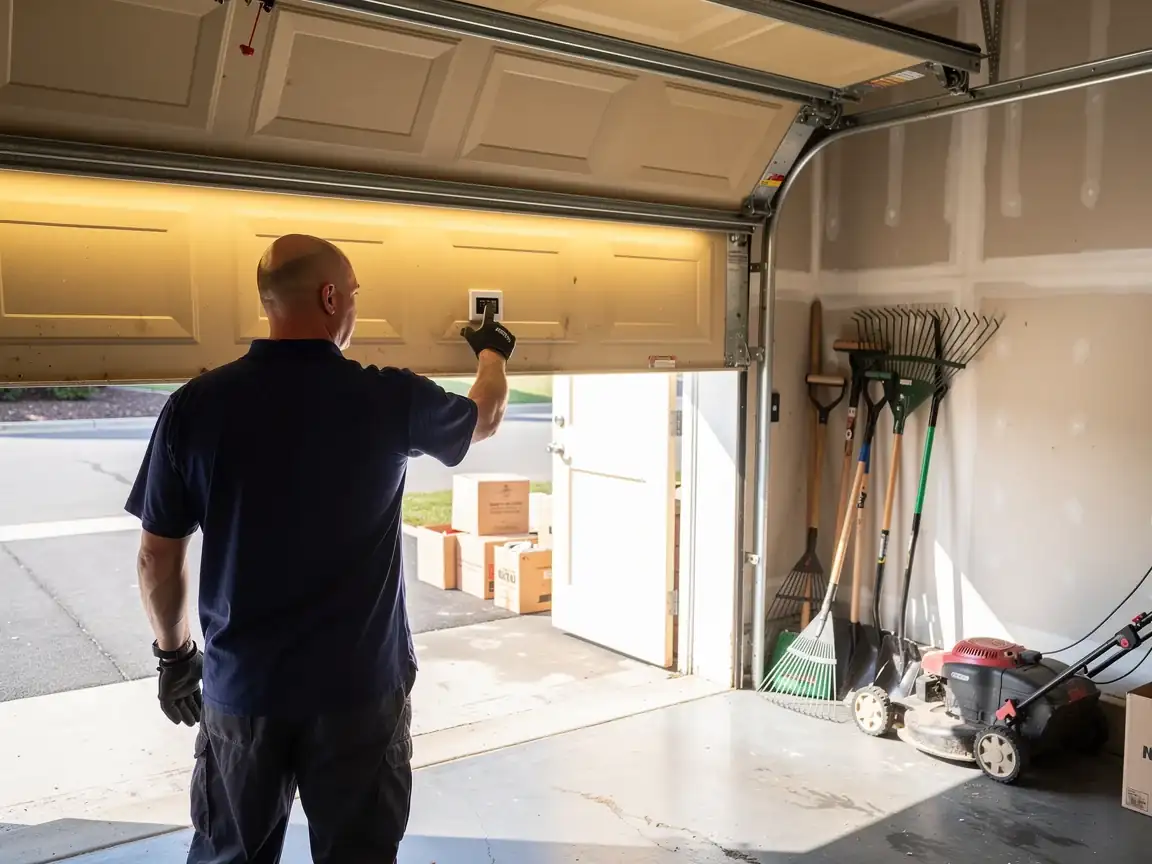
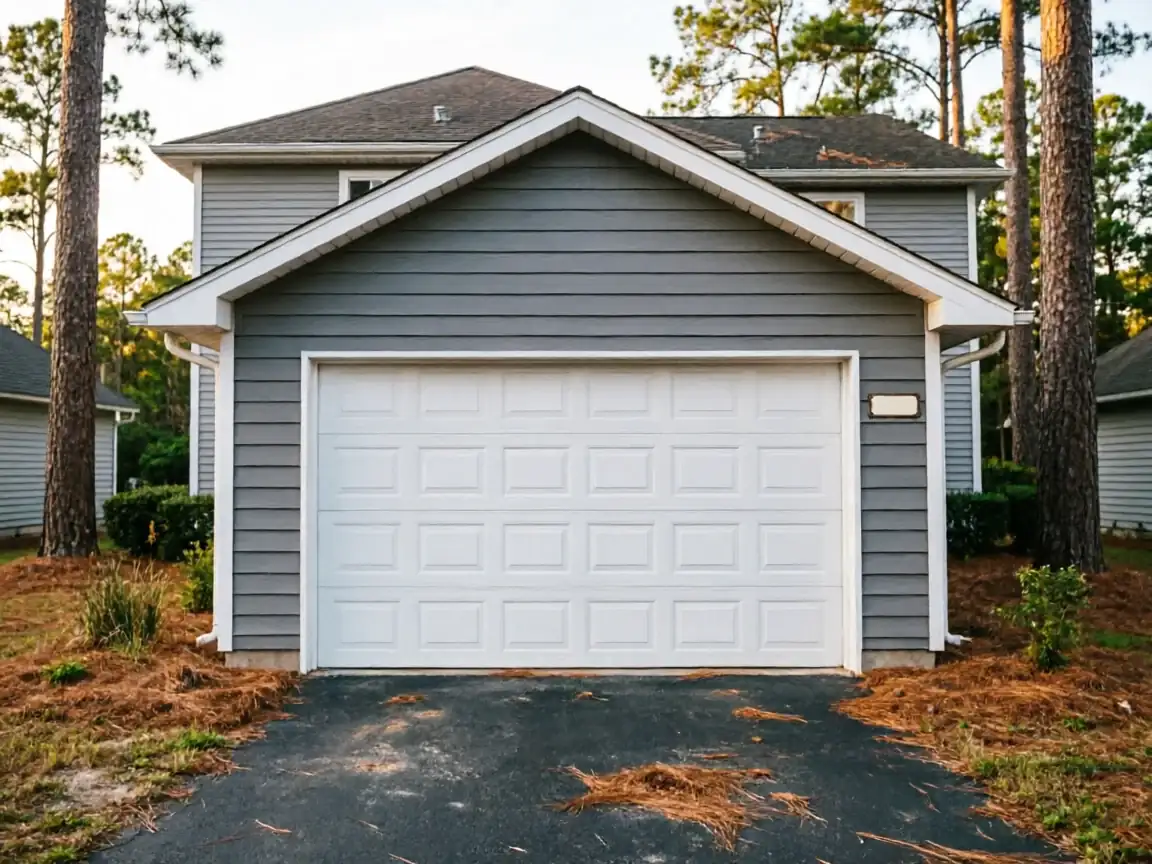
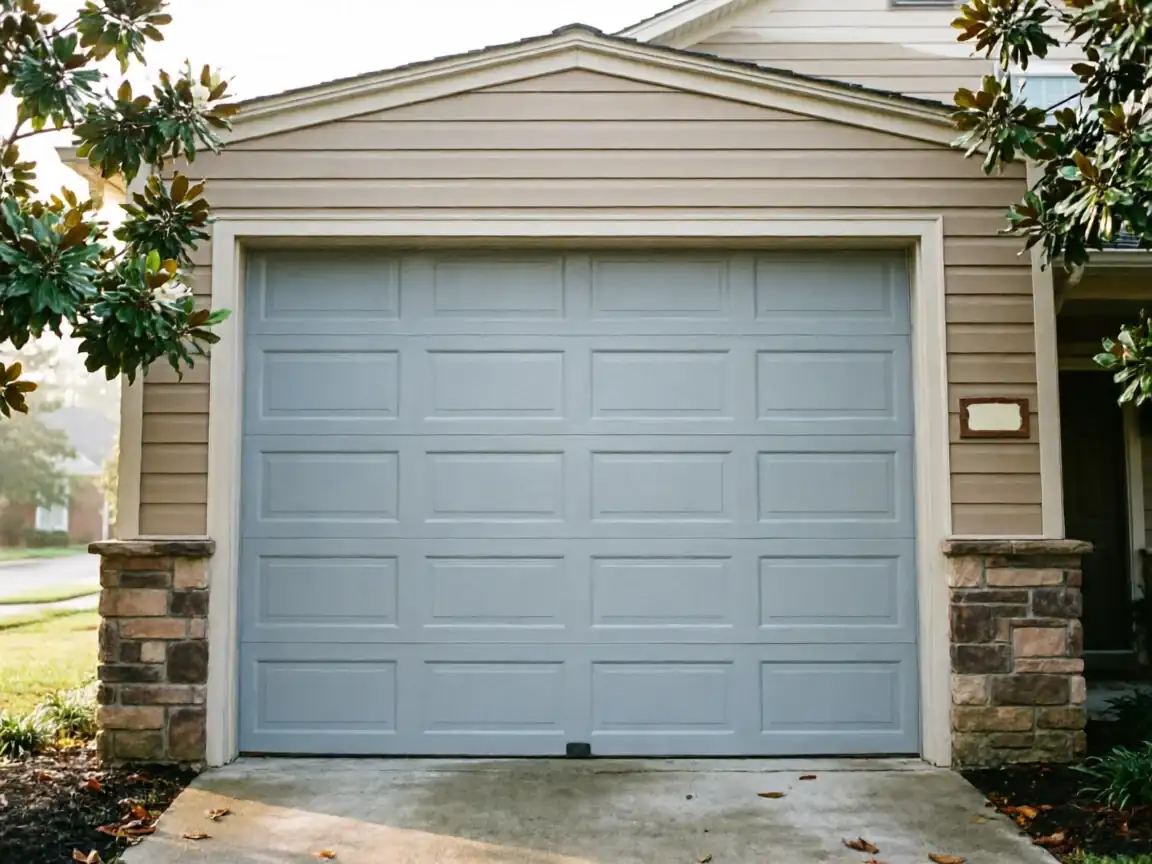
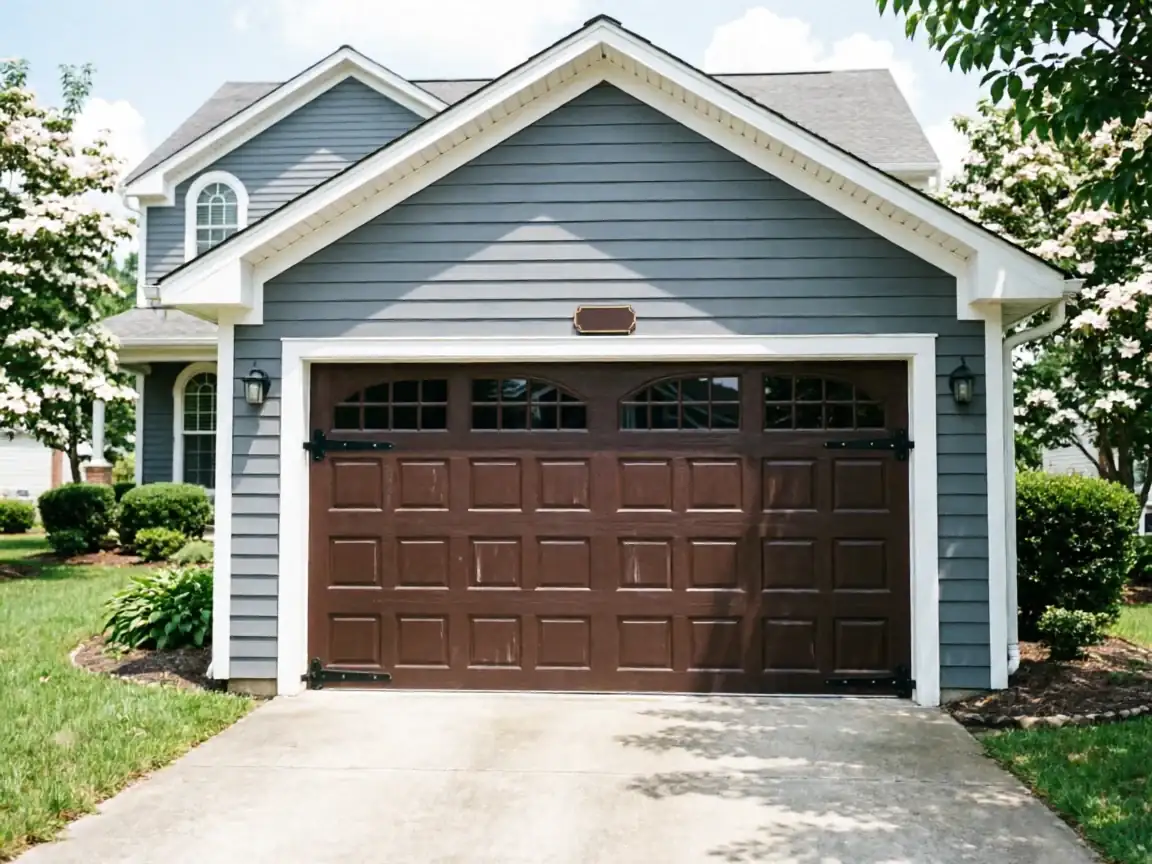
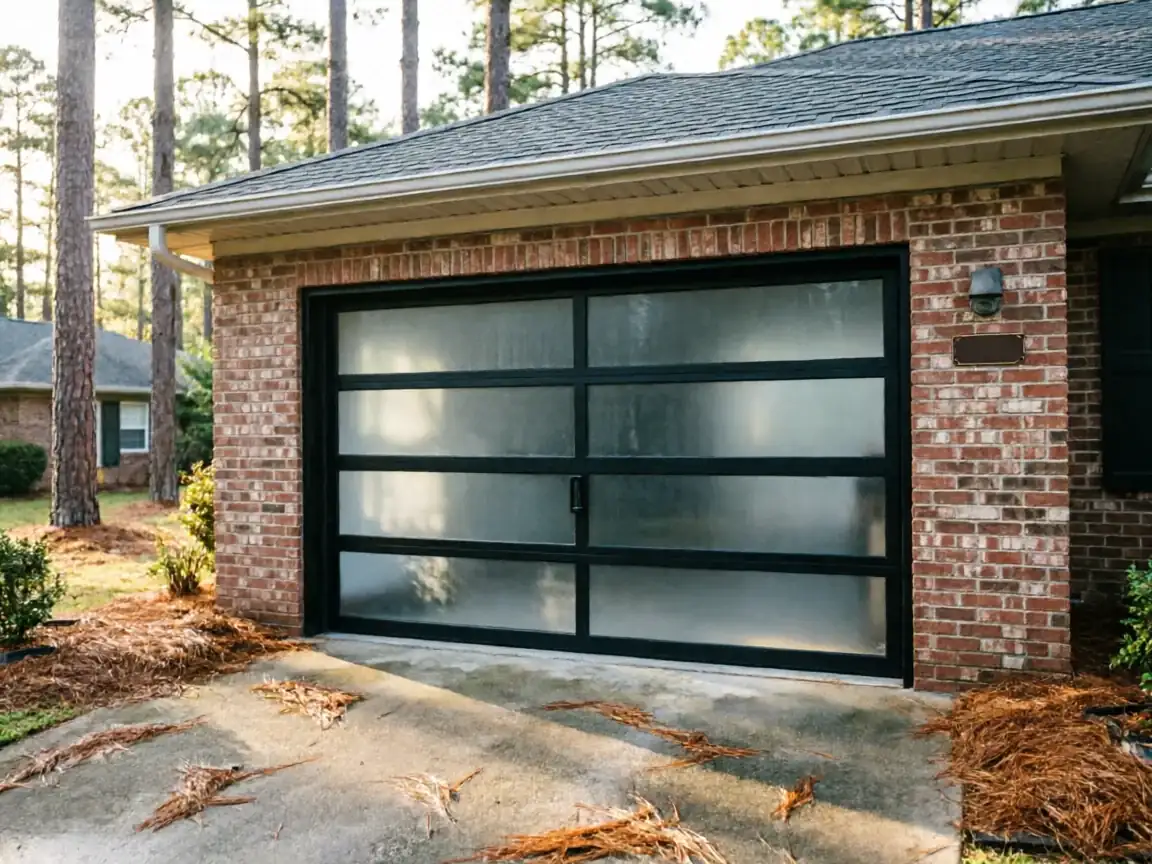
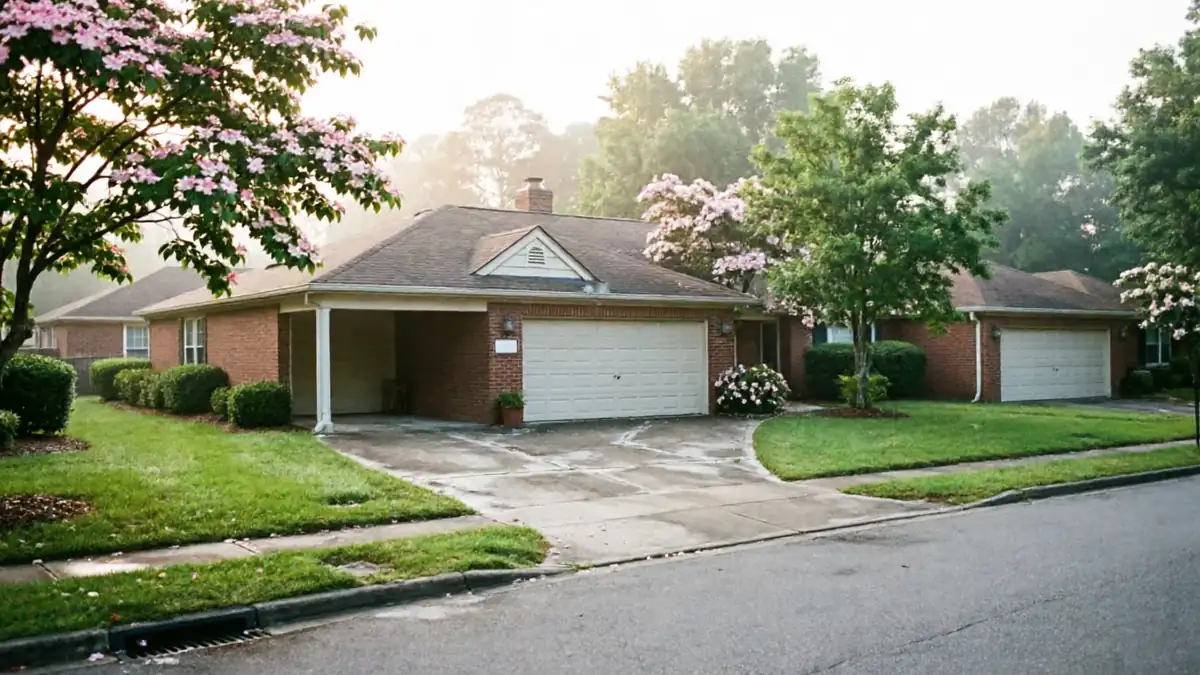
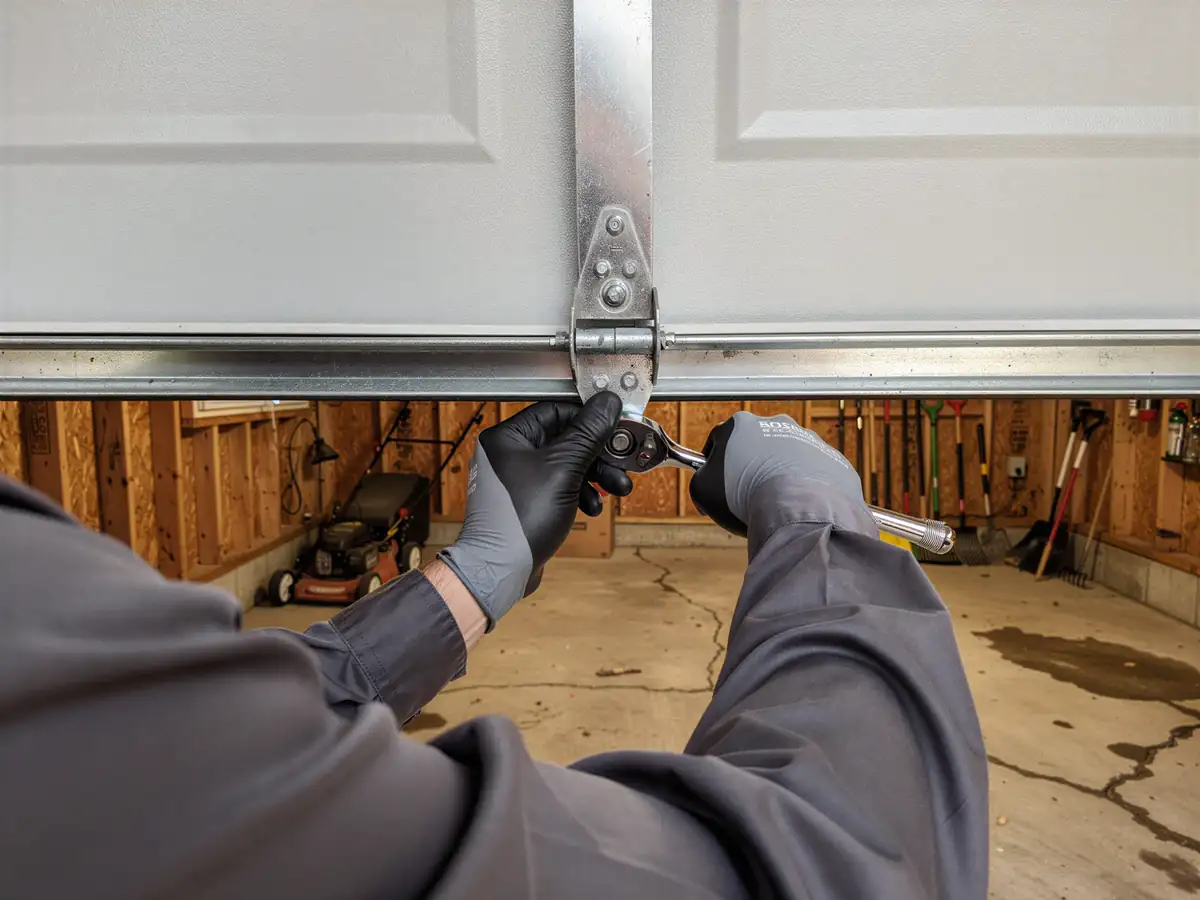
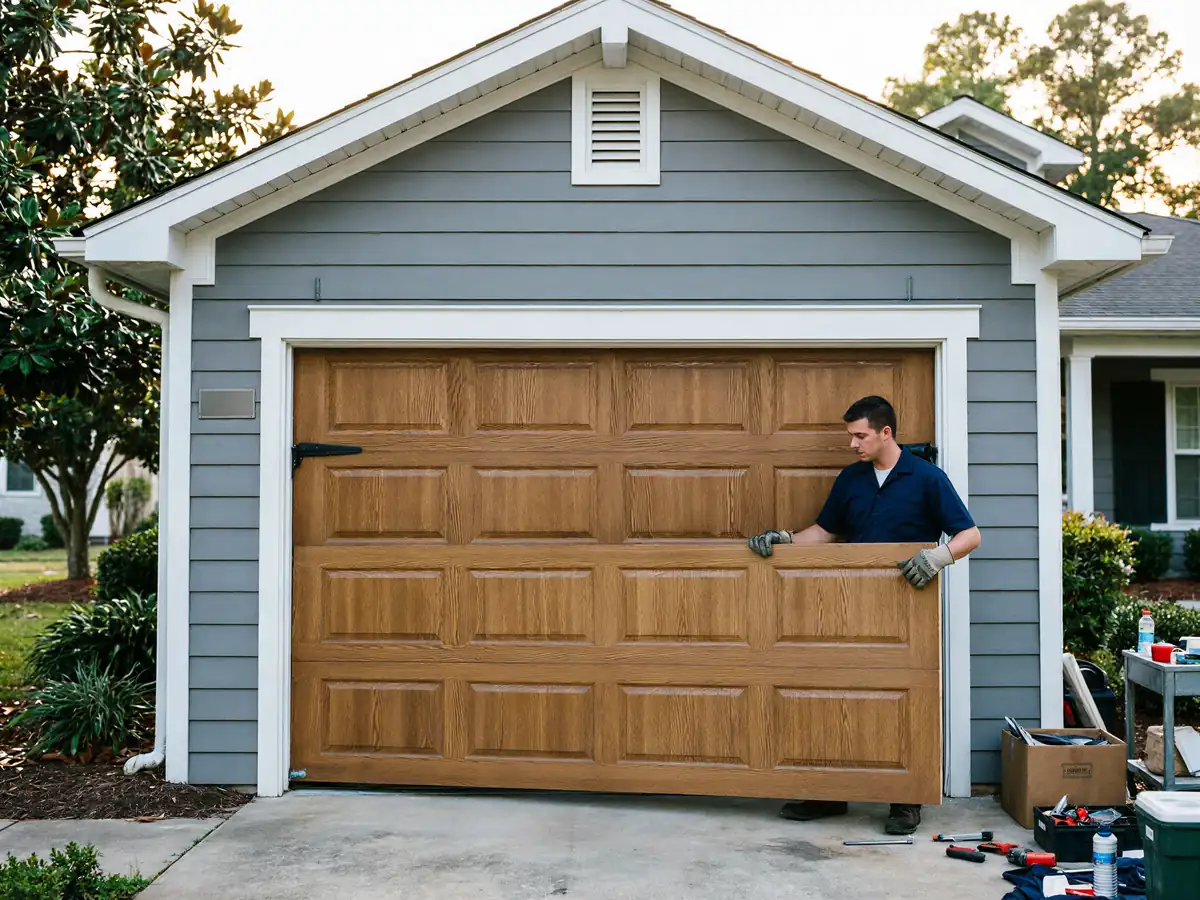
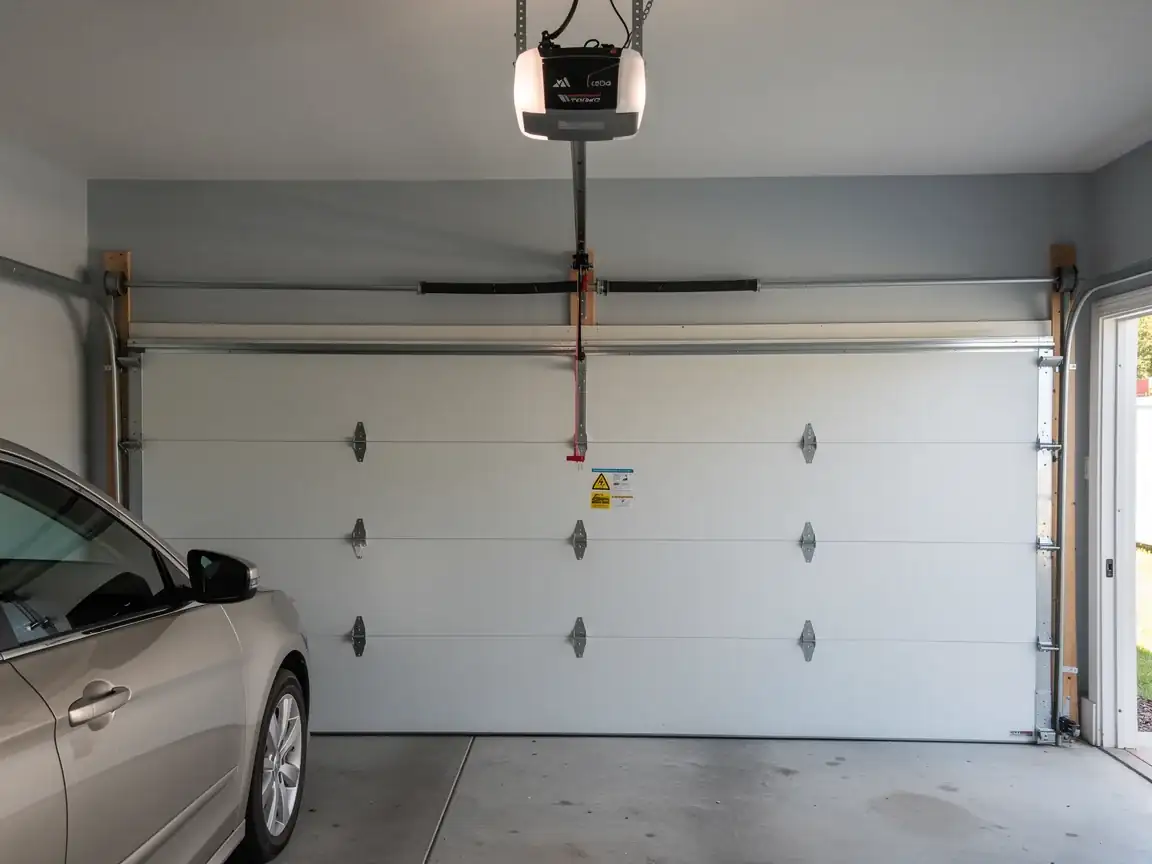
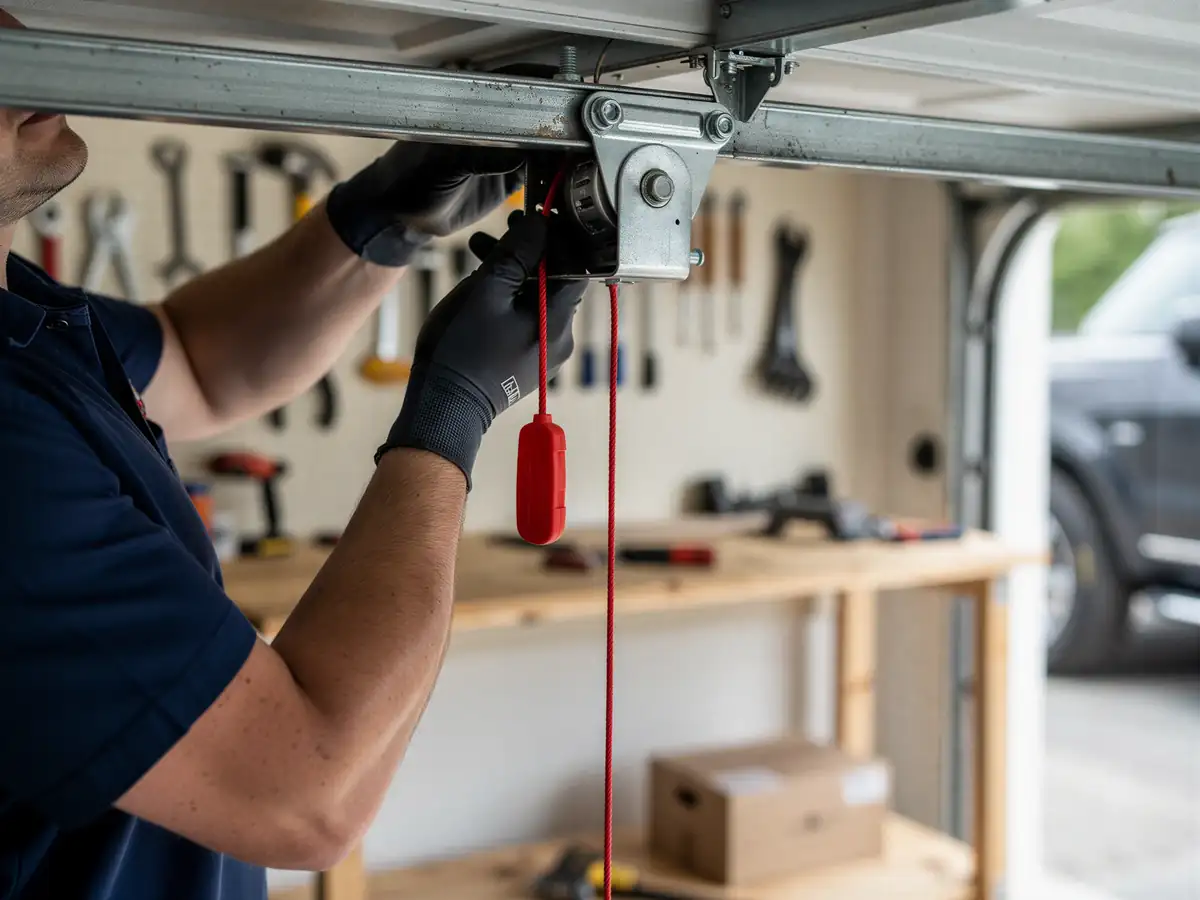
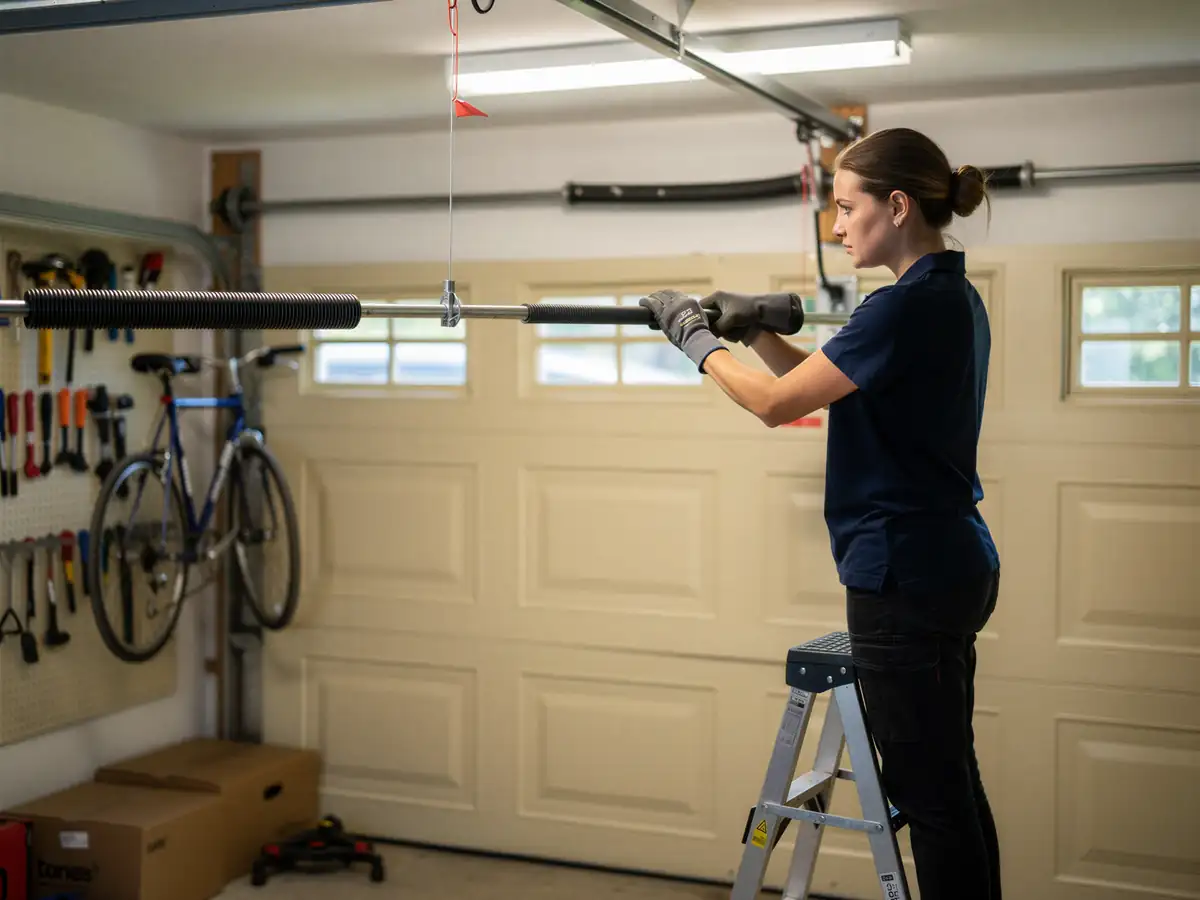
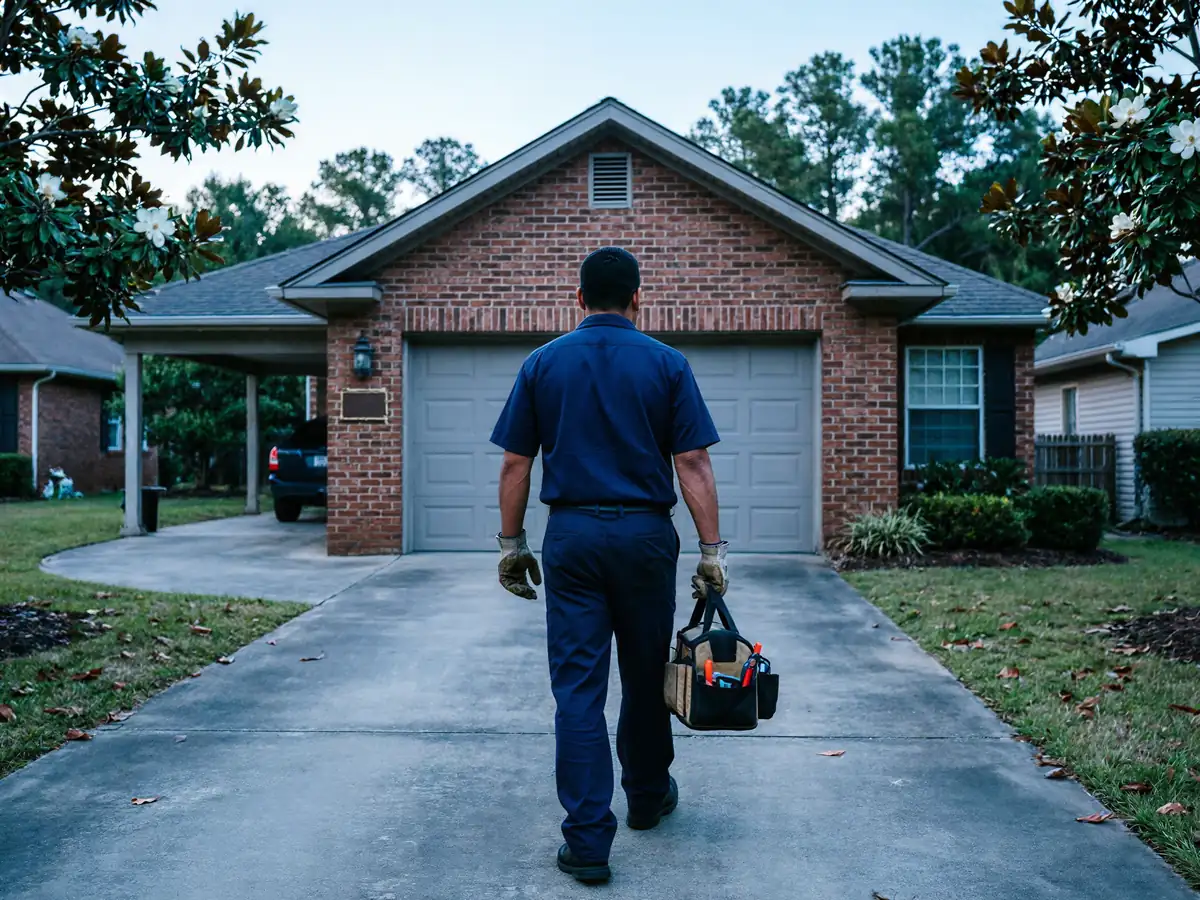
Strasburg sits about 15 miles south of our shop in Winchester, and most of the calls we get from this side of the county are tied to one thing: age. The typical house here went up around 1984, which puts a lot of garage doors right at the end of their practical life or already past it. We see a steady run of torsion spring failures on doors from that era, worn nylon rollers that were never swapped out, and openers with chain drives that have outlived their gear sets. Panel rot along the bottom section shows up often too, especially on doors that never got a bottom seal replacement. Compare that to newer builds in the area where the first service call is usually just a sensor alignment or a remote that needs reprogramming - the work here skews heavier and more mechanical.
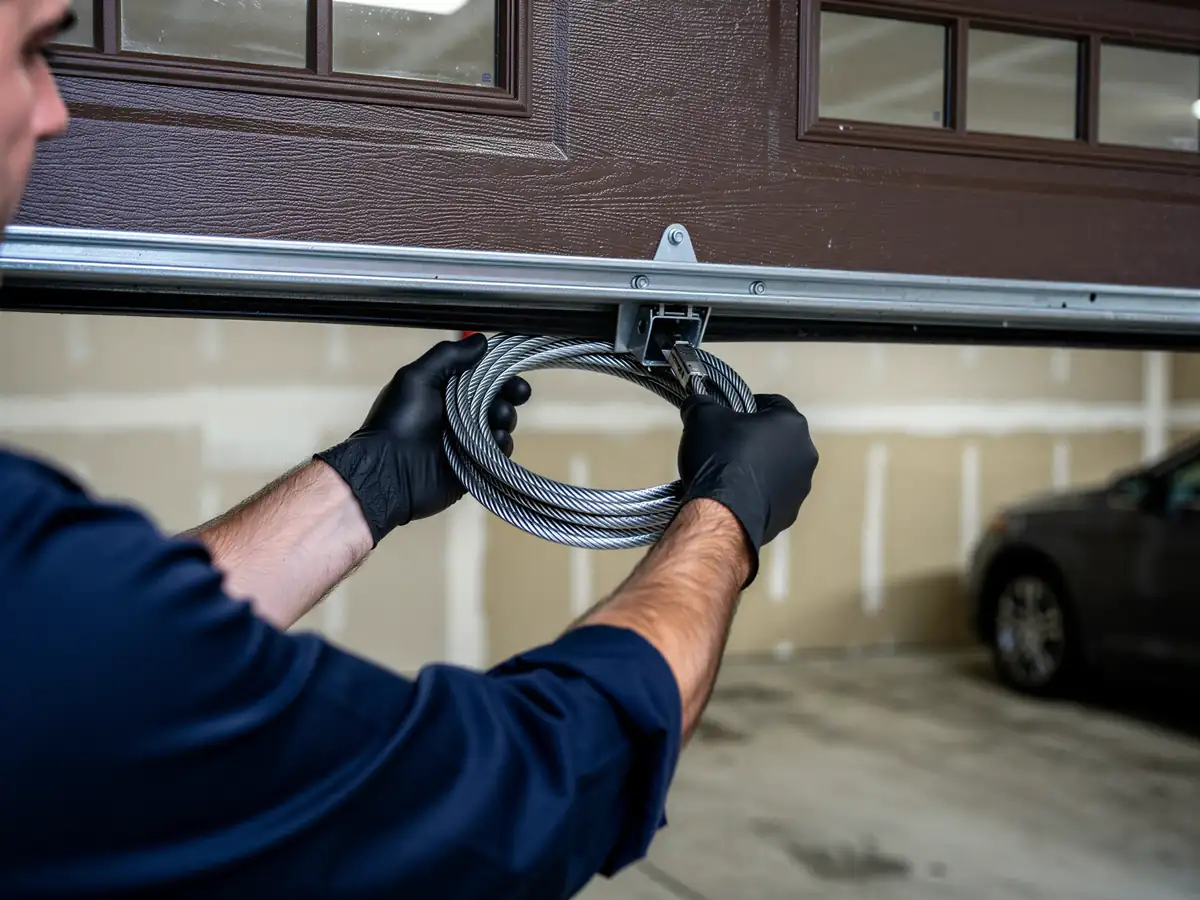
We also get calls for cable replacement on doors that have never had one snap yet but show the fraying that tells you it's close. On a street of houses built within a few years of each other, we often end up replacing the same part on three or four doors in a single trip, because they were all built with the same hardware off the same supplier line.
Where We Stop
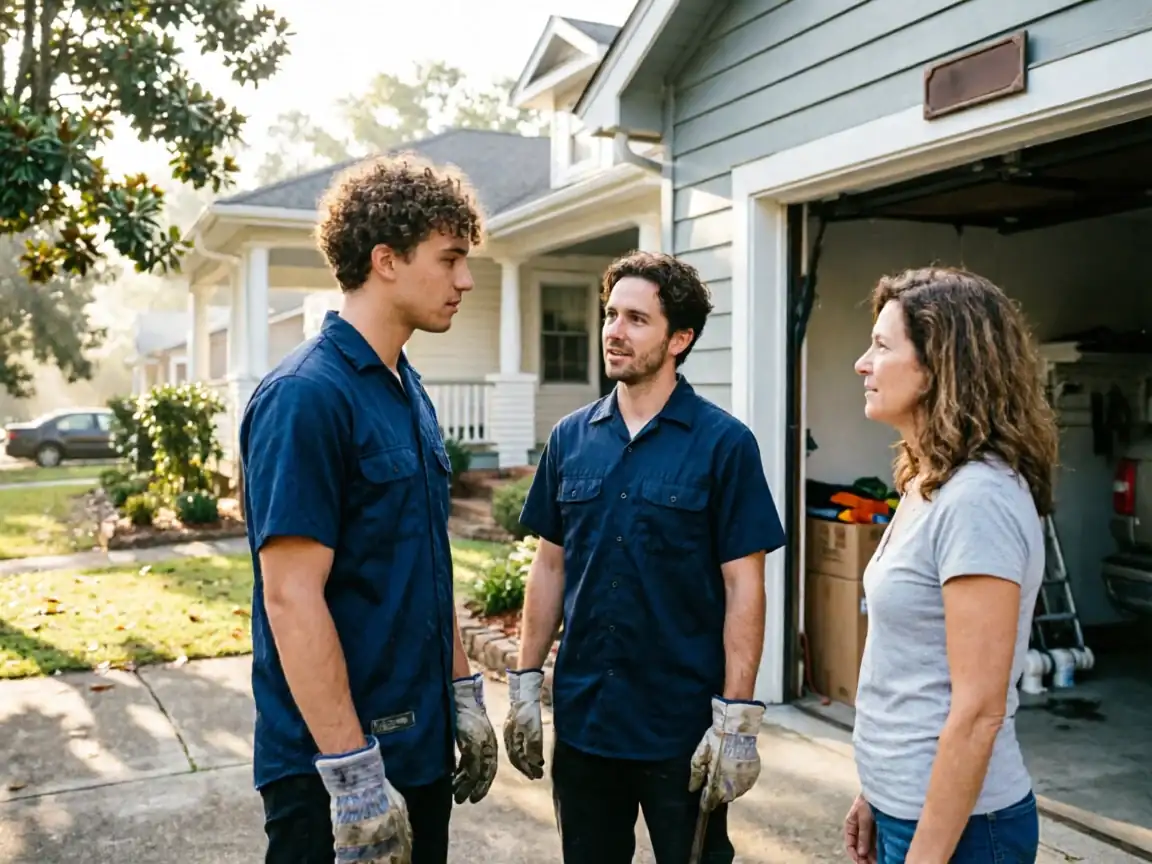
We run out to Strasburg from Winchester, roughly 15 miles each way. That drive is part of why we batch jobs when we can - if you call and a neighbor on your street calls the same week, we'll often be back in the area within days rather than weeks. We don't keep a depot or a truck stationed in Strasburg itself; every job here starts with a drive from the shop, which is worth knowing if you're comparing us to an outfit that's actually based closer. For most repairs that's a non-issue. For an emergency where the door is stuck open overnight in a bad freeze, the extra minutes of drive time are something to weigh.
How That Shows Up in the Door
A door built in 1984 was engineered for a cold climate, same as the rest of this region, but the materials and sealing standards of that period weren't built for decades of the kind of severe cold winters this area gets. Uninsulated steel panels from that era flex and warp more in hard freezes than anything made in the last ten years, and the weatherstripping specs then were thinner than what's standard now. We routinely find bottom seals that have hardened and cracked from repeated freeze-thaw cycles, letting cold air straight into the garage. Torsion springs from the 1980s were also wound to older load tables, so a spring that's sagged even slightly can throw the whole door out of balance in a way a newer door wouldn't show as quickly. None of this means every 1980s door needs to come out - plenty are still sound - but it does mean a quick inspection usually turns up more than one issue, and we'll tell you plainly which ones are worth fixing now and which can wait.