Booking a Visit
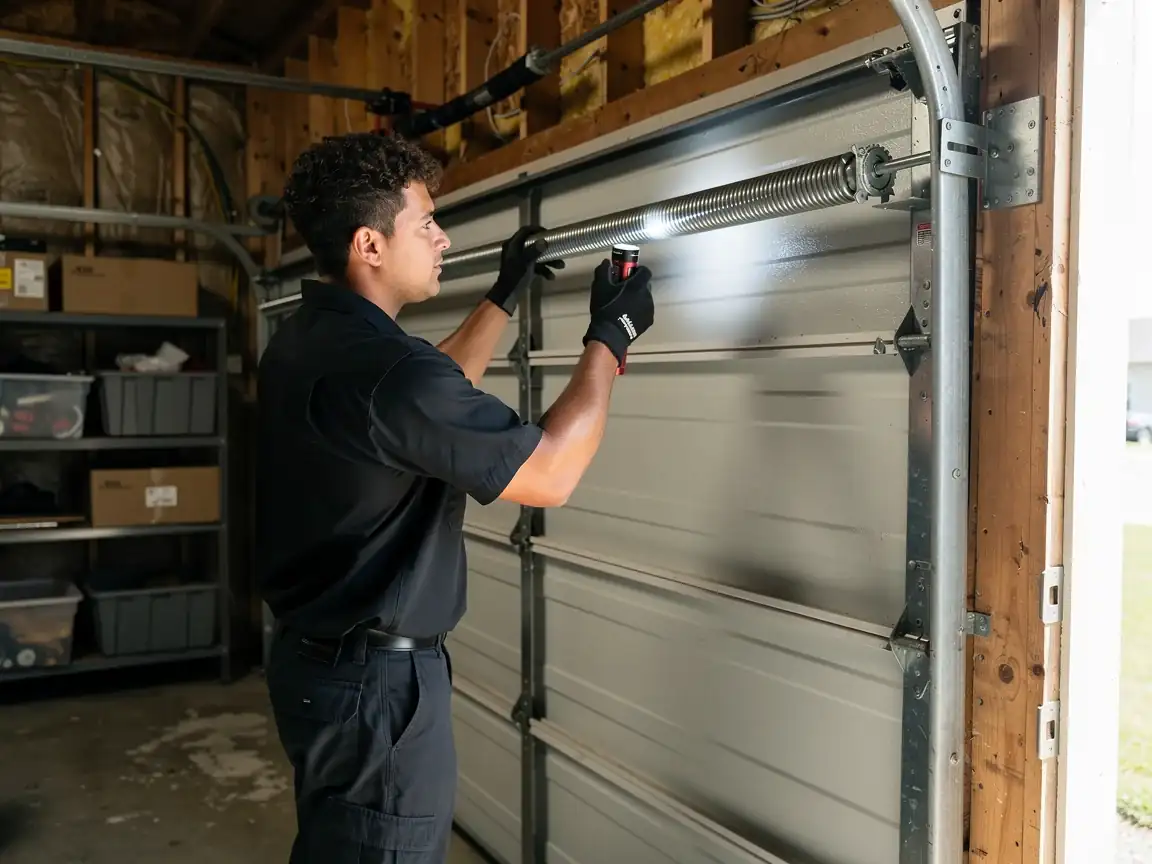
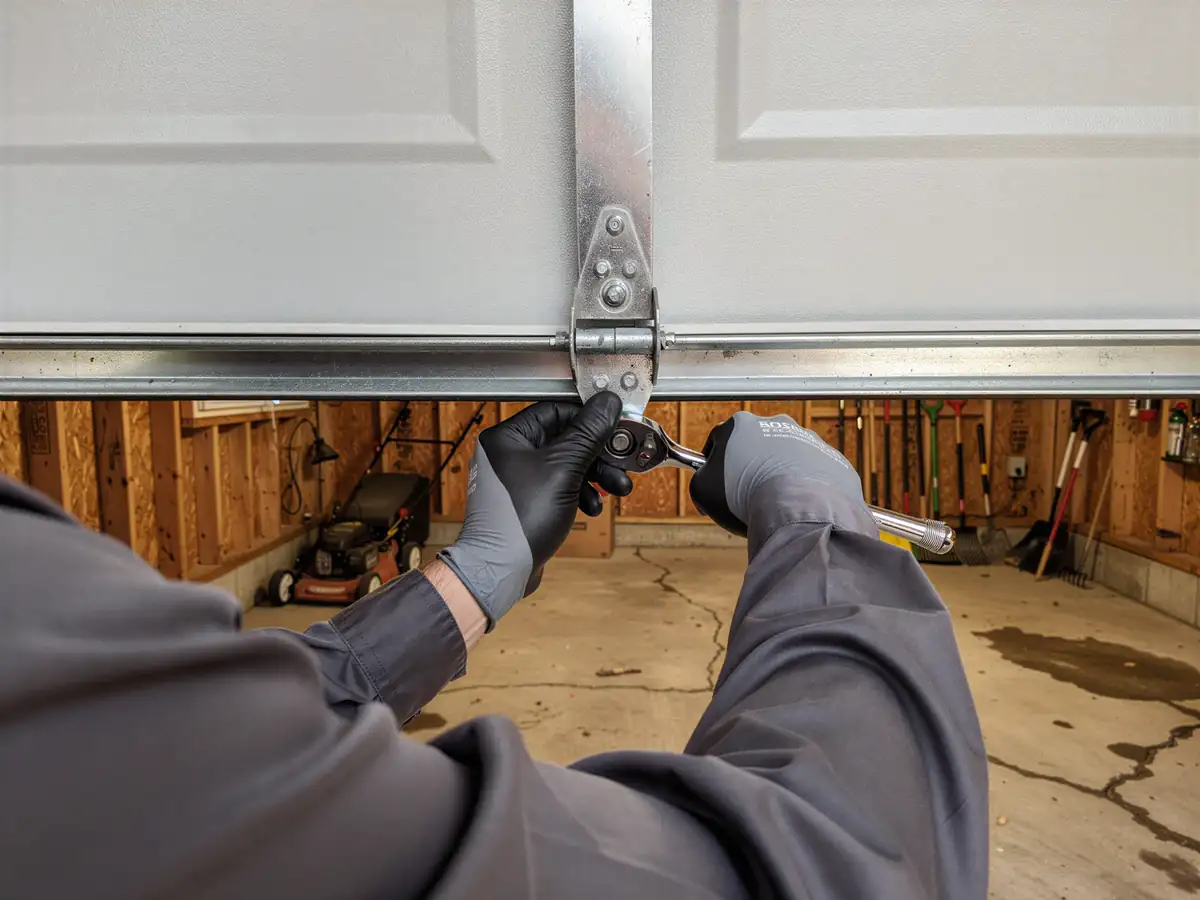
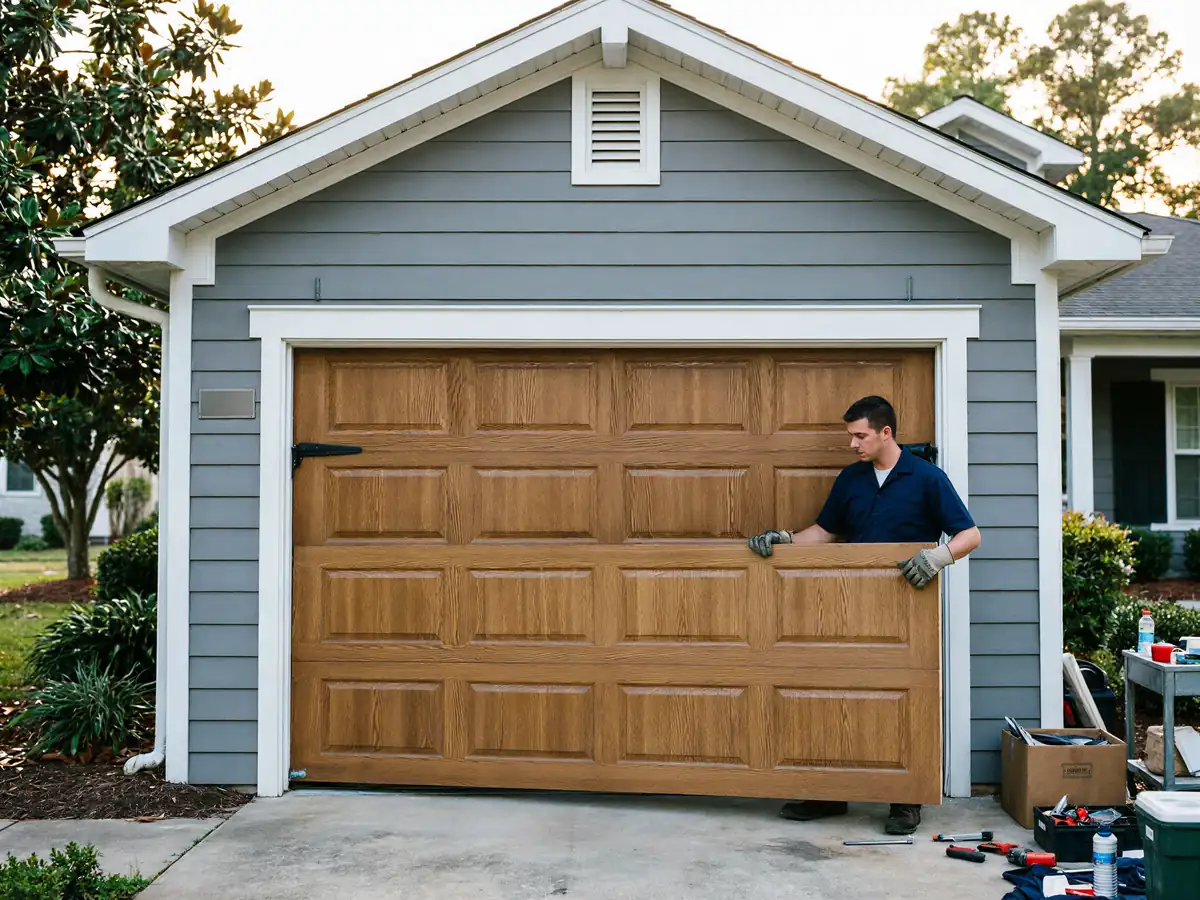
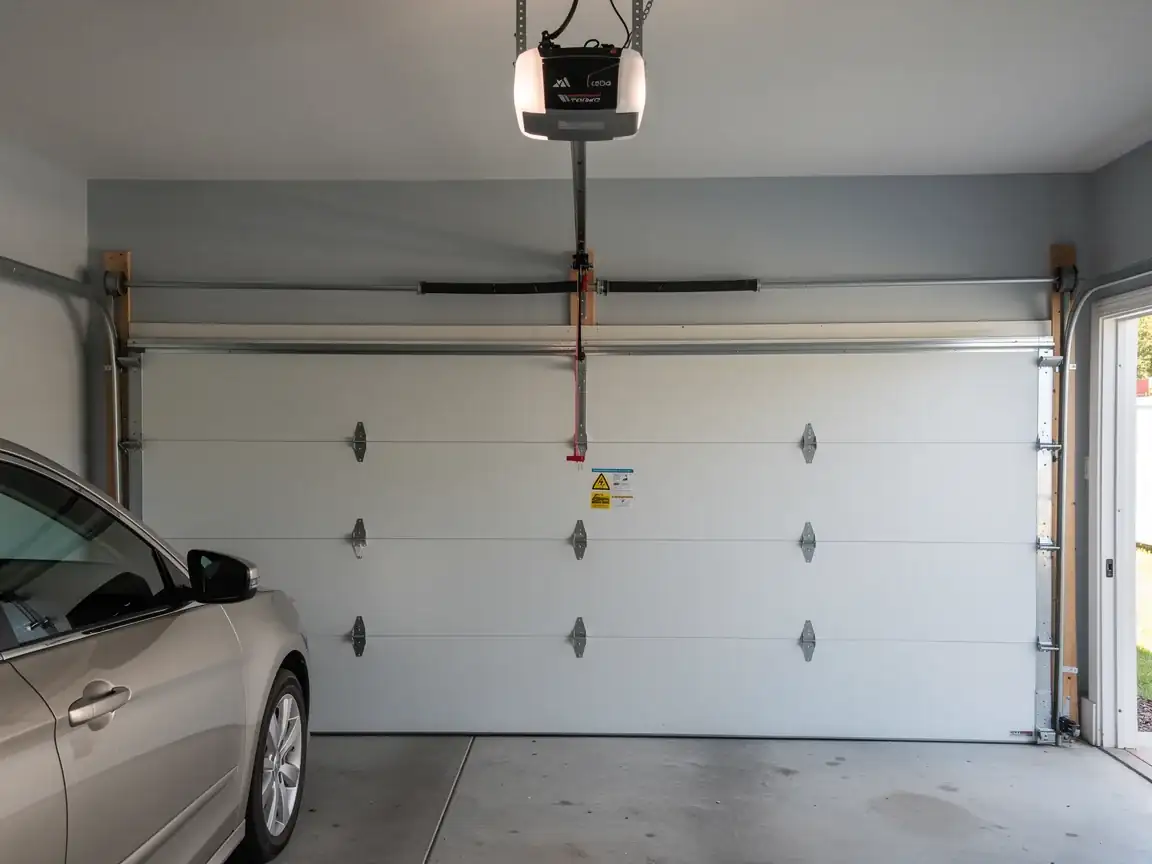
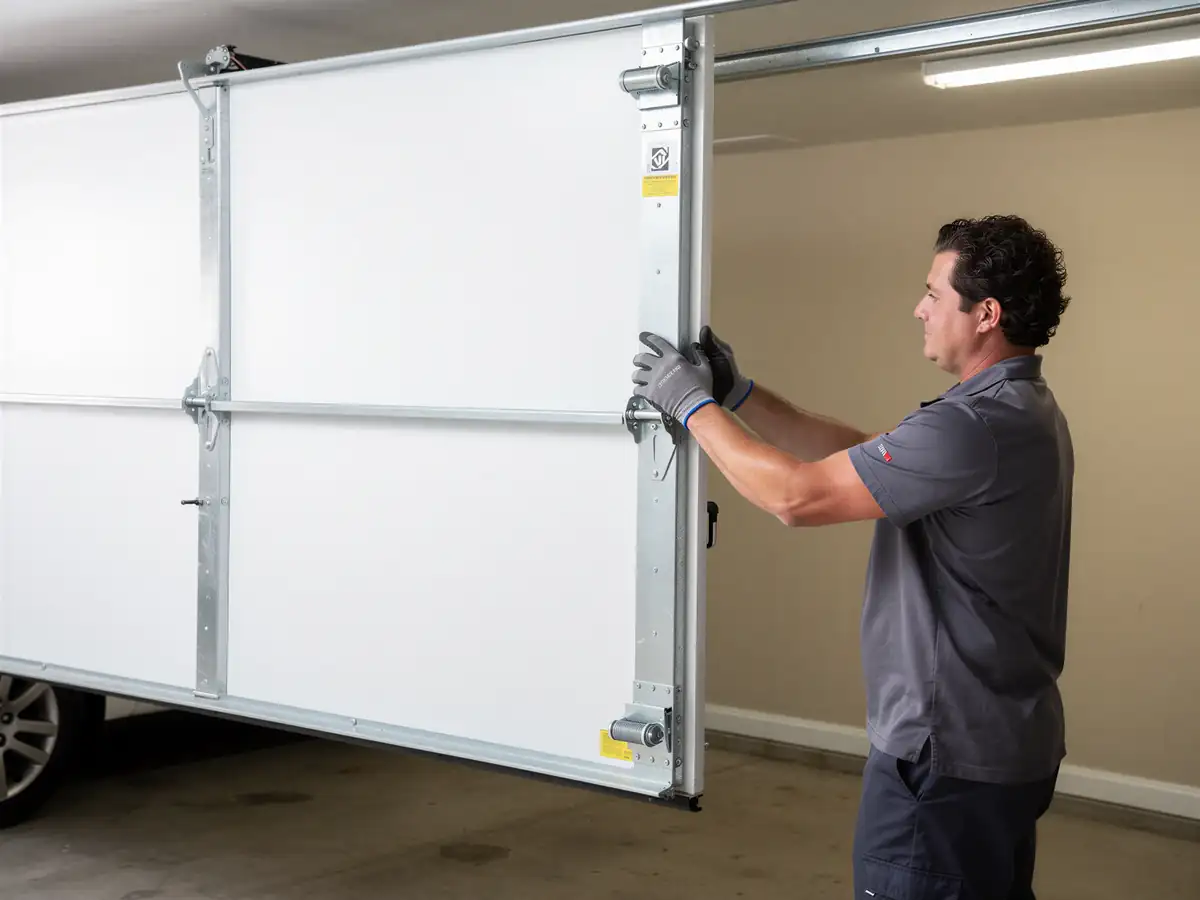
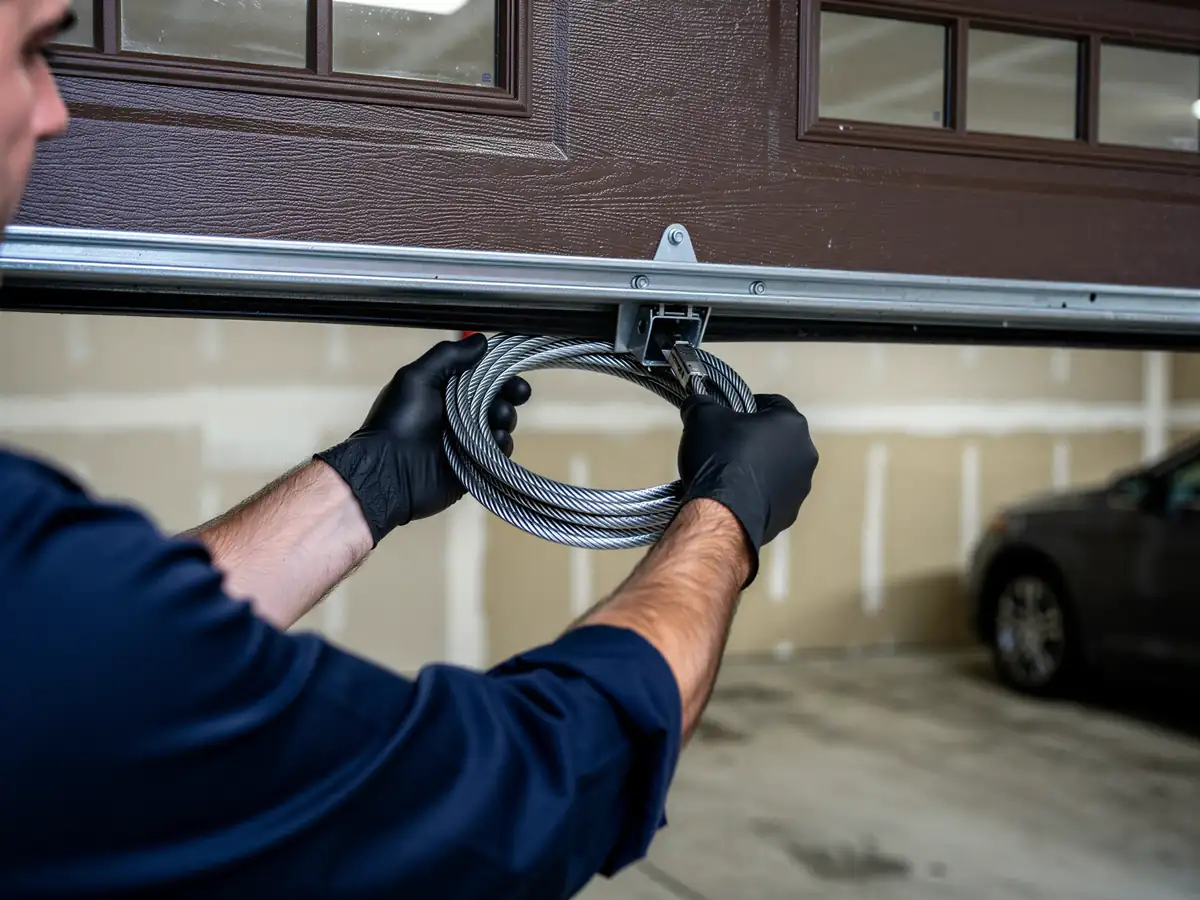
Call and tell us what you're seeing - a door that's crooked in the opening, a cable hanging loose off the drum, or a door that won't budge at all. Cable failures aren't something to put off; a door held by one cable instead of two is a door that can come down on a car or a kid's bike without much warning. We work across the service area that includes Stephens City, Boyce, Berryville, Middletown, Strasburg, Front Royal, and Locust Grove, and most cable jobs are a single visit - we carry common cable lengths and drum sizes on the truck because this is one of the most frequent calls we get out here. If your door also needs a spring or a track straightened at the same time, we'll look at the whole system before we quote anything, since a worn cable is often a symptom and not the only problem.
The DIY Question
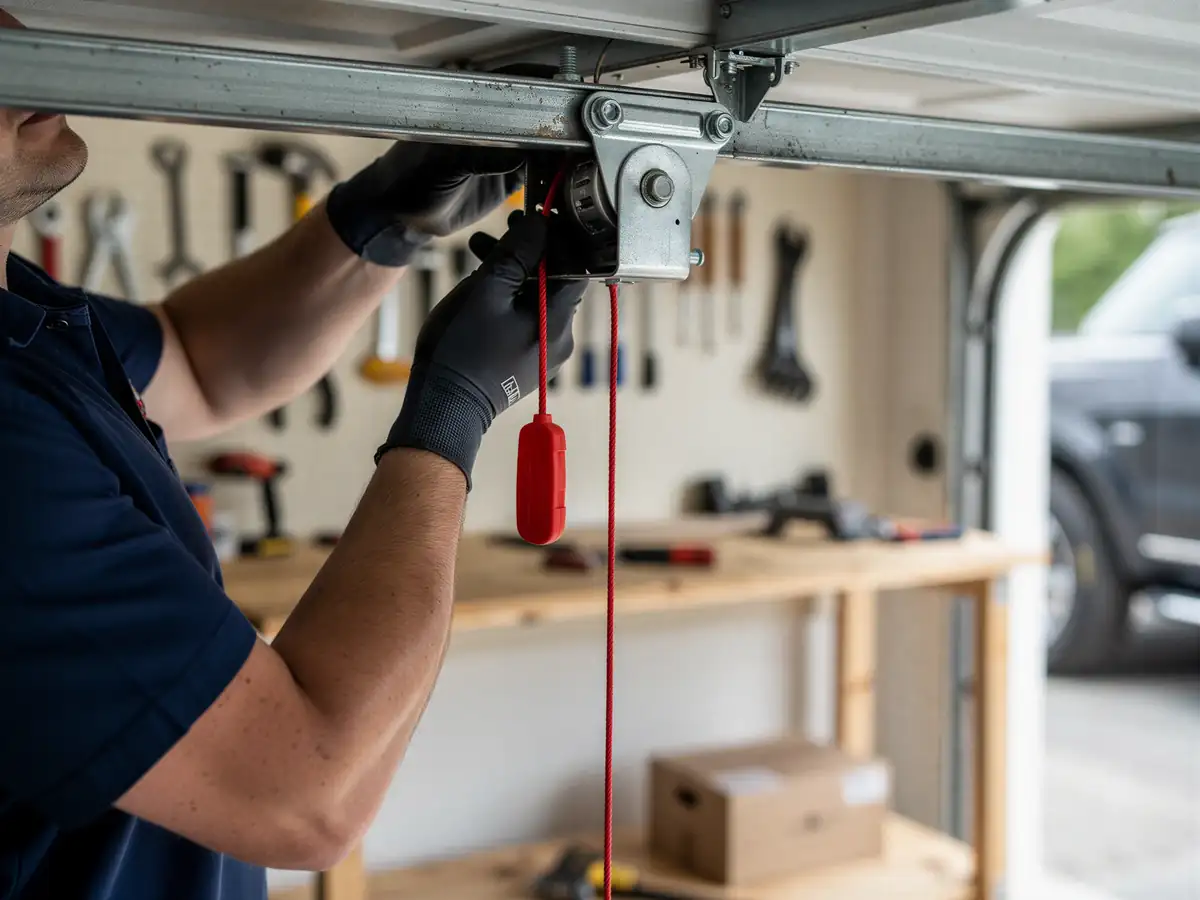
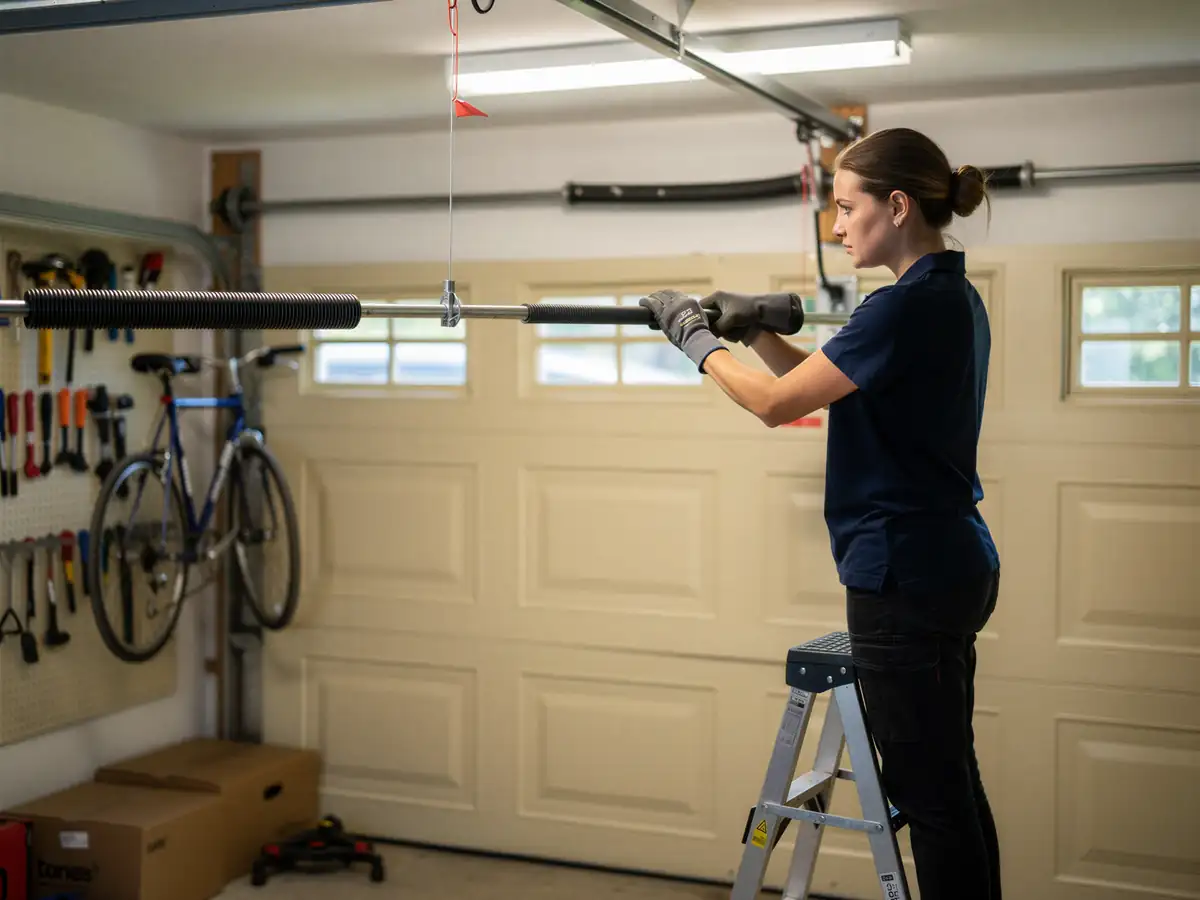
A garage door cable is not a safe weekend project, and we'll say that plainly. The cable is under load from a wound torsion spring or an extension spring, and if you loosen the wrong bolt at the wrong moment, that stored energy lets go fast. Replacing rollers or tightening a loose track bracket - fine, have at it. Cables and anything touching the spring system, no. We also won't pretend this is a job where buying a cable off a shelf and matching it by eye works out; drum size, door weight, and spring wind all have to line up, and a mismatched cable just fails again in a few months. If you've already pulled a cable off and have it in your hand, that's the point to call instead of the point to keep going.
Why It Happens Here
Winchester's housing is mostly from 1971 through 1991, with a lot of the service area's seven named communities built out in that same 1980s-and-90s window. Doors and hardware from that era are decades into their service life now, and galvanized cable loses strength gradually from flexing and from rust working into the strands - it doesn't usually snap on a mild day for no reason. This area sits in a cold, severe winter climate band, and cold is hard on cable specifically: steel contracts, lubricant inside the cable's core thickens or dries out, and a cable that was already marginal tends to fail on the first hard freeze of the season rather than in July. We see the pattern every winter - a cable that held up fine all summer gives out the week temperatures drop, because the slack it had at 70 degrees isn't there at 20.