What Is Going On
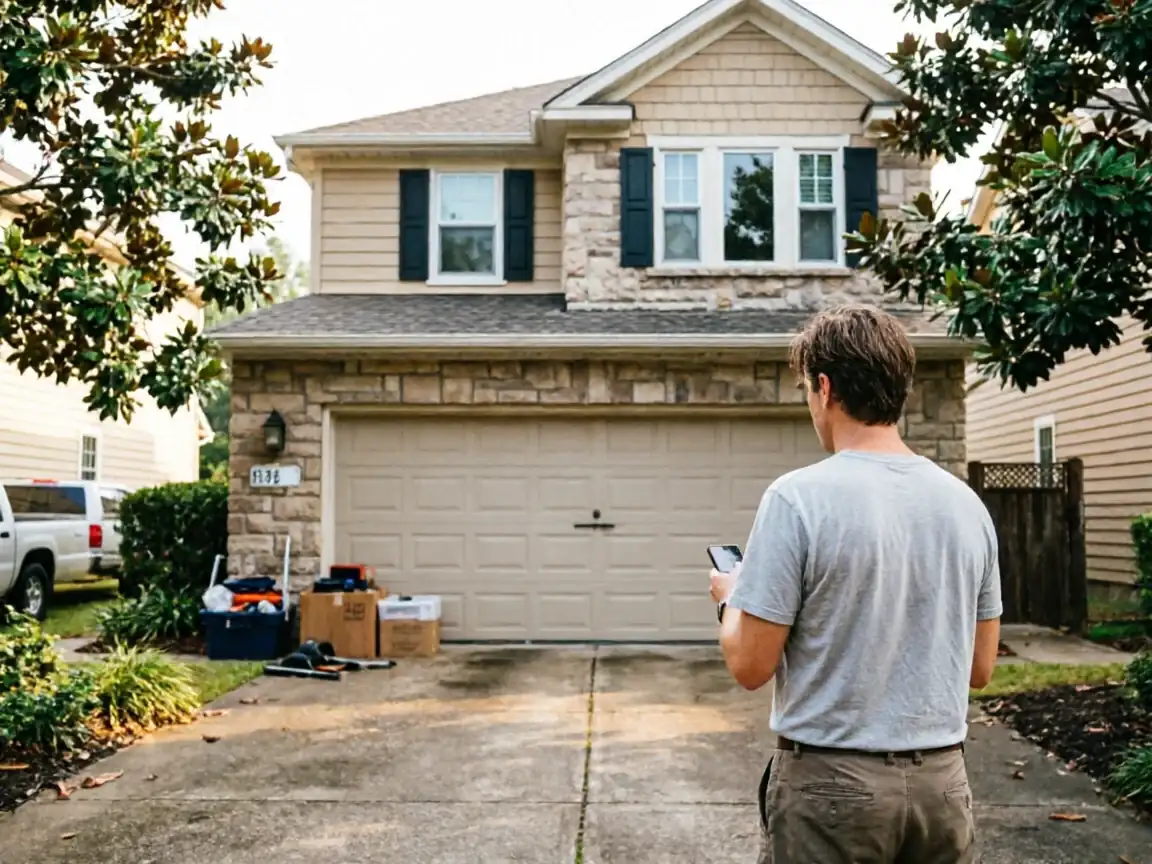
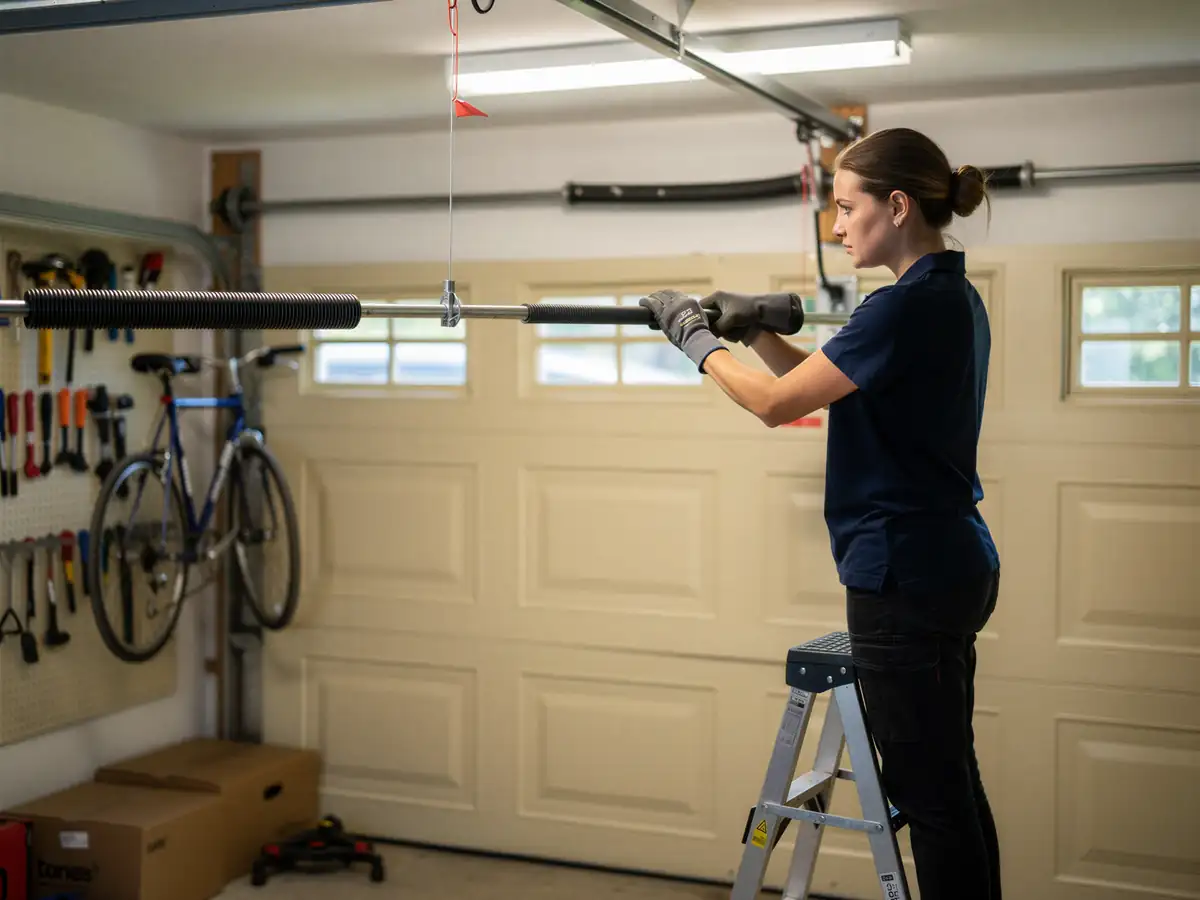
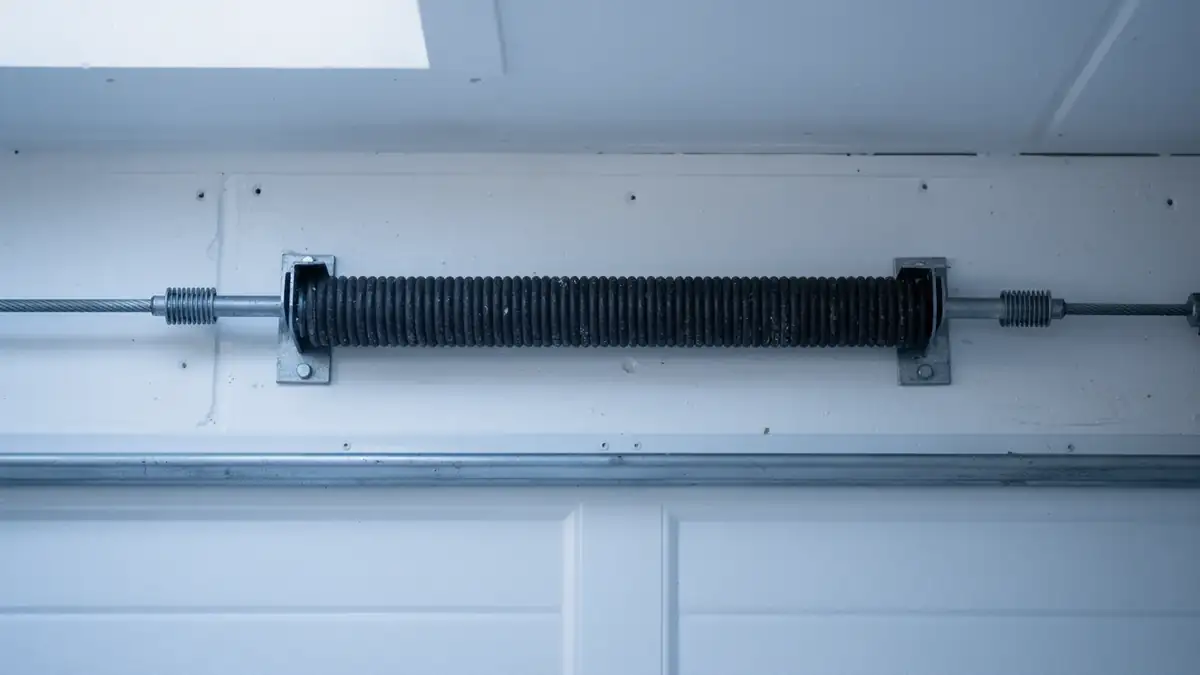
Most of the housing stock around Winchester went up between 1971 and 1991, with a median build year right around 1980, and that pattern repeats across all seven areas we work in. A lot of those houses still have the torsion spring that came with the door when the house was built. Steel fatigues with every cycle, and a spring that's been lifting a 150-pound door twice a day for close to forty years is running on borrowed time regardless of how it looks from the driveway. What changes in winter isn't the spring's age, it's the margin it has left. Cold steel loses a little flex, the door feels heavier on the first pull of the morning, and a spring that was already near the end of its coil count finally lets go. This isn't a defect specific to one brand or one door style - it's a 1980s torsion spring doing what 1980s torsion springs do after four decades of Shenandoah Valley winters. If your house falls in that build window, the spring under your door is probably original, and that's the single fact worth knowing before anything else on this page.
When to Get Help
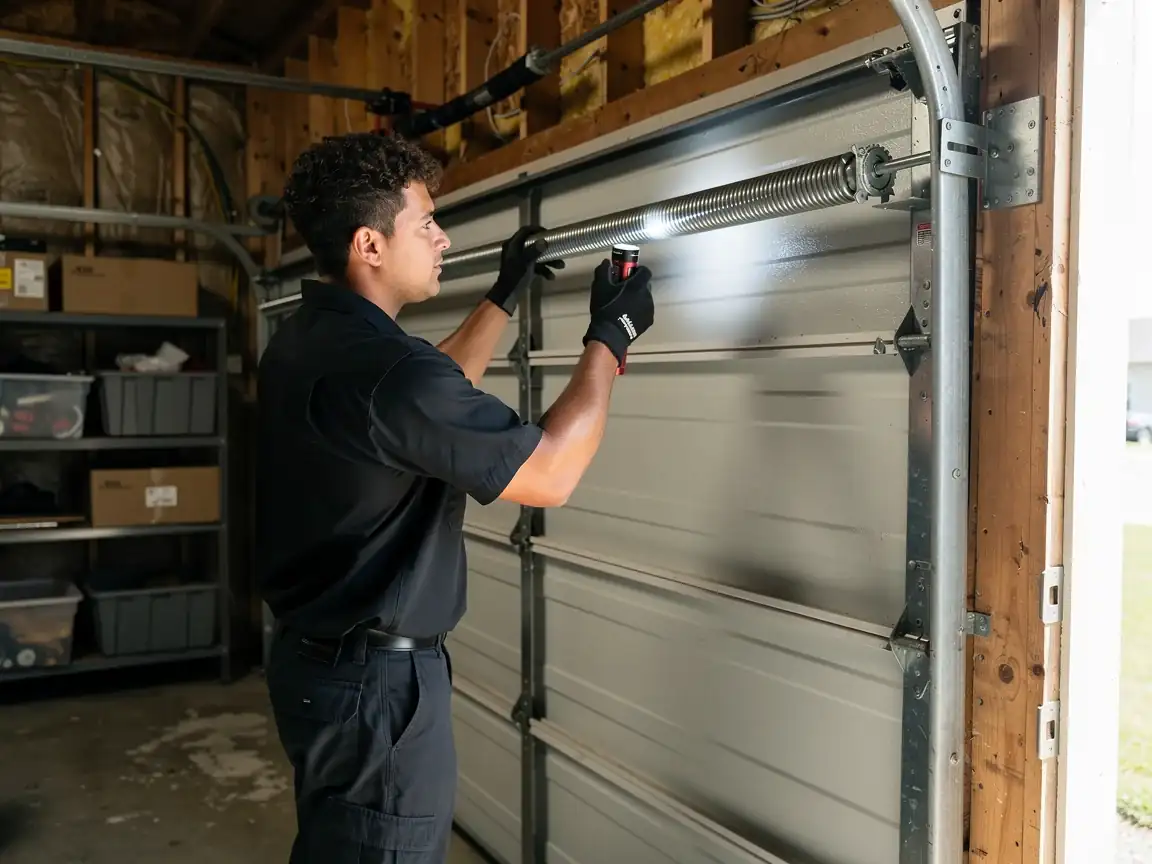
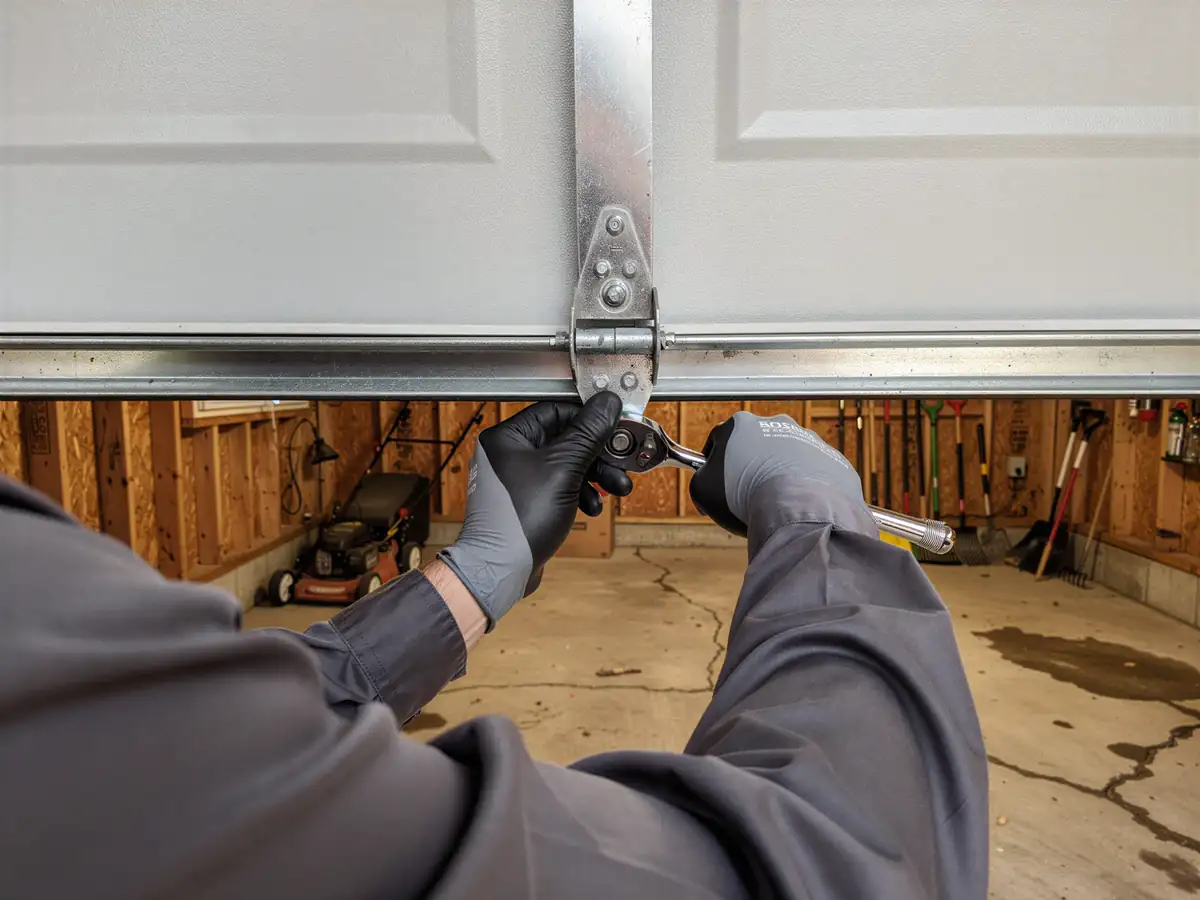
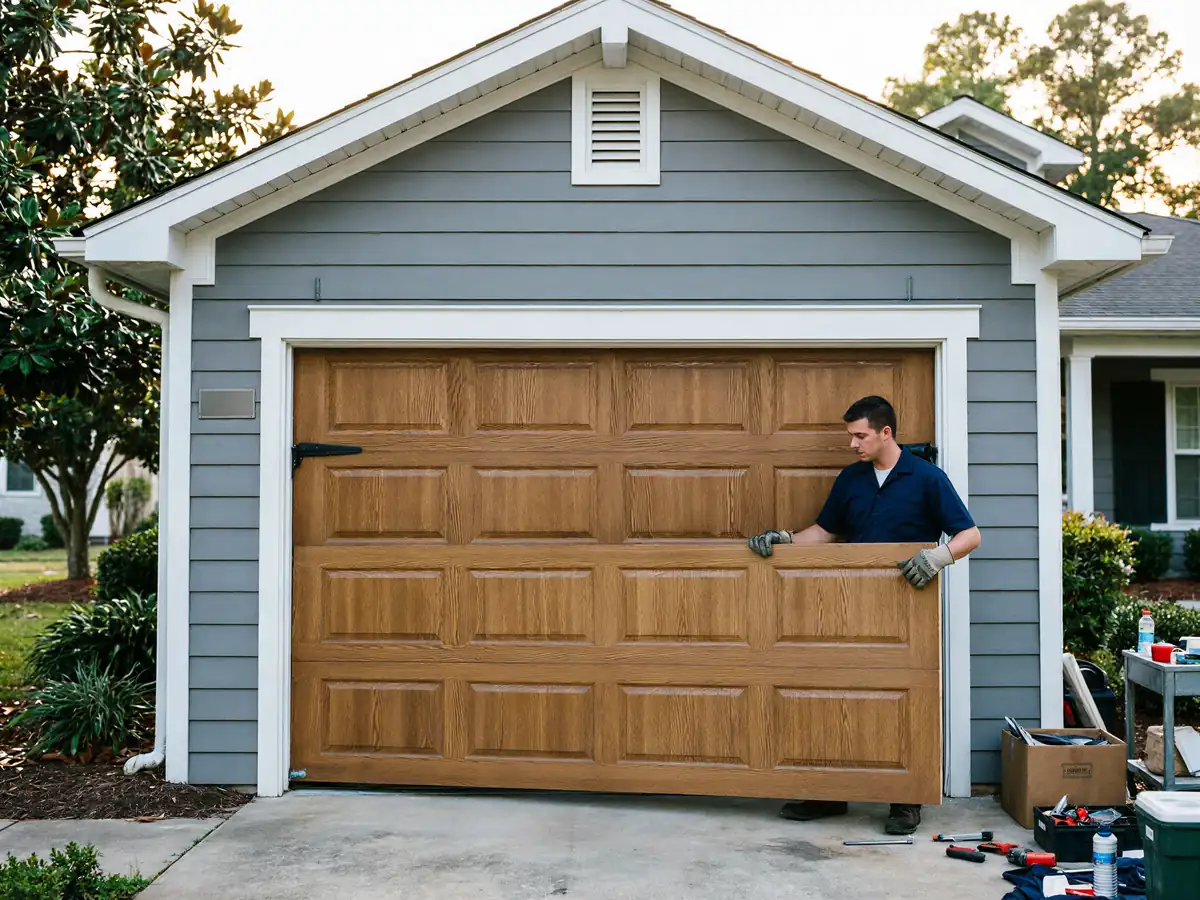
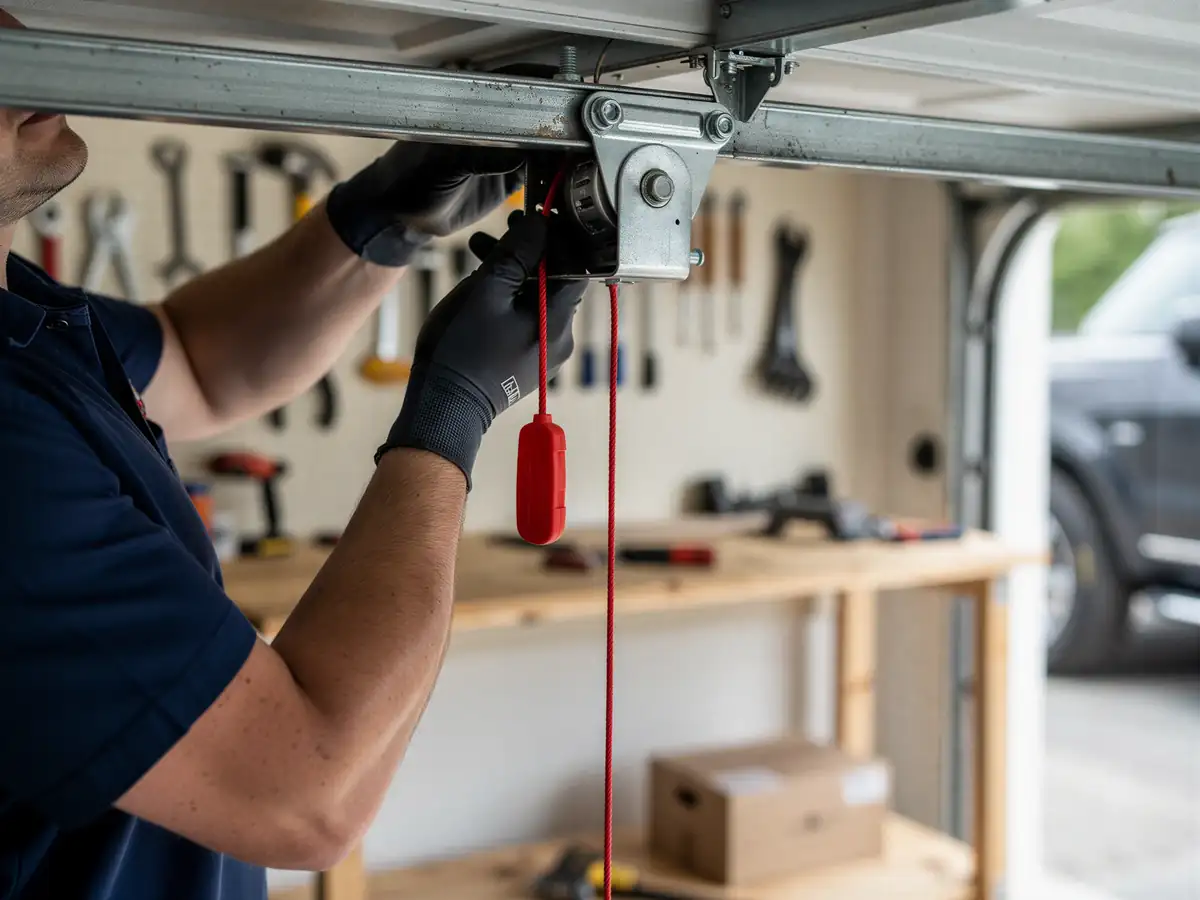
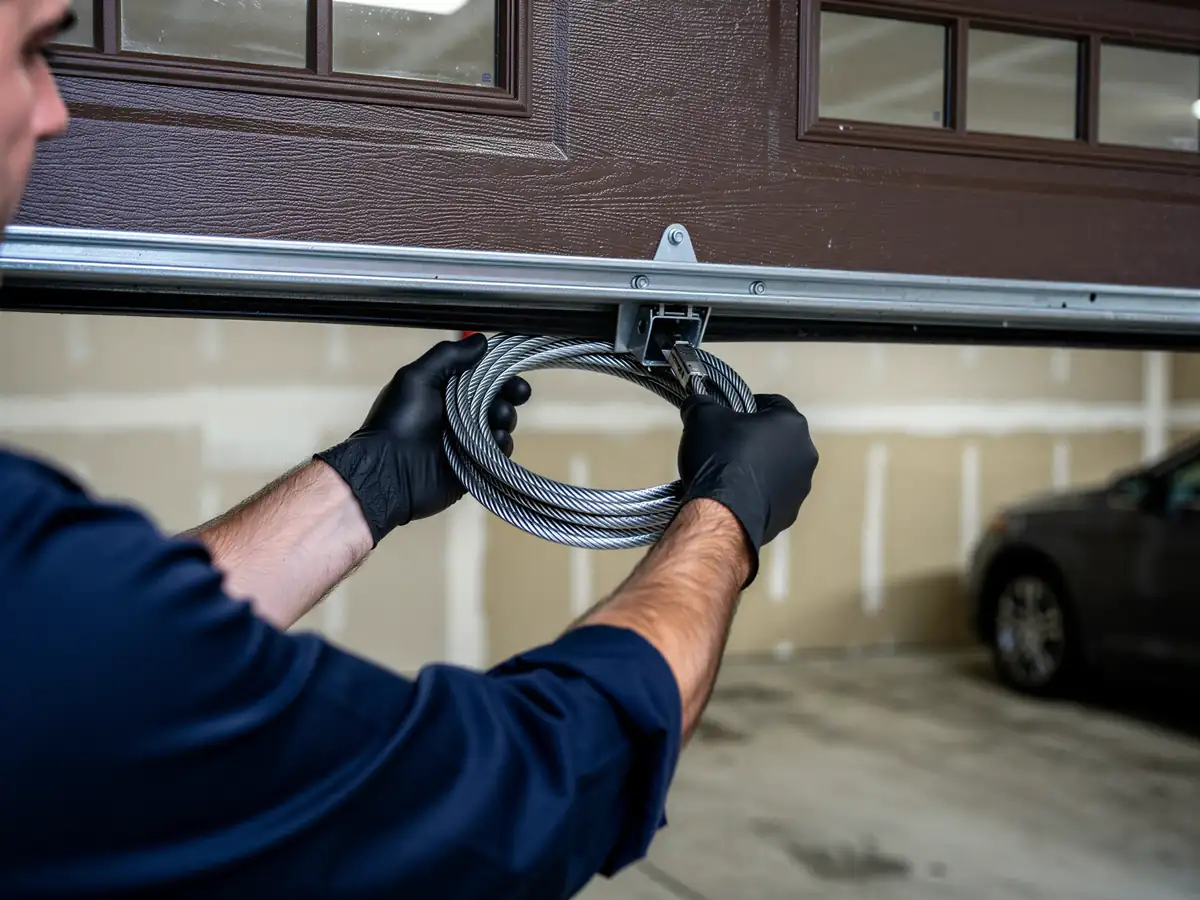
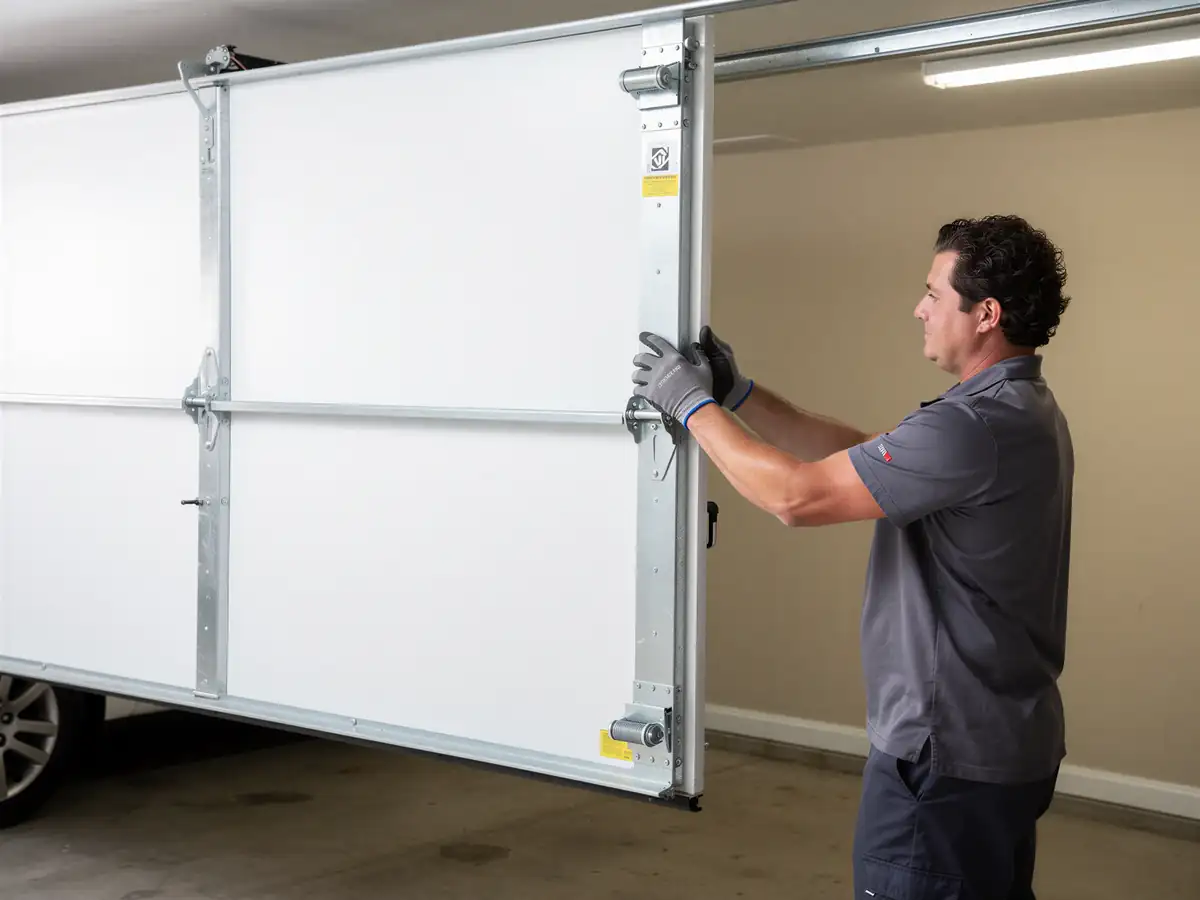
A spring that's about to go usually tells you first. Listen for a loud bang from the garage - that's often the spring itself, not the door. Watch for a door that looks crooked when it's half open, hangs unevenly on one side, or drops the last foot instead of settling. If the opener strains and reverses instead of closing, don't keep running it; a motor will fight a broken spring and burn itself out trying. None of this is a job for the person standing under the door. A torsion spring under tension can do real damage if it lets go while you're working on it, and that's true whether your house sits close in near Winchester proper or further out toward Stephens City, Boyce, or Berryville. Call before you open the door manually more than once or twice - forcing a heavy door by hand on a failed spring is how people hurt their backs or their fingers. If the door won't move at all, leave it closed and call. That's the safest state for it to sit in until someone with the right bars and clamps can get the tension off properly.
What the Weather Here Does to It
This area sits in a cold-severe climate band, and that matters more to a garage door than most people expect. Steel contracts as it gets cold, which stiffens the coil and reduces the flex a spring has left to give. Grease and lubricant inside rollers and the opener's drive system also thicken in the cold, adding resistance right when the spring has the least to spare. Put those two things together on a 35-to-45-year-old spring and the first hard freeze of the season is often the moment it finally breaks, not because the cold caused the wear, but because it removed the last bit of cushion the metal had. We can't tell you a specific morning it'll happen on any given door - that's not a fact we have, and we won't guess. What we can say is that the original hardware on a house from this build era is working with less margin every winter it survives, and cold mornings are when that margin runs out.