Common Jobs Here
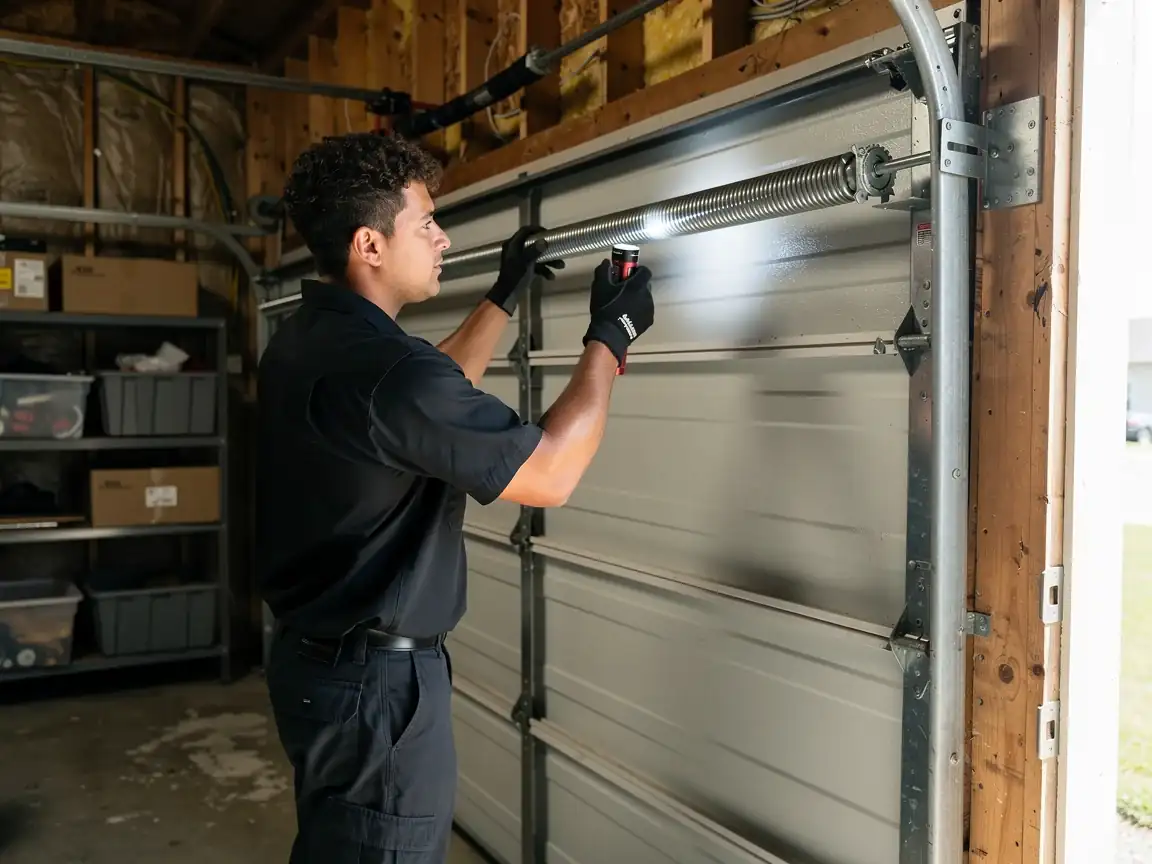
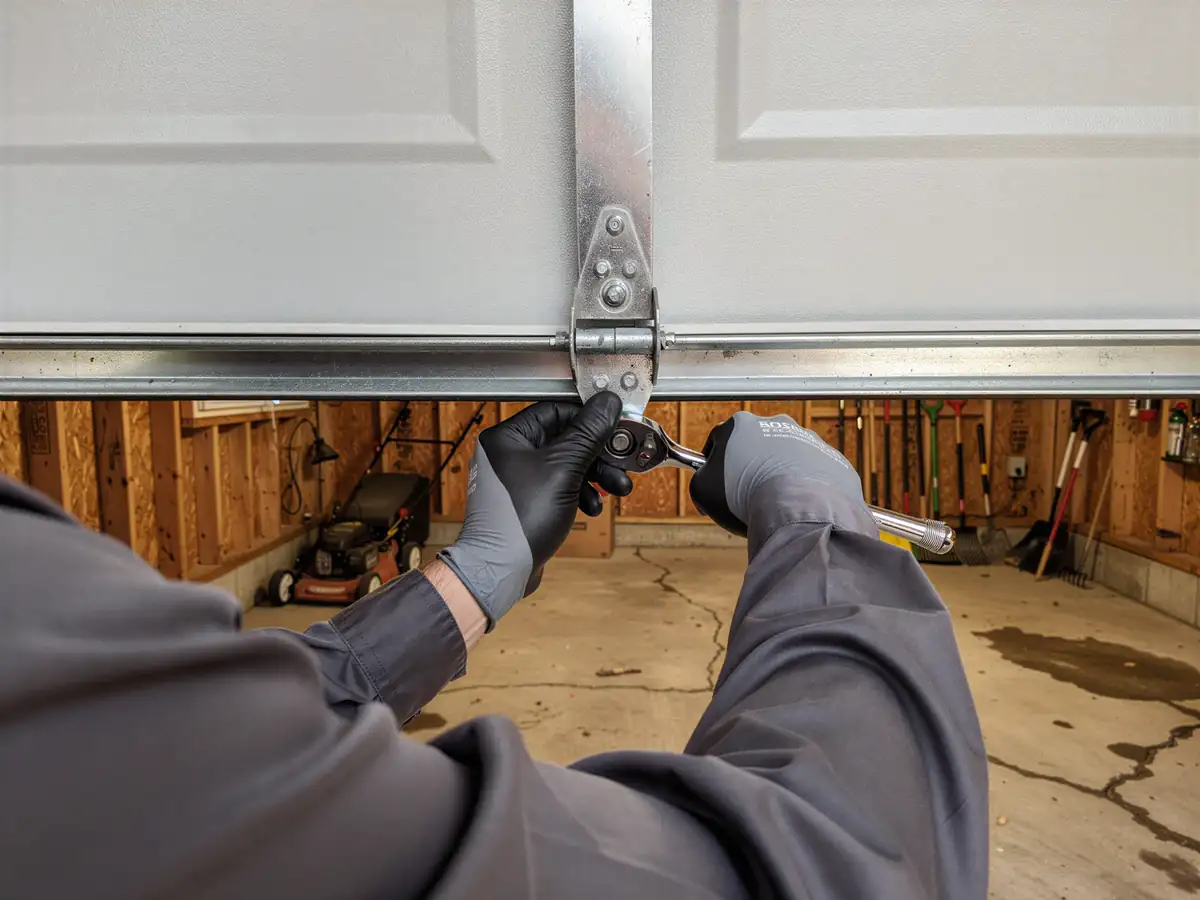
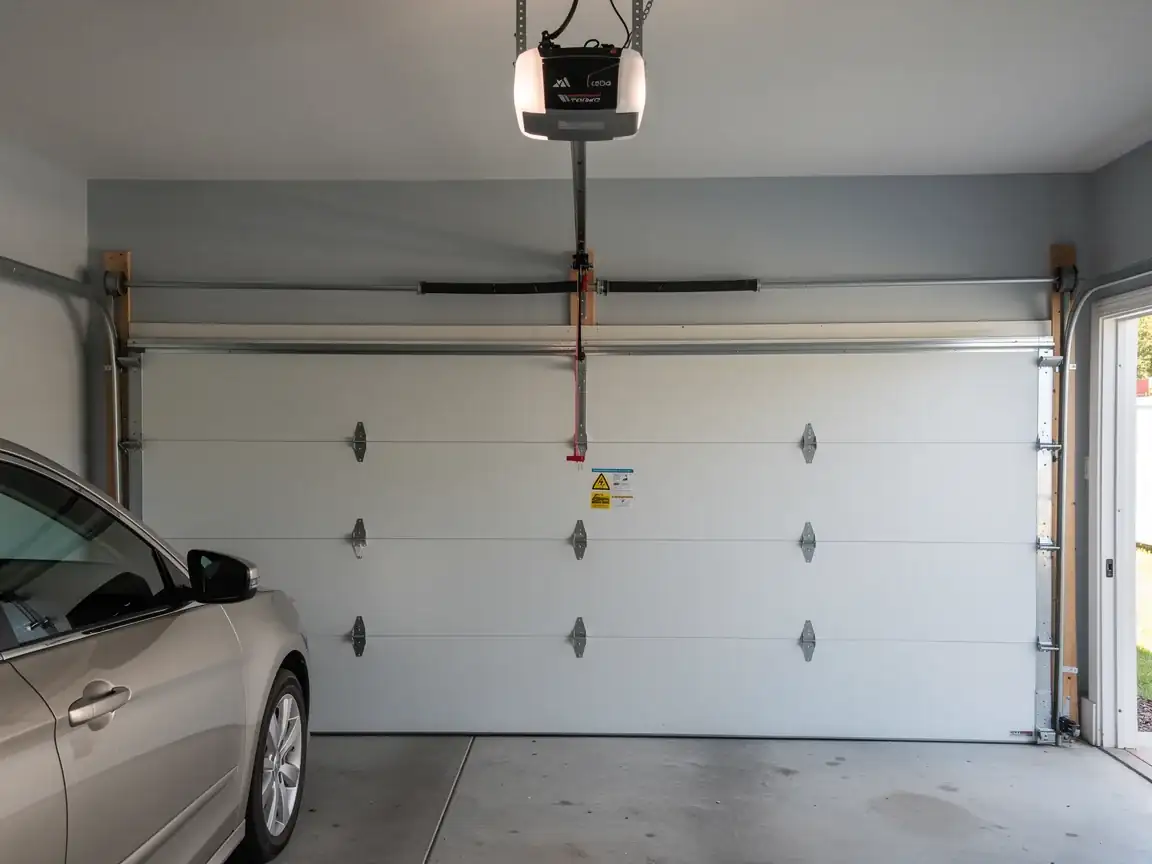
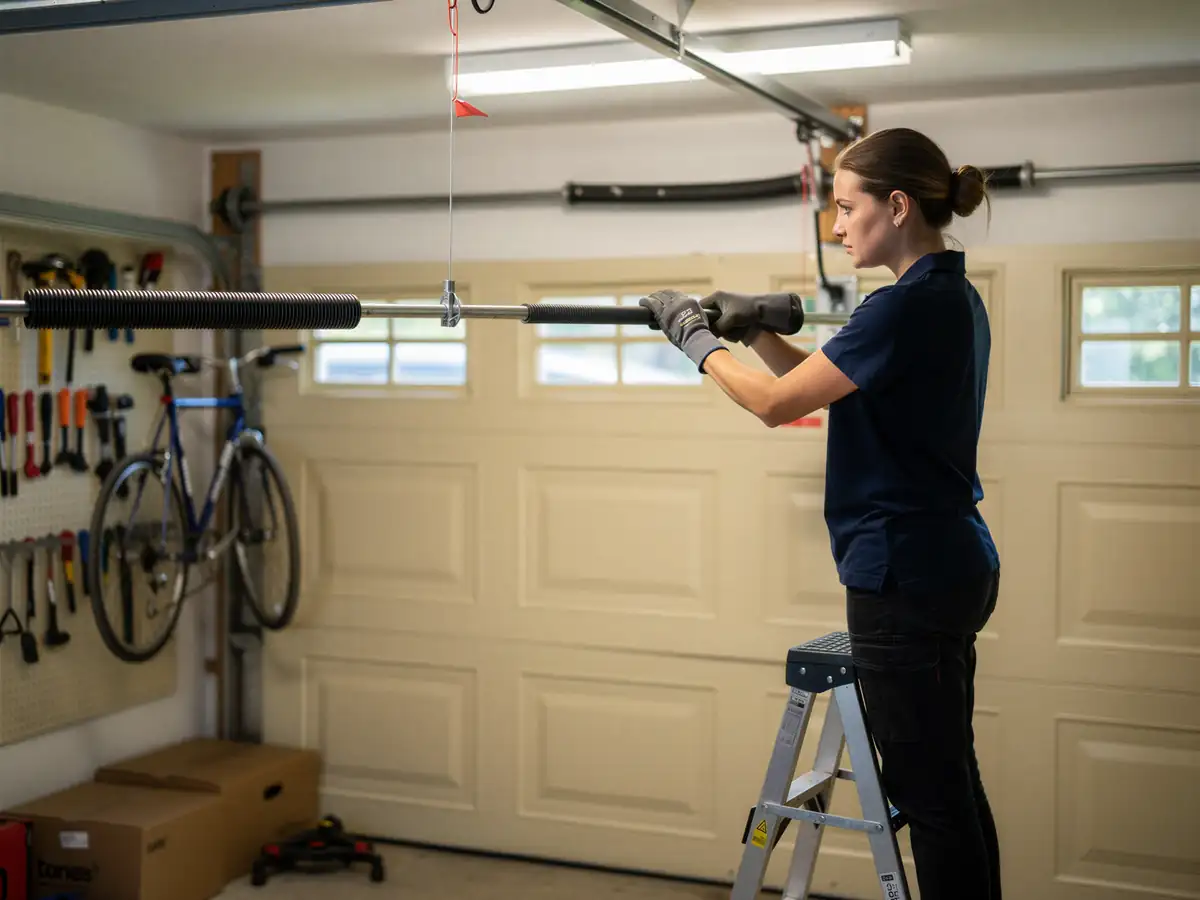
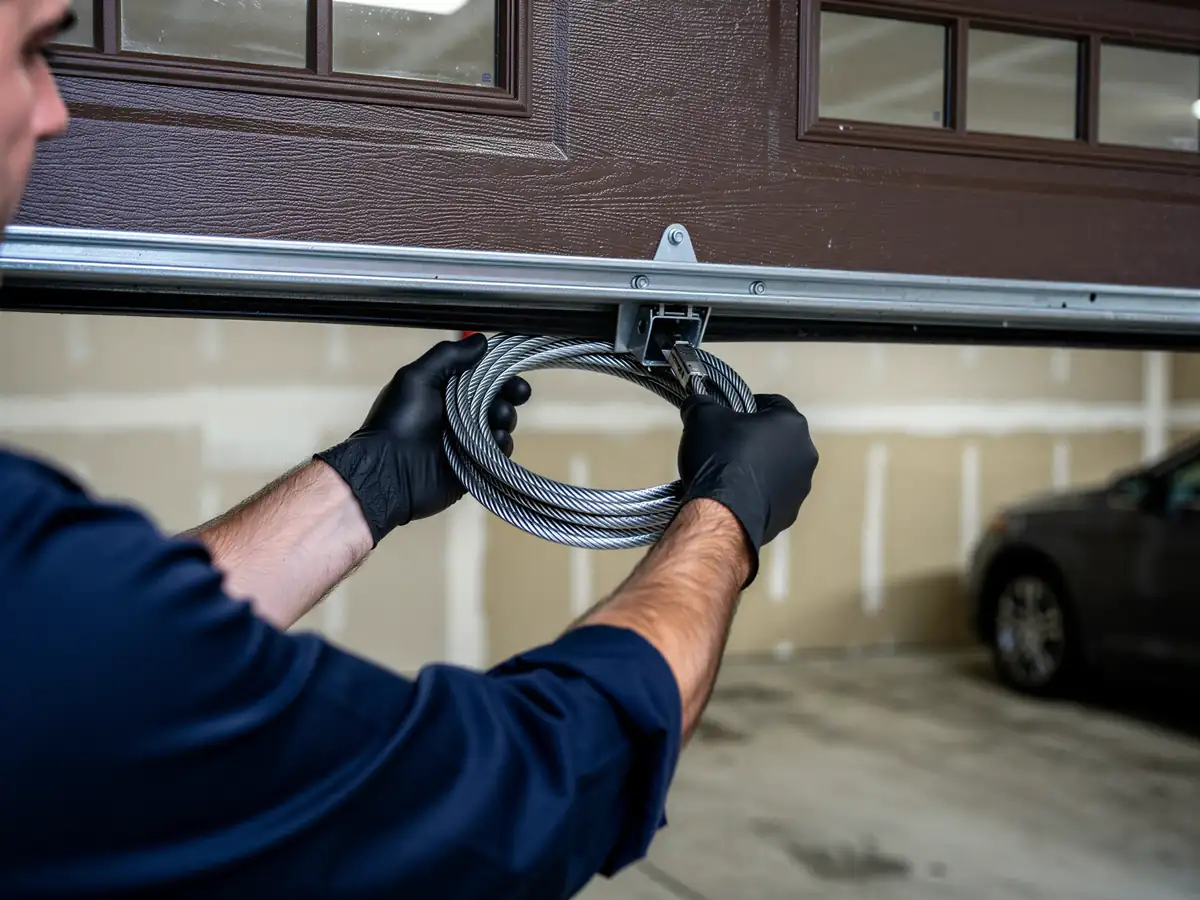
Front Royal's housing stock centers on 1974, and that year matters more than people think. A door from that era usually runs on extension springs mounted along the horizontal tracks, not the torsion bar you'd find on anything built after the mid-1990s. Extension spring setups fail differently - the cable frays at the pulley, the safety cable (if one was ever added) kinks, and the door drops unevenly on one side before anyone notices.
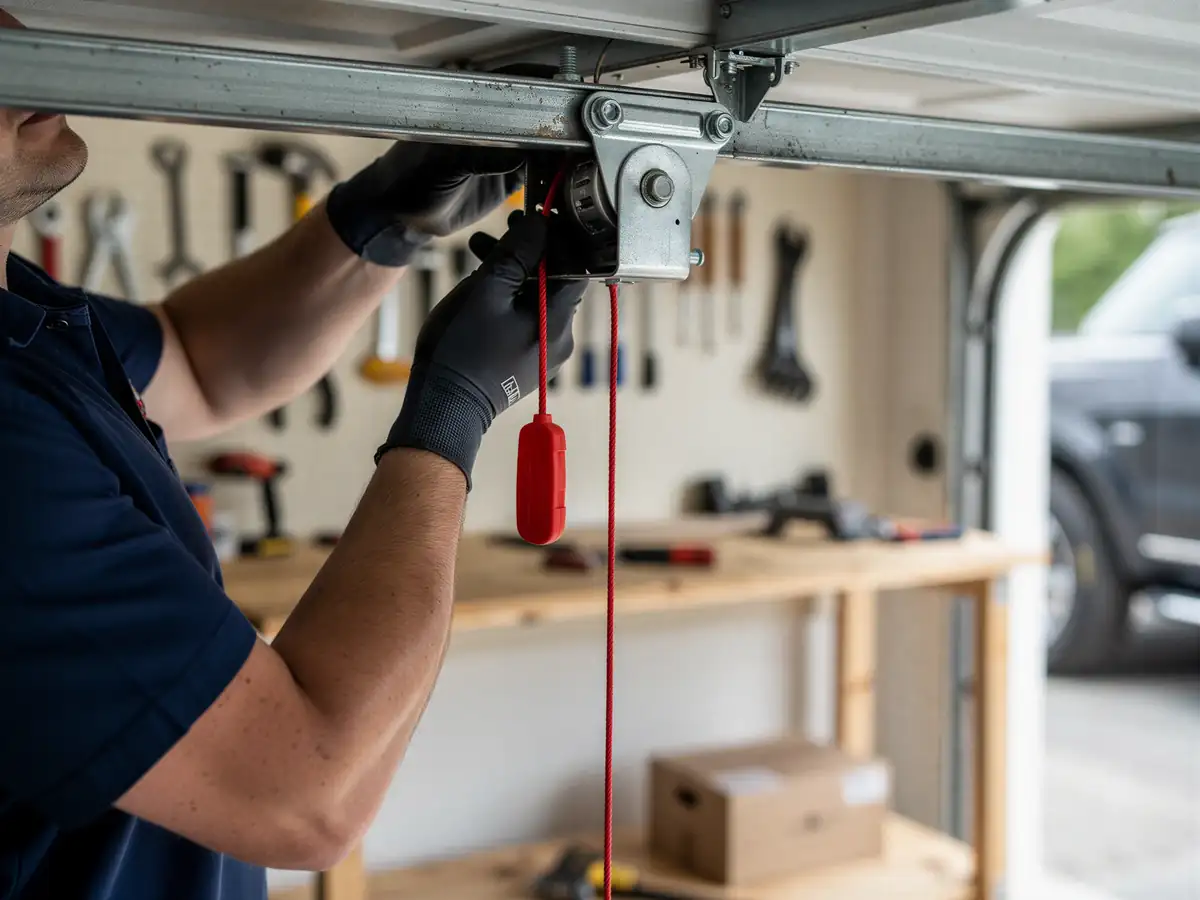
We also see a lot of first-generation chain-drive openers still limping along, usually because nobody's replaced the door they're lifting, so there's no reason yet to replace the motor either. When one goes, it's often the drive gear, not the motor itself - a $20 part behind a $200 service call if nobody's looked at it in years.
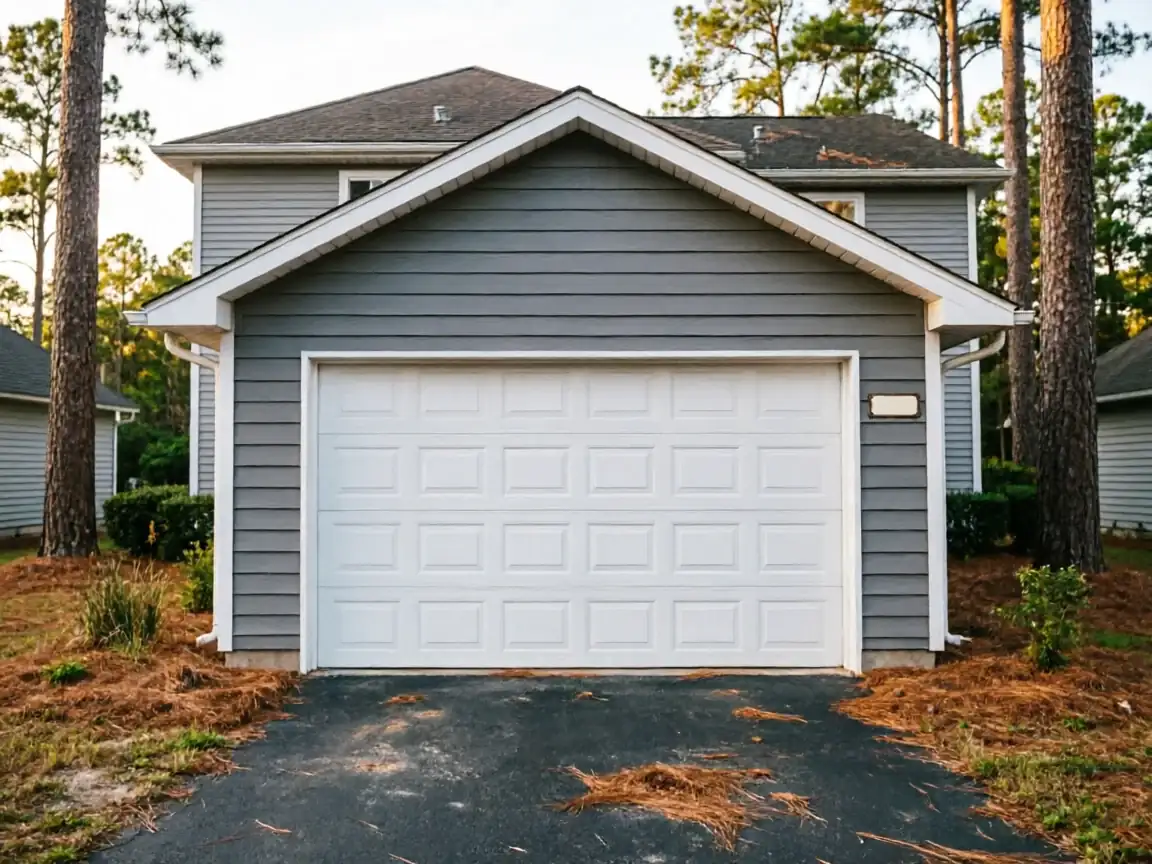
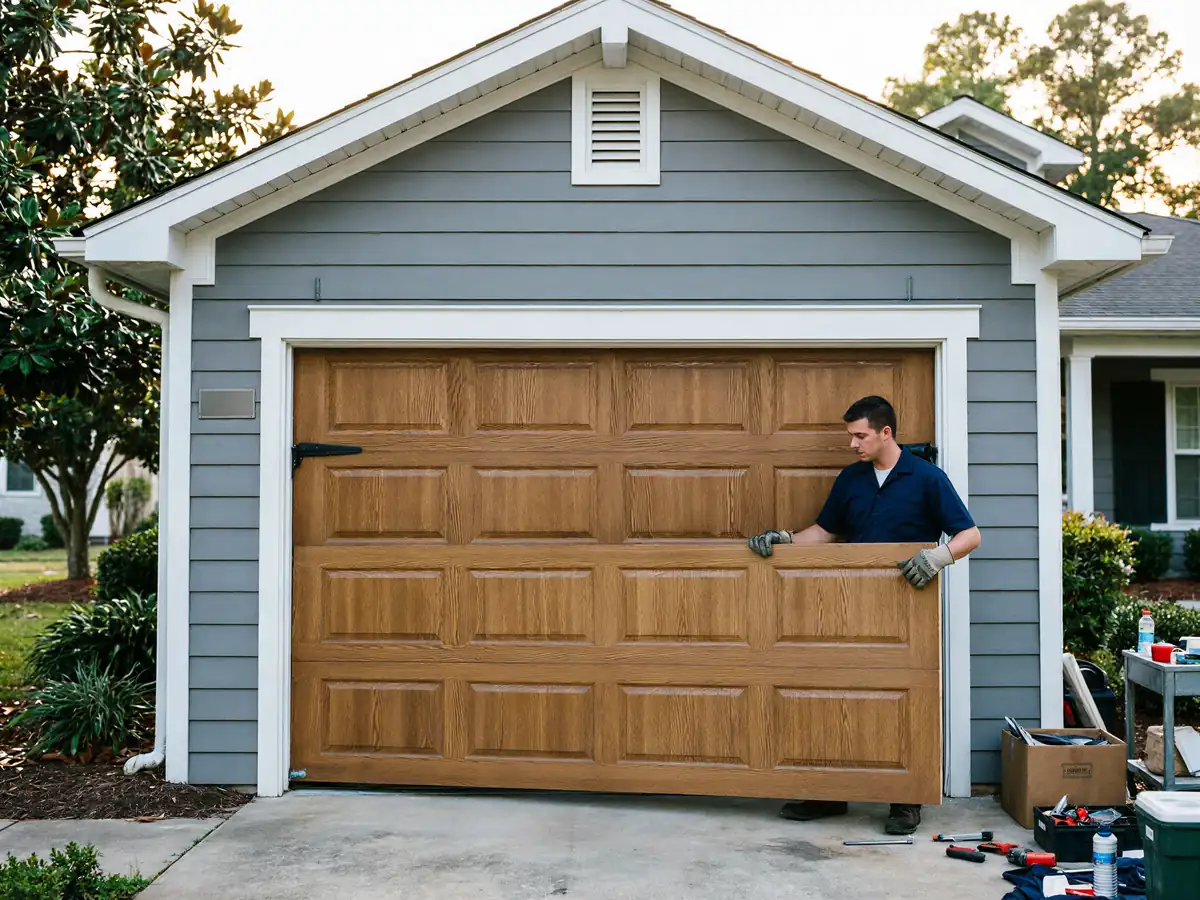
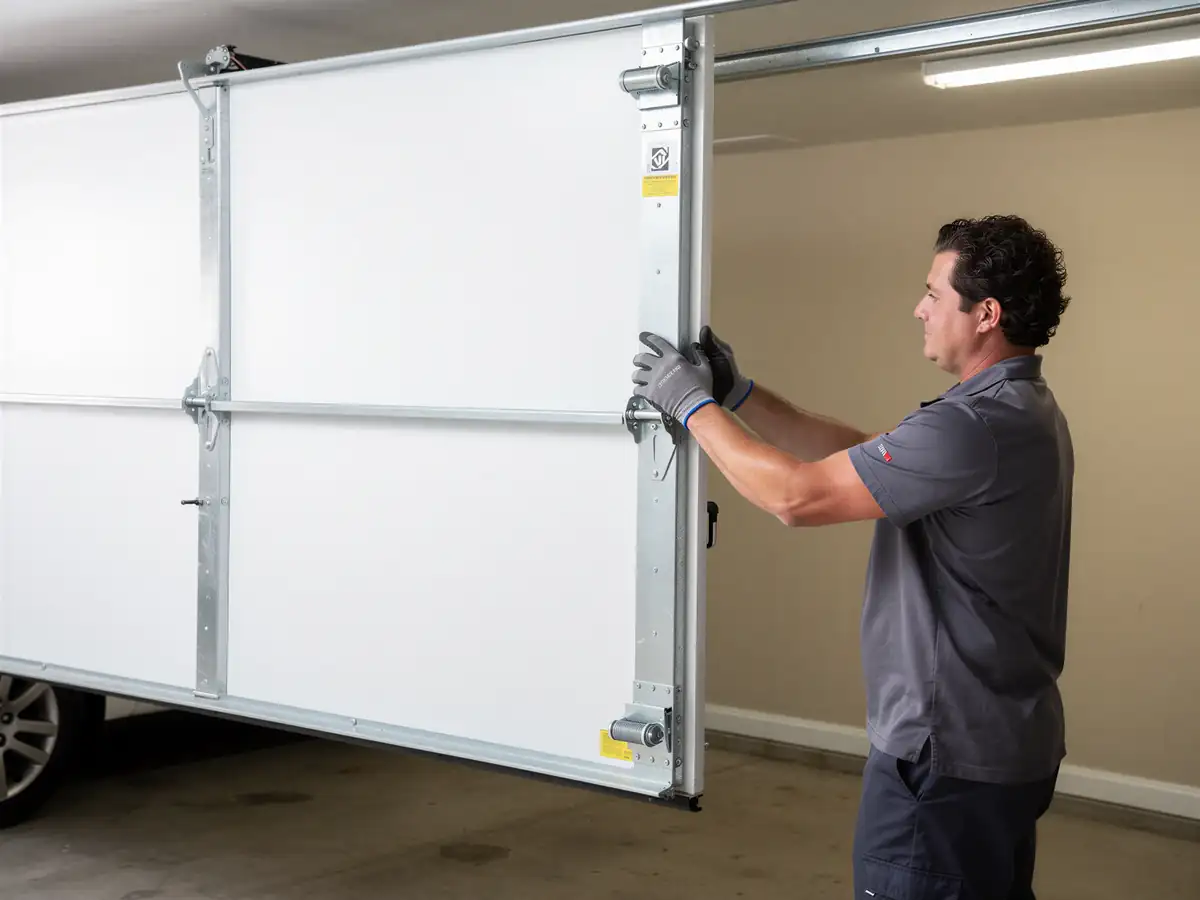
Panels from this period are steel, uninsulated, and show their age as surface rust at the bottom section where snowmelt and road salt sit against the metal all winter. We replace single sections when we can rather than the whole door, but once rust has eaten through the steel at the hinge points, patching isn't worth doing twice.
Where We Stop
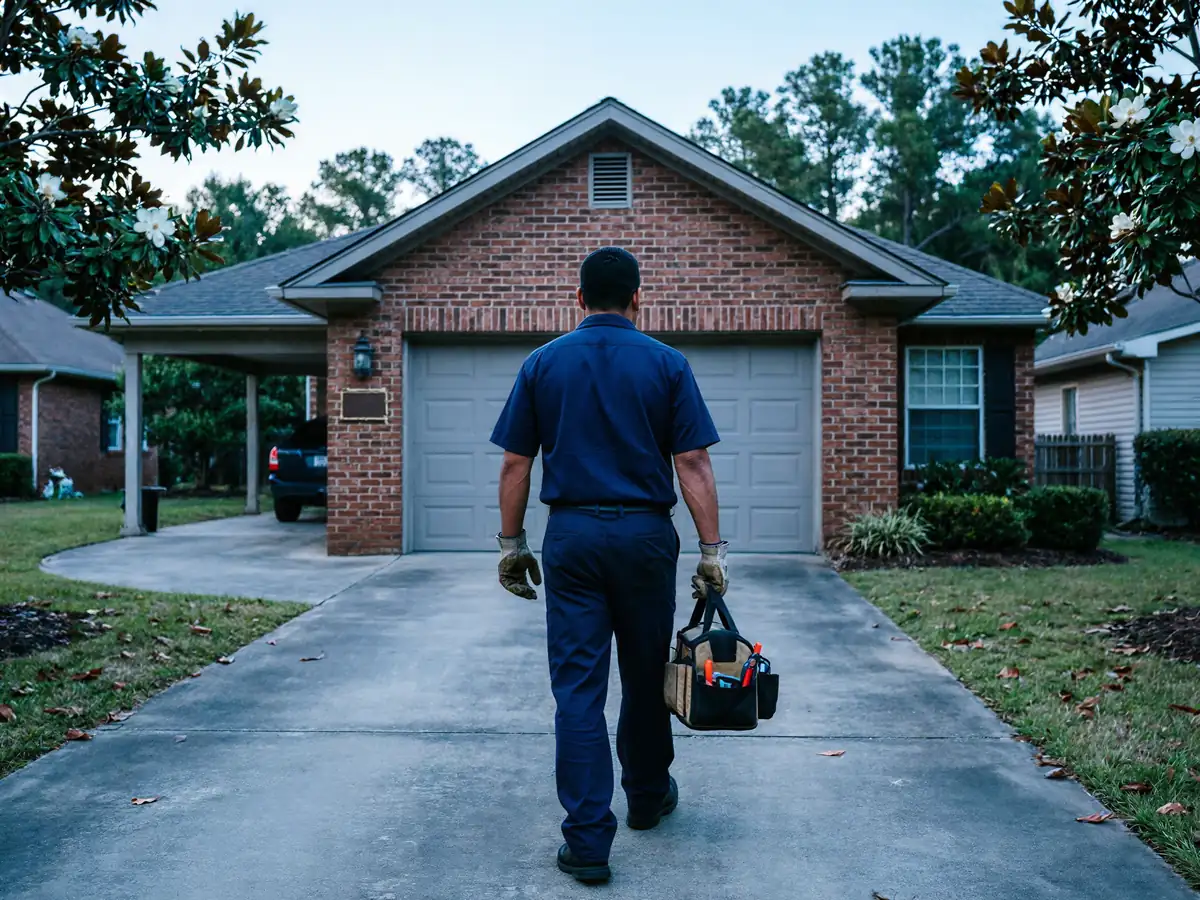
We run out of Winchester, and Front Royal sits about 17 miles down that route - close enough to cover reliably, far enough that we're not idling nearby waiting on a call. That's a real number, not a sales line: it's roughly the same drive as Boyce or Berryville, a bit longer than Stephens City, and shorter than Strasburg or Front Royal's own run out past Middletown.
We don't claim a local depot or a guaranteed same-day window here - we're honest that anything outside standard business hours gets scheduled around the drive, not promised against it. If your spring snaps at 6pm on a Friday, we'll tell you straight whether we can get there that night or whether morning is the real answer. A company that promises otherwise from 17 miles out is guessing, not quoting.
What Was Built Here
The median year built in Front Royal lands around 1974
Which puts most of the neighborhood's garage doors and openers well past any expected service life - openers in particular rarely make it past 20 to 25 years without a major part failure. At roughly 5,895 households and a median income near $64,025, this isn't an area where people are tearing out working equipment for cosmetic reasons; repairs get fixed until they genuinely can't be fixed, then replaced with something built to current standards.
- 25 years
- 5,895 households
- $64,025 median household income
That 1970s build era also means a lot of original wood or steel doors with minimal insulation
Installed before R-value mattered to anyone drawing up the building plans. If your door's never been touched since the house was built, it's not an exaggeration to say it's original equipment - and original equipment from 1974 doesn't have a weatherstrip seal that still does its job.
How That Shows Up in the Door
The region sits in a cold-severe climate band, and a door built in the 1970s wasn't engineered with today's insulation standards or weatherstripping in mind. Combine the two and you get specific, predictable failures: steel panels that contract enough in a hard freeze to pop loose at the hinge screws, bottom seals that crack and let cold air track straight across a slab floor, and torsion or extension springs that lose tension faster in cold metal than warm.
We see openers struggle hardest on the coldest mornings of the year - old gear-drive units pulling against a door that's stiffened up overnight, which stresses the drive gear every single cold start. None of this is unique to one house; it's what a 1974-era door does in this climate, year after year, until somebody replaces the weatherstrip, upgrades the springs, or swaps the whole door for an insulated panel built for the cold rather than against it.