What Can Go Wrong
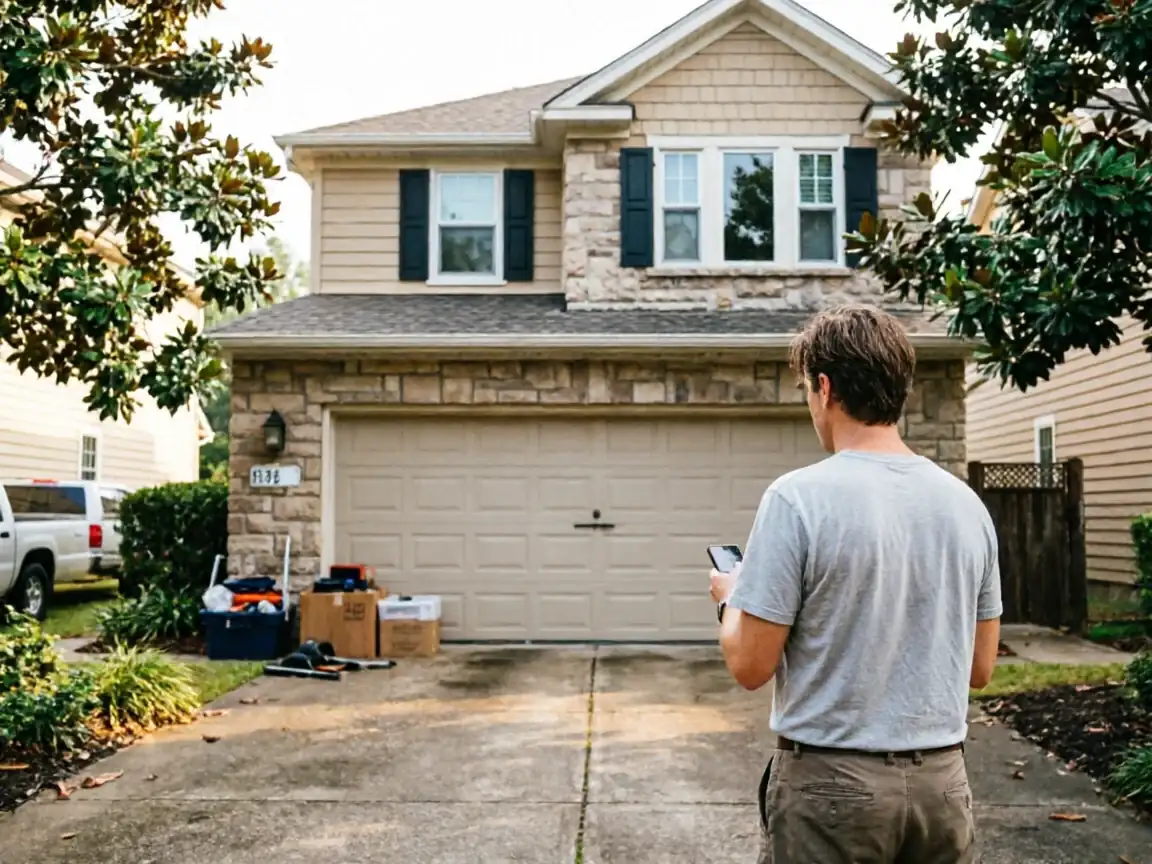
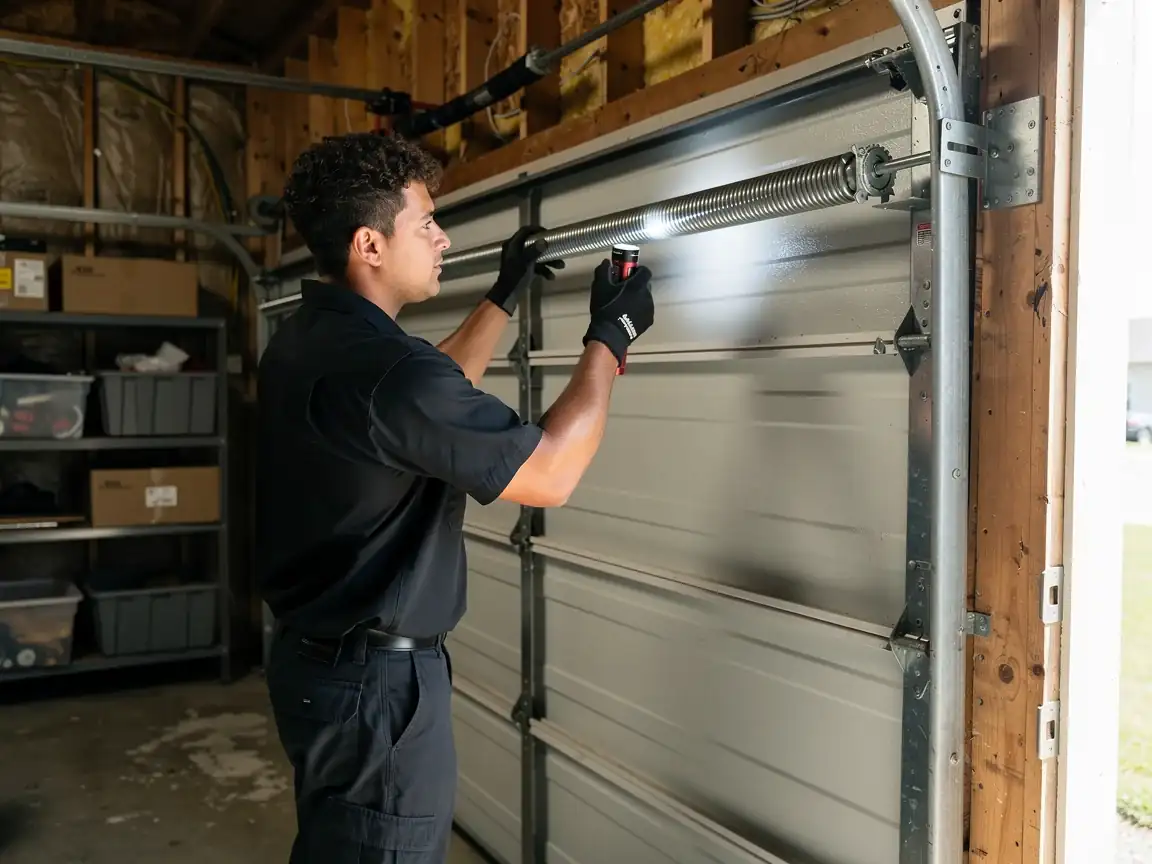
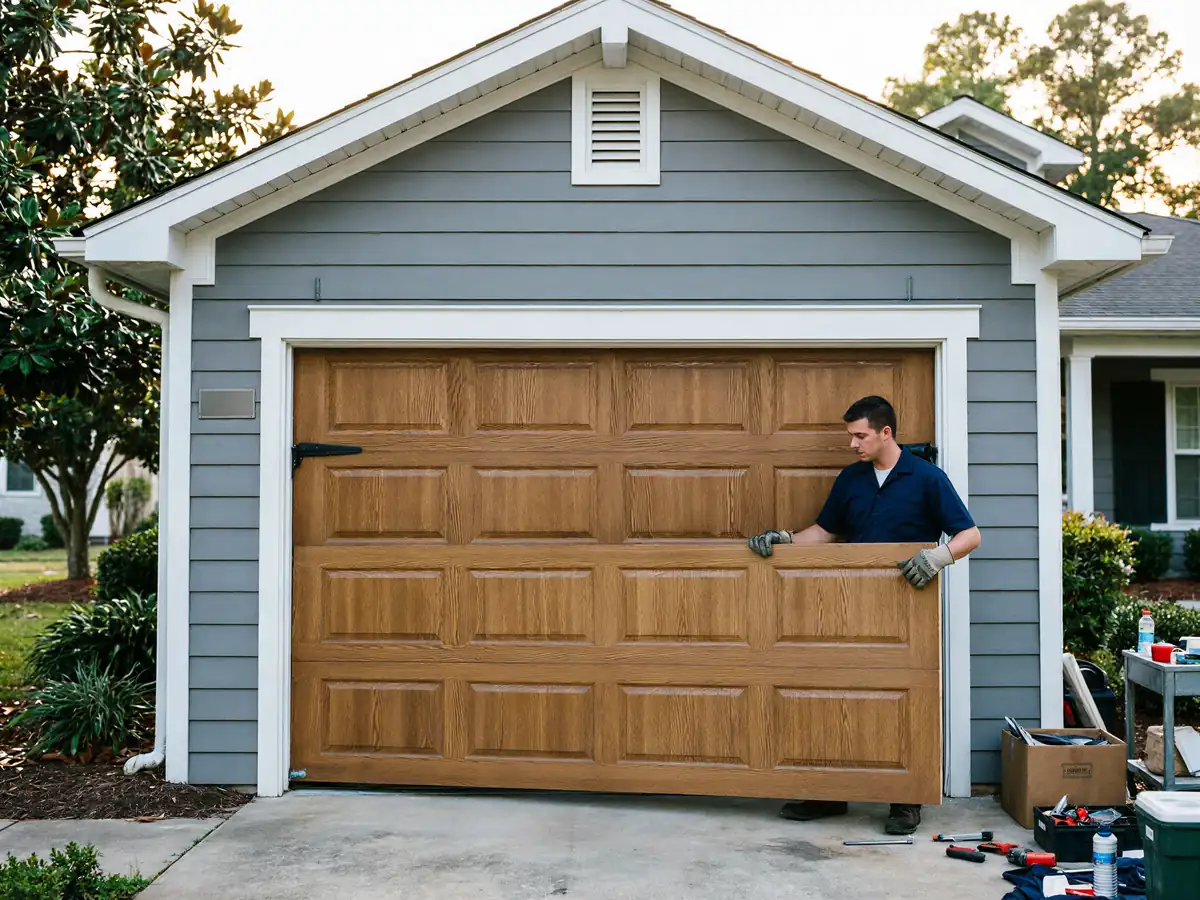
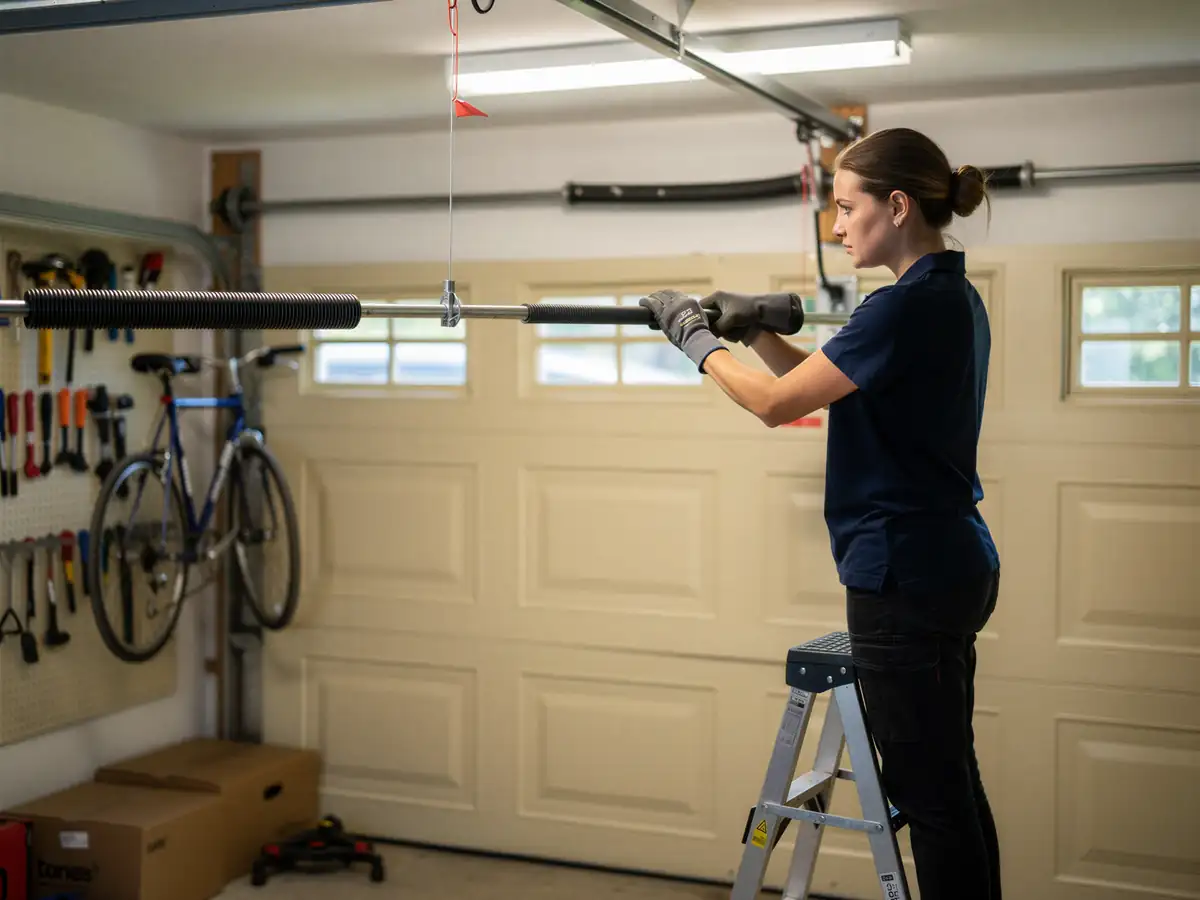
The call we get most from Front Royal is a door that won't budge in the morning and then drops hard when it finally lets go. That's a spring problem, not an opener problem, and on this side of the service area it usually traces back to the same source: a lot of these houses were built around 1974, when builders out here were still hanging steel sectional doors on extension springs instead of torsion bars. Extension springs stretch along the horizontal track rather than twist above the door, and after close to fifty years of winters they fatigue unevenly. One side goes before the other, the door racks sideways in the track, and the rollers start chewing up the vertical rail.
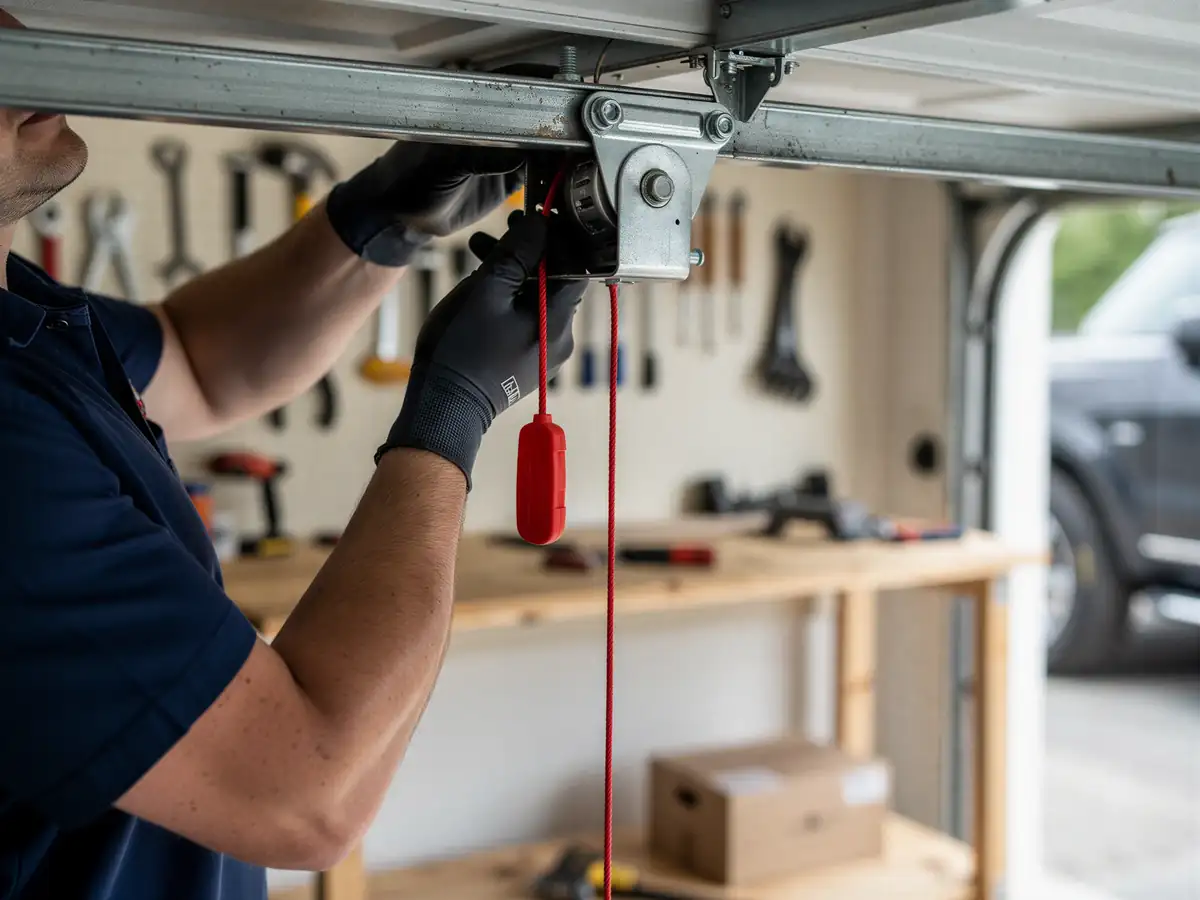
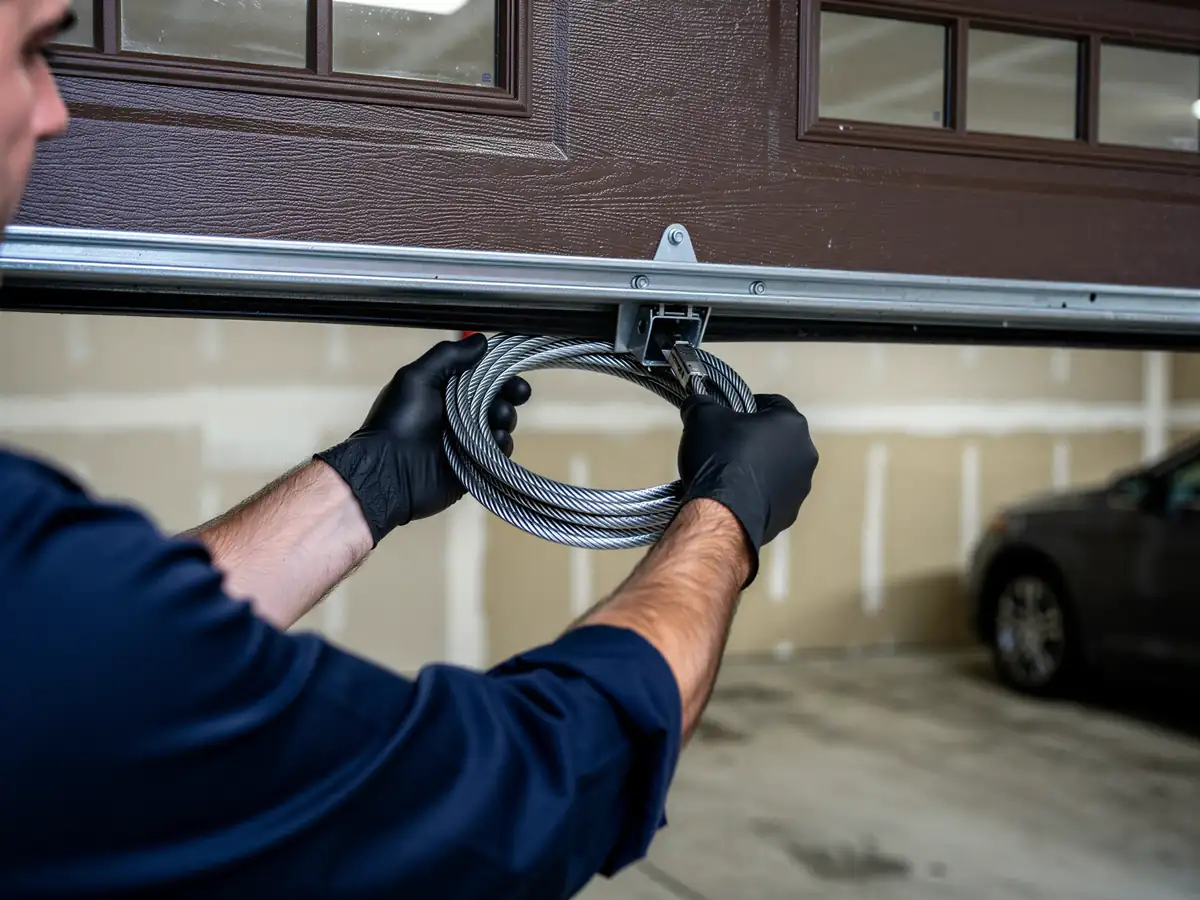
We also see broken cables on these same doors, usually right after the spring goes, because a dying spring throws extra load onto the cable that's supposed to be slack. And we see rollers worn down to the bearing on doors that have never had a roller replaced since the house was built. None of this is exotic. It's just old hardware finally running out of cycles.
Why It Happens Here
Front Royal sits about 17 miles out from our shop in Winchester, and the housing stock out this way skews a little older than some of the newer pockets closer in. A 1974 build date means the garage was almost certainly framed for a single steel door on a basic extension-spring setup, the standard of that decade, before torsion springs became the norm in new construction. That hardware wasn't built to last five decades, and most of it hasn't been touched since.
The cold matters too. This area sits in a climate band with severe winter cold, and steel contracts when the temperature drops. A spring that's already lost some temper from age gets a lot less give left in it once the metal tightens up on a hard freeze. That's why the failures cluster in the coldest stretches of the year rather than spreading out evenly across the seasons.
Stocked Parts
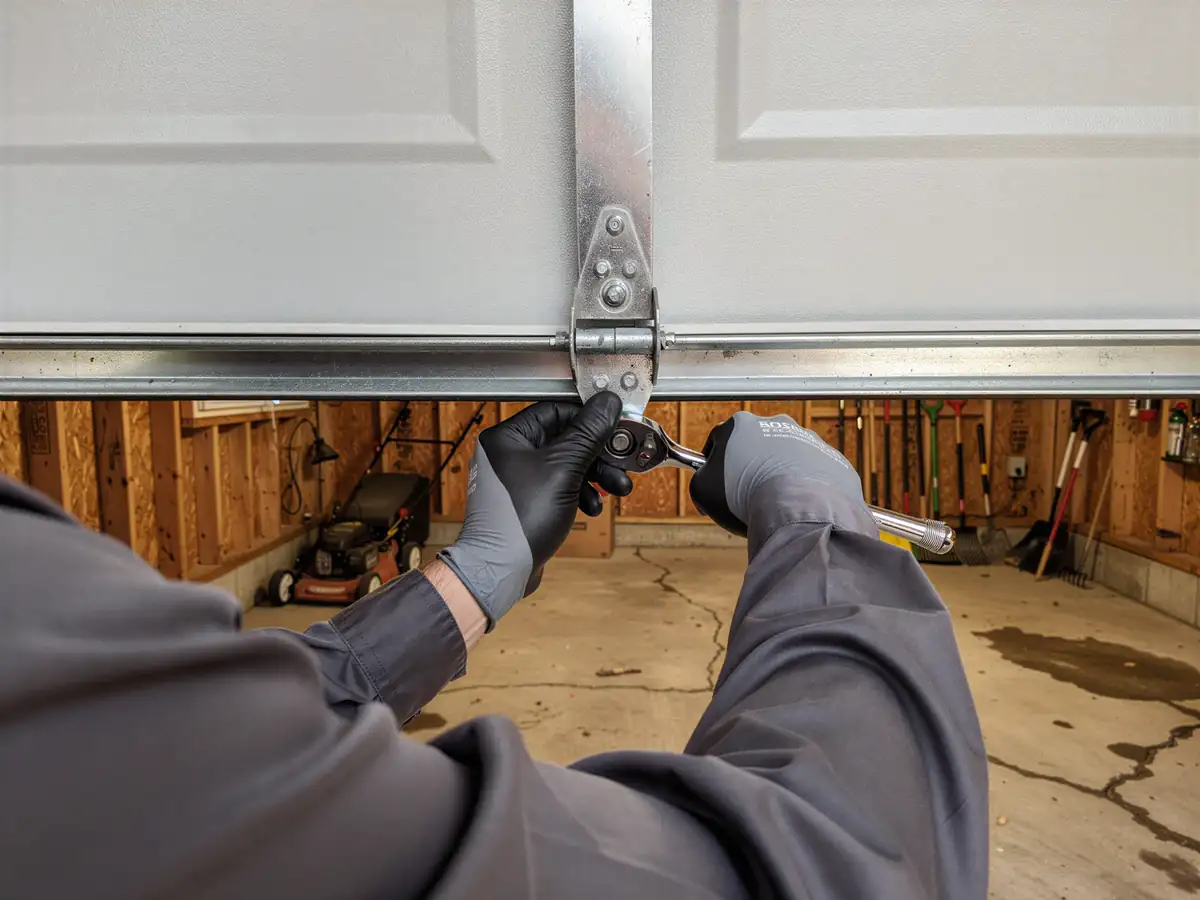
We carry extension springs and standard torsion springs sized for the one-piece and early sectional doors common on 1970s-era construction, along with the lift cables, rollers, and hinges that wear alongside them
Openers from that generation have mostly already been swapped once or twice, so we're usually matching to whatever replacement unit is on the rail now rather than to anything original.
What we don't carry on the truck is obsolete track hardware for doors that have never been touched
The oddball bracket spacing some of these older one-piece doors used. If your door is still the original from 1974 and nobody's modified the track, we may need to order a part rather than fix it on the first visit. That's the one limitation worth saying up front: original hardware this old sometimes isn't sitting on a shelf anywhere nearby, and we'd rather tell you that than promise a same-day fix we can't keep.
What You Are Seeing
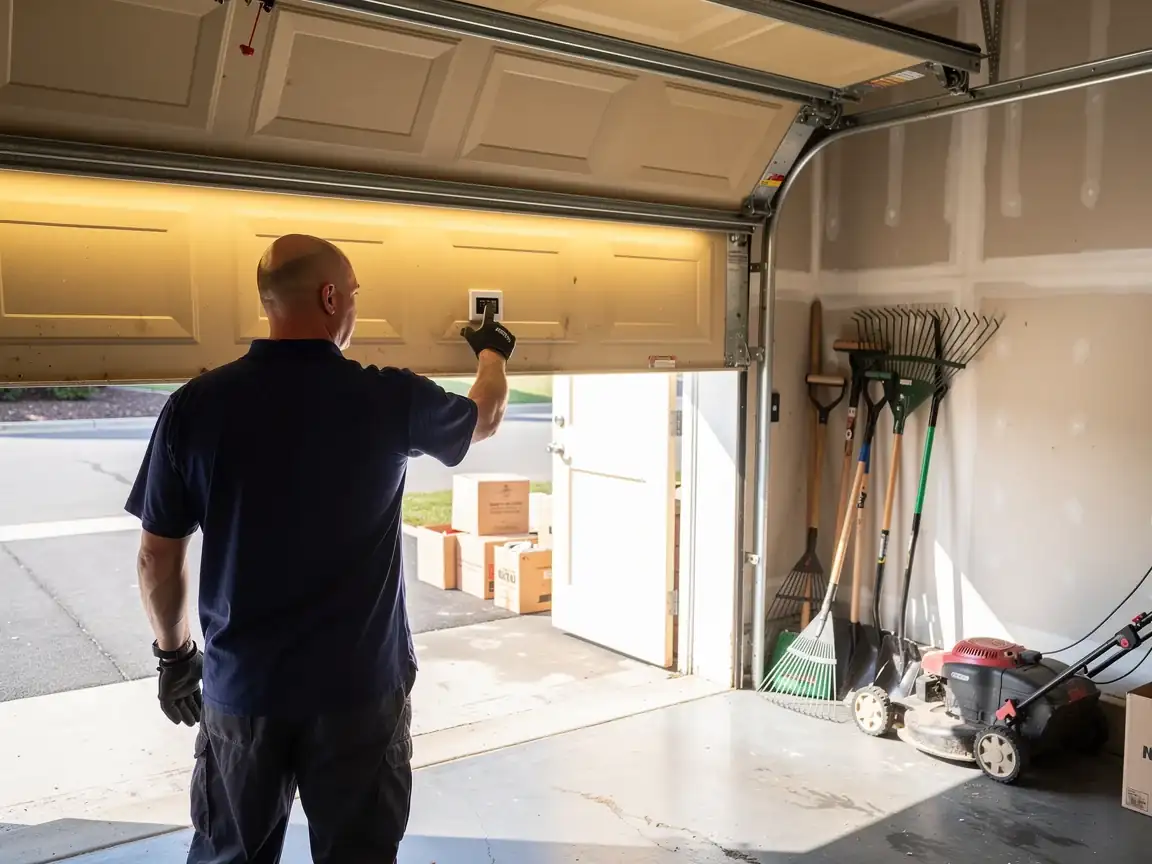
If the door is heavy to lift by hand and drops fast on the way down, that's a spring that's lost tension - common on the extension-spring setups still running in a lot of Front Royal garages. If the door shudders or walks to one side as it travels, check the track for a bent rail or a seized roller before you blame the opener. A door that reverses halfway up usually means the opener's travel limits have drifted, which happens more often once an opener's put in a decade or more of work in a space that swings from summer heat to the kind of hard winter cold this area gets.
A cable that's frayed or kinked near the bottom bracket is close to snapping and shouldn't wait. If you can see daylight through a gap where the door meets the floor, that's weatherstripping, not a safety issue, but it's worth fixing before the next cold stretch.
What You Pay
We don't post a flat price for Front Royal calls because the fix depends on what's actually failed - a spring swap, a cable, a full roller set, or an opener that needs replacing outright. What we can tell you is the trip comes from Winchester, so travel is part of why we quote the job before we start, not after.
Replacing is the right call over repairing once a door from this era needs its third or fourth separate repair in a few years - at that point you're paying labor over and over for a door that was never built with modern torsion hardware or insulation to begin with. We'll say so plainly if that's where your door is, rather than keep patching something that's past the point of being worth it.
How Long You Are Without the Door
Most spring, cable, and roller jobs on these older Front Royal doors finish in a single visit once we're on site
Since that hardware is common enough that it rides on the truck. The exception is original 1974-era track hardware that's never been upgraded - if the bracket spacing or rail profile is nonstandard for that reason, we may need to order the part, and the door stays out of service until it arrives.
An opener replacement is usually quicker than a structural door repair
Since swapping the unit doesn't depend on matching decades-old hardware. Either way, we'll tell you on the visit whether it's a same-day fix or a return trip, rather than guess.