What Can Go Wrong
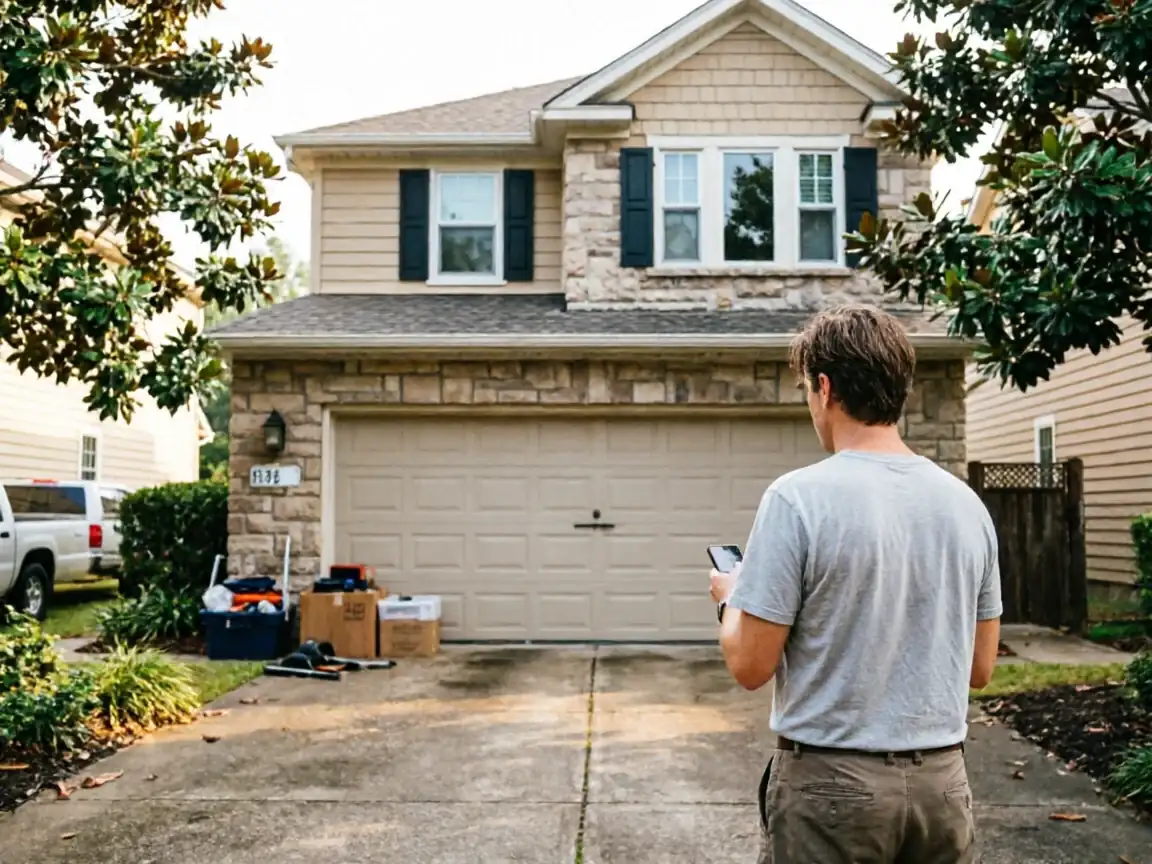
Front Royal is 17 miles from our Winchester shop, which is the first thing worth knowing before you call: the drive itself shapes how the job runs. We're not sitting around the corner, so when a call comes in from Front Royal, it gets triaged the same way every out-of-town call does - a broken spring that's left a door stuck half-open gets priority over a noisy opener that still closes fine.
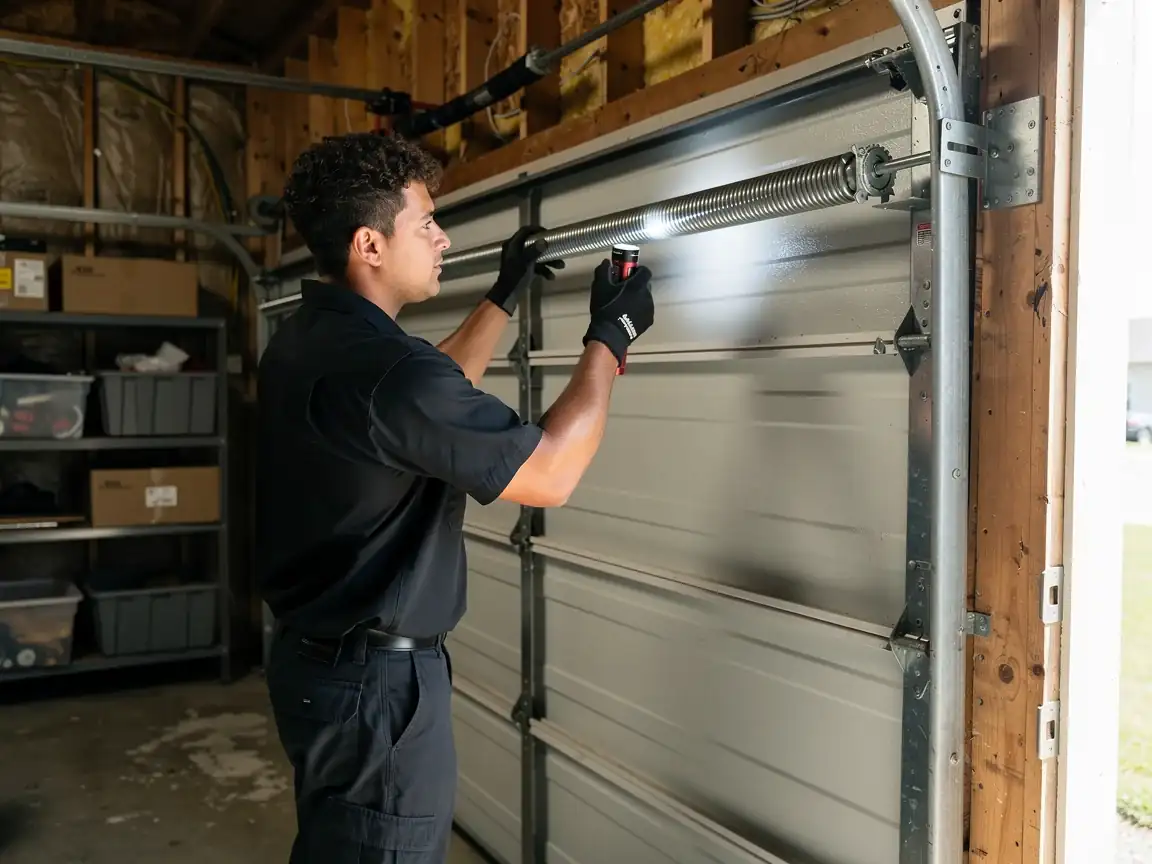
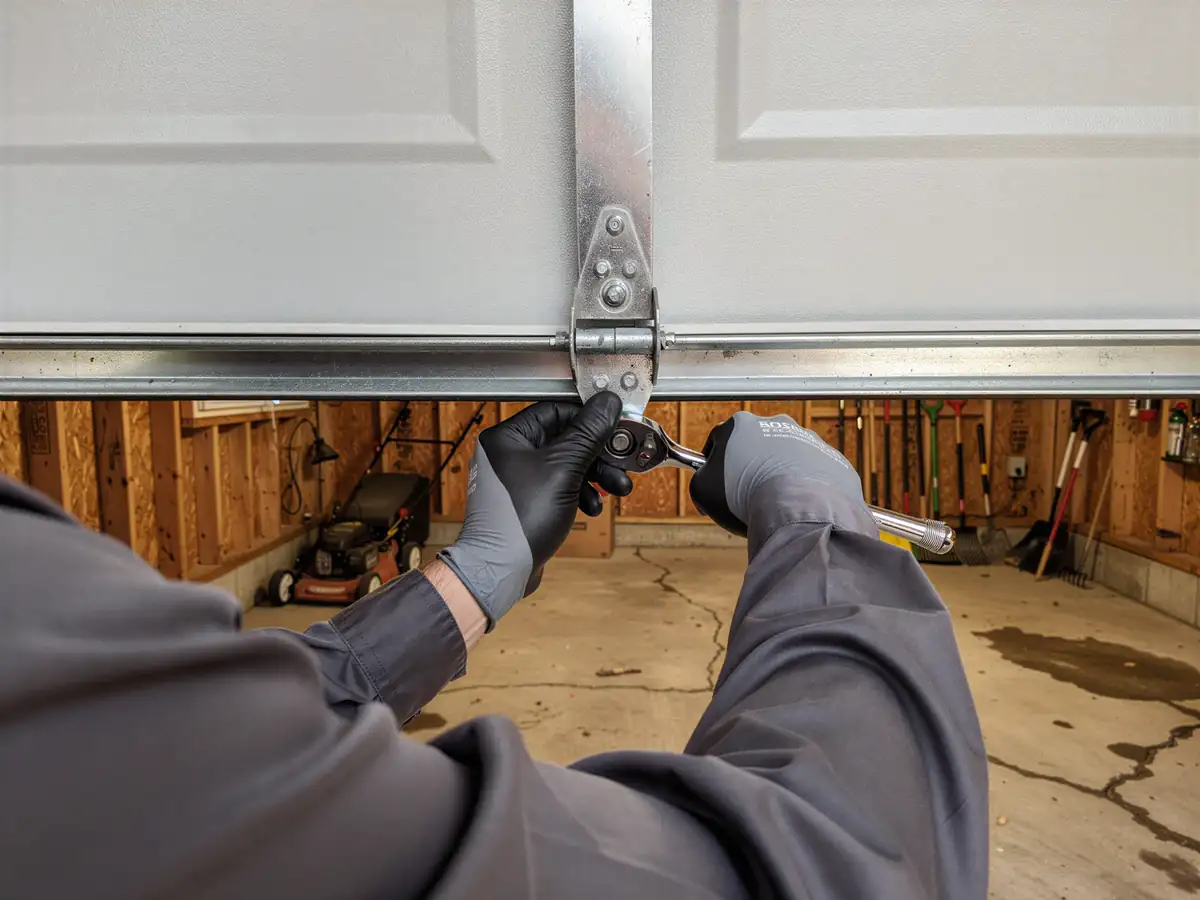
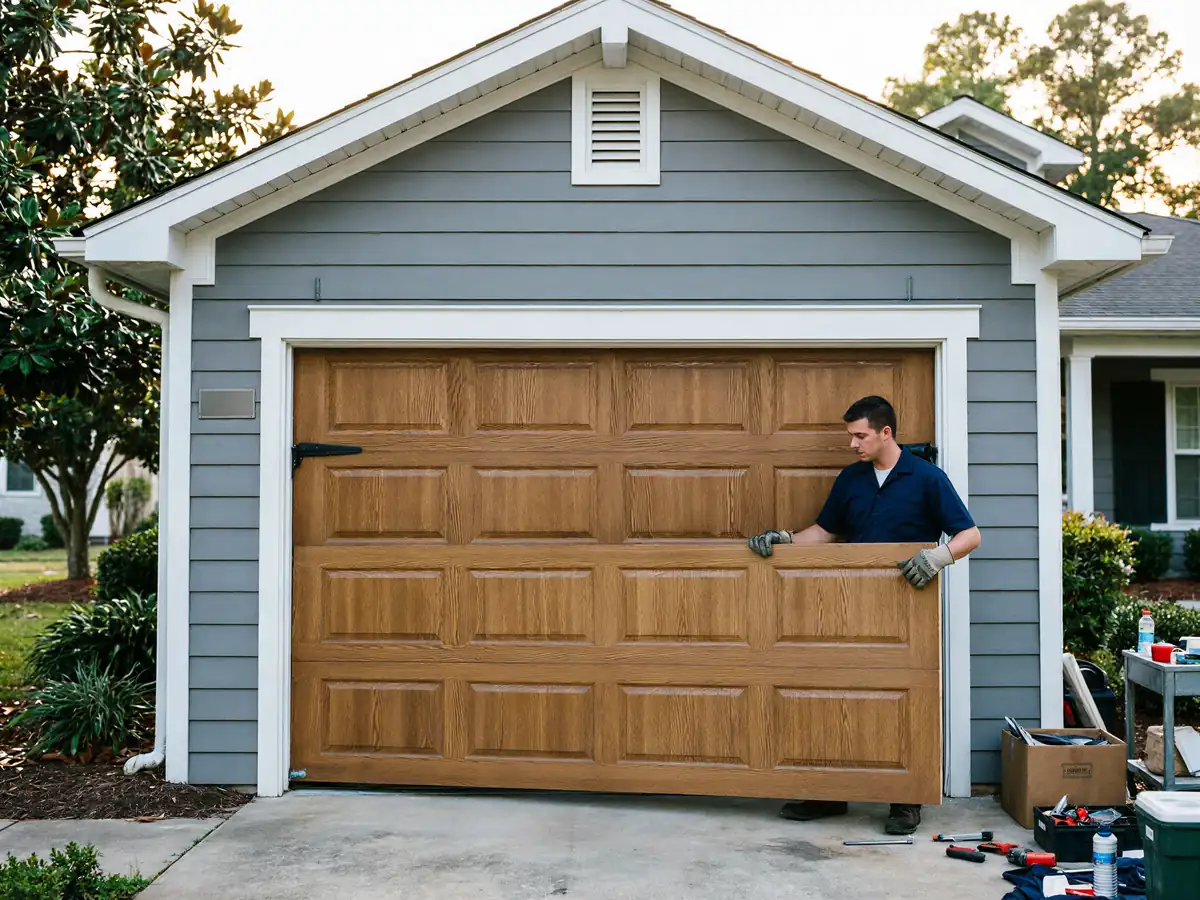
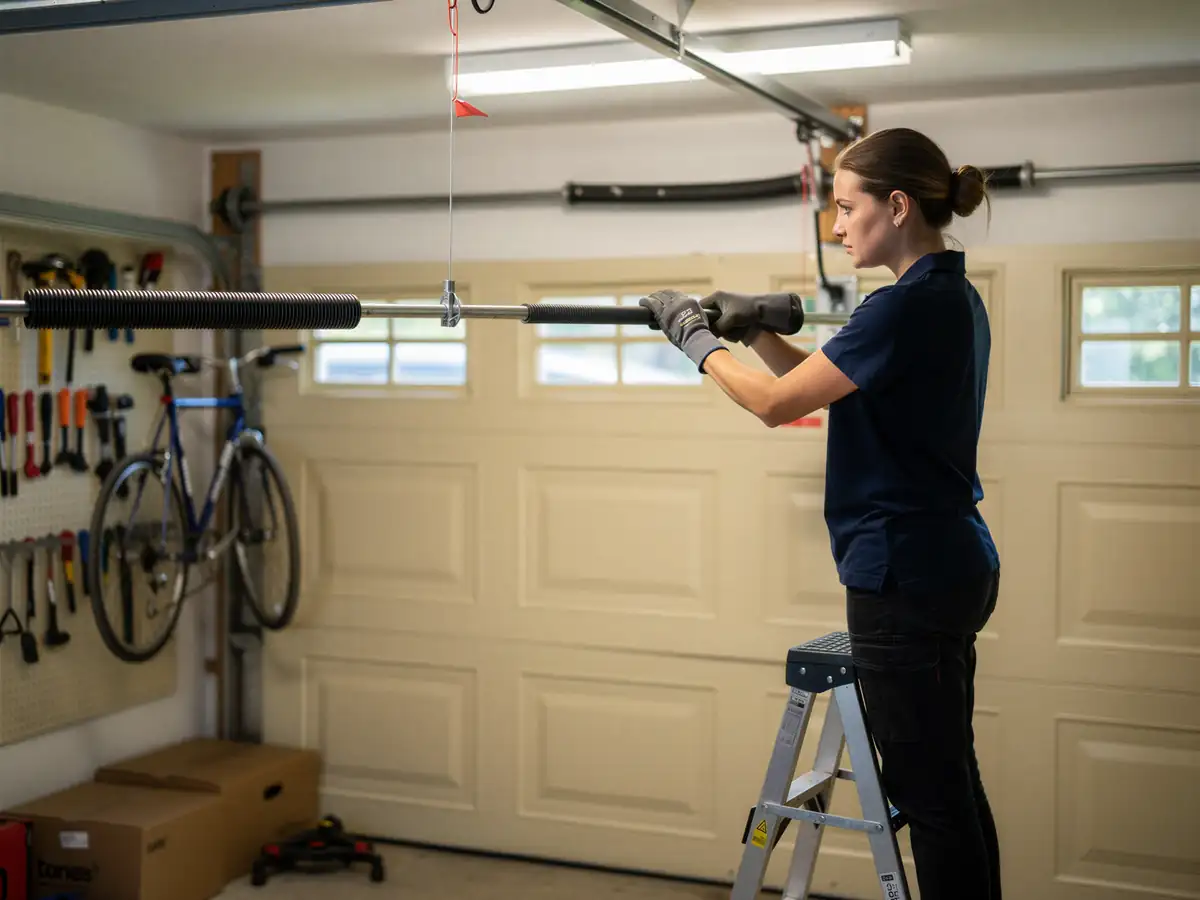
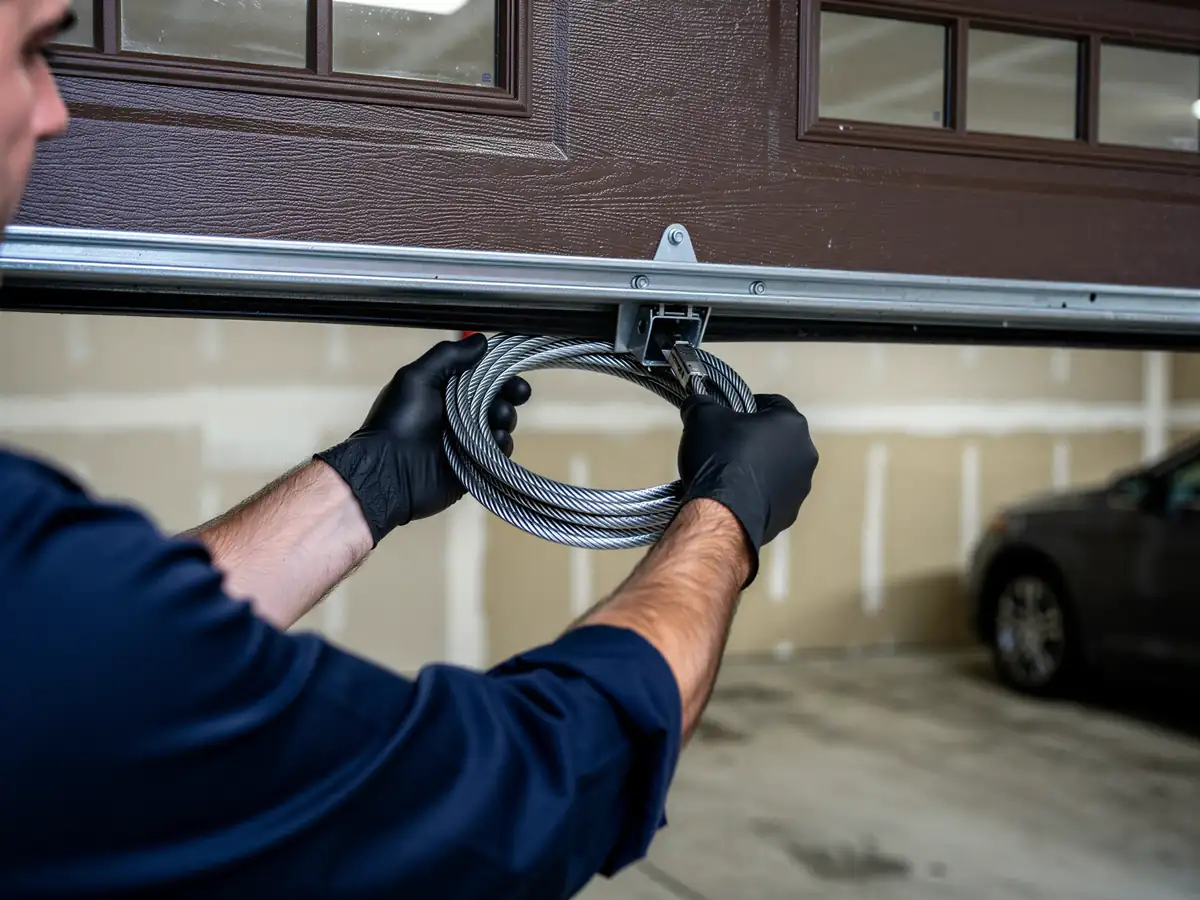
What actually breaks tends to follow the age of the house. A torsion spring under tension for forty-plus years doesn't fail gently - it snaps, and the door either won't budge or drops fast when the last cable gives out. Cables fray at the drum and let go under load. Rollers that have ridden steel track since the Carter administration seize or crack and jump the rail. Openers from the 1990s retrofit era grind a gear set down to plastic dust and just stop pulling.
The common thread: age. A ten-year-old door usually fails from a worn part. A door that's been in the same opening since the house was built fails because something finally gave out after decades of cycles, and when it gives, it tends to go all at once rather than with warning.
Why It Happens Here
Front Royal's housing stock centers on a median build year of 1974, which puts a lot of garage doors here on their second or third opener but still the original frame, track, or even the original torsion spring if nobody's touched it. That's older than the broader service area's 1980 median - these houses had their doors installed, or replaced once, before a lot of current hardware standards existed.
The cold hits those older setups harder. We're in a severe cold climate band, and steel springs and cables lose flexibility in deep cold, which is exactly when a marginal spring finally snaps instead of just creaking. A spring that's been quietly weakening for years picks the coldest morning of the year to go, because that's when the steel is least forgiving.
With roughly 5,895 households in Front Royal, there's a real volume of doors from that same era sitting in driveways right now, most of them original to houses built in the 1970s. That's not a guess about any one house - it's the pattern the building stock itself sets up.
Stocked Parts
We carry the parts that fail most often on doors from the 1970s and 80s
Torsion springs in common residential sizes, extension spring sets, galvanized lift cables, and standard roller and hinge hardware. Opener gear sets and circuit boards for the models that were common in that era are the ones we're most likely to have on the truck.
What we don't stock is anything custom
A non-standard panel size, a discontinued opener model with a proprietary board, or hardware for a door that's been modified from its original spec over the years. If your door falls into that category, the honest answer is that it may take an extra day to source the part rather than get it fixed on the first visit. We'd rather tell you that up front than promise a same-visit fix we can't back up.
Because the call is coming from 17 miles out
We try to confirm the likely part over the phone before the truck leaves, based on the door's age and what's failing, so the first trip has the best shot at being the only trip.
- 17 miles
What You Are Seeing
If the door won't move at all and the opener motor just hums, that's usually a broken spring - the opener isn't built to lift the door's full weight alone, and it won't try for long. If the door comes down fast and slams the last foot instead of settling, suspect a cable that's about to let go entirely, which is not a wait-and-see problem.
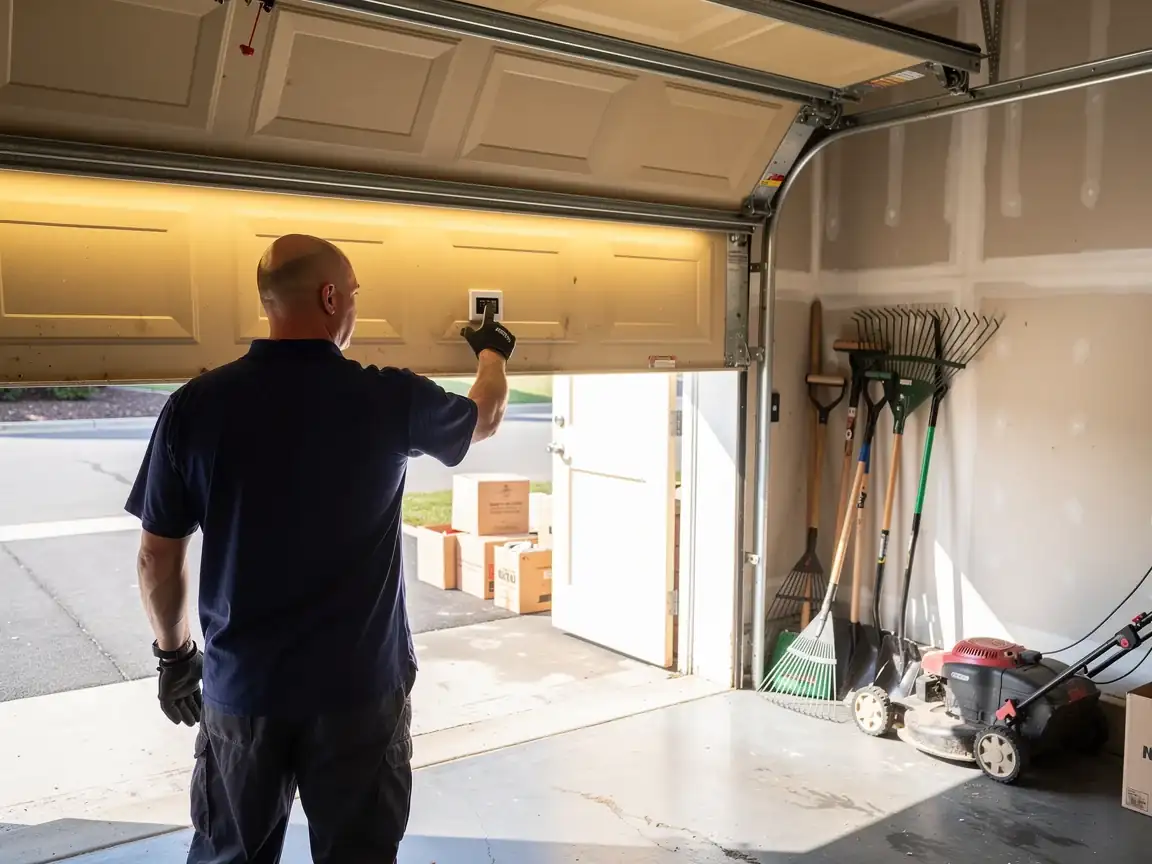
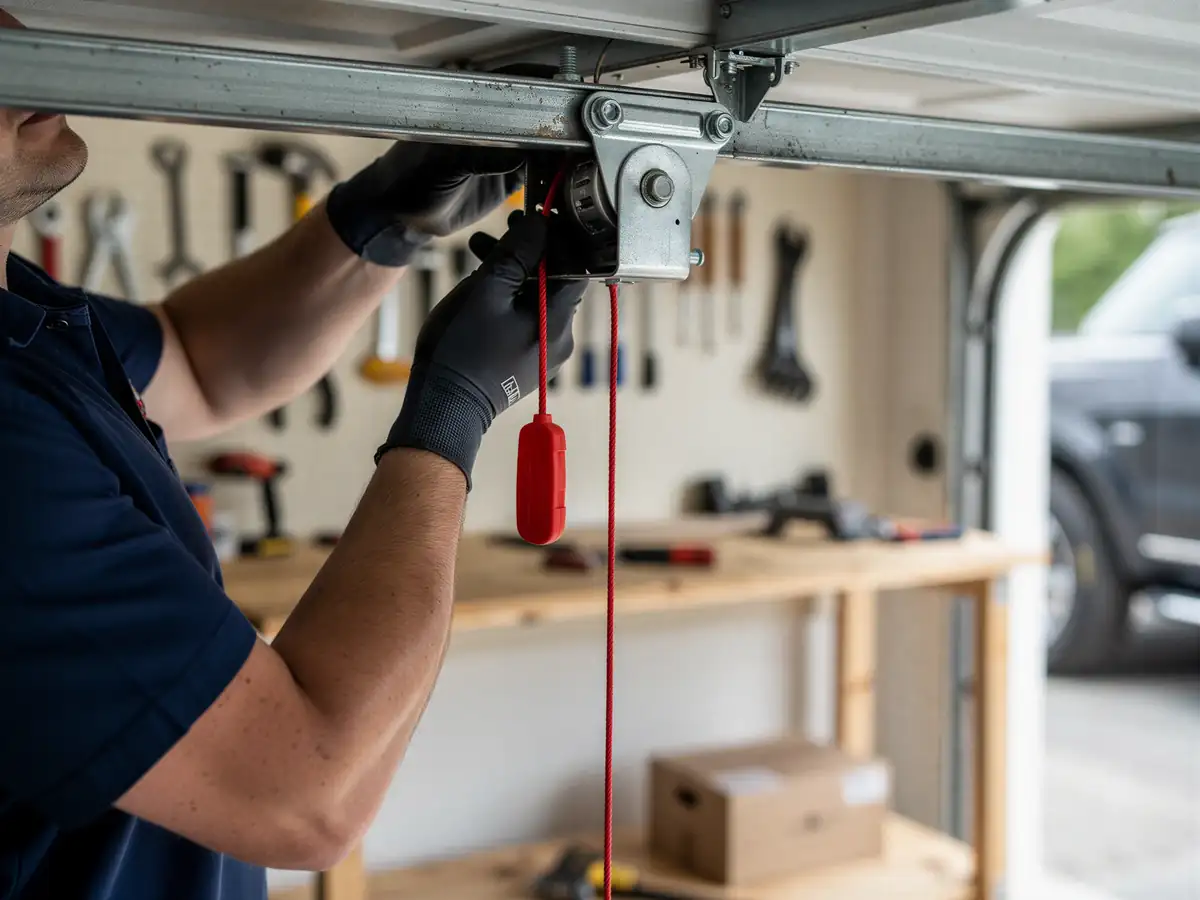
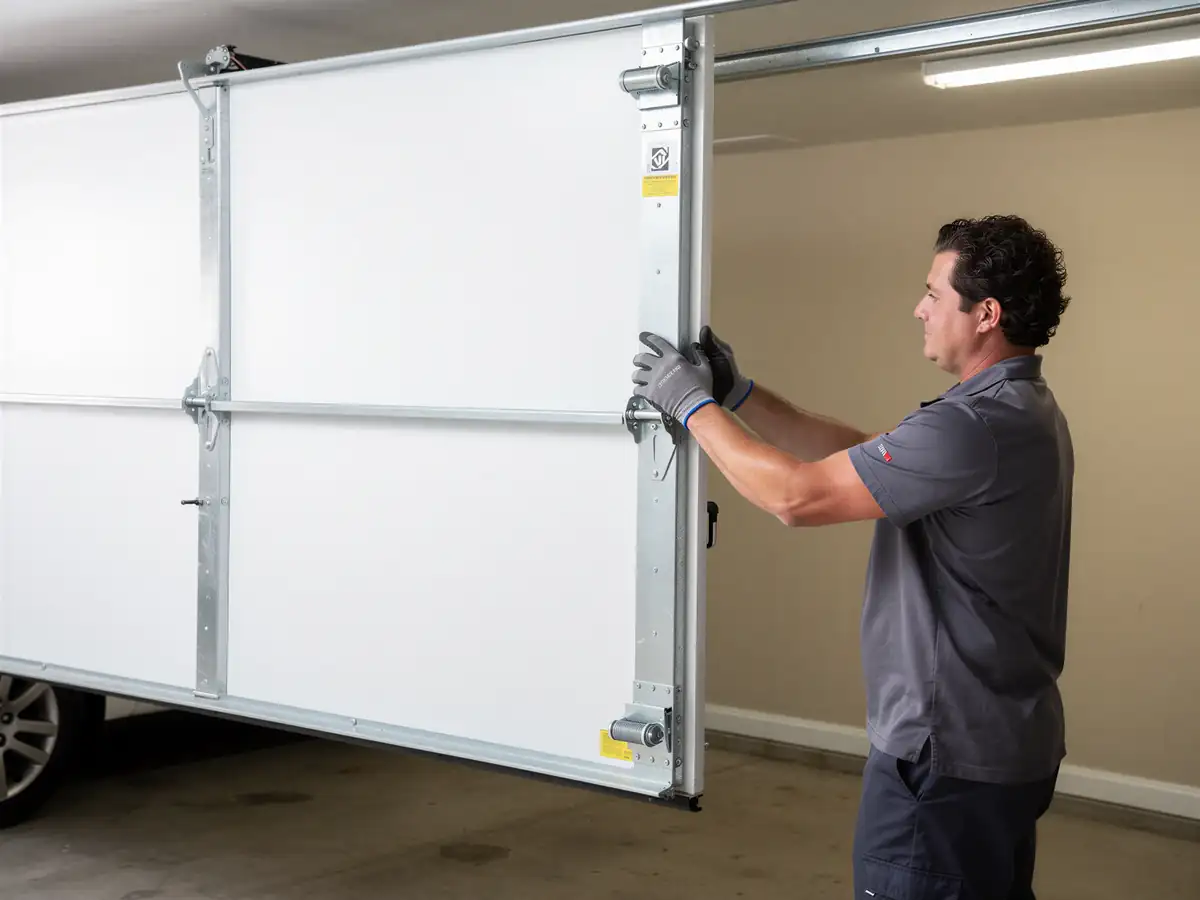
A door that opens but sounds like it's grinding metal on metal is often a roller riding a worn or slightly bent track, especially common on doors that have been through a few decades of temperature swings. If the opener runs but the door doesn't move, check the manual release cord - on older systems it sometimes gets left disengaged after a power outage, which is cheap to fix but easy to mistake for something worse.
What You Pay
We don't have a published price list for Front Royal calls, and we're not going to invent a number here. What drives cost is the part, not the town - a spring replacement costs differently than a cable, and an opener board costs differently than either. Front Royal's median household income runs around $64,025, lower than the roughly $79,137 median across our broader service area, and we price the part and the labor the same way regardless of which town the call comes from.
How Long You Are Without the Door
Because Front Royal sits 17 miles out, factor the drive into how long the door stays down
Not just the repair time once we're there. A spring or cable swap, once the truck is on site, usually takes under an hour. The variable is whether the part's a standard size we're already carrying or something we need to source first - and on houses built around 1974, that's more often the case than on newer construction, since some hardware from that era has been phased out by manufacturers.
- 17 miles
We're straightforward about this
If your door needs a part we don't have on the truck, the honest timeline is the next available day, not the same afternoon.