What Can Go Wrong
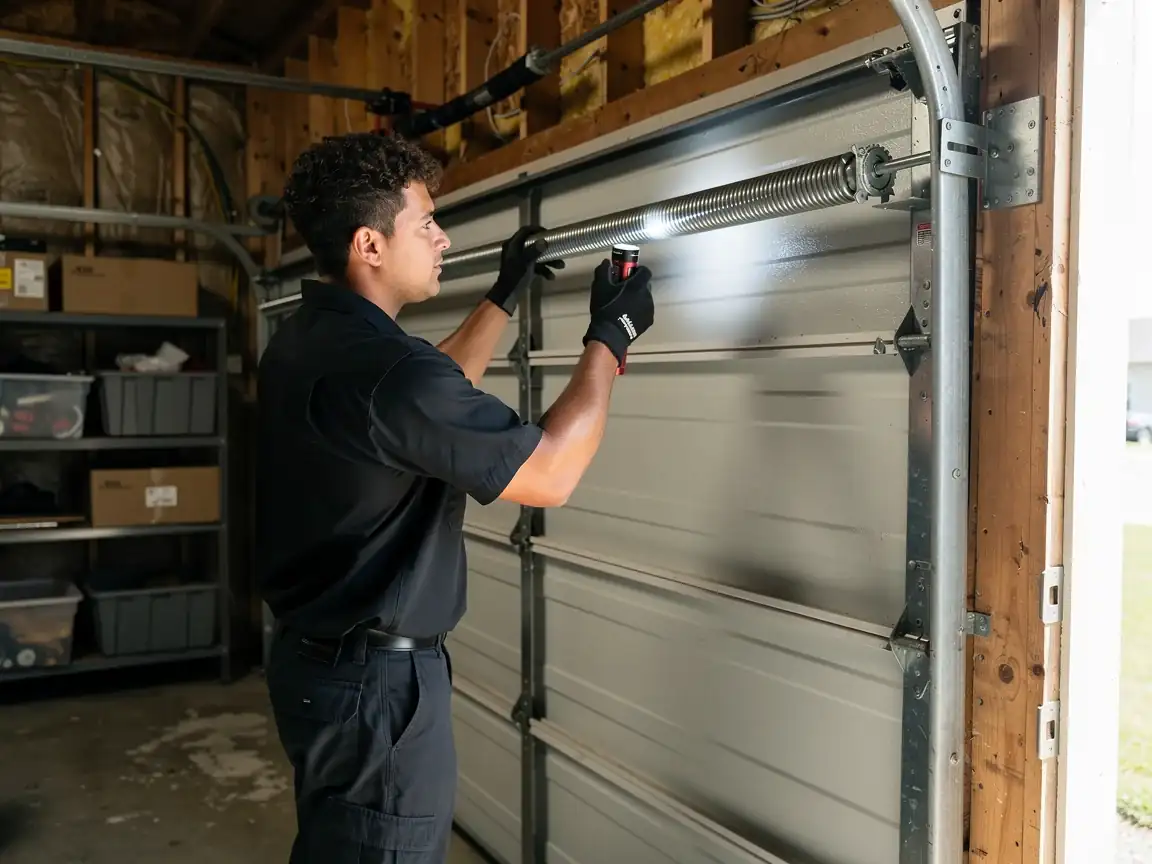
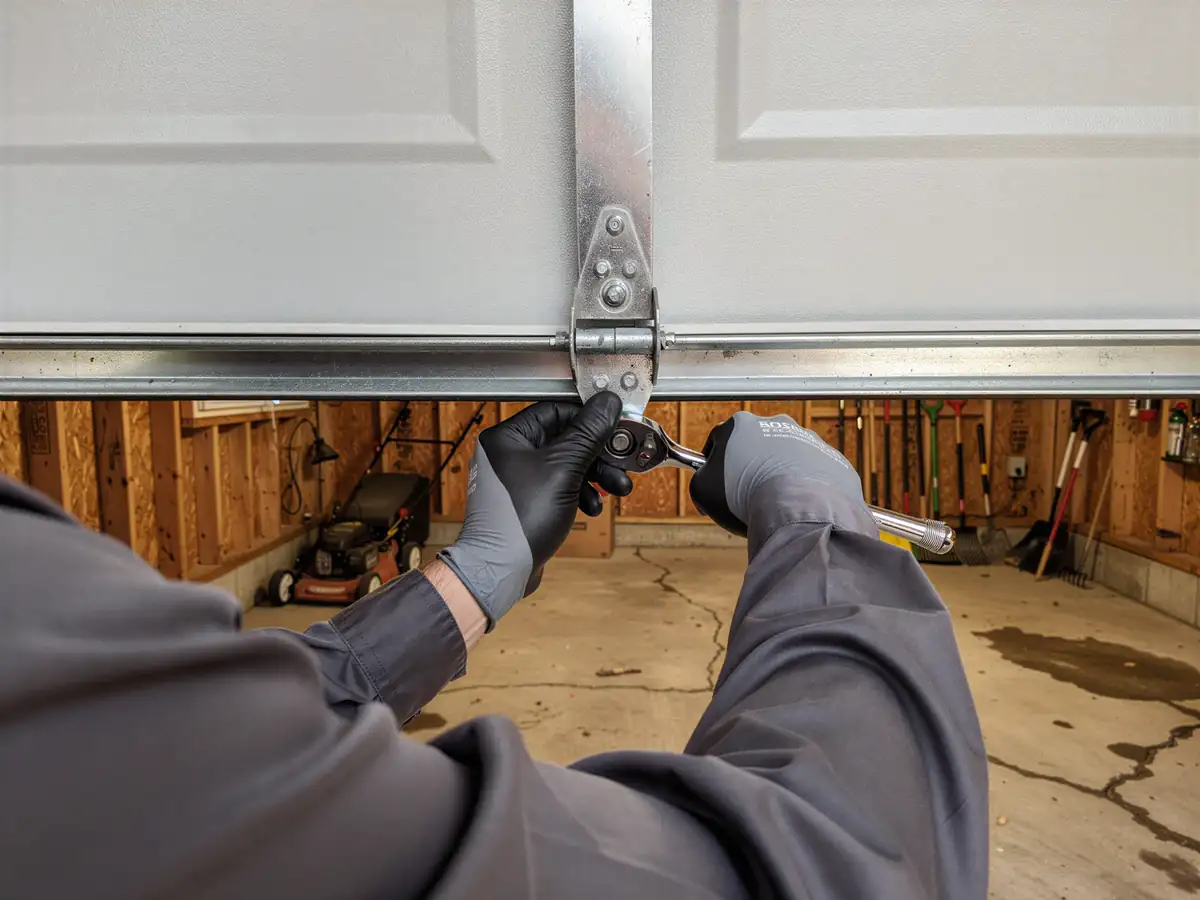
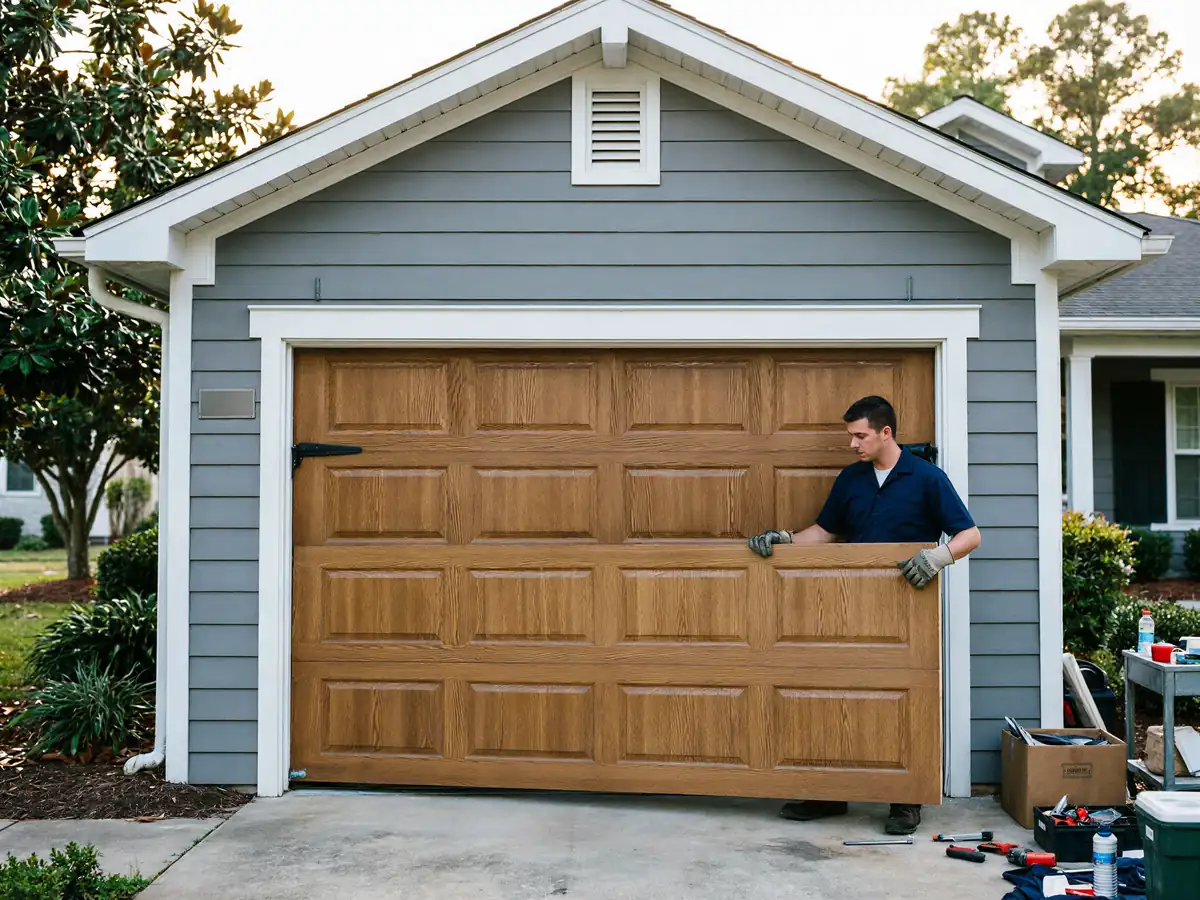
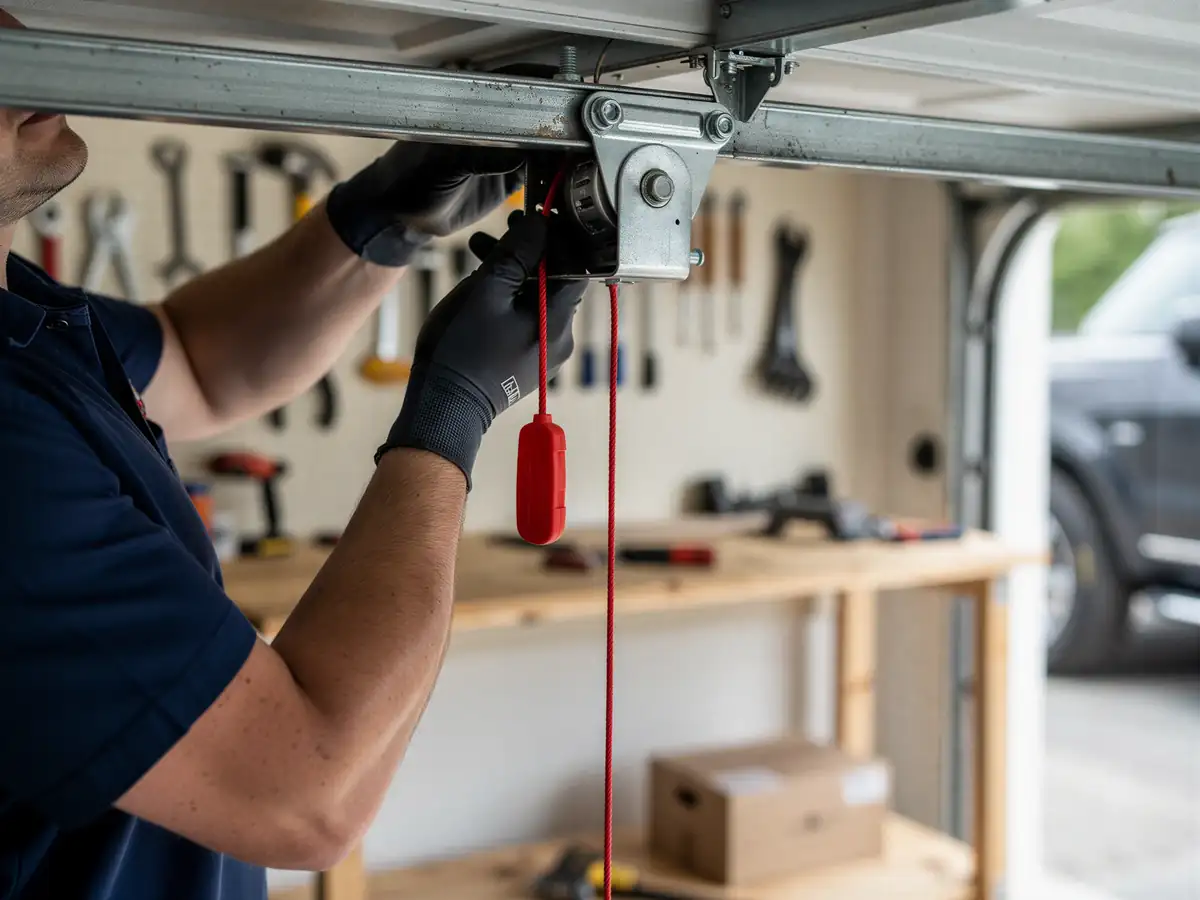
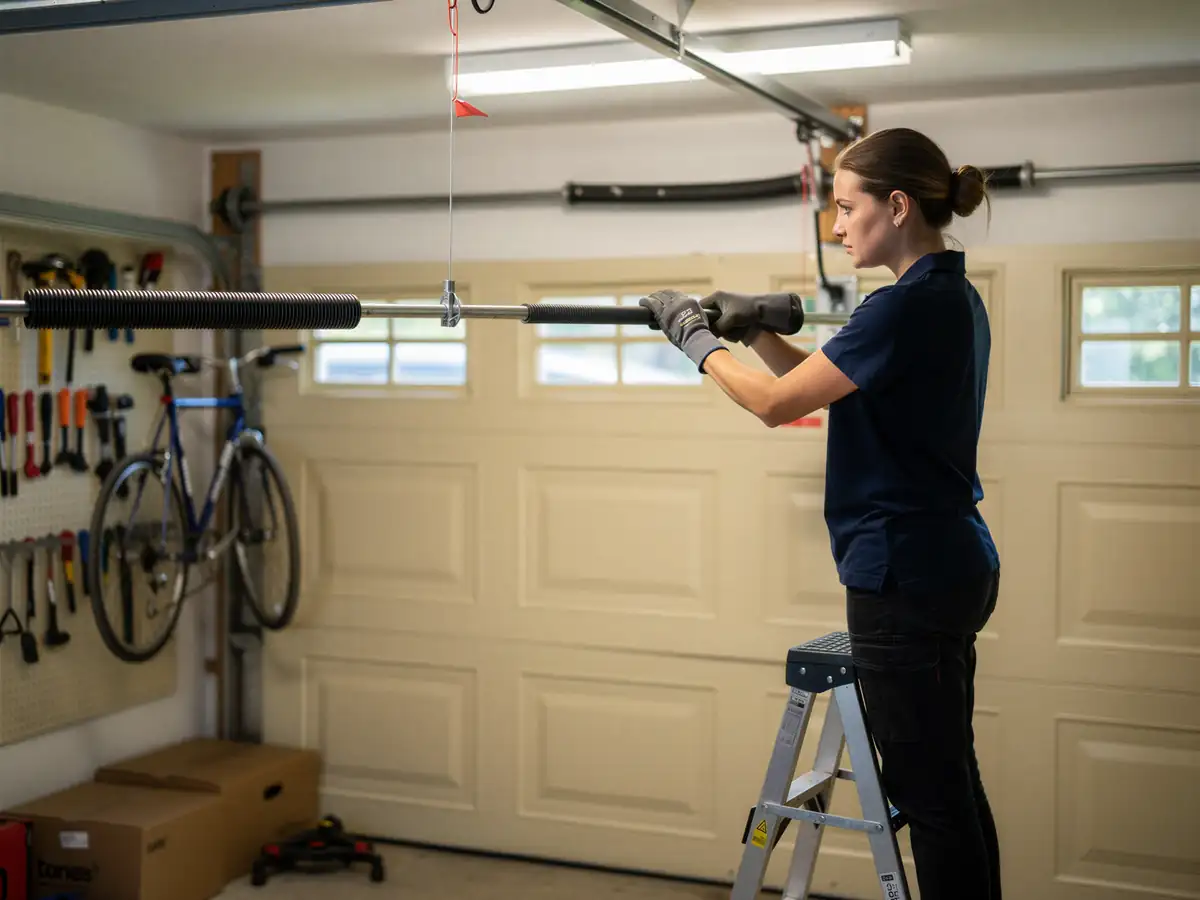
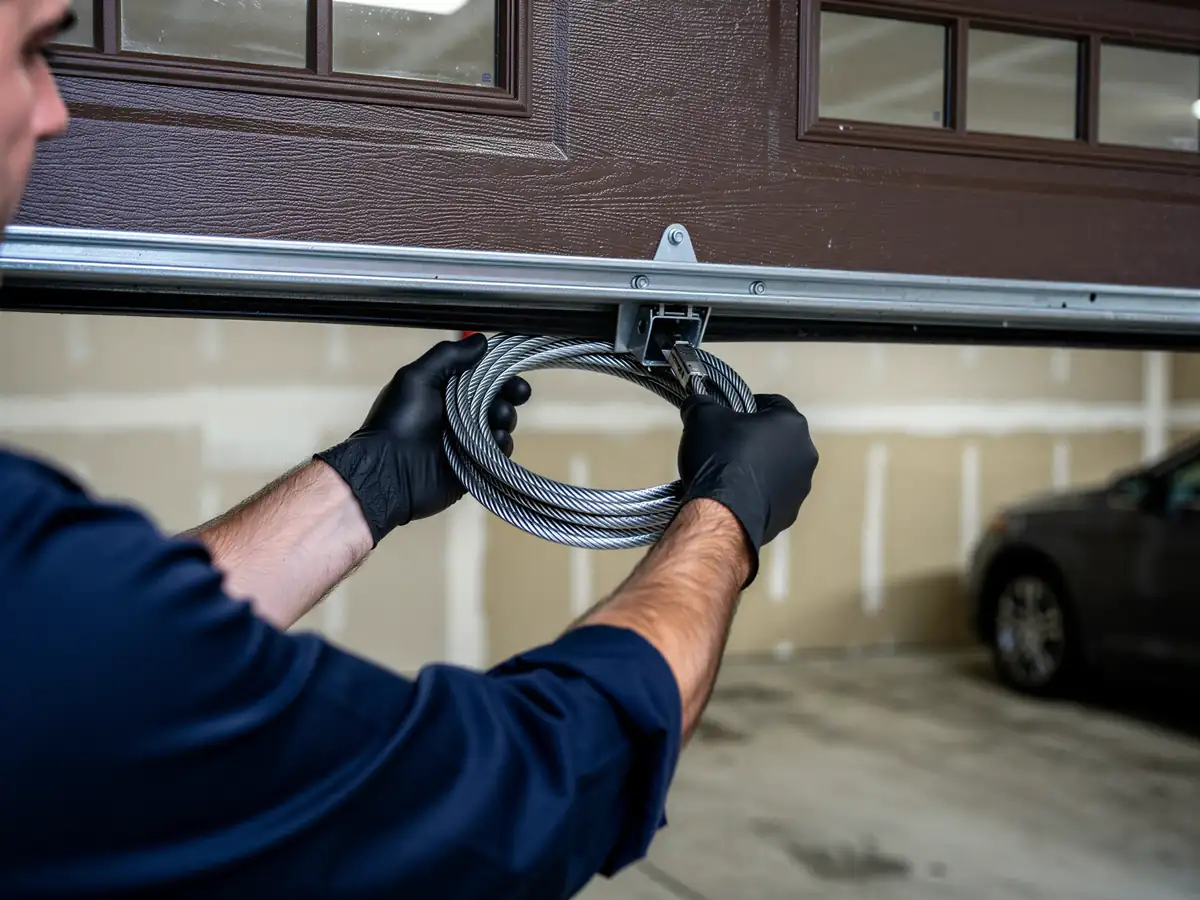
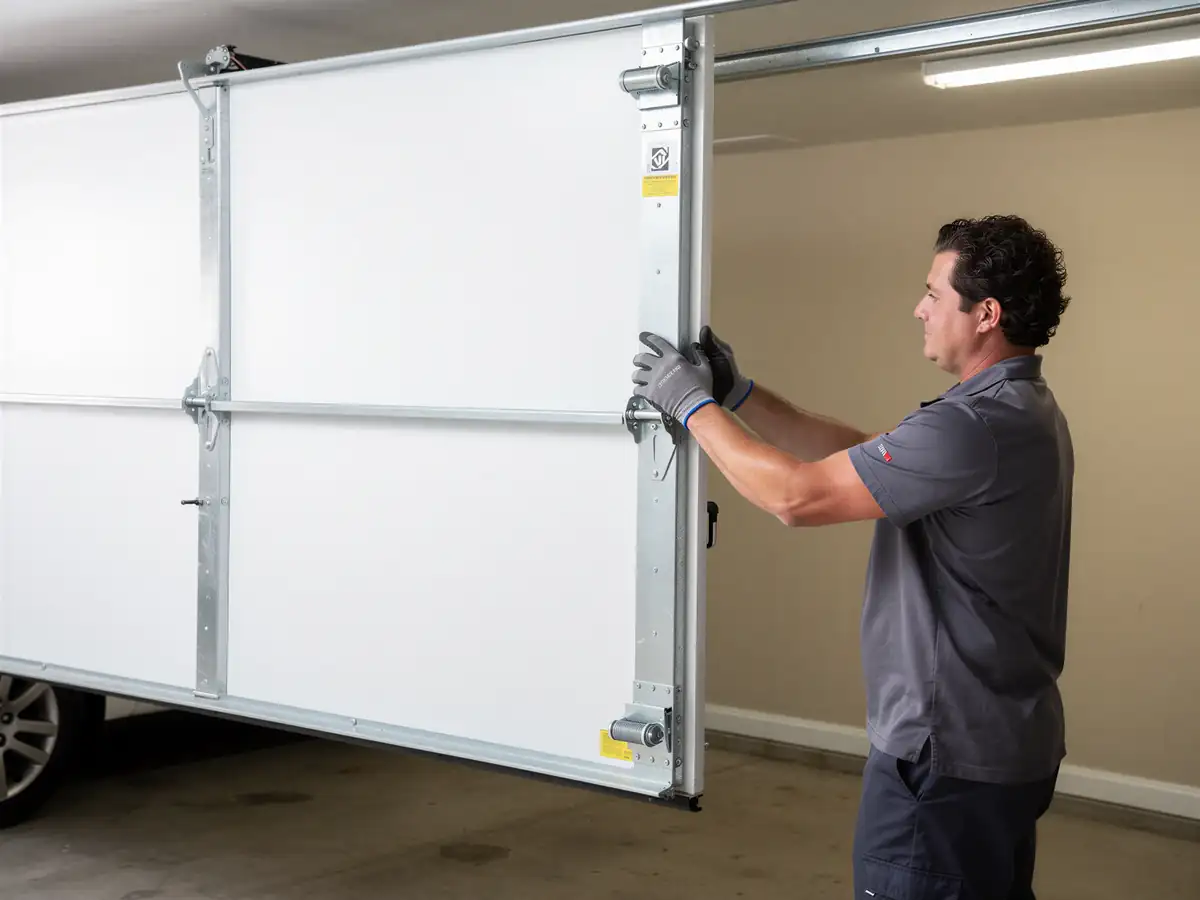
Front Royal is a town of about 5,895 households, which keeps the maintenance calls steady but not overwhelming compared to the bigger pockets of the service area. Most of what we see traces back to the door's age and how long it's gone without a tune-up: torsion springs that have cycled past their rated life, nylon rollers worn flat on one side, and track brackets that have backed out of lag bolts in framing that's now pushing 50 years old. On a double door, an unbalanced spring puts extra load on the opener's drive gear, which is usually the next thing to fail. None of this is dramatic until the day it is - a cable jumps the drum, or a panel folds because nobody caught the bent roller track in time.
Why It Happens Here
The median home in Front Royal was built around 1974, which puts a lot of original garage hardware well past its service life even if the door itself looks fine from the driveway. That era commonly used lighter-gauge track and single-spring setups on single doors, neither of which holds up as well as what's gone into homes built in the 80s and 90s elsewhere in the service area. Add in a cold-climate winter - temperature swings that stiffen lubricant and shrink metal fittings - and the wear shows up faster here than it would on a newer door. Median household income in town runs around $64,025, noticeably lower than the roughly $79,137 median across the wider service area, which is part of why we see more owners stretching a repair as long as it'll go rather than replacing early.
What You Are Seeing
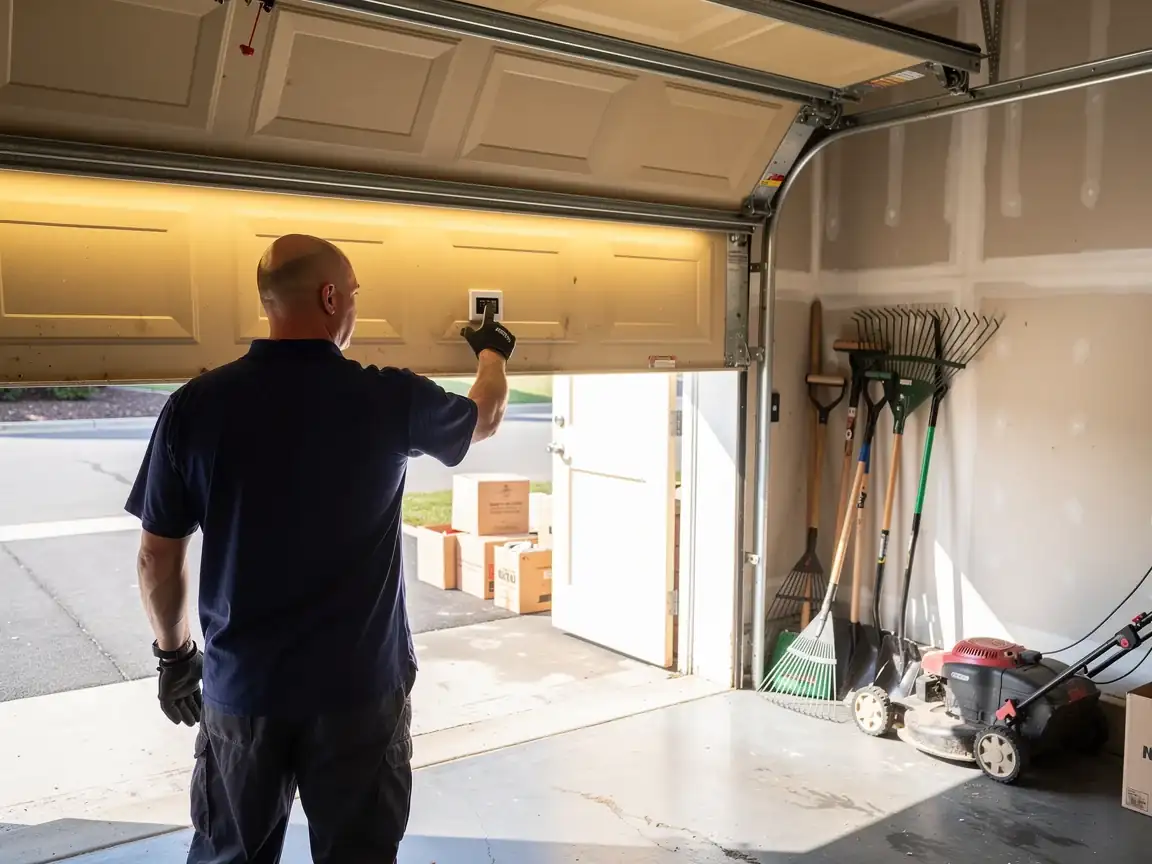
A door that slams the last foot of travel is usually a spring that's lost tension, not an opener problem. Grinding or popping when the door moves is often a roller that's cracked or a bent track section catching metal on metal. If the door opens unevenly, with one side dropping before the other, that's a cable or a spring on one side that's carrying more load than its partner - don't keep running the opener through that, it's how a cable snaps under tension. A door that reverses halfway down every time is almost always a safety sensor out of alignment, not a sign the whole unit needs replacing.
What You Pay
We don't post a flat price here because spring size, door weight, and what else needs replacing all move the number. What we can say is that a straightforward tune-up costs less than waiting for a spring to break and taking the opener with it - a broken spring on a double door usually means a bent track or a damaged panel by the time it finally gives. If your door is original to a house built in the early 1970s, budget conversation with your technician for hardware that's simply past its rated cycles, not just the one part that's making noise.