What Can Go Wrong
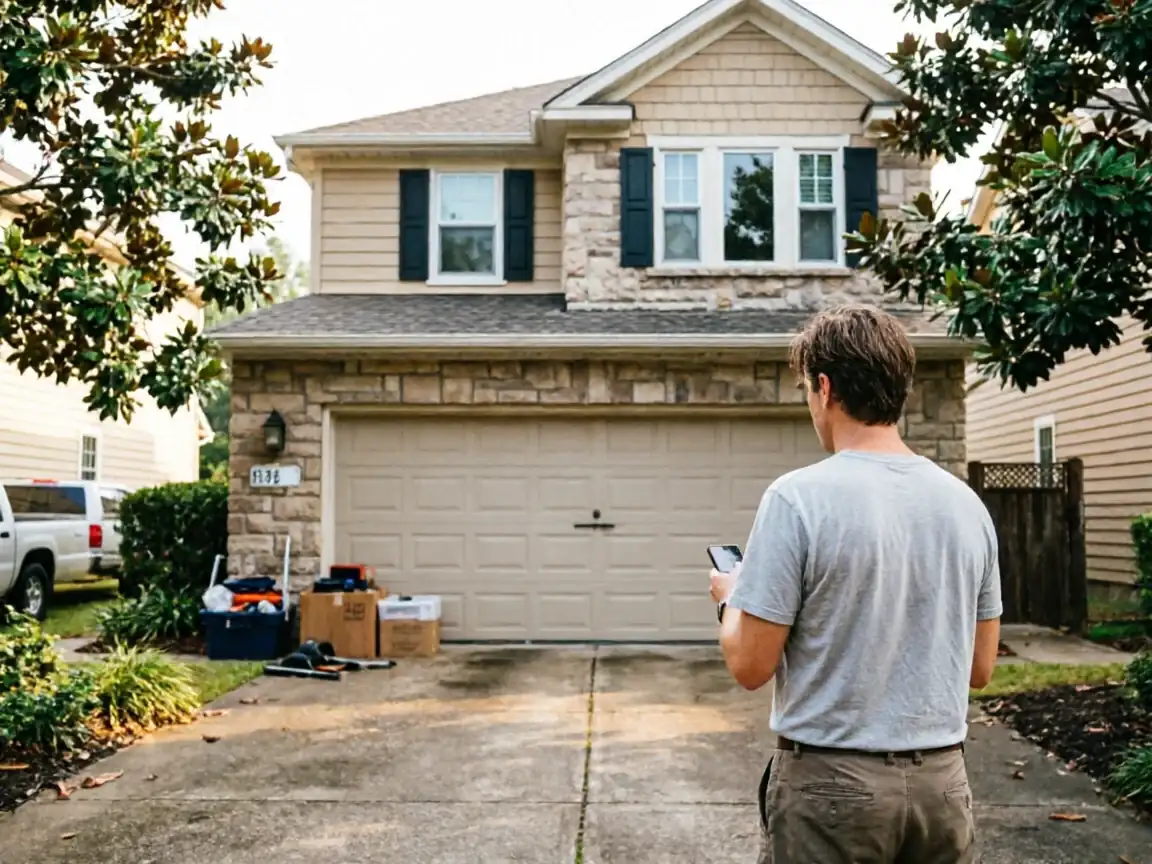
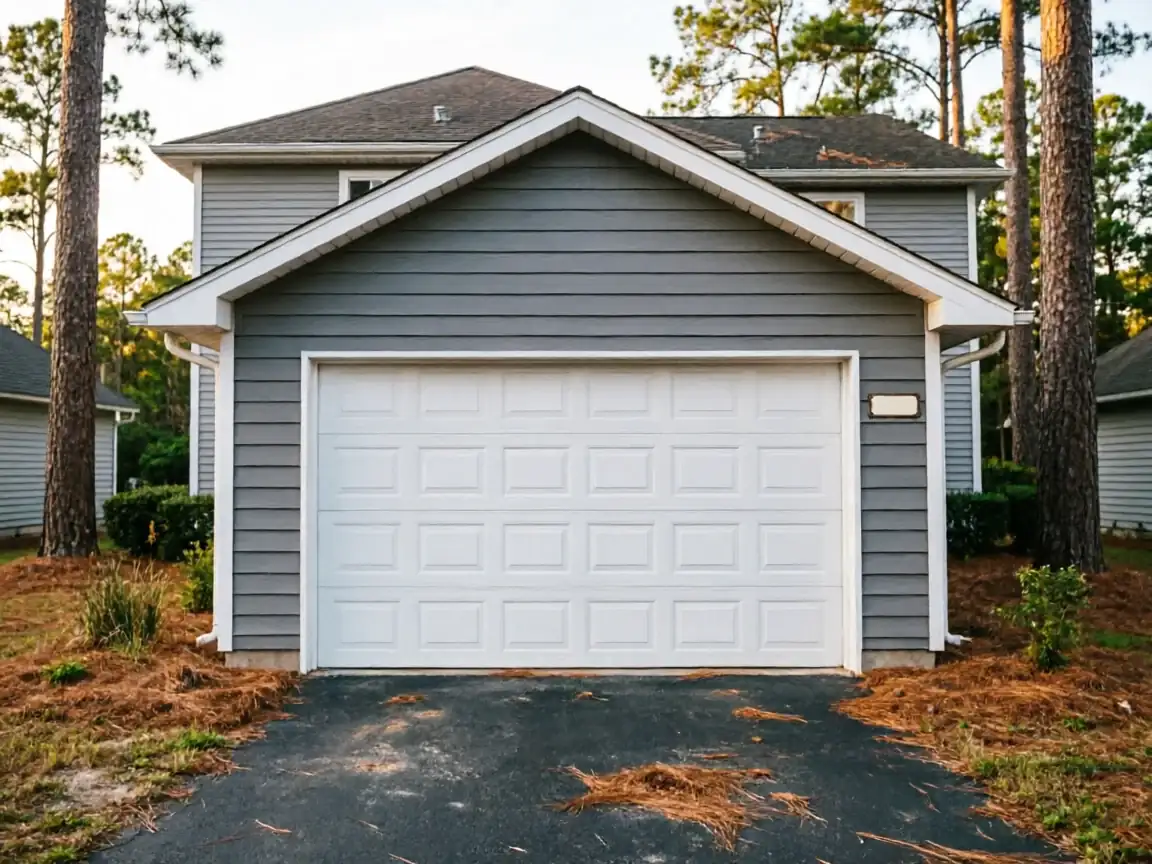
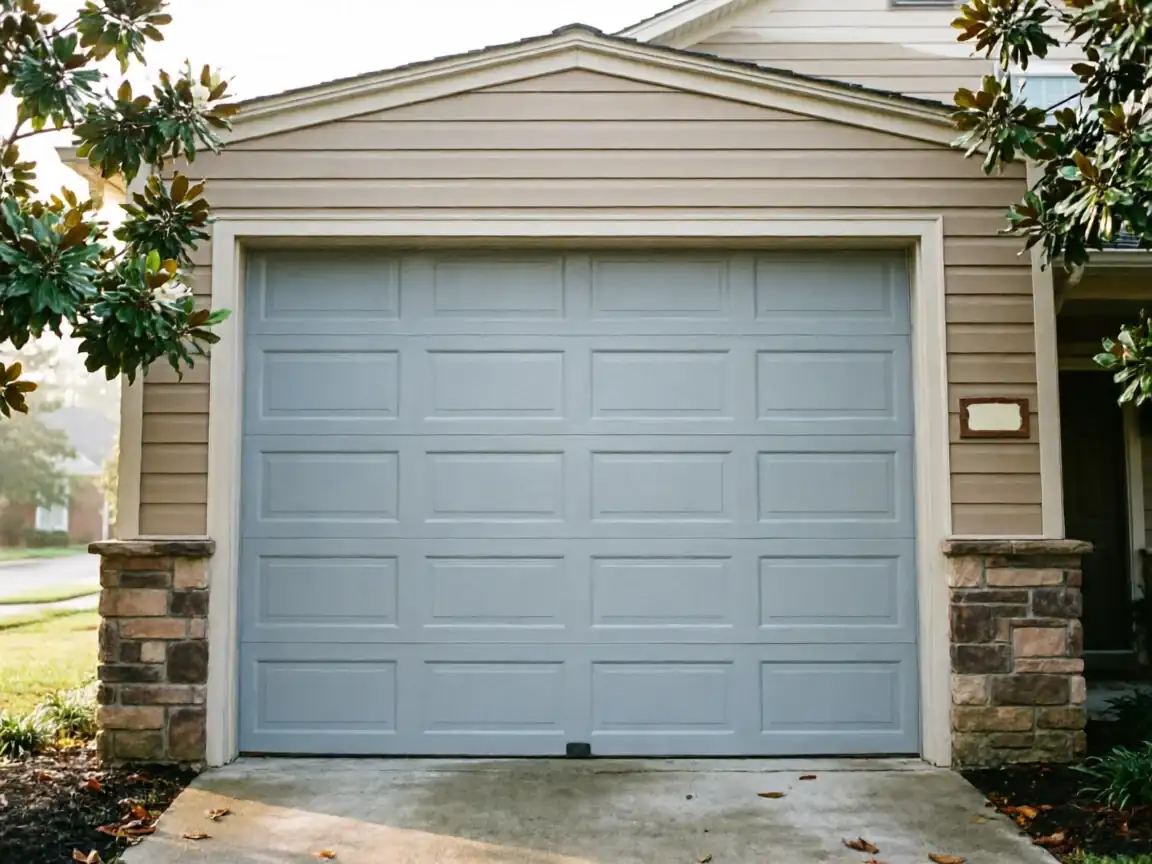
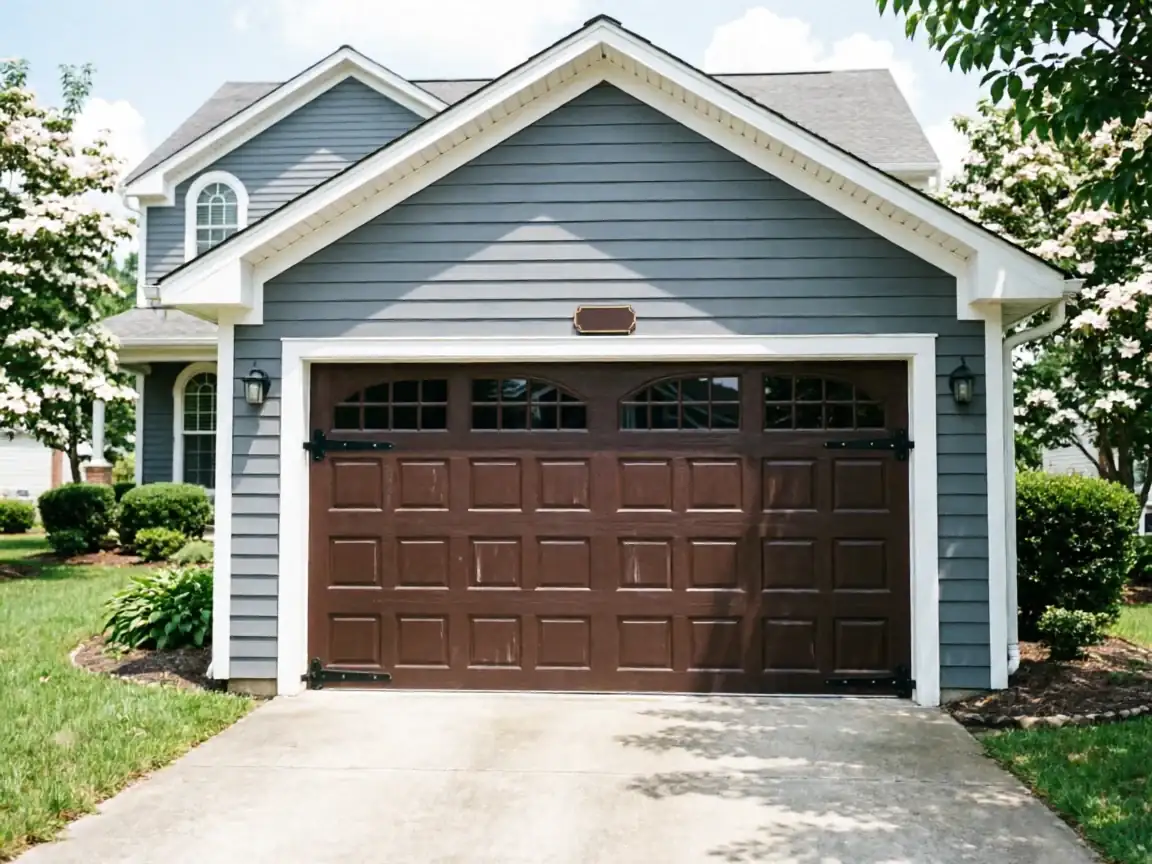
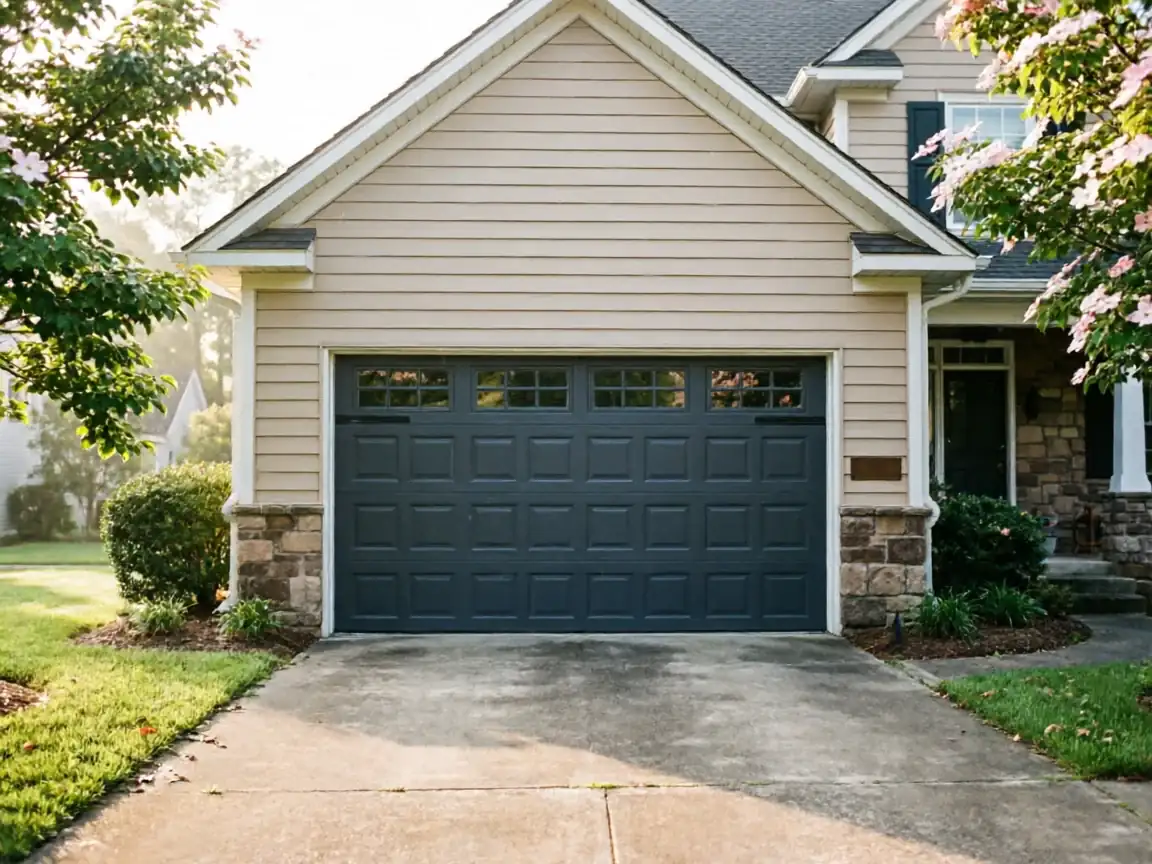
A Front Royal house built around 1974 almost always got a single-layer steel door, no foam between the skins, hung on one torsion spring sized for a lighter panel than current code calls for. Two-car openings usually took a 16x7, single bays a 9x7, and a fair number of houses from that stretch still carry the wood-look fiberglass panel that was popular at the time, also uninsulated. None of that is a defect on its own - it's just what got built.
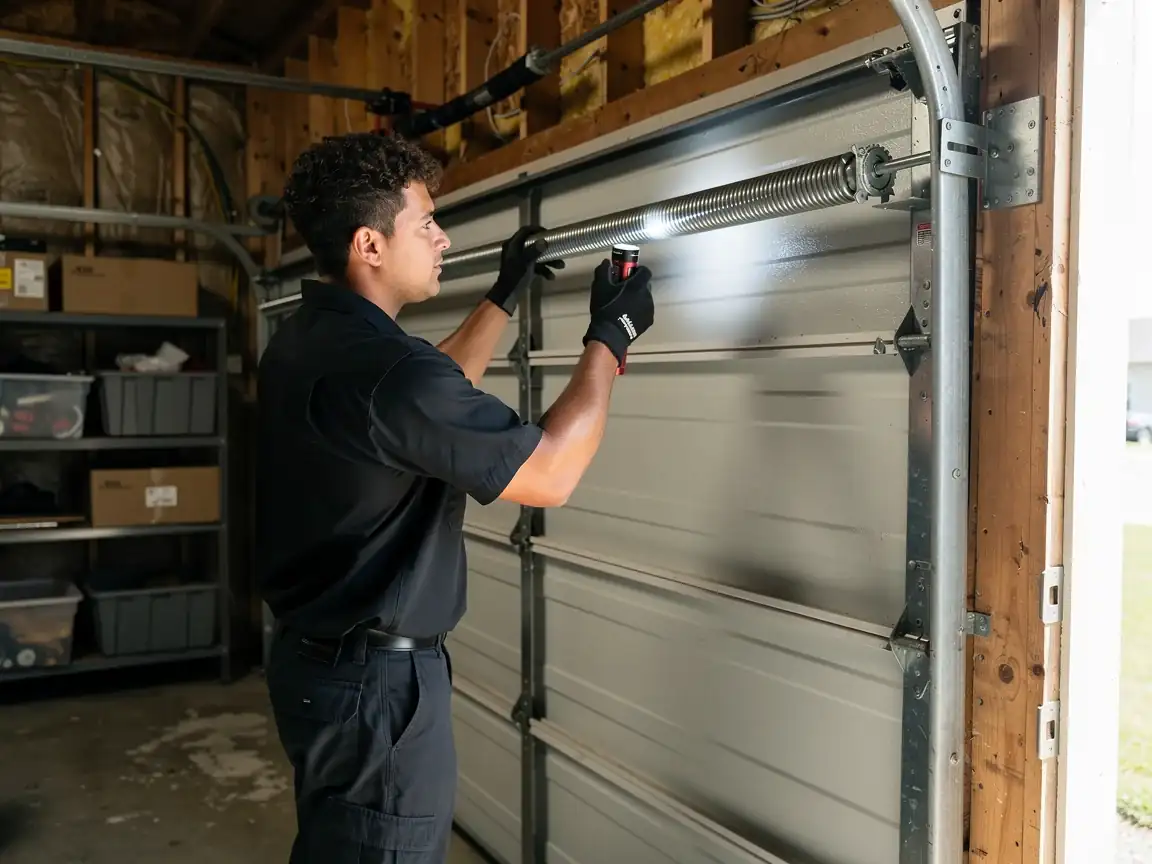
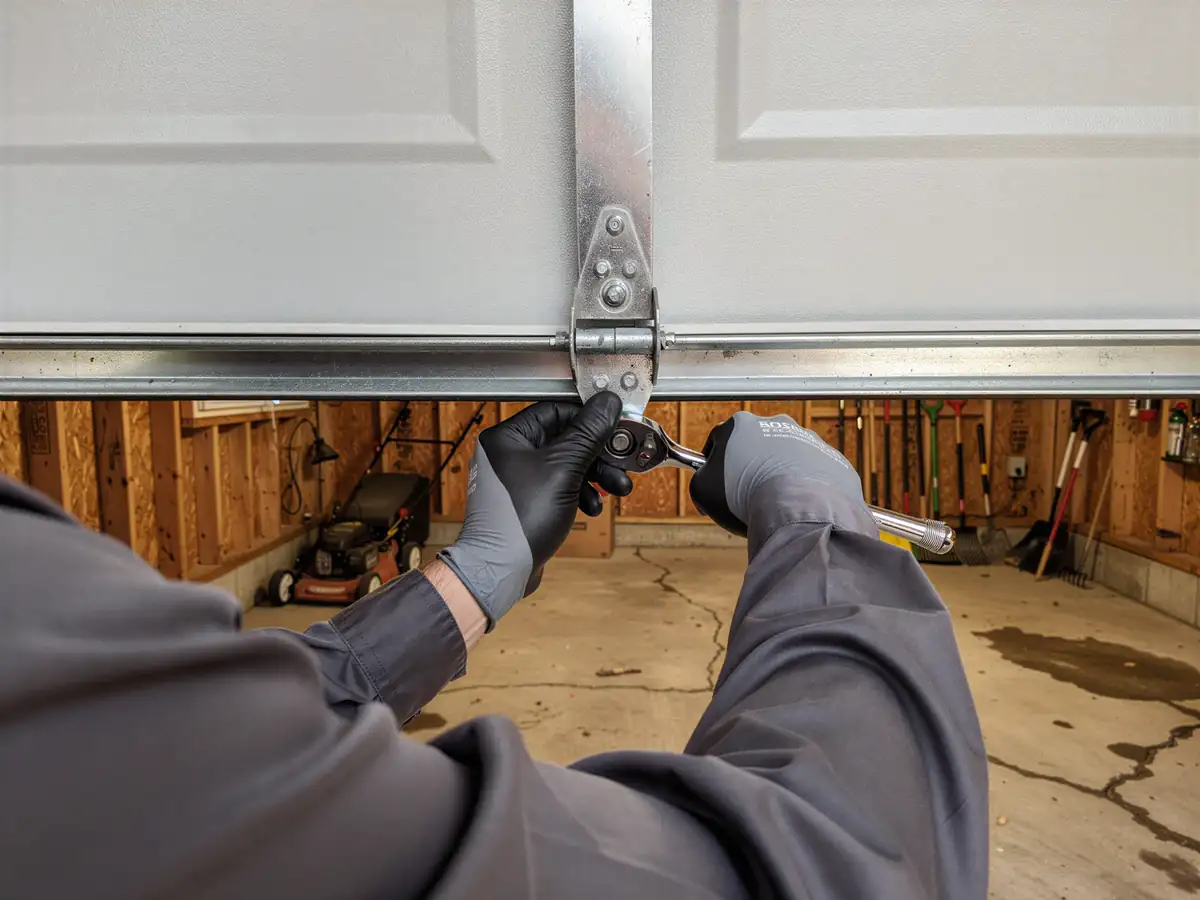
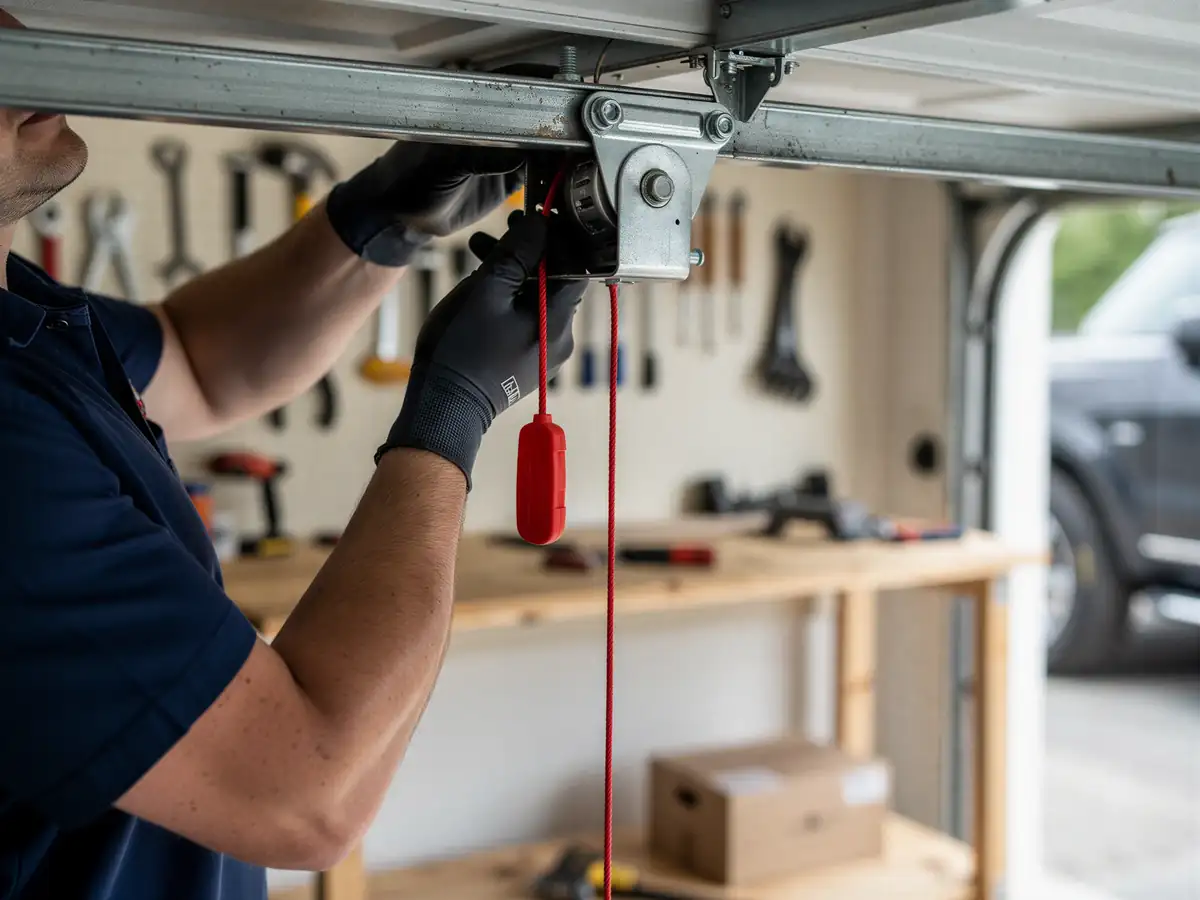
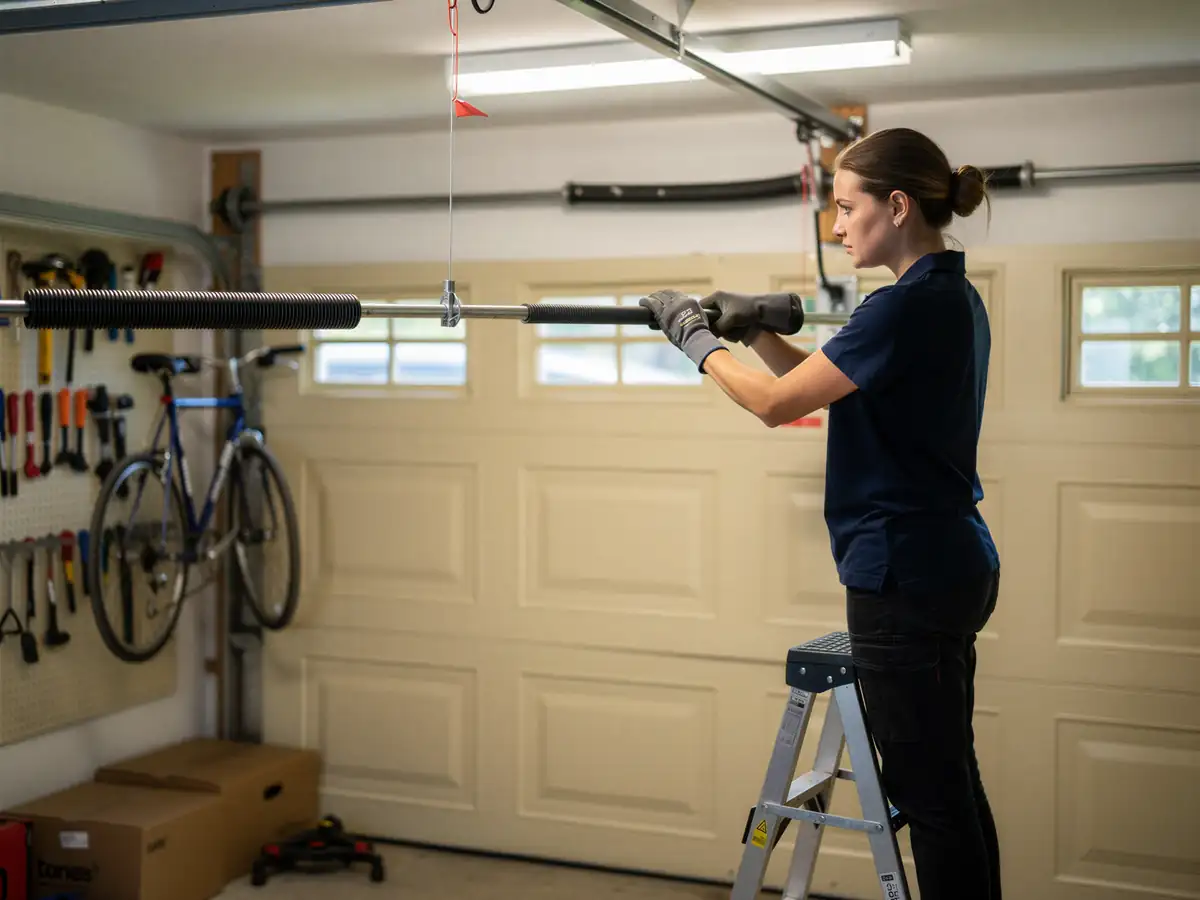
What goes wrong follows from that. The original spring, now fifty years into a part rated for maybe 10,000 cycles, is either already replaced once or overdue. The track is the narrow steel rail from that era, which doesn't hold up well if the door's gone out of square. Rollers are usually the original nylon, dry and chipped. And because the door was never insulated, any opener added later had to lift a lighter, often warped panel - which is why openers on these doors tend to strain, not fail outright. Replacement here is rarely just swapping a door; it's getting the track width, spring size, and opener lift rating to actually match what a 2x2-car garage from 1974 was built around.
Why It Happens Here
Front Royal's housing stock sits earlier than the median across the rest of the service area, where most houses went up between 1971 and 1991 with a midpoint around 1980. Front Royal's own median is 1974 - early enough that a chunk of the original doors, springs, and hinges are still in the house, not replaced. That's six to nine years more cycle fatigue on hardware than you'd find on the newer side of the service area.
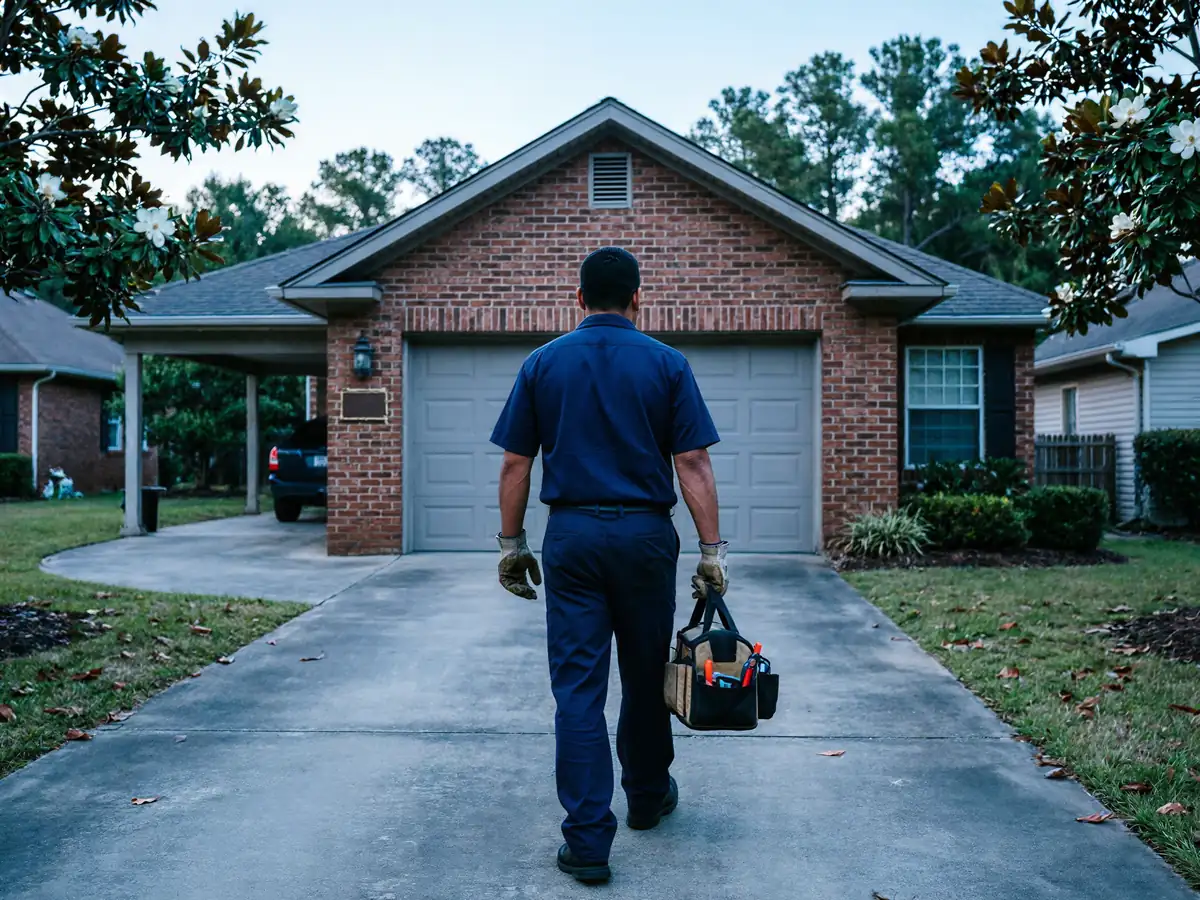
The other factor is the drive. Front Royal is 17 miles out from the Winchester shop, the farthest of the towns we cover short of one. That doesn't change what breaks, but it does change how a job gets scheduled and parted - we bring what the measurements call for, because a second trip for a missing bracket costs real time on a 17-mile round trip. Add a cold-climate winter on top of a door with no insulation, and the wood panel doors especially start showing stress at the hinges by the second or third freeze-thaw cycle each year.
Stocked Parts
We carry standard torsion springs sized for the common 16x7 and 9x7 openings, nylon and steel rollers, and standard-width track sections on the truck
Because those cover most of what a 1974-era door needs. What we don't carry standing is anything custom-width or a panel style that was discontinued decades ago - if a house still has the original wood-look fiberglass door and a panel's cracked beyond patching, matching it exactly usually isn't possible, and replacing the full door is the honest answer rather than chasing a part that doesn't exist anymore.
Because the trip from Winchester runs 17 miles, we measure the opening, the spring wind, and the track gauge on the first visit or over the phone before we load the truck
Rather than guessing and coming back. That's less about speed and more about not wasting a trip on either end. If a part turns out to be a special order - an odd headroom bracket, a non-standard opener mount - that adds lead time, and we'll say so up front rather than promise a same-visit fix we can't deliver.
- 17 miles
What You Are Seeing
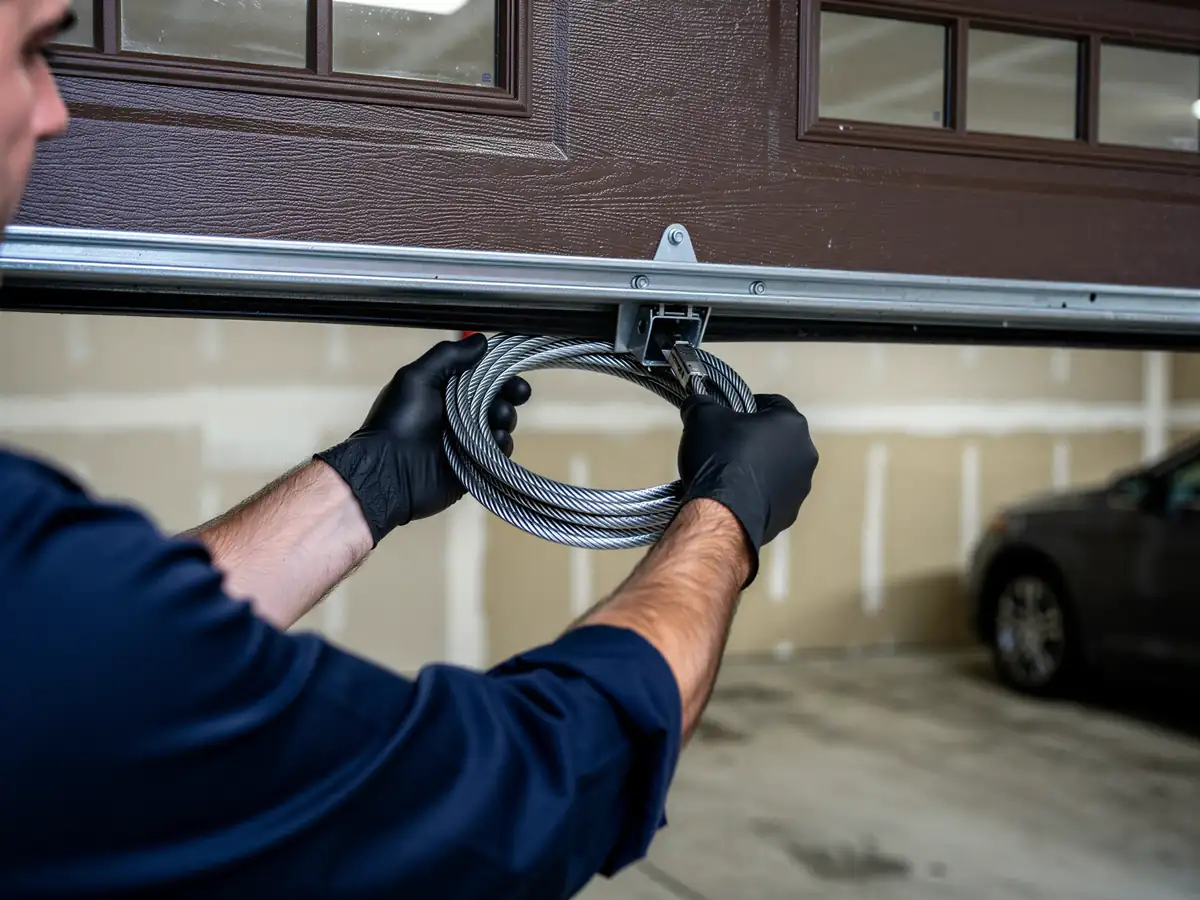
If the door is original to a 1974 build, the most common complaint is a door that's gotten heavy to lift by hand - a sign the spring has lost tension, not that the opener's failing. A door that slams the last foot instead of settling usually means the same thing. Cables fraying at the bottom bracket show up often on doors that have never been serviced, because nobody thinks to look at them until one snaps.
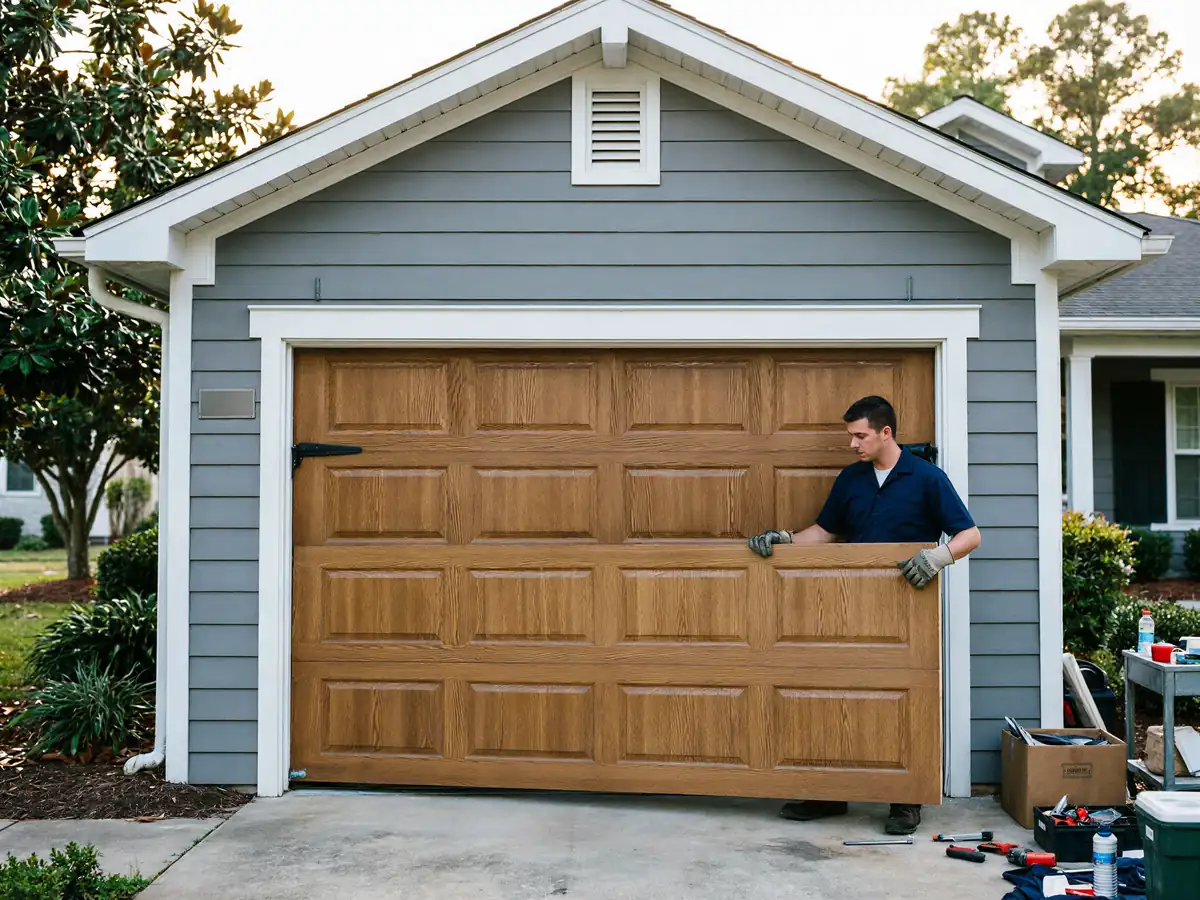
On the wood-look panel doors, you'll sometimes see the panel itself bowing or the bottom corner splitting where moisture's gotten in over the decades - fiberglass doesn't rot like real wood, but the frame underneath it can. On steel doors from this era, surface rust at the bottom panel, where road salt and snowmelt sit against the door through a cold winter, is common enough that it's one of the main reasons people replace rather than repair once a panel's through. None of these are emergencies on their own, but a cable failure with the door stuck halfway can turn into one fast.
What You Pay
We don't have a posted price list to quote here, and giving you a number without seeing the opening and the condition of the track and header would be a guess, not a quote. What's worth knowing locally: median household income in Front Royal runs $64,025, lower than the $79,137 seen elsewhere across the service area, and in practice that shows up in which upgrades homeowners ask for. A straightforward steel replacement sized to the existing 16x7 or 9x7 opening is the far more common request here than a full foam-core insulated upgrade, which costs more up front.
That's not a judgment on the door, just what we see asked for. If insulation matters to you - and in a cold-climate winter it's a reasonable thing to want, especially on an attached garage - we'll price that option alongside the standard replacement so you're choosing with real numbers in front of you, not guessing which is worth it.
How Long You Are Without the Door
Because we come from Winchester, 17 miles out, a Front Royal job gets scheduled
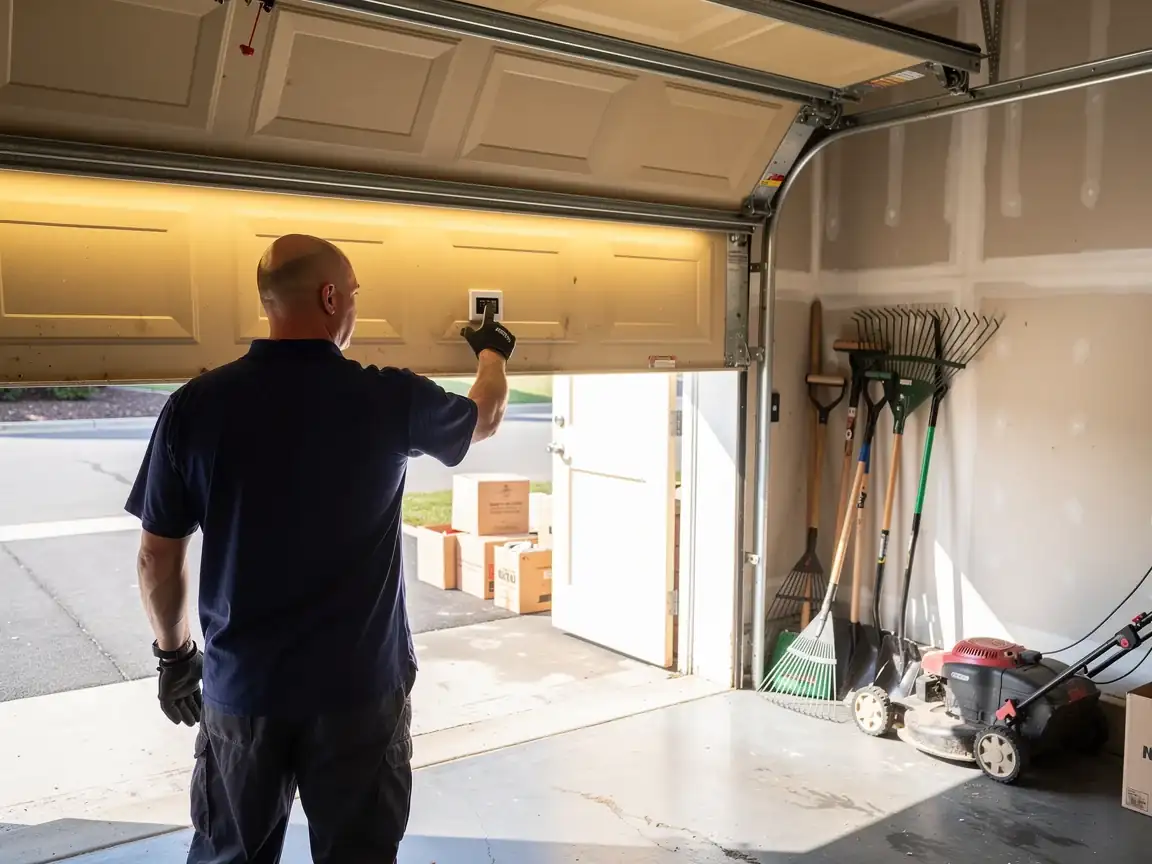
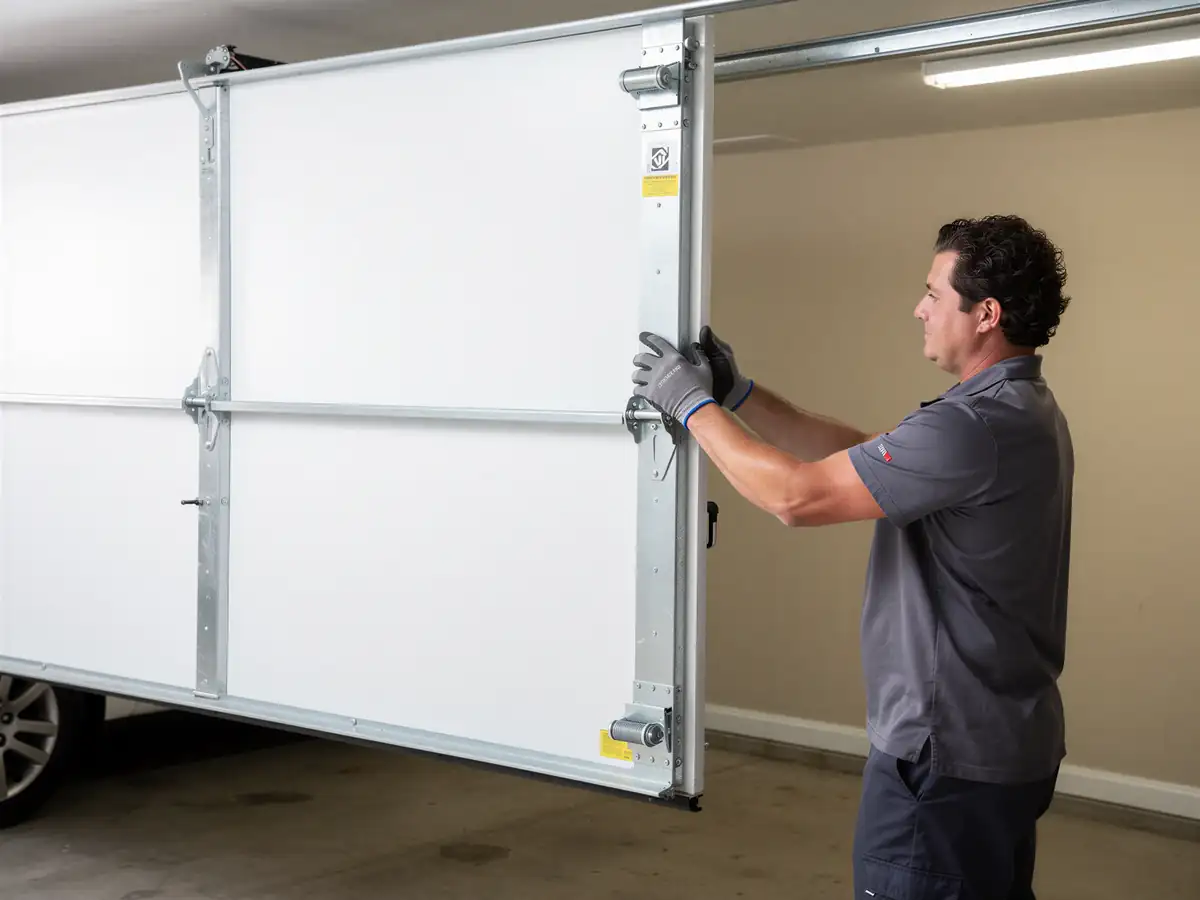
Not walked over same-hour the way it might for a street closer to the shop. For a straight replacement where the opening is standard and the parts are the ones we carry, the door comes down and the new one goes up and is running in a single visit. If the job turns up something we didn't expect - a header that's rotted, a track mount that needs rebuilding, a custom width - that's a second trip, because we're not going to rebuild a header with parts we guessed at from 17 miles away.
- 17 miles
The honest limitation
If your opening calls for a special-order panel or an odd-width track, lead time on that part is out of our hands, and we'll tell you the real timeline once we know what's actually needed rather than giving you a number that sounds better on the phone.