What Can Go Wrong
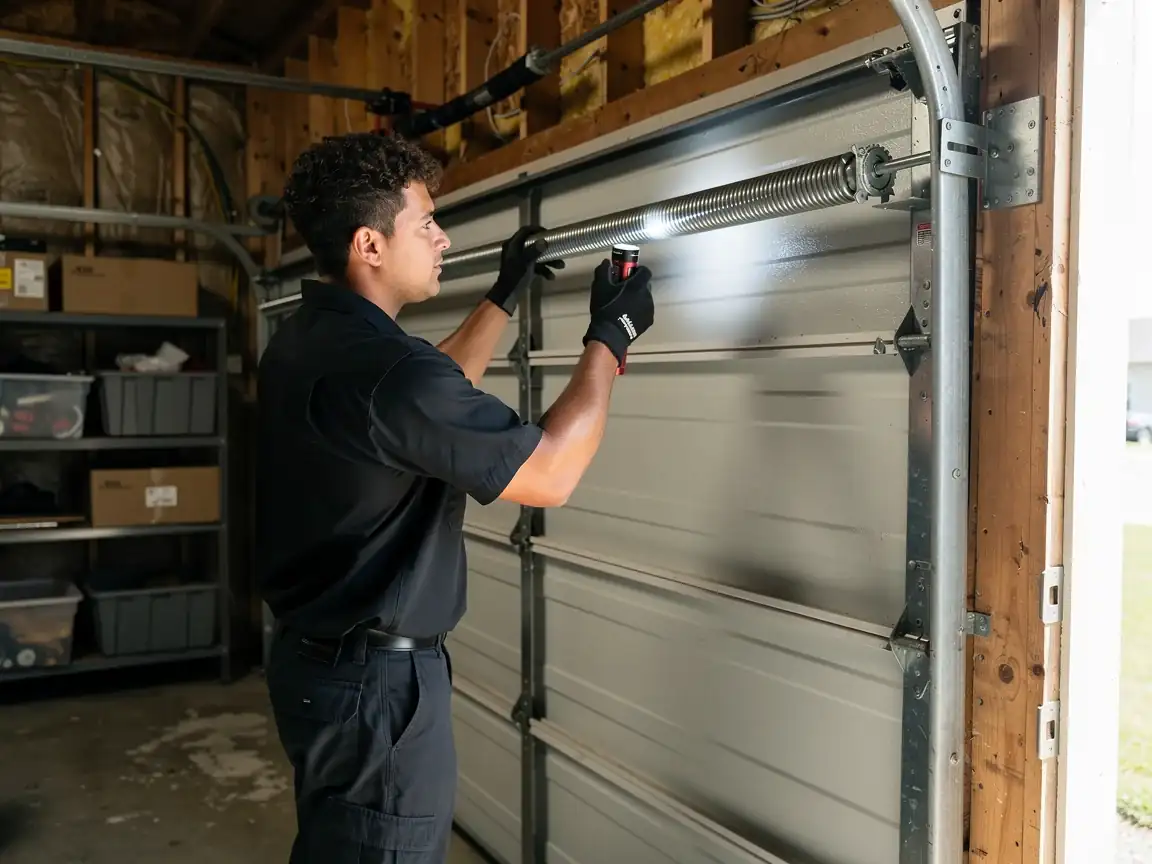
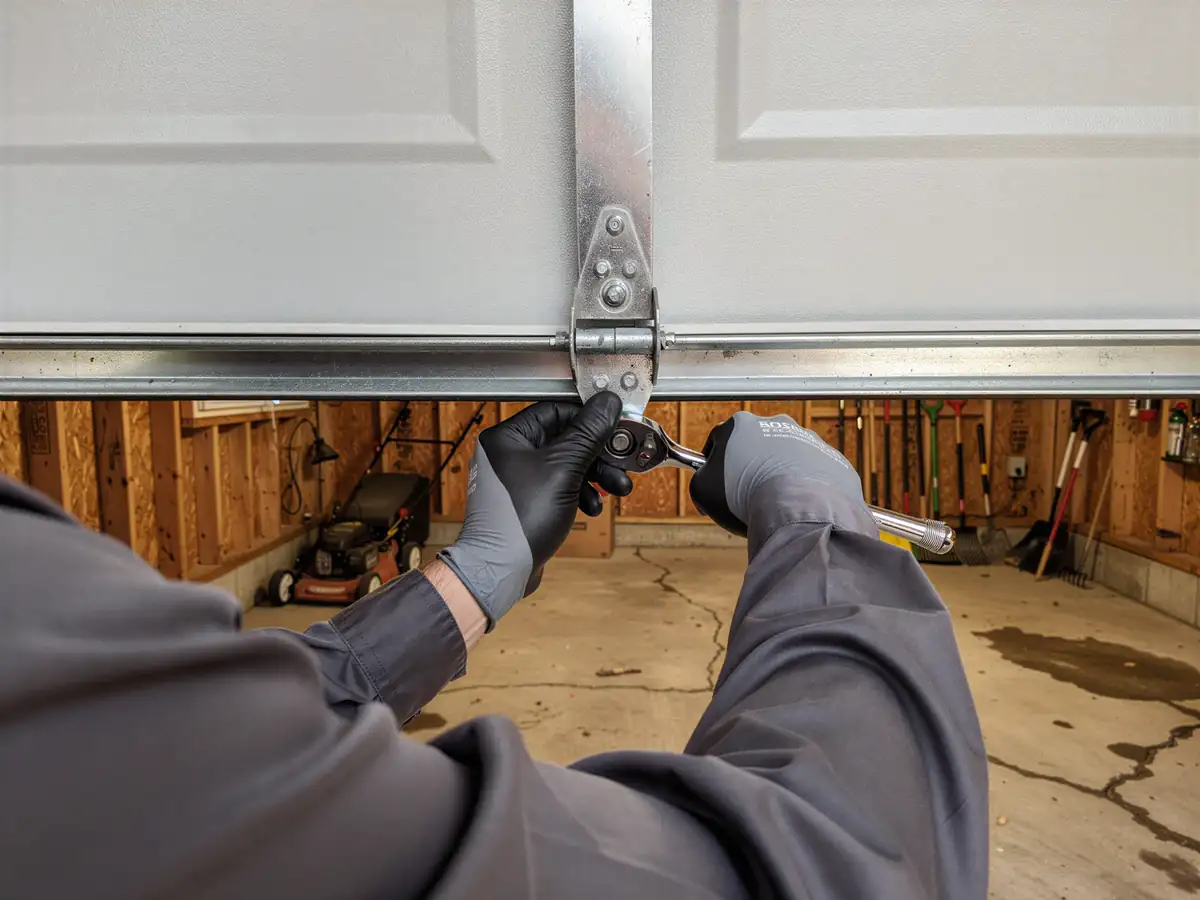
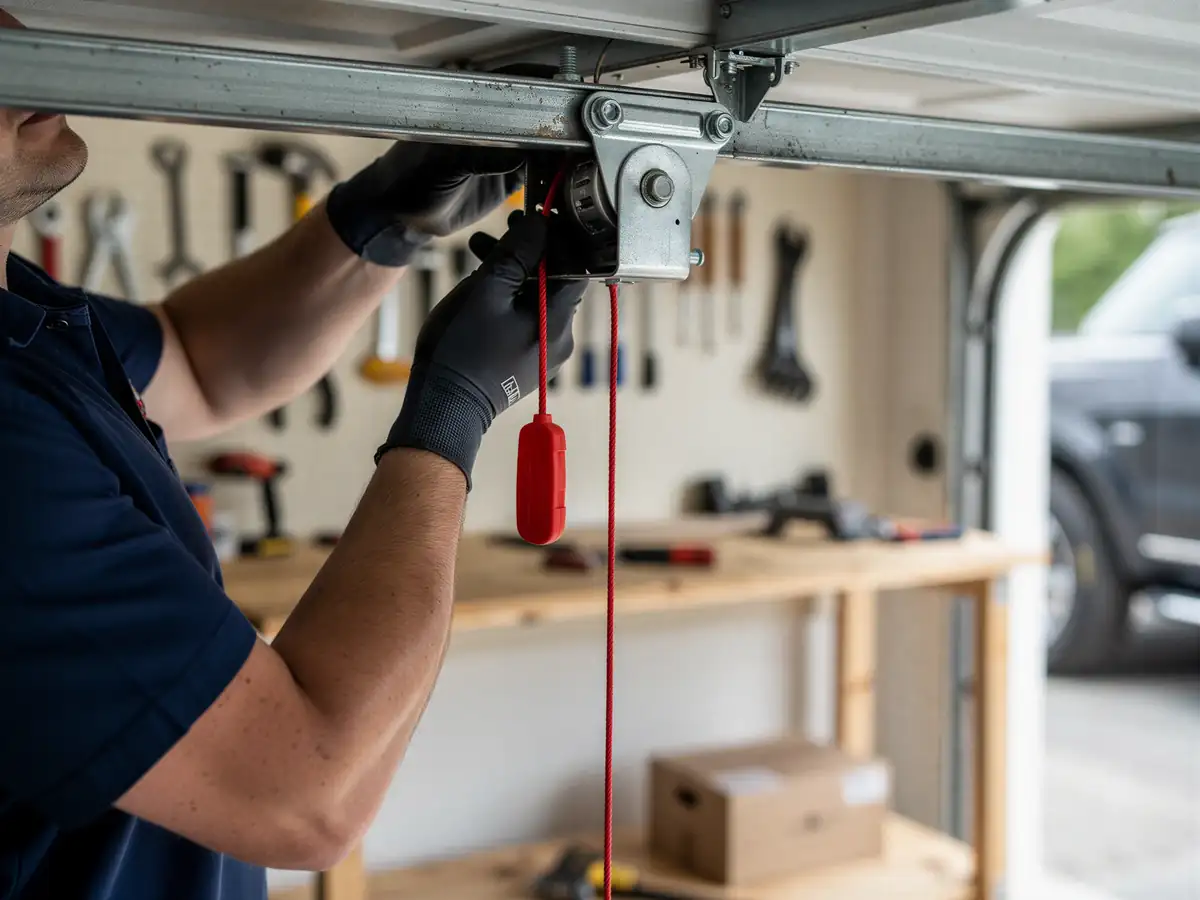
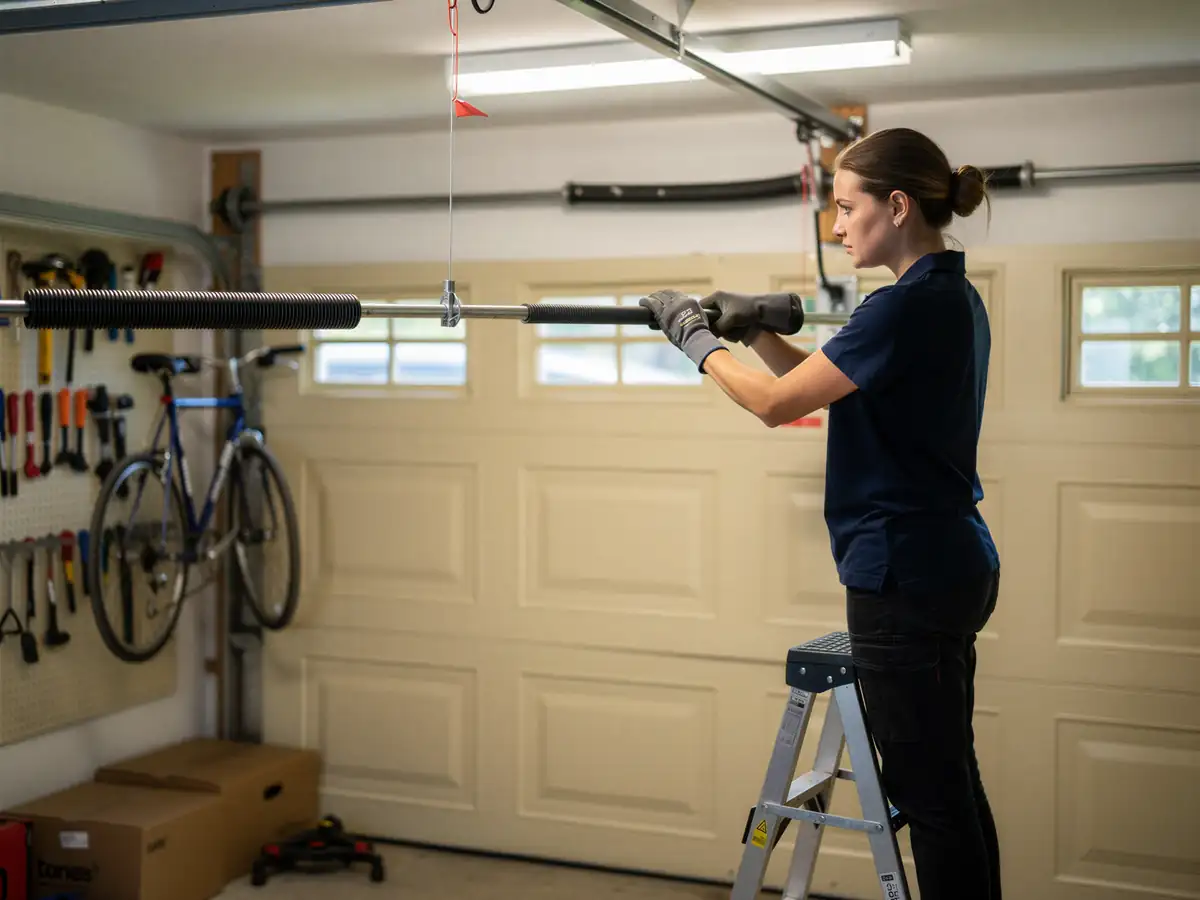
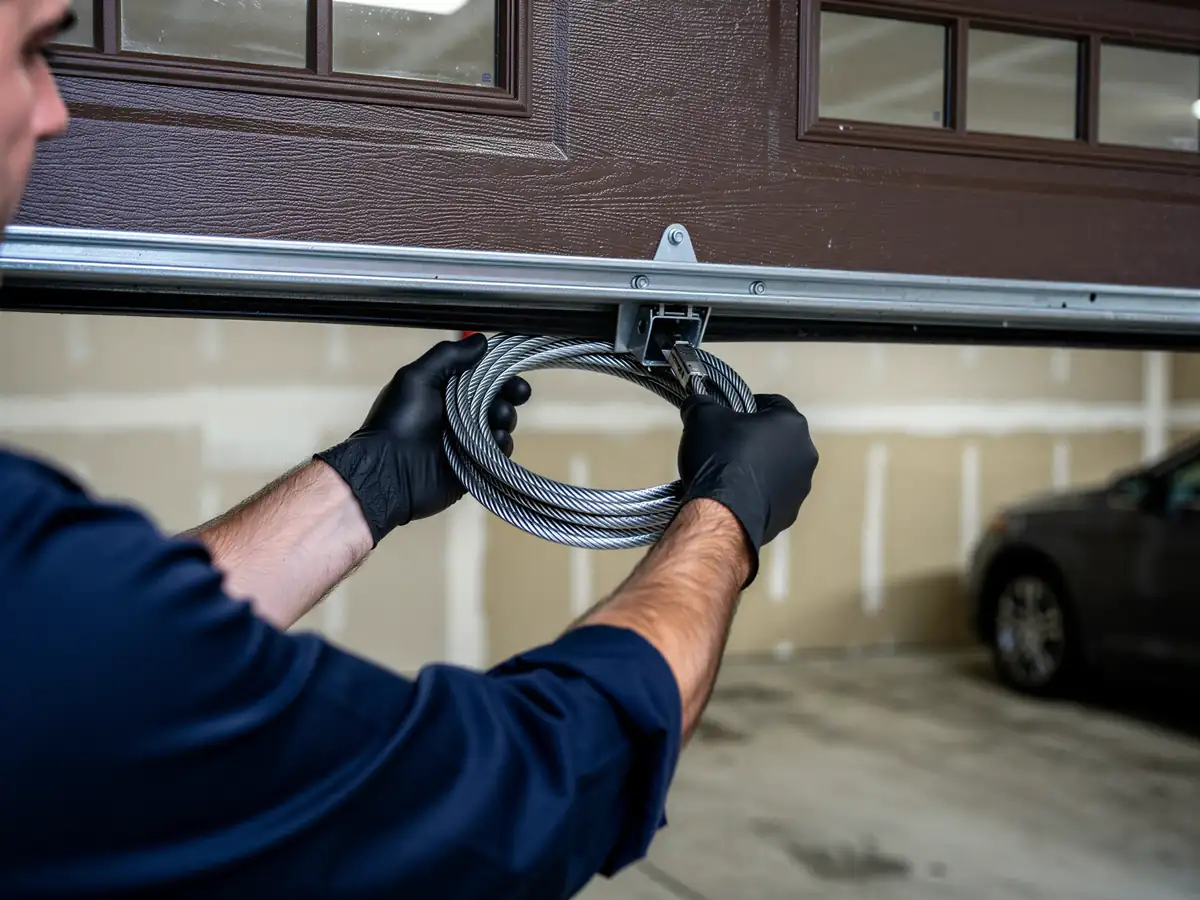
A house in Front Royal built around 1974 almost always came with a torsion or extension spring system paired with galvanized aircraft cable, run through a stamped steel pulley or over a drum. That hardware was standard for its era and it was not built to last fifty years. The most common failure is a frayed strand near the bottom bracket, where the cable bends every time the door cycles. Less often, the cable jumps the drum groove and bunches up, which can let one side of the door drop while the other holds, racking the panel. On older extension-spring setups, a snapped cable can let the door fall fast, since there's no torsion bar to catch it. We also see cables that have simply stretched and gone slack over the decades, which throws off the door's balance even before a strand lets go.
Why It Happens Here
Front Royal's housing stock centers on 1974, right inside the wider service area's 1971-1991 build window, and that era's cable and pulley assemblies are now well past their working life in most of these houses. This region sits in a cold-climate band with severe seasonal swings, and galvanized cable loses its zinc coating faster when it goes through repeated freeze-thaw cycles with road salt and moisture in the air. Original coatings on 1970s hardware were thinner than what ships today, so the wire underneath starts to rust from the inside out long before a homeowner sees fraying at the drum. A door that's cycled twice a day for fifty winters in this climate has simply put more wear on its cables than the same door would see somewhere milder.
What You Are Seeing
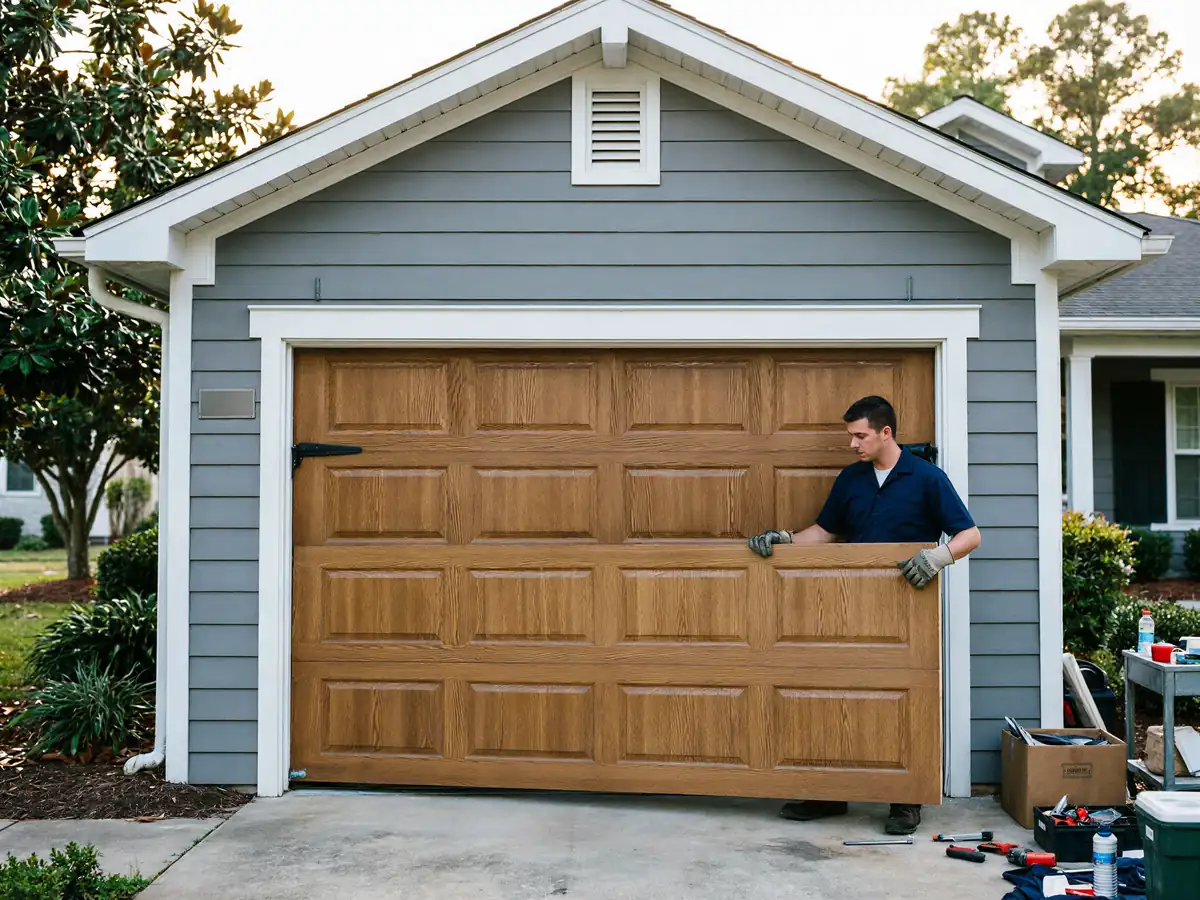
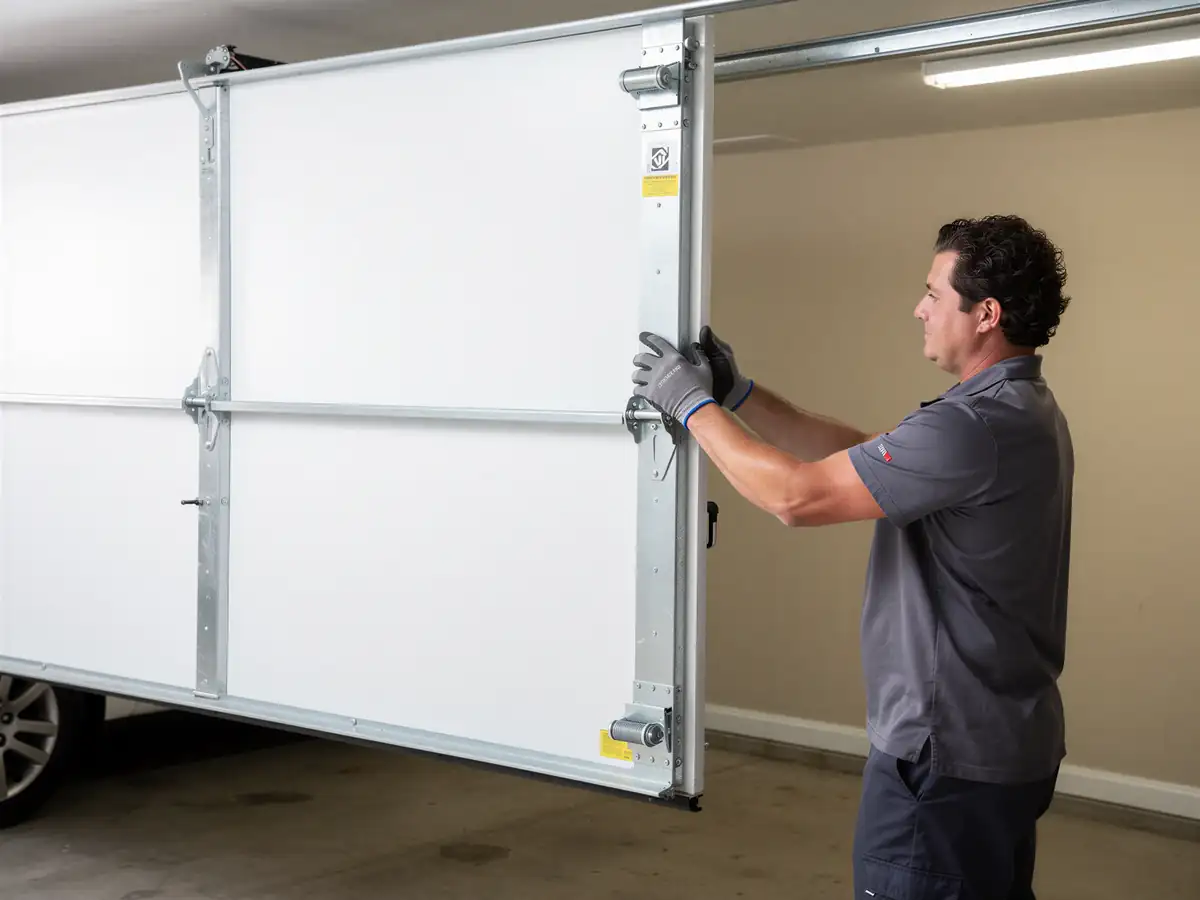
If one side of your door hangs lower than the other, or the door shudders and stutters partway through its travel, that's usually a cable losing tension unevenly between the two sides. A door that won't budge, with the opener straining and clicking, often means a cable has jumped its track or wrapped wrong around the drum. If you hear a loud bang followed by the door refusing to move - or worse, dropping on its own - a cable has likely snapped, and you should not try to lift the door by hand until it's inspected. Rust streaks running down from the pulley or visible broken strands near the bottom bracket are early warning signs worth calling about before the cable fails outright.
What You Pay
We don't have a published price list for cable repair specific to Front Royal, and we won't quote a number here that doesn't hold up. What we can tell you is that the job scope depends on whether it's a single cable swap, a pair replaced together for even wear, or a repair that also needs a new drum or pulley from an aging 1970s system. We'll give you a firm number on site before any work starts, not an estimate that changes once we're under the door.