What You Are Seeing
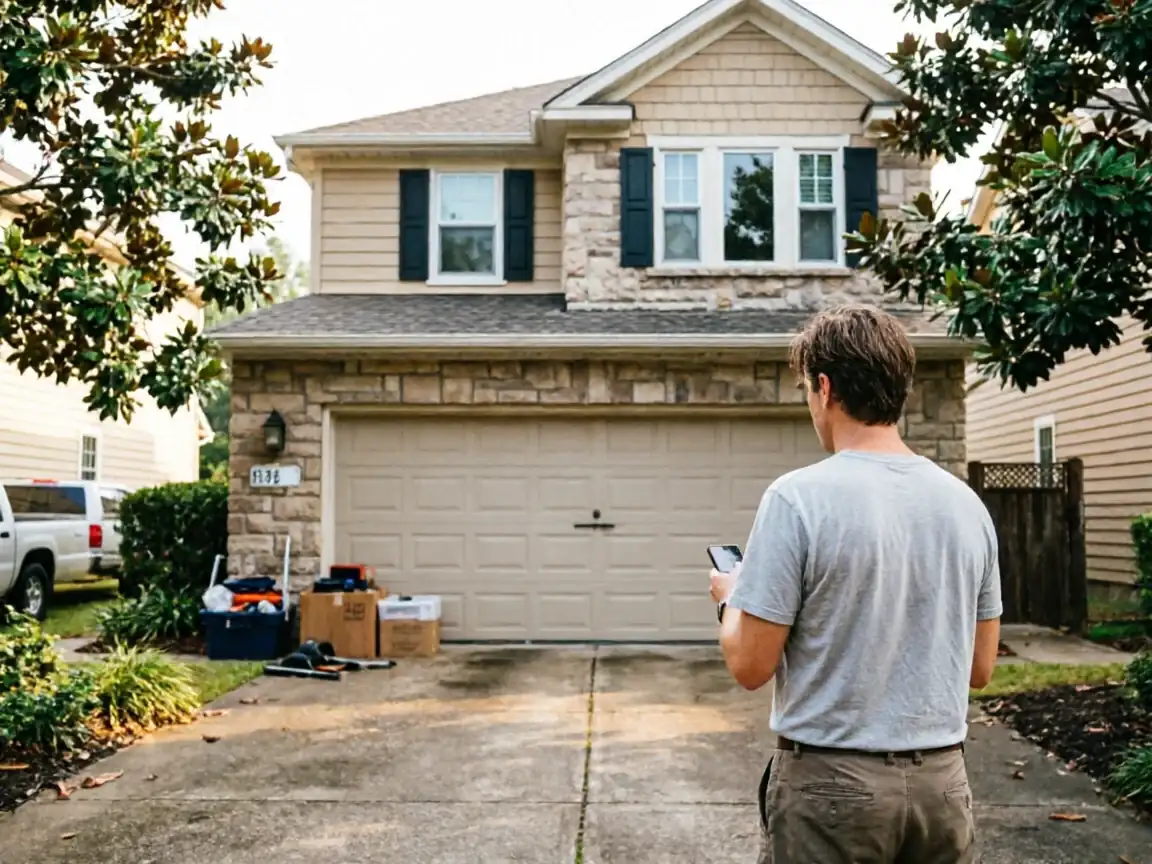
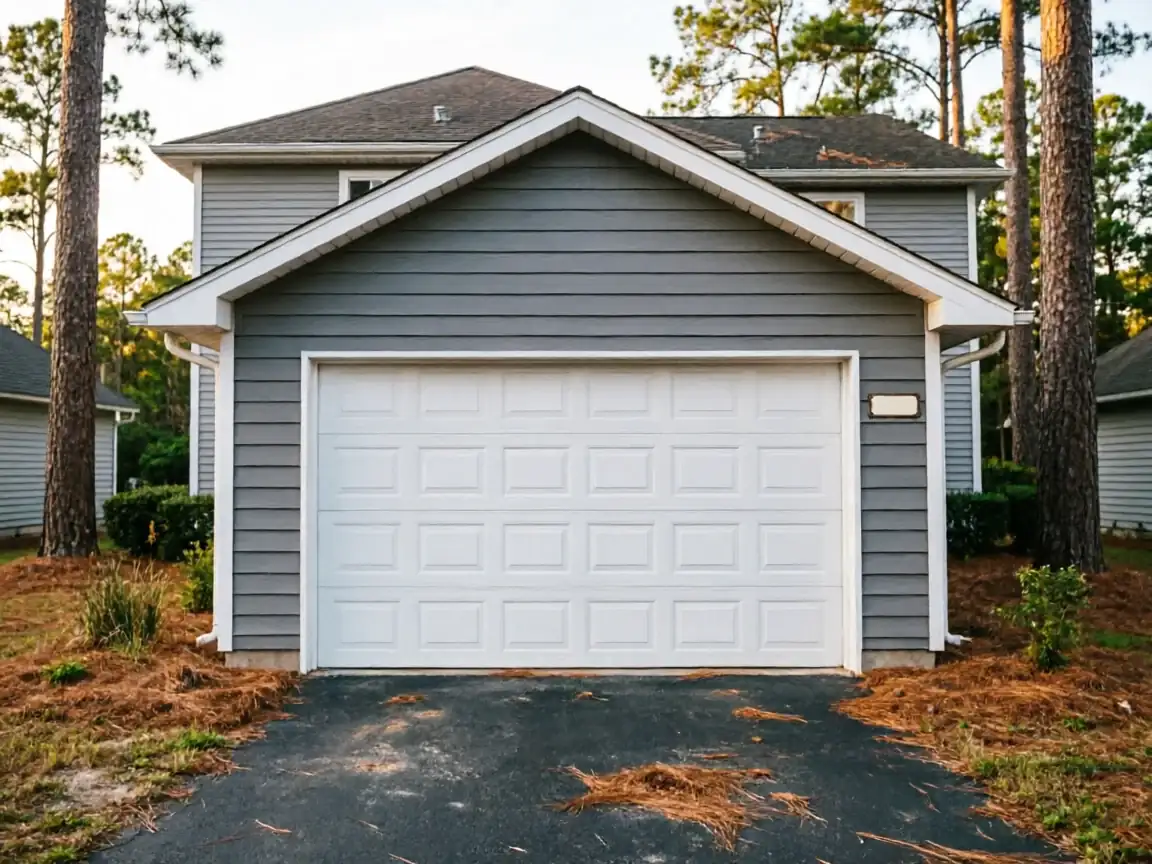
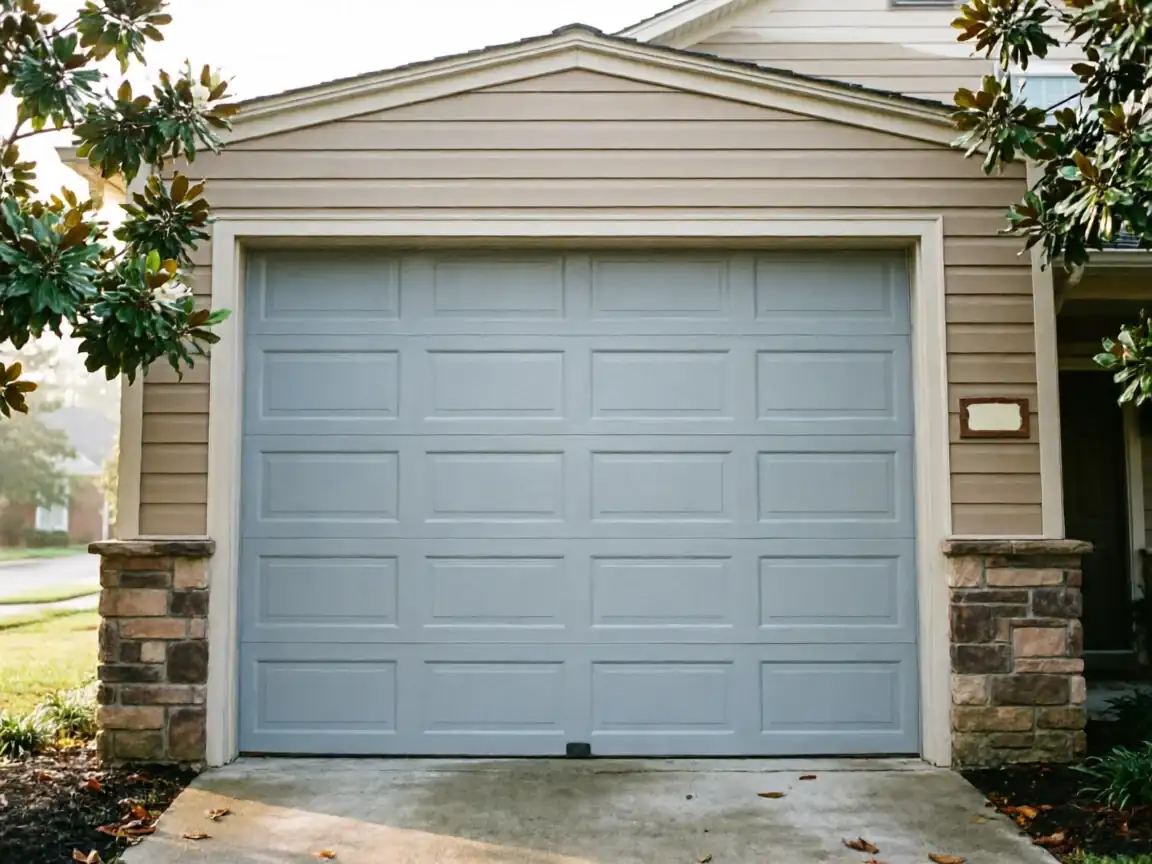
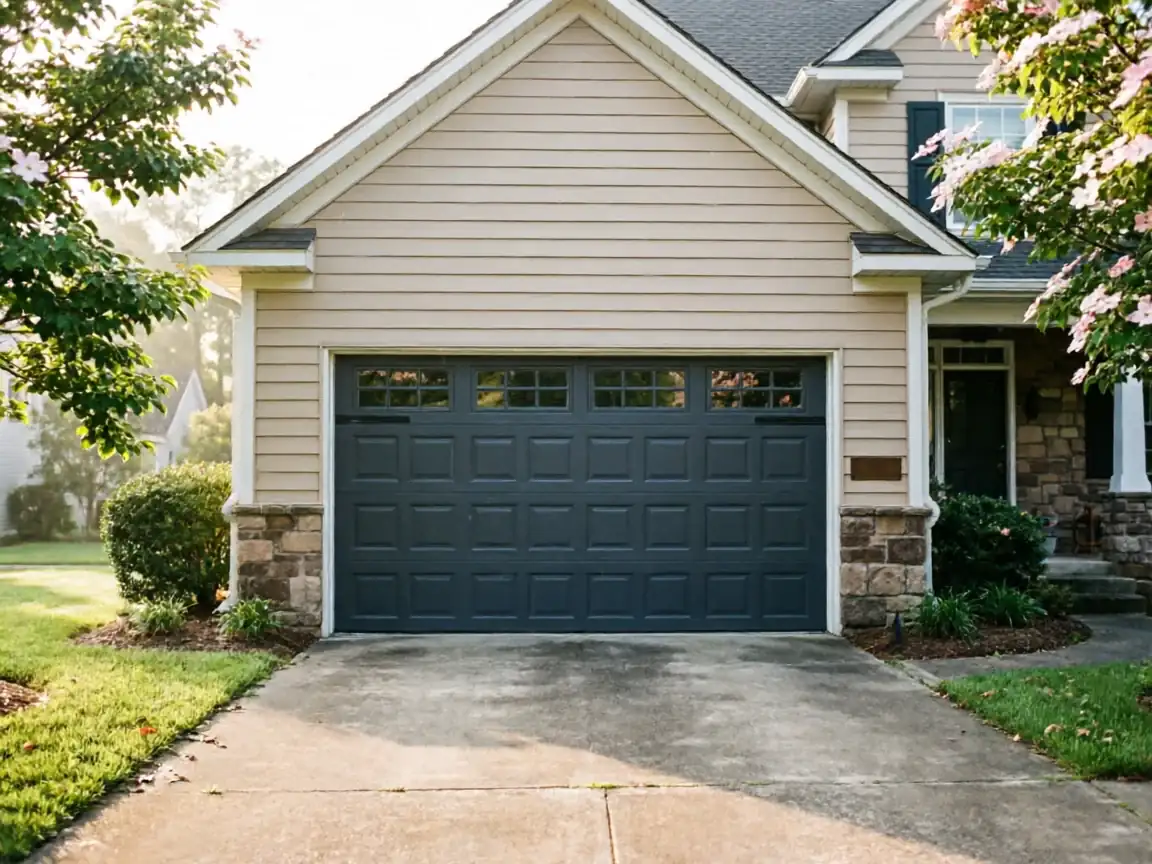
Strasburg's housing stock centers on 1984, a bit newer than the 1980 median across the rest of our service area. That gap matters more than it sounds. A house built in 1984 usually has a wider garage bay than the 1970s builds nearby, and it was framed for a door that assumed cheap energy and no insulation code to speak of. If your door is original, you're likely looking at a single-layer steel panel, probably 16x7, on extension springs or an early torsion setup with a lightweight bracket that wasn't built for 40 years of daily cycling. Some owners have already swapped it once for a plain builder-grade replacement in the 1990s or 2000s, which means you might be on your second door already and starting to see the same fatigue: sagging bottom panel, a track that's bowed where the rollers wore a groove, or an opener straining because the door itself has gotten heavier with warped wood or rust. None of this is a Winchester problem transplanted here - it's what houses from this specific build window do after four decades.
How We Fix It
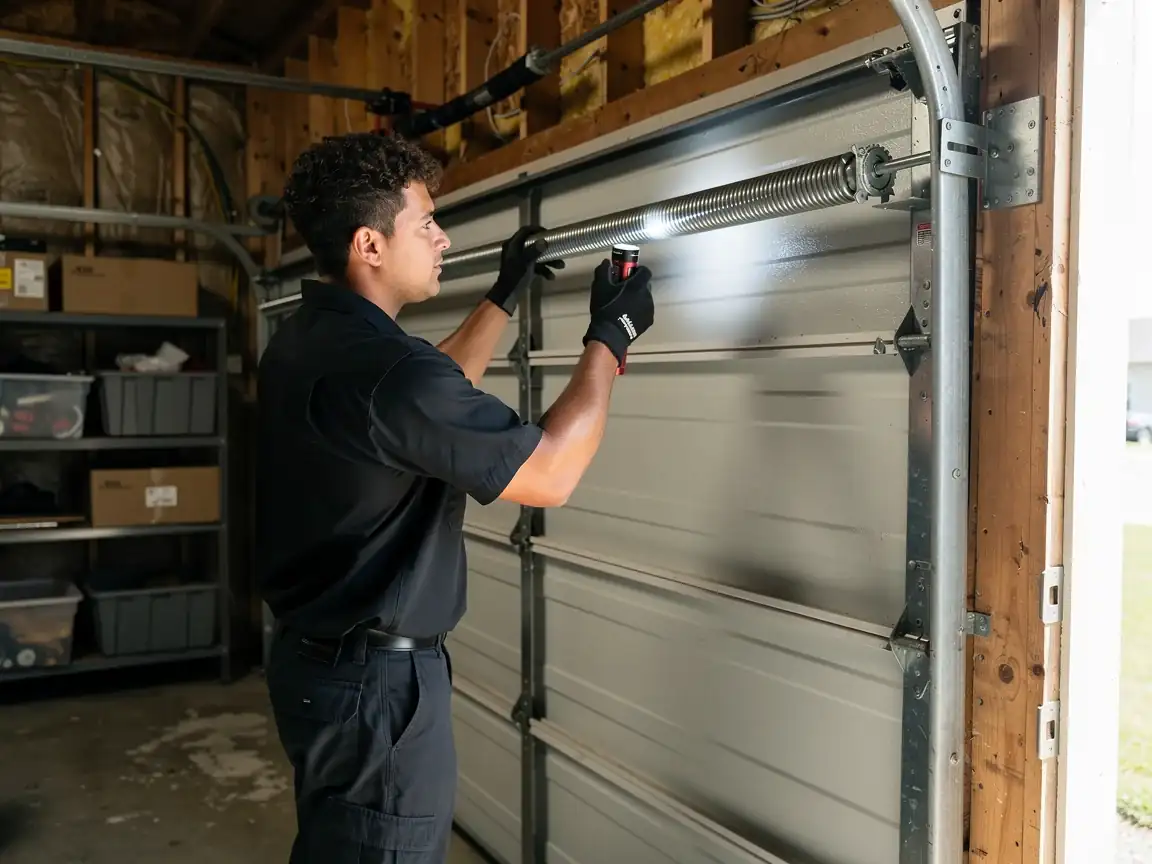
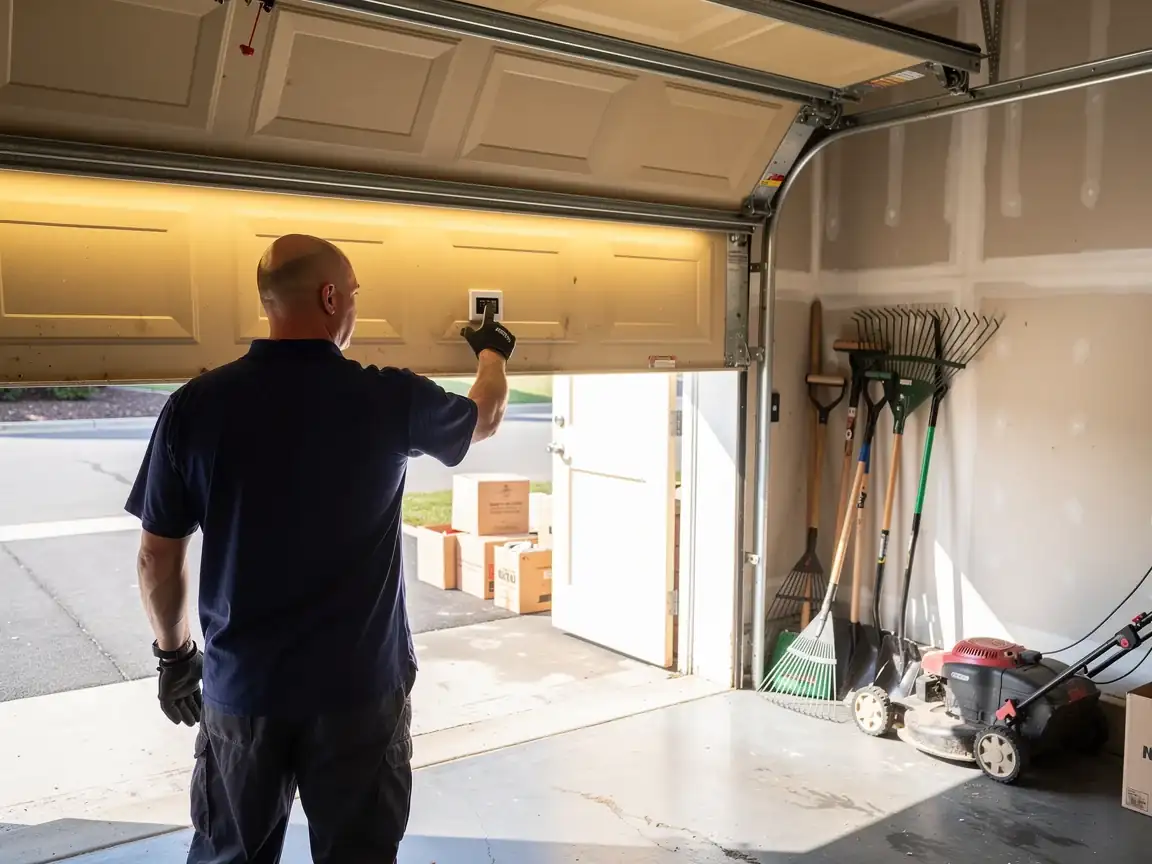
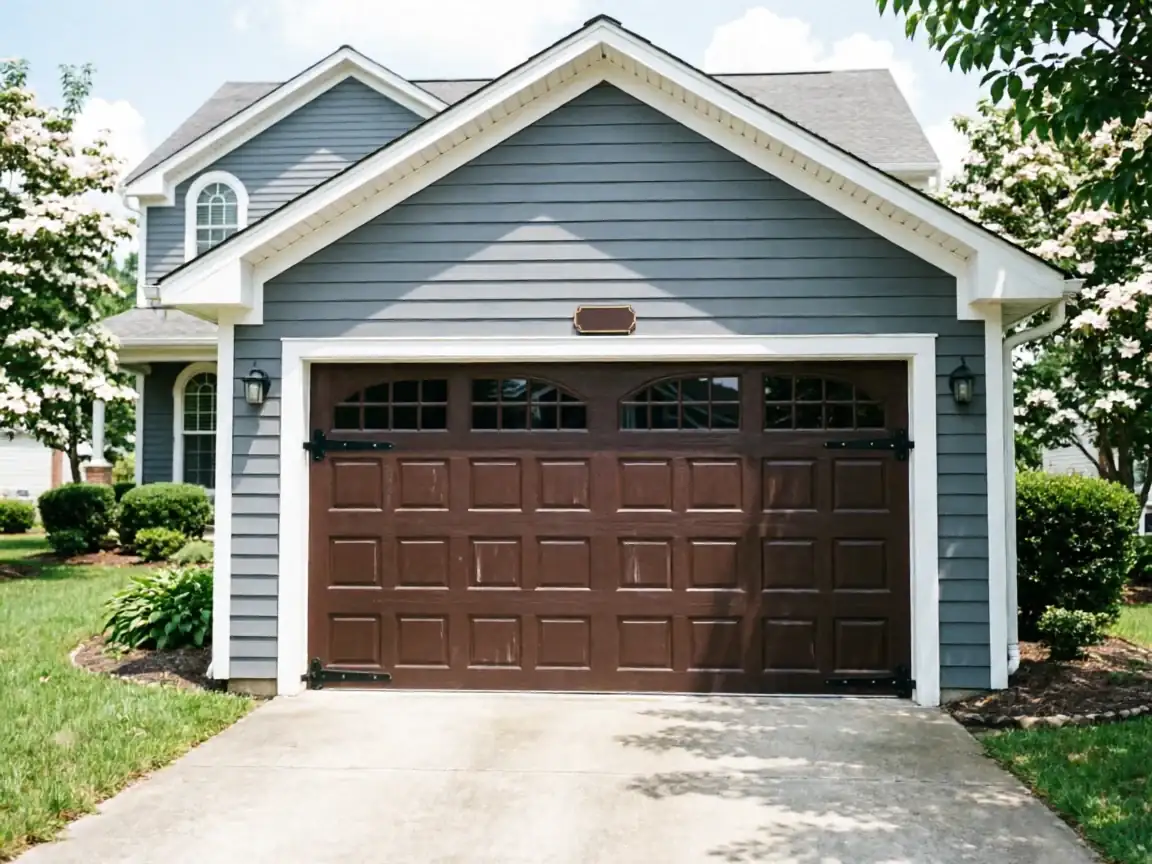
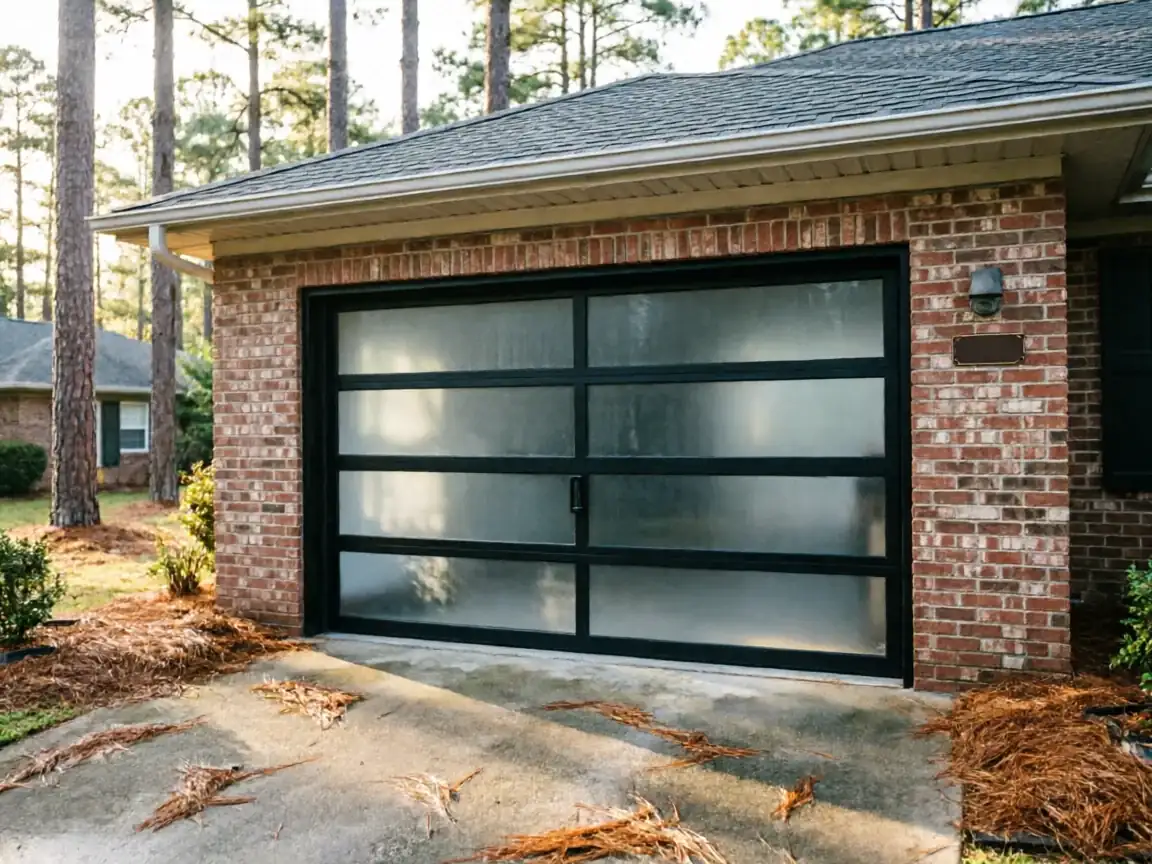
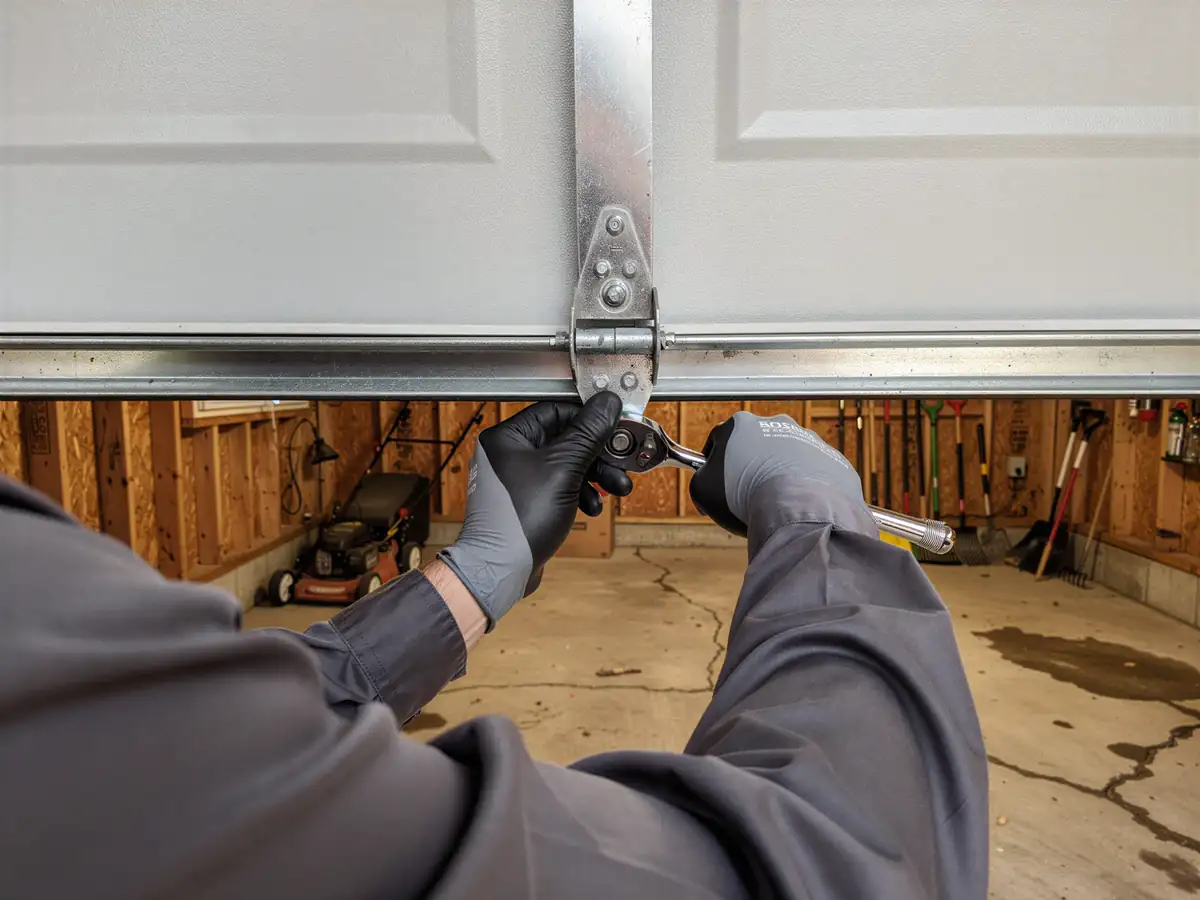
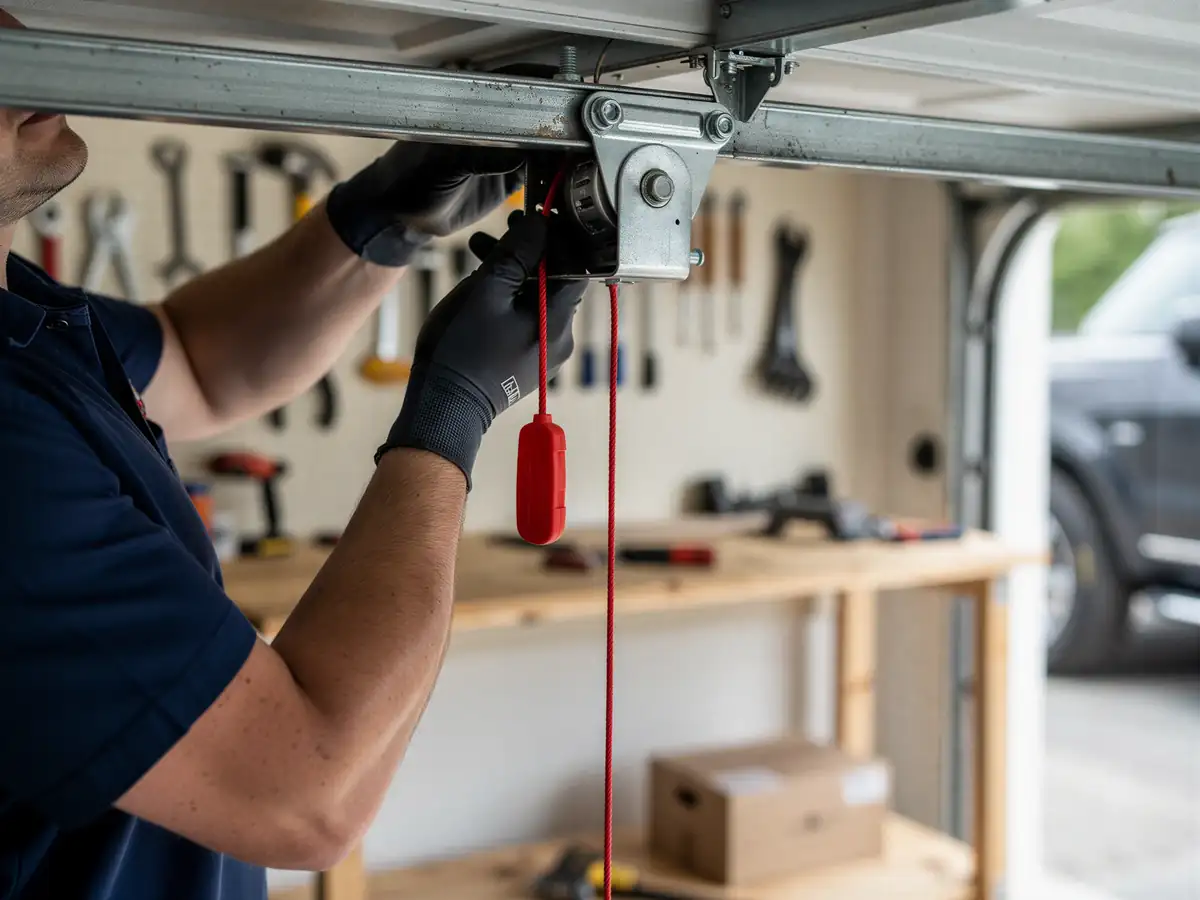
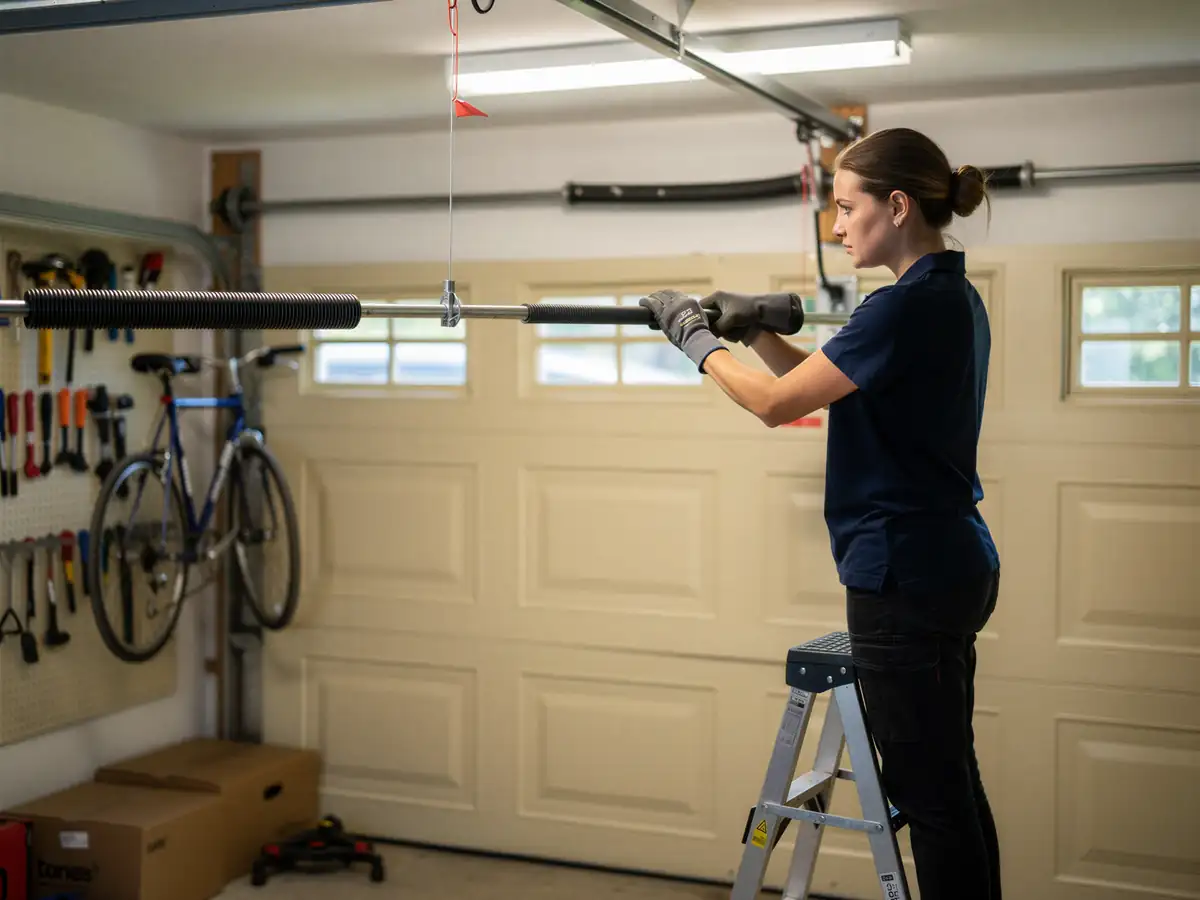
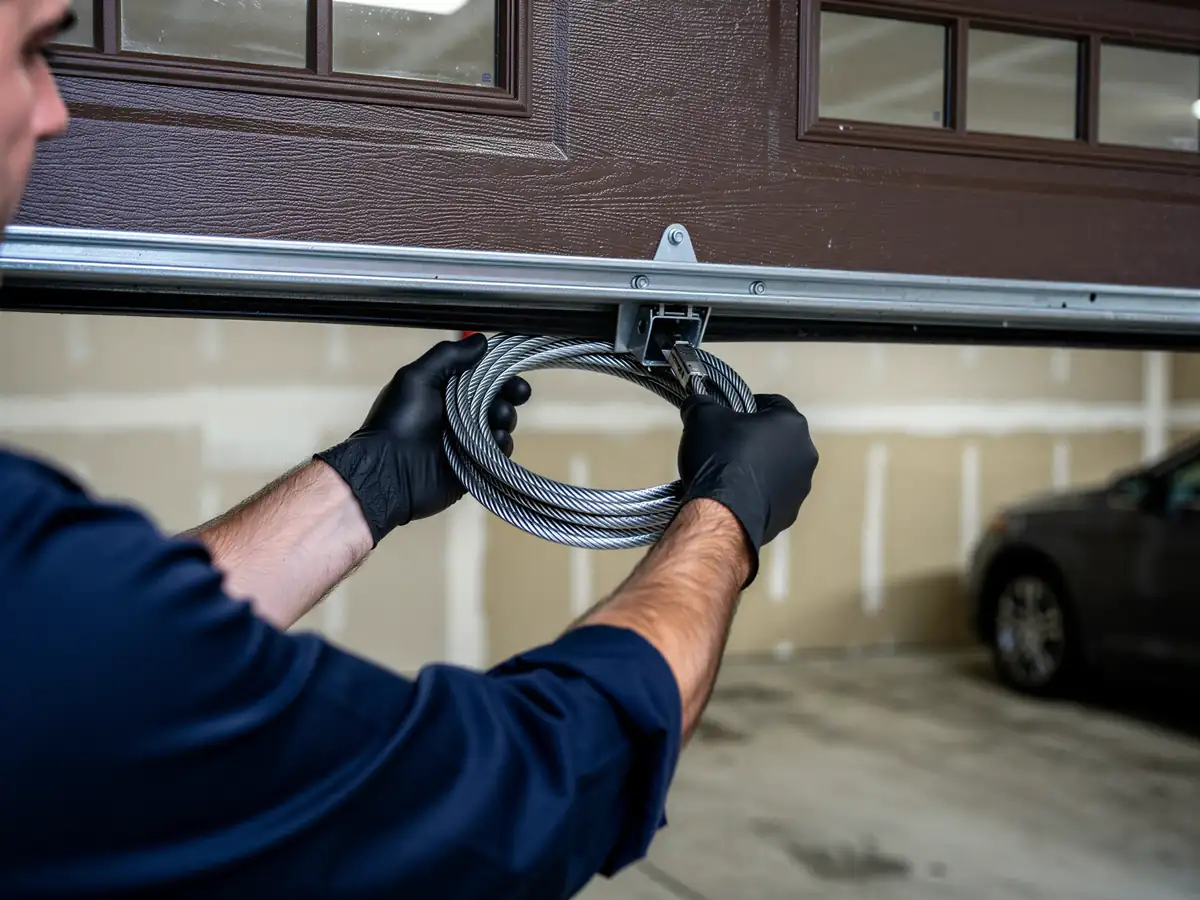
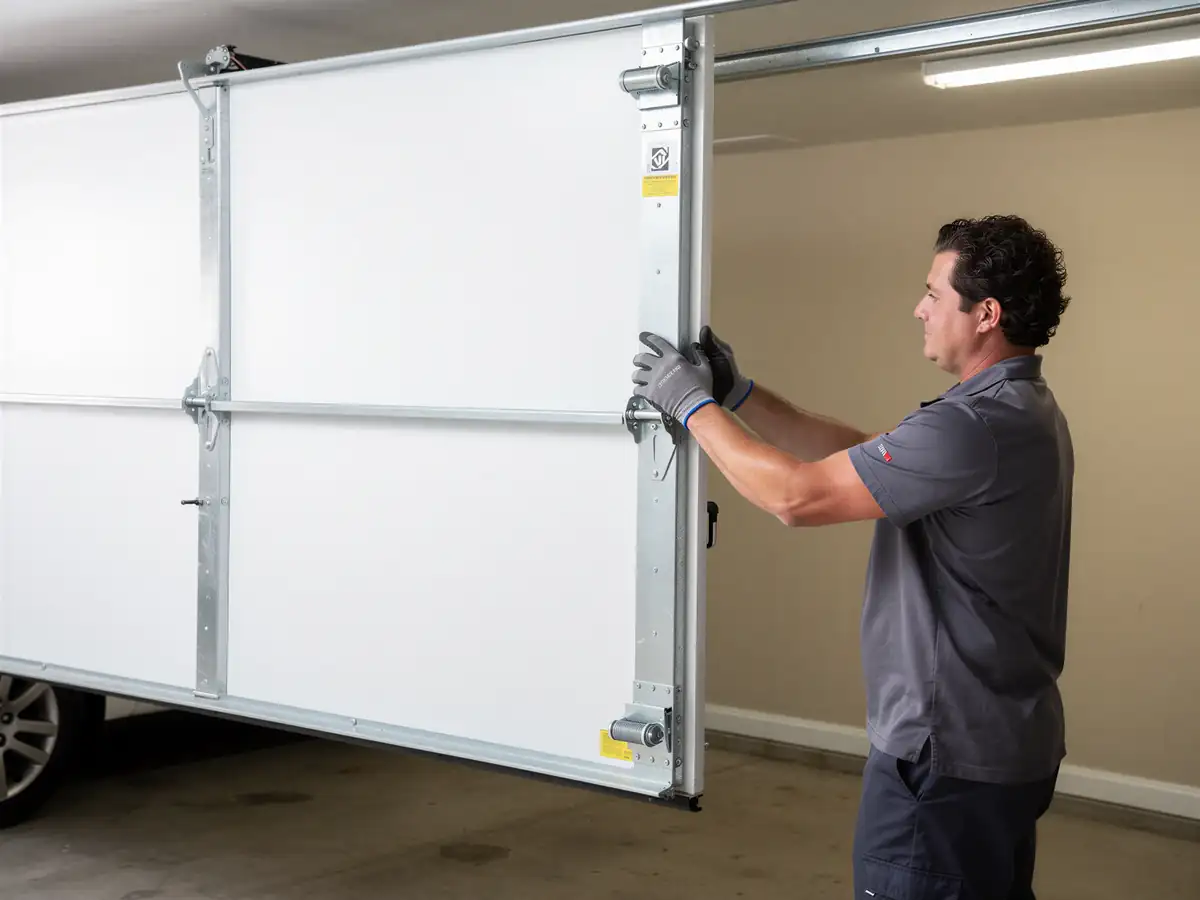
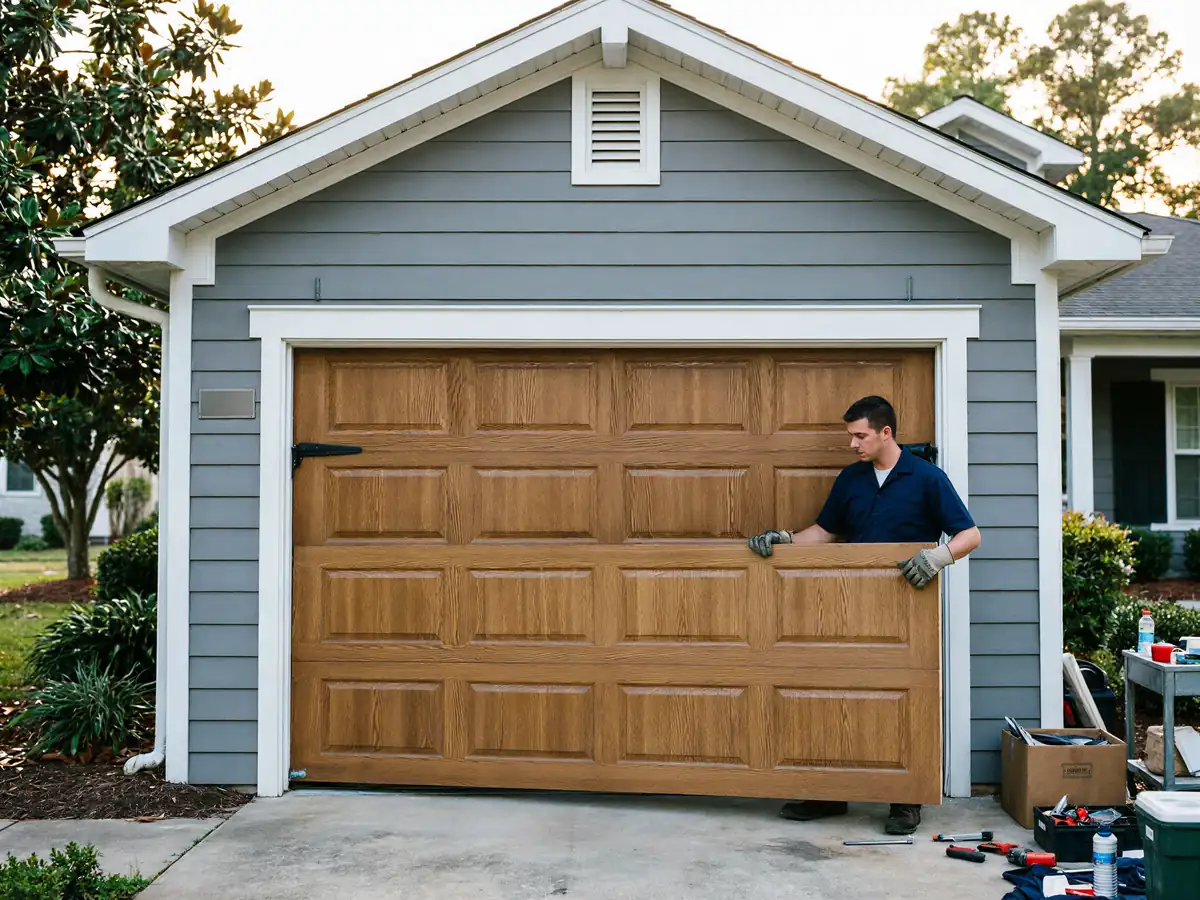
We start by measuring the actual opening, not trusting the door that's in it now, because 1980s framing wasn't always square and shims get added over the years. From there we match the house: most Strasburg builds from this era take a standard double door, steel or insulated steel depending on what you want to spend, with torsion springs sized to the new door's actual weight rather than the old spring that's been compensating for years of wear. We install new track and rollers as part of the job rather than reusing old hardware behind a new face - mixing a new door onto a worn track just moves the failure point. One limit worth saying plainly: if you want a custom wood door or a specific color match to original trim, that's a special order with its own lead time, and we'll tell you the wait up front rather than guess.
Why It Happens Here
This region sits in a cold, severe climate band, and that matters for a door installed in the mid-1980s: the steel contracts in winter enough to loosen fasteners and stiffen old lubricant on tracks that were never upgraded. Combine that with a median household income of $59,614 in Strasburg, noticeably under the $79,137 average across the wider service area, and the pattern we see is doors getting repaired past the point of real economy rather than replaced on schedule - another new roller, another cable, until the frame itself is tired. That's not a knock on anyone's choices, it's just what happens when a door is 40 years old and still basically functional most days. At some point the springs, track, and panel are all near end of life together, and patching one piece stops making sense.
Booking a Visit
If you're in Strasburg and the door is original or close to it, start with a look at what we cover in the area, then decide if full replacement or a repair-first visit makes sense for your specific door. See our Strasburg service area page for coverage details, or read the full rundown of install options on the Winchester installation page before you call.