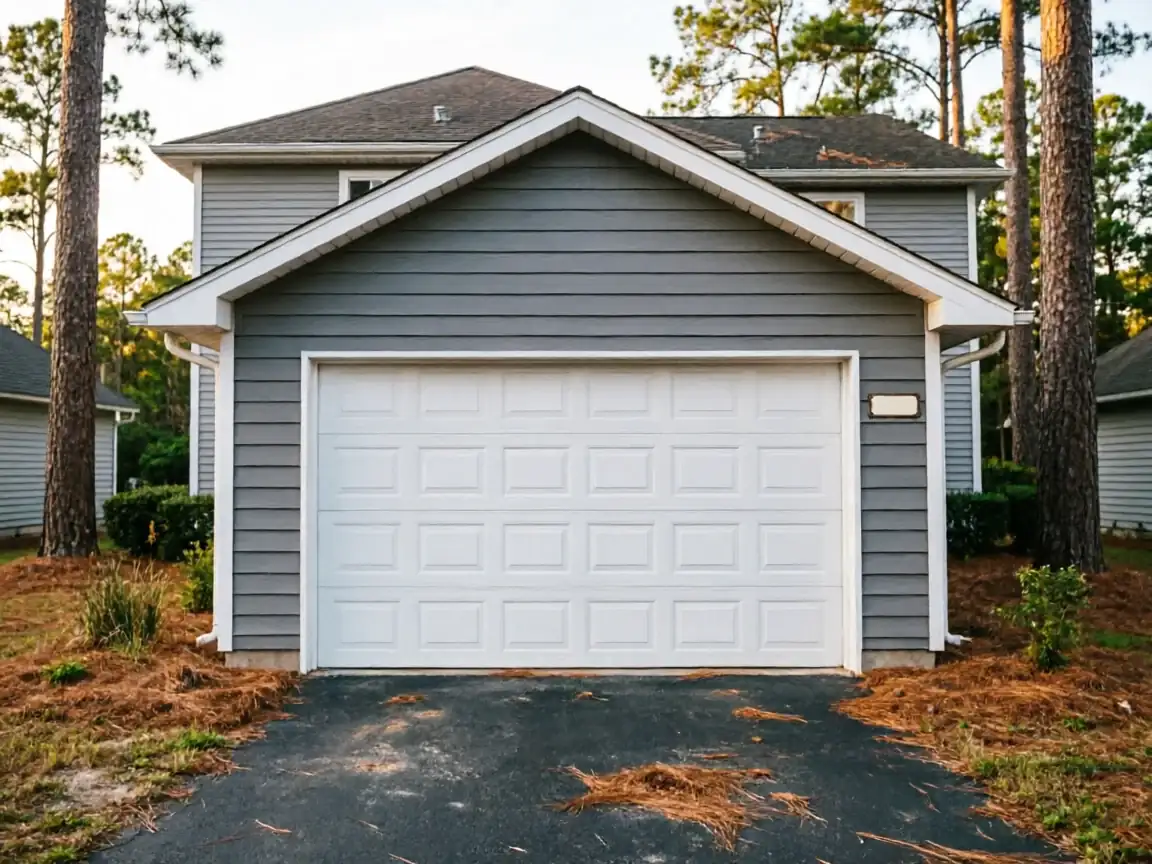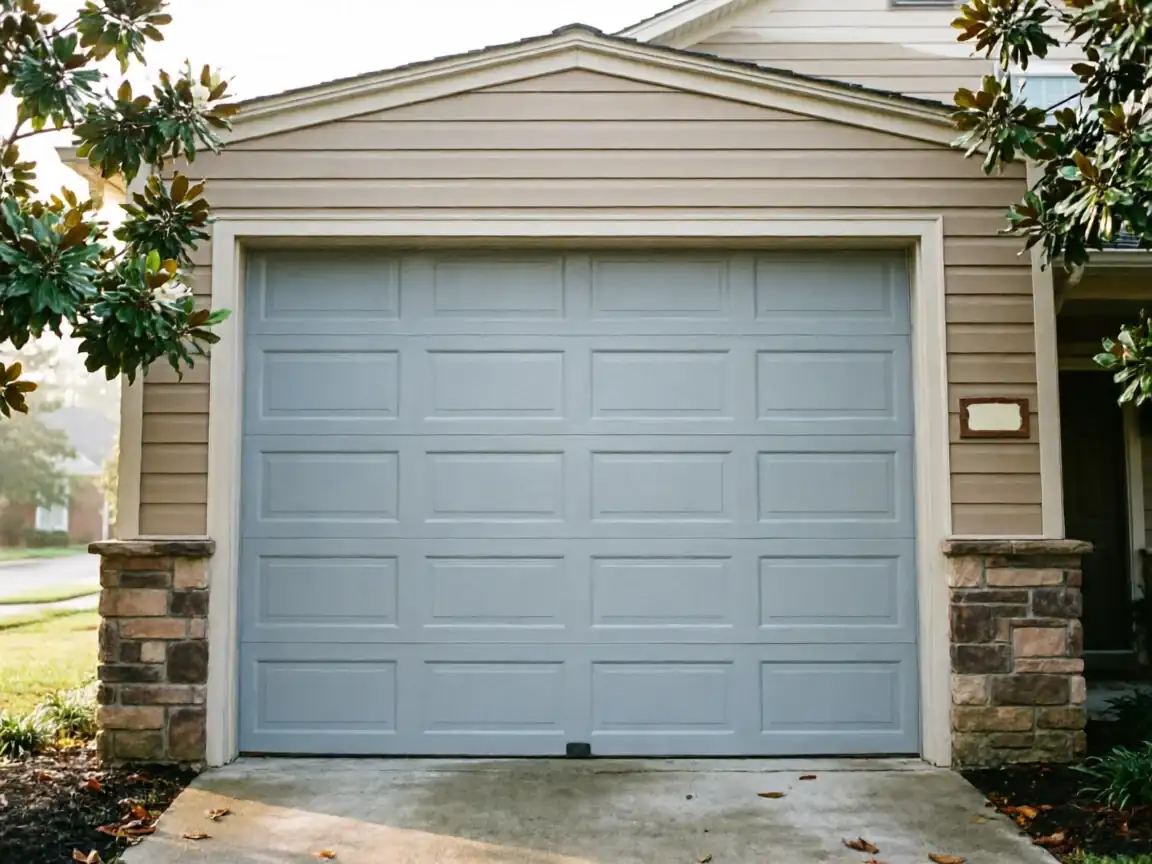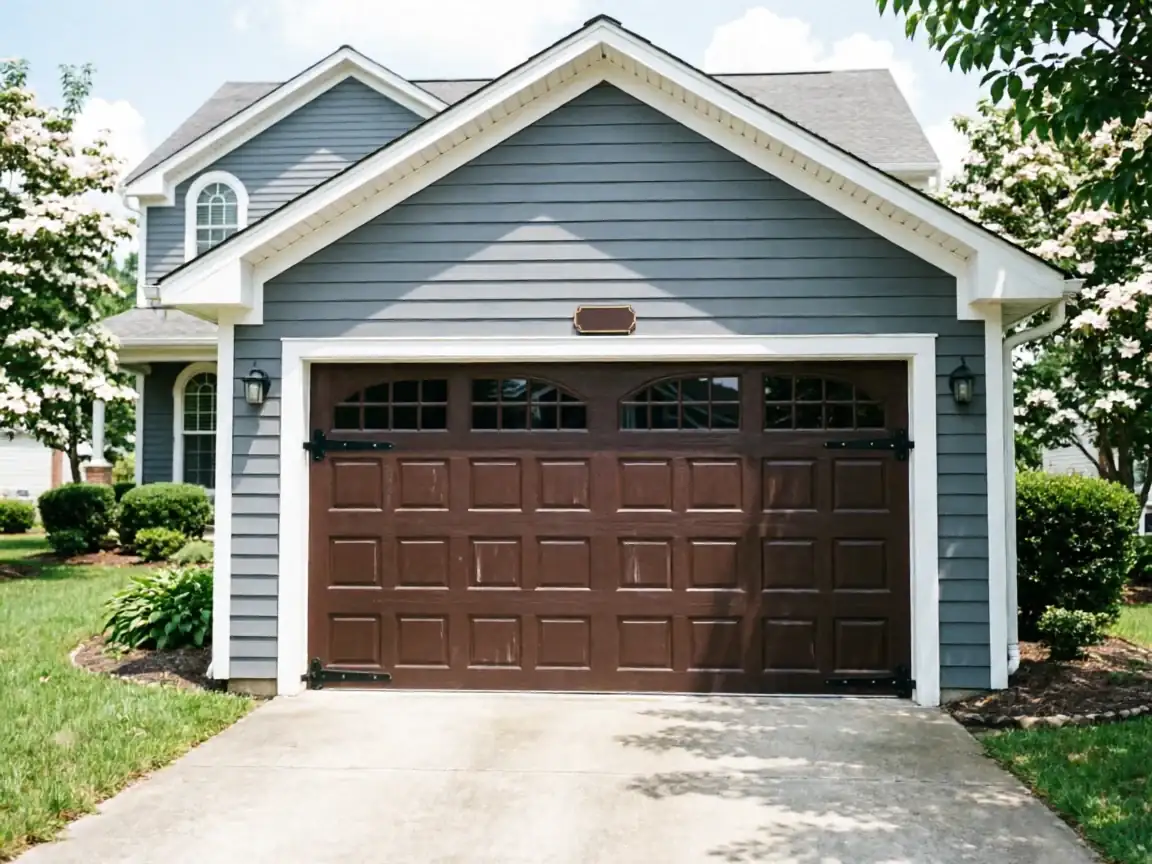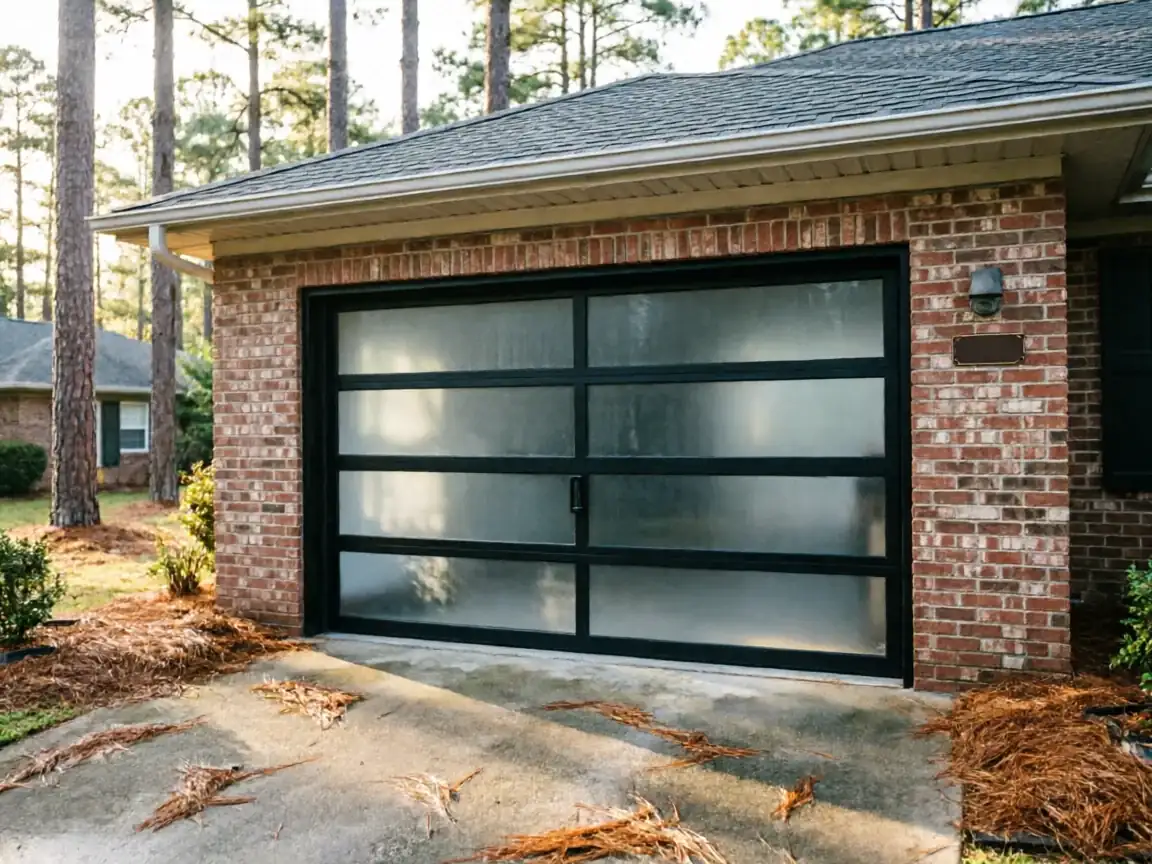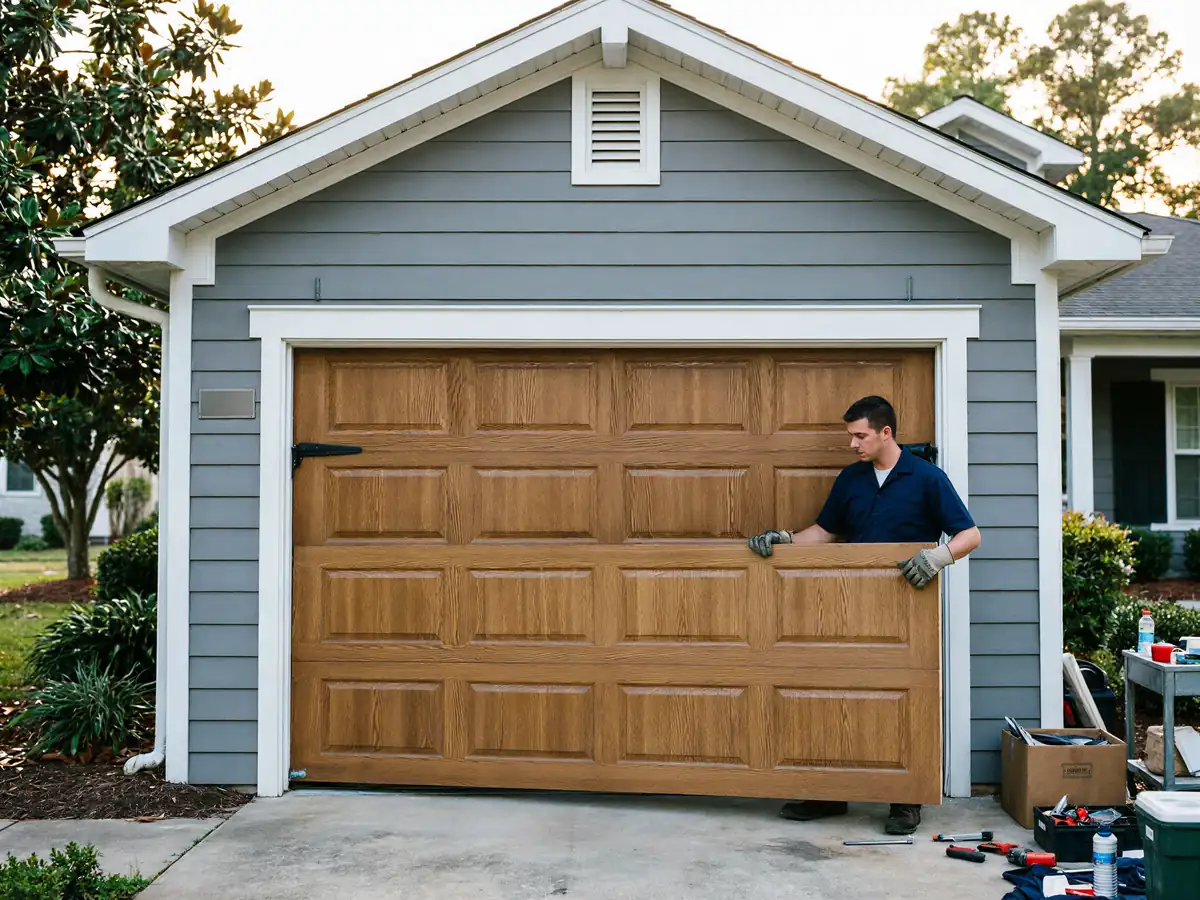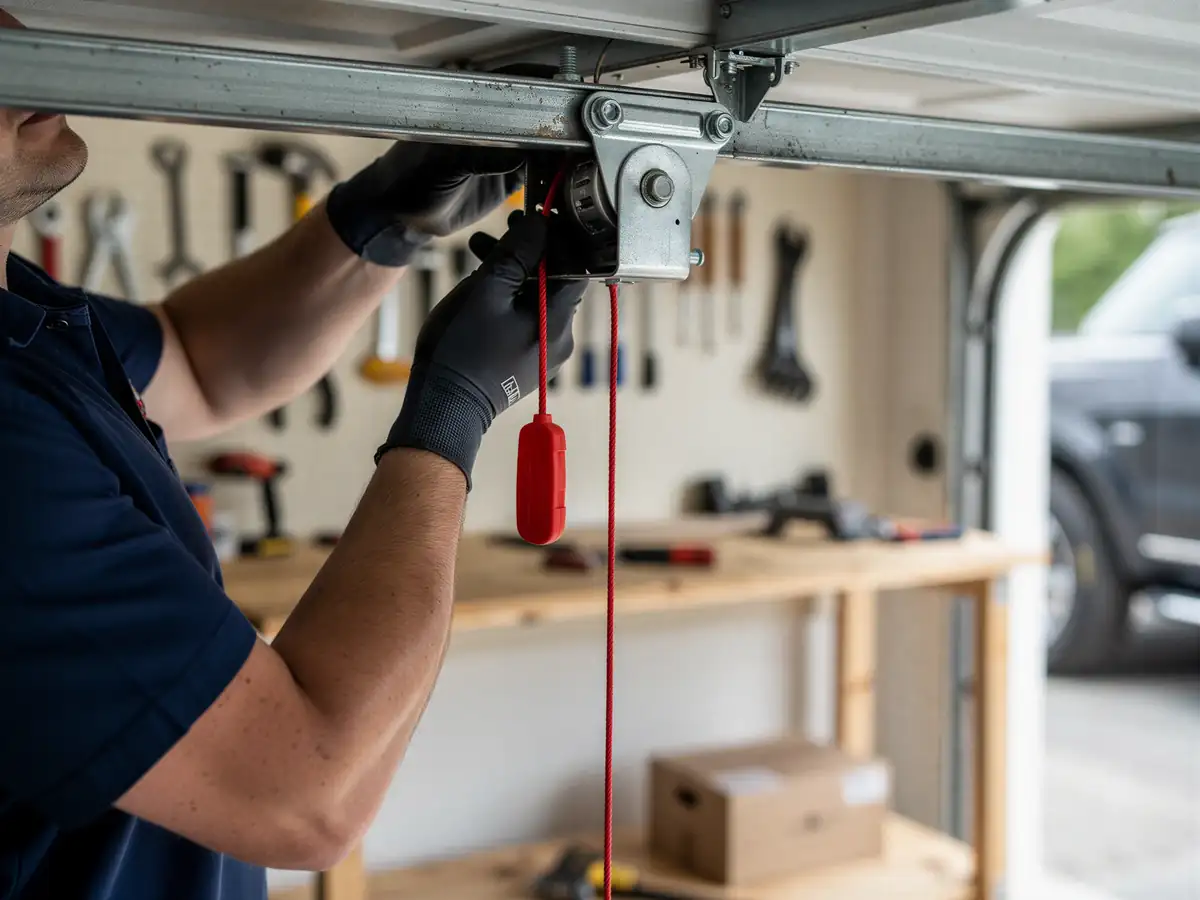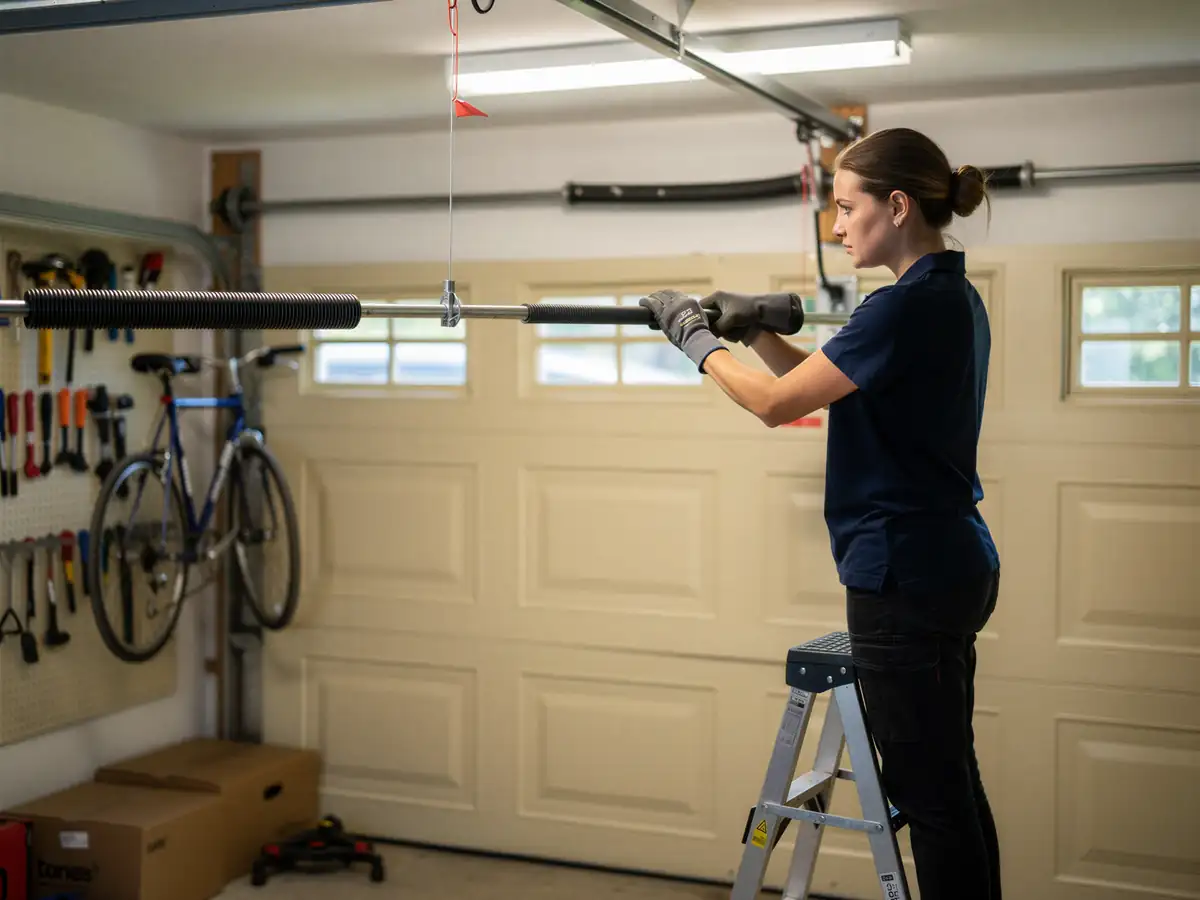
What You Are Seeing
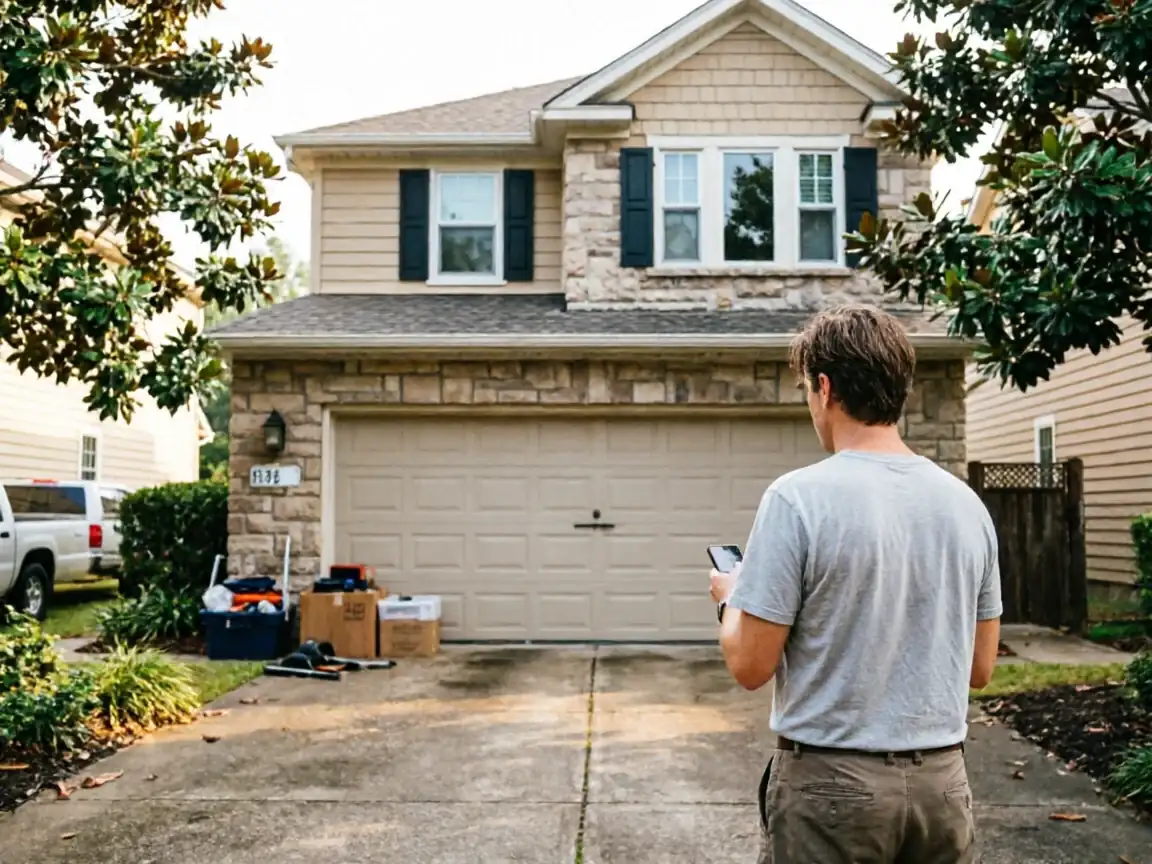
Strasburg is a small town as these things go, just under 3,000 households, which means the garage doors here don't vary much from block to block the way they might in a bigger place. Most of this town's housing went up around 1984, which lines up with the broader 1971-1991 build-out across the wider Winchester service area. That matters because it tells you what's behind the panel before anyone opens it: a lot of these are original torsion setups from the 1980s, or a first-generation replacement opener bolted onto that same hardware sometime in the 90s. You'll see the usual symptoms - a door that won't go up, a spring that let go with a bang, an opener that hums but doesn't lift, a cable that's frayed and jumped the drum. With a town this size, the pattern repeats itself house to house more than it would somewhere with mixed housing eras. That's useful. It means when we ask what year the house was built, we already have a decent guess at what's wrong before the truck leaves Winchester.
How We Fix It
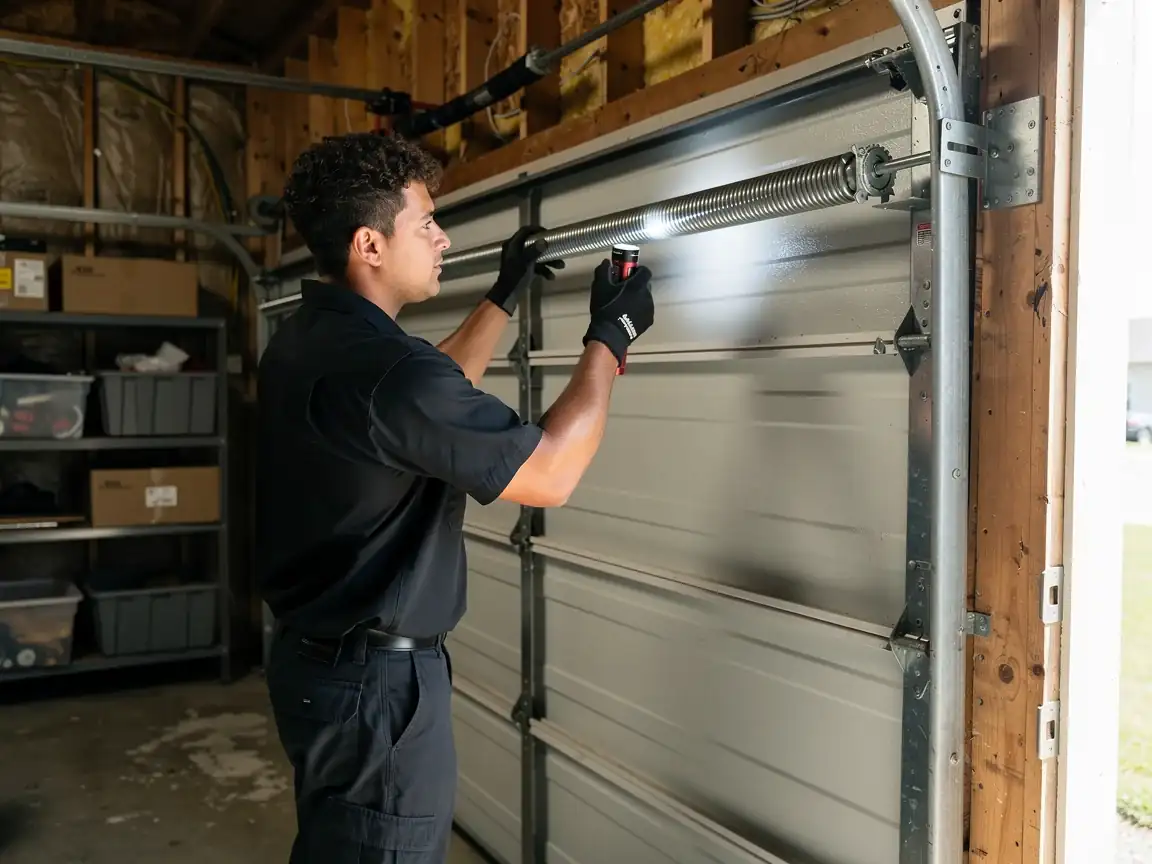
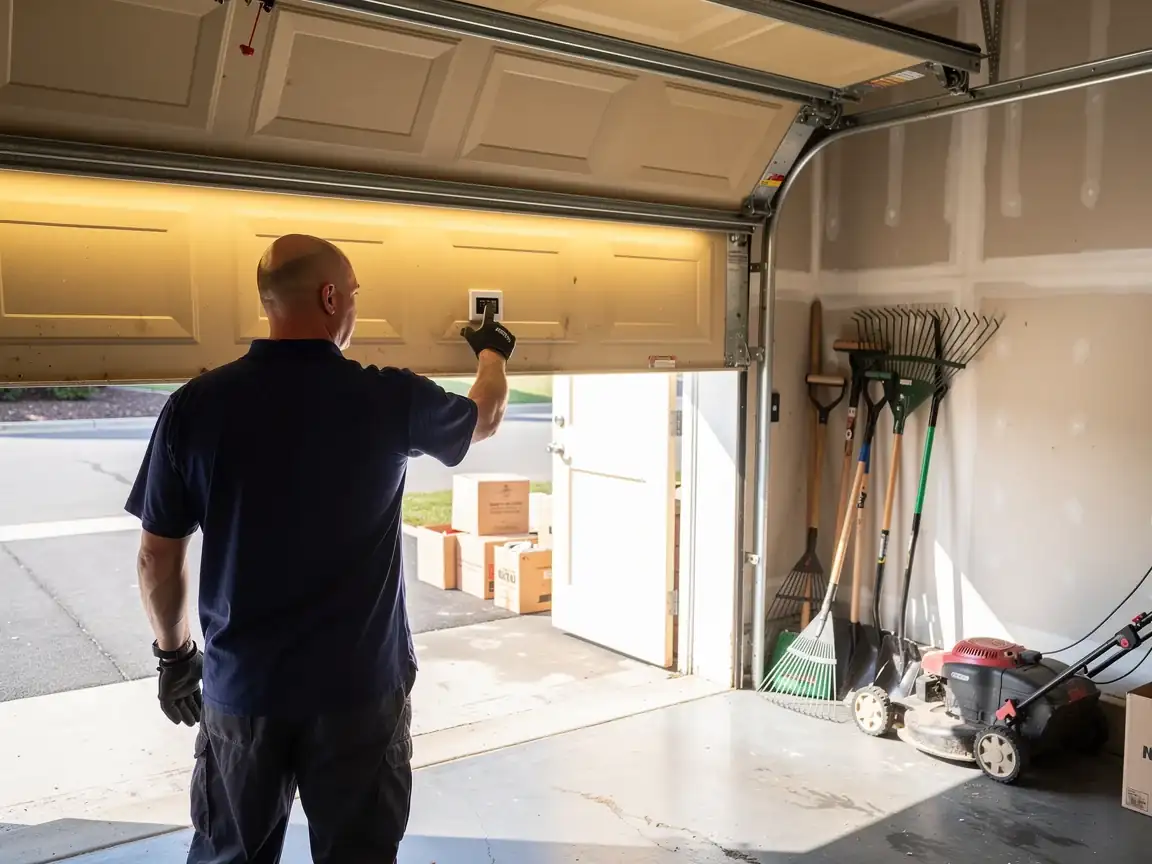
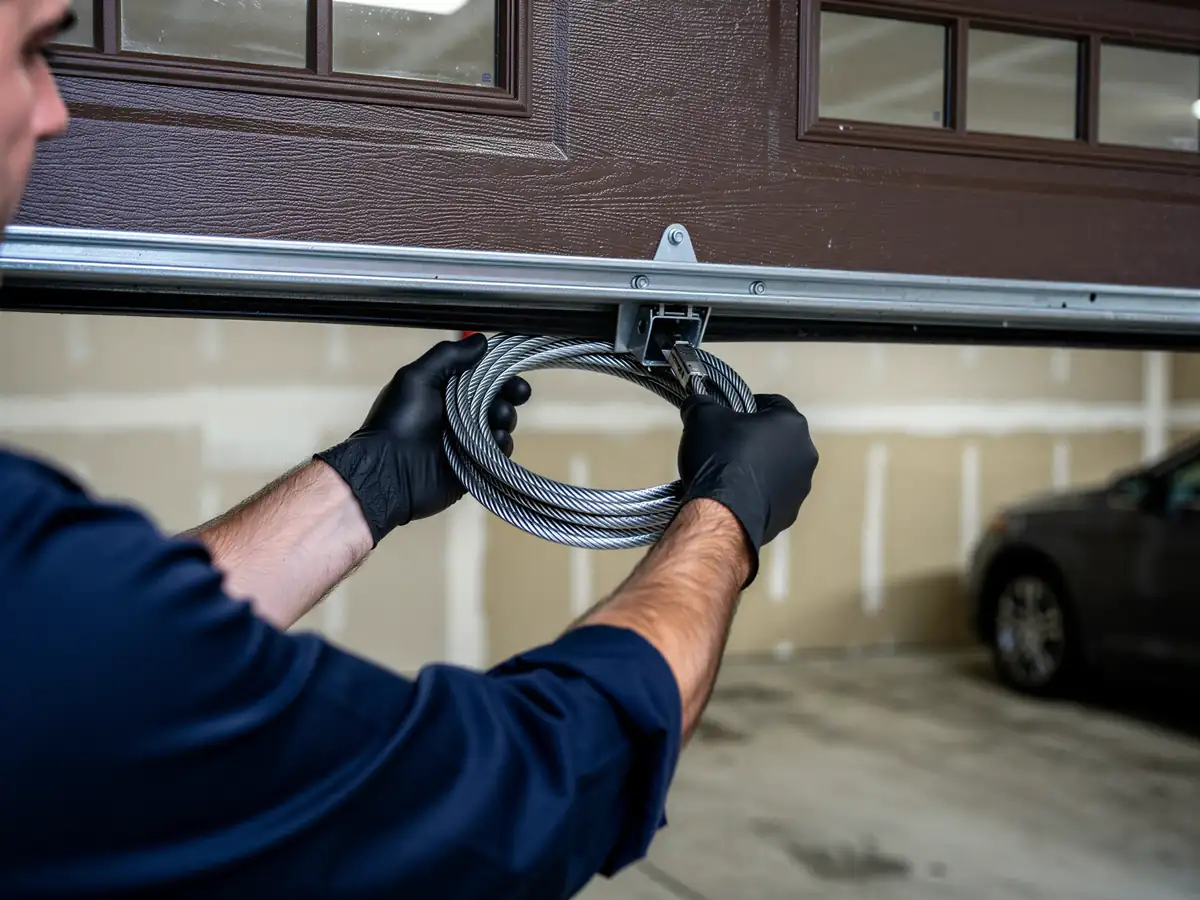
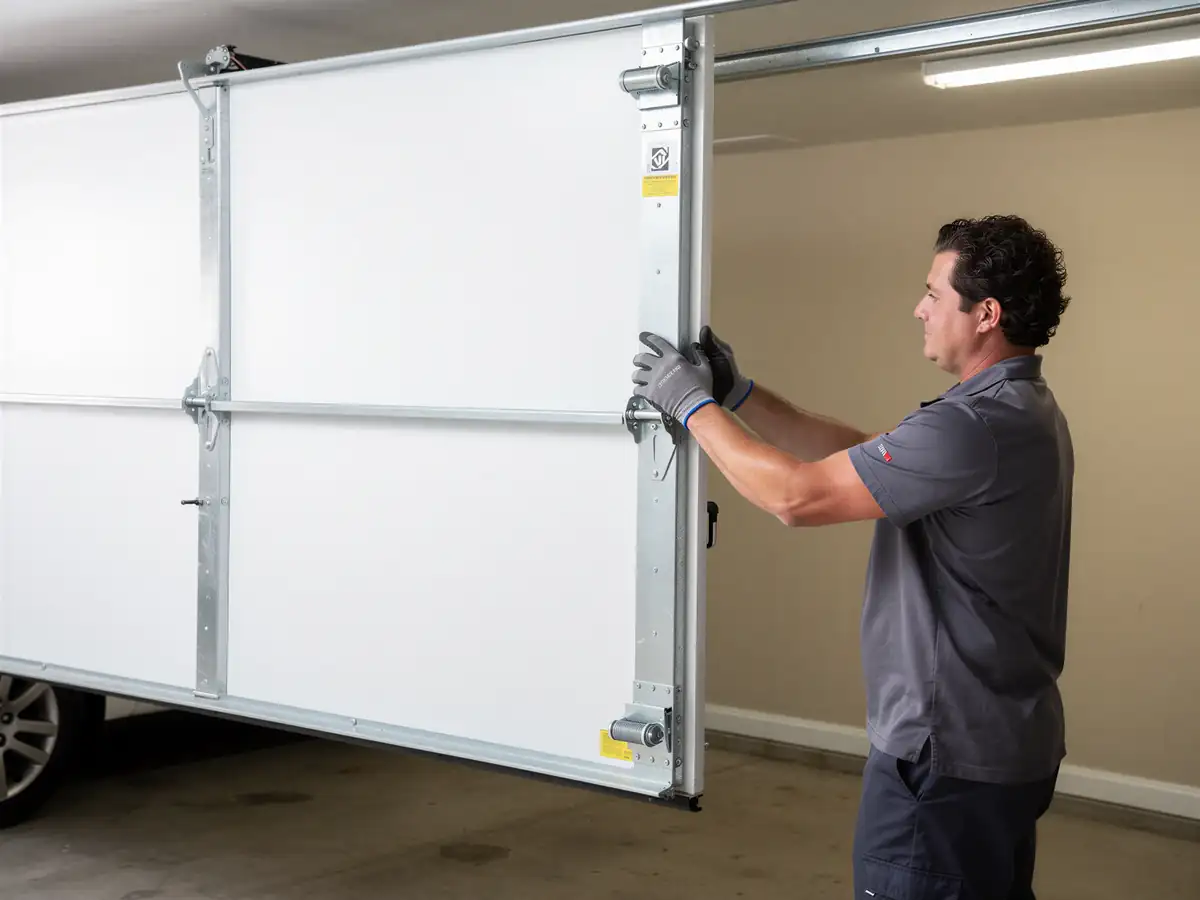
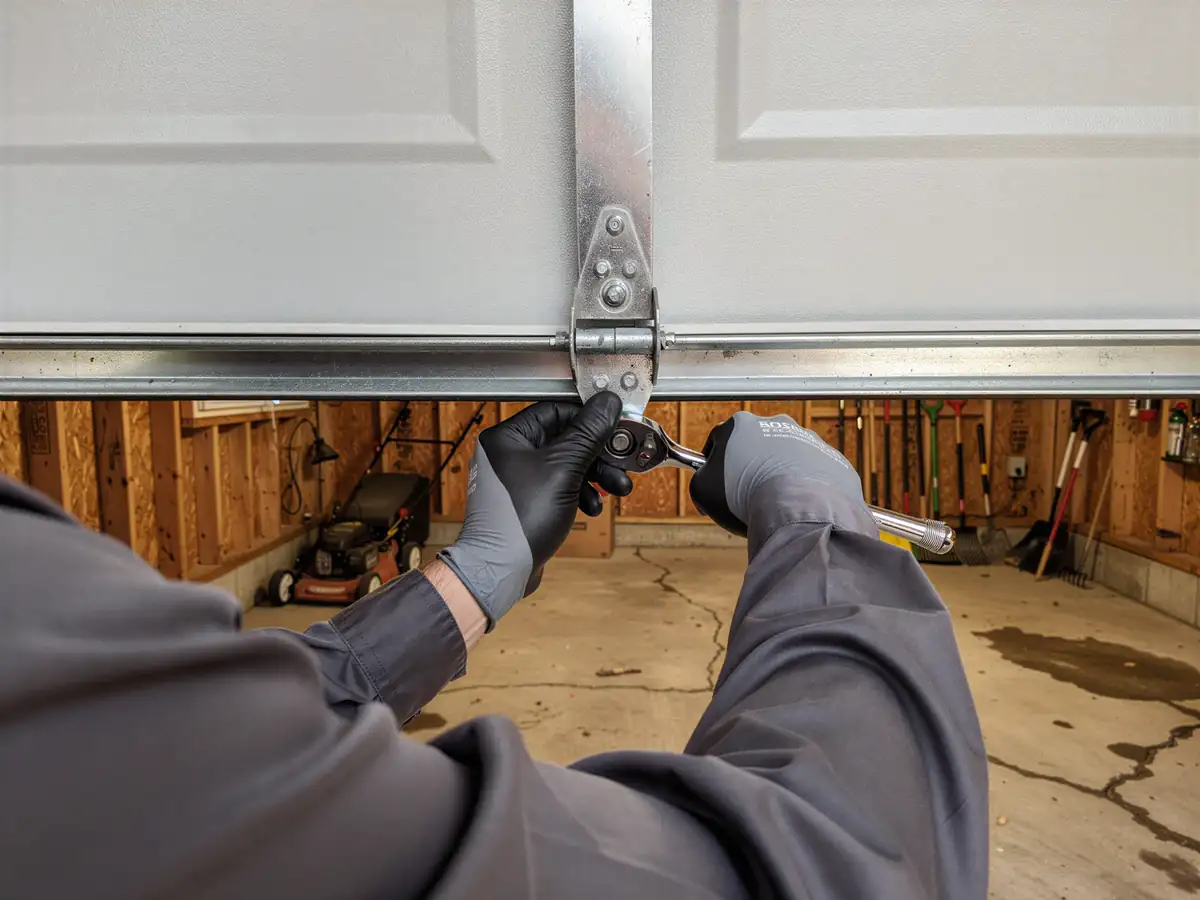
For a spring that's broken or badly stretched, we size and replace it to match the door weight - on 1980s-era doors that's usually a torsion spring on a single shaft above the opening, and we check the drums and cables at the same time since they wear on the same schedule. If the opener's the problem, we test the logic board, the sensors, and the drive mechanism before replacing anything; a lot of what looks like a dead opener is actually a safety sensor knocked out of alignment or a worn gear inside the unit. Tracks that have come loose or bent, usually from a car bumping the door or years of minor settling, get re-hung and re-leveled rather than replaced outright when the metal's still straight enough. One honest limit: if a door's wood panels have rotted through or the track is bent beyond pulling straight, repair stops making sense and replacement is the better money. We'll tell you when that's the case instead of patching something that'll fail again in a season.
Why It Happens Here
The town's winters put real strain on garage door hardware that newer code and newer materials handle better than 1980s stock does. This area sits in a cold climate band with severe winter conditions, and a spring or cable that's been cycling for three or four decades in that kind of cold gets brittle faster than the same part would somewhere milder. Steel fatigues, lubrication dries out, and a torsion spring that's lasted twenty winters can let go on the twenty-first without much warning. Garages that aren't insulated - common in houses from this era - see bigger temperature swings inside the space itself, which adds to the wear on rollers and track hardware. None of this is unique to any one house in Strasburg; it's a function of when the town was built and what it's been through since. It's also why a repair here often turns into a conversation about the spring's age, not just the one that broke.
Booking a Visit
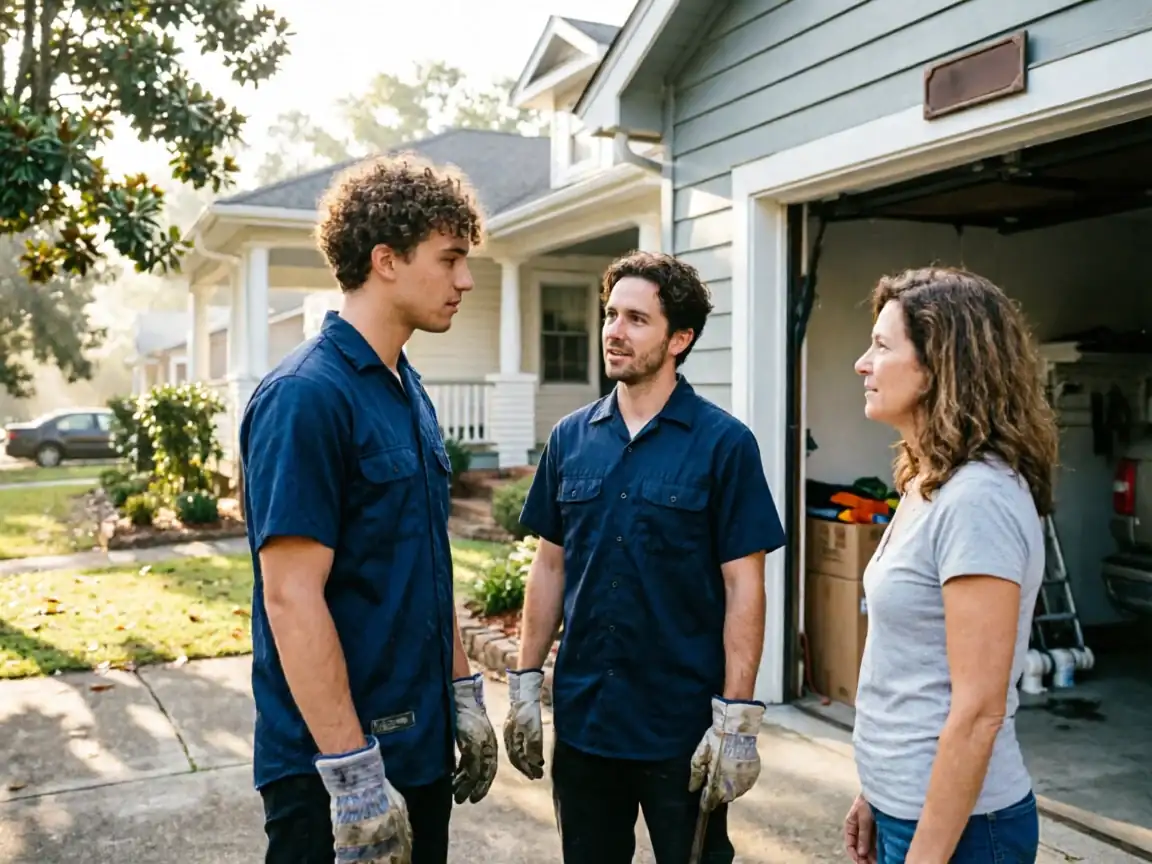
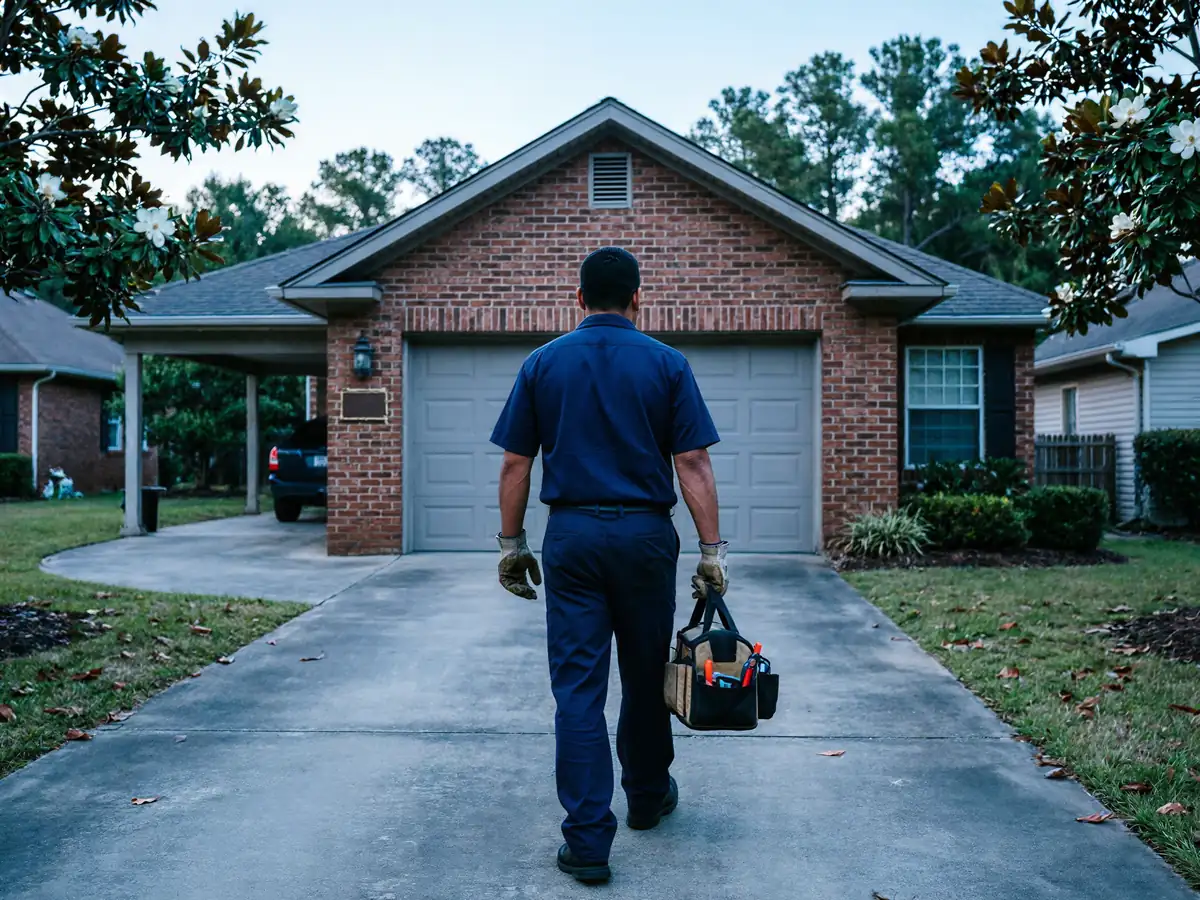
If you're in Strasburg and a door won't move, is stuck halfway, or an opener's gone quiet, tell us what year the house was built and what the door's doing - that's usually enough for us to bring the right spring and cable stock out on the first trip. We travel to Strasburg from Winchester, so there's a drive involved either way, but the hardware patterns here are consistent enough from house to house that most jobs don't need a second visit. For more on how we cover this town specifically, see our Strasburg service area page. If you want the full rundown of repair and installation work we handle across the region, that's on the Winchester garage door repair page.