Stocked Parts
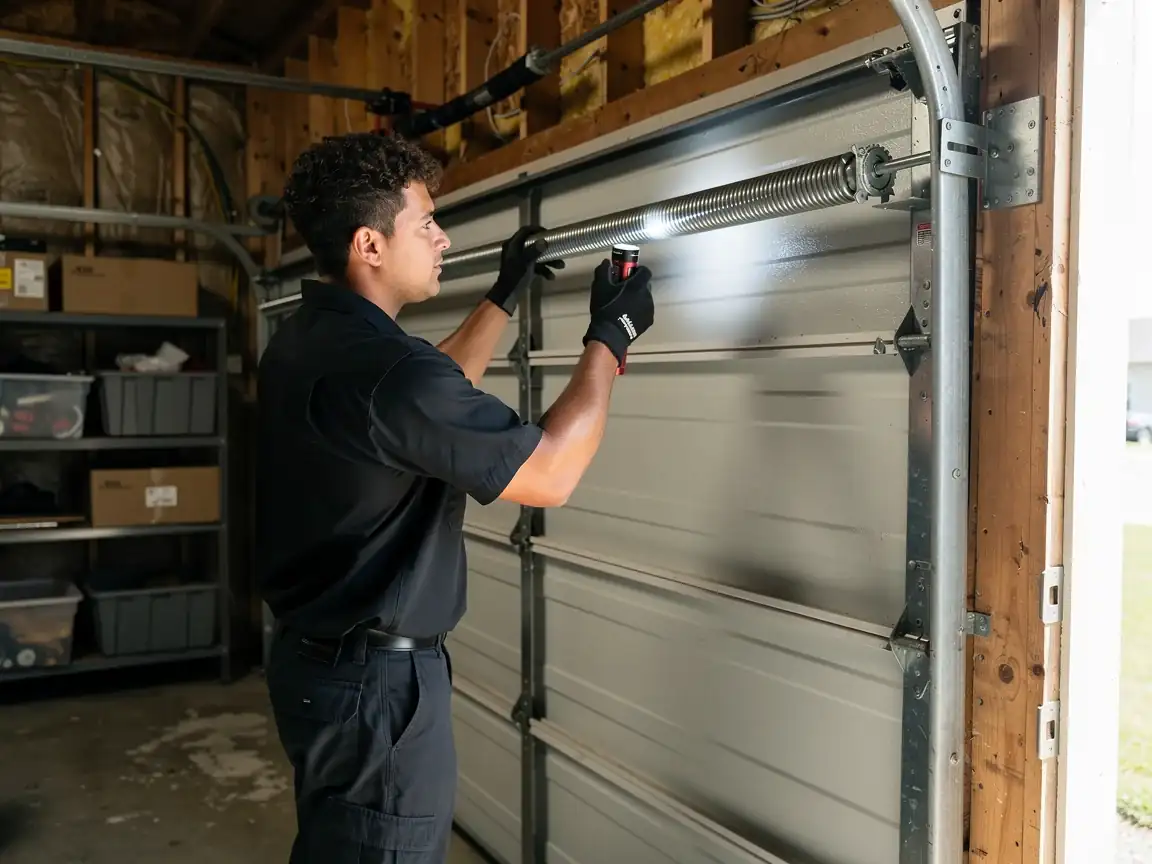
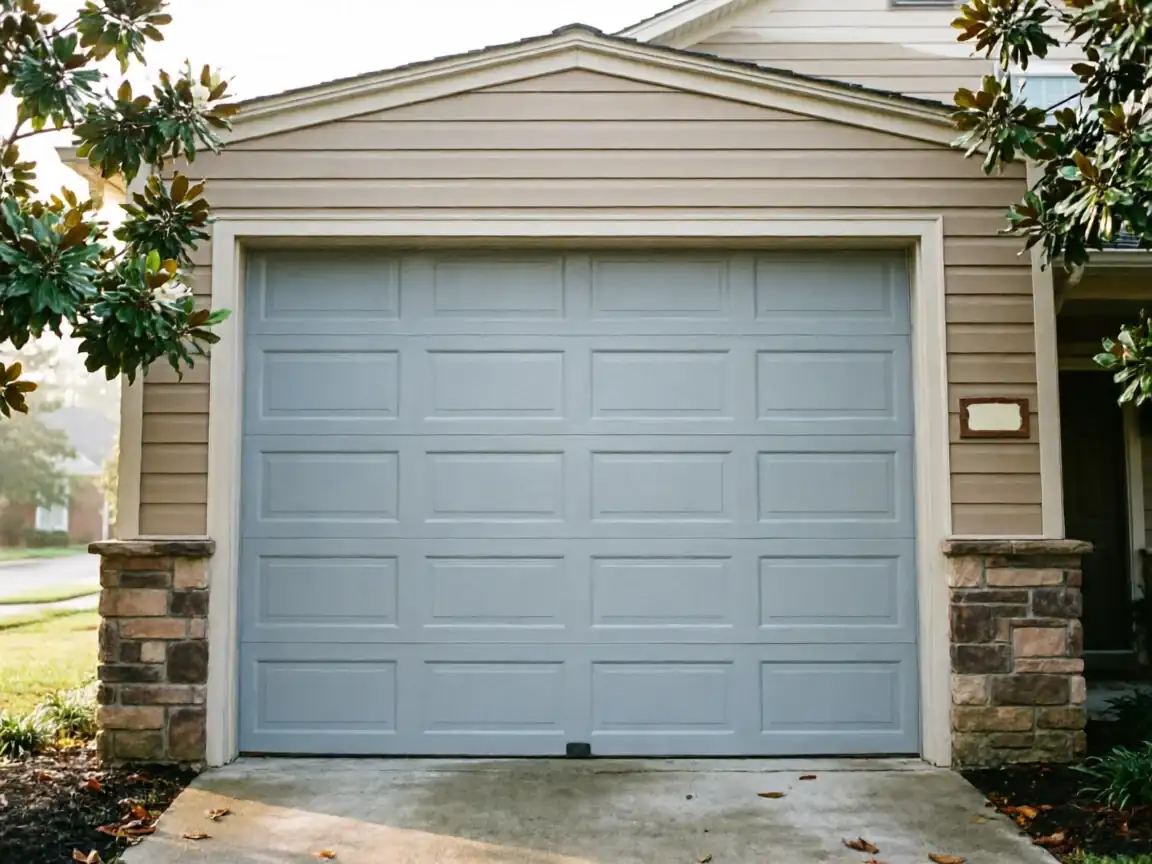
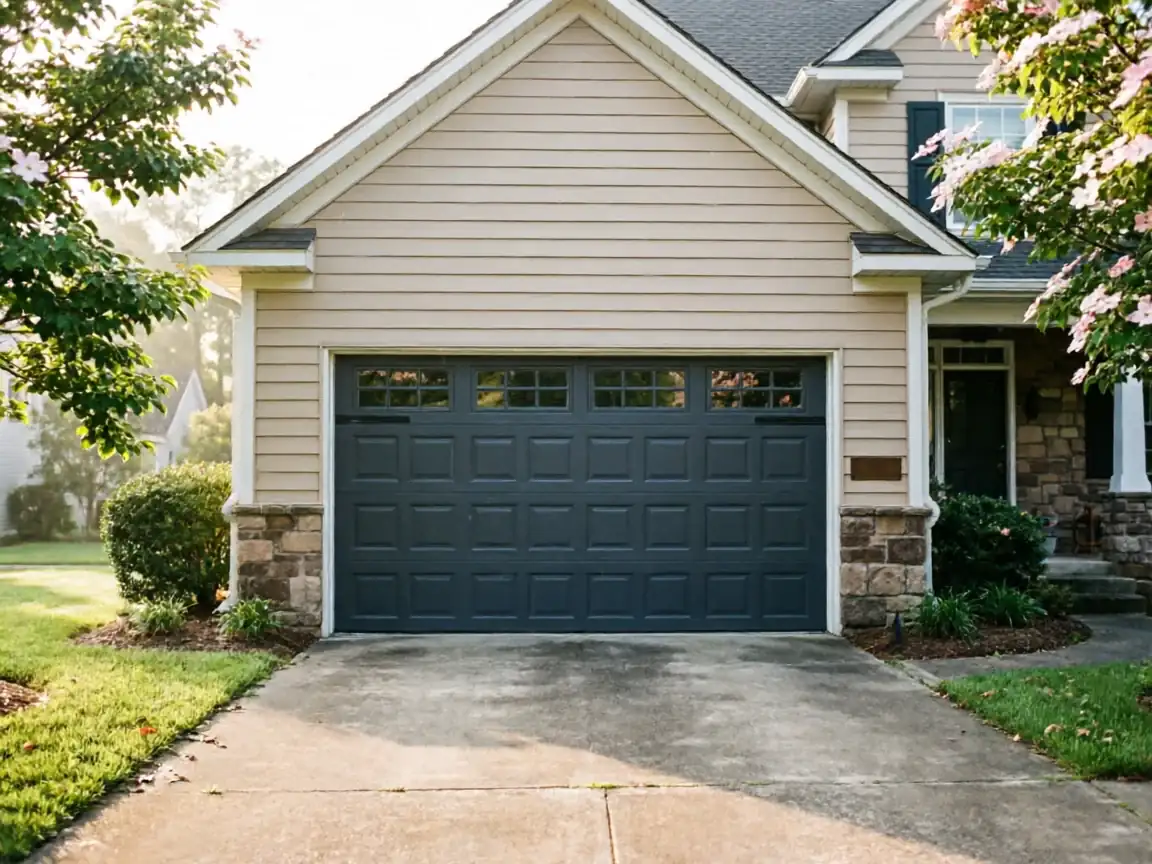
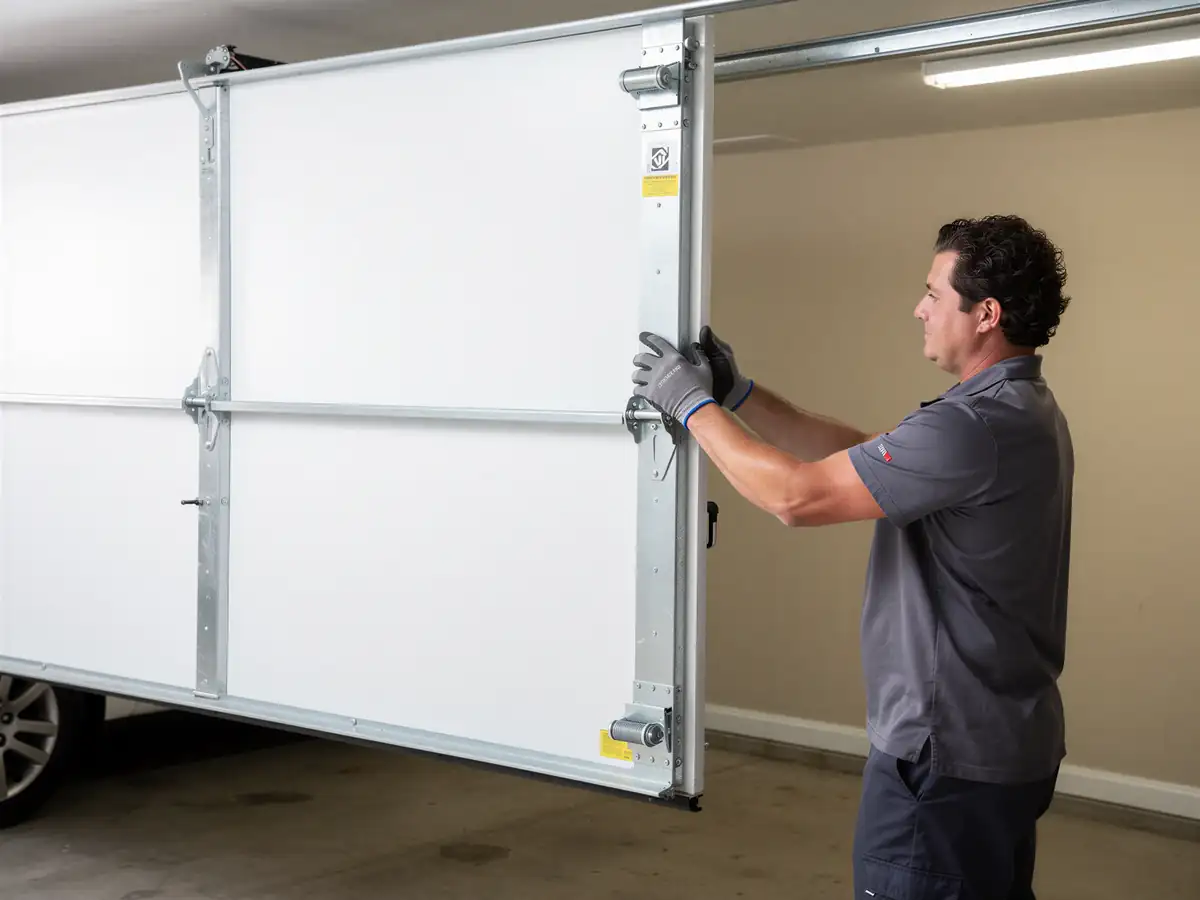
Most of the calls we get from Stephens City start the same way: a door that's original to the house, or close to it. With a median build year around 1979, a lot of these garages still have the single-layer steel doors that came standard back then - no insulation, thin panel skin, and track hardware sized for openers that don't exist anymore. When one of those doors finally gives out, it's rarely one part. The track is bent from years of a sagging panel riding against it, the rollers are the original steel ones, and the opener bracket doesn't match anything we'd put in today.
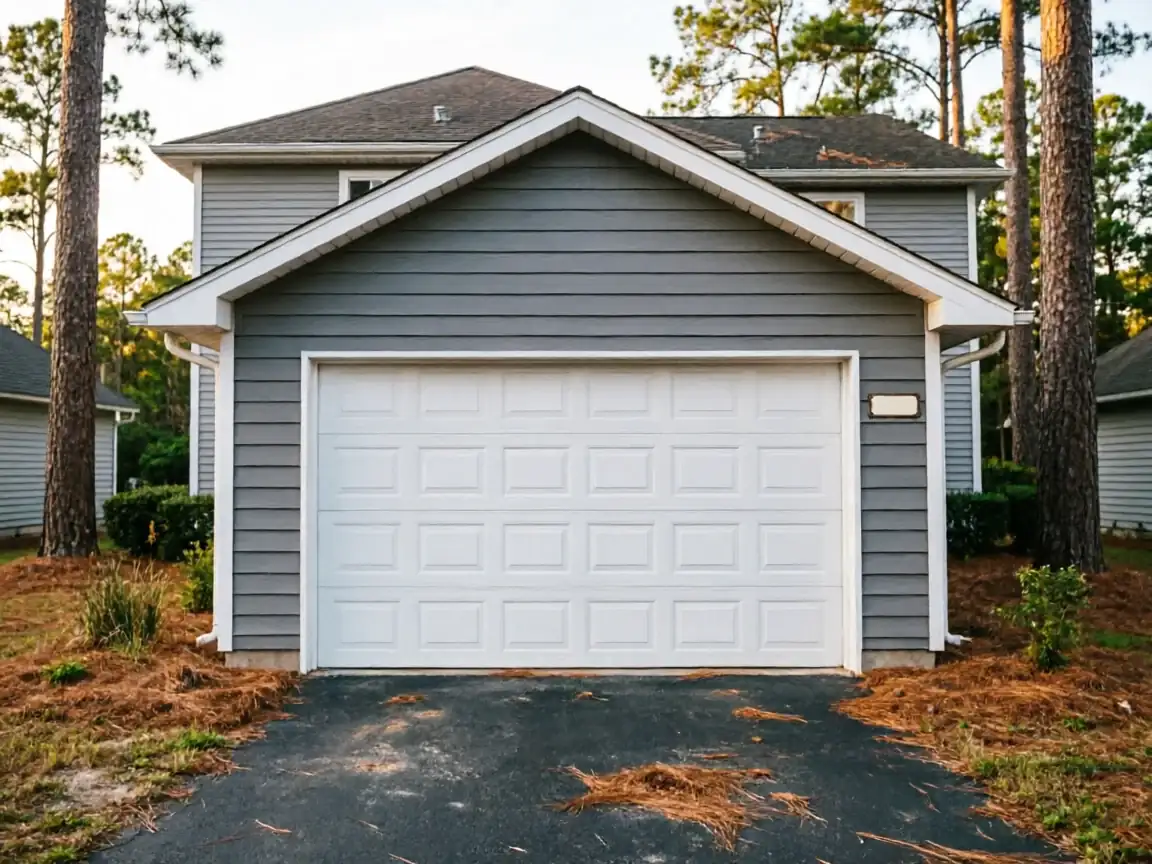
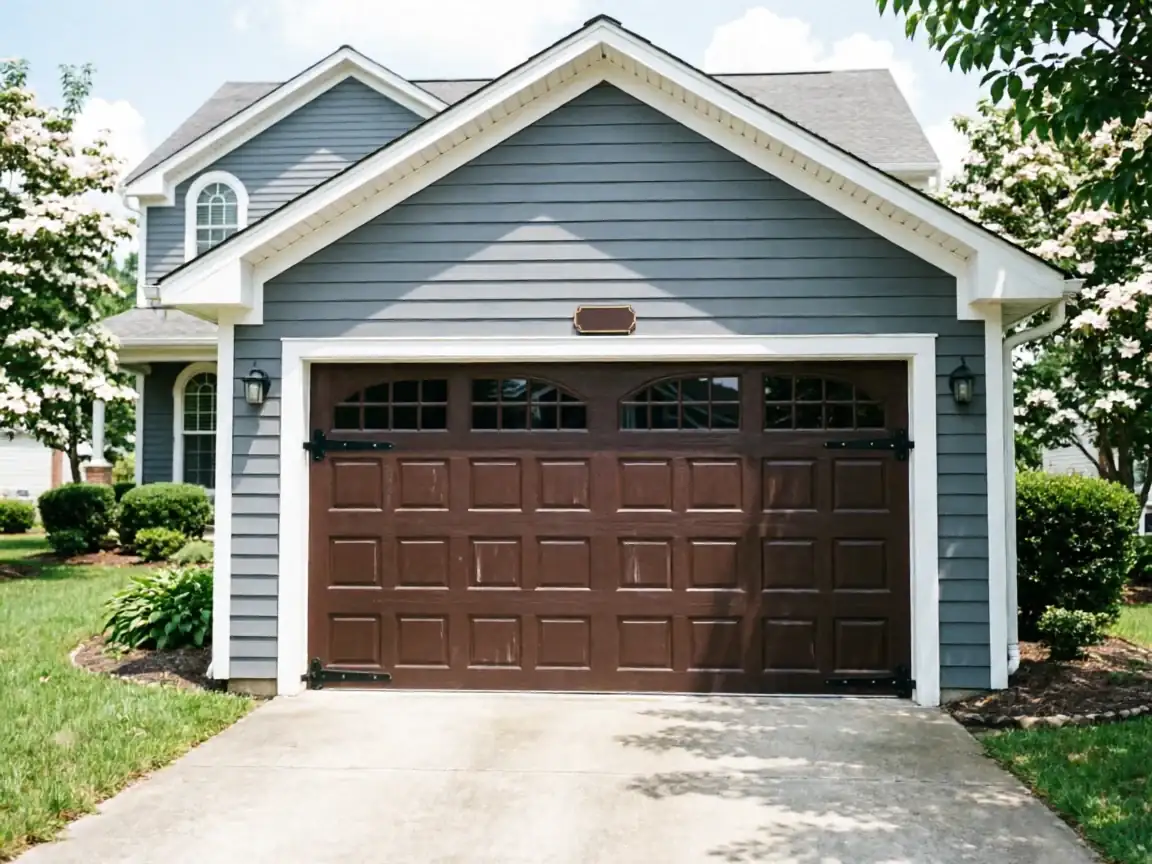
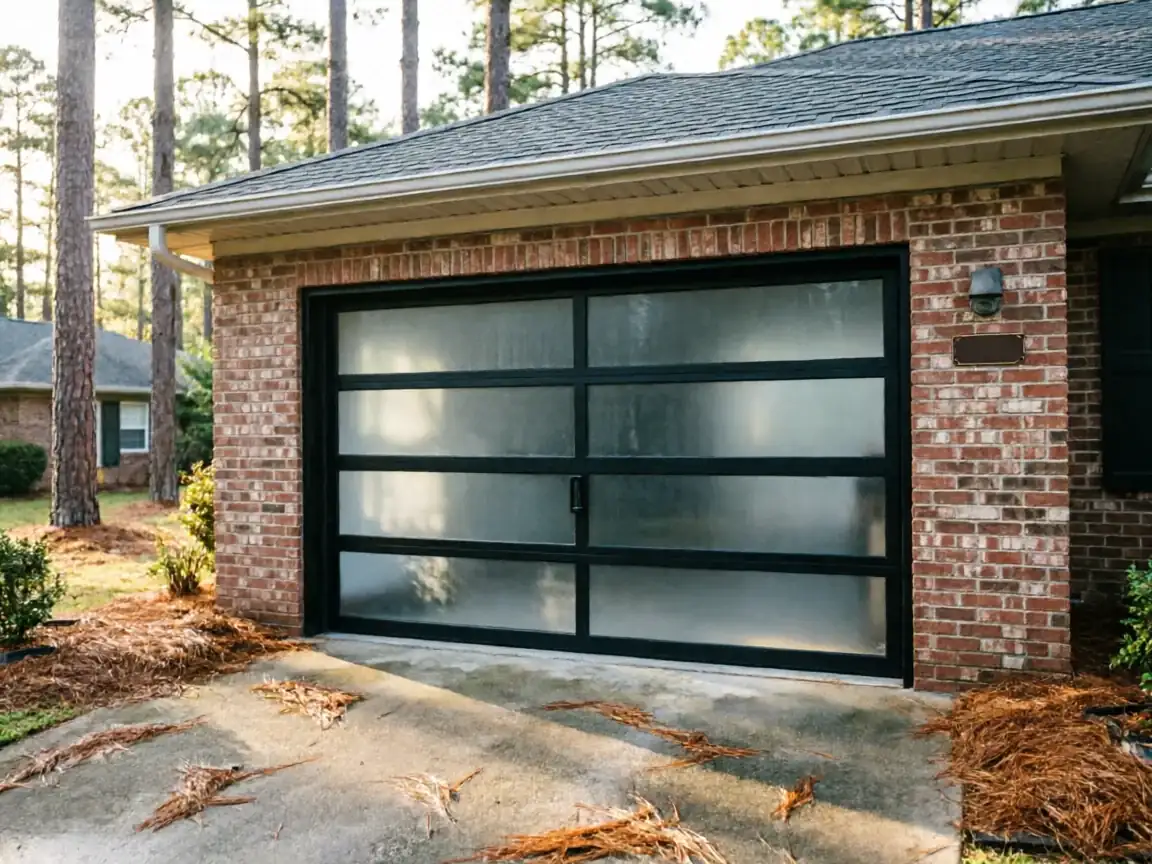
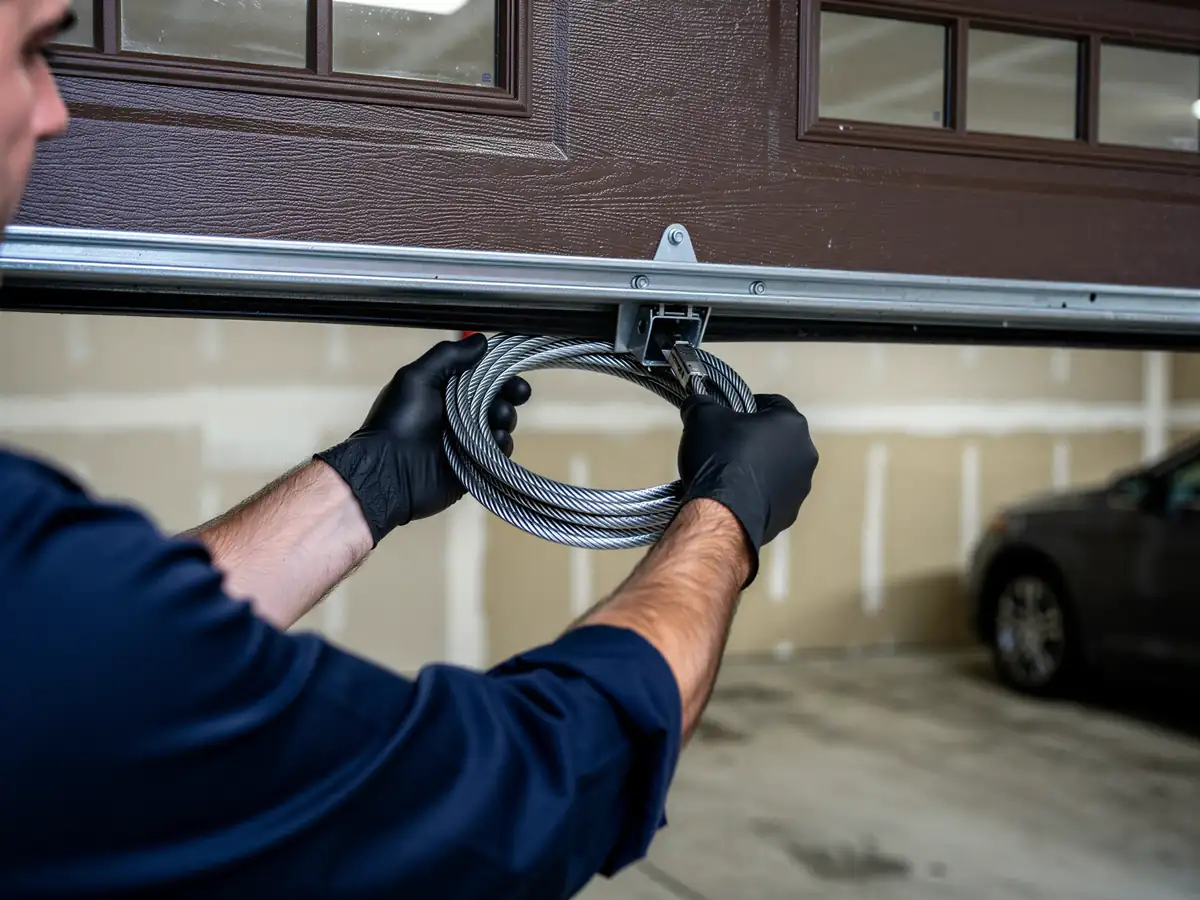
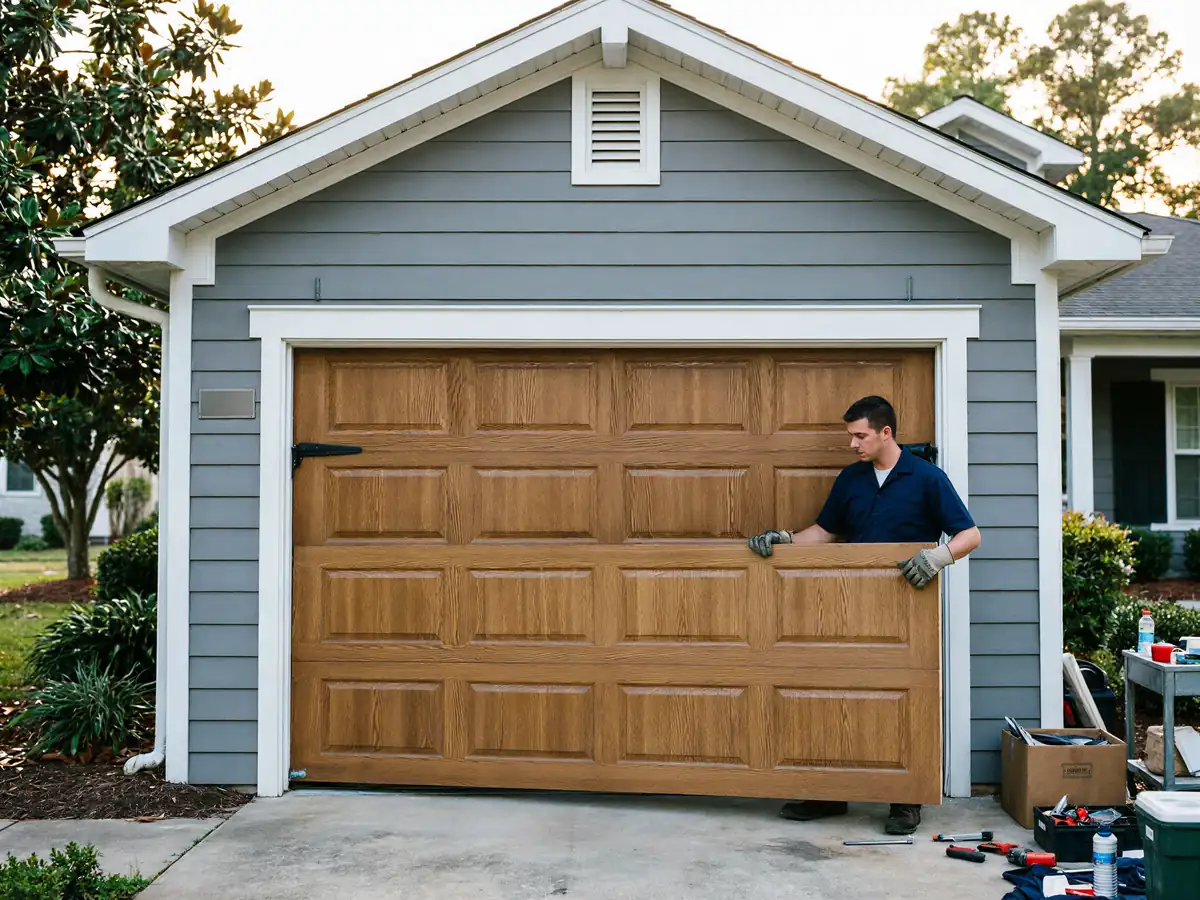
Across the wider area the housing stock runs 1971 to 1991, with most of the neighborhoods built out in that same late-70s-to-90s window. That matters for installs because it tells us what we're taking out before we get there - standard 7-foot openings, older spring sizing, and door widths that newer stock doors sometimes need an adapter kit to fit. We carry current stock doors and matching track hardware sized for these openings, so a full swap doesn't turn into a special-order job.
The DIY Question
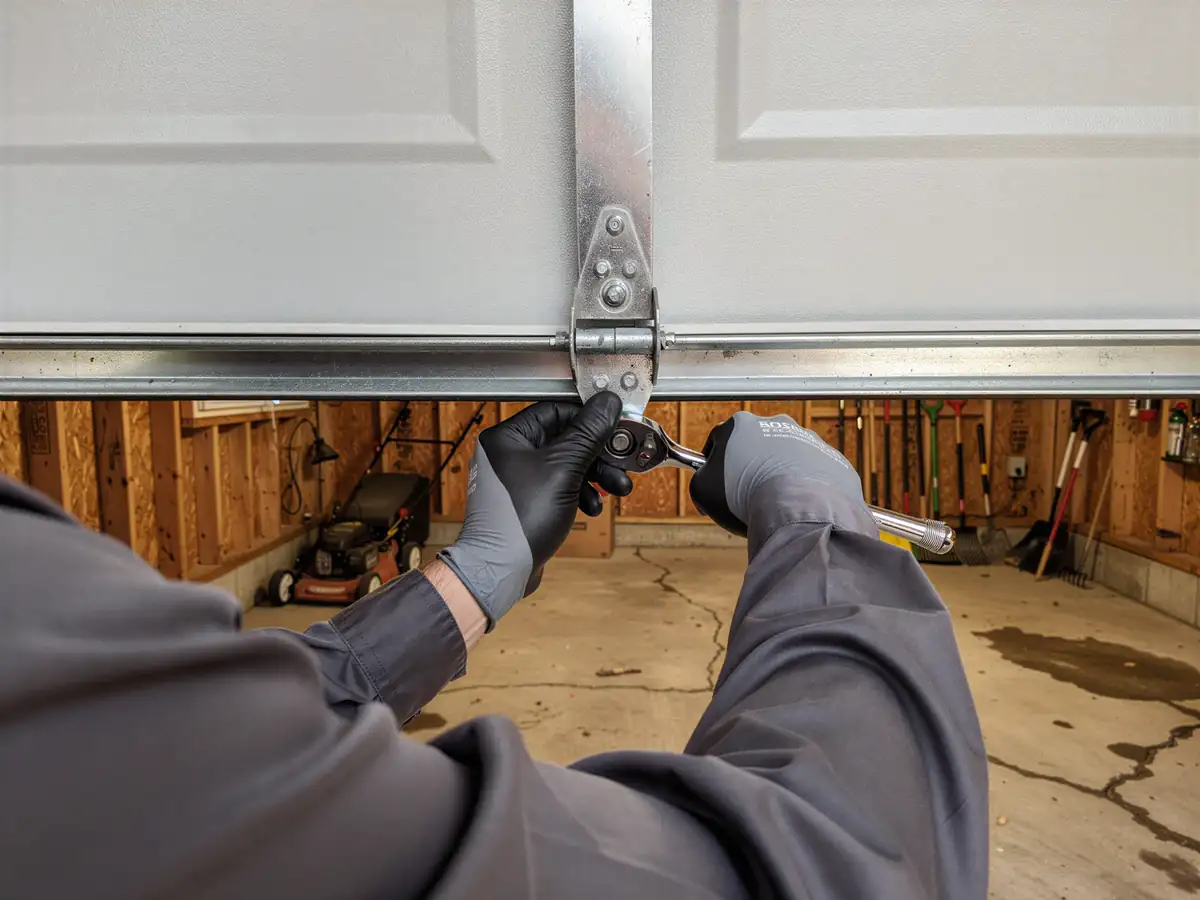
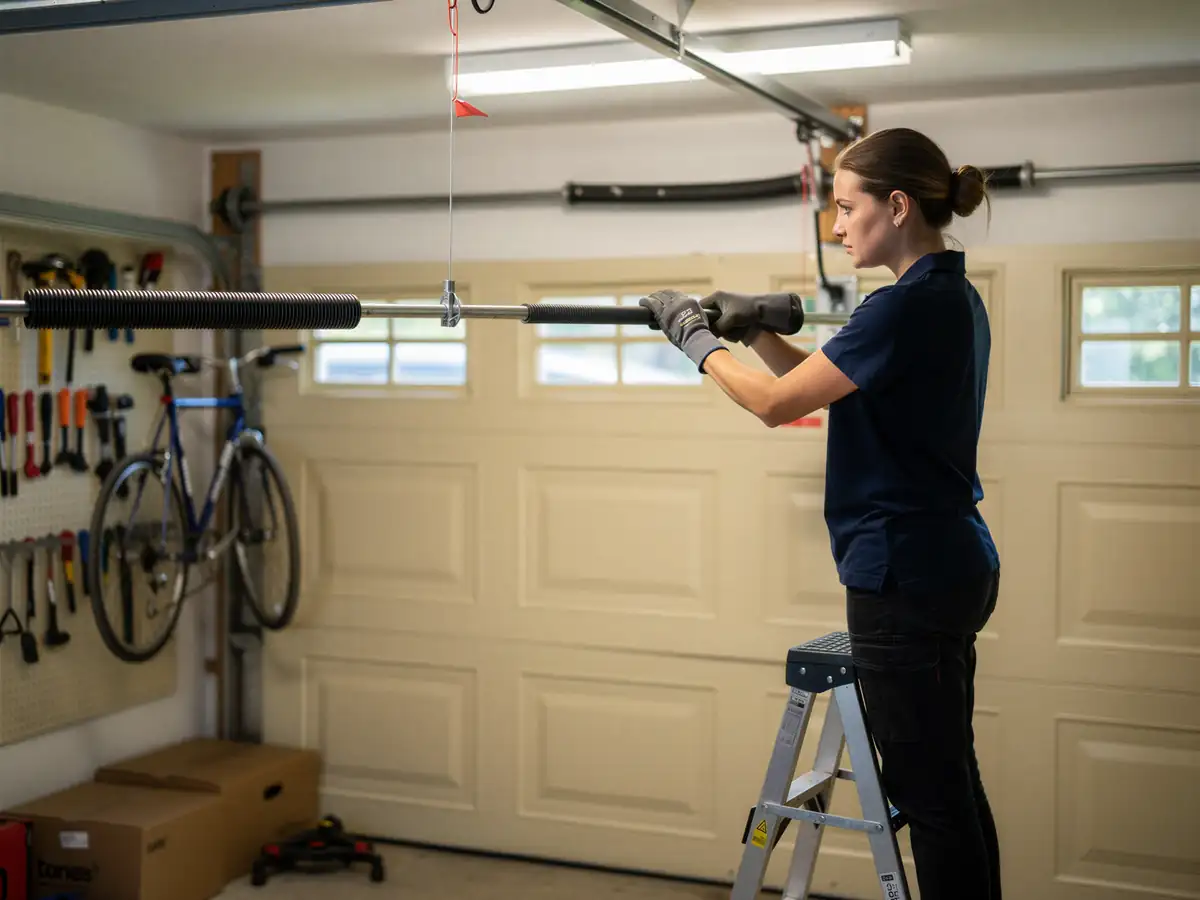
A full door swap is not a weekend project, and we'll say that plainly. Pulling an old door off 1970s-era track, re-hanging new track plumb on a frame that's settled over 40-plus years, and balancing a new spring system on it is where most DIY installs go wrong - the door looks fine until the first cold snap puts uneven tension on a track that was never quite square to begin with.
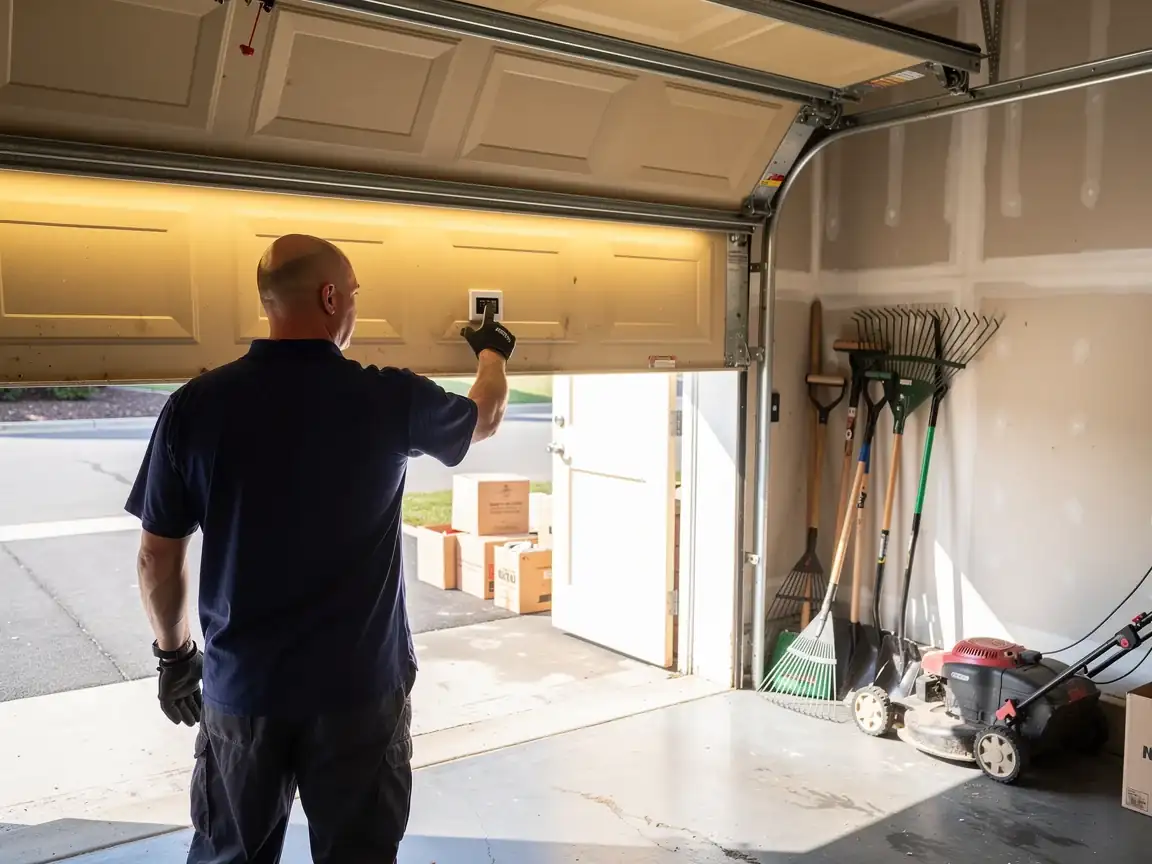
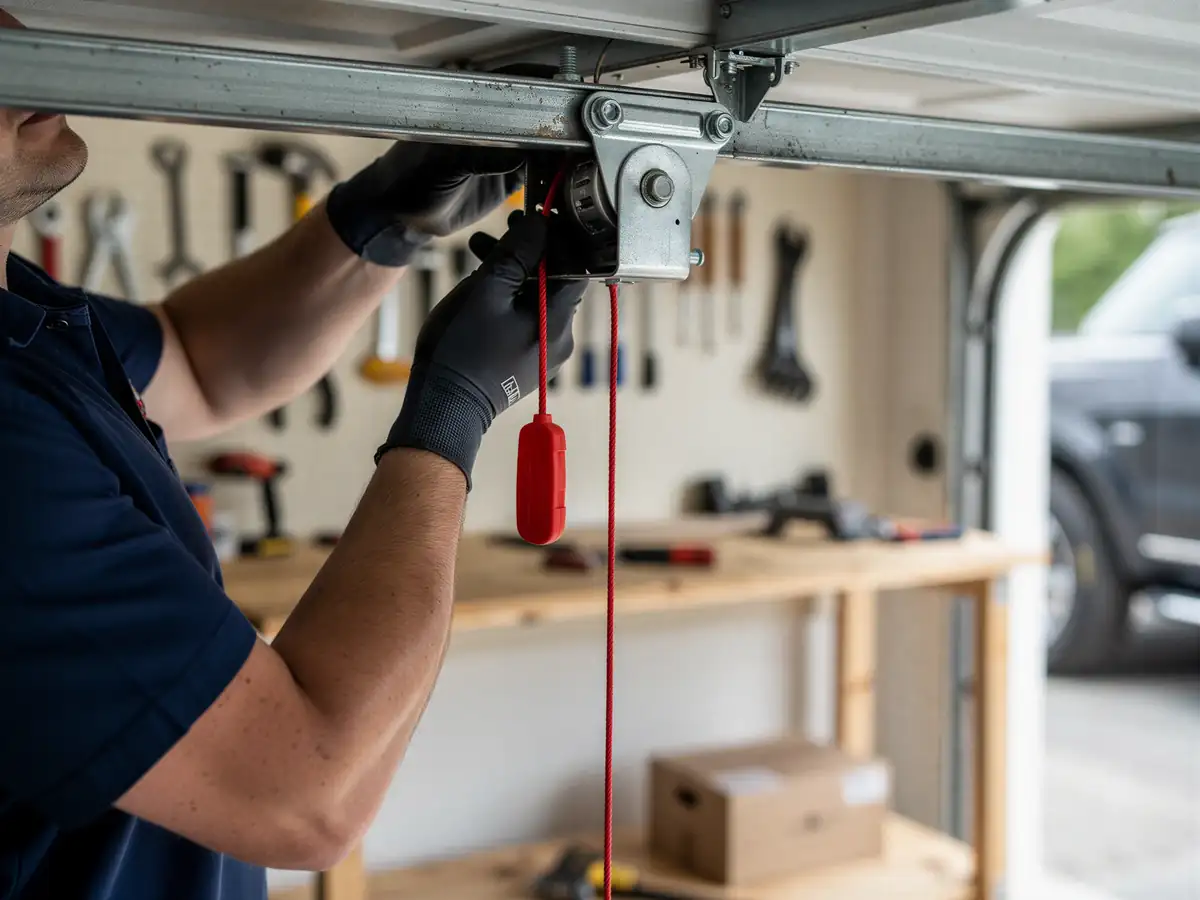
Where a homeowner can do their own work and do it well: weatherstripping, a new keypad, lubricating rollers, tightening loose hardware. None of that requires touching the spring or the track. The line we'd draw is the opener and the door itself - anything that involves a wound torsion spring or resetting the track height is where a mis-measured 70s-era opening turns a $400 job into a trip to urgent care. We don't push every job into a full install; sometimes a track realignment and new rollers get another several years out of an old door.
Why It Happens Here
The area sits in a severe cold climate band
Which is the other half of why 1979-era doors fail the way they do. Non-insulated steel doors from that build era weren't speced for the kind of temperature swing this region gets - the panel contracts in a hard freeze, the seam gaps widen, and the track, already slightly bent from 40 years of use, binds. That's the combination we see on most of the calls out this way: original door, original track, and a winter that finally finds the weak point.
- 40 years
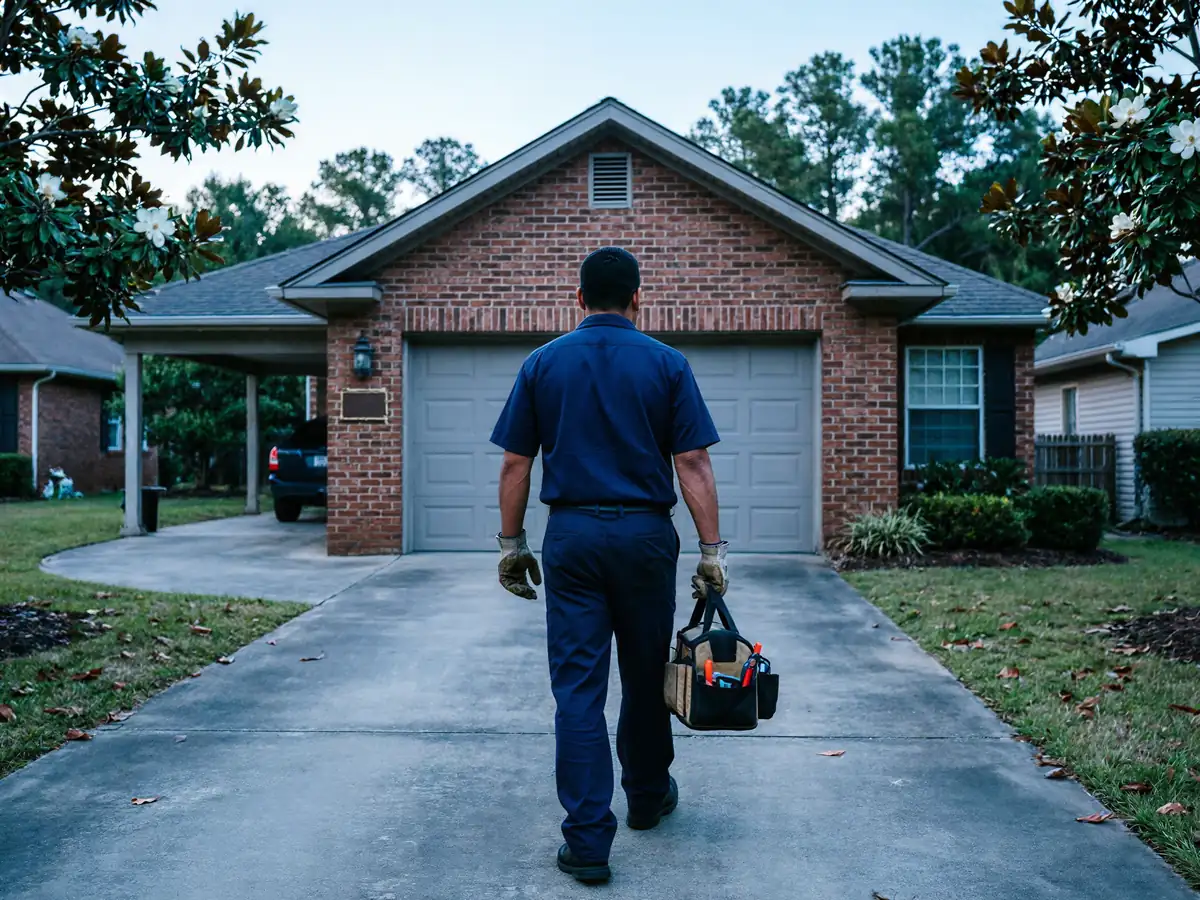
Stephens City sits about 6 miles from our Winchester base
And it's one of several communities we cover along with places like Boyce and Middletown. The service area runs about 12,505 households with roughly 5,551 owner-occupied houses, and a lot of them are hitting the same age-related failure at roughly the same time, just a few years apart depending on when each subdivision went up.
- 6 miles
- 12,505 households
- 5,551 owner-occupied
What You Pay
We don't have a flat number to quote here - door width, insulation level, and whether the track needs full replacement or just realignment all move the price. What we can tell you is what drives the cost on a 1979-era Stephens City home specifically: if the opening is a standard single-car width from that build era, parts are easy to match and the labor is straightforward. If the house has since been retrofit with a wider door or a different opener, the job runs longer because we're squaring up hardware that was never original to the frame.
Median household income across the area sits at $79,137, and most of the installs we quote land in line with what that income level typically budgets for a full door-and-opener swap rather than a patch repair. We'll always give you the choice between a repair that buys a few more years and a full install that ends the cycle of mismatched parts - on a door this old, replacement usually wins out, but we'll tell you honestly if yours doesn't need it yet.