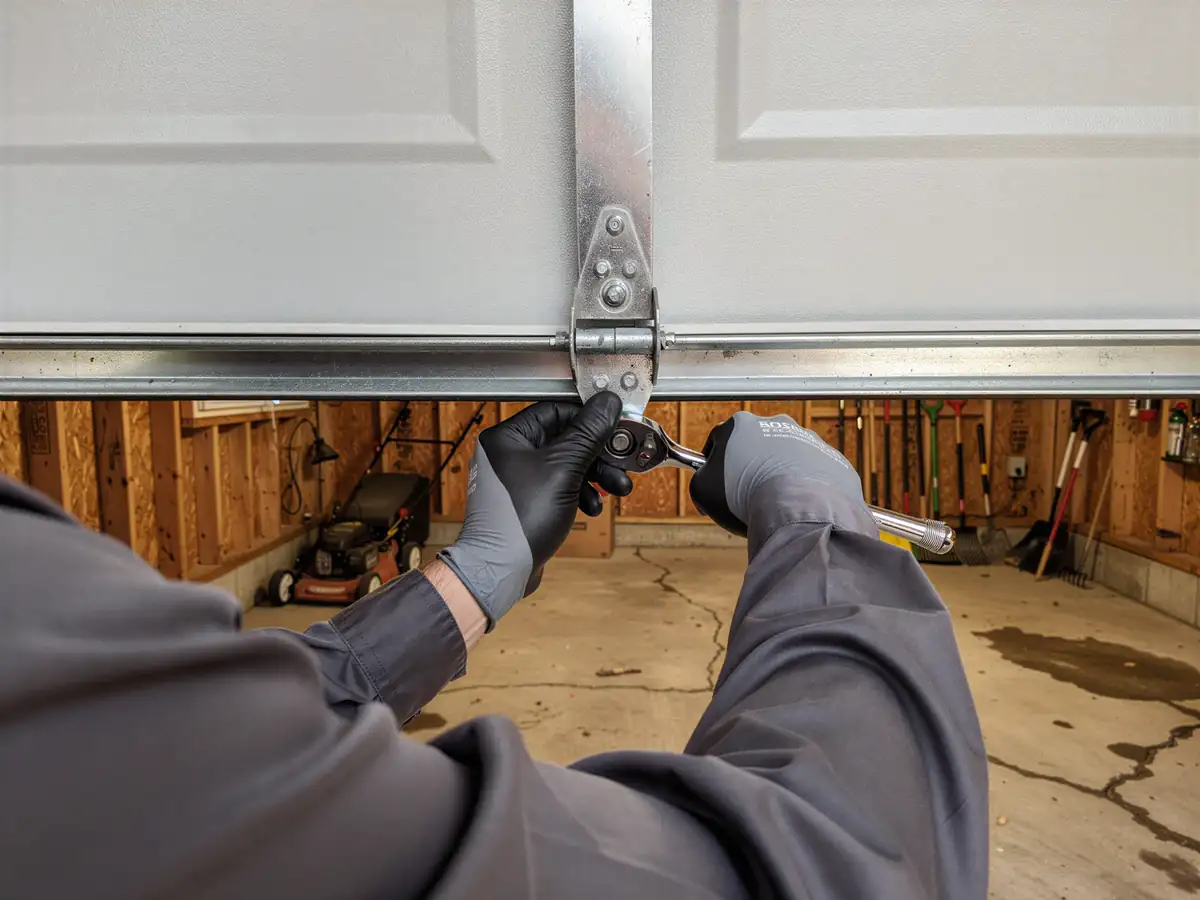
The DIY Question
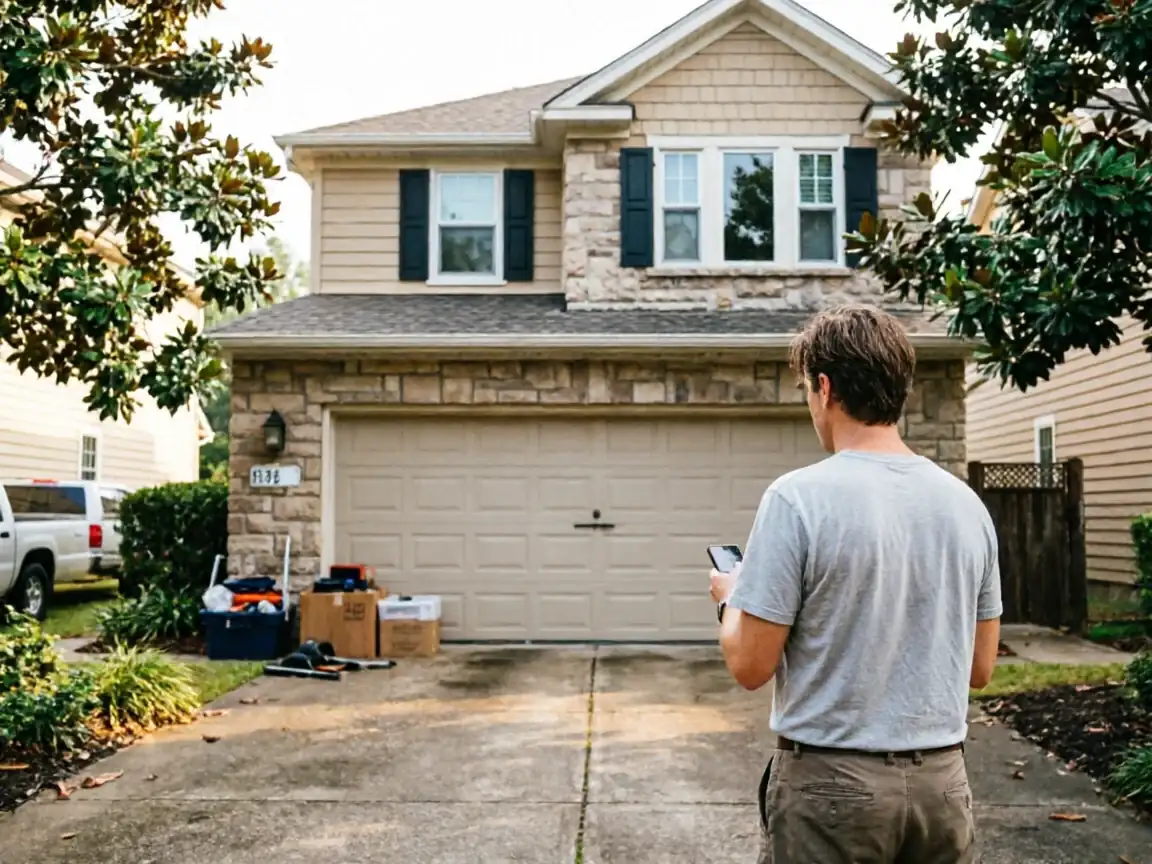
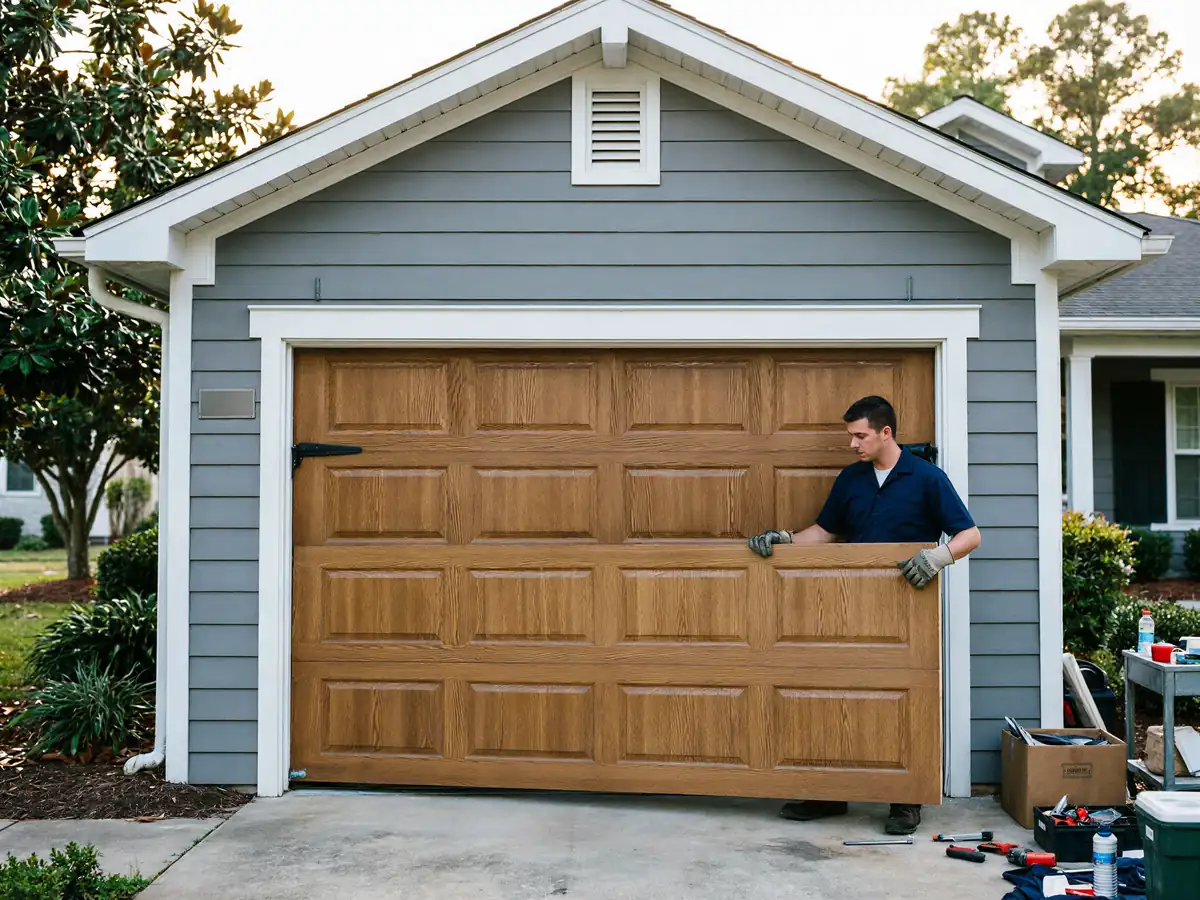
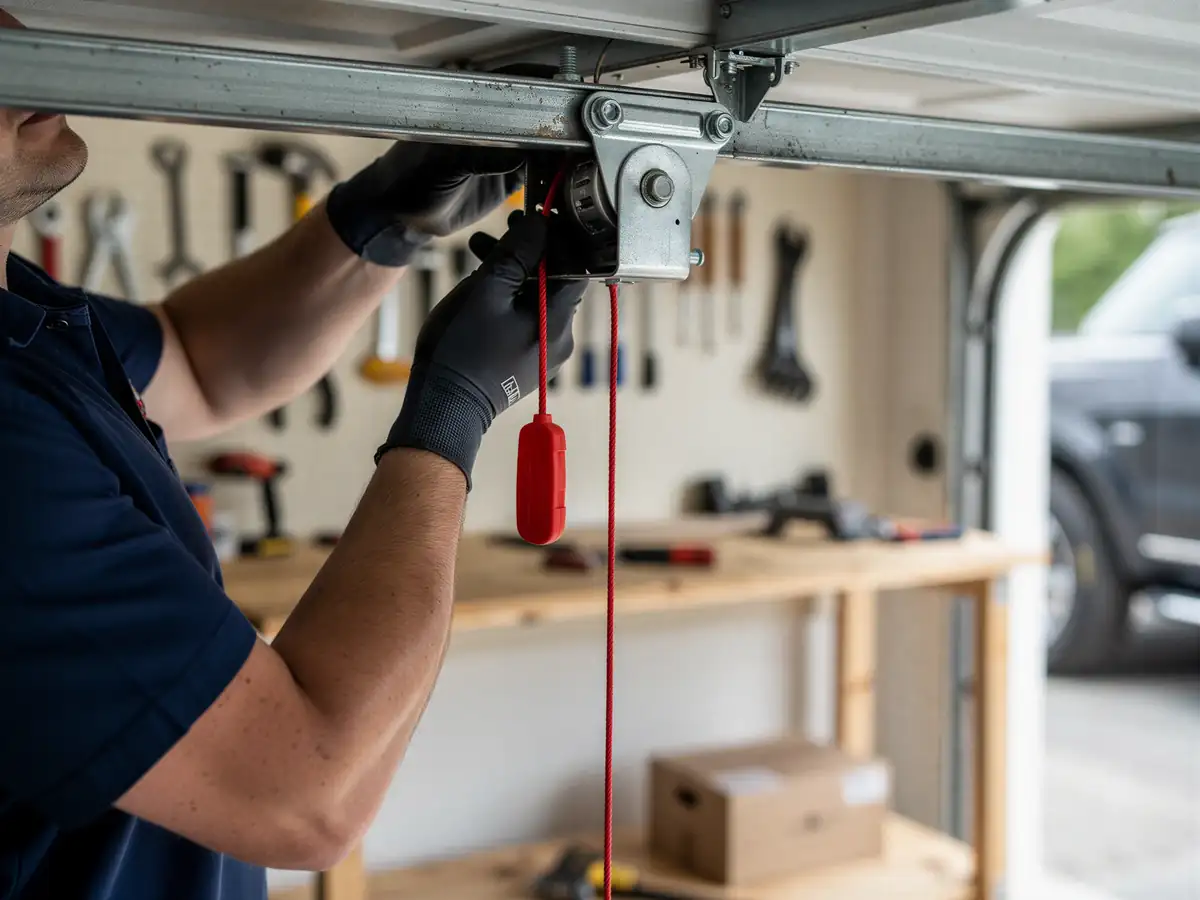
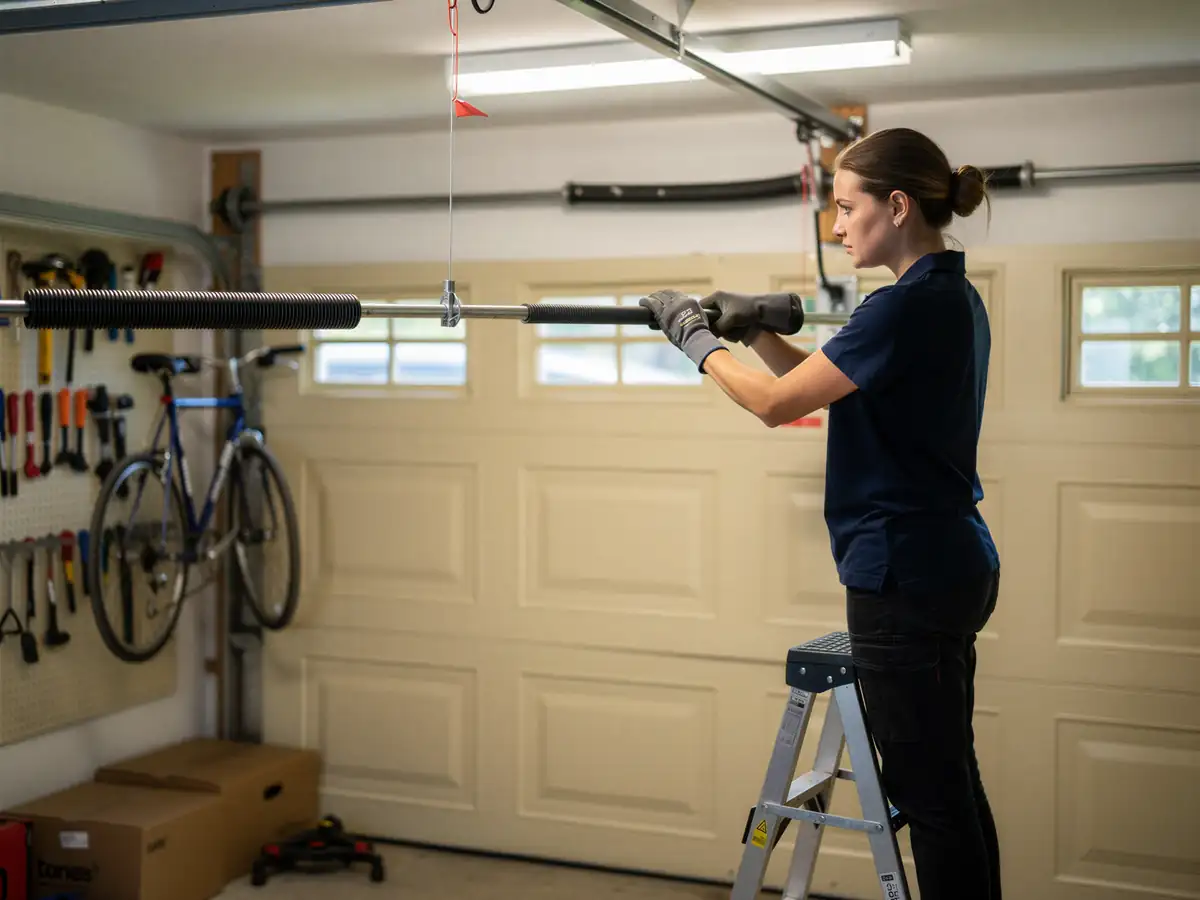
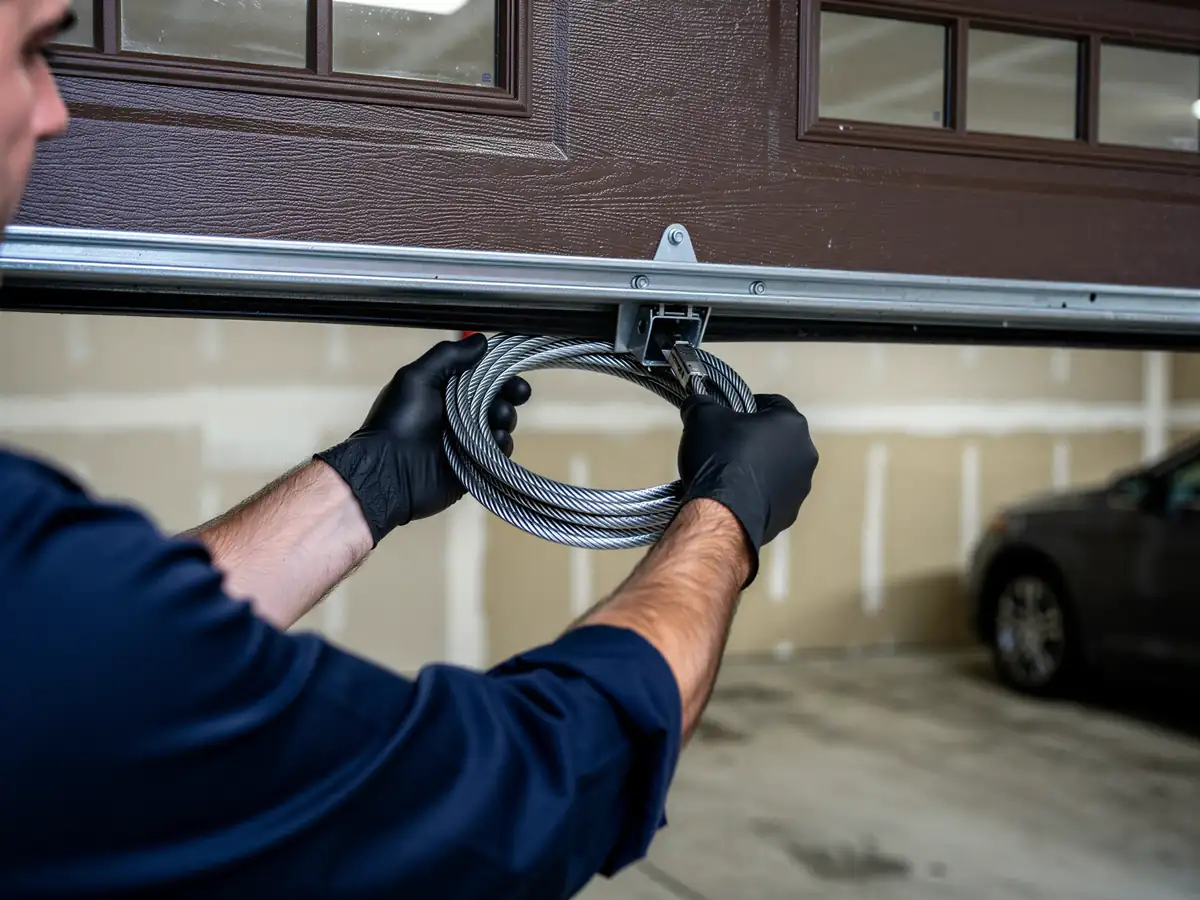
Most of the garage door calls we get out of Boyce aren't mystery problems. A door built in the late 1980s is thirty-five-plus years old, and at that age the fault is almost always wear, not a one-off accident: a torsion spring that's cycled tens of thousands of times and finally let go, rollers that have worn their track grooves egg-shaped, or a cable that's frayed down to a few strands.
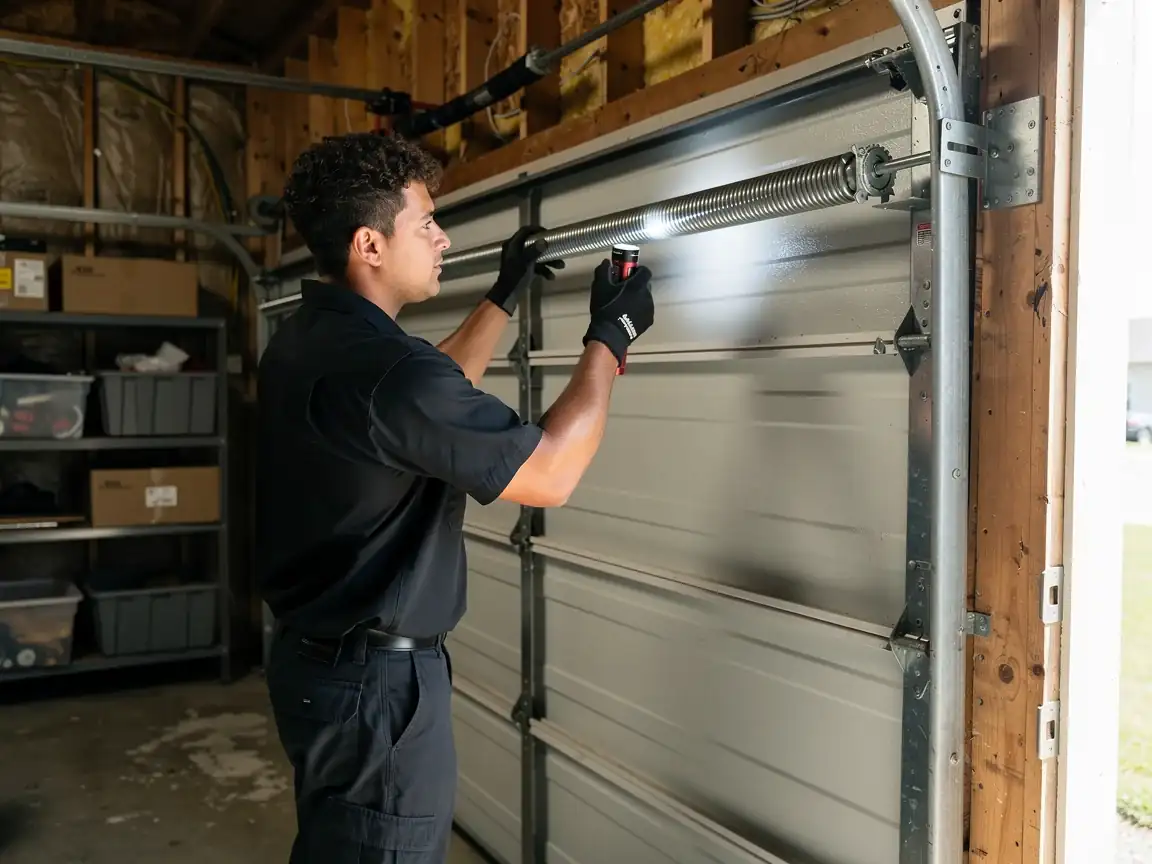
Boyce's median home dates to 1987, which puts the neighborhood squarely in the 1971-1991 window that covers most of this service area. That matters because doors and openers from that era weren't built to today's spec. If you can see daylight around the bottom seal, hear the opener straining before the door moves, or notice one side of the door dropping faster than the other, that's a spring or cable job - not something to free-climb a ladder for. A door under tension can take a finger or worse. We're not going to pretend every repair needs a pro, but torsion spring work on a door this old is one place where the DIY answer is no.
Stocked Parts
We carry the parts that actually fail on 1980s-vintage doors, because showing up from Winchester without the right spring size or roller type means a second trip and a second wait for the homeowner. For a town like Boyce, with 309 households and a housing stock built mostly in that same stretch of years, the failure pattern repeats enough that we know what to load before we leave the shop.
That means standard torsion and extension springs sized for steel sectional doors from that period, galvanized rollers, lift cables, and the hinges and hardware that match older track widths. What we don't always carry is a replacement panel for a specific discontinued door model - some manufacturers from that era are long out of production, and matching a single damaged panel can mean a special order with a real wait. We'll tell you straight if that's the situation rather than promise a same-visit fix that isn't realistic.
Booking a Visit
We cover Boyce from our Winchester location, about eight miles out
There's no branch or depot in town - every job starts with a truck leaving Winchester, so when you call, we'll ask what the door is doing (won't open, opener runs but door doesn't move, off track, loud bang when it failed) so we load the right spring and hardware before we drive out.
Winter matters here too
This area sits in a cold-climate zone with real seasonal swings, and cold metal behaves differently - springs lose some tension, lubricant thickens, and openers that were already borderline tend to quit on the coldest mornings rather than the mild ones. If your door has been fine all fall and suddenly won't budge once the temperature drops, that's consistent with hardware that was already near the end of its life, not a new problem.
What You Pay
Boyce's median household income runs higher than the service area average - $108,125 against the broader area's $79,137 - but what a repair costs here isn't set by the neighborhood's income, it's set by what's actually broken. A single torsion spring swap is a different job than a full opener replacement or a double-door cable repair, and the part itself costs what it costs regardless of which street it's installed on.
What we can tell you without seeing the door: springs and cables are the most common repairs we do on homes this age, and they're also the most predictable to price because the parts are standard. Where cost gets harder to pin down ahead of time is panel damage on an older, discontinued door model - that's the one case where we may need to look at it in person before quoting anything.