The DIY Question
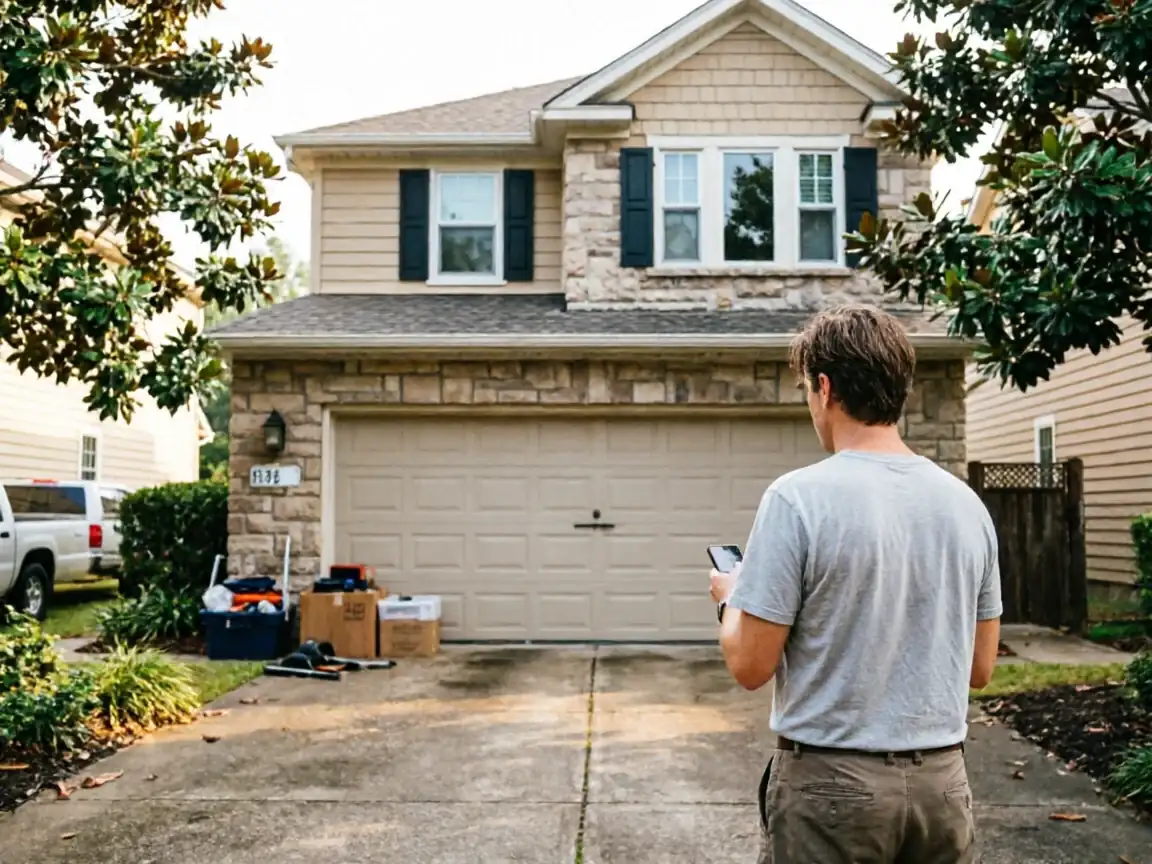
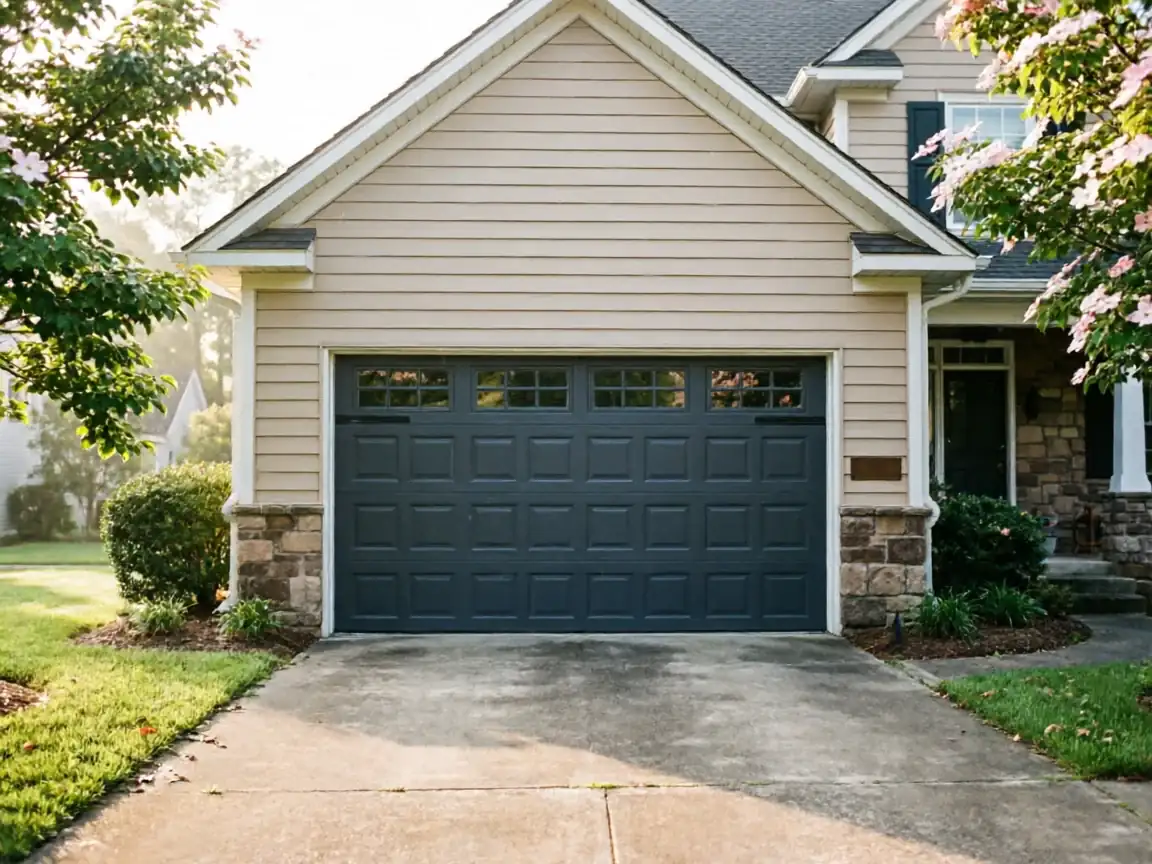
Most houses in Boyce went up around 1987, which puts a lot of doors here at the point where the original hardware has simply never been touched. That's not a guess - it's what happens when a neighborhood gets built in one wave and nobody's had a reason to call anyone since. If your spring, your rollers, and your opener are all original to a house from that era, you're dealing with parts rated for a cycle count that's long since been used up, not a weak link that just happened to fail this week.
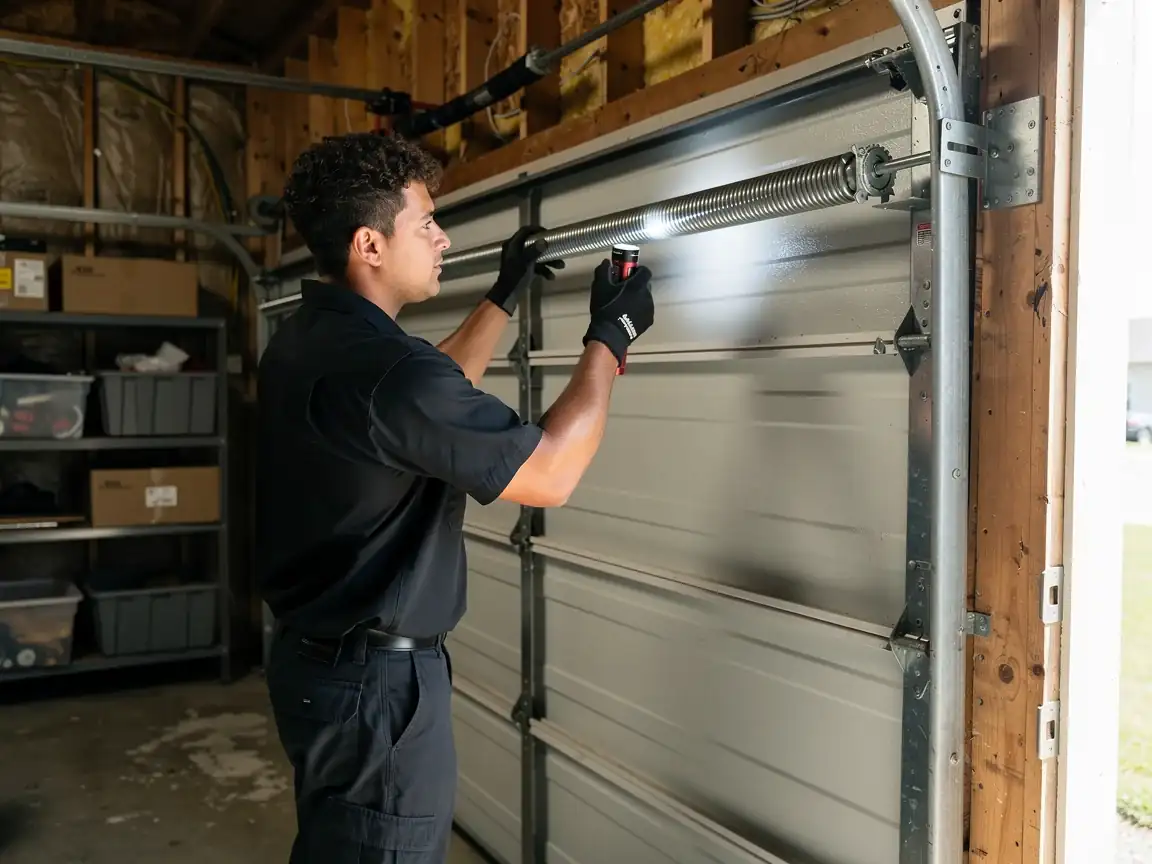
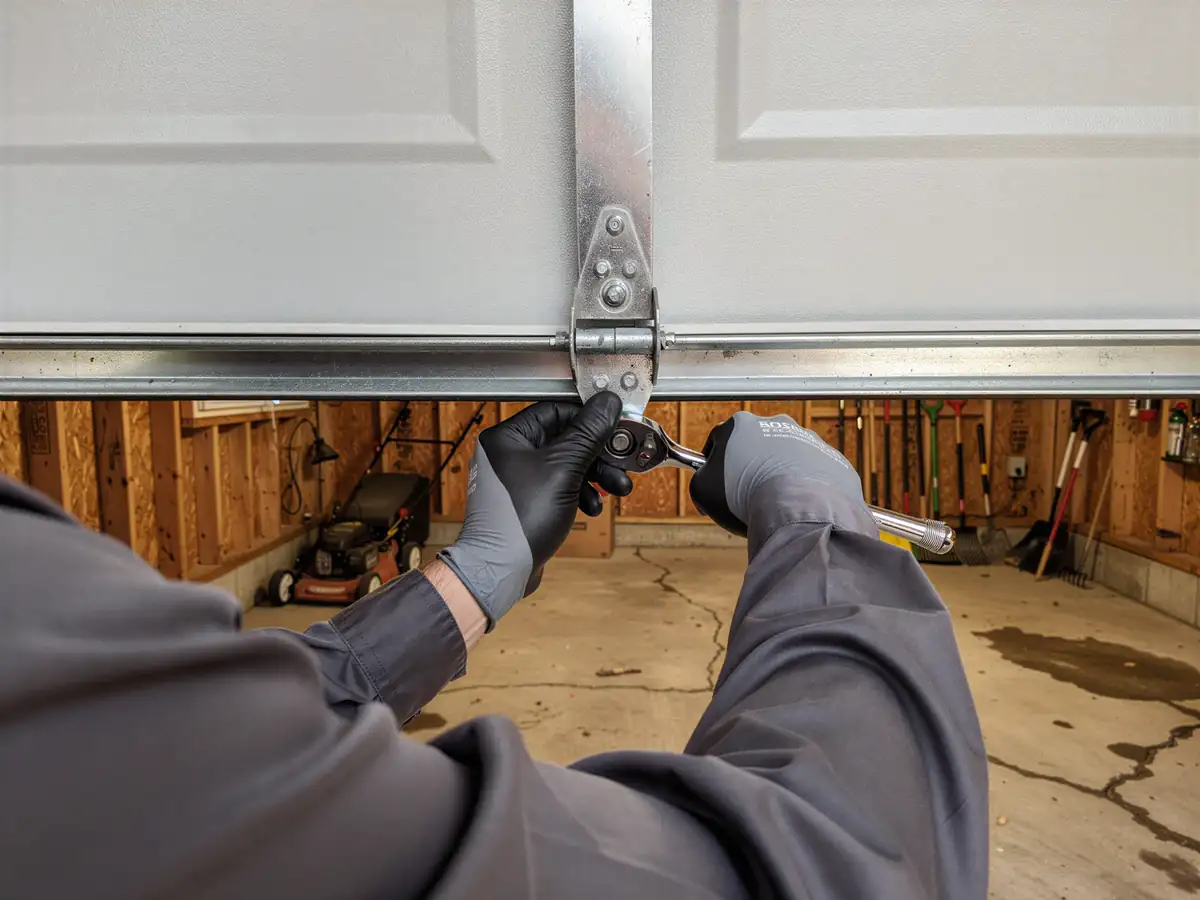
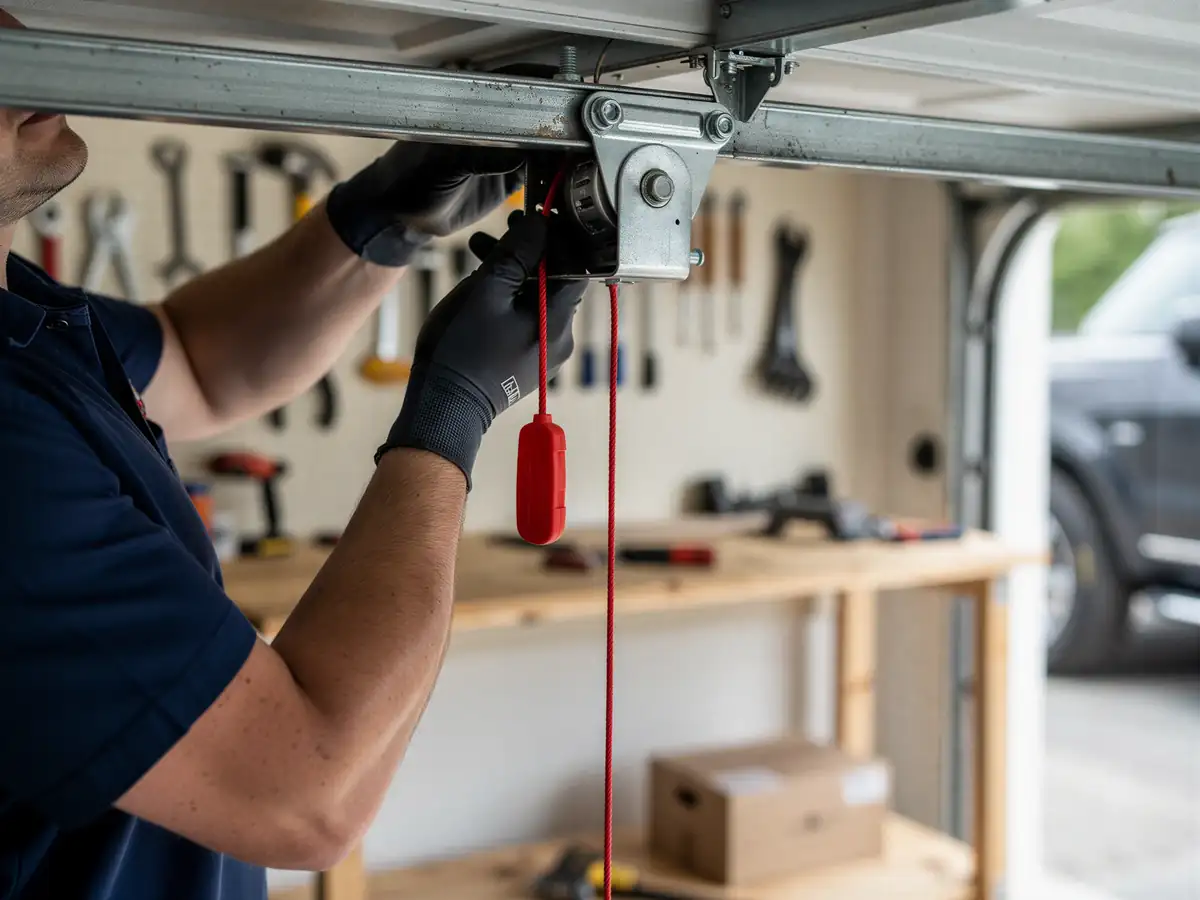
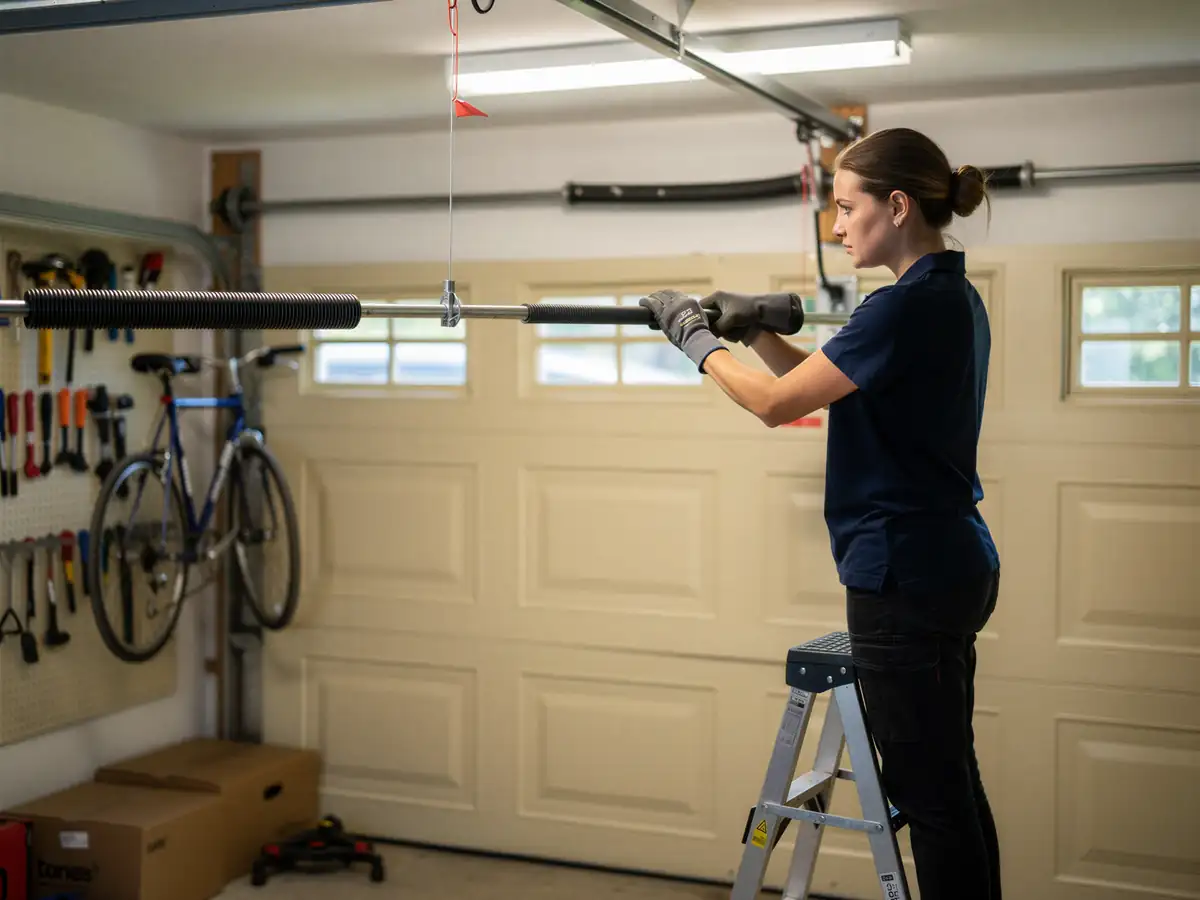
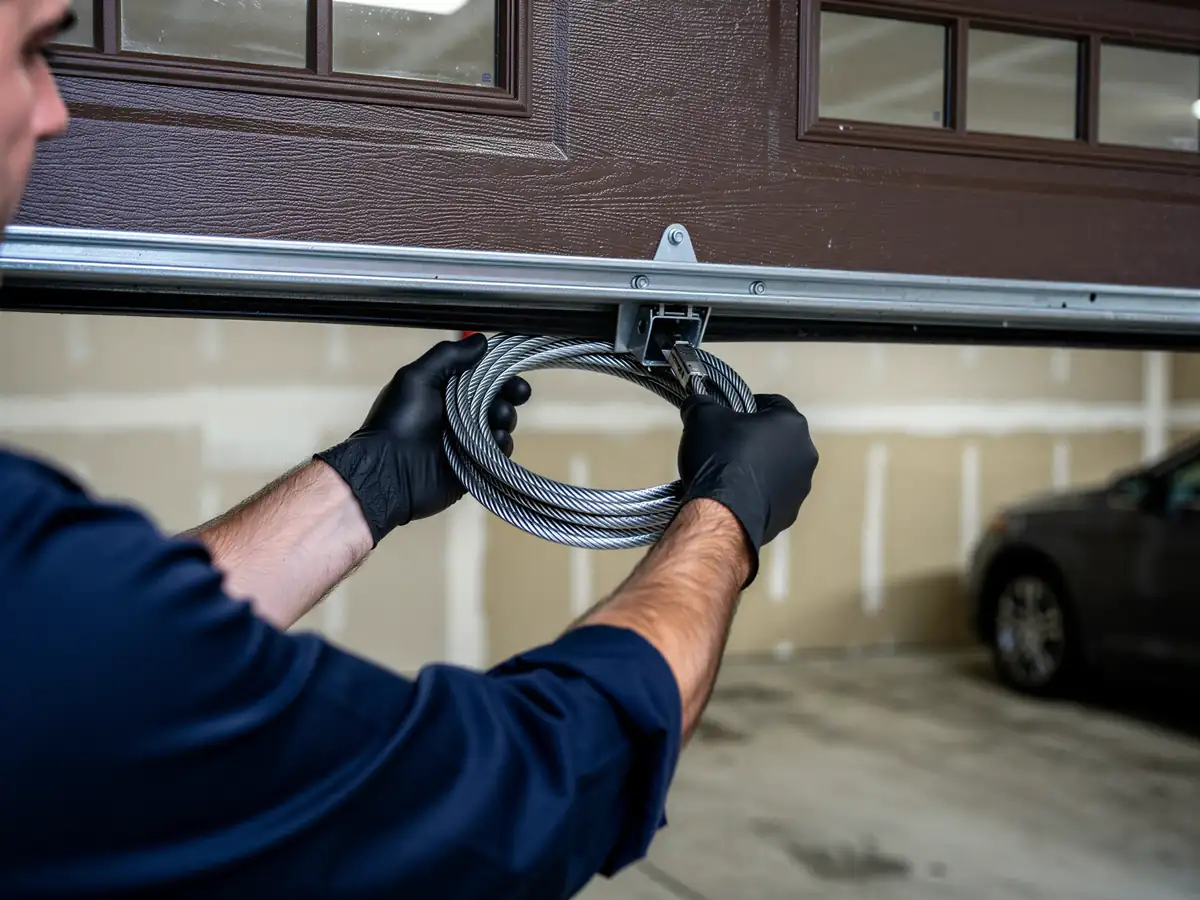
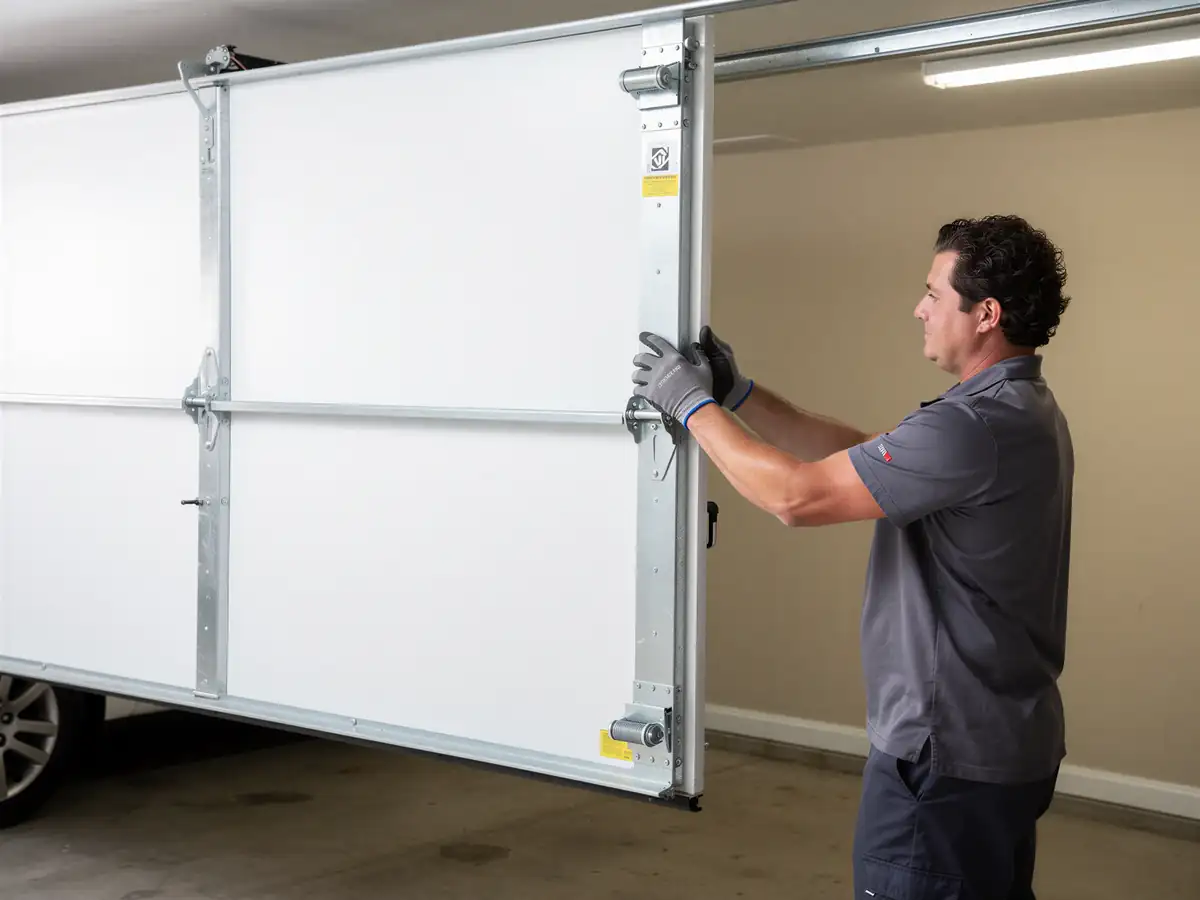
That changes what's smart to do yourself. Tightening a loose hinge bolt or lubricating a track, fine. Touching a torsion spring that's been under full tension since the Reagan administration is not a weekend project - those springs store enough force to break a wrist or worse, and the unwind on a nearly 40-year-old coil doesn't behave predictably. If the door is slow, uneven, or making a new noise, that's usually the spring or the cable giving out, not something to diagnose by trial and error.
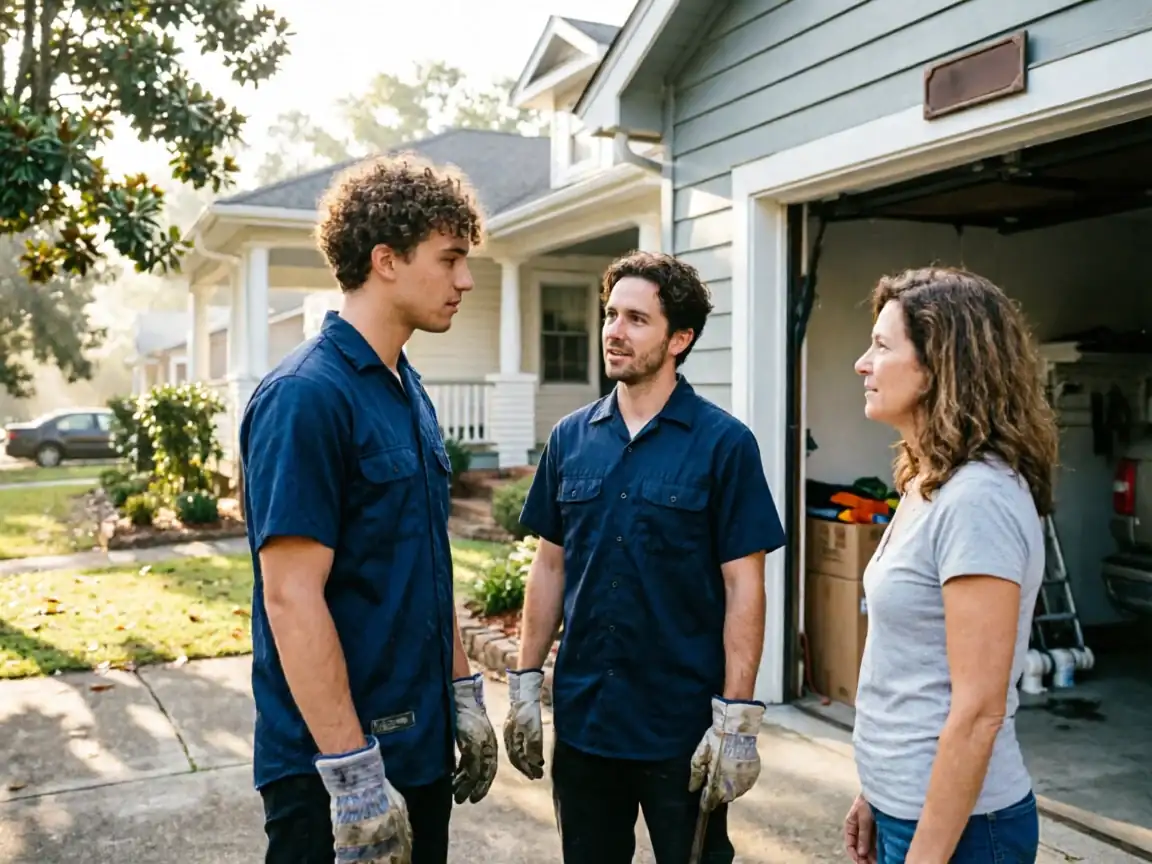
We're honest that not every call needs a truck. If it's just a dirty track or a sensor that needs realigning, we'll tell you that on the phone before we drive out.
Stocked Parts
Because so much of the housing stock in and around Boyce landed in the same construction window, the failures cluster. A chain-drive opener from the late 1980s is a common sight here, and so is the steel torsion spring sized for the doors that shipped with those houses - heavier-gauge springs than what goes into lighter builds today. We carry standard torsion spring sizes, rollers, cables, and the hinge hardware that matches what a late-80s door actually used, because that's what shows up on the truck most often out this way.
What we don't stock is everything. If a door has an opener model that's been out of production a long time, or a panel style that stopped being made years ago, we may need to order the part rather than pull it off the shelf. We'll tell you that up front instead of promising a same-visit fix we can't deliver.
The cold winters through this part of the valley also matter for which parts we bring. Steel contracts in the cold, and a spring that's already past its rated life handles that stress worse than a newer one. That's a factor we weigh when we're sizing a replacement, not just matching what was there before.
Booking a Visit
Boyce is about eight miles out from our shop in Winchester
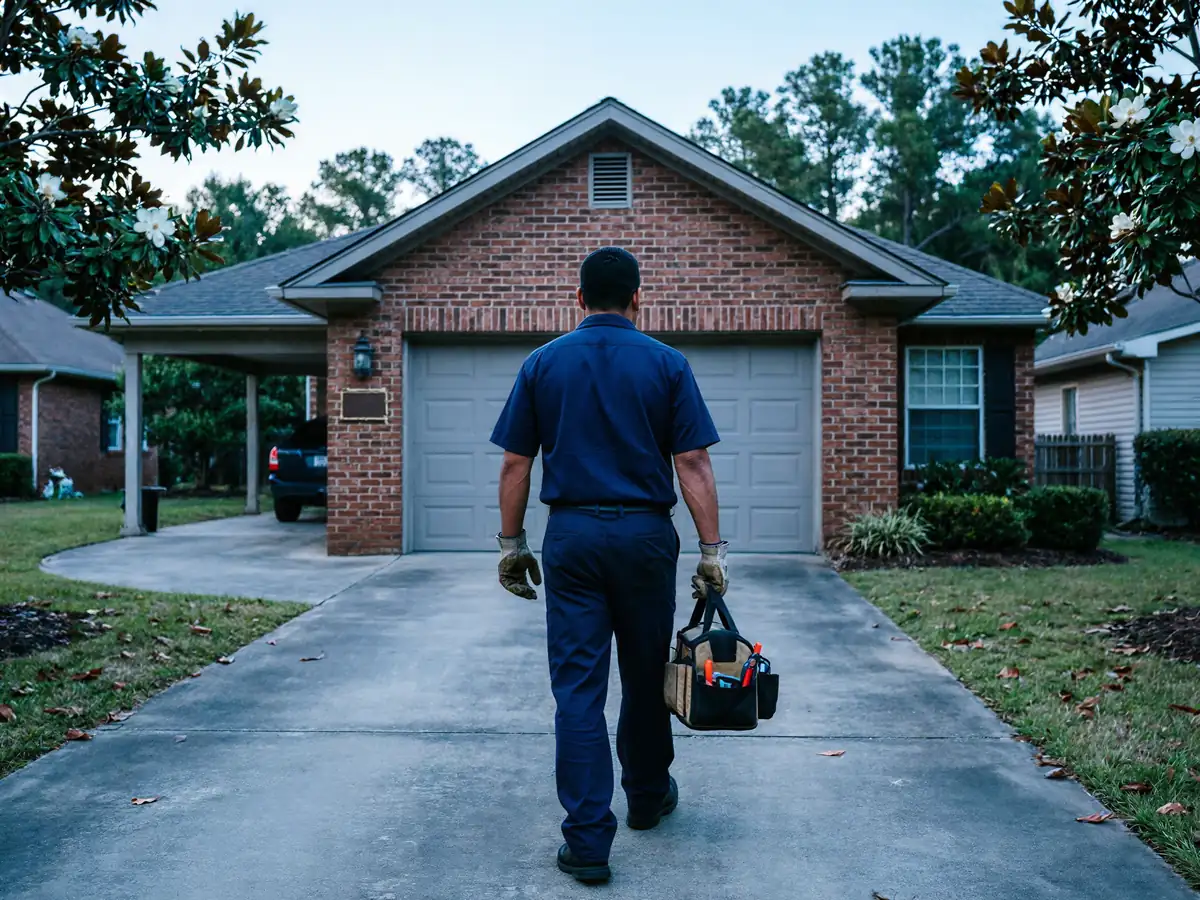
And we run jobs out there the same way we run them anywhere else in the service area - you call, we ask what the door's doing, and we figure out whether this is a same-visit repair or something that needs a part ordered first. We don't have a branch in Boyce itself; every job here is a trip out from Winchester, which is worth knowing if you're expecting a walk-in counter.
With a town this size
A few hundred households - we're not running multiple trucks through on a given day, so it helps to be specific when you call: what the door is doing, whether it's stuck, whether there's a noise, whether the opener runs but the door doesn't move. That lets us bring the right spring size and the right tools the first time instead of making a second trip.
We book repairs and replacements the same way
If you're not sure which one you need, say what's happening and let us walk through it with you before you commit to either.
What You Pay
We don't post a flat number for every job because a torsion spring swap and a full door replacement cost nothing alike, and guessing a price without seeing the door does nobody any favors. What we can tell you is what drives the number: the size and age of the hardware, whether the opener needs replacing alongside the spring, and whether the job is a same-visit repair or one that needs an ordered part.
Given that household incomes in Boyce run higher than the broader service area average, we still price the job on what it needs, not on the zip code. A 1987-era door with an original opener and spring often means replacing more than one worn part at once, since parts from the same install tend to wear out close together - that can change the total versus a newer door where only one piece has failed.
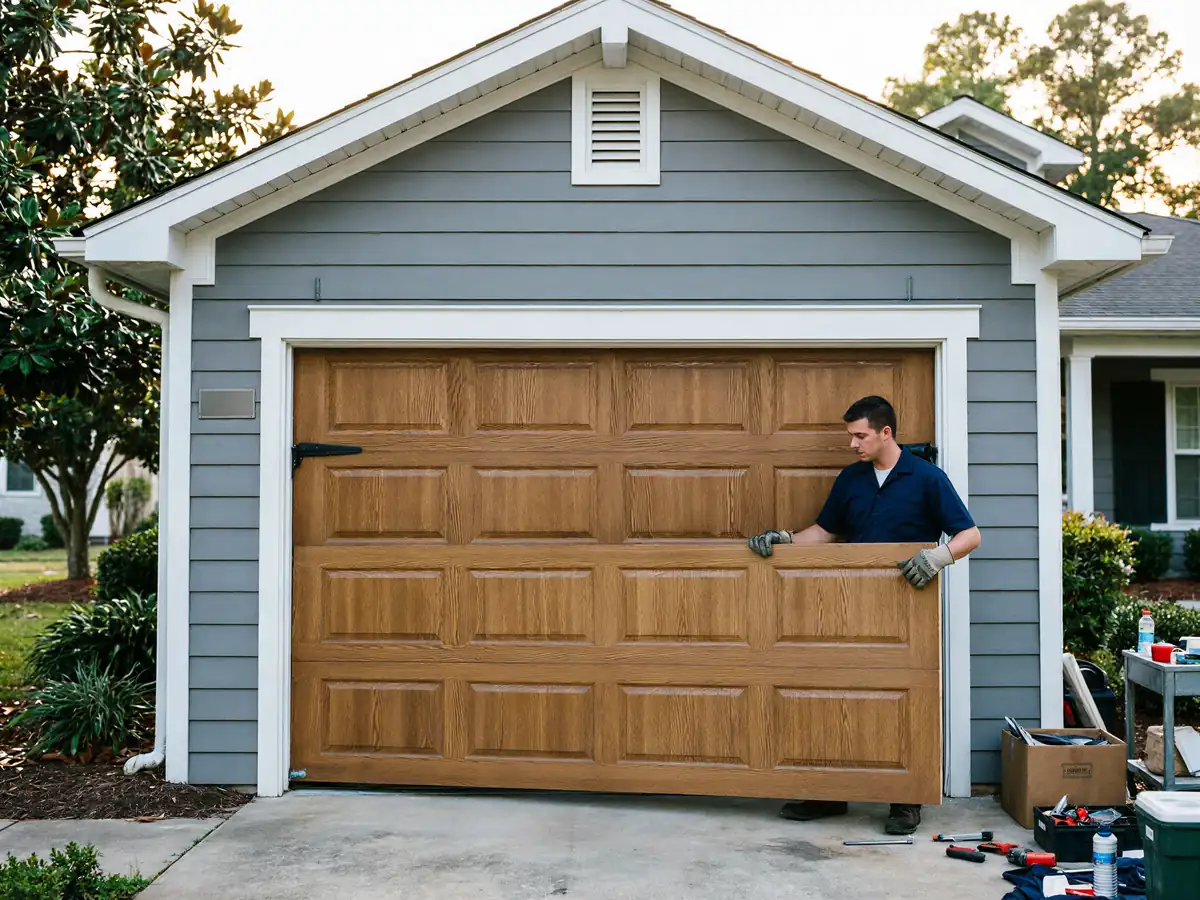
We'll walk the door, tell you what's actually failing, and give you a number before any work starts. If replacement makes more sense than repair - which it sometimes does once hardware is this old - we'll say so instead of patching something that'll just fail again in a year.