The DIY Question
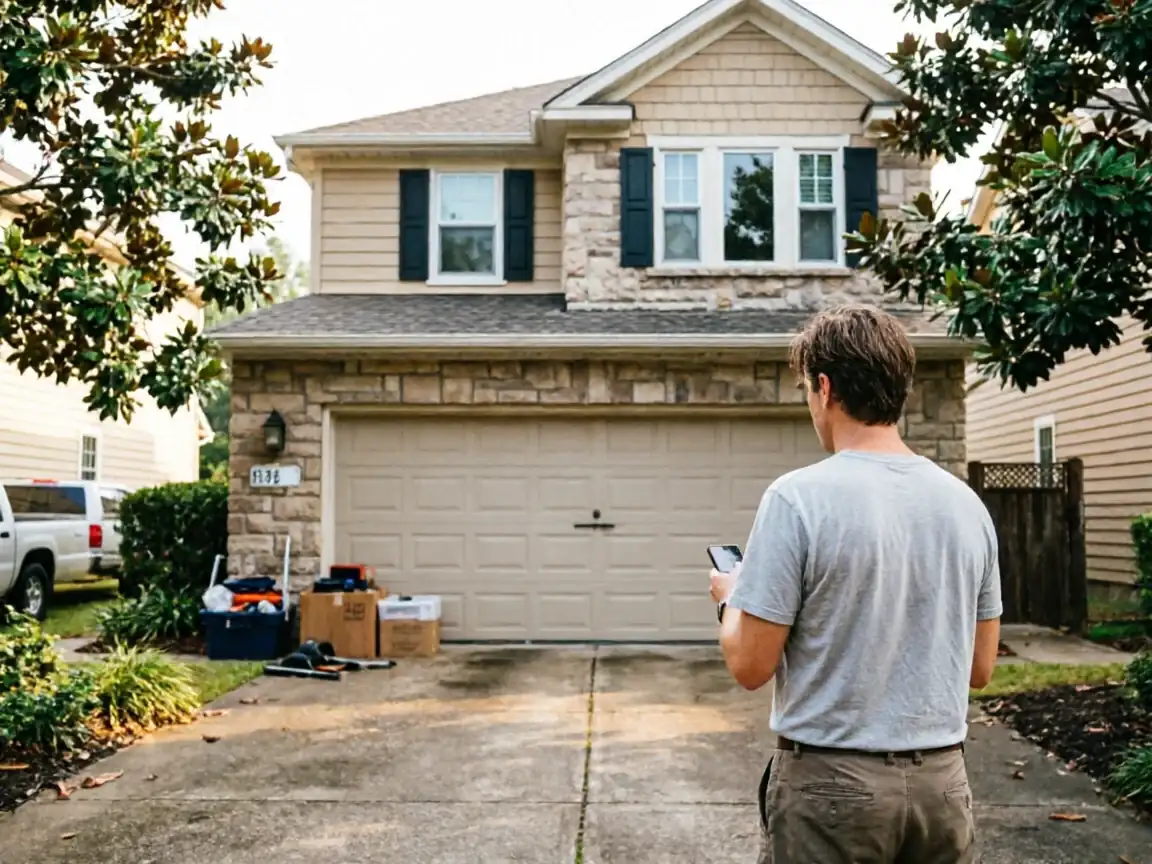
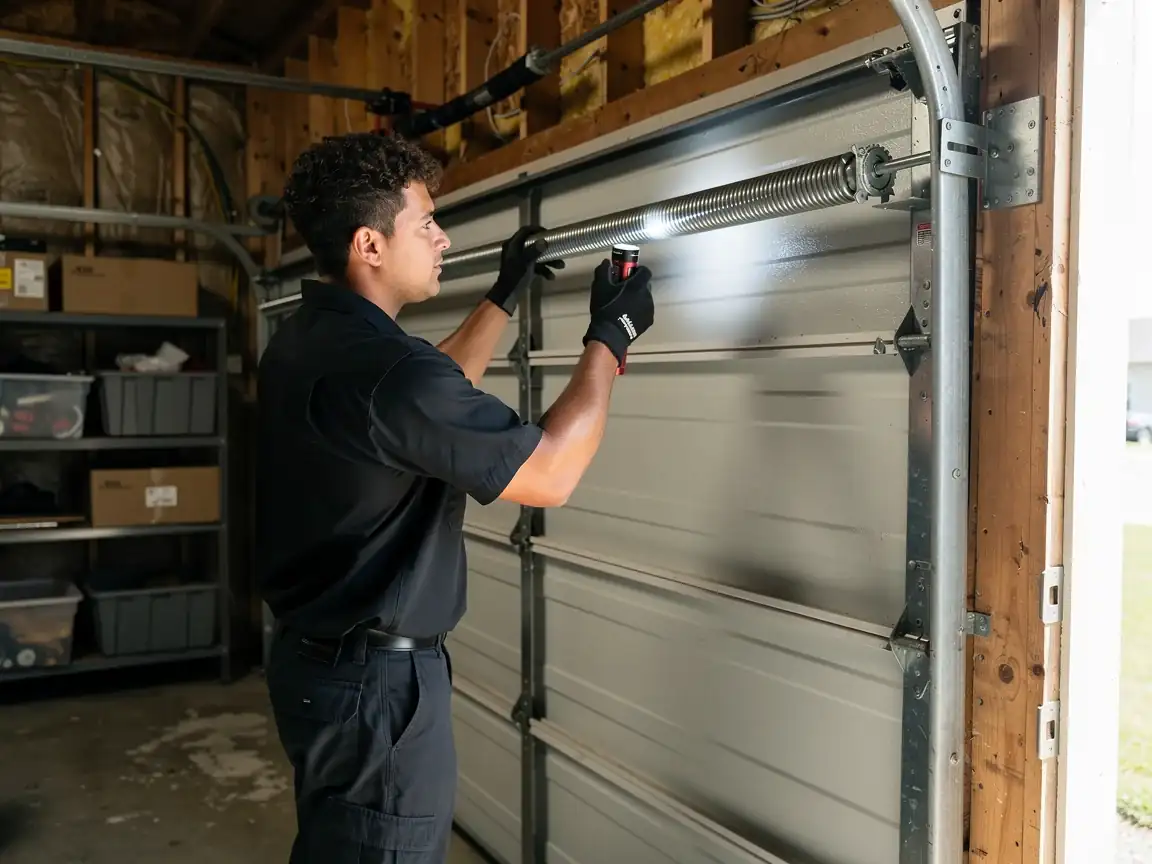
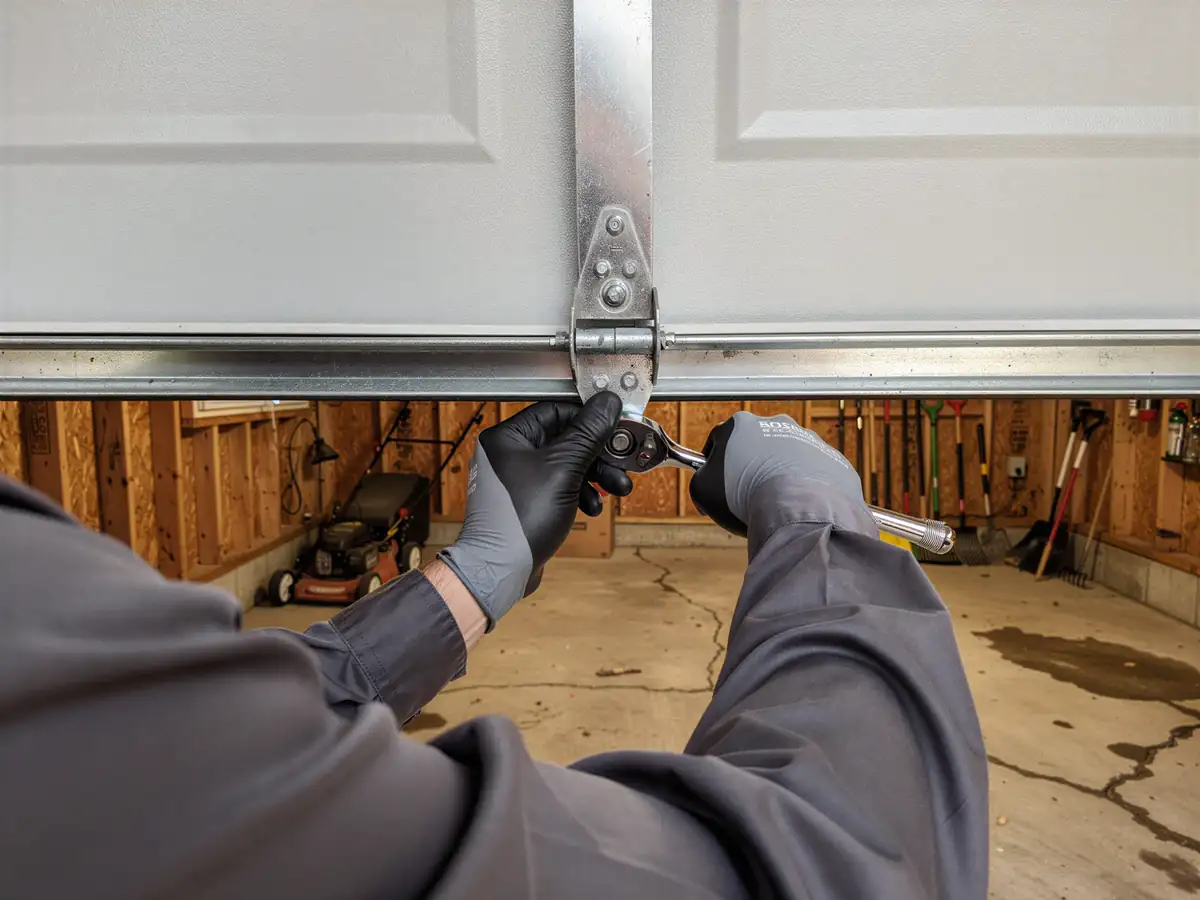
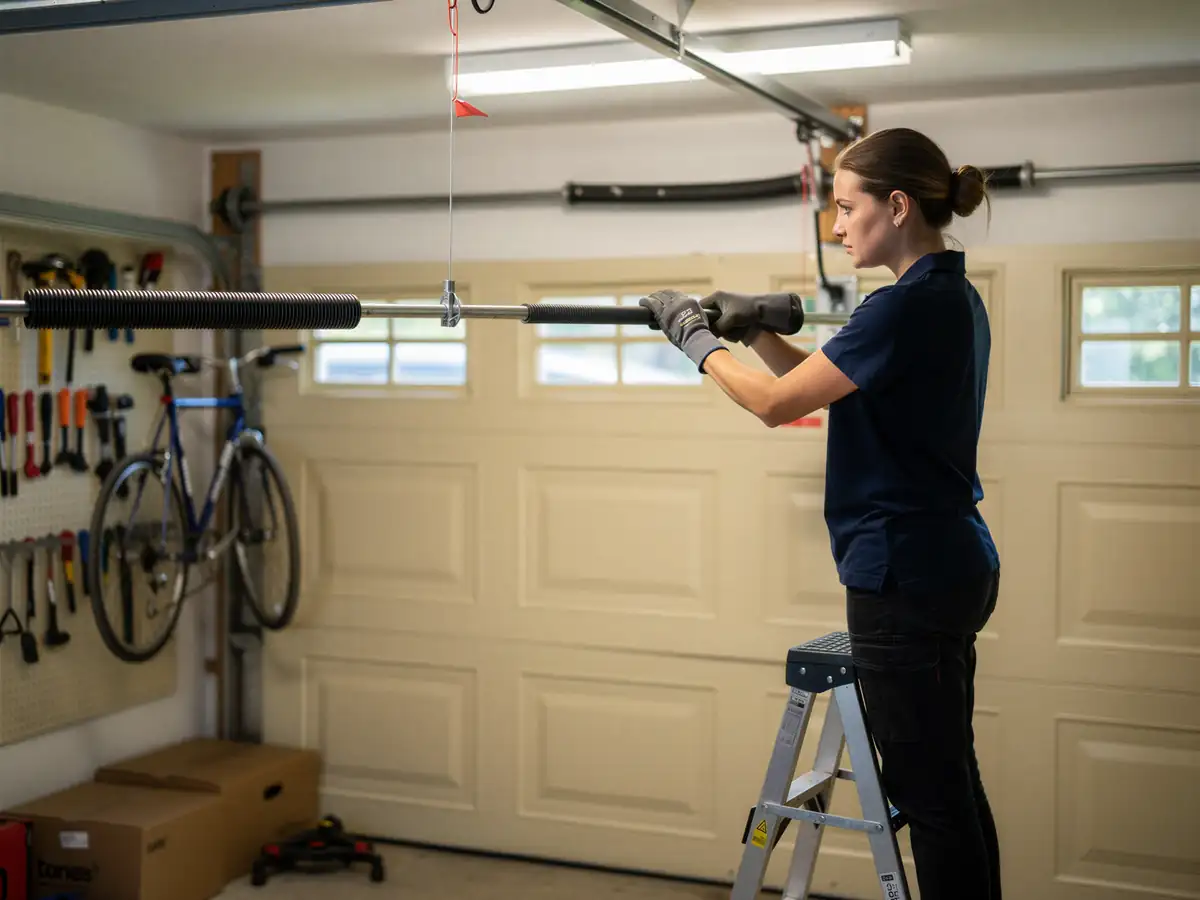
Boyce sits about 8 miles from our shop in Winchester, and the houses out here mostly went up around 1987, give or take a few years on either side. At a median household income of $108,125, a lot of owners could write a check for a new opener without blinking - but that's not the same as saying you should. A chain-drive opener from the late 80s or early 90s often just needs a logic board, a new drive gear, or a safety sensor realigned. Swapping the whole unit because it's making noise or the remote quit working is usually overkill, and we'd rather tell you that up front than sell you a unit you didn't need. Where DIY gets risky is the high-tension stuff: the travel limits, the force settings, and anything involving the opener's connection to the door itself. Get the force setting wrong on a mis-set limit switch and the door will keep closing on something that doesn't give - a car roof, a bike, a kid's hand. If your opener is original to a 1987-era build, the wiring and the drive mechanism are both old enough that we'd want eyes on it before you start swapping parts yourself.
Stocked Parts
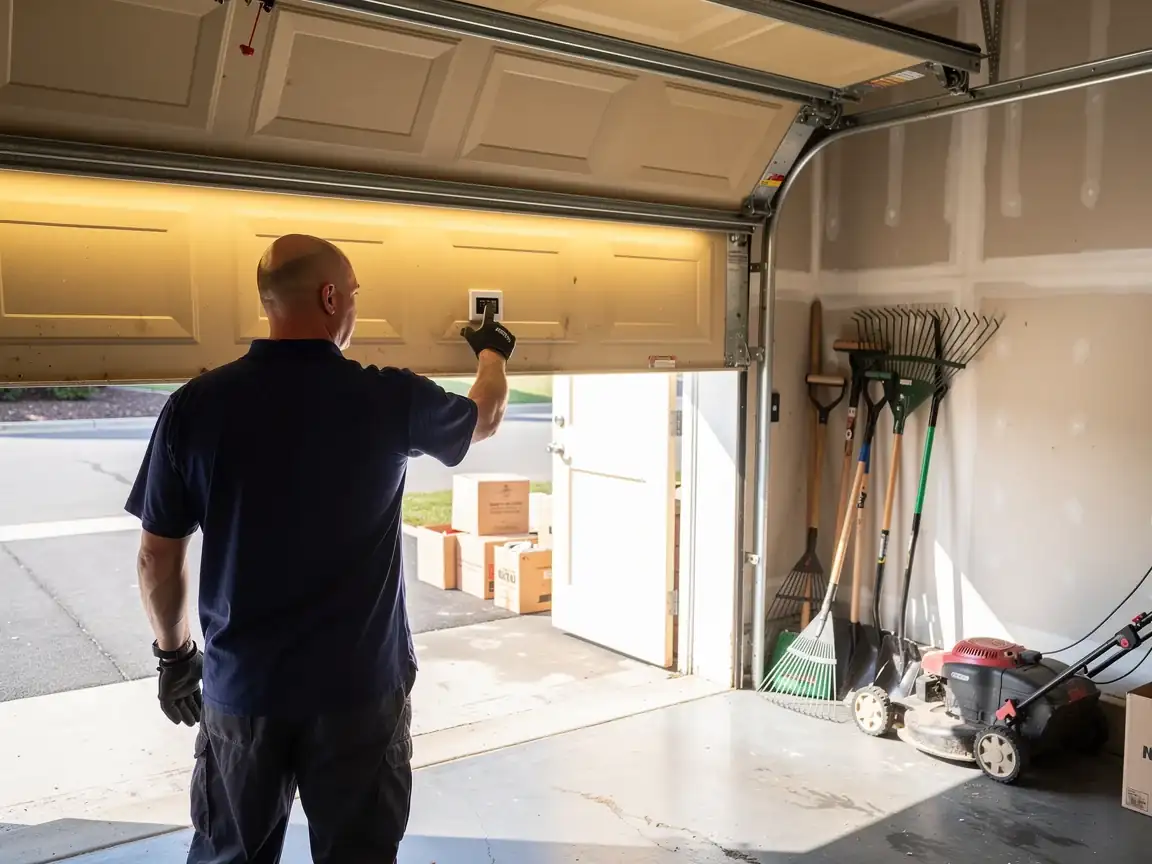
Openers installed in houses from the late 1980s and early 90s show up with a fairly narrow set of failures: worn drive gears on chain units, dying circuit boards, failing safety-eye sensors, and remotes that no longer sync because the receiver itself is tired. We carry replacement gear kits, universal logic boards, and sensor pairs on the truck because those are the parts that fail most often in houses of that era, not because every job needs them. What we don't stock is anything proprietary to a specific manufacturer's newer smart-opener line - if your opener has been replaced more recently with a model built in the last few years, a part for that may need to be ordered, and we'll tell you honestly if that's the case before we start the clock on labor.
What You Pay
At a median household income of $108,125, Boyce sits well above what we see in a lot of the rest of the service area, and that shows up in the kind of question we get: less "what's the cheapest fix" and more "what's actually worth doing." For an opener in a house built around 1987, that usually means: if the motor itself is original and failing, replacement makes more sense than chasing parts for a 35-plus-year-old unit piece by piece. If it's a gear, a board, or a sensor on an opener that's otherwise sound, repair is the cheaper and faster path, and we'll say so even if a swap would be the bigger ticket for us. We don't post flat prices here because the fix depends entirely on what's actually wrong, and guessing a number before we've seen the opener would be a lie dressed up as a quote.