Stocked Parts
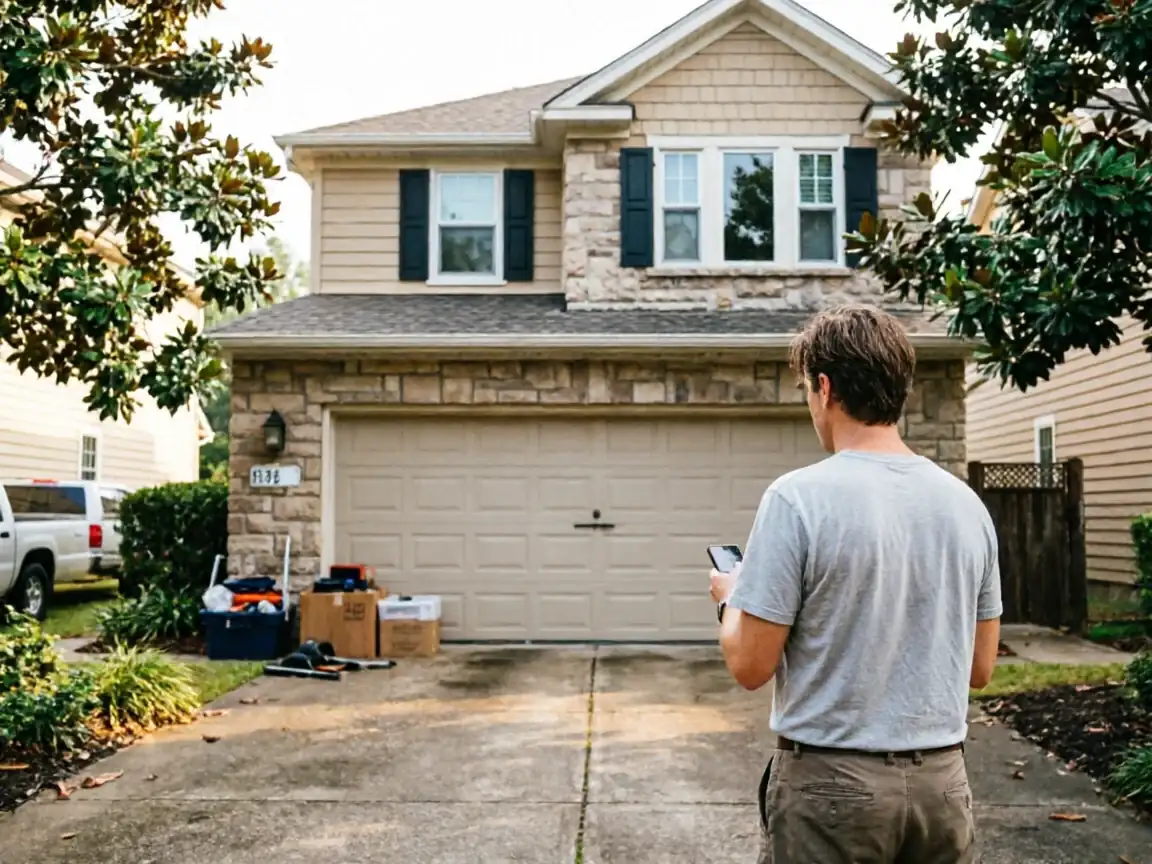
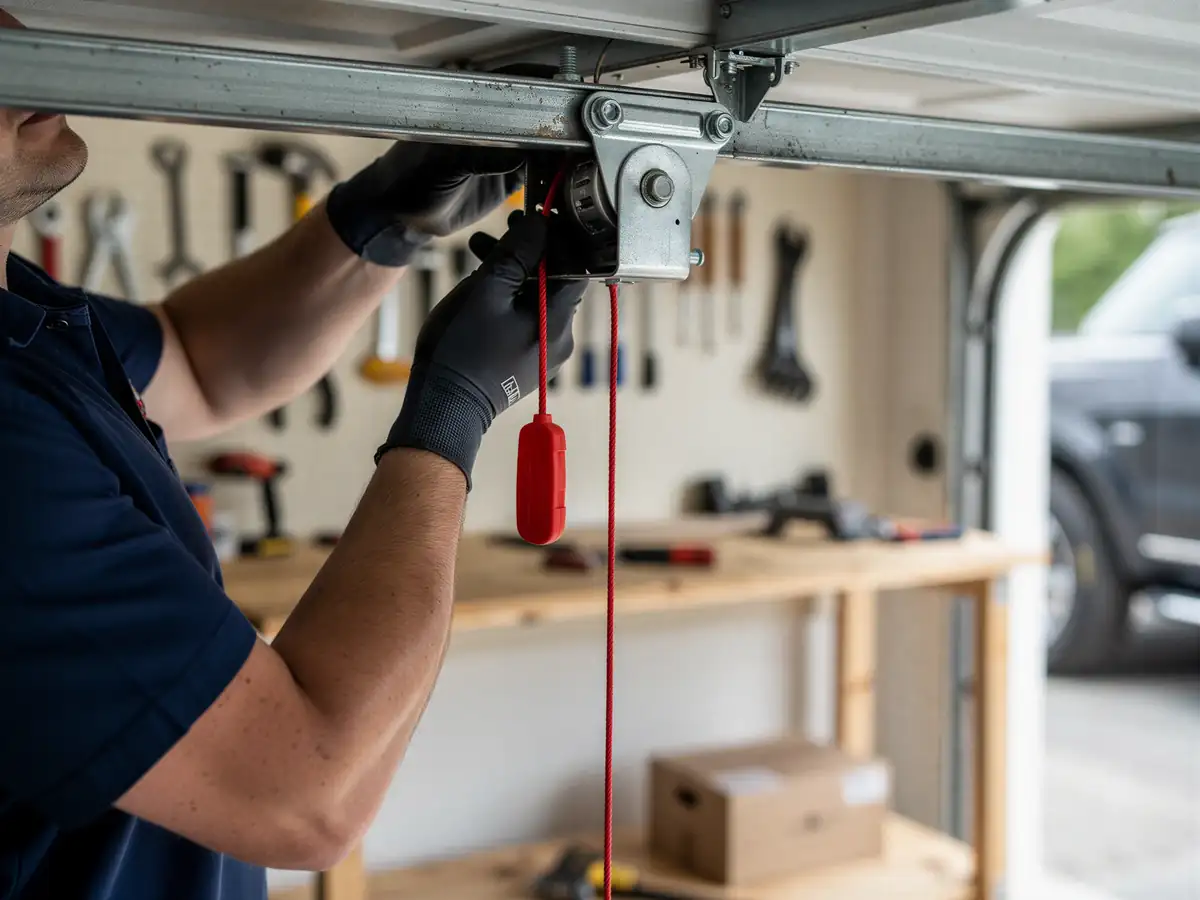
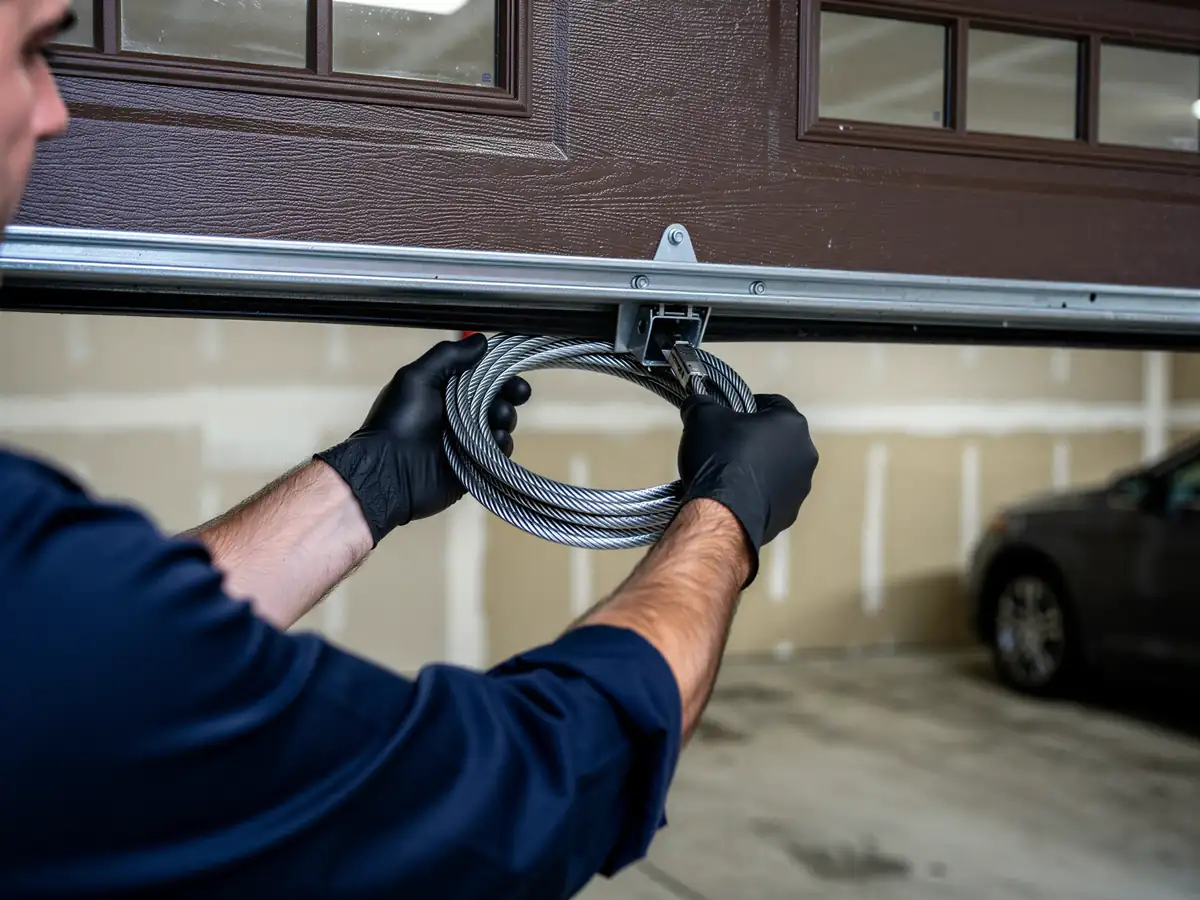
Berryville's houses mostly went up around 1991, later than the 1980 median that covers the wider Winchester service area. That decade shift matters for cable work because it's roughly when a lot of builders moved from extension-spring setups with separate safety cables to torsion systems with the lift cable wound right into the drum assembly. We carry both styles on the truck - galvanized aircraft cable in the common drum sizes, plus the separate safety cables that older extension-spring doors still need. What we don't carry is every obscure cable length for a custom or imported door; if your opener or track came from a builder who sourced an odd-size door, that part may need an order, and we'll tell you that up front instead of guessing on-site.
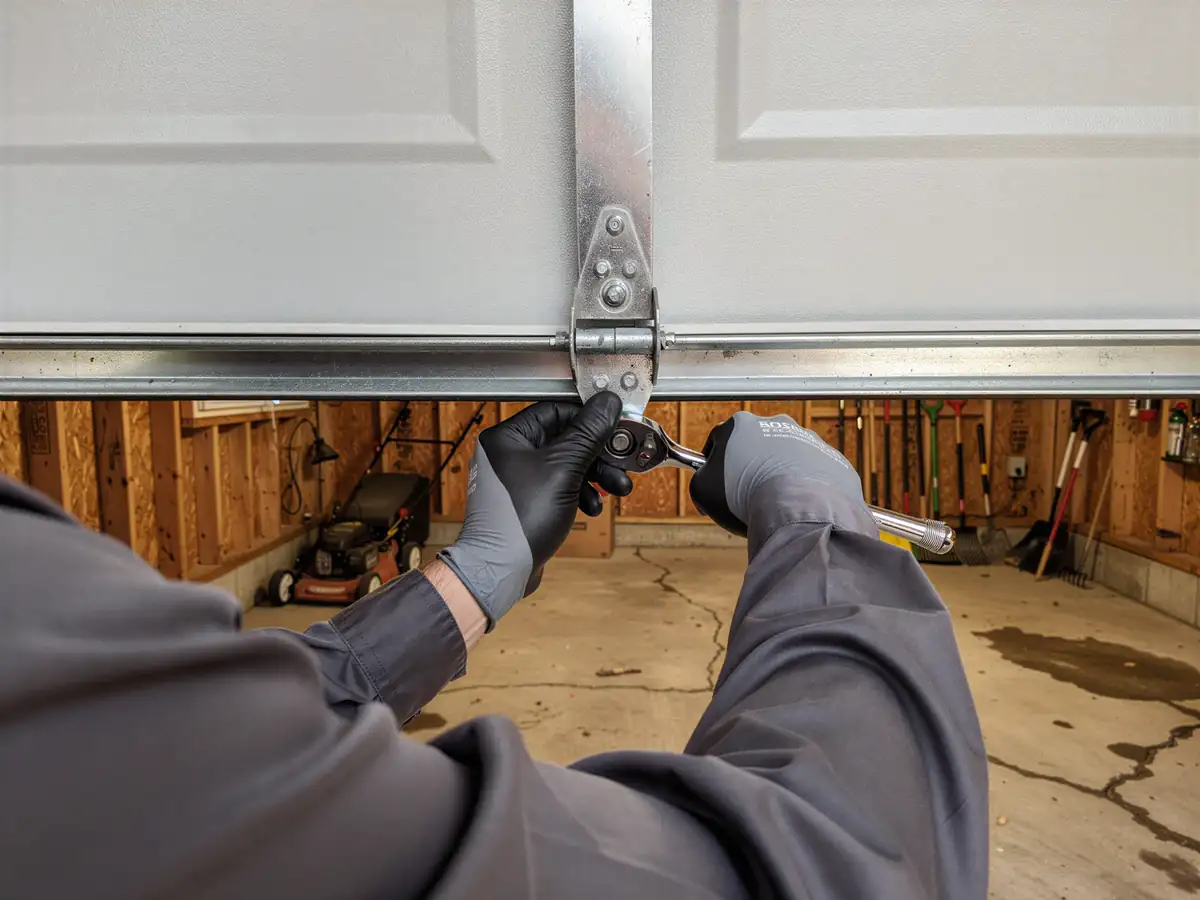
Most jobs on a standard two-car door take one cable per side, matched to drum size and door weight. We measure before we cut rather than assume, since even houses built the same year can carry different door weights depending on whether the original owner upgraded to an insulated steel door later.
How Long You Are Without the Door
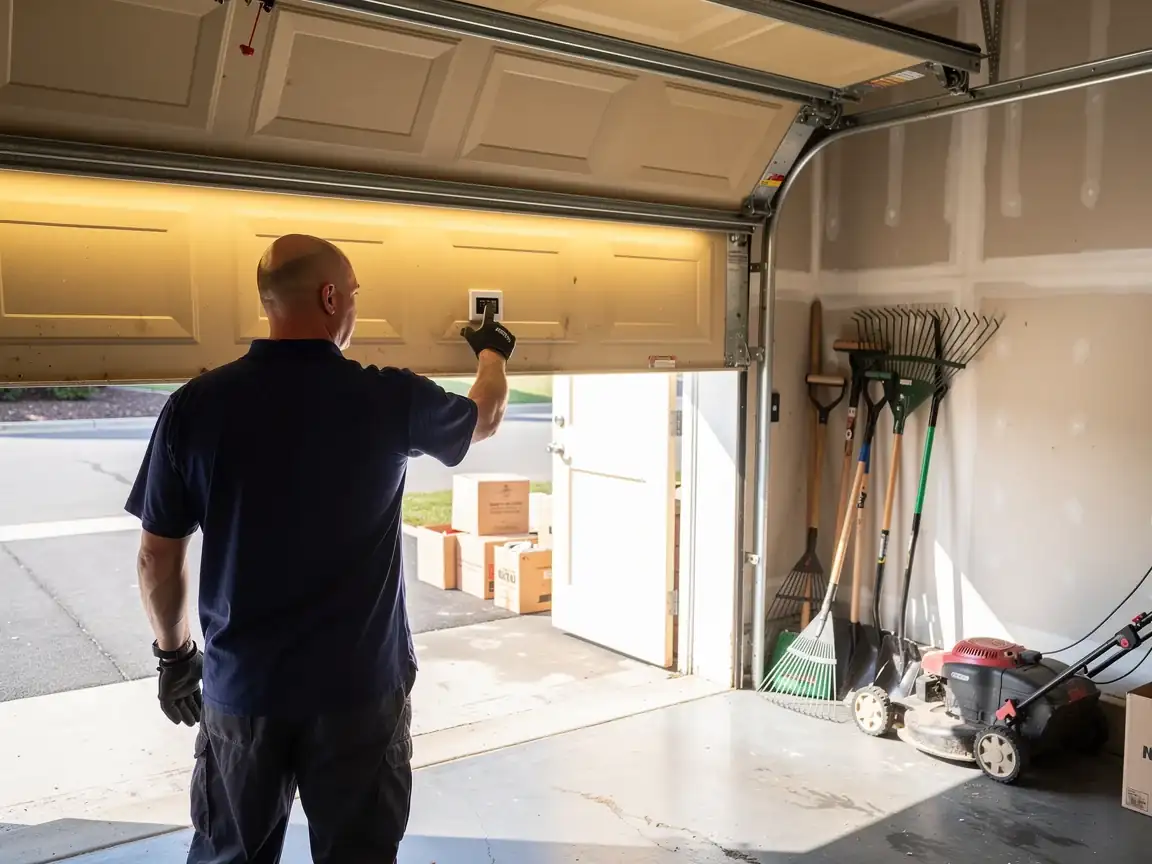
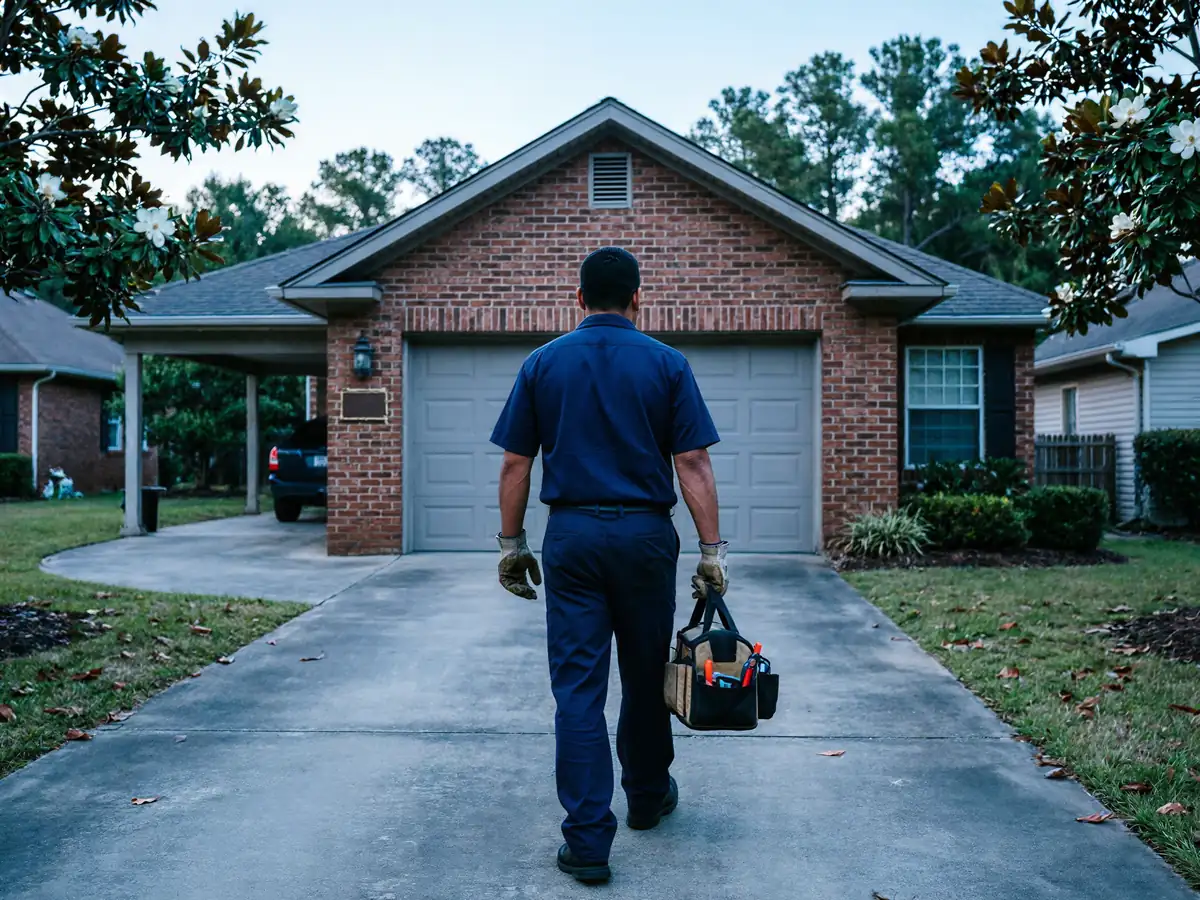
We run out of Winchester, and Berryville sits about 11 miles out, so factor that drive time into when the truck actually pulls up. Once we're there, a straightforward cable replacement on a residential door is a same-visit job - it's not a part that needs curing time or a specialty tool, just correct tension and a spring system that's been safely unwound first.
What we can't promise is a same-day slot every time, especially if the call comes in late or the door needs a cable size we don't have loaded that week. If you're stuck with the door stuck open or shut, don't force it with the opener - that's usually what turns a cable job into a track-and-panel job.
What Can Go Wrong
A frayed or snapped lift cable is rarely the whole story
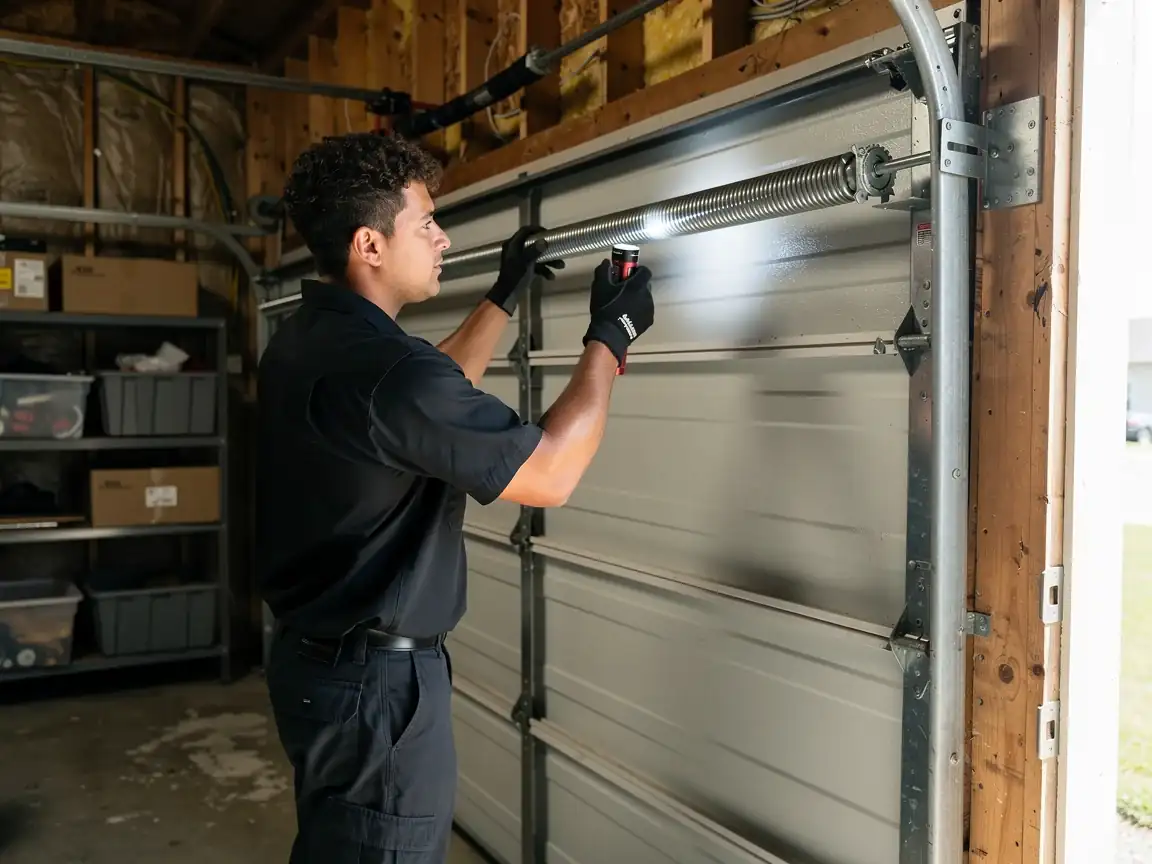
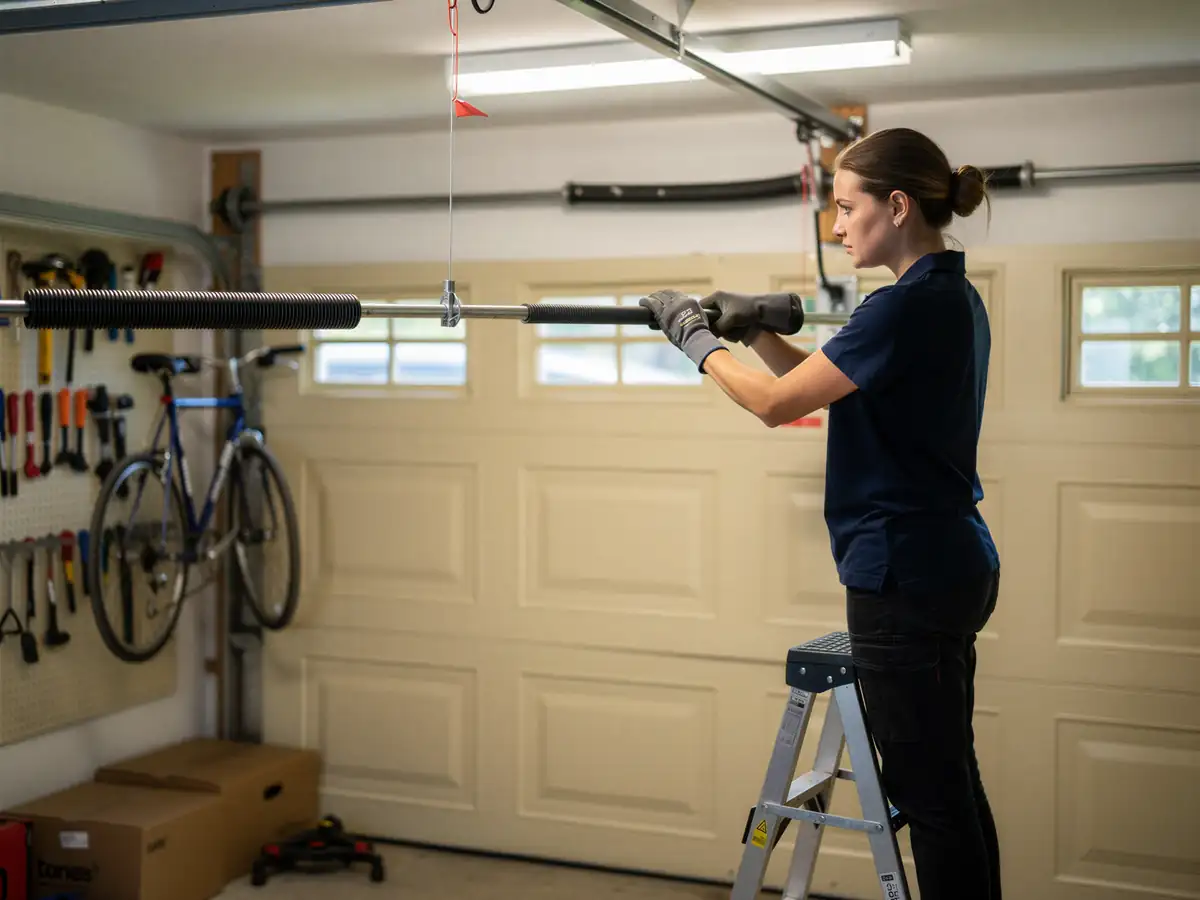
On a torsion-cable setup, if the cable jumped the drum, that's often a sign the spring tension went off balance first, and a tired spring will take out a fresh cable again inside a few months if we don't deal with both. On the extension-spring doors that are still common in Berryville's older stretches, a worn safety cable that was never replaced is the part most likely to let a spring become a projectile if something fails - that's not a scare line, it's just how those systems are built.
We also see cables come off the drum from a bent track or a roller that's seized
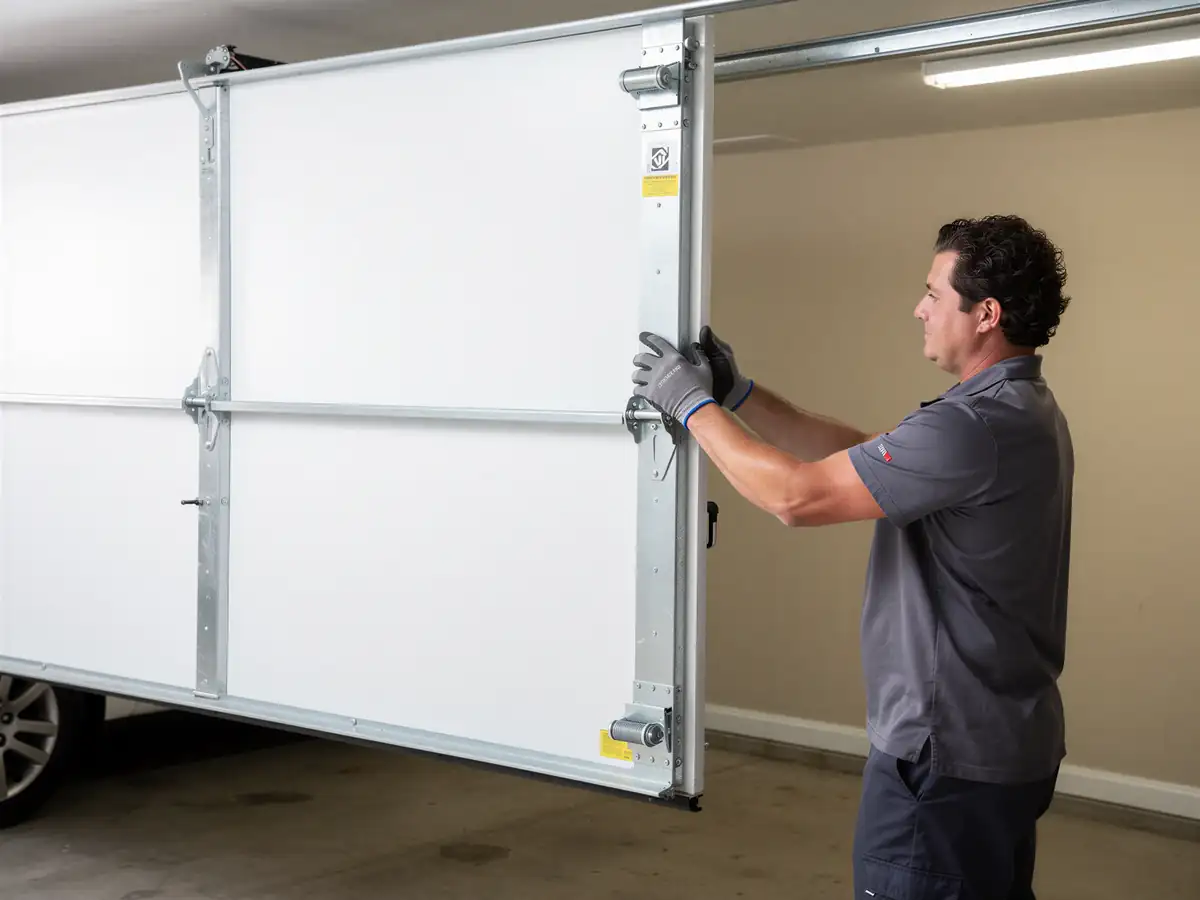
Which isn't a cable problem at all - replacing the cable without fixing the track just gets the same call back. We'll check the track and rollers before we quote a cable-only fix.
Why It Happens Here
Winter in this part of Virginia sits in a severe cold climate band, and cold is hard on cable systems in a specific way: the cable itself doesn't mind the temperature, but the lubricant on the drum and the spring stiffens, which raises the load on the cable at the exact moment it's trying to lift a door that's heavier from humidity or a touch of ice at the bottom seal. That's when a cable that was already fraying tends to let go.
Berryville's household income runs noticeably higher than the broader service area median - $100,547 here against $79,137 across the territory - which tracks with what we see on the doors themselves: more insulated steel doors and heavier openers than you'd find on a basic single-layer door, and heavier doors put more strain on a cable that's past its working life. It's not a dramatic cause, just steady wear that catches up with the door on a cold morning.