Stocked Parts
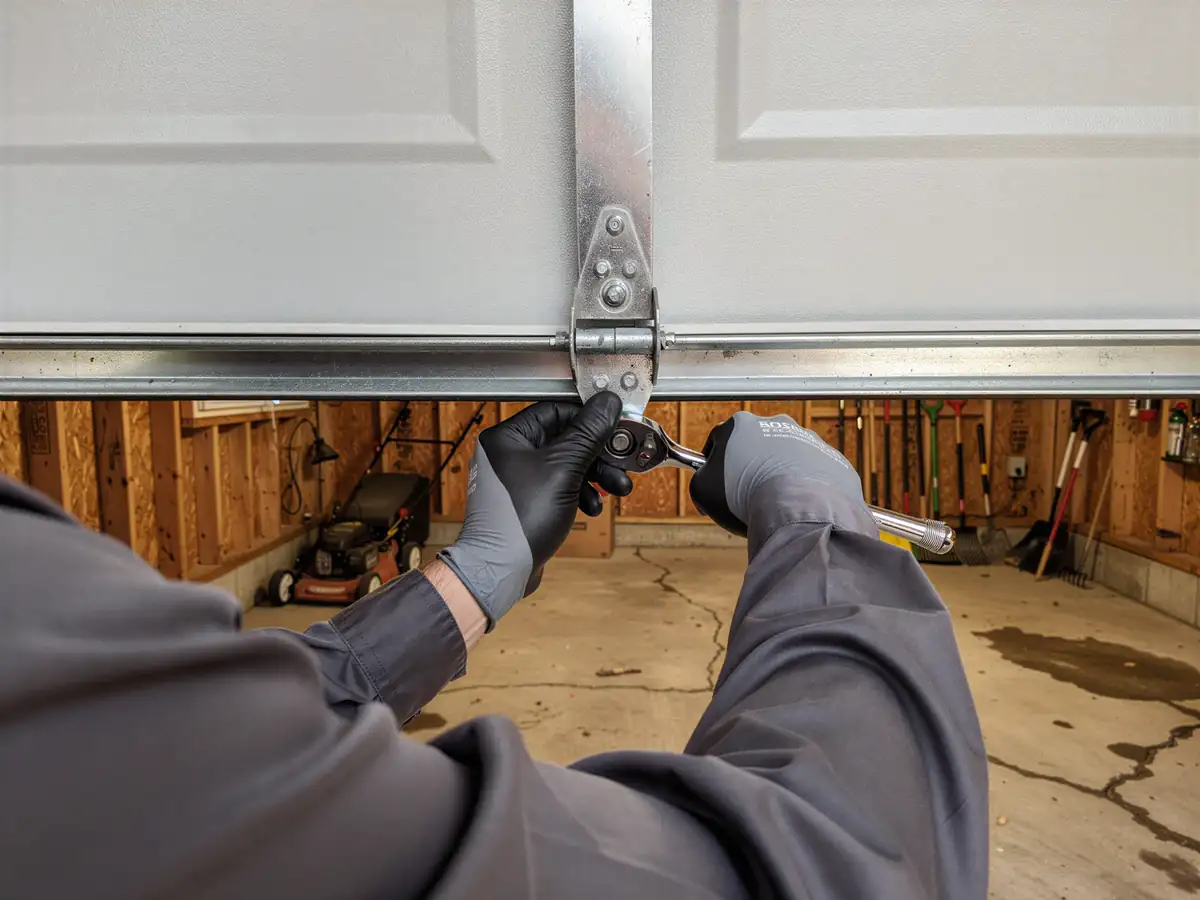
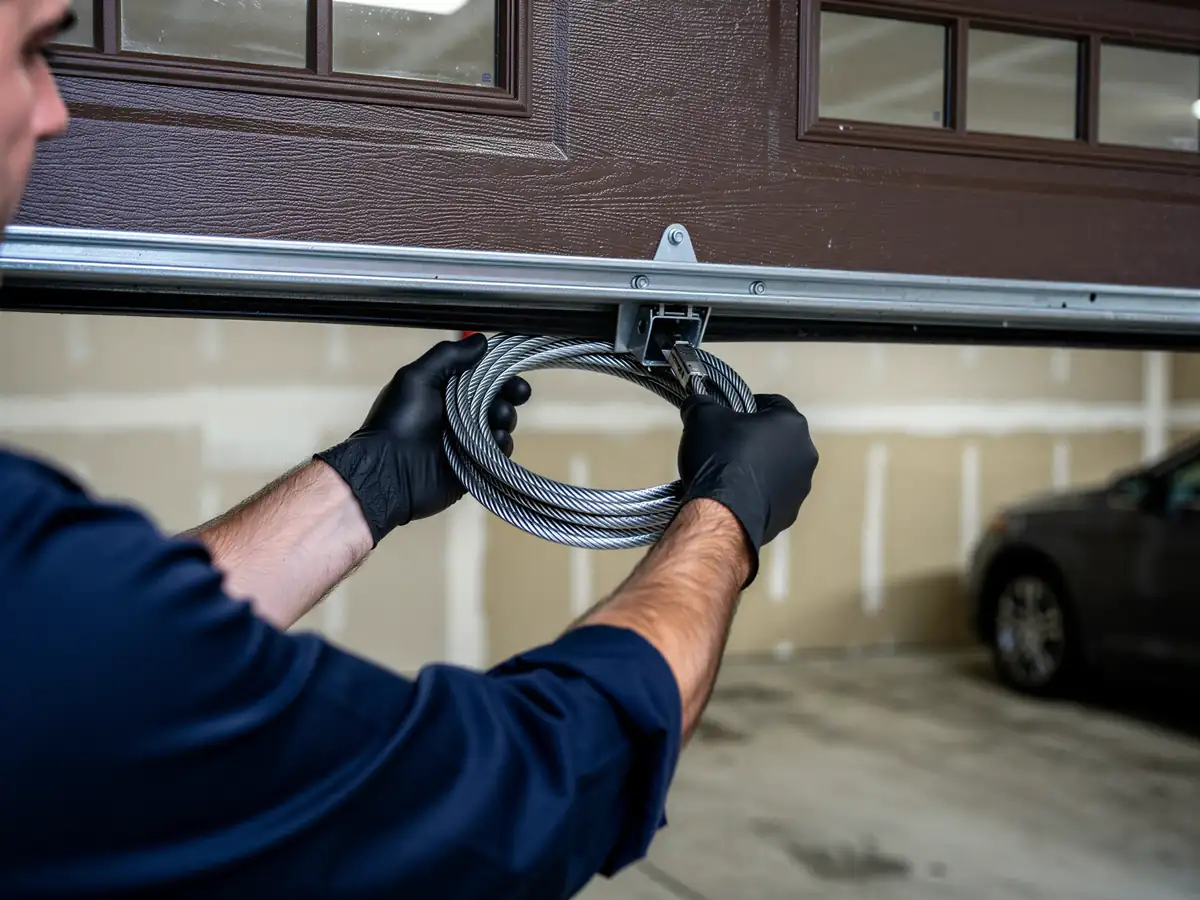
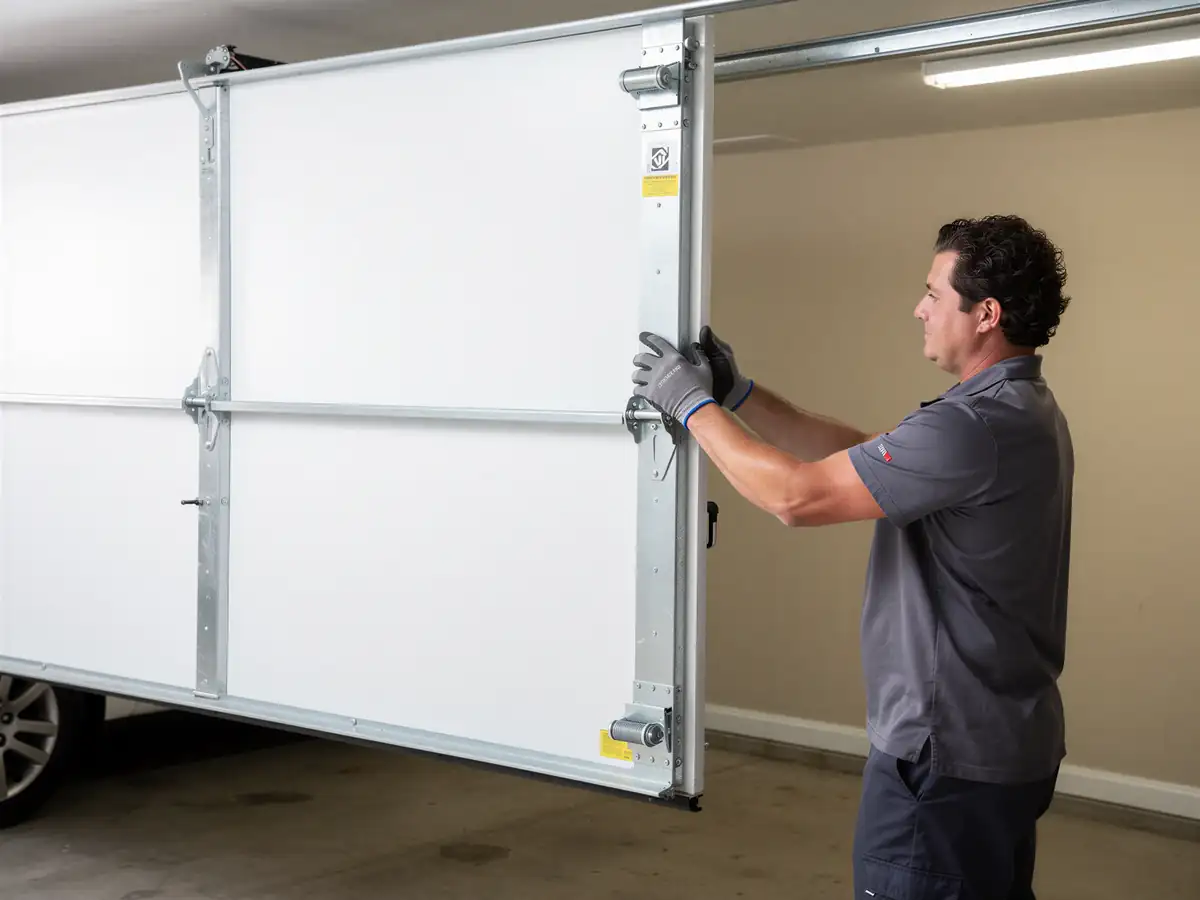
Berryville isn't a big town - about 1,772 households, which is a fraction of the roughly 5,551 owner-occupied houses we cover across the wider service area. That size matters for what we carry on the truck. Most houses here went up in the years around 1991, which puts them solidly in the same build window as the 1980s-90s stock that makes up most of this region. That means a lot of extension-spring setups, steel panel doors from that era, and openers that have usually been swapped once or twice already. We stock the common extension springs, standard rollers, and the panel hardware that fits doors from that period, because that's what actually breaks here.
What we don't carry on the truck is anything discontinued - a specific panel style a manufacturer stopped making, or an opener logic board for a unit nobody services anymore. If your door needs one of those, we'll tell you straight that it's an order, not a same-visit fix. A town this size doesn't generate enough call volume for us to stock parts on a guess; we stock what the housing stock actually needs, and order the rest.
How Long You Are Without the Door
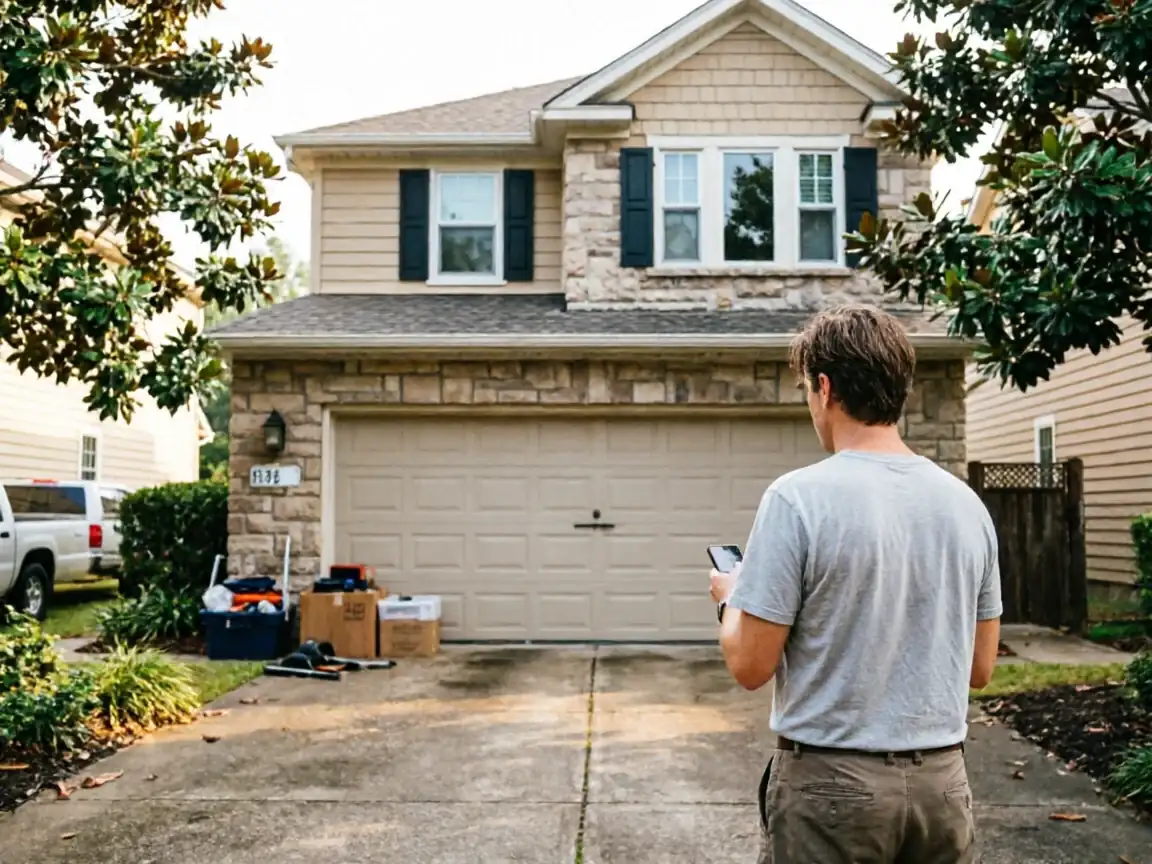
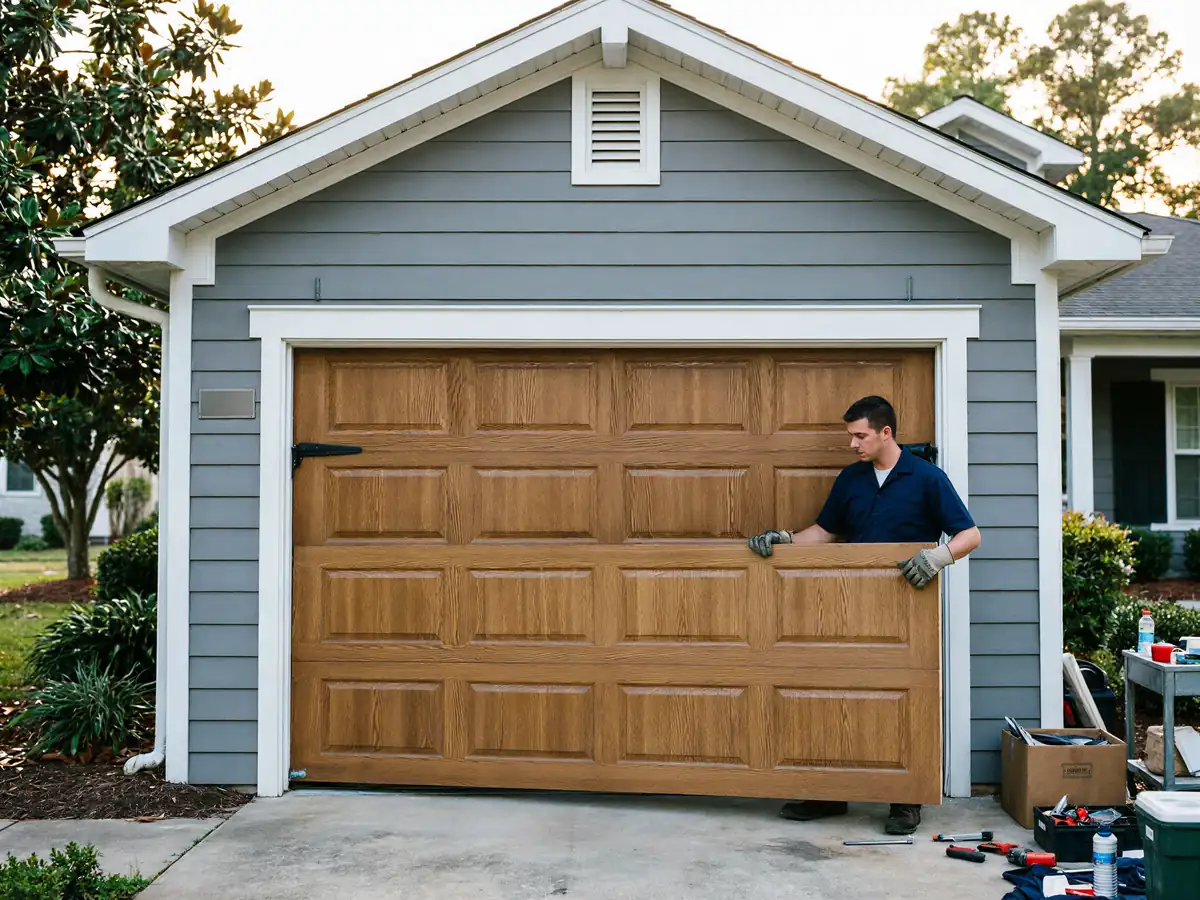
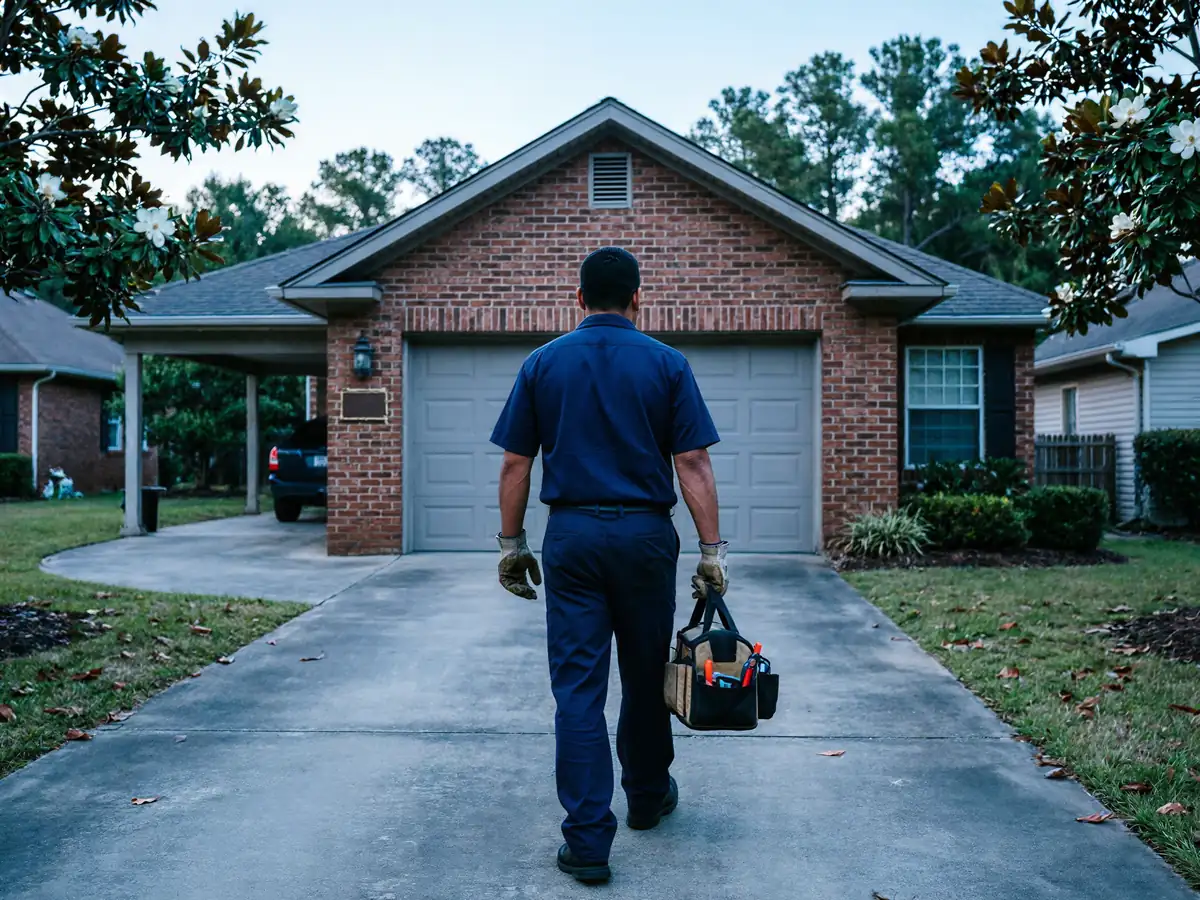
There's no Berryville depot - we run this call from Winchester, about 11 miles out. That drive is short enough that it doesn't change much for a straightforward job, but it does mean we're not sitting around the corner waiting for the phone. If a spring snaps on a Tuesday morning, the job itself still only takes an hour or two once we're there; the variable is getting a truck freed up and making the drive.
We won't promise a response time we can't back up for a town we reach by highway rather than a local yard. What we can say is that Berryville is a regular stop, not an outlier - at 11 miles it's one of the closer points in the area we cover, closer than Strasburg or Front Royal. For a household count this size, we're not running multiple trucks through town on a given day, so if your job can wait a few hours for the right parts to be loaded, say so - it saves a second trip more than it costs you in waiting.
What Can Go Wrong
The climate here runs cold and severe enough that grease stiffens and steel contracts
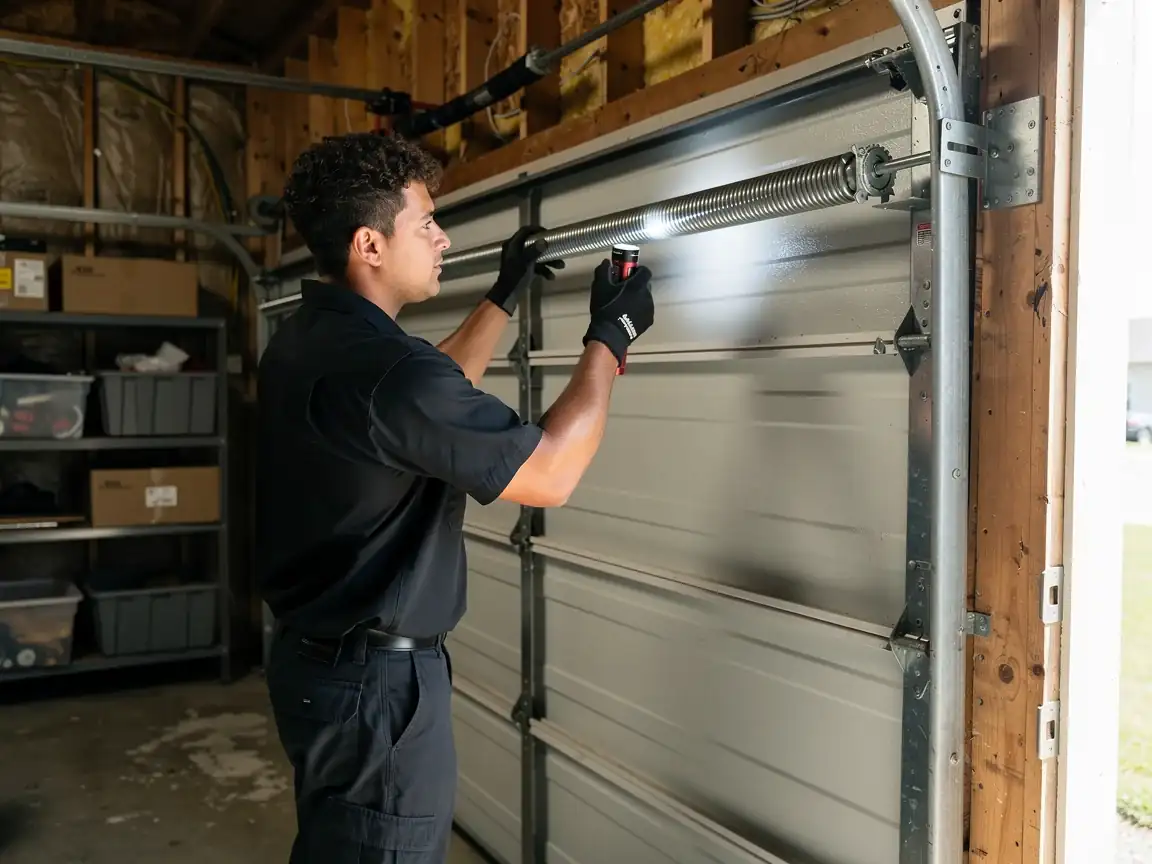
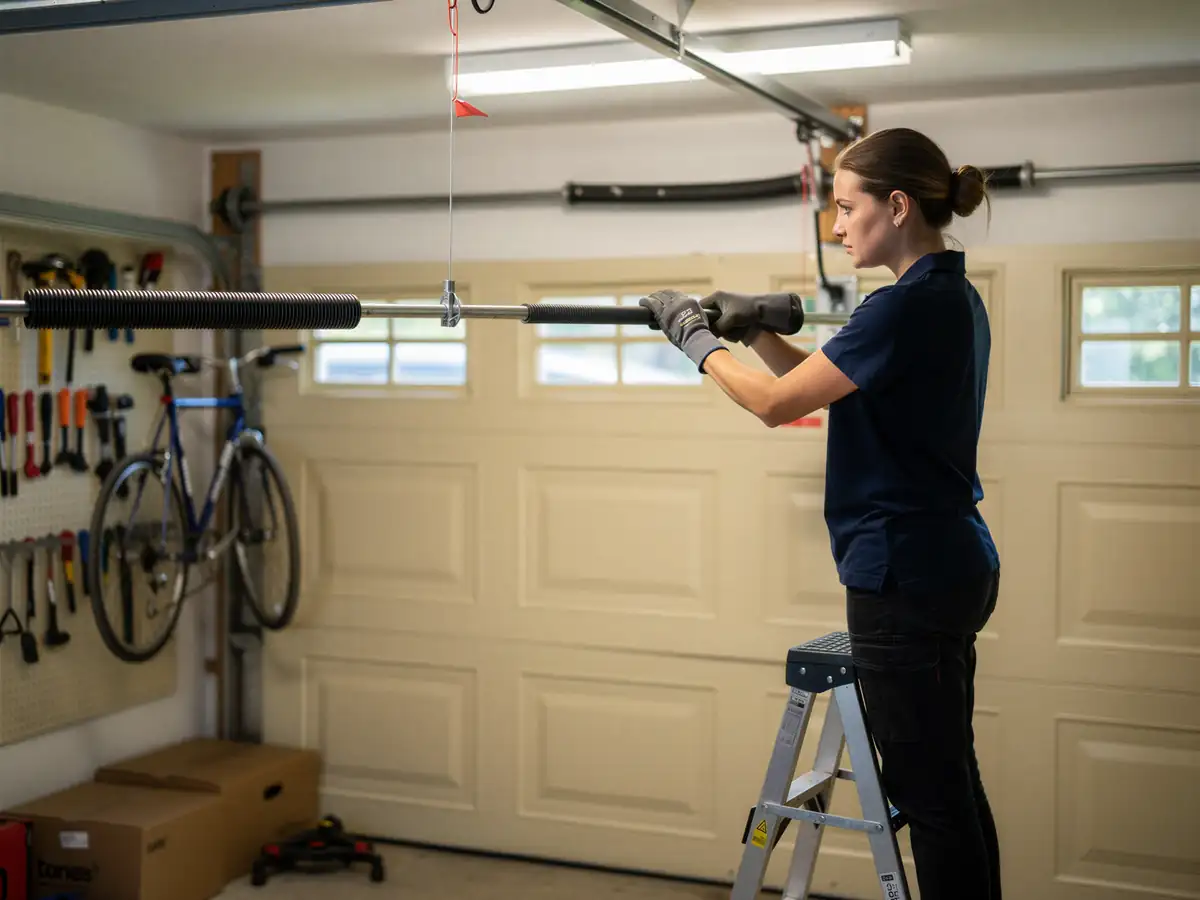
And that shows up first in extension-spring doors - which is most of what Berryville has, given the 1980s-90s build era. A spring that's been fine all fall will snap on the first hard-freeze morning because the metal's fatigue point moves with temperature. Rollers on steel track do the same thing: they bind up cold, and an owner forces the opener through it a few times before the track bends.
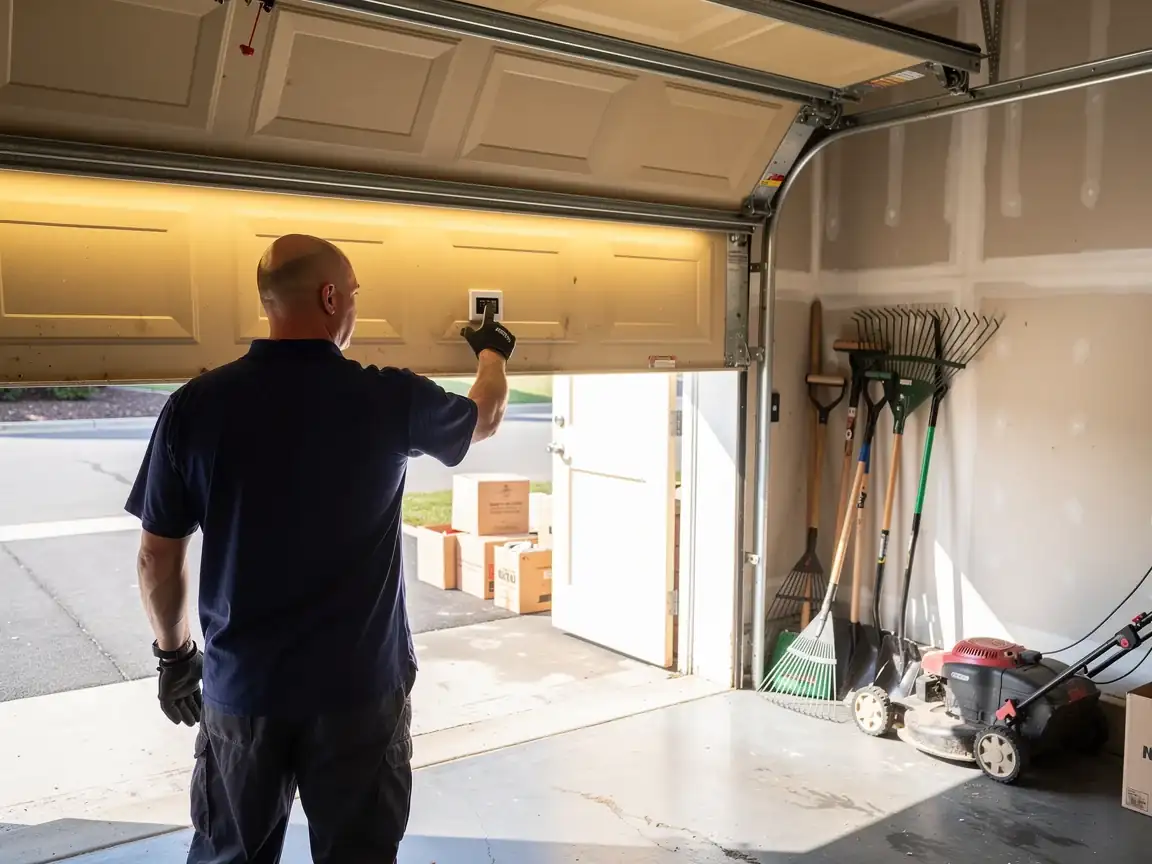
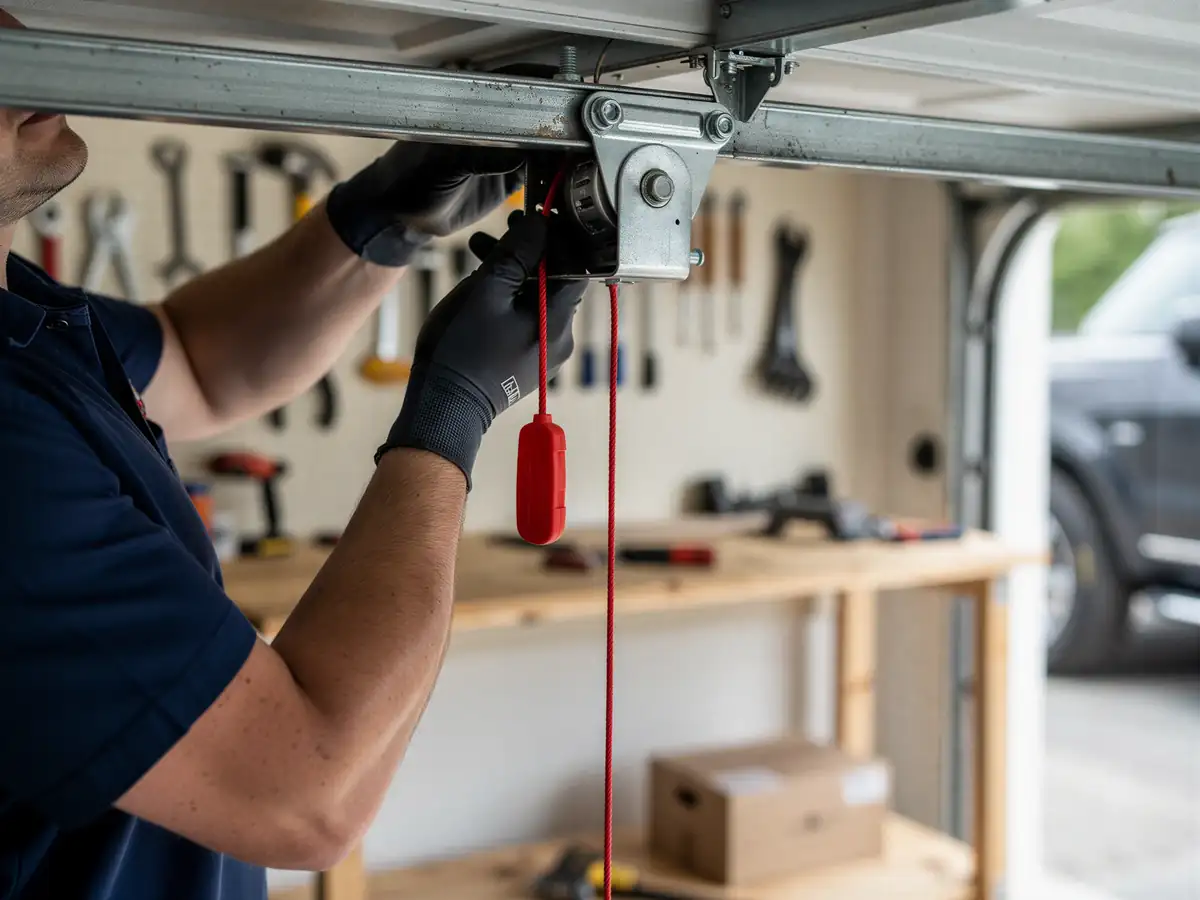
Openers from this era are also starting to hit the age where the logic board or the drive gear goes
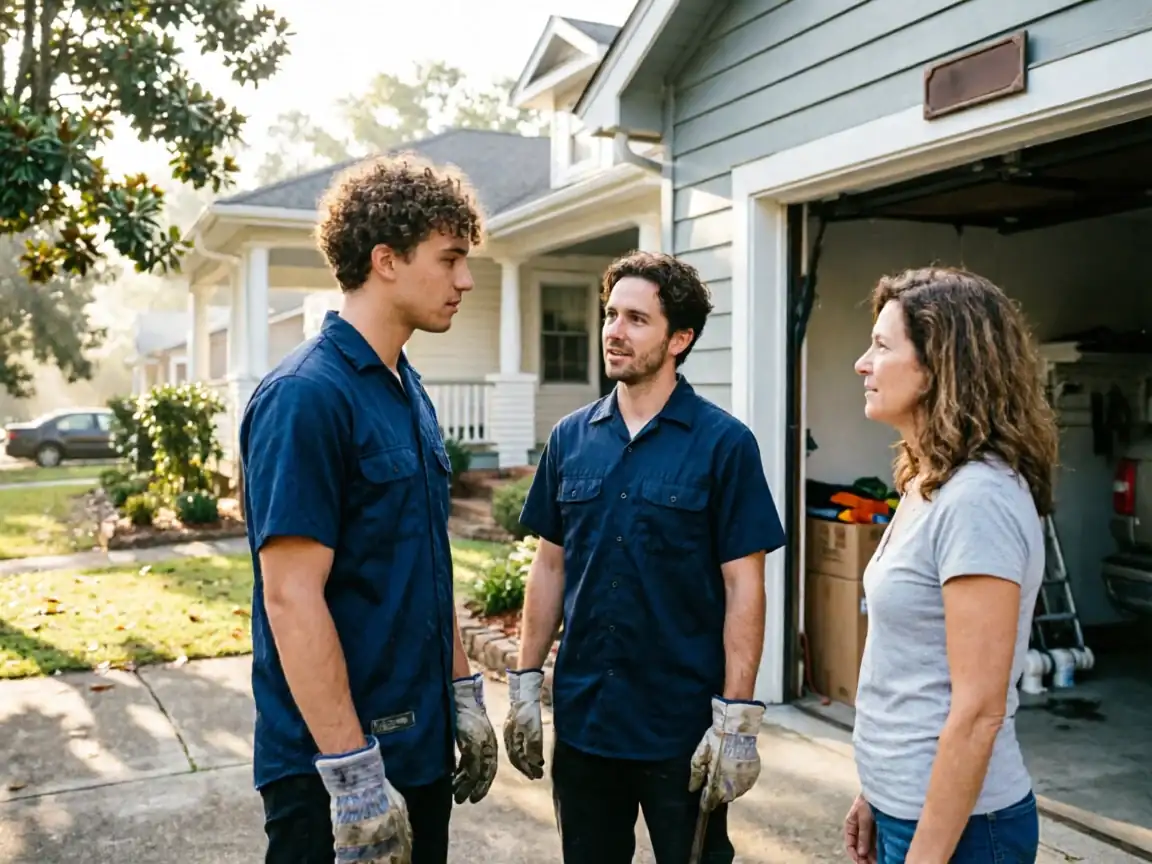
Independent of the door itself. We see both kinds of failure here - spring snaps that are purely mechanical, and opener failures that are just the unit reaching the end of its service life. One honest note: if the door is original to a house built around 1991, we'll often tell you a full replacement is the better call once a spring and an opener both need work in the same year, rather than patching one and leaving the other to fail next winter.
Why It Happens Here
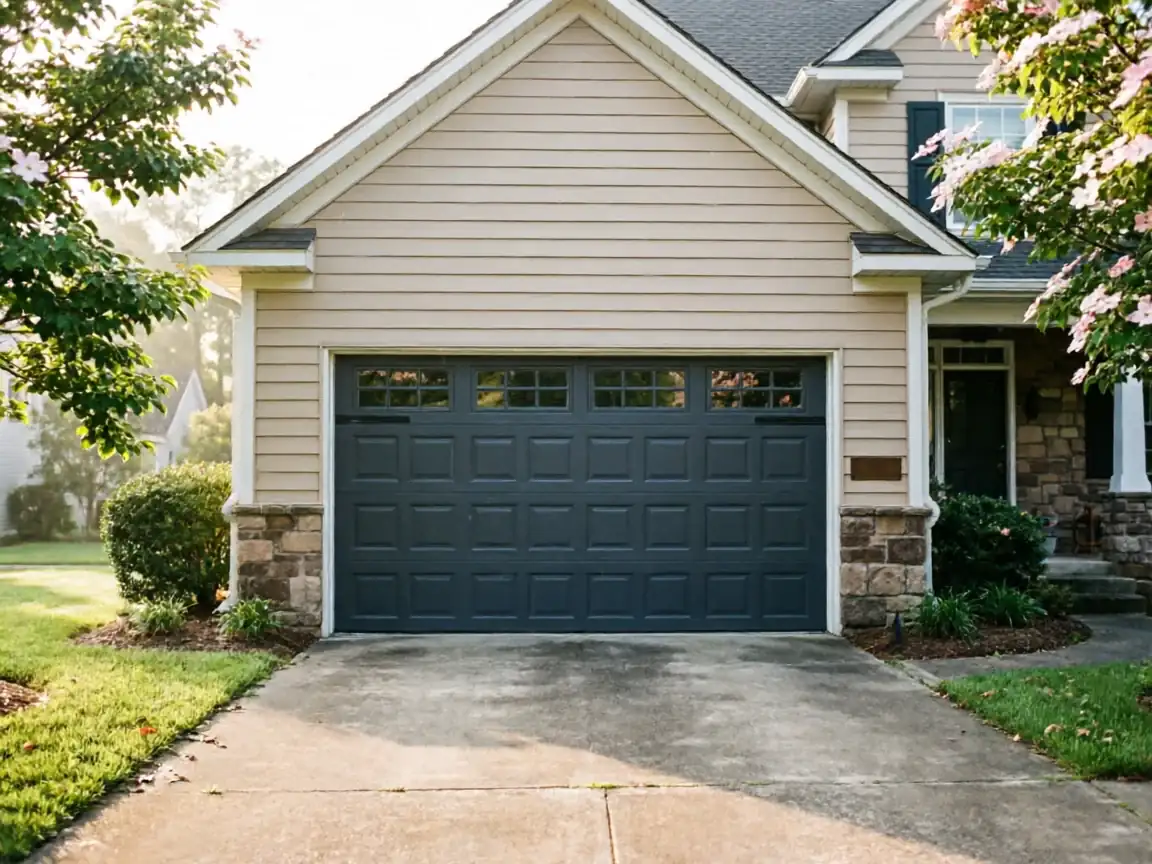
Berryville's housing stock centers on 1991, inside the same broad window - 1971 to 1991, mostly 1980s-90s - that defines construction across this part of the service area. That's not a coincidence of when people happened to build; it's the reason the hardware failures cluster the way they do. Doors from that era were built with extension springs as the standard, not torsion bars, and those springs have a shorter working life than torsion hardware, especially once cold weather starts working on the steel every winter.
The area's median household income, at $100,547, runs noticeably higher than the roughly $79,137 median across the wider service area, and that shows up in the calls too - more owners here ask for a torsion conversion or a full opener upgrade rather than a patch repair, because they'd rather solve the underlying age-of-the-door problem once than keep replacing extension springs on the same 30-year-old door. Neither approach is wrong. It's a household-by-household call based on what the door's worth holding onto.