Stocked Parts
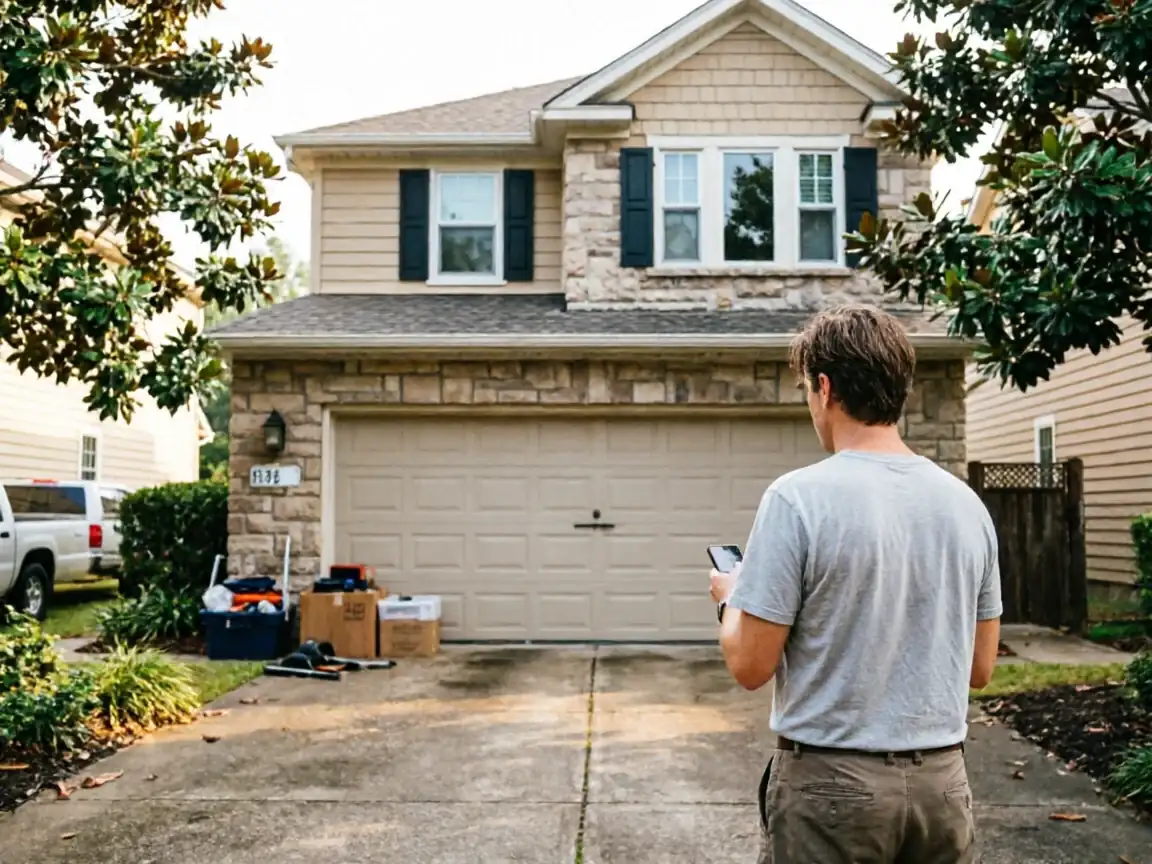
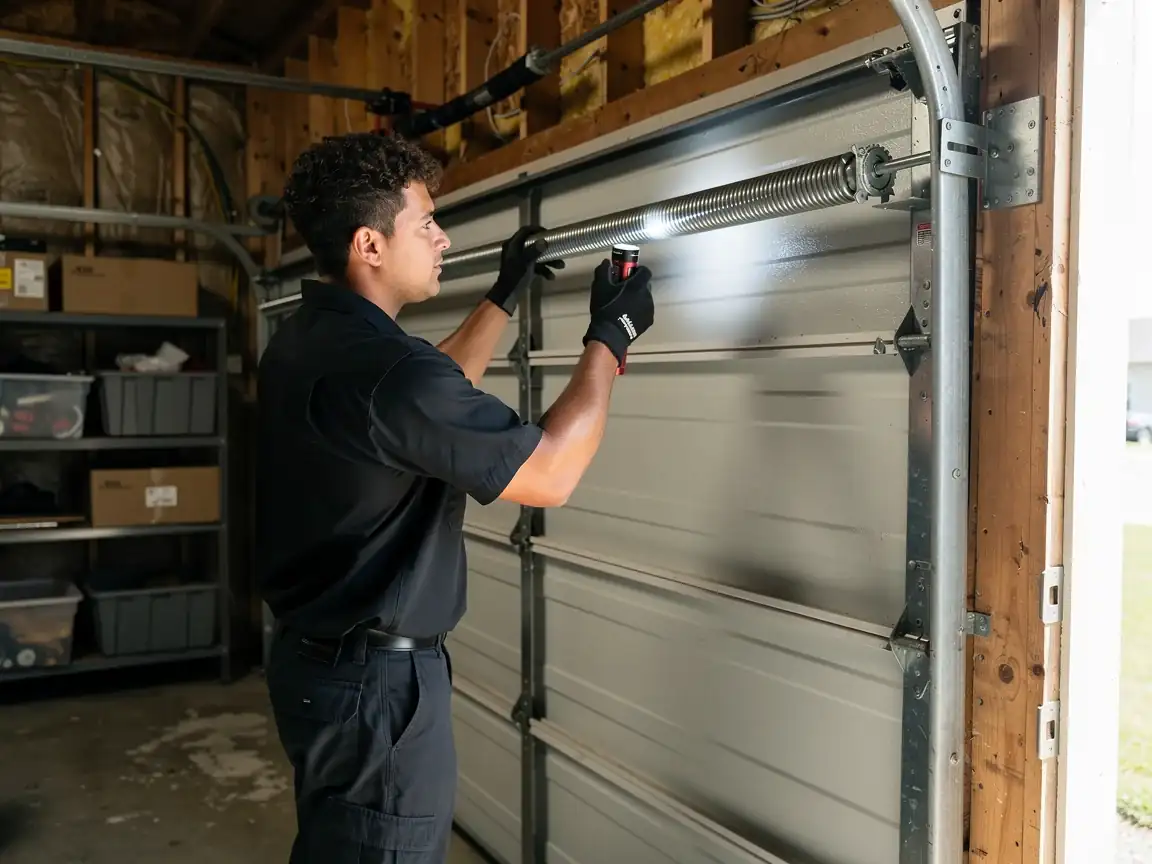
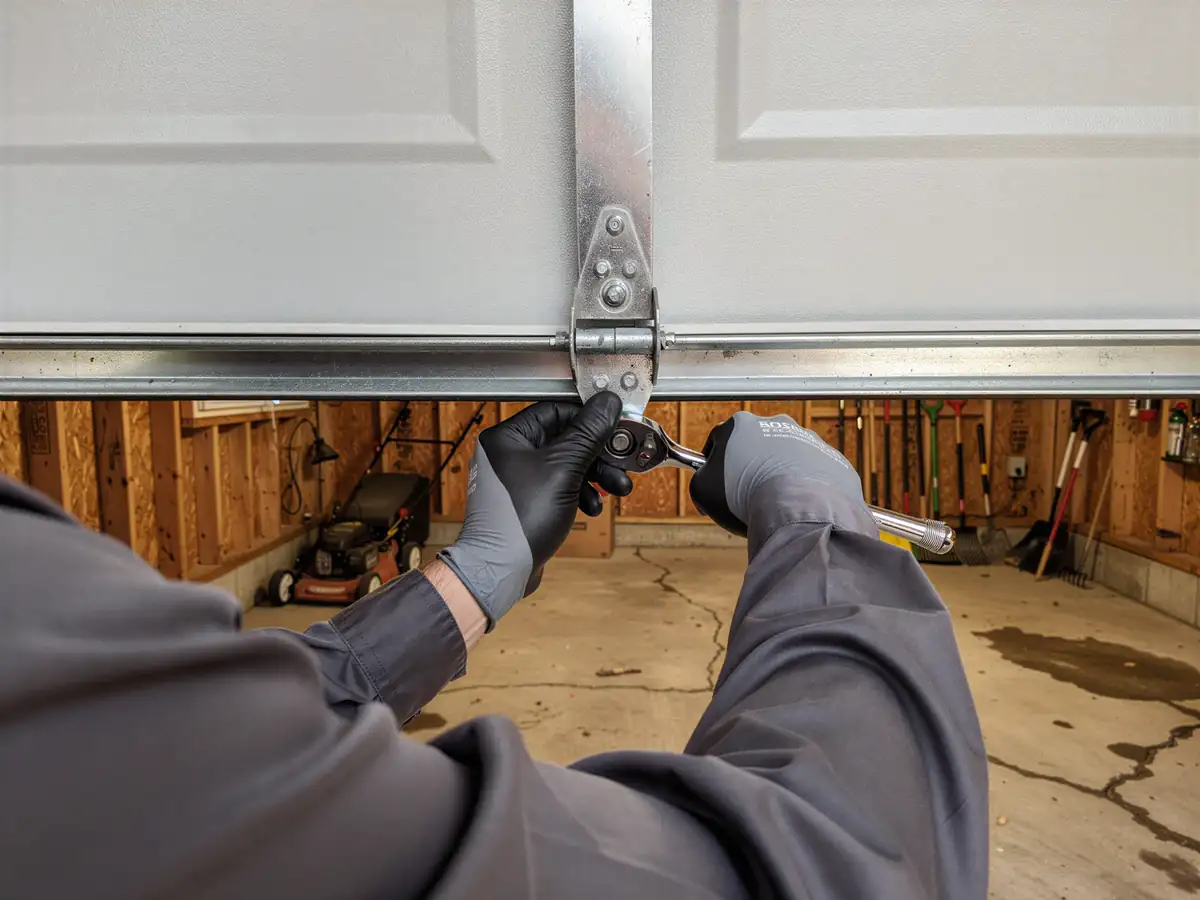
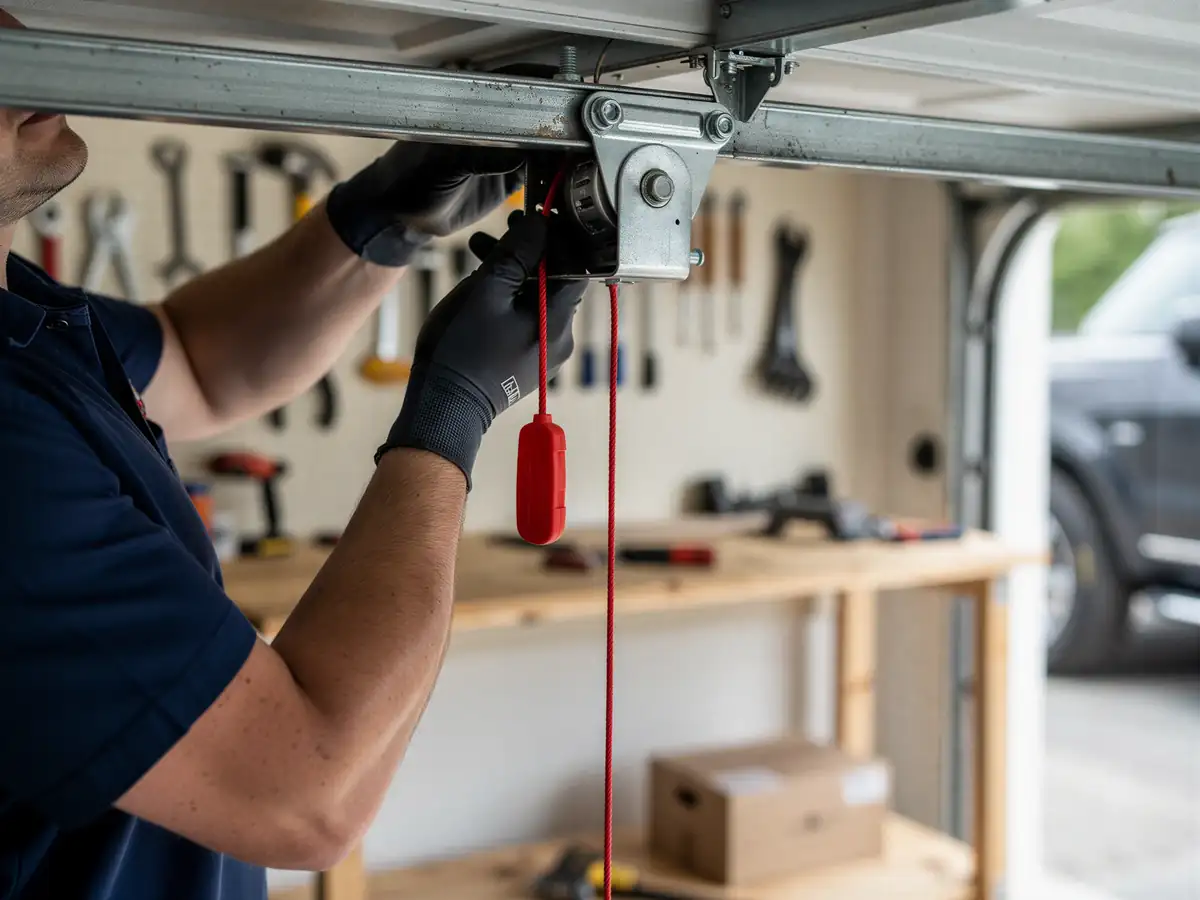
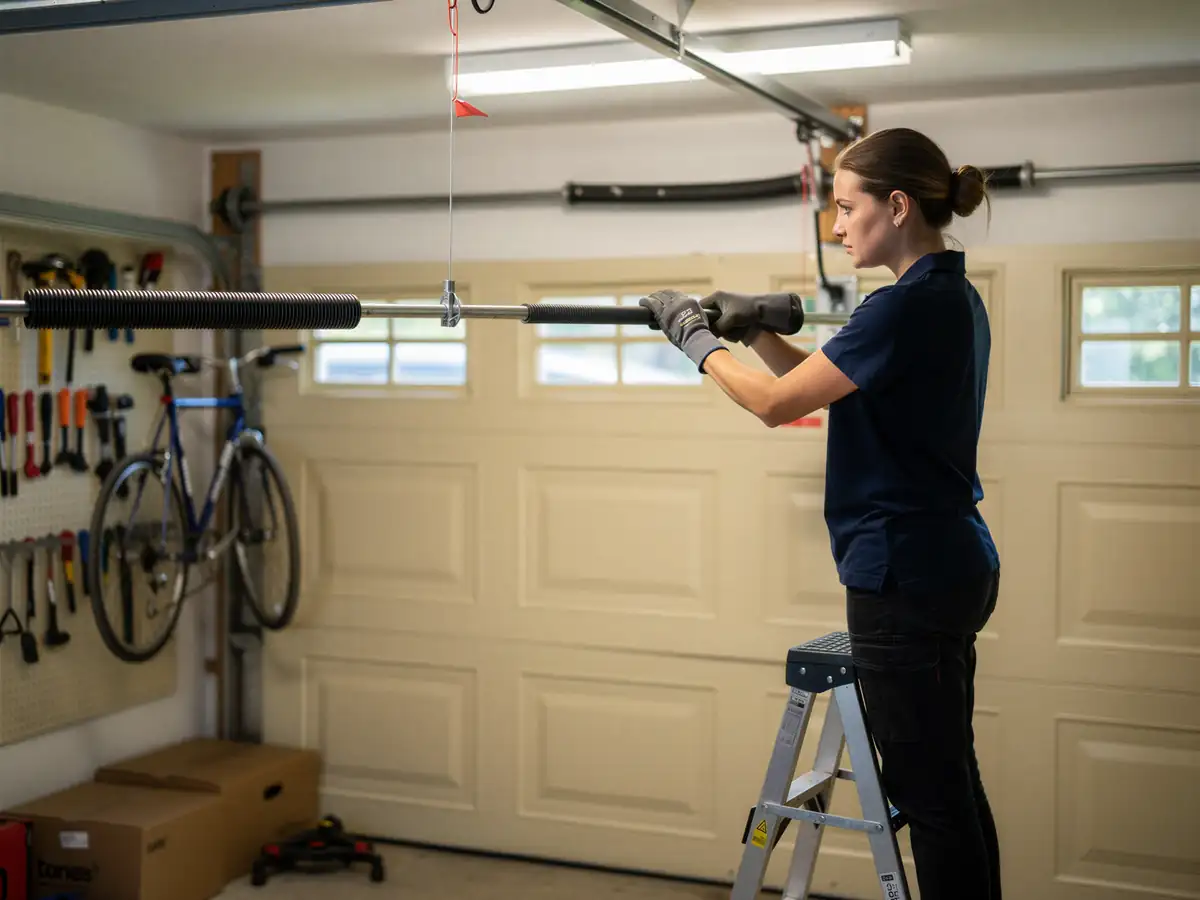
Berryville's housing stock centers on 1991, which puts most garage doors here a decade or so newer than what you find across a lot of the wider service area, where the build years run from 1971 up through 1991. That later date matters for spring work because by the late 80s and into the 90s, torsion springs had mostly replaced the older extension-spring setups on single and double doors alike. We carry torsion springs sized for that era's standard door weights and drum setups on the truck, since that's what we expect to find when we open a Berryville door. What we don't carry for every job is an extension spring kit matched to an older side-mount system - those show up less here than in the pockets of the service area built before 1971, and if your door turns out to be one of the rare older installs, we may need to order the exact gauge rather than pull it off the shelf.
How Long You Are Without the Door
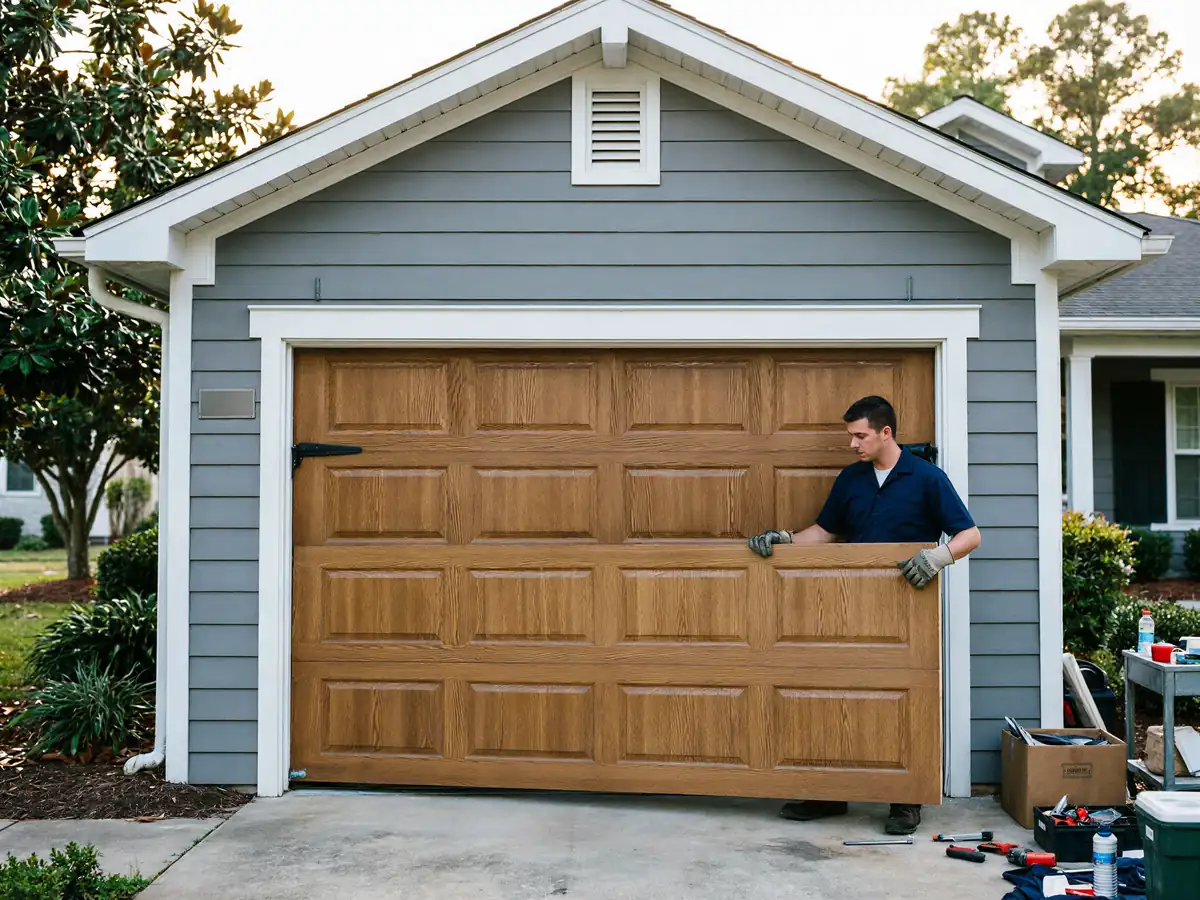
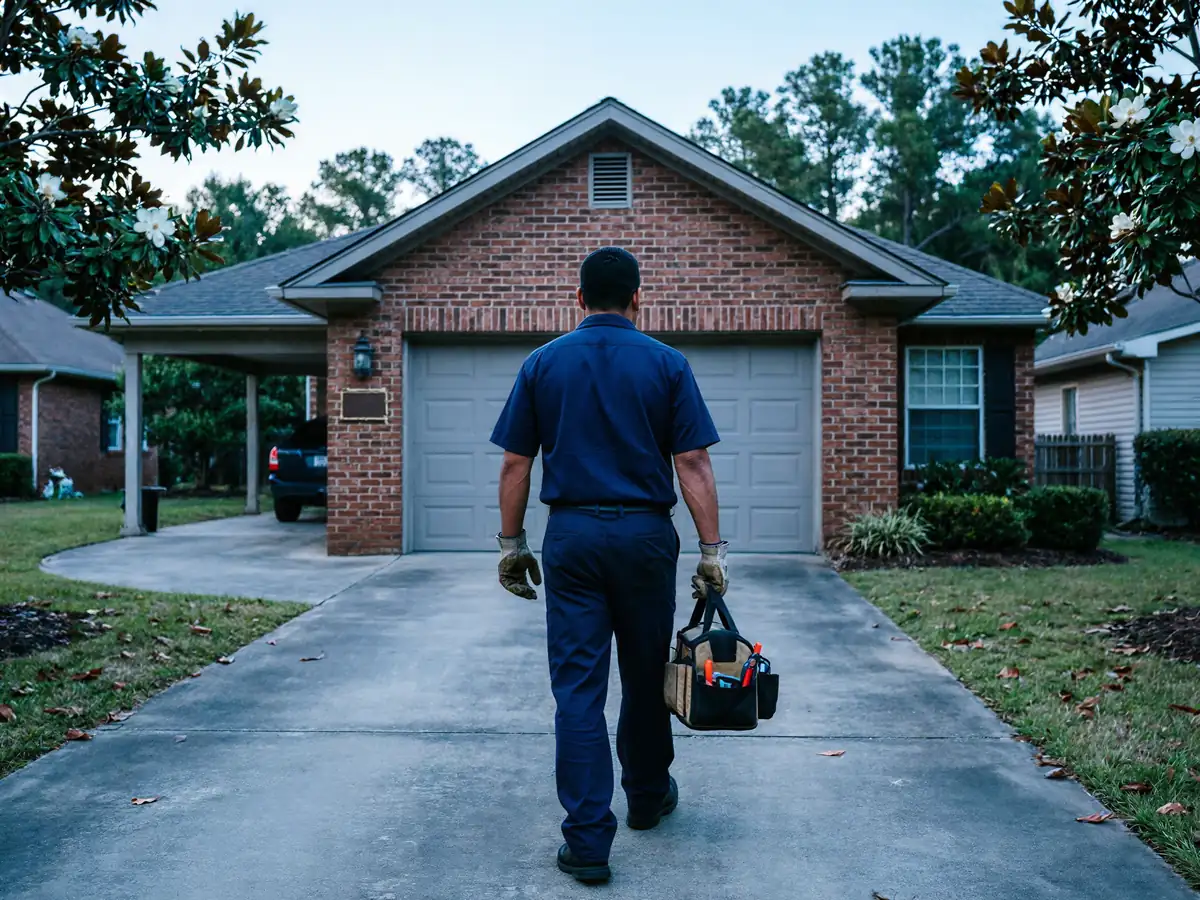
We run out of Winchester, and Berryville sits about 11 miles out, so the drive itself isn't the long part of the job - the spring swap on a standard torsion setup usually is the quick part once we're there. The variable is parts. If your door matches the common torsion sizing from the 1980s-90s stock that makes up most of this area, we're working with what's already on the truck. If it's an older extension-spring door or a nonstandard size, that's an order, and we'll tell you honestly if that's the case before we start rather than guess and come back twice. We don't quote a fixed turnaround here because it depends on which of those two situations your door falls into, and promising one without knowing isn't something we're going to do.
Why It Happens Here
The service area sits in a cold climate band with real seasonal swings, and steel spring temper doesn't like repeated cold snaps any more than it likes heat. A spring at the tail end of its rated cycle count is more likely to snap on a cold morning when the steel's stiffer and the door's heavier to lift than it is on a mild afternoon. Berryville's households run smaller in number than the service area overall - about 1,772 compared to the roughly 12,500 households spread across the full territory - and median income here runs noticeably higher, over $100,000 against the service area's roughly $79,000. That income difference doesn't change how a torsion spring fails, but it does mean we more often see owners replacing a worn spring before it breaks outright rather than waiting for the bang, which is the cheaper and safer way to handle it either way.