Stocked Parts
Berryville's median household income sits at $100,547, well above the $79,137 median across the wider service area we cover from Winchester. That number matters more than it sounds like it should: at that income level, a homeowner looking at a cracked bottom panel or a worn-out opener on a door that's pushing 30 years old is usually better served putting in a new door than chasing parts for the old one, once you add up what a repair plus the next repair actually costs.
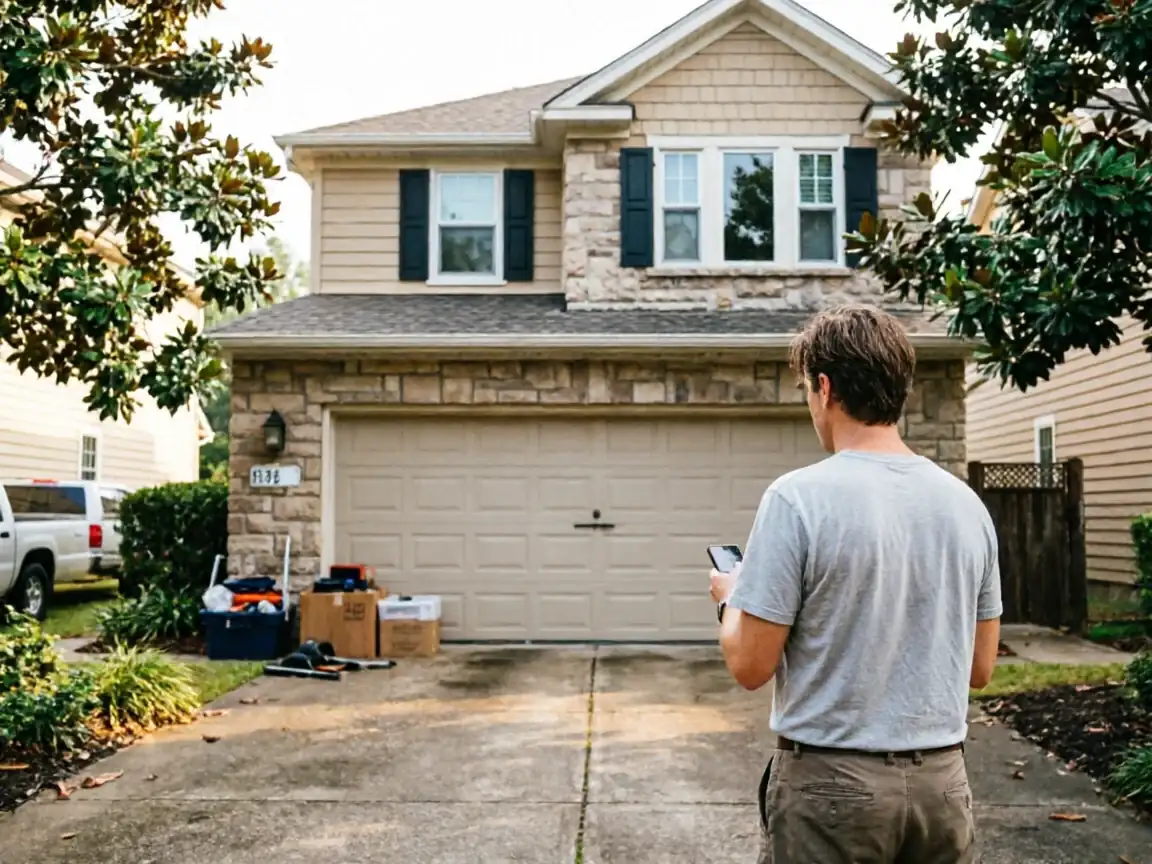
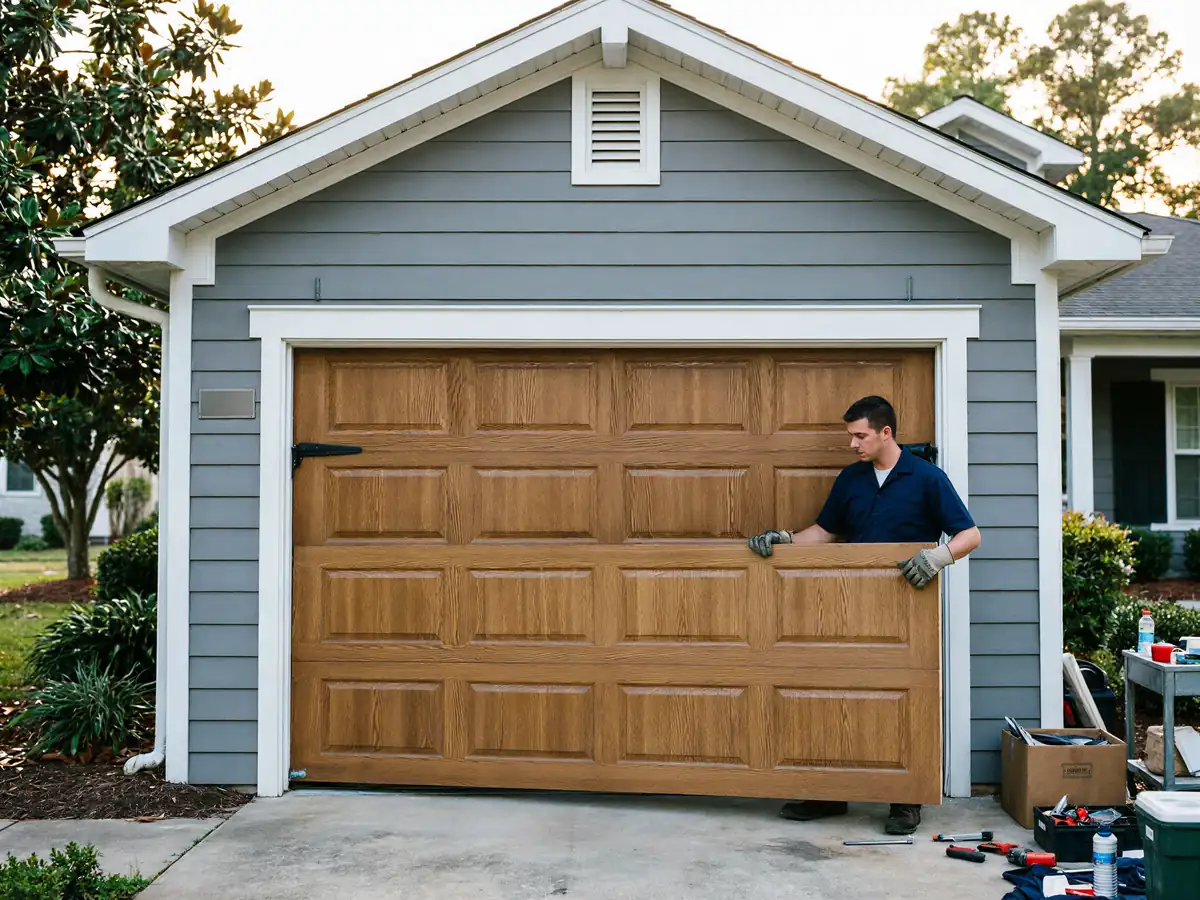
Because the median build year here is 1991, most of the openings we measure are standard 1990s sizes - 16x7 doubles and 9x7 singles, mostly steel sectional with some early polystyrene-core insulation. We carry those sizes and the torsion hardware that matches that era on the truck. What we don't stock is anything custom - carriage-style wood doors, oversized openings on newer additions, or odd non-standard widths some owners cut into a garage later. Those get special-ordered, and that adds lead time we won't pretend away.
We build the quote around what's actually on the house, not a generic sheet. If your opening doesn't match the 1991-era standard, we say so up front instead of forcing a size that doesn't fit.
How Long You Are Without the Door
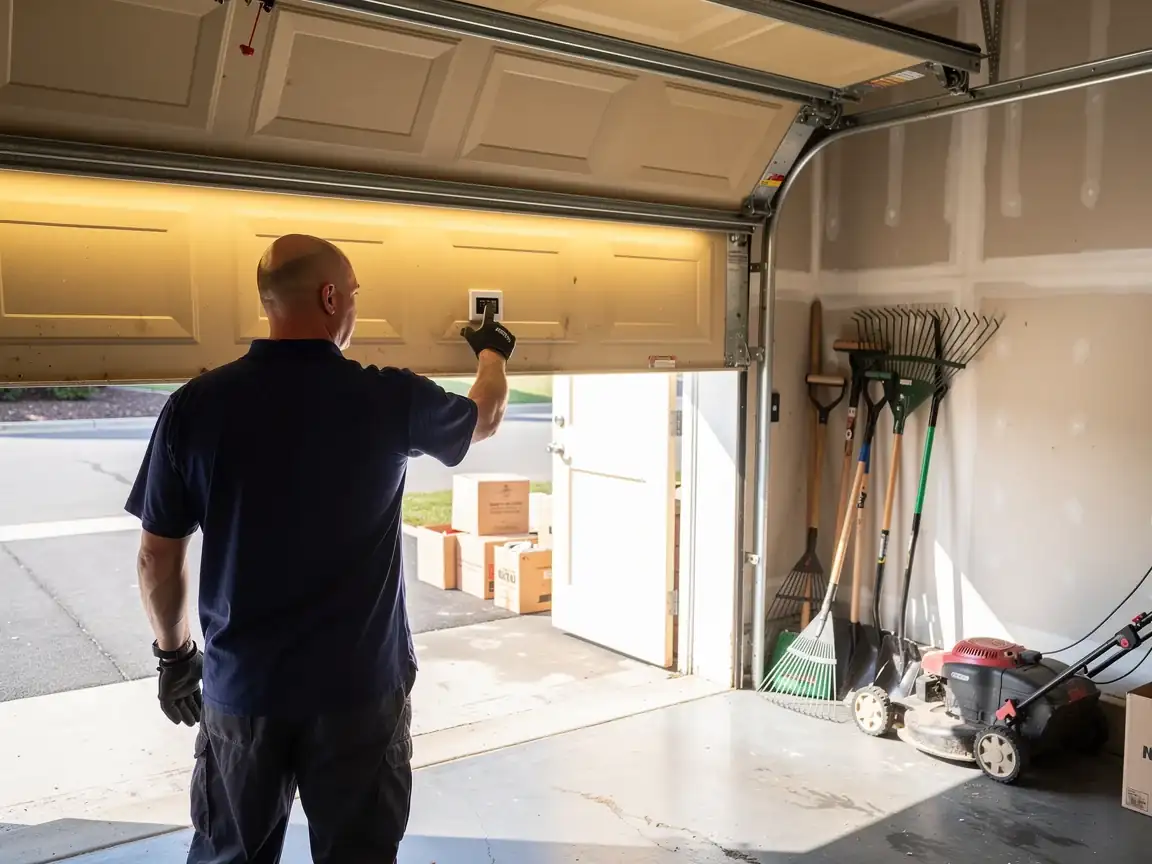
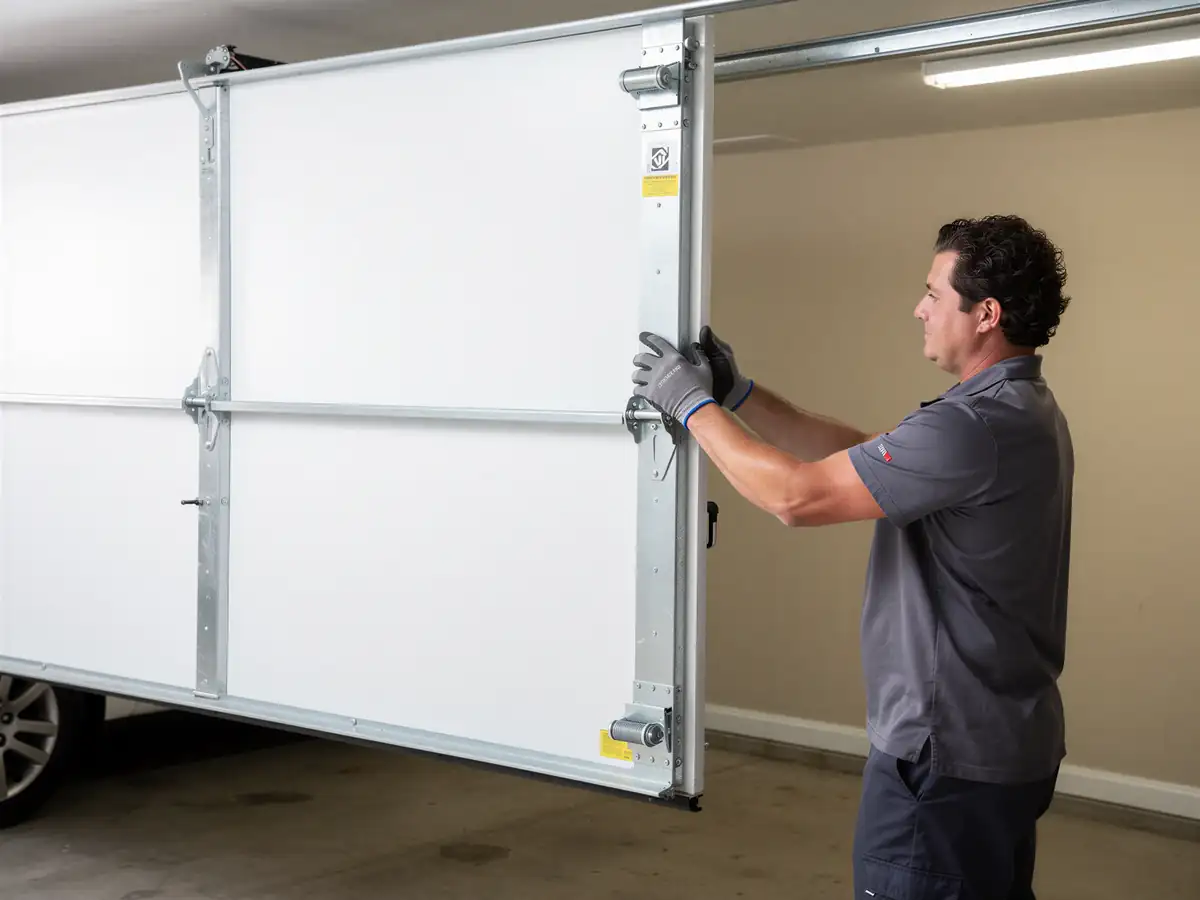
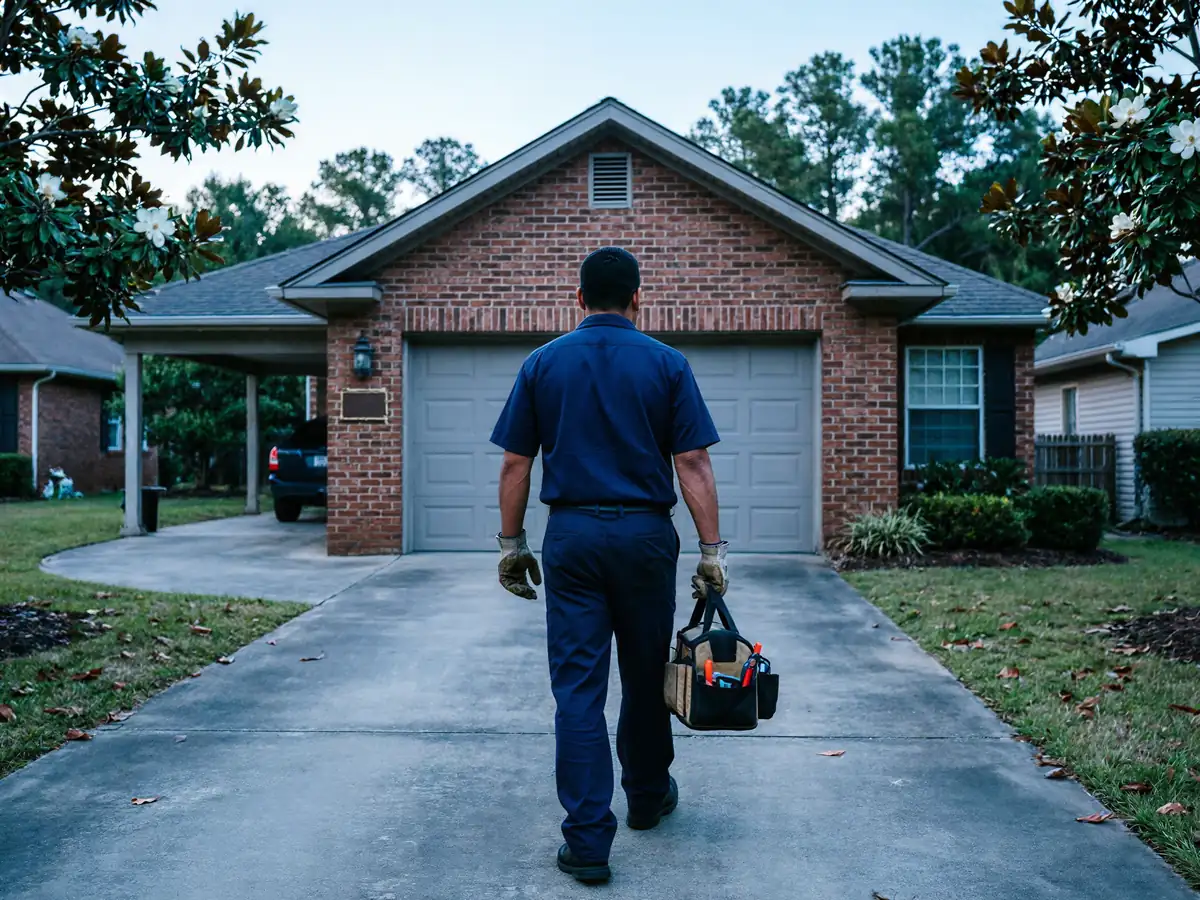
We run the 11 miles out from Winchester, and because Berryville is a smaller town - 1,772 households total - we don't keep a crew or a stocked trailer sitting there waiting. That means an installation here gets scheduled as one planned trip: measure, order if the size isn't a stock item, then come back and install in a single visit rather than piecing the job across several short runs.
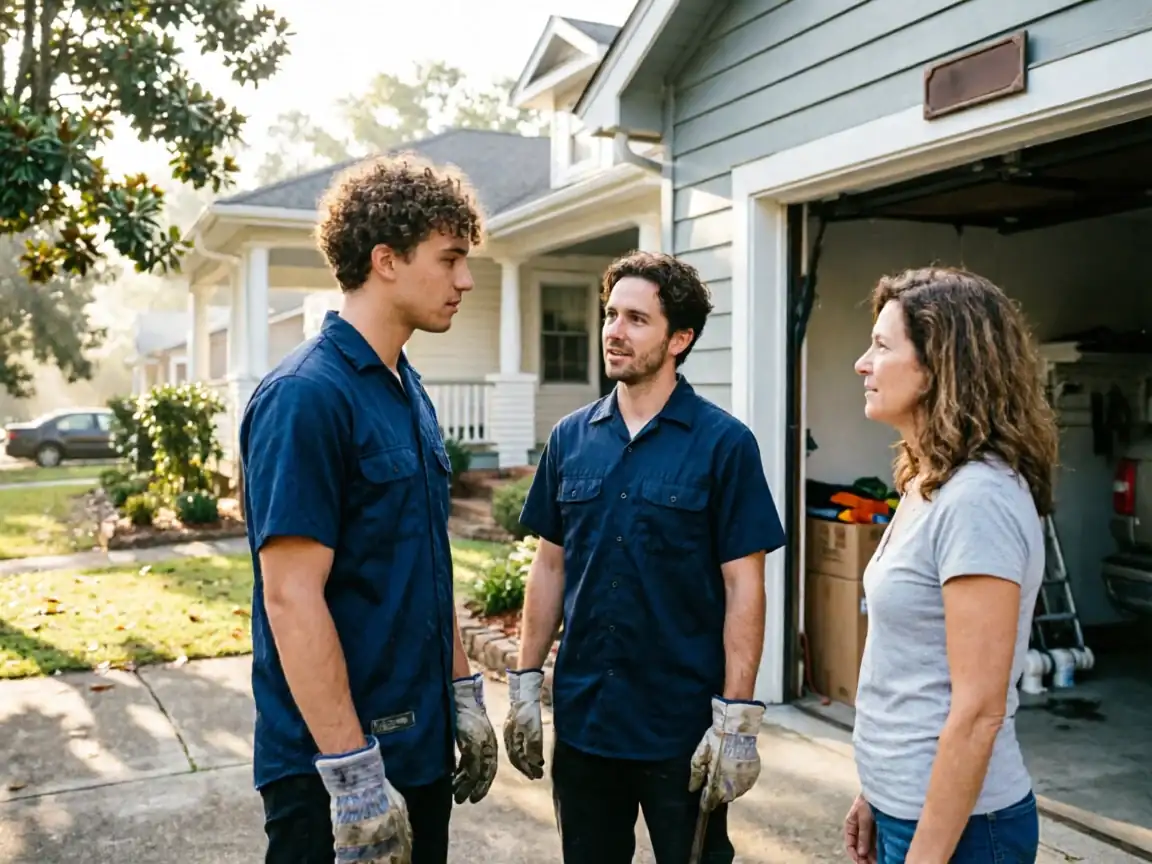
What that means for you in practice is that the gap between losing use of the garage and having a working door back isn't about how fast we can turn a wrench once we're there - it's about getting the right door on the truck the first time. A stock-size steel door goes in on the scheduled visit. A custom order means you're waiting on the manufacturer before we're waiting on anything.
We don't promise a same-day fix sight unseen, because with the mileage and the mix of stock versus special-order sizes in this town, that promise would be a guess dressed up as a fact. What we can do is tell you honestly, at the measuring stage, which category your door falls into before you commit to anything.
What Can Go Wrong
A door installed around the time most Berryville homes were built
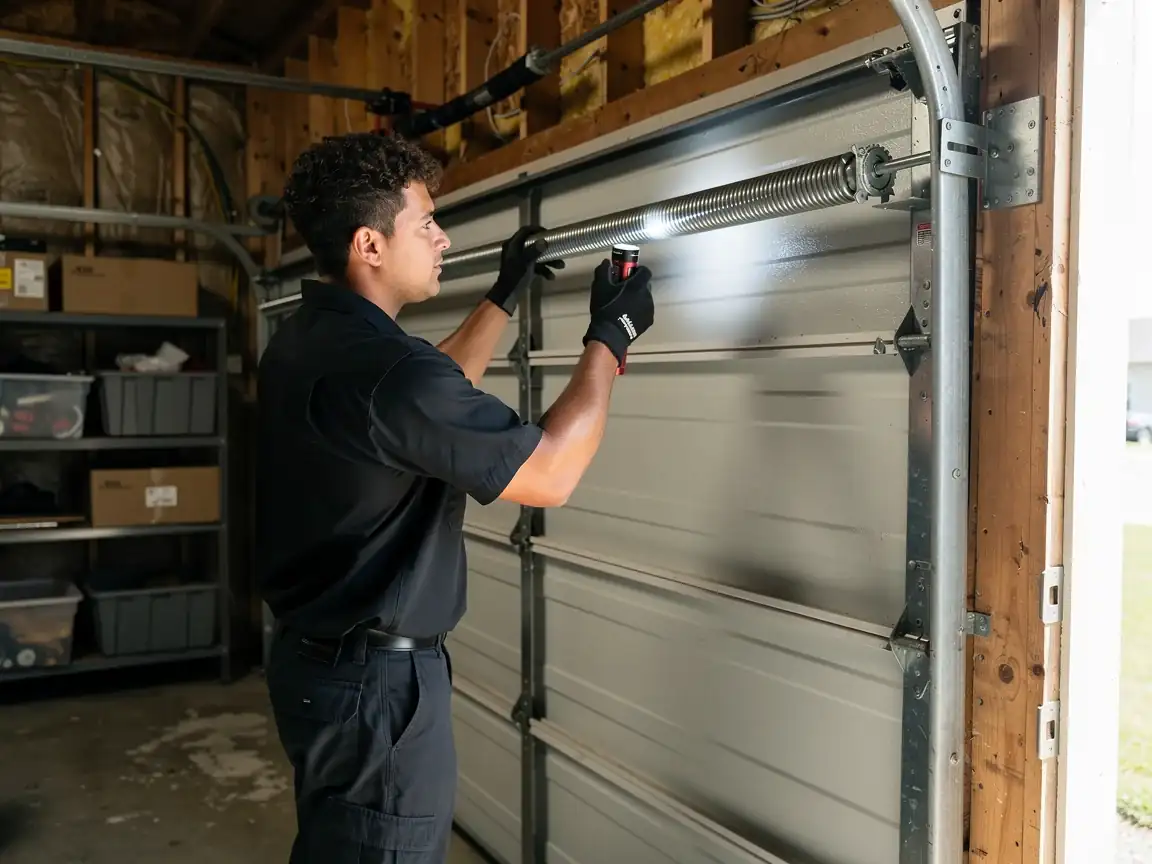
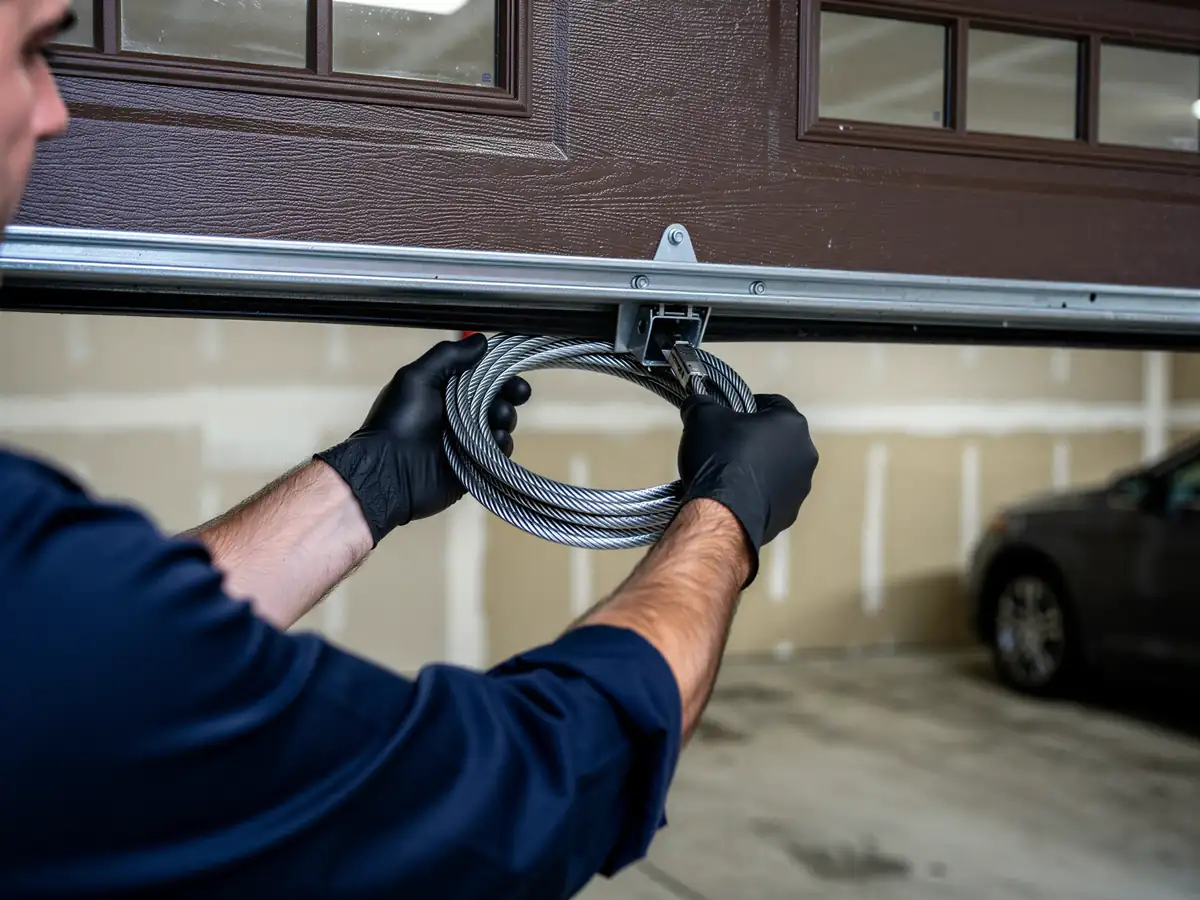
1991 - is old enough now that the torsion spring has usually been replaced at least once, and the opener, if it's original, is on borrowed time. The failures we see tend to cluster: galvanized torsion springs that have gone through enough winter temperature swings to fatigue and snap, steel rollers that have worn their track grooves oval, and polystyrene-core panels that have started to delaminate at the seams where moisture got in years ago.
On a new install, the mistakes that cost homeowners later aren't dramatic
They're things like mounting a standard-lift track in a garage where the ceiling height calls for high-lift, or putting in a door with no insulation rating on a garage that's attached to living space. Those choices don't show up as a problem on day one. They show up as a drafty wall, a door that's heavier to lift by hand during a power outage, or hardware that's undersized for the door's actual weight.
We size the spring and track to the door we're putting in, not to what was there before
Since what was there before may have been wrong to start with.
Why It Happens Here
The service area we cover out of Winchester runs a mix of housing built mostly between 1971 and 1991, and Berryville sits at the newer end of that range with its own median build year of 1991. That's a meaningful split: a door and opener installed new in 1991 is now well past any reasonable service life, which is a different conversation than a repair call. At 30-plus years, the steel has fatigued, the lift cables have stretched past their adjustment range more than once, and the opener's circuit board - if it's even still the original - is the kind of part that's stopped being manufactured.
The climate here runs cold with severe winter swings, and that cycle of freeze and thaw is hard on any door hardware, but it's harder on hardware that's already three decades old. Springs lose tension faster once they've fatigued; seals on older panels crack rather than flex.
So when we get a call from Berryville about replacing a door rather than fixing it, it's usually not bad luck - it's a house hitting the point in its life where the original door and opener are simply done, and the income level here means most owners choose to replace once rather than patch twice.