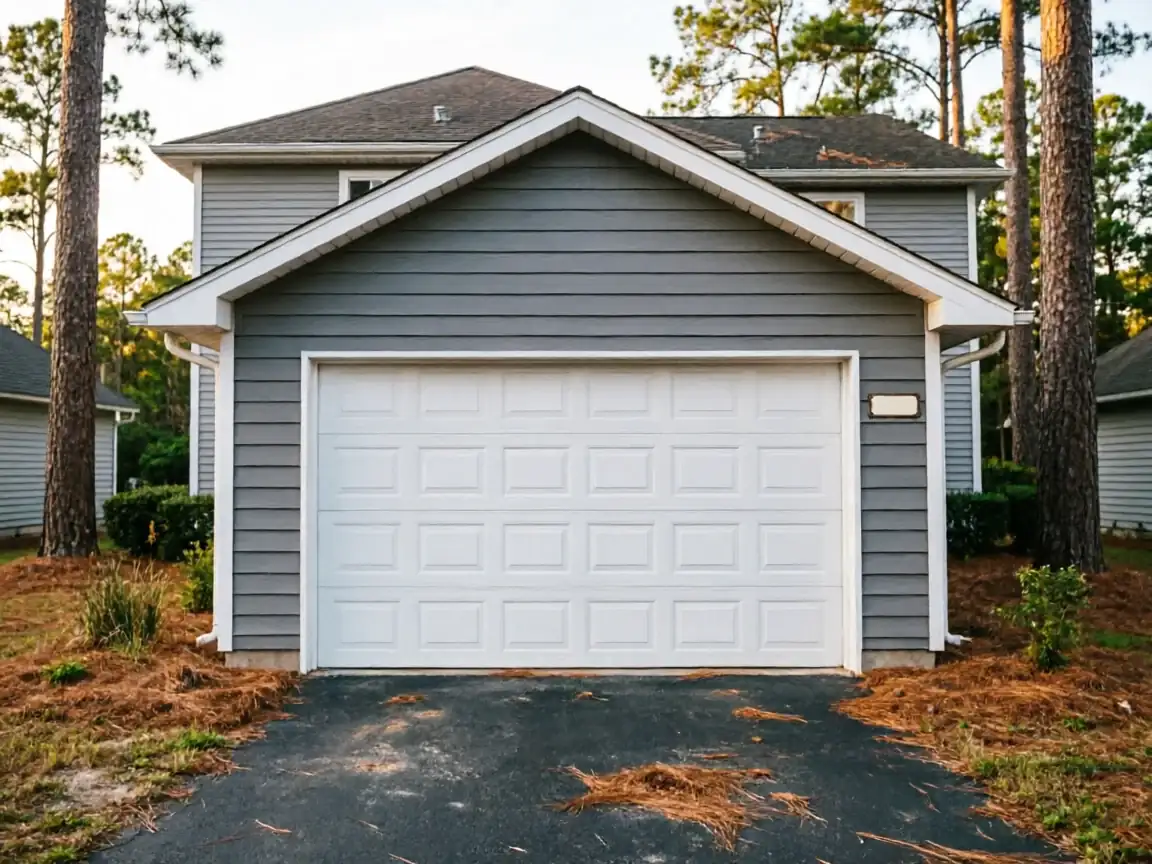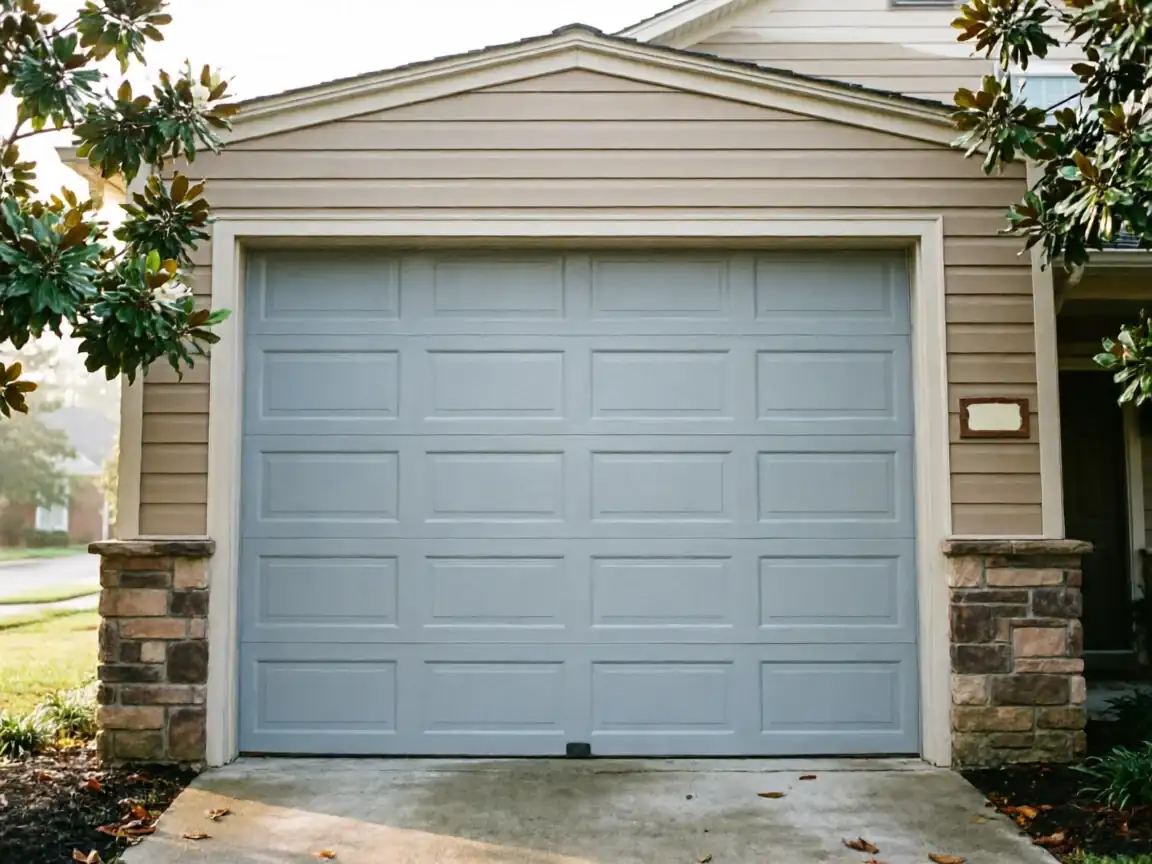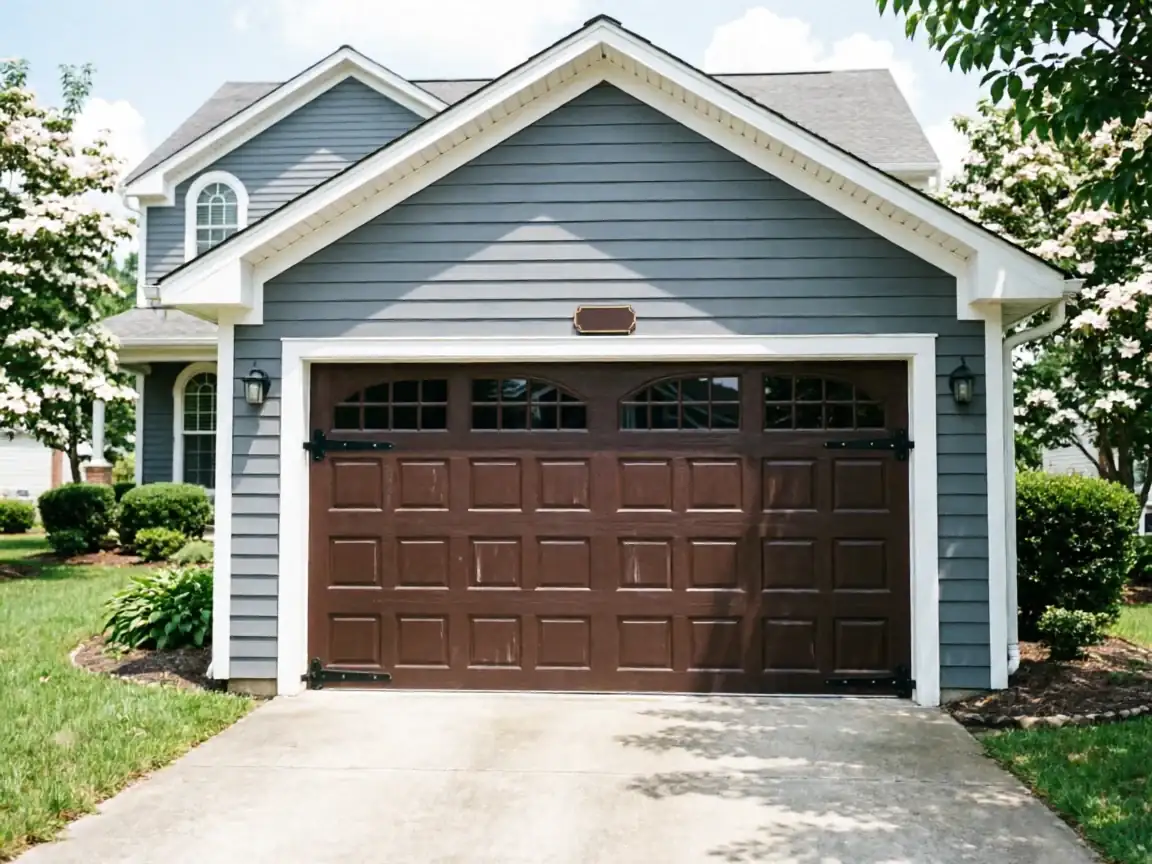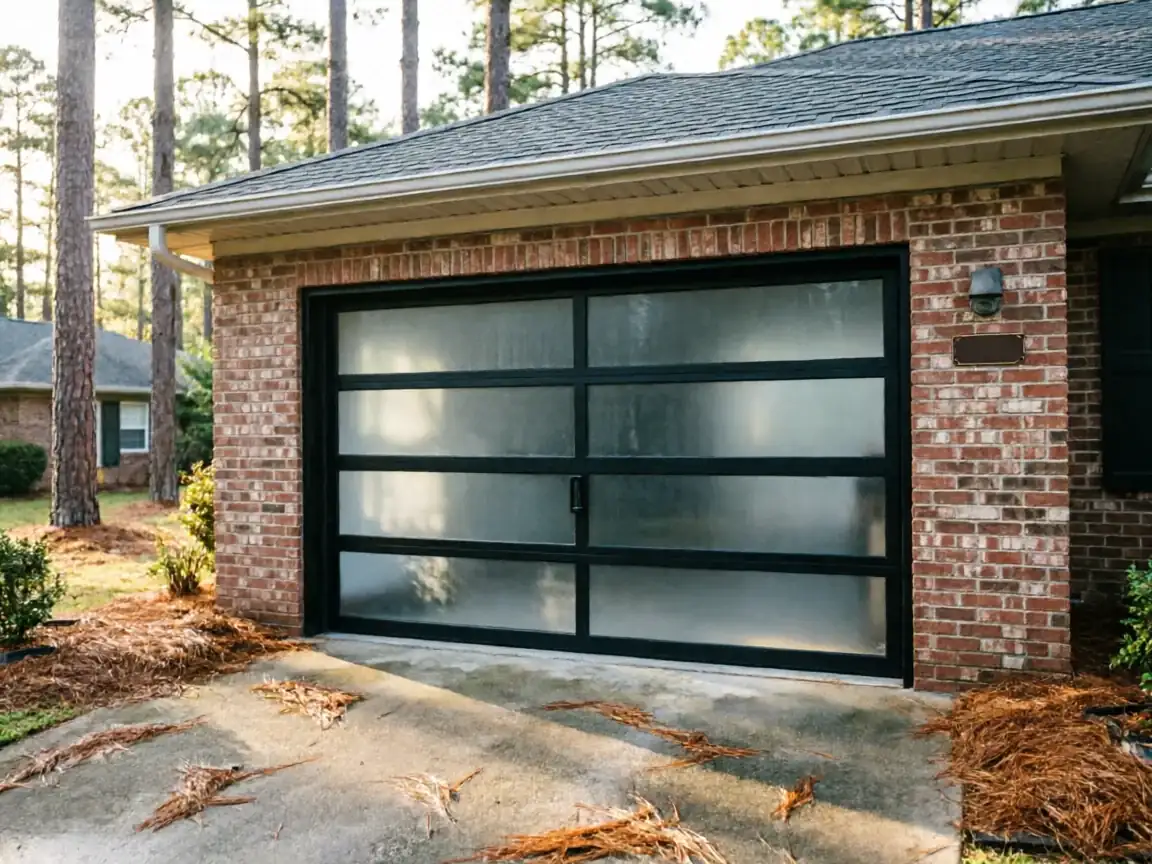
How Long You Are Without the Door
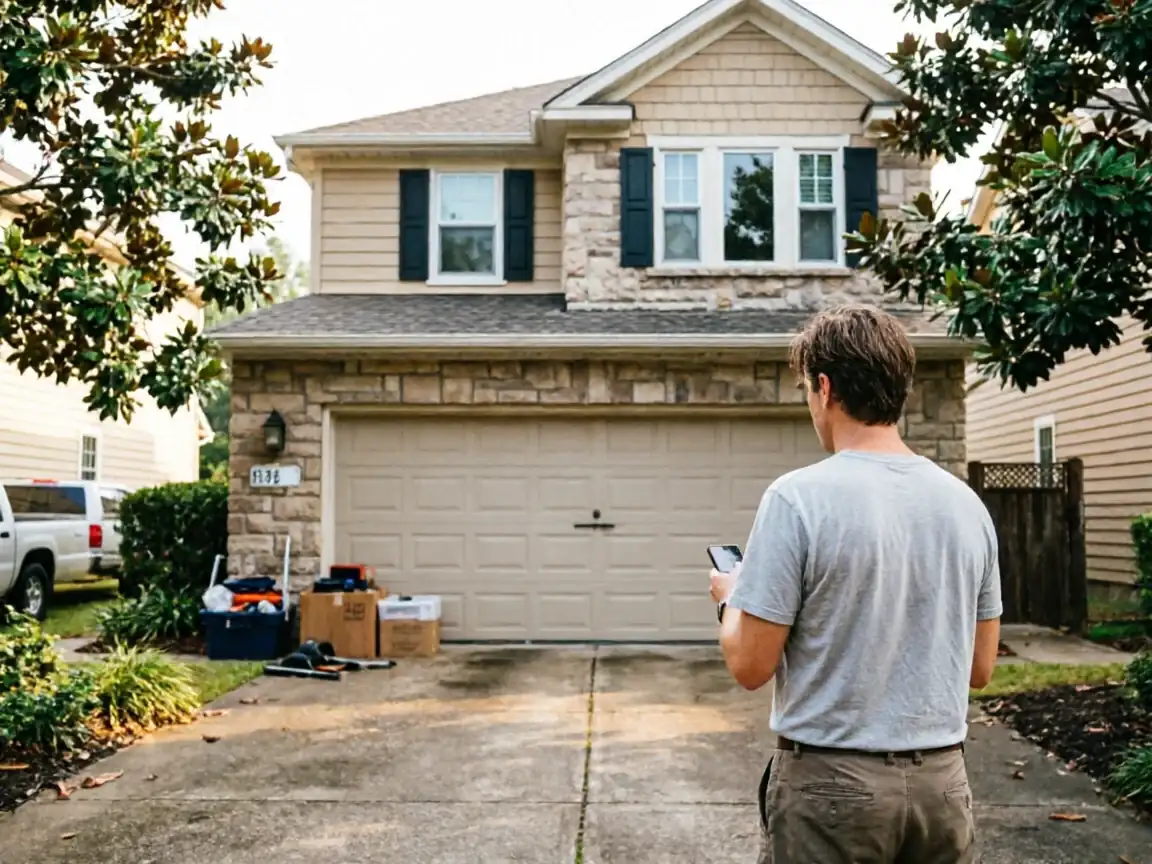
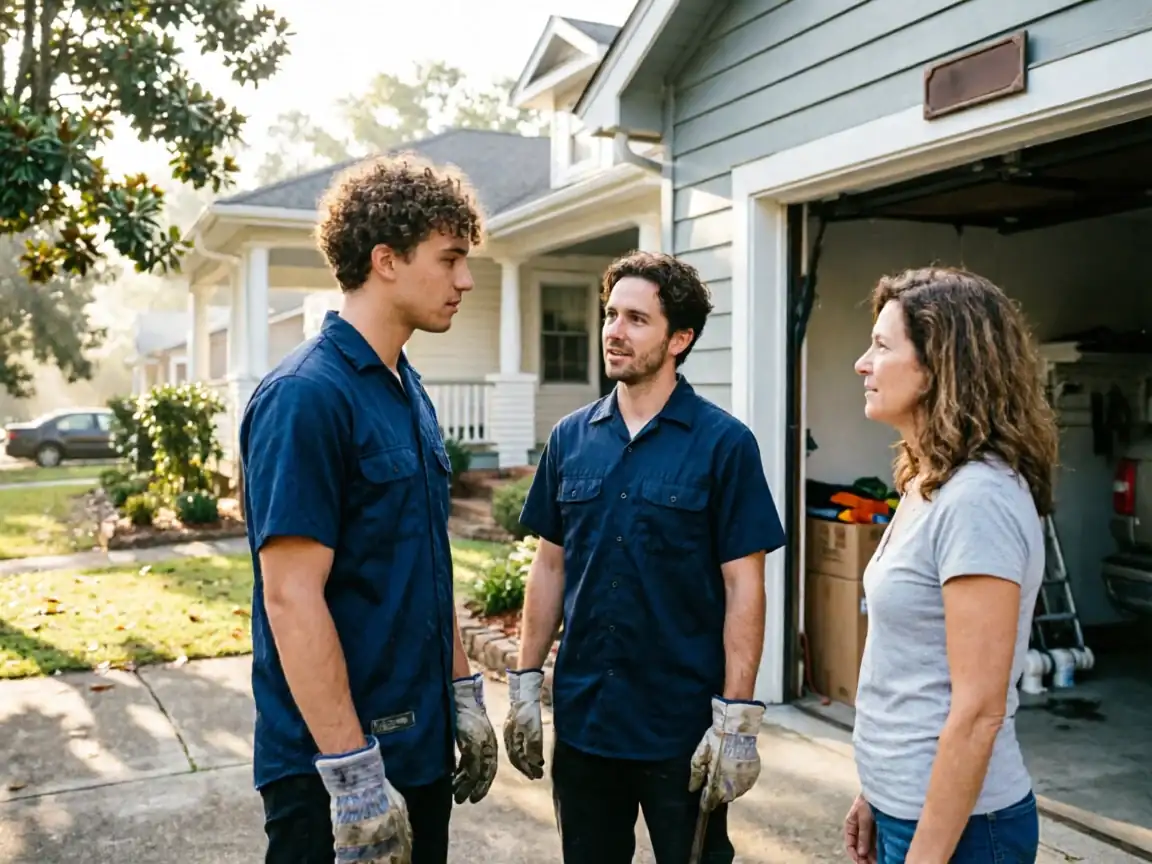
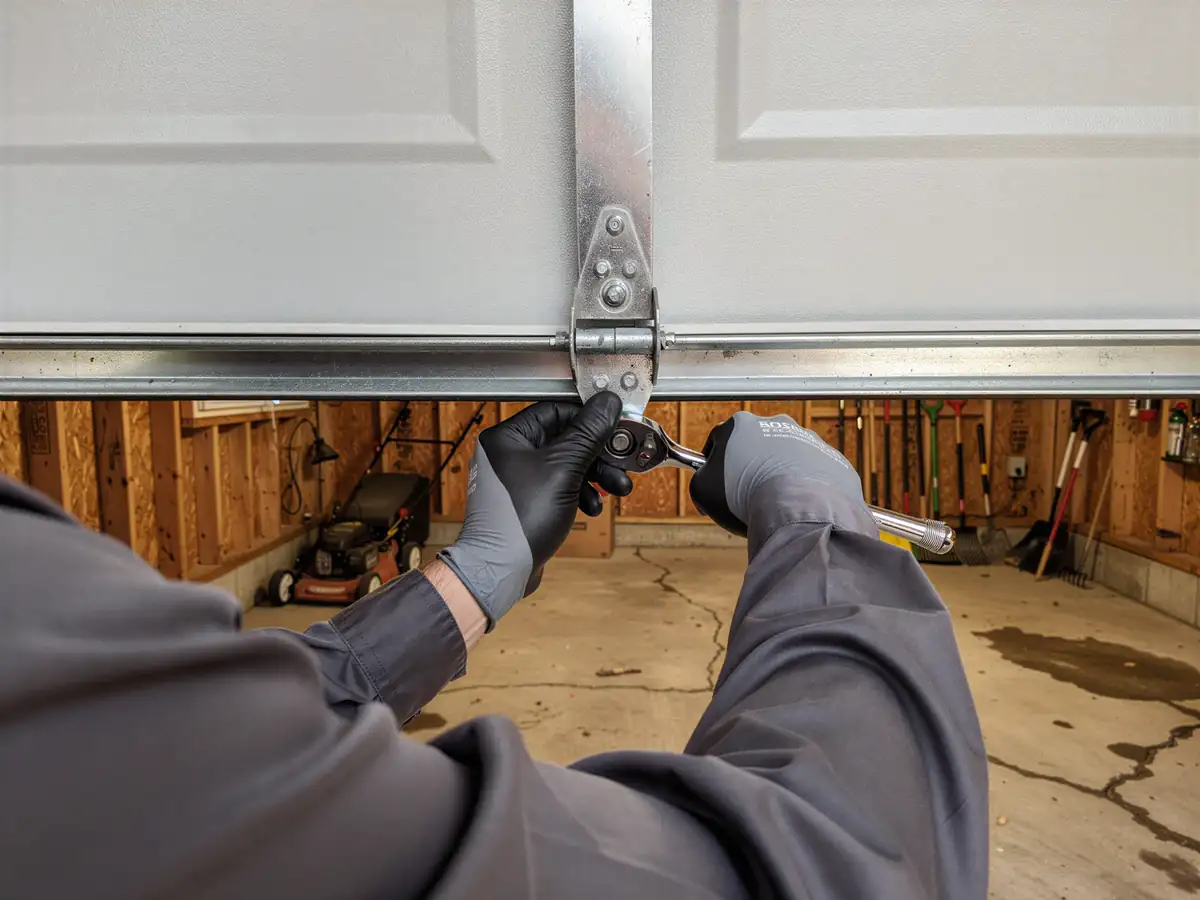
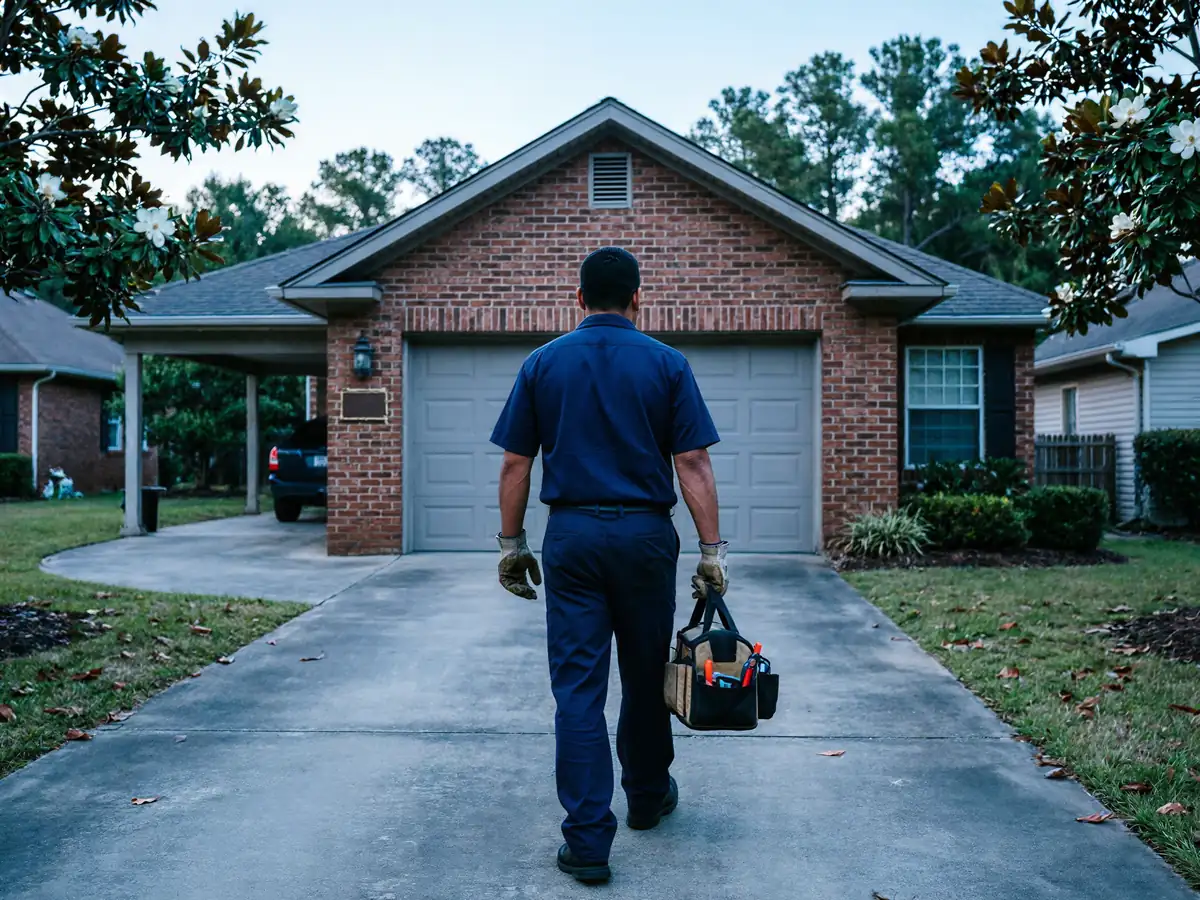
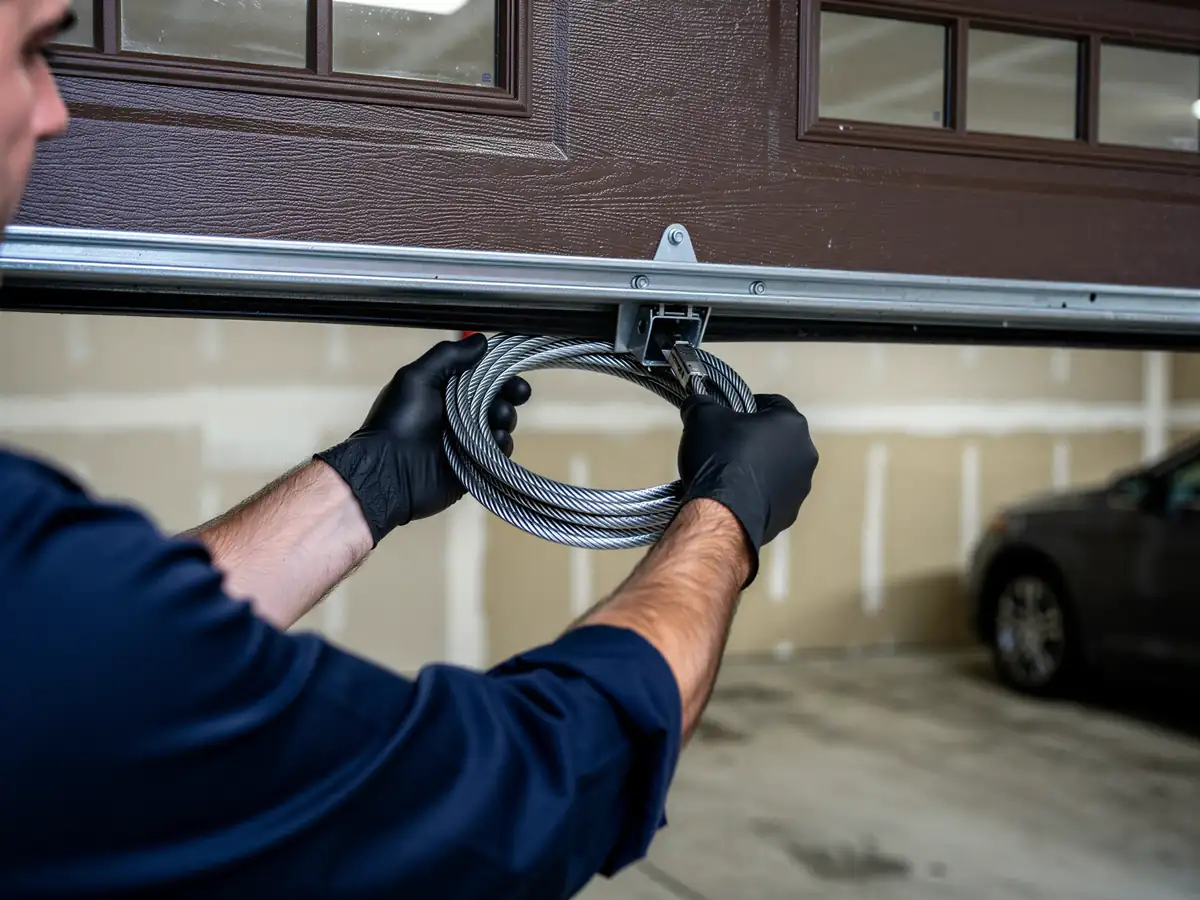
We run this call from our Winchester shop, and Locust Grove sits about 19 miles out, so it's a planned trip rather than a drop-in on the way to another job. That doesn't mean a long wait - it means we book the visit instead of swinging by unannounced. Once we're on site, a cable repair on a door from the early 1970s is usually a same-visit fix: pull the broken cable, check the drum and the opposite cable for wear, and replace both if one went. We don't leave a door half-fixed with one old cable and one new one holding unequal tension - that's how the next failure happens. If the drum itself is scored from the cable jumping the groove, that gets replaced too, and we'll tell you before we do it, not after.
What You Are Seeing
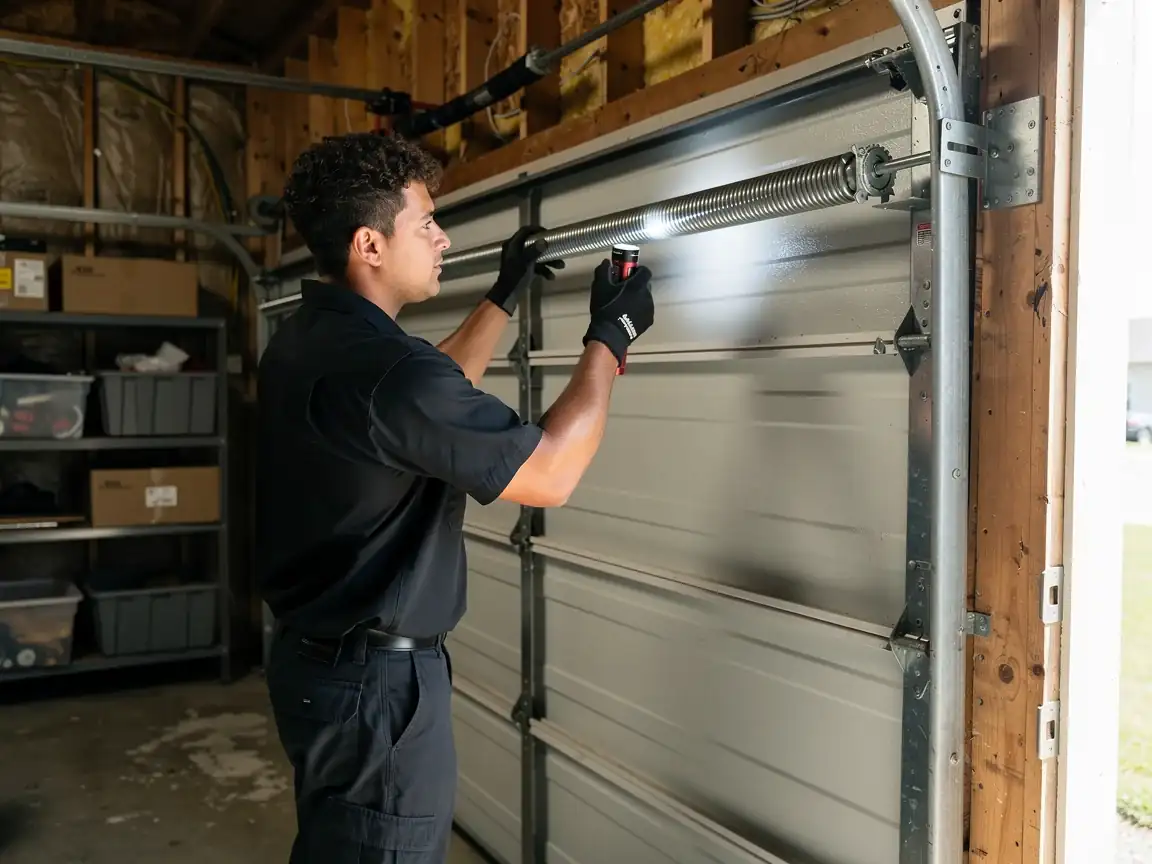
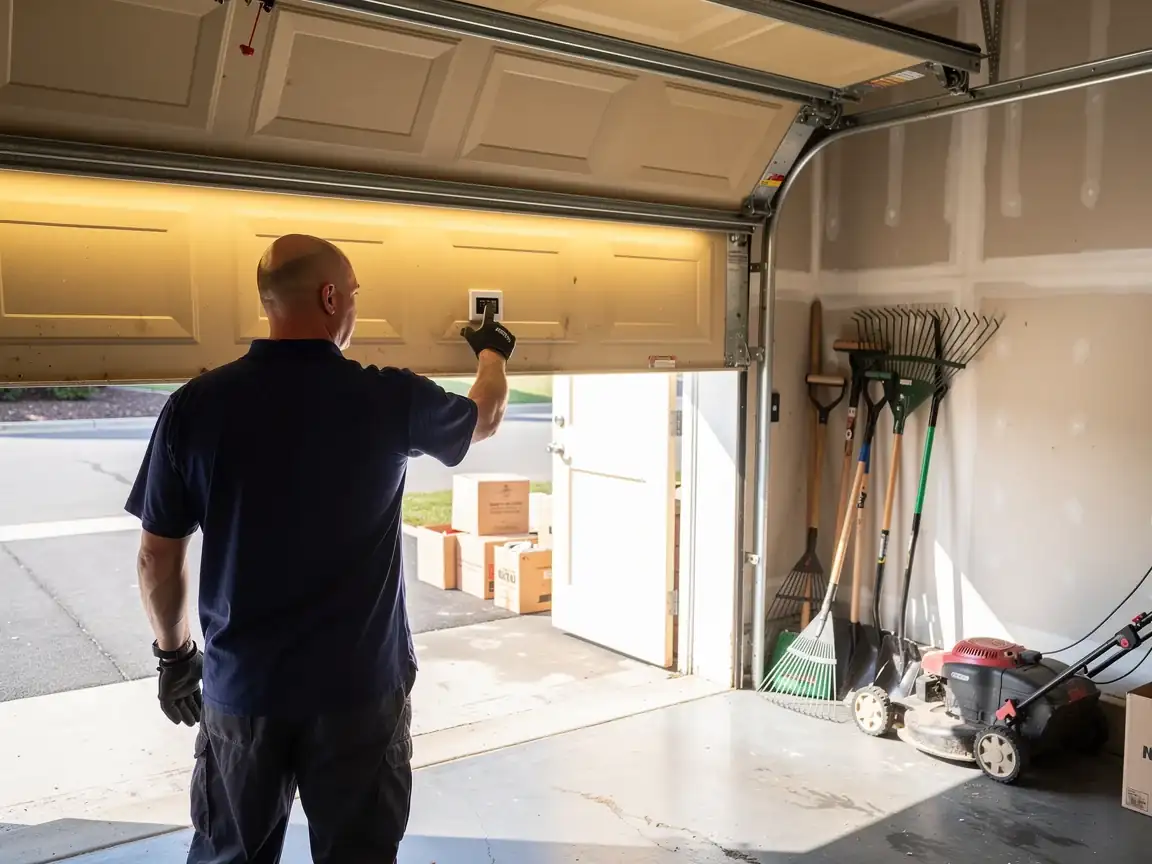
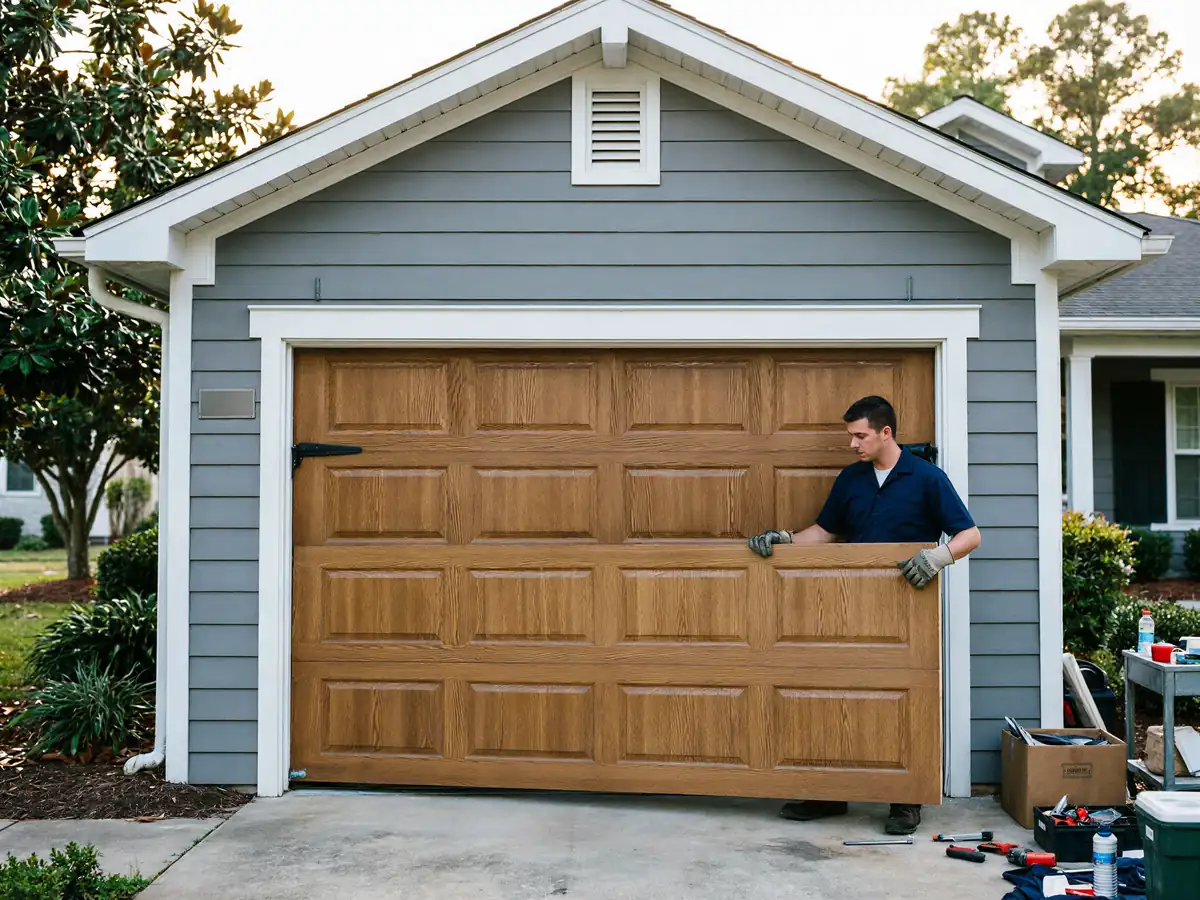
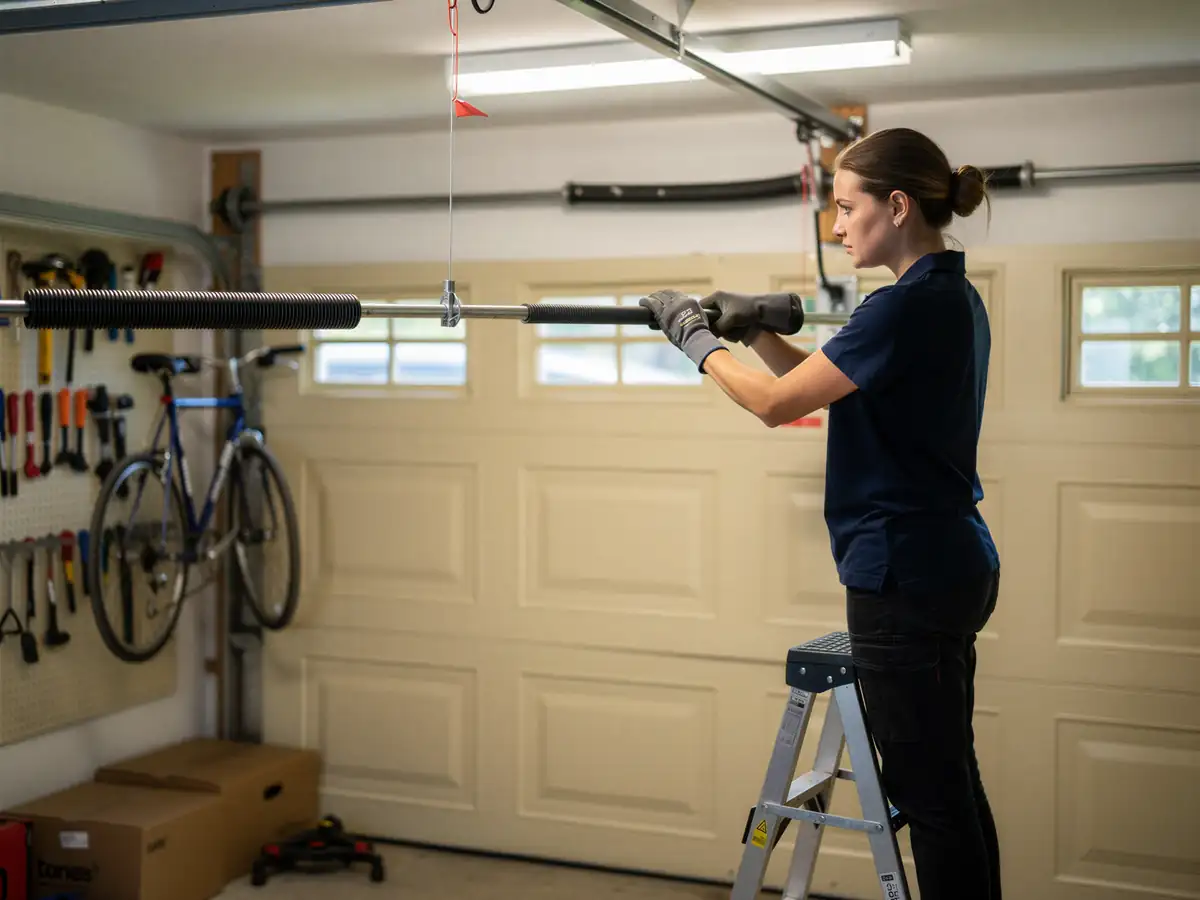
On a door this age, a cable failure usually shows up one of two ways: the door drops hard and uneven on one side when you hit the opener, or it comes off the track entirely and sits crooked in the opening. Sometimes you'll hear the snap first - a sharp crack followed by the door slamming down a few inches. If the cable frayed instead of broke clean, you might catch it early: a visible kink, strands pulling loose near the bottom bracket, or the door riding slightly off-level for a few days before it finally lets go. Houses built around 1971 in this area were commonly set up with extension springs and open coil cables running along the horizontal track, a different layout than the enclosed torsion systems builders switched to later. That difference matters for diagnosis - what looks like a spring problem on a newer door is often a cable problem on one this old.
Stocked Parts
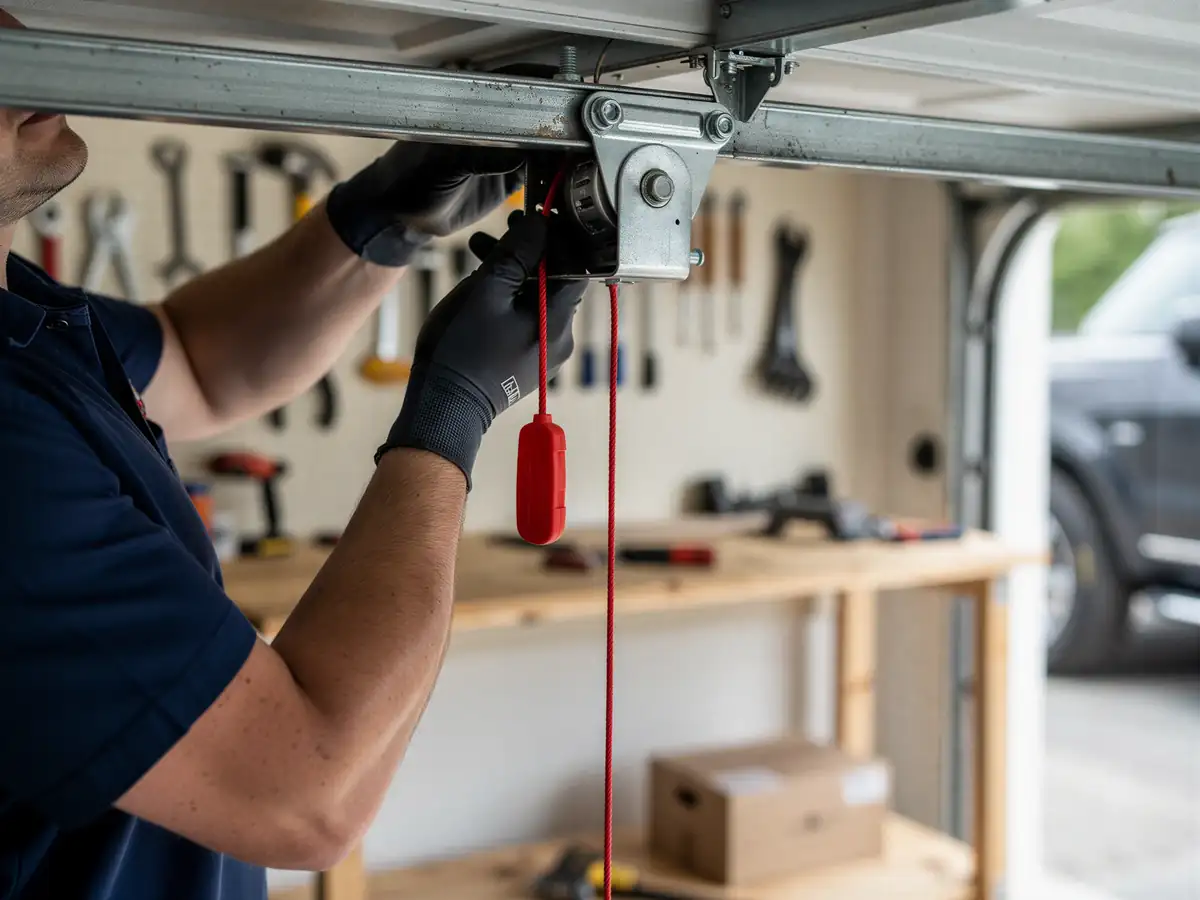
We carry standard-length extension-system cables and drums that fit doors built through the 1970s and 80s, which covers the bulk of what's on the road in this part of the territory. Where we can get stuck is a door that's been modified over the years - a replacement opener bolted onto original hardware, or a cable swapped out once already with a mismatched gauge. Those sometimes need an order, and we'll say so on site instead of forcing a part that's close but not right. We'd rather tell you a part is a day out than install something that'll fail again in six months.
What Can Go Wrong
This region sits in a cold-weather climate band, and that matters for cable life more than people expect. Galvanized cable loses flexibility as it gets cold, and a cable that's already fraying from age snaps faster on a sub-freezing morning than it would in mild weather. We see more cable calls in winter for exactly that reason - cold makes an existing weak point fail instead of hang on another season. On a door with the original 1970s-era extension springs, a cable failure can also let a spring drop suddenly if the safety cable through the spring is missing or degraded, which is a bigger and more dangerous repair than a simple cable swap. We check for that safety cable on every visit to a door this age, whether or not it's the reason you called.