How Long You Are Without the Door
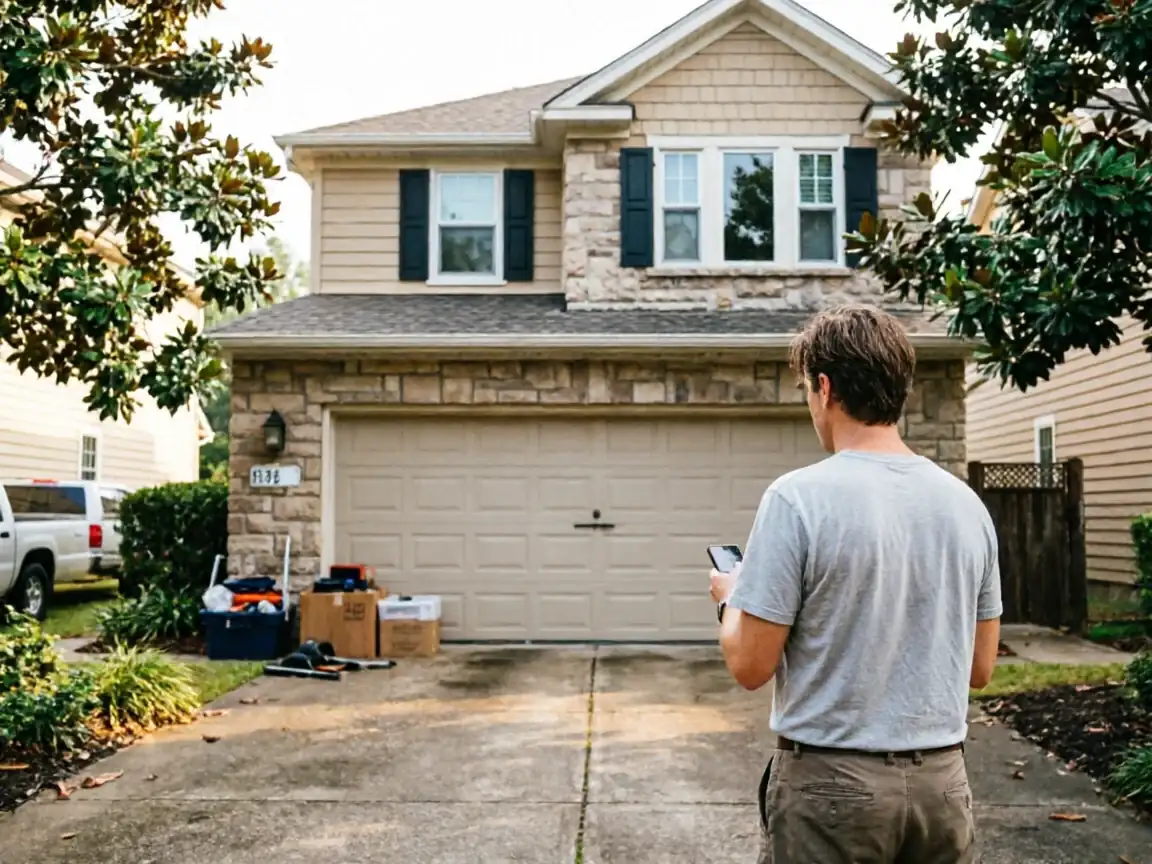
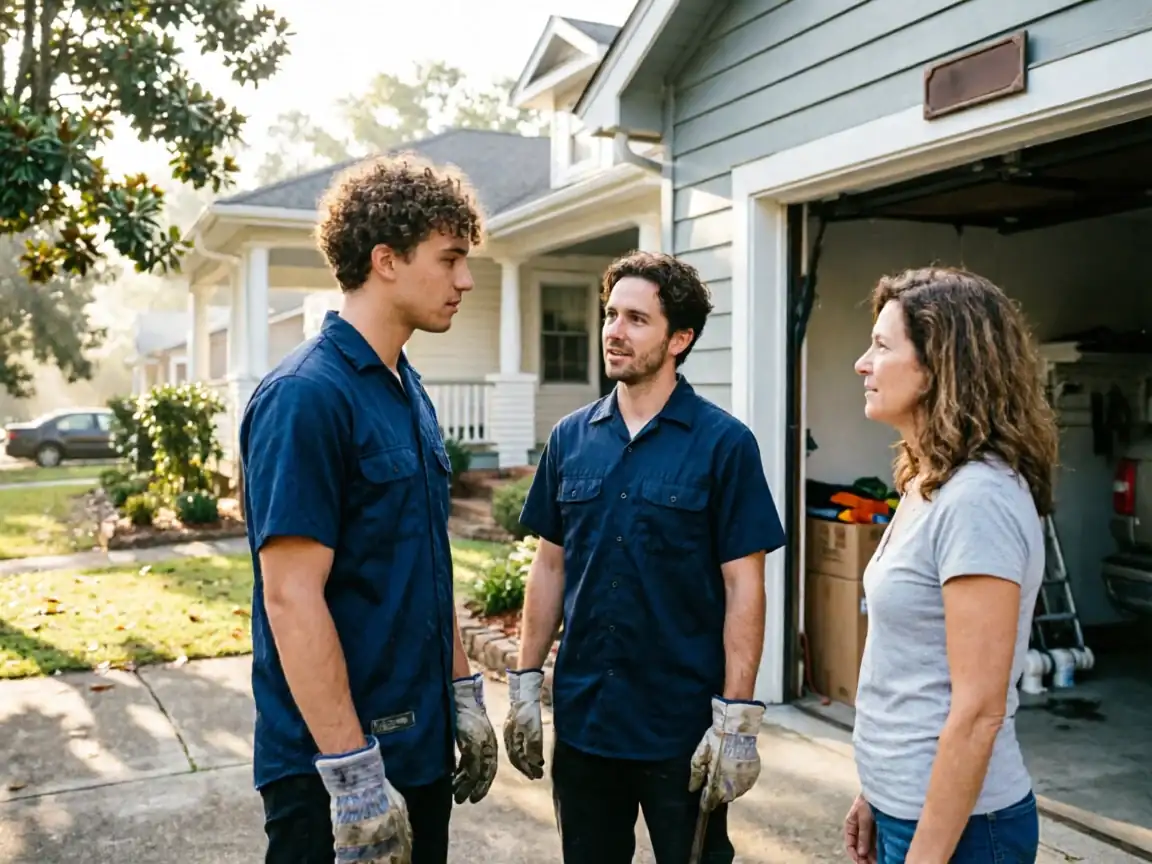
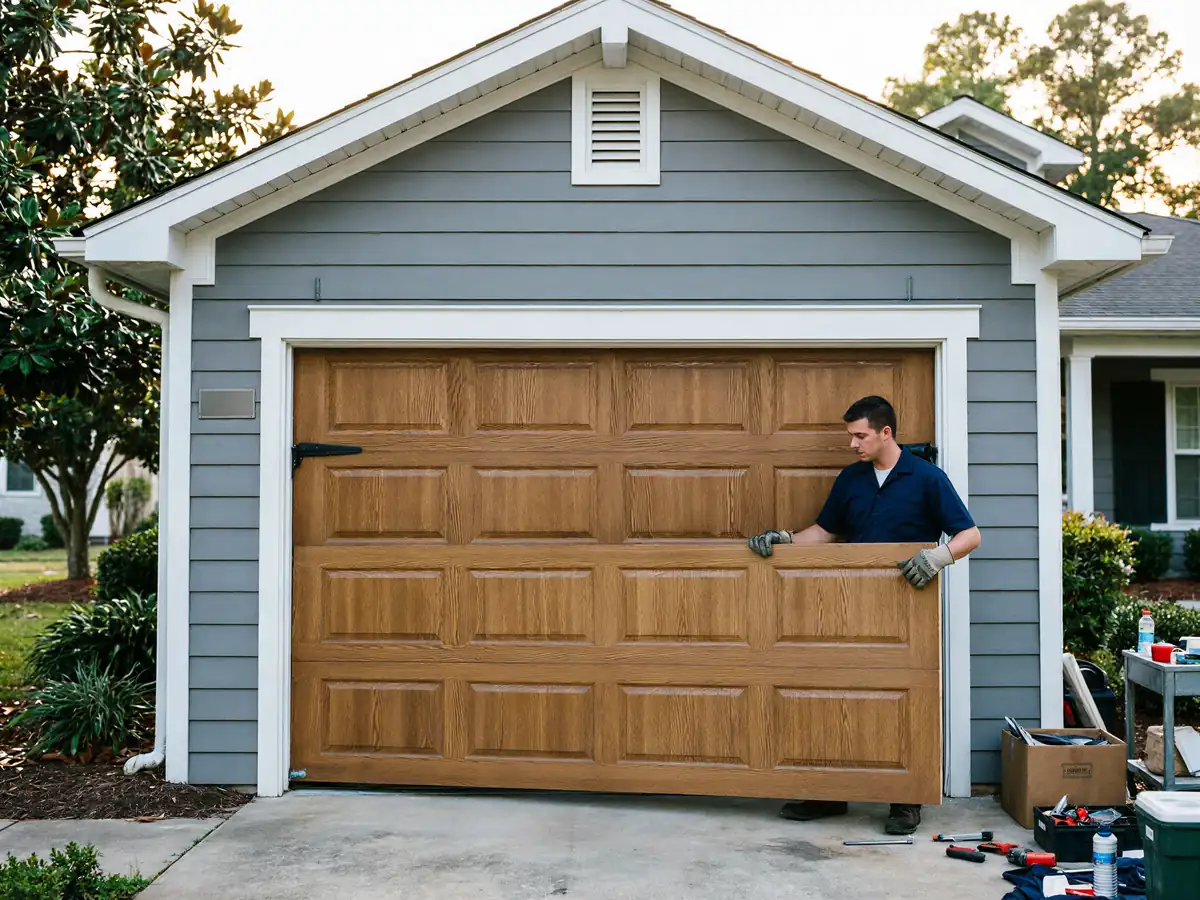
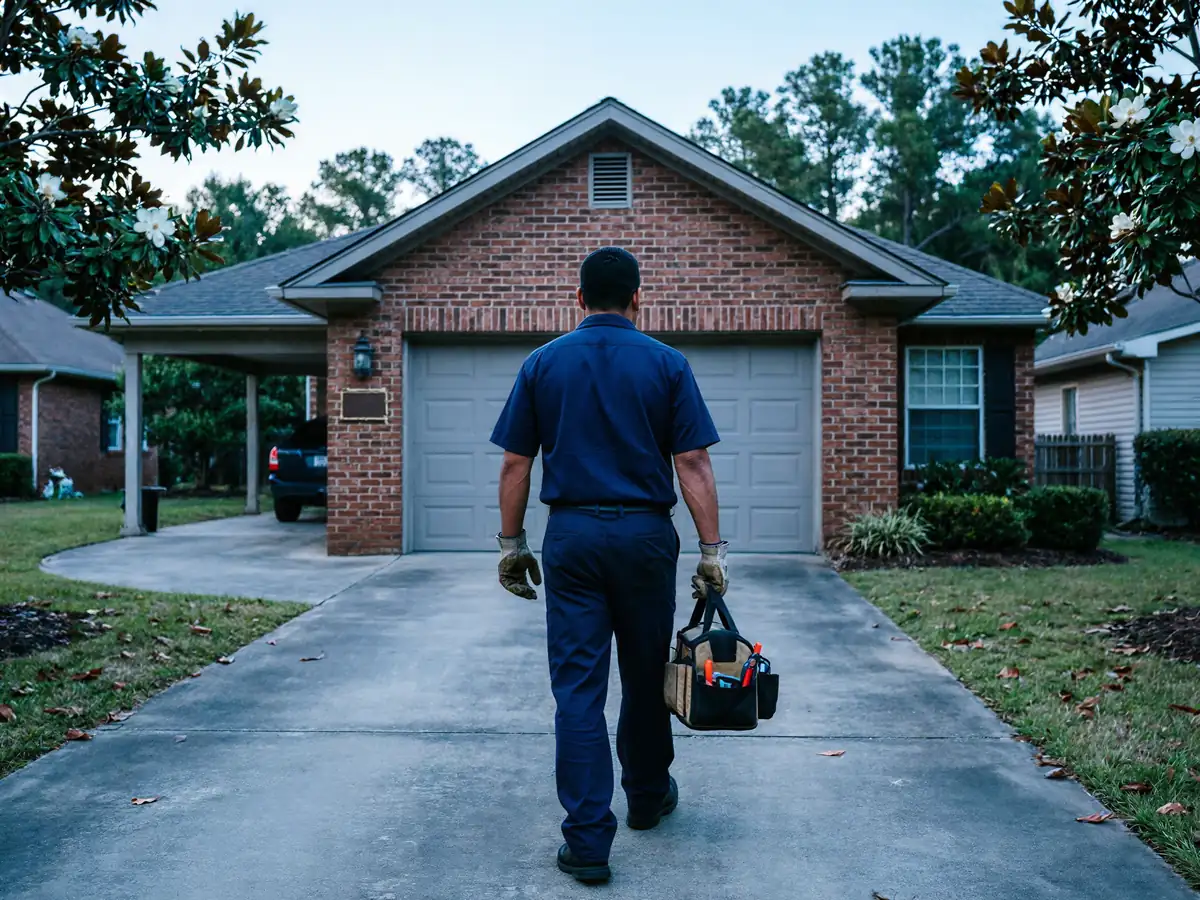
Locust Grove sits 19 miles out from Winchester, the farthest pocket in the territory we cover. That distance matters for one reason: a broken spring here doesn't get fixed by someone already in the neighborhood, because there usually isn't anyone already in the neighborhood. We schedule it as its own stop. That means you're not waiting on a tech to finish three other jobs first and squeeze you in at the end of the day - the visit is planned around getting out to you directly. What we can't do is promise a same-day slot the way we might for a street five minutes from the shop. If the spring let go on a Tuesday afternoon, plan on the visit landing within the window we give you on the phone, not within the hour. We'll tell you honestly what that window looks like when you call, rather than guess.
What You Are Seeing
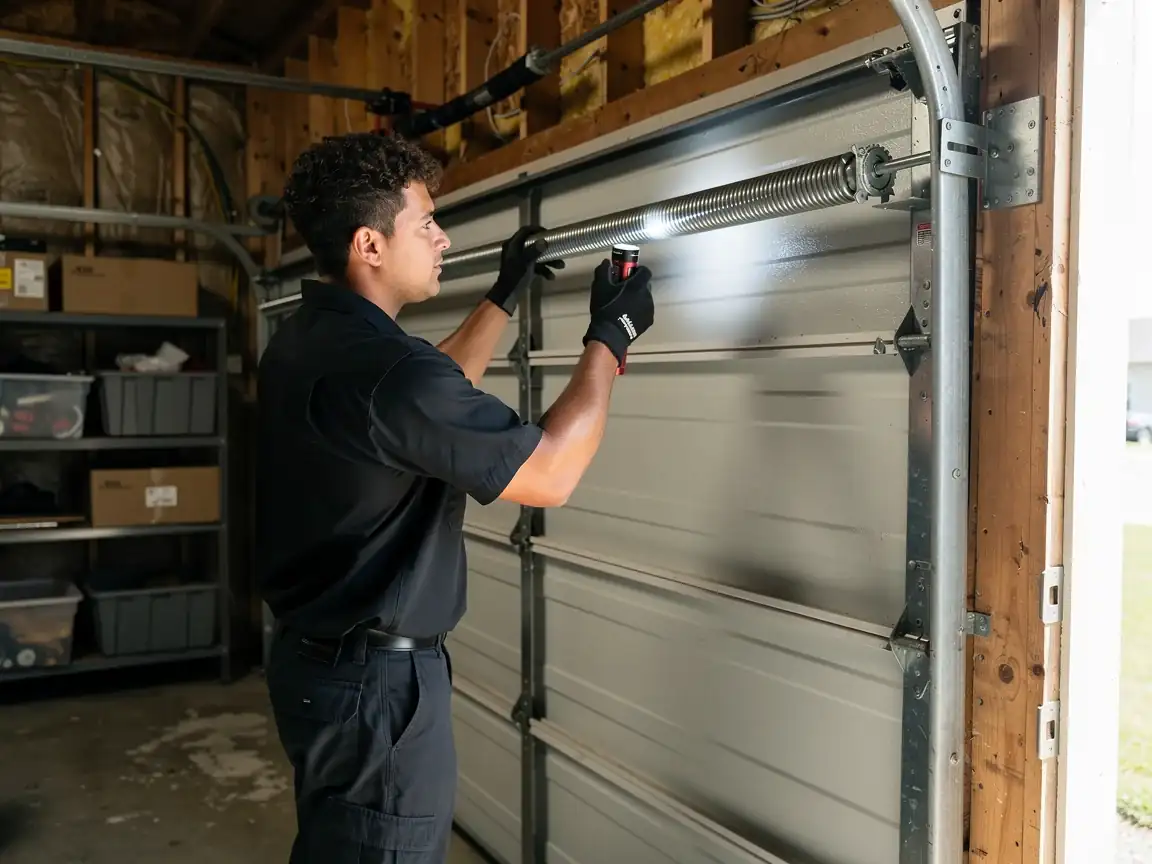
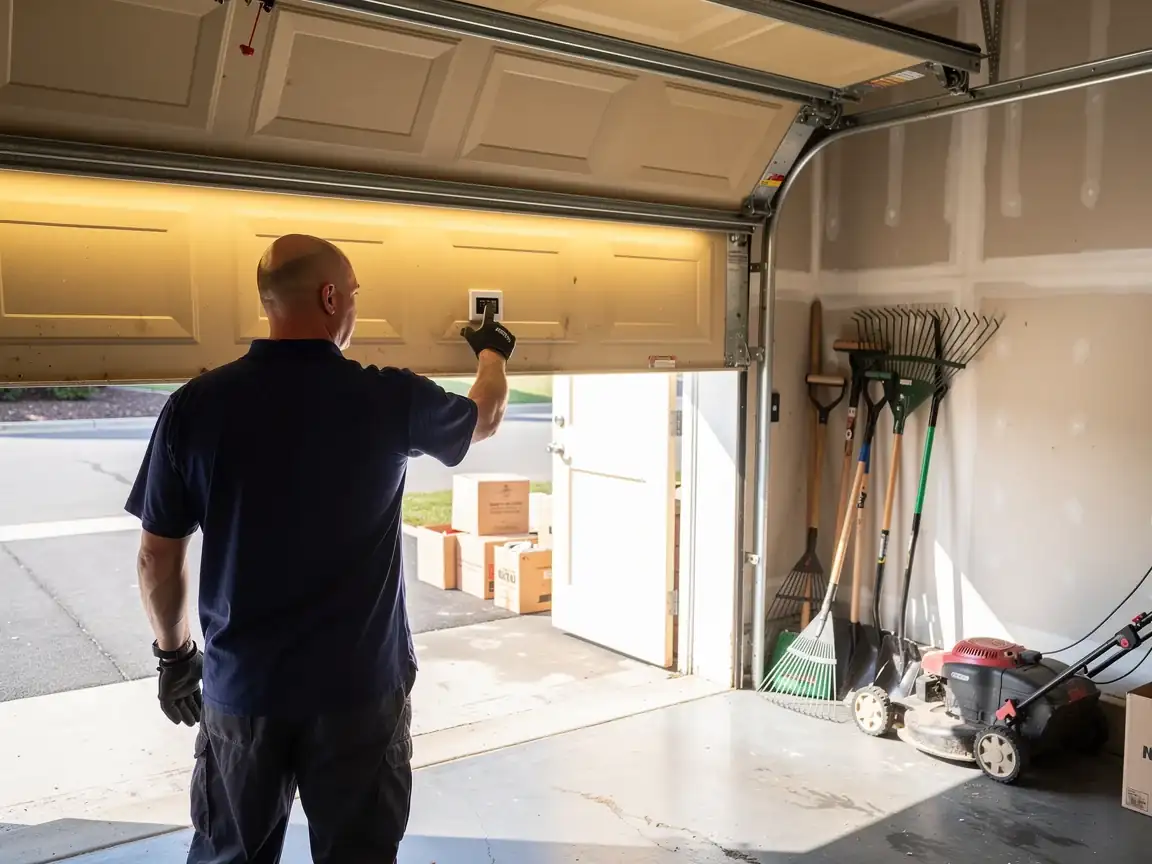
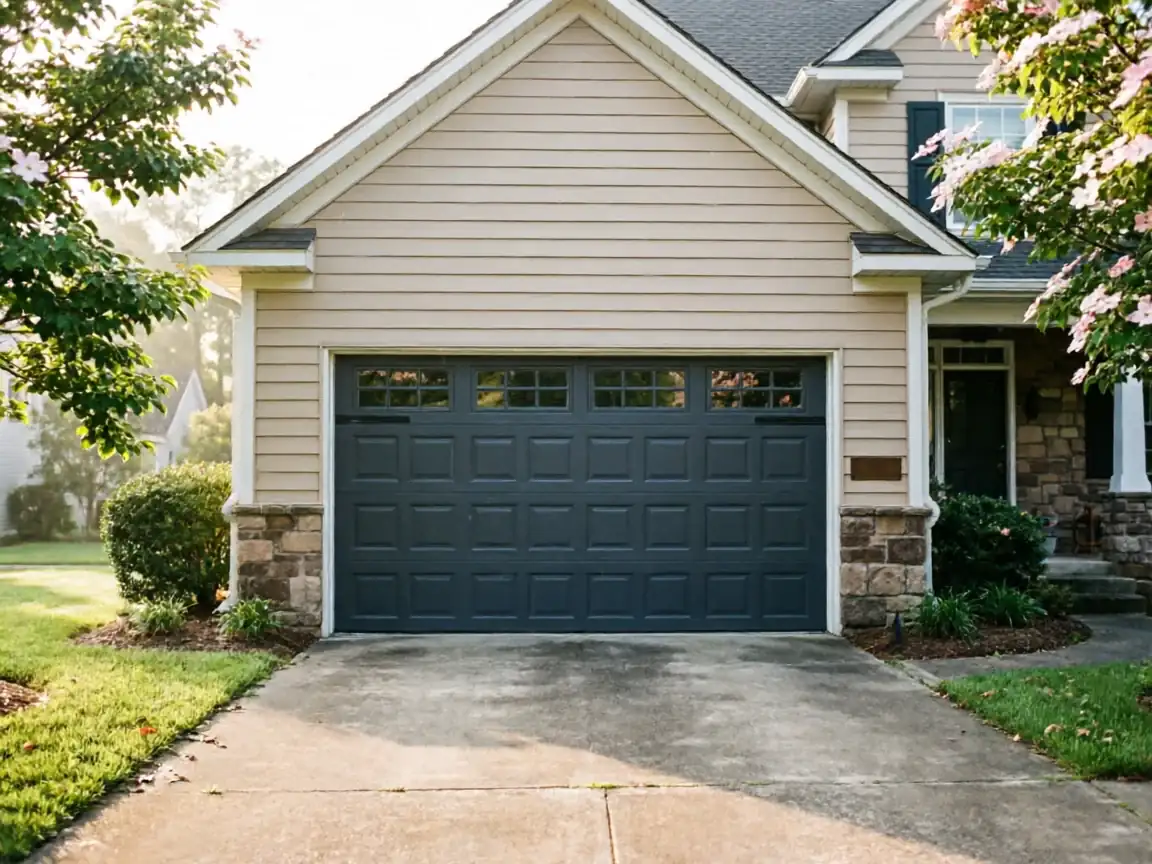
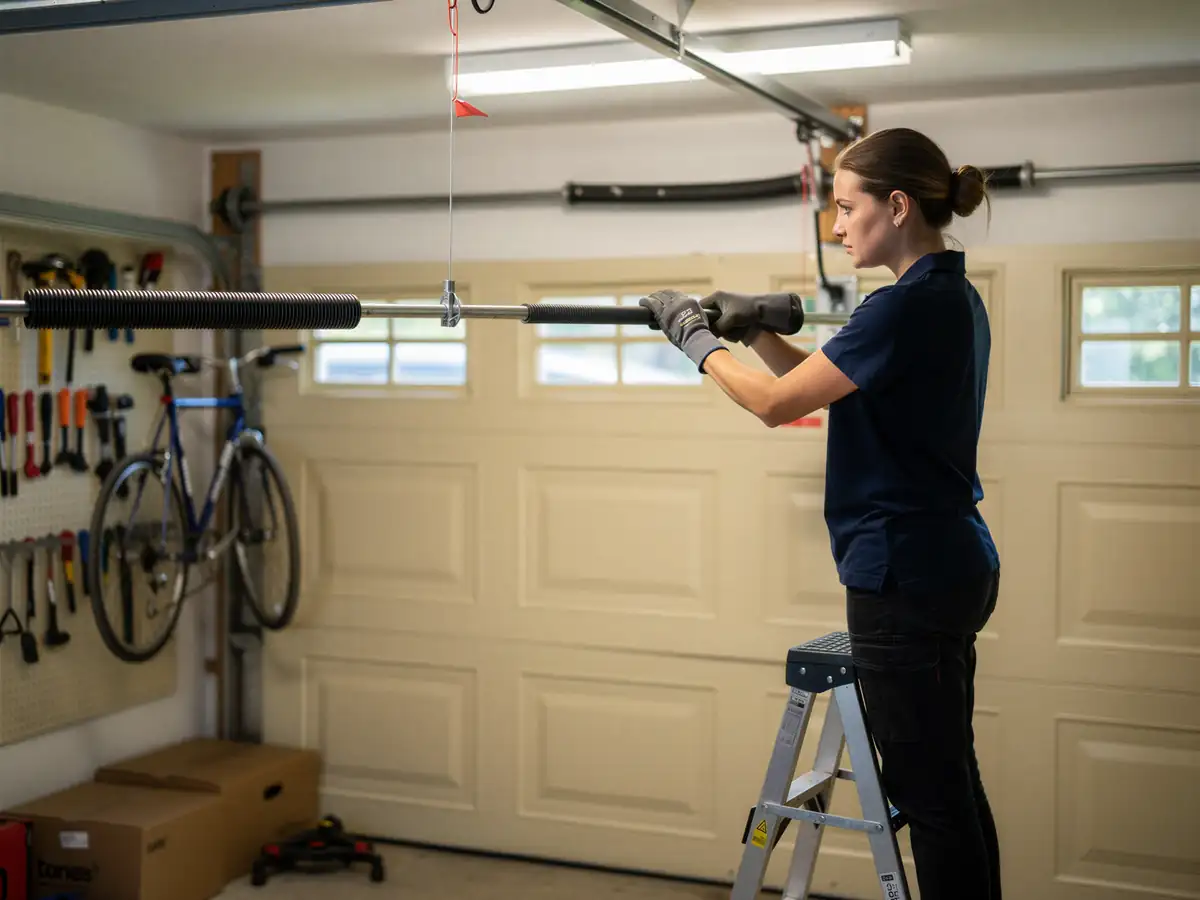
With a median build year of 1971 in this part of Locust Grove - a full decade earlier than the 1980 median that describes most of the territory - the torsion springs still in service here have had longer to wear. A spring doesn't fail gracefully; it fails on a cycle count, and a door original to a 1971 build has run a lot more open-close cycles than one from a house built in 1988. What you're usually looking at is a spring that's gone soft and sagging, or one that's snapped clean and left the door dead weight on the opener. Either way the door won't hold itself open, and the opener will strain or grind trying to lift it alone. Don't force it by hand repeatedly - that's how the cables or the drum take damage too.
Stocked Parts
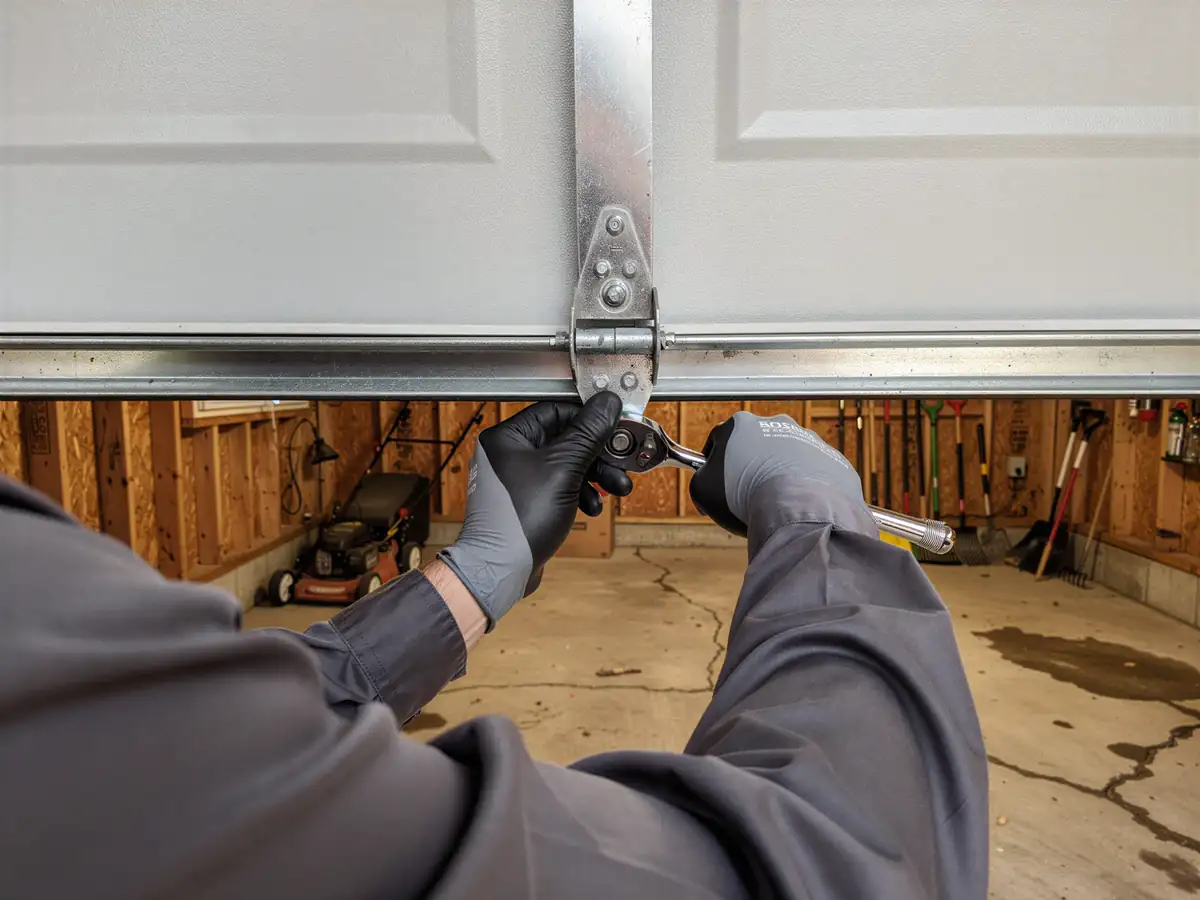
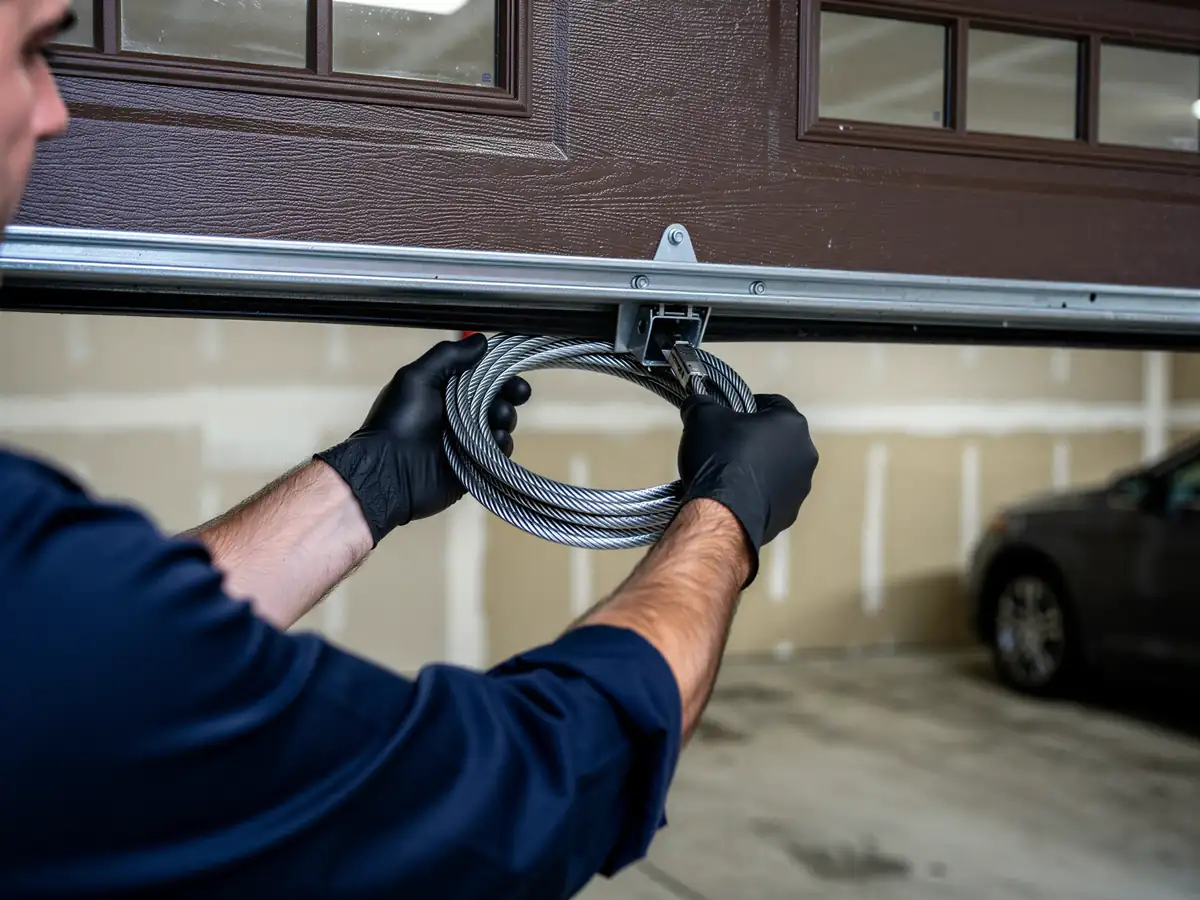
Standard torsion springs sized for the common residential door openings are on the truck. What's less certain on a house from this era is the mounting hardware around the spring - older side-mounted setups and some extension-spring conversions from early retrofits aren't always a straight swap for current stock parts. If your setup turns out to be one of those, we may need to source a matching piece rather than install off the shelf, and that can add a day. We'd rather tell you that up front than promise a part we don't have in hand.
What Can Go Wrong
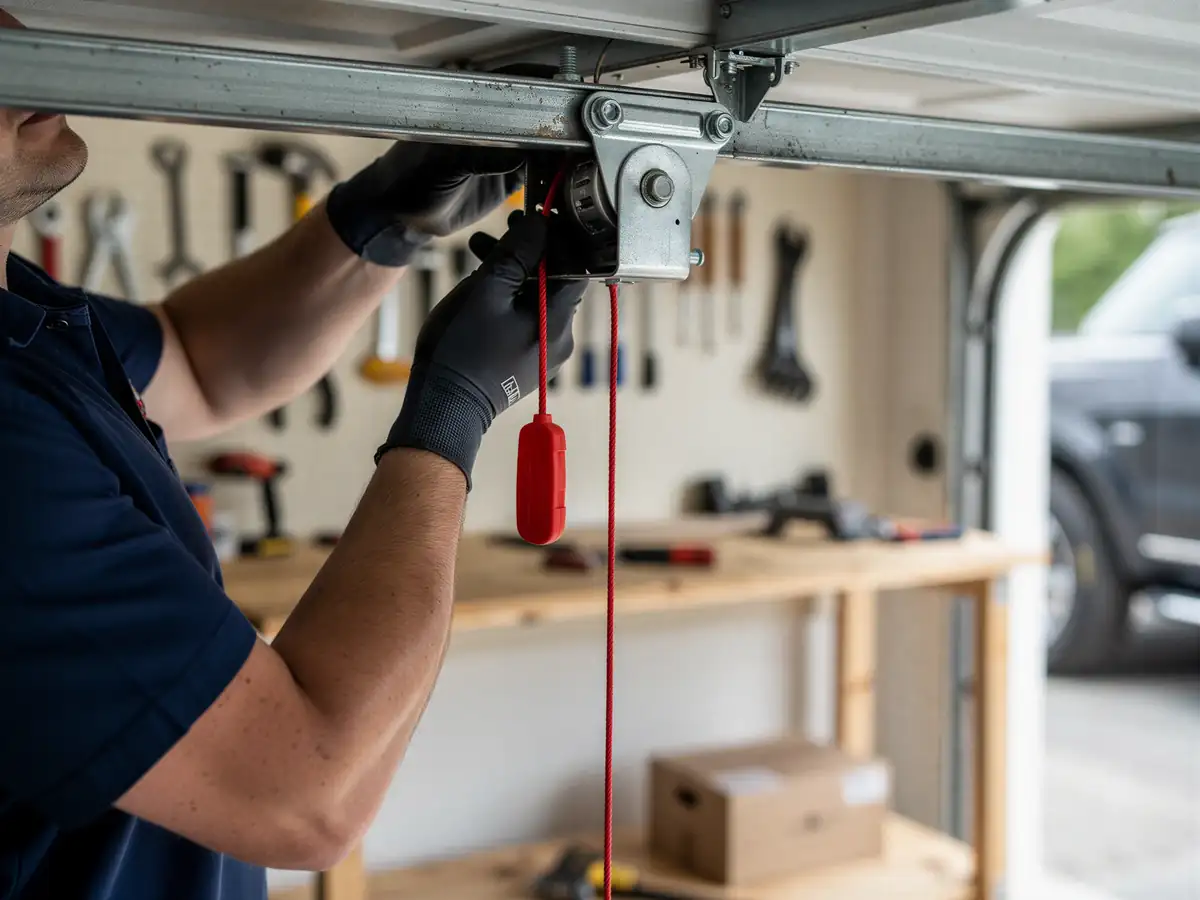
Cold is the other half of this. The region sits in a severe cold climate band, and steel spring stock loses flex with repeated hard freezes over the years - it's part of why a 1971-era spring is more likely to be the one that goes than a spring installed five years ago. A spring that's been fatigued by cold and age sometimes doesn't just snap, it can unwind unevenly, which throws the drum off balance on one side. That shows up as a door that lifts crooked, scrapes a track, or binds a roller. Left alone, that uneven pull wears the track and the opener gearing too, which turns a spring job into a bigger bill.