How Long You Are Without the Door
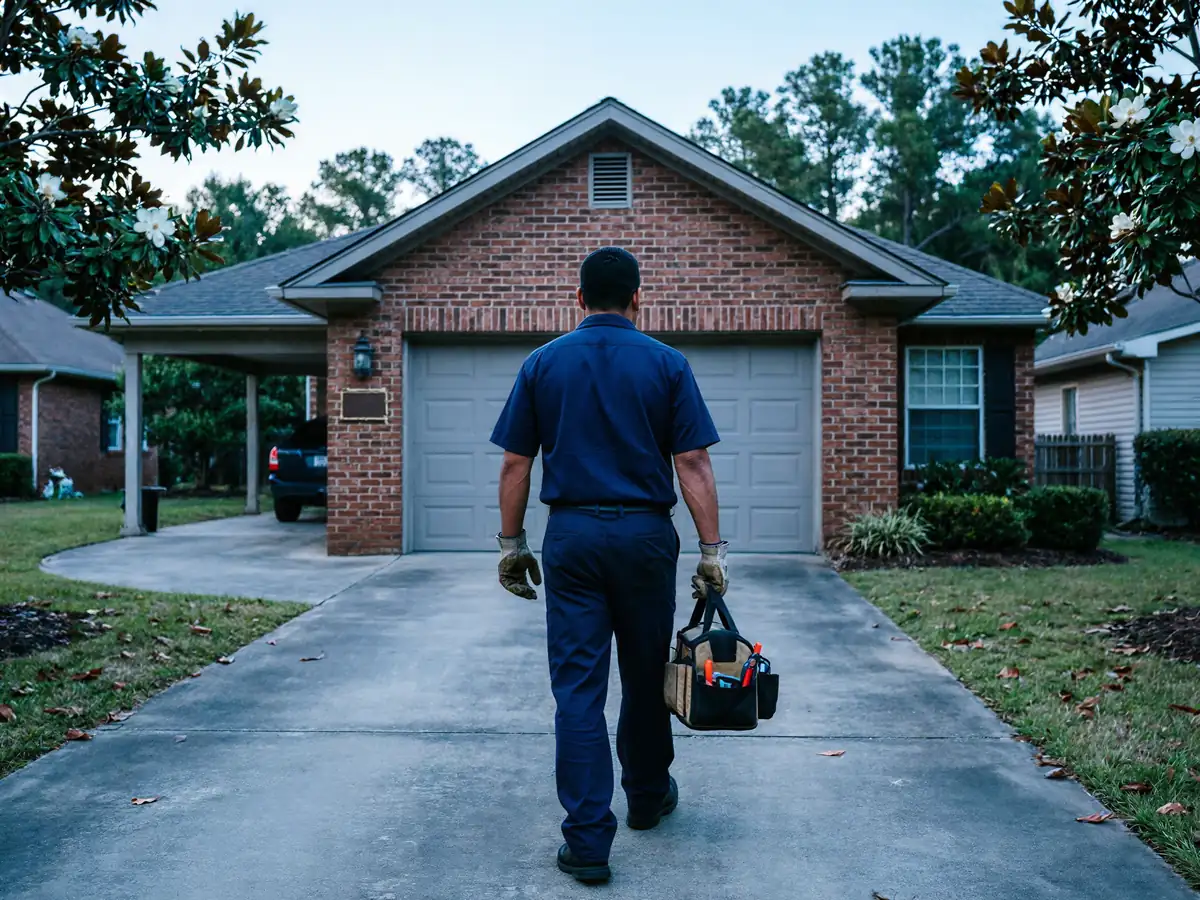
Locust Grove is small, roughly 39 households, which is not enough volume to support a shop on this side of the county. Every maintenance visit here comes out of Winchester, 19 miles away. That distance doesn't change what we can fix once we're on site, but it does mean this isn't a town where a truck is already two streets over. If your door is stuck in the open position overnight, plan around that drive rather than assuming someone can swing by on short notice.
Because the household count is so low, we don't run a weekly route through Locust Grove the way we might through a denser area. A maintenance visit here is usually its own trip, scheduled on its own, not squeezed between two other jobs down the block. That's worth knowing when you're picking a date - the sooner you book, the easier it is to line up the drive with other calls headed the same direction.
What You Are Seeing
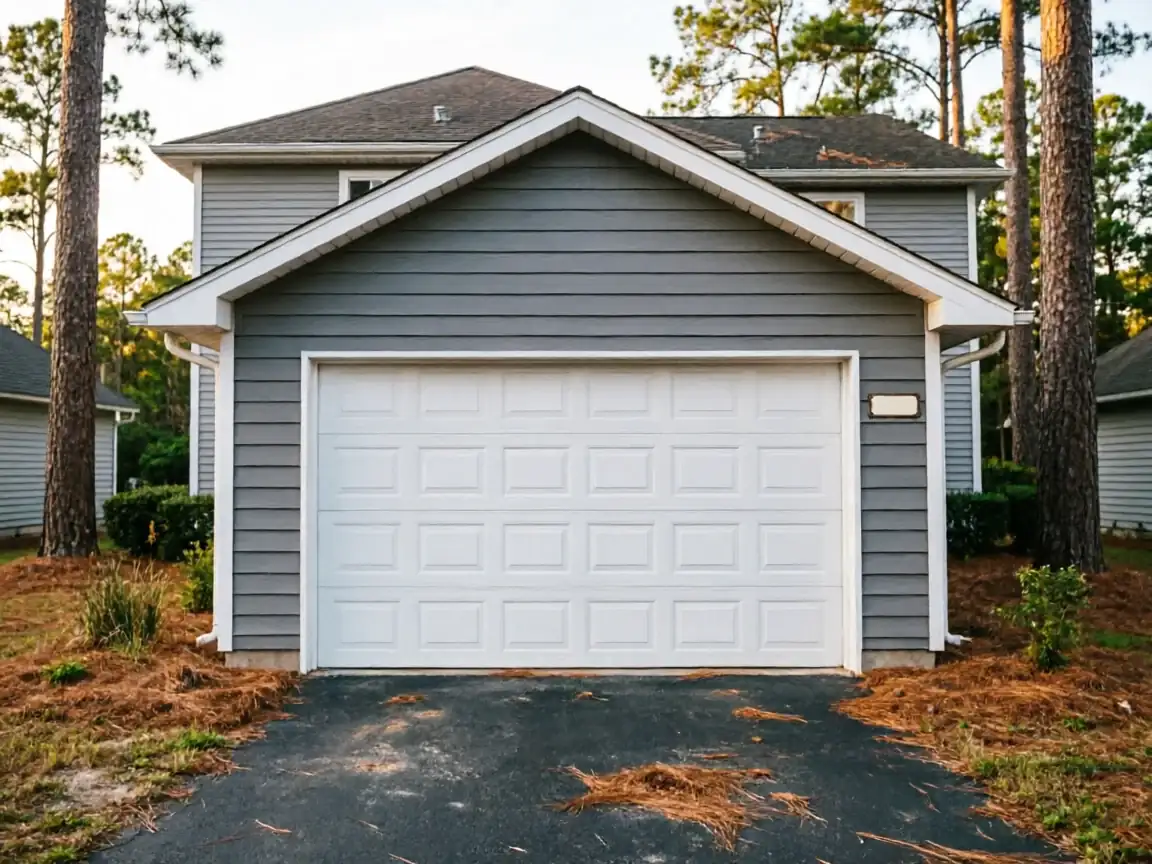
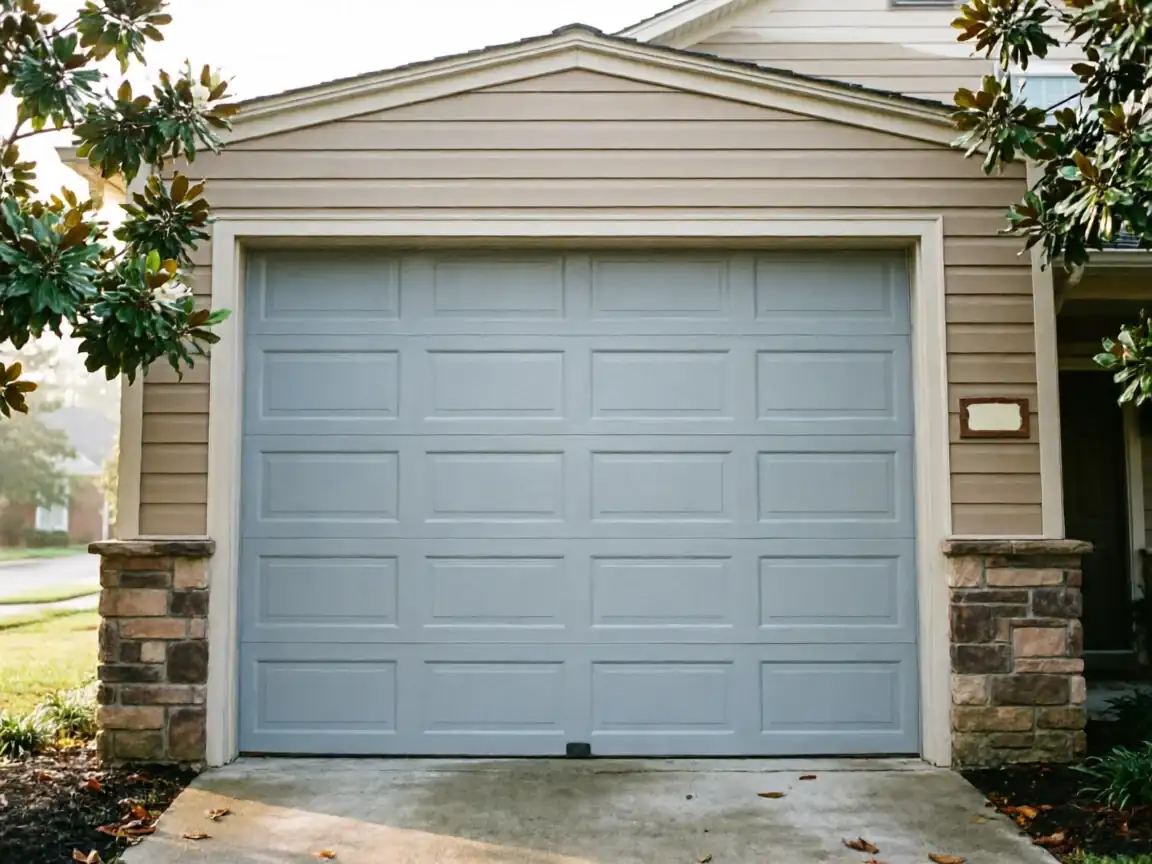
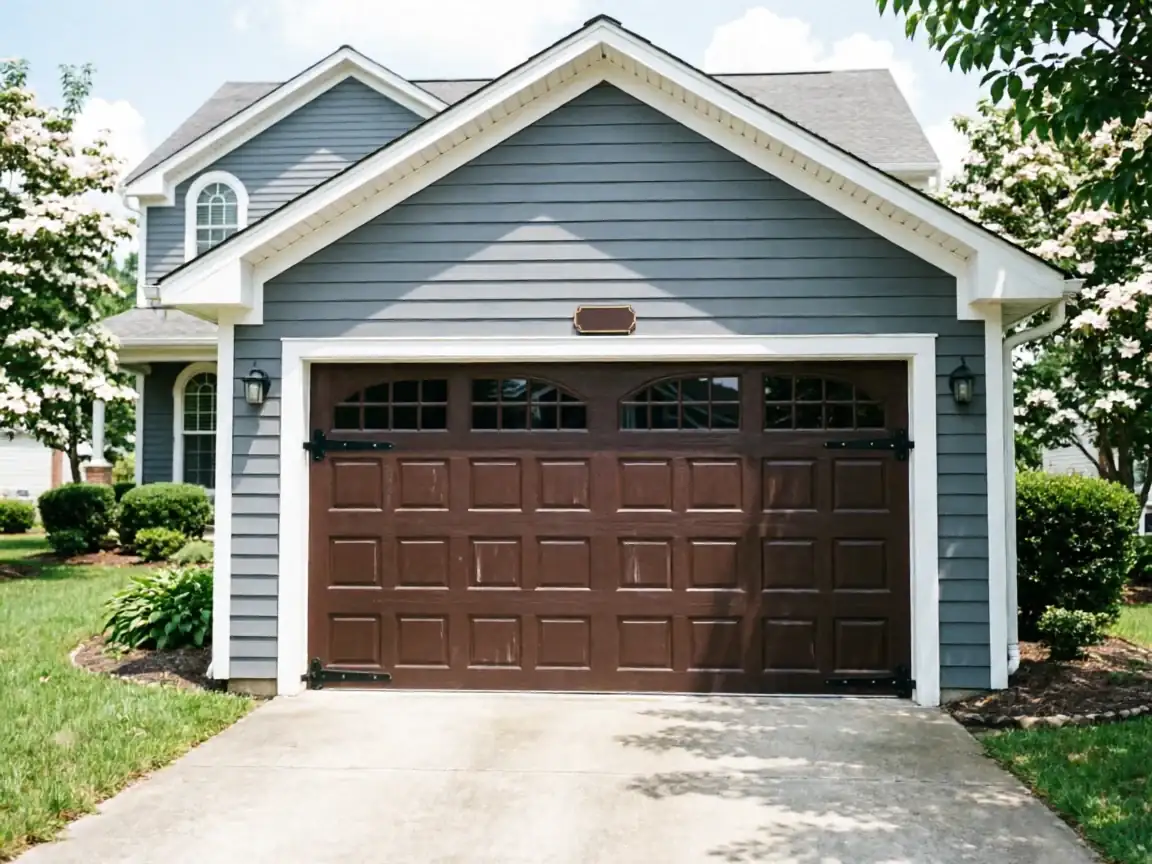
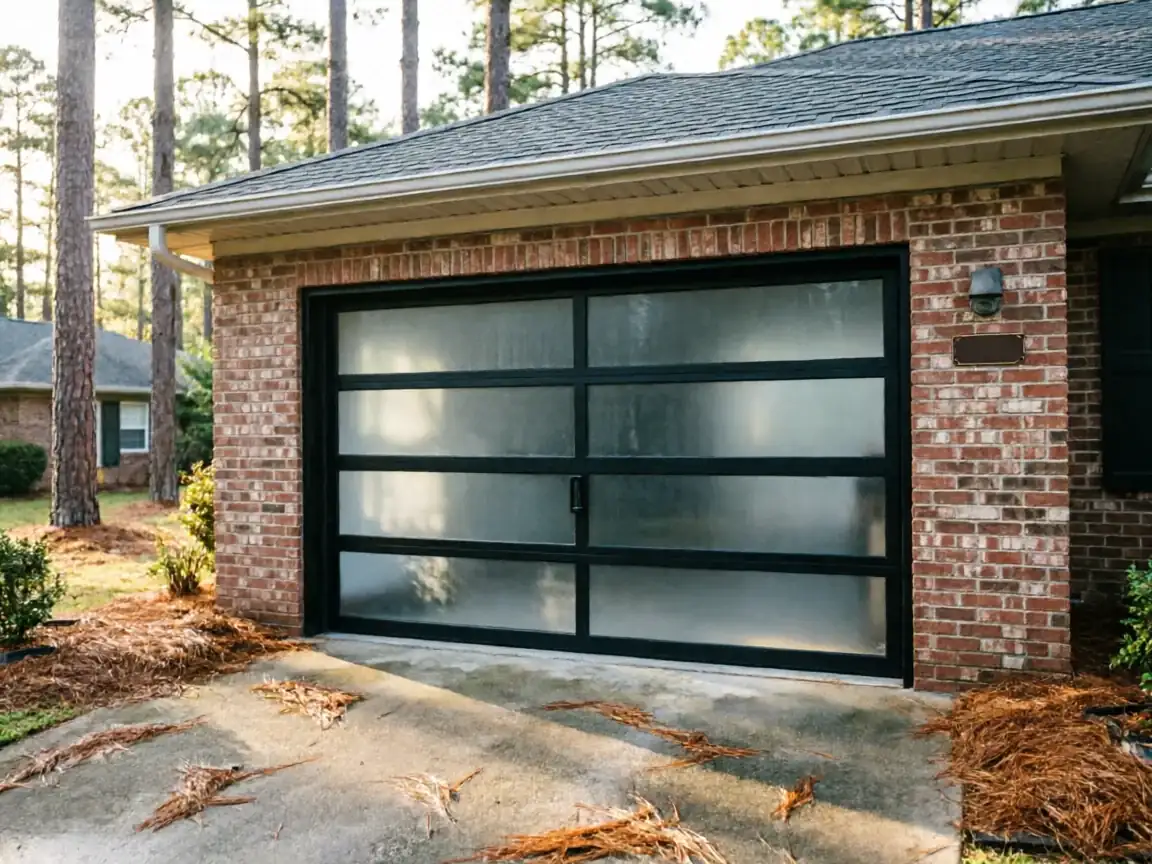
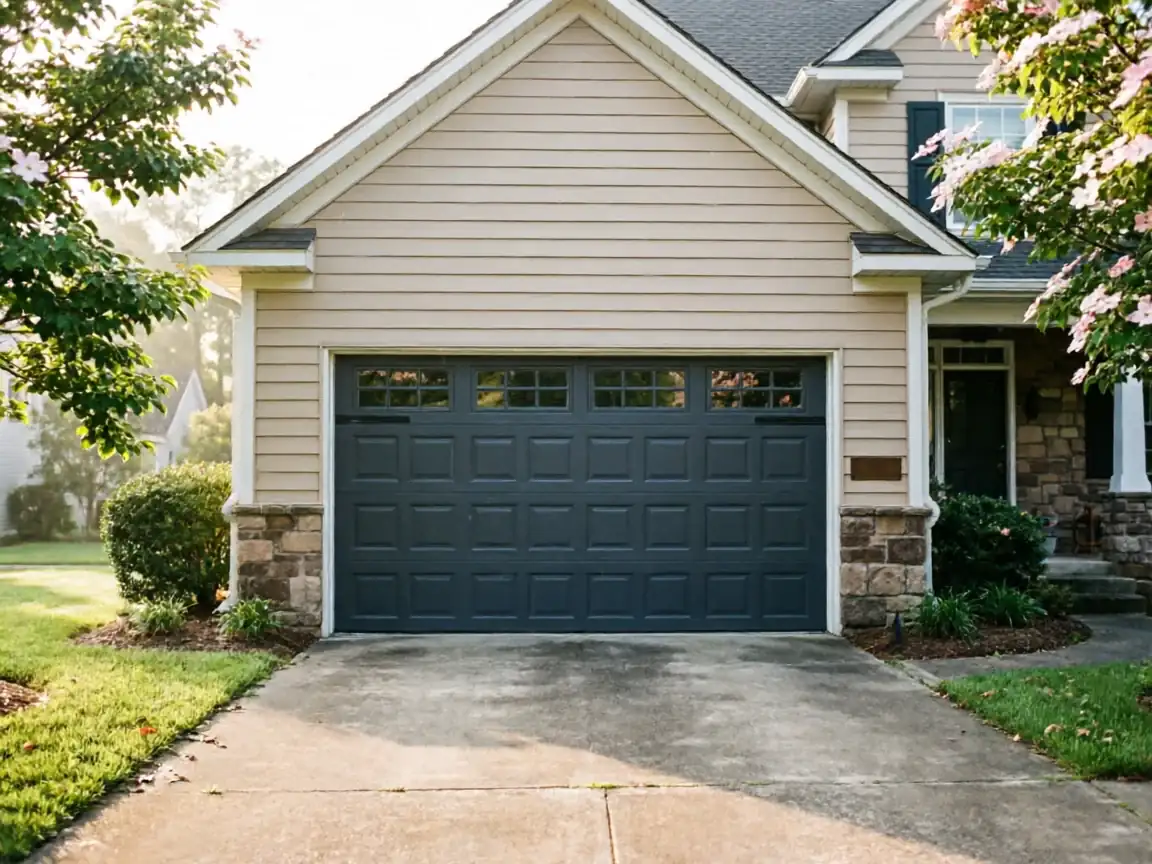
The houses in Locust Grove mostly date to the early 1970s, with a median build year of 1971 - earlier than the 1980 median across the wider service area. That matters for maintenance because doors and openers from that era were built to different standards than anything installed in the last fifteen years. Torsion springs sized for older, heavier wood doors are common, and the track hardware tends to be the older style with fewer safety features built in.
This region also sits in a severe cold climate band, which is hard on steel tracks and nylon rollers alike. Cold makes lubricant stiffen, metal contract, and seals shrink - all things that show up as grinding, slow travel, or a door that won't seat flush in January even though it worked fine in August. On a house built in 1971, that cold-weather strain is landing on hardware that's already fifty-some years old, which is a different maintenance conversation than it would be on a newer install.
Booking a Visit
Tell us the age of the house when you call
For Locust Grove, we're generally expecting early-1970s stock unless you say otherwise. That one detail changes what we bring on the truck. A visit from Winchester takes planning on our end given the 19-mile drive, so a clear description of what the door is doing (grinding, slow, uneven, won't close all the way) helps us show up with the right parts the first time instead of a second trip.
We don't keep a standing schedule for a town this size
So booking ahead works better than a same-day call. If you want to see what else we cover for the area, the service area page lays out the territory around Locust Grove, and the Winchester maintenance page covers what a standard maintenance visit includes.
Stocked Parts
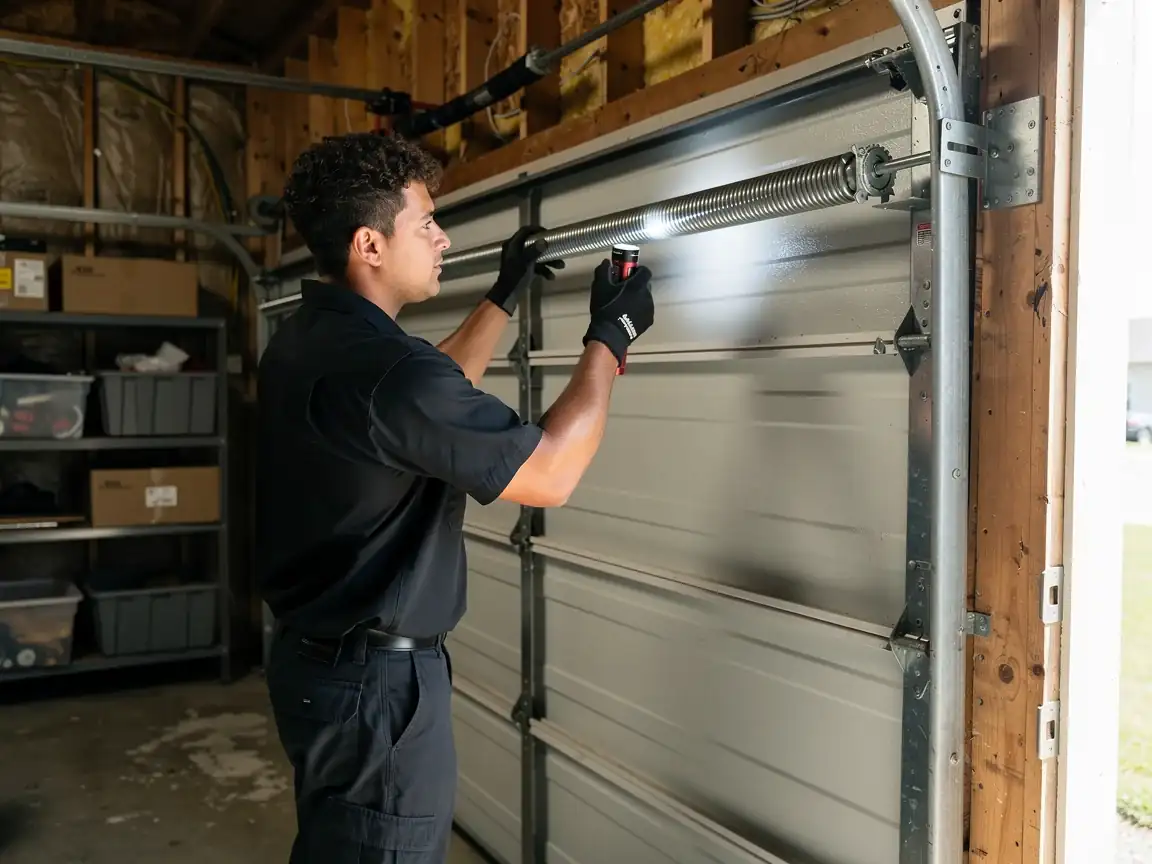
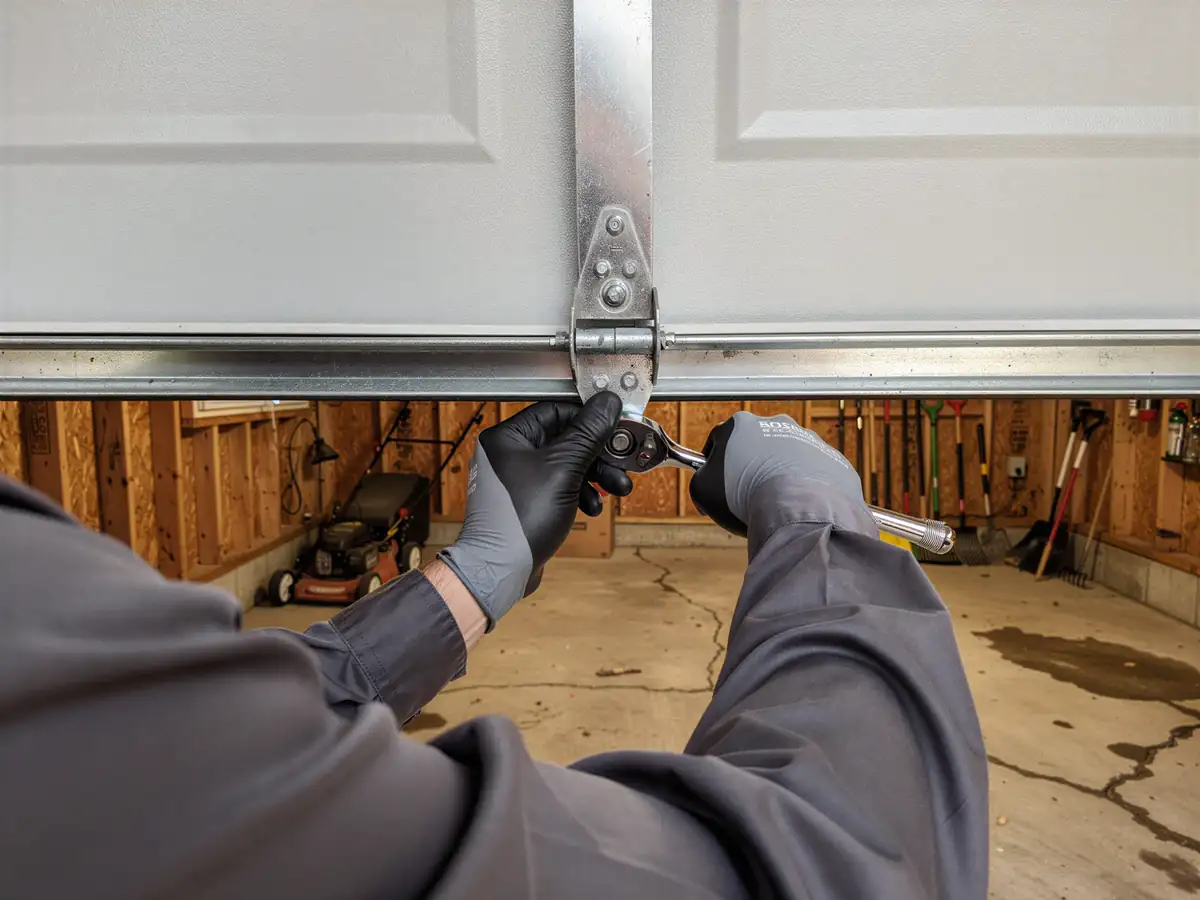
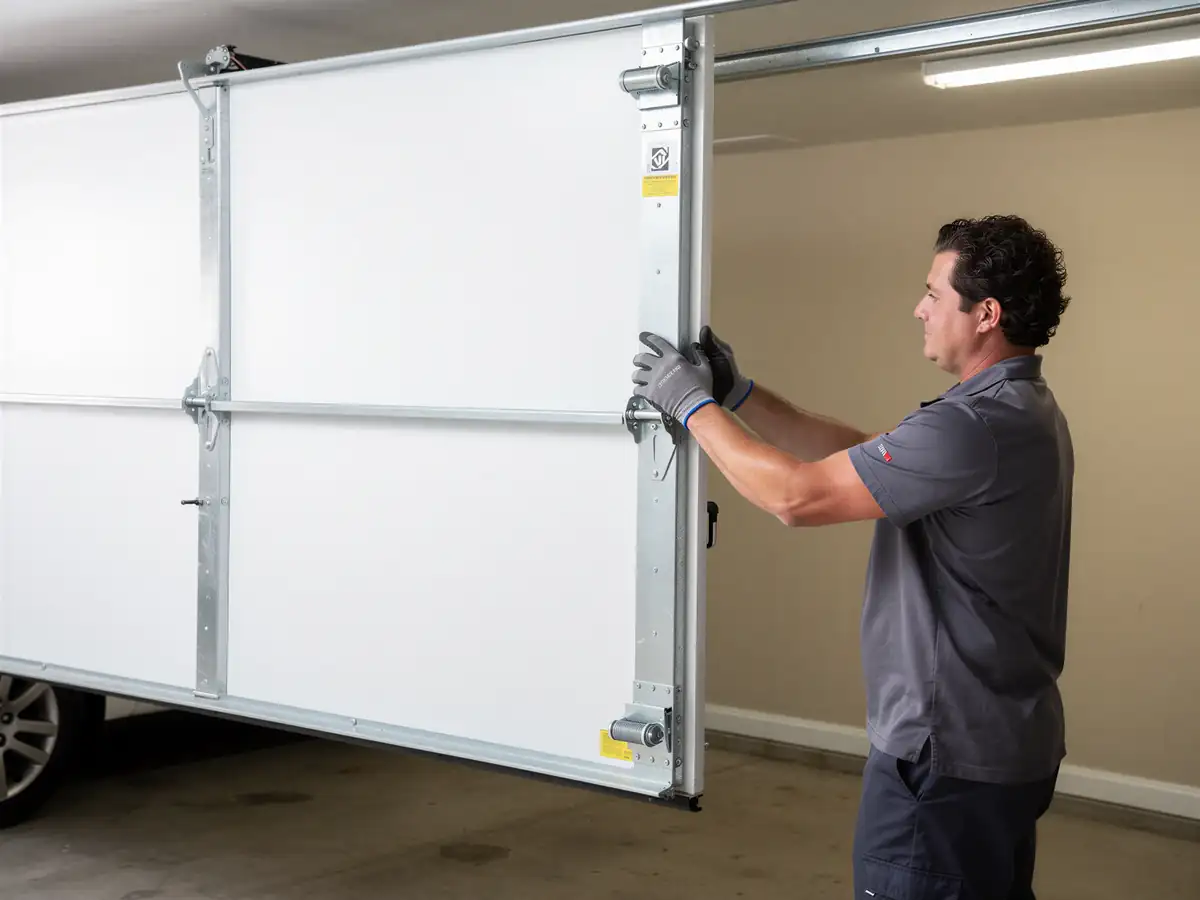
For a 1971-era door, the parts that fail most are springs, rollers, and the cable guides - none of them exotic, but sizing matters on hardware this old. We carry common torsion spring sizes and standard rollers on the truck, which covers most of what shows up on houses from this build era. What we can't always guarantee is an exact match for an original panel or an opener model that hasn't been made in decades; those sometimes need a special order, and that adds a few days.
If your opener is original to the house, replacement parts for it may simply not exist anymore. In that case the honest answer is a new opener rather than a repair, and we'll tell you that straight instead of patching something that'll fail again in a season.
What Can Go Wrong
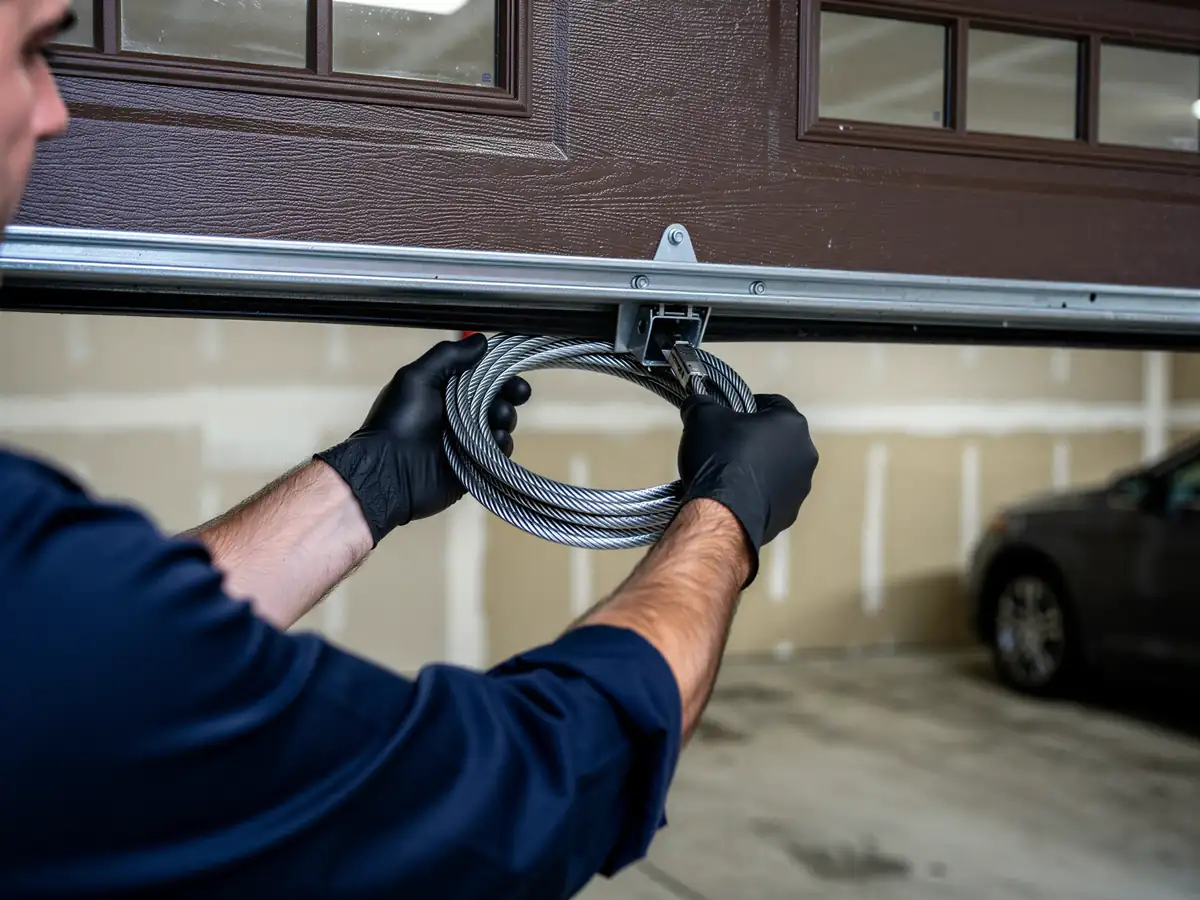
On houses from 1971, the recurring issues are torsion springs that have outlived their cycle count, rollers that have gone from nylon-and-steel to just steel on steel, and cable fraying where the drum has worn a groove. The severe cold here accelerates all three - metal contracts, grease gets tacky, and a spring that's been slowly stretching for fifty years can finally let go on the coldest morning of the year, usually with the door half open.
Weather-stripping on doors this age has usually hardened and cracked, letting cold air and moisture into the garage, which in turn affects anything stored near the door - tools, a second fridge, a workbench. None of this is unique to one house, but on a street where most homes were built the same year, it tends to show up on a similar timeline across the block.
The DIY Question
Lubricating hinges and rollers, checking the weather seal
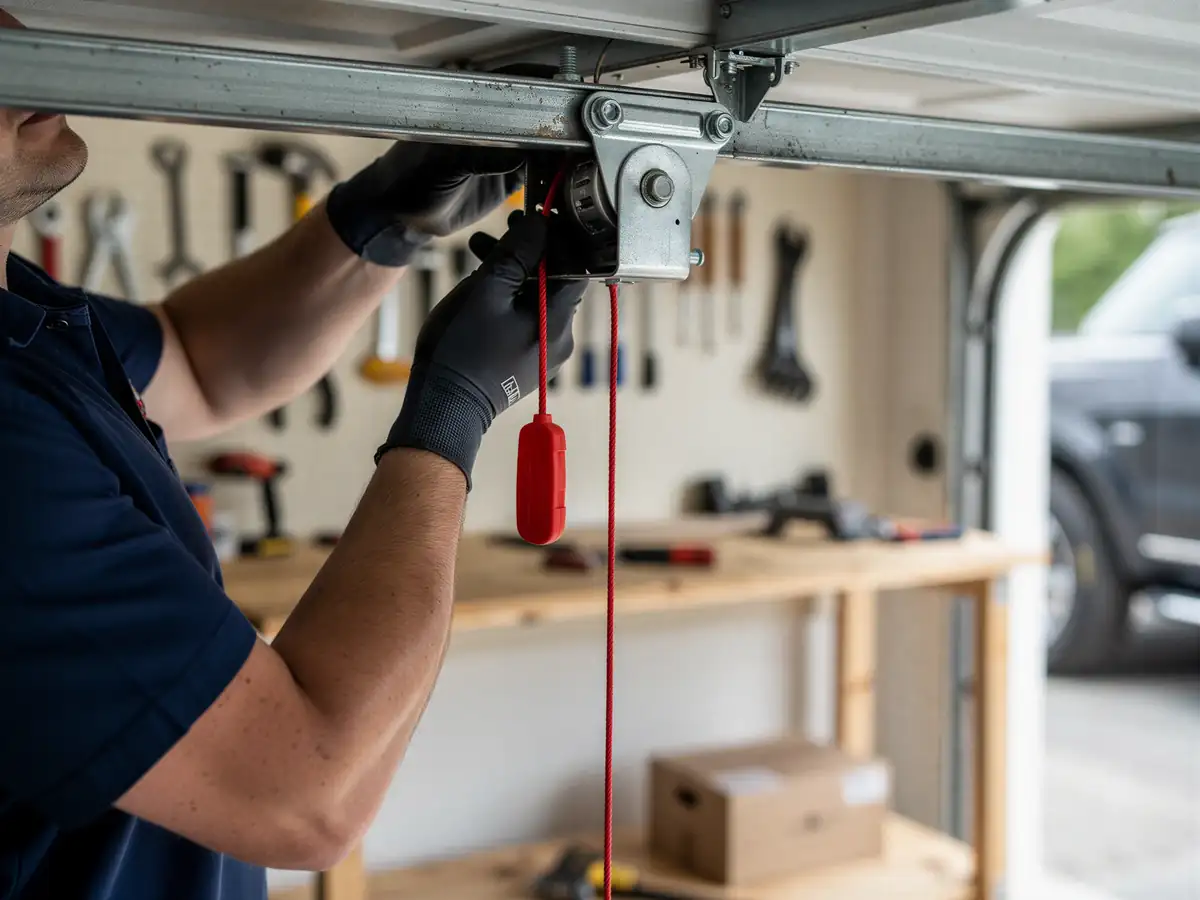
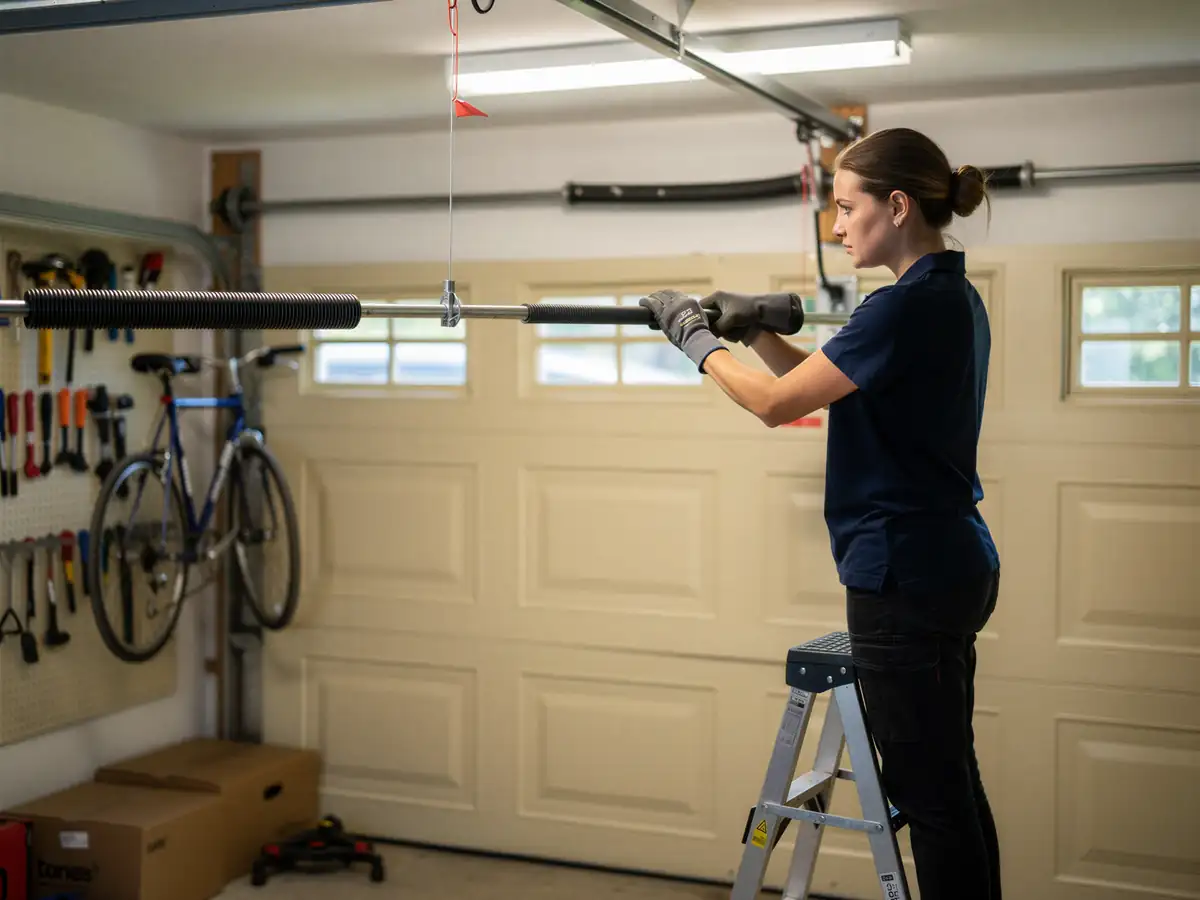
And testing the auto-reverse safety feature are all things an owner can do without a truck showing up. On a door this age, though, torsion spring adjustment is not a DIY job - the springs are under enough tension to cause real injury, and on 1971-era hardware the sizing and winding cone style may not match what's sold in a box store today.
If the door is slow to close, drifting off-track, or making a grinding noise that wasn't there last winter
That's worth a call rather than a guess. Given the drive from Winchester, it's worth bundling anything you've noticed into one visit rather than calling separately for each small issue.