How Long You Are Without the Door
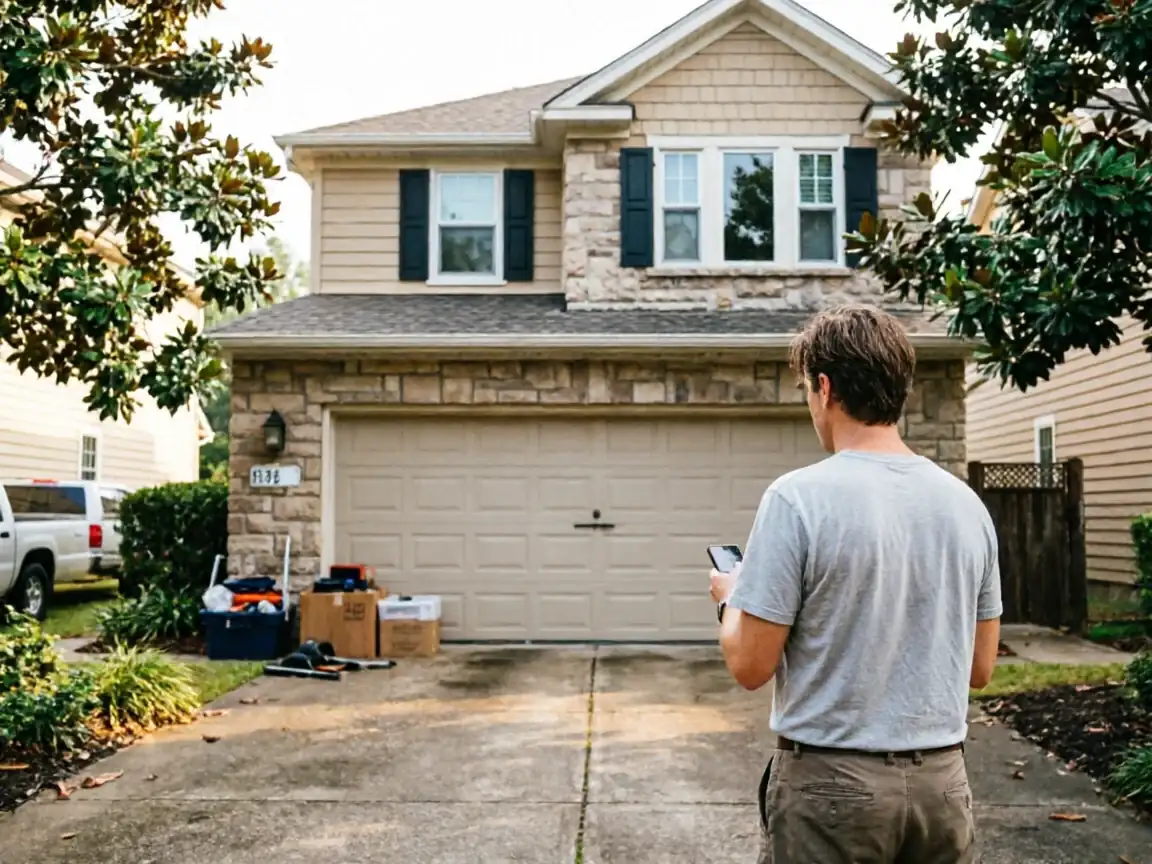
Locust Grove sits 19 miles from Winchester, the farthest point we cover out of the seven areas we run calls to - farther than Stephens City at 6, Boyce at 8, Berryville or Middletown at 11, Strasburg at 15, or Front Royal at 17. That drive is the first thing to understand about a broken door out here: there's no truck staged nearby, so the clock starts when the call does, not when a driver happens to be close. We ask more on the phone before we roll - what the door is doing, whether it's a spring, a cable, or an opener that won't respond - so the trip out counts for something instead of a second diagnostic visit. If your door is stuck open, that's a security problem worth prioritizing on our end; if it's stuck shut and the car's inside, that changes the order of the day too. We're honest about this: a same-day fix is not a guarantee when the drive is this long, and we'd rather tell you that up front than promise a window we can't hold from 19 miles away.
What You Are Seeing
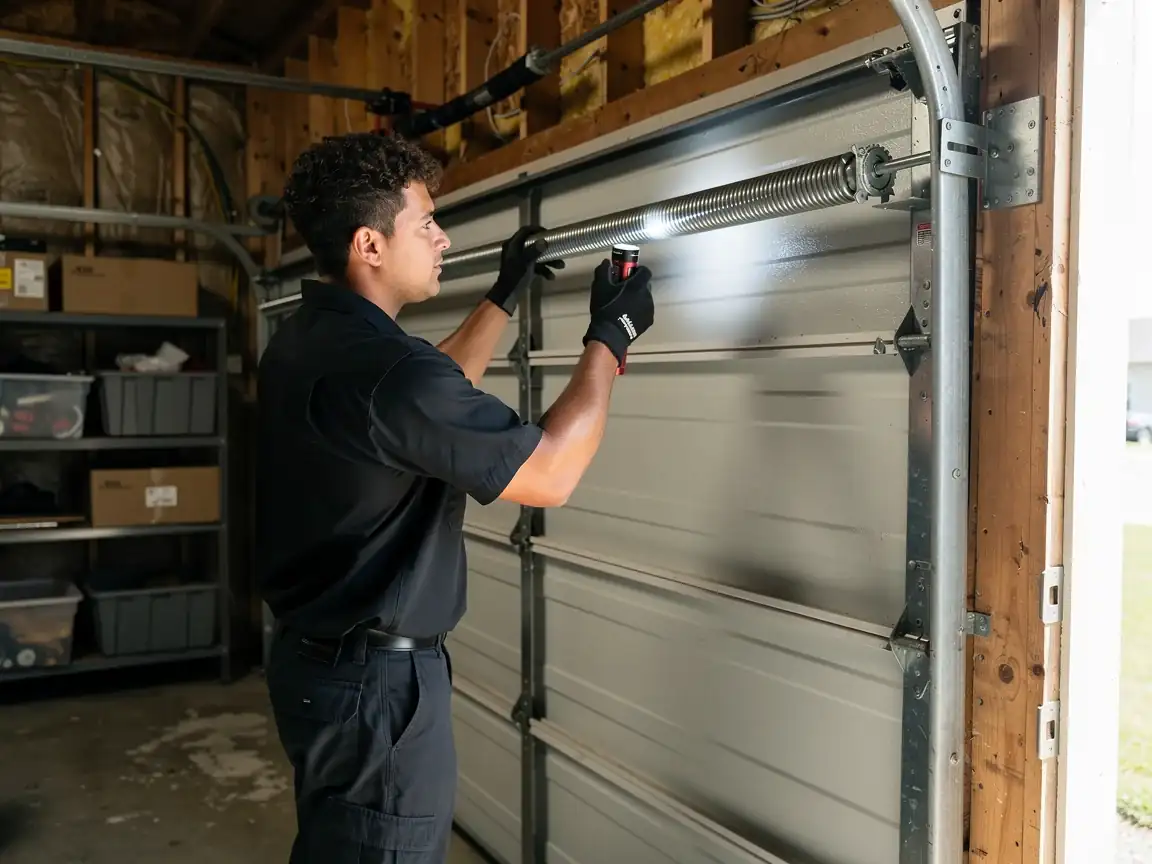
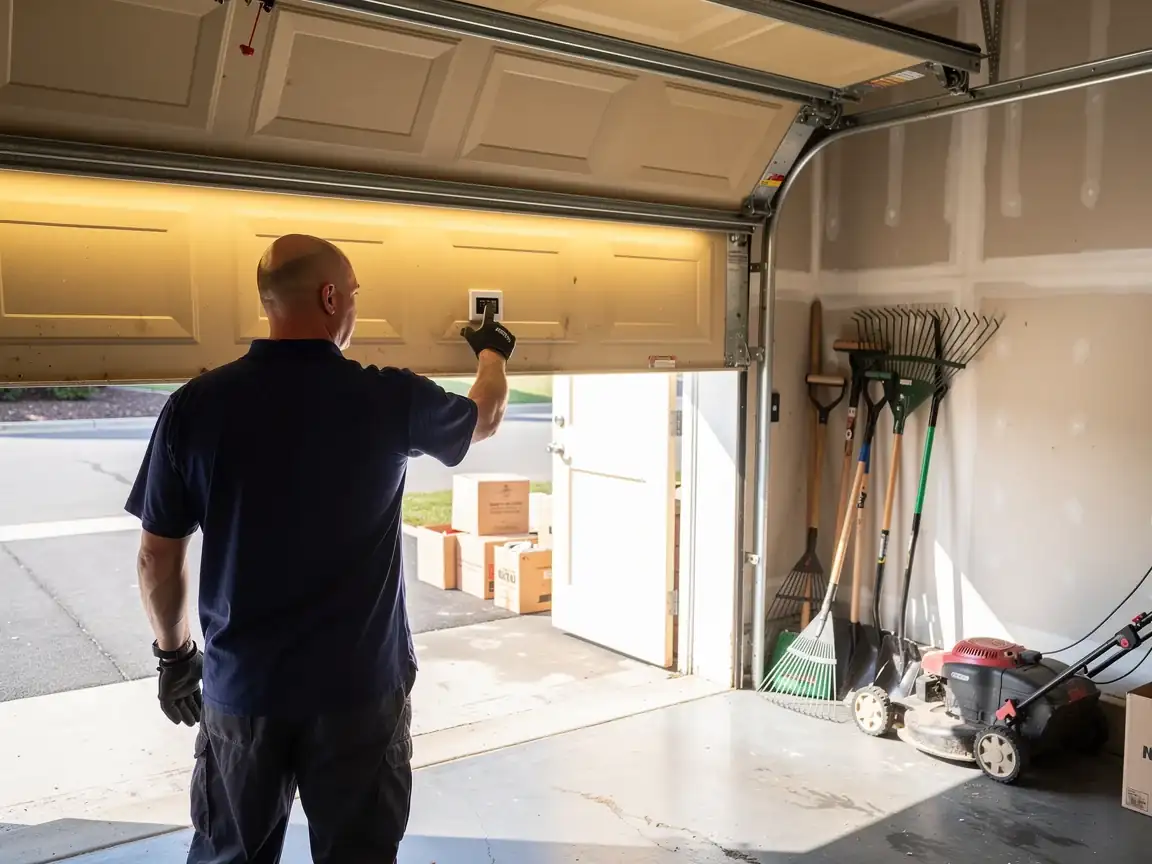
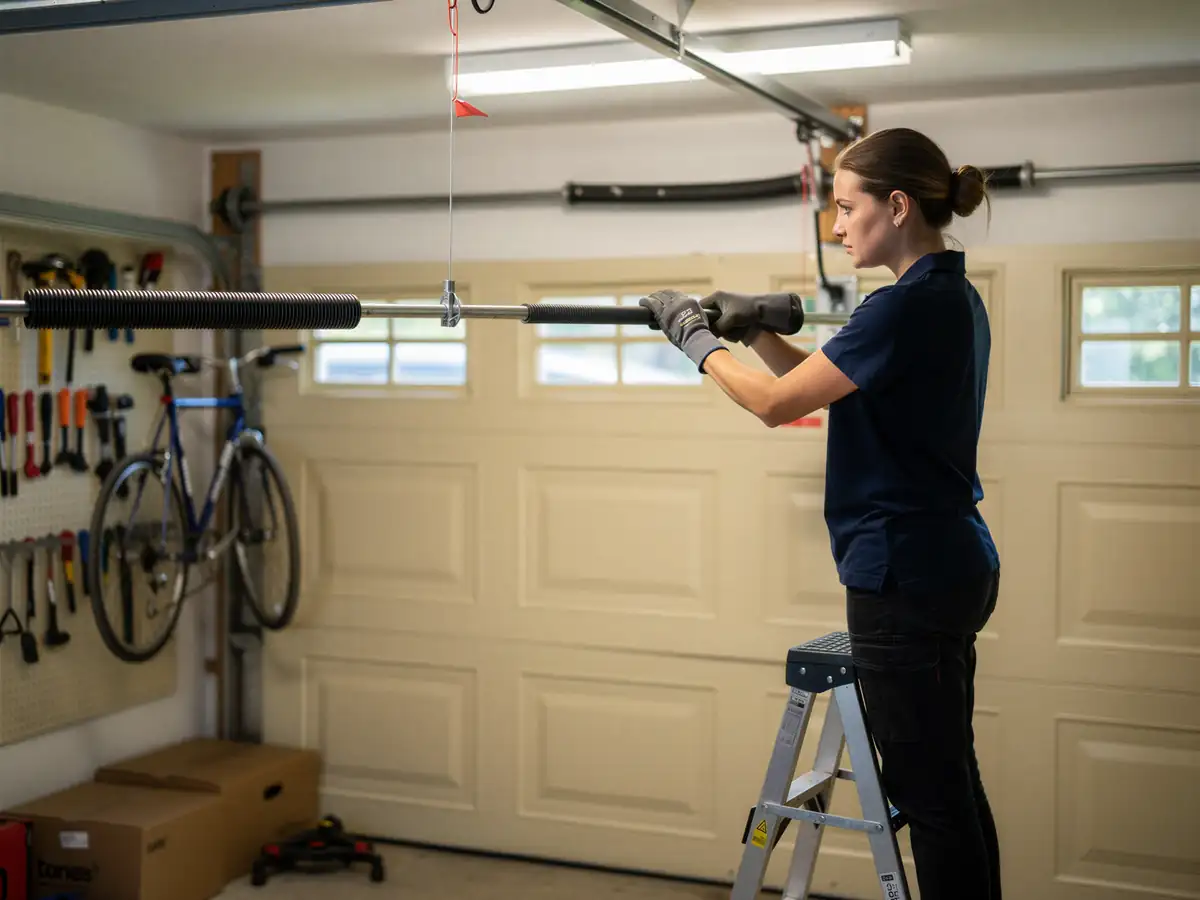
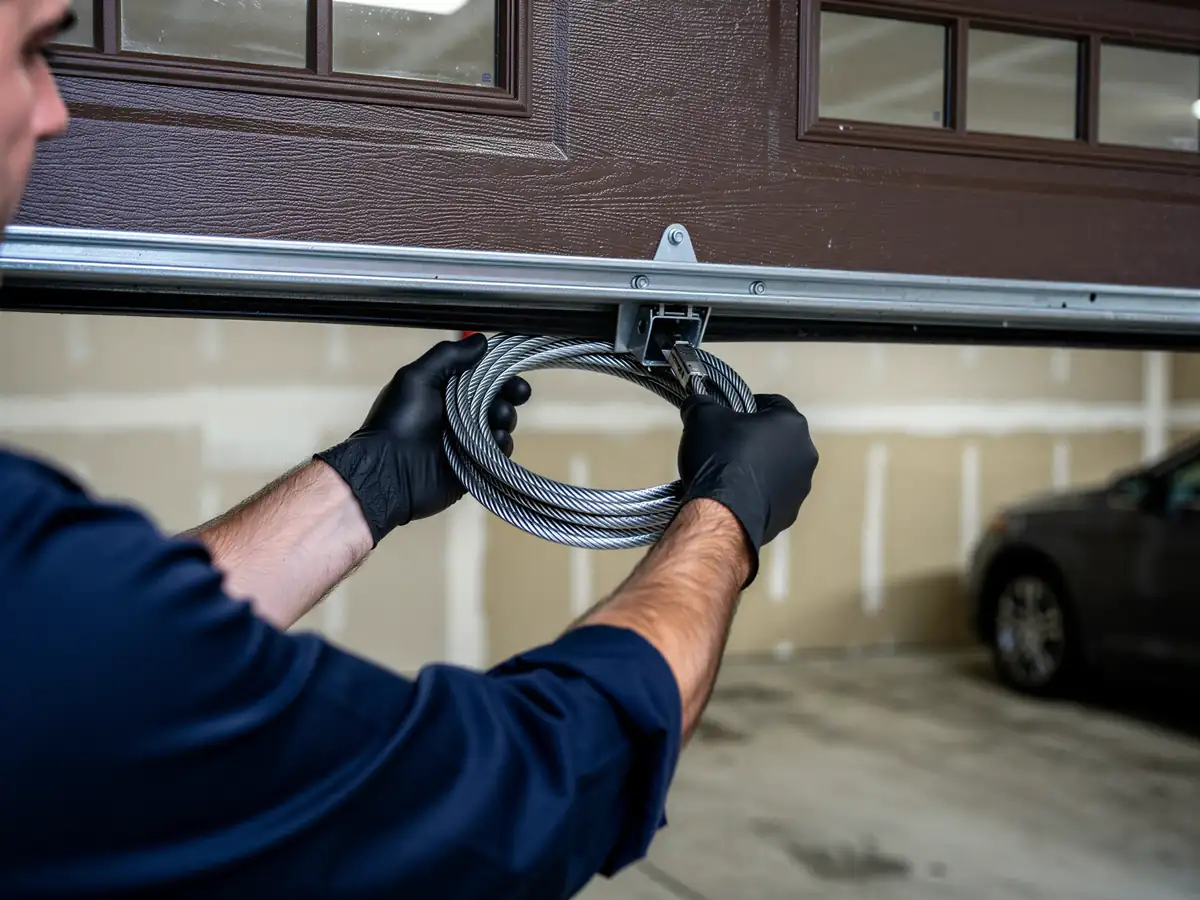
Most of the housing in Locust Grove went up around 1971, which puts a lot of doors here a decade ahead of the 1980 median for the wider area we cover. That earlier build year usually means extension springs mounted along the horizontal track rather than a torsion bar over the door, and older chain-drive openers with worn sprockets instead of belt drives. If the door is noisy on the way up, or if one side drops faster than the other when it closes, that's usually a spring or a frayed lift cable on that era of hardware - not the opener itself. A door that reverses right after touching the floor often points to a sensor that's gone out of alignment or picked up grime, which is common enough on these older setups. If the opener runs but the door doesn't move, the trolley may have disengaged from the carriage - something you can sometimes fix by hand before we even arrive, which we'll walk you through on the phone if it's safe to try.
Stocked Parts
The truck carries what covers most of the hardware from the 1971-into-1990s build range across this service area - standard extension and torsion springs, lift cables, rollers, and the sensor and opener parts that fail most often on chain-drive units from that period. For Locust Grove specifically, where the housing leans toward the earlier end of that range, that stock usually covers the call. Where it doesn't - a specialty spring size, an opener model that's been out of production a long time, or hardware that's been modified from the original install - we won't have it on the truck, and that part may need to be ordered before the second visit. That's the honest limit of a mobile stock: we can fix the common failures on the spot, but we can't carry every part for every door built since 1971 on one truck. If we don't have it, we'll tell you that at the door, not after we've already billed for a diagnostic.
What Can Go Wrong
This region sits in a severe cold climate band, and that matters more for doors here than people expect. Steel contracts in hard cold, which tightens tolerances on tracks and rollers and makes a spring that was already fatigued more likely to snap on a cold morning rather than a mild one. Nylon rollers get brittle in sustained cold and can crack instead of just wearing down gradually. Extension springs - common on the older stock in Locust Grove - lose tension differently than torsion springs do, and a cold snap can be the thing that finally takes one past its limit after years of normal wear. None of this is unique to any one morning, but it's why winter calls cluster the way they do: the cold doesn't cause the failure so much as it picks the moment.