How Long You Are Without the Door
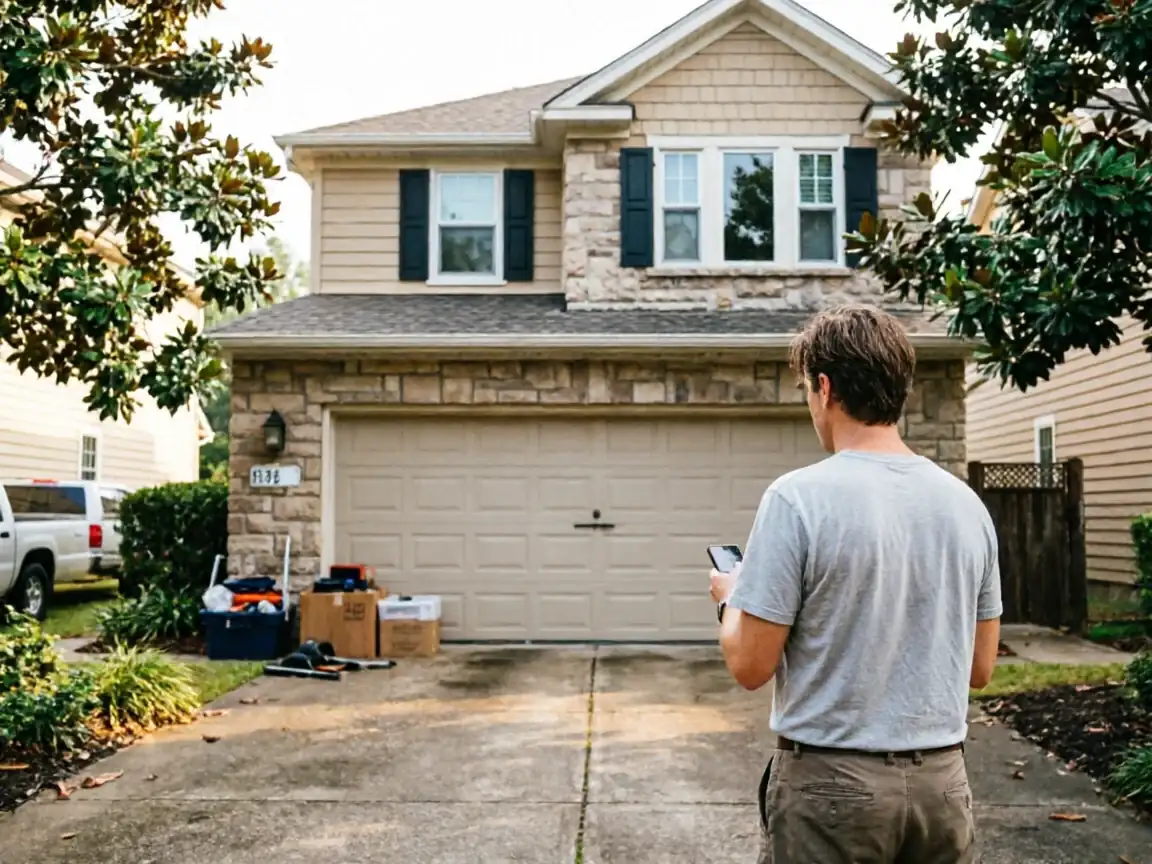
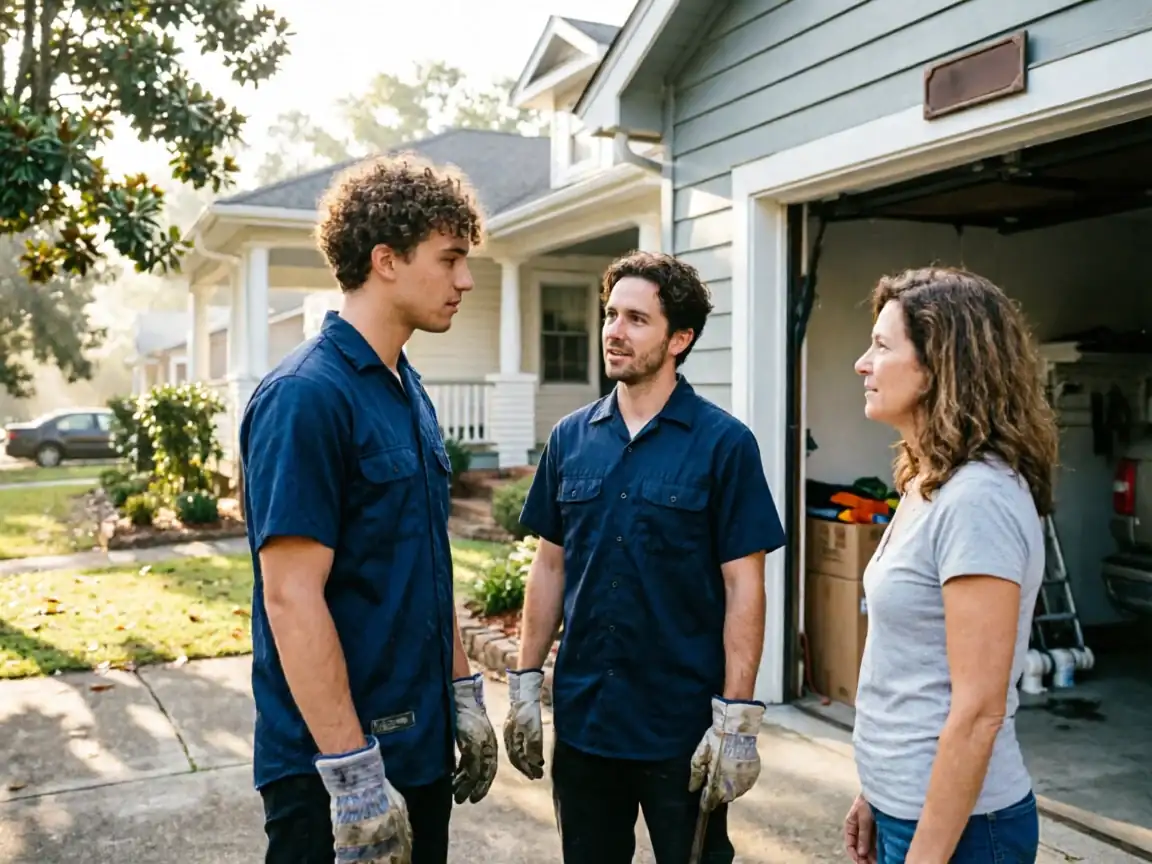
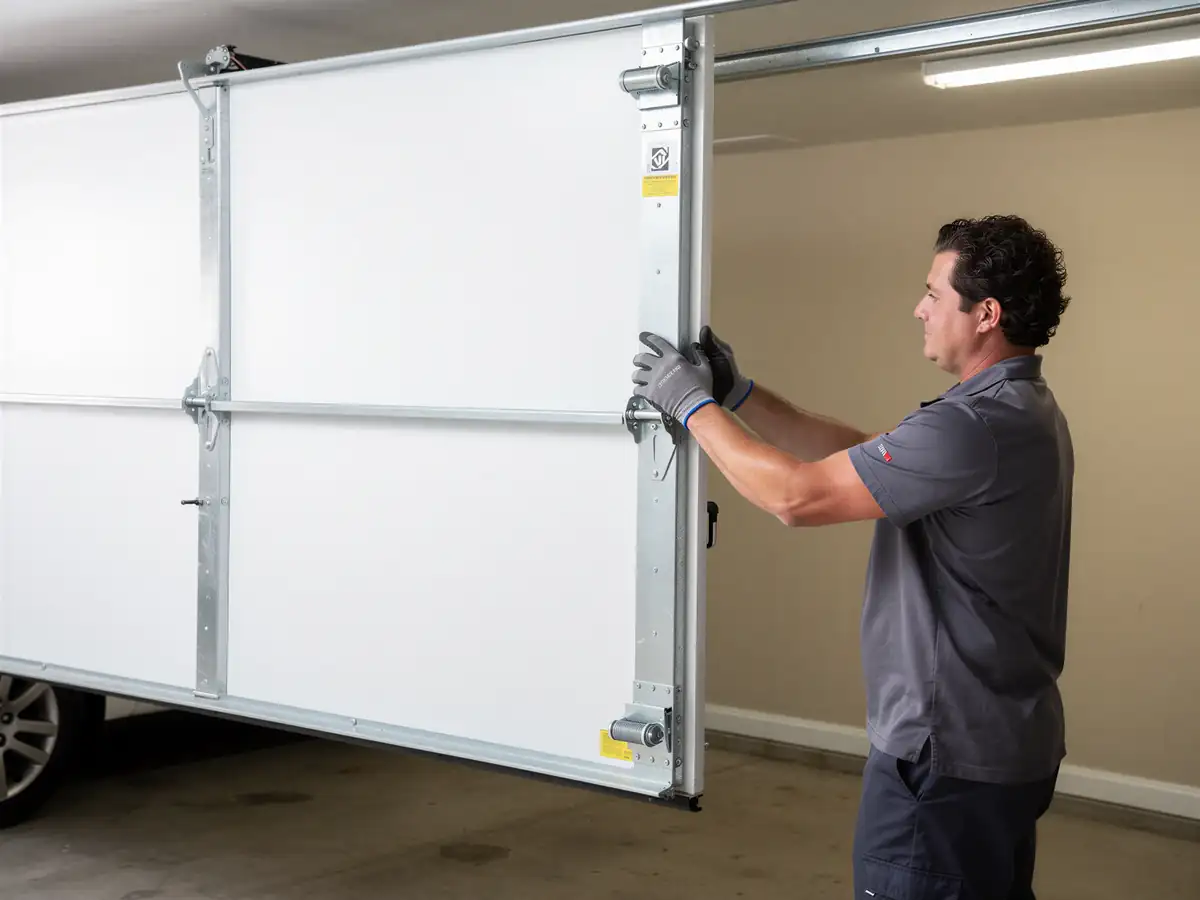
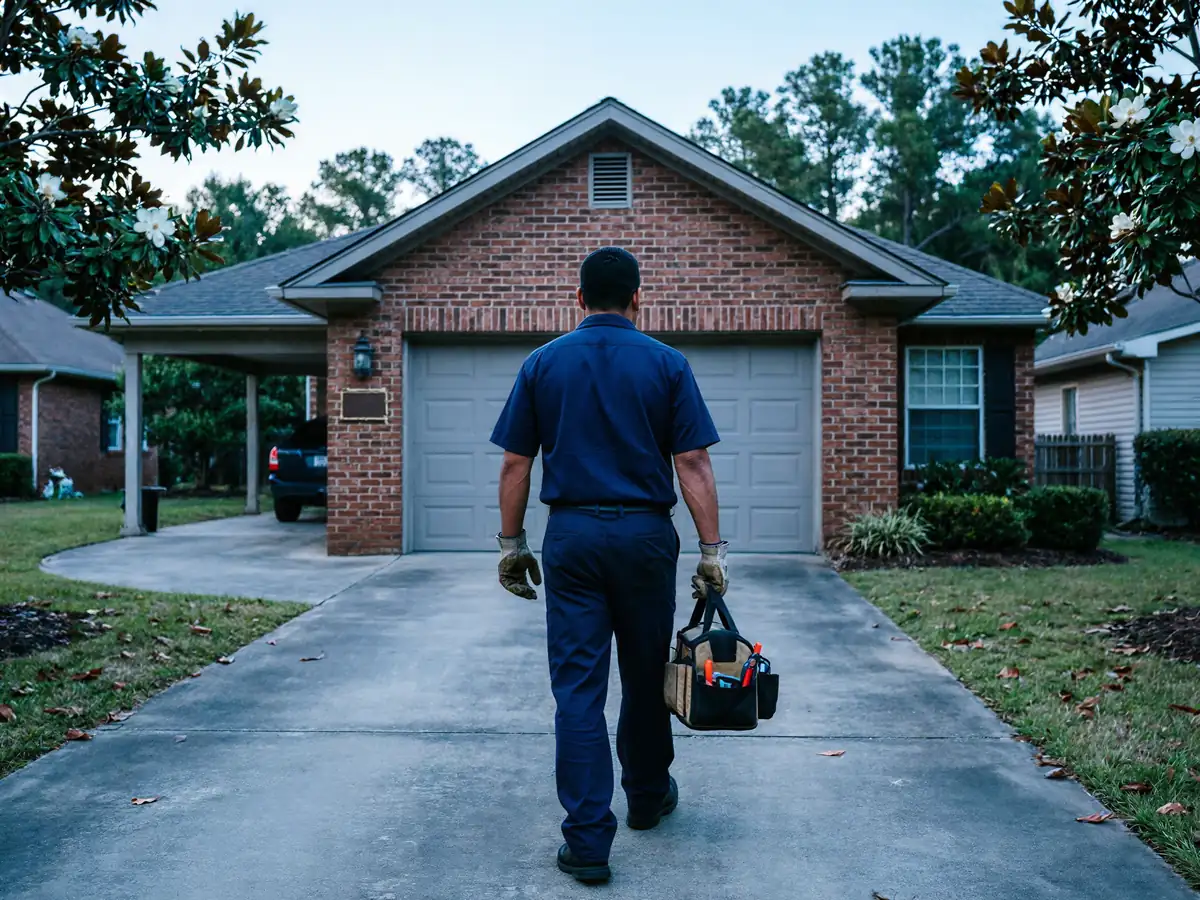
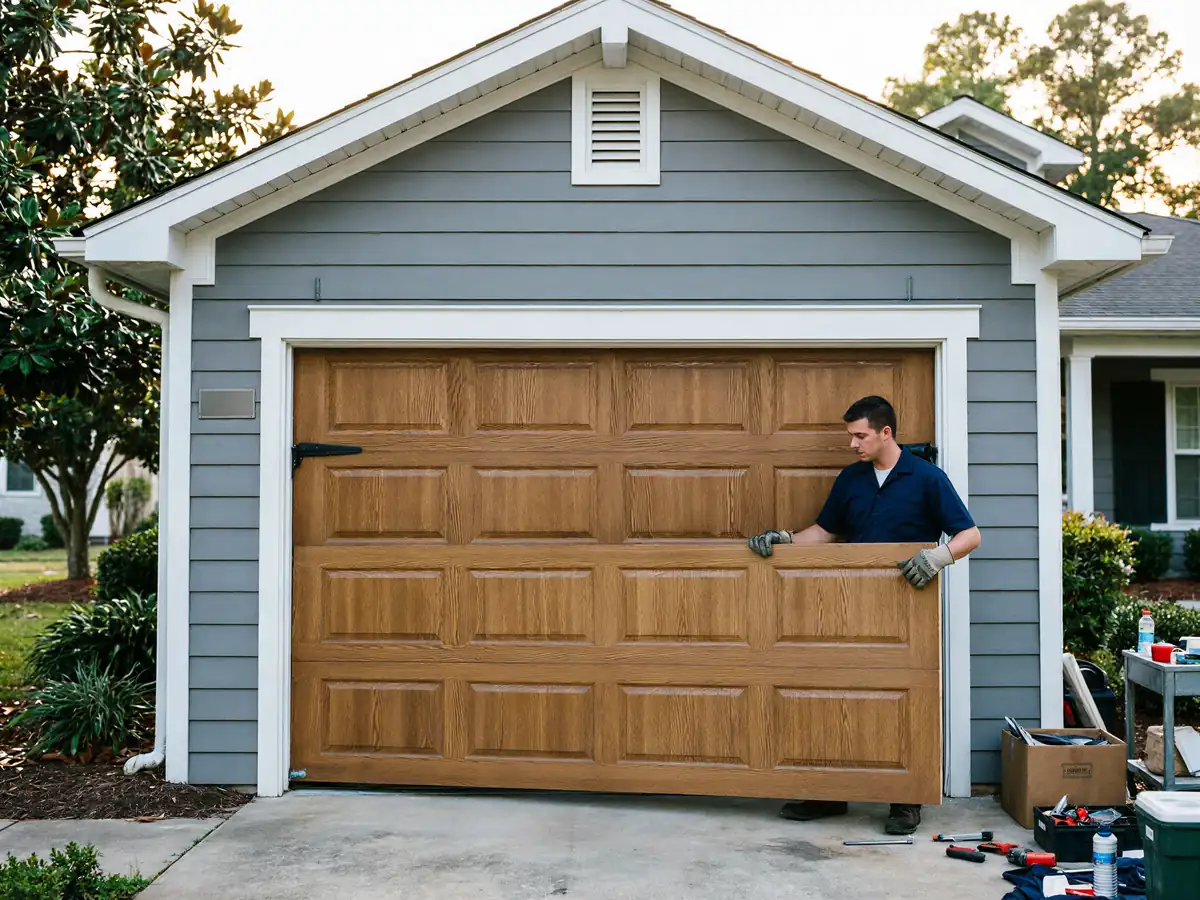
We run this job from Winchester, and Locust Grove sits about 19 miles out - the farthest stop in our service area. That distance doesn't change the install itself, but it does mean we schedule the visit as a full appointment rather than a quick add-on between closer jobs. Once we're on site, a single door swap on a house this age usually runs the better part of a day, longer if the opening needs reframing because the original jamb was built for a door that's narrower or shorter than what's sold today. We'll tell you the actual window when we look at the opening, not before. One honest limit: if the new door needs a custom width because the framing was never standard, we may need to order it rather than pull one off the truck, and that adds time before we ever start cutting anything.
What You Are Seeing
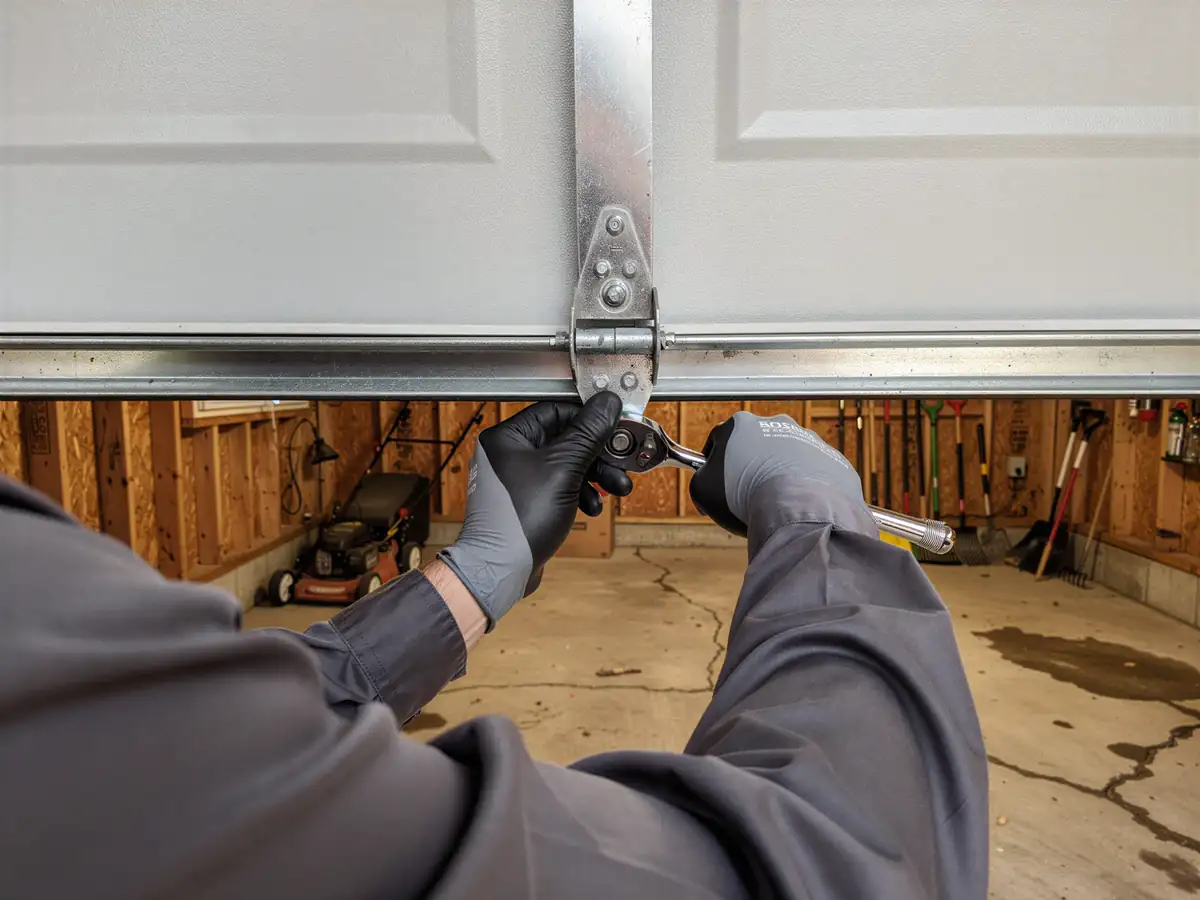
Locust Grove's housing stock centers on 1971, which puts it at the early edge of the broader 1971-1991 build-out across this area. That matters here specifically: a door from the early '70s is more likely to be a single-layer steel panel or an old wood-composite door than the double-layer, foam-core doors that became common once production shifted later in that range. If yours still has the original door, you're probably looking at a non-insulated panel, exposed hinges with visible wear, and hardware sized to specs that don't match what's sold now. Sagging at the bottom panel, a track that's pulled slightly away from the frame, or an opener bolted on as an afterthought years after the house was built are all things we see on this vintage.
Stocked Parts
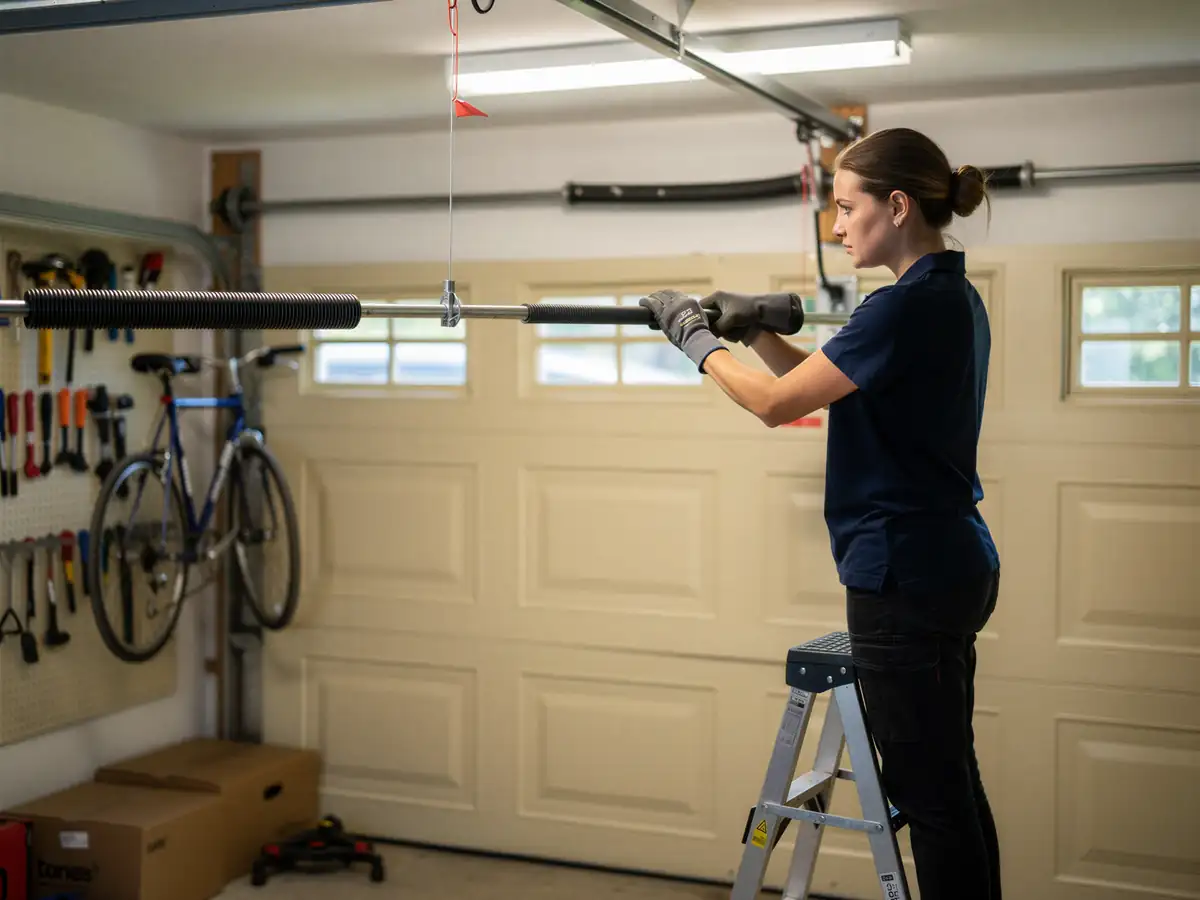
Our truck carries standard torsion springs, rollers, and track sized for the 1980s-90s doors that make up most of the broader service area. A 1971 door can fall outside that standard range - older jamb widths, non-standard track spacing, or hinge patterns that stopped being made when manufacturers moved to current sizing. For a straightforward replacement with a modern door, we don't need anything special; new doors come with new hardware built to current specs. Where it gets slower is if you want to keep the original frame and just swap panels - that's where we may need to order a part rather than carry it, and we'll say so rather than guess.
What Can Go Wrong
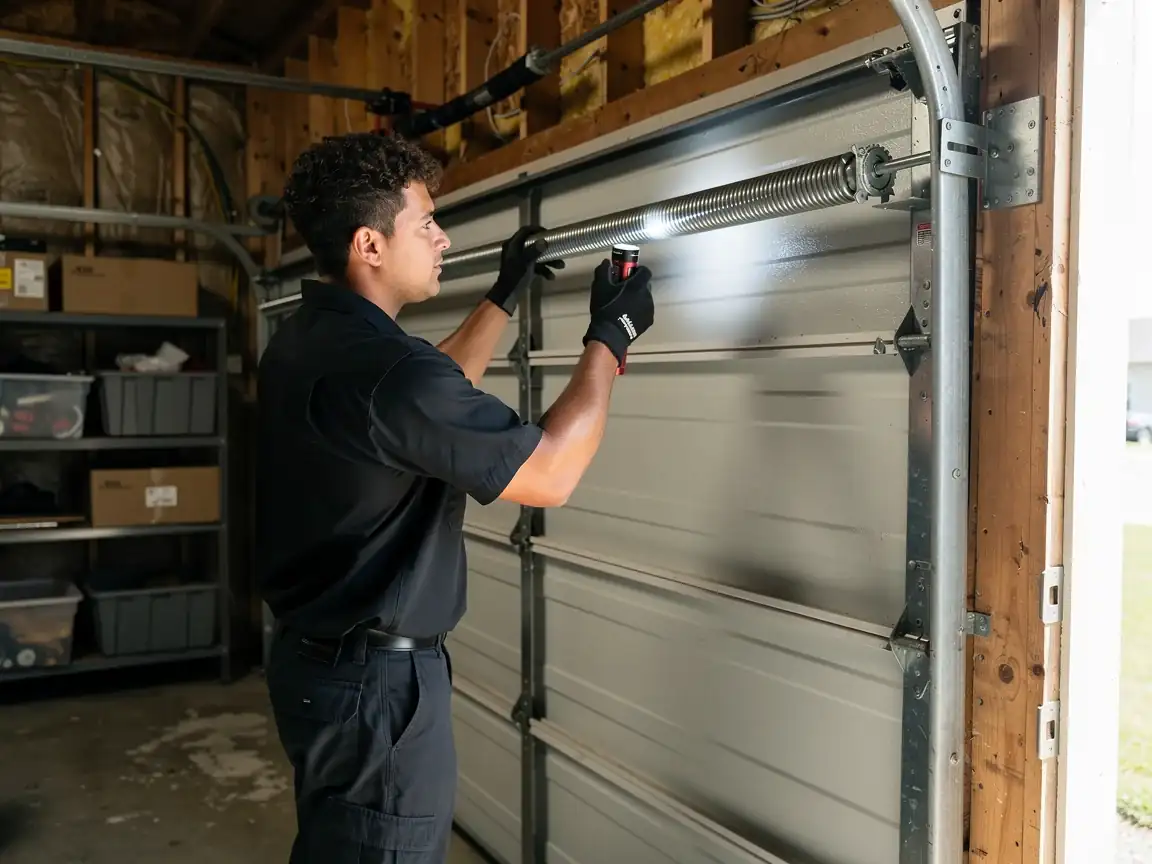
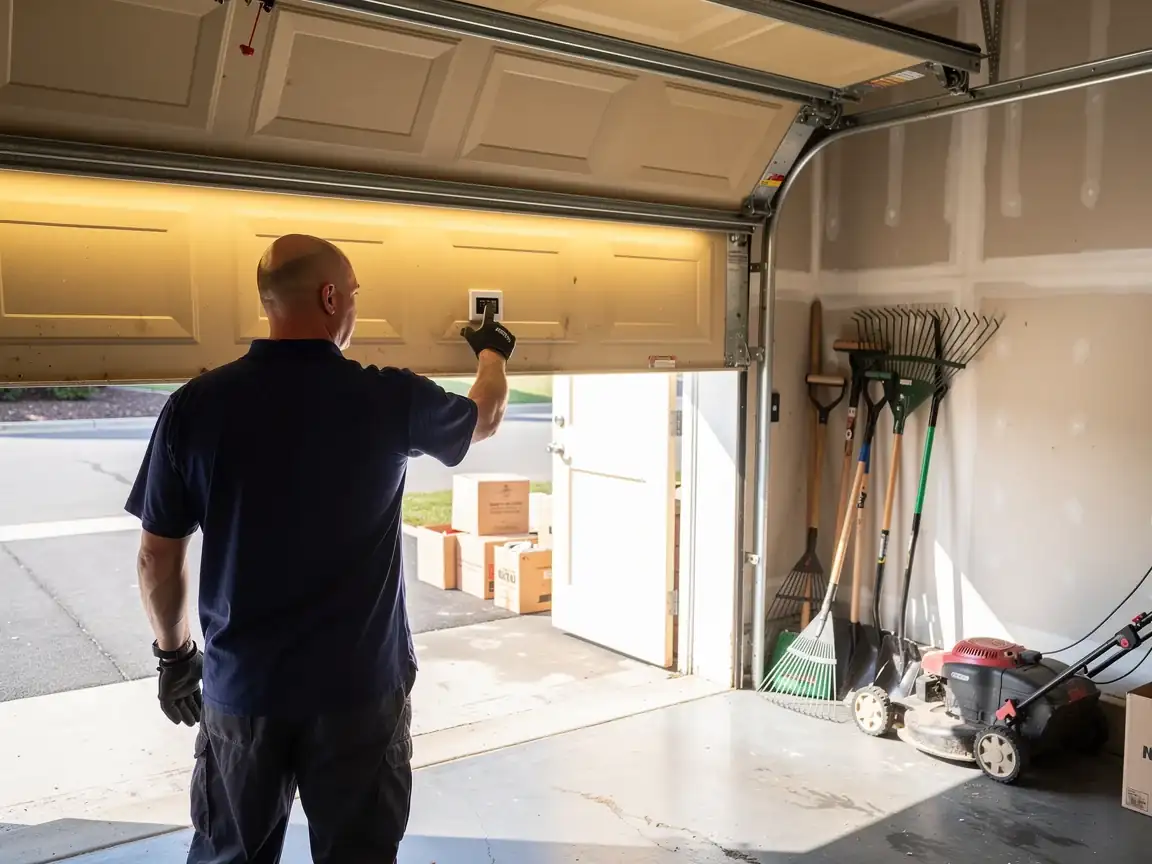
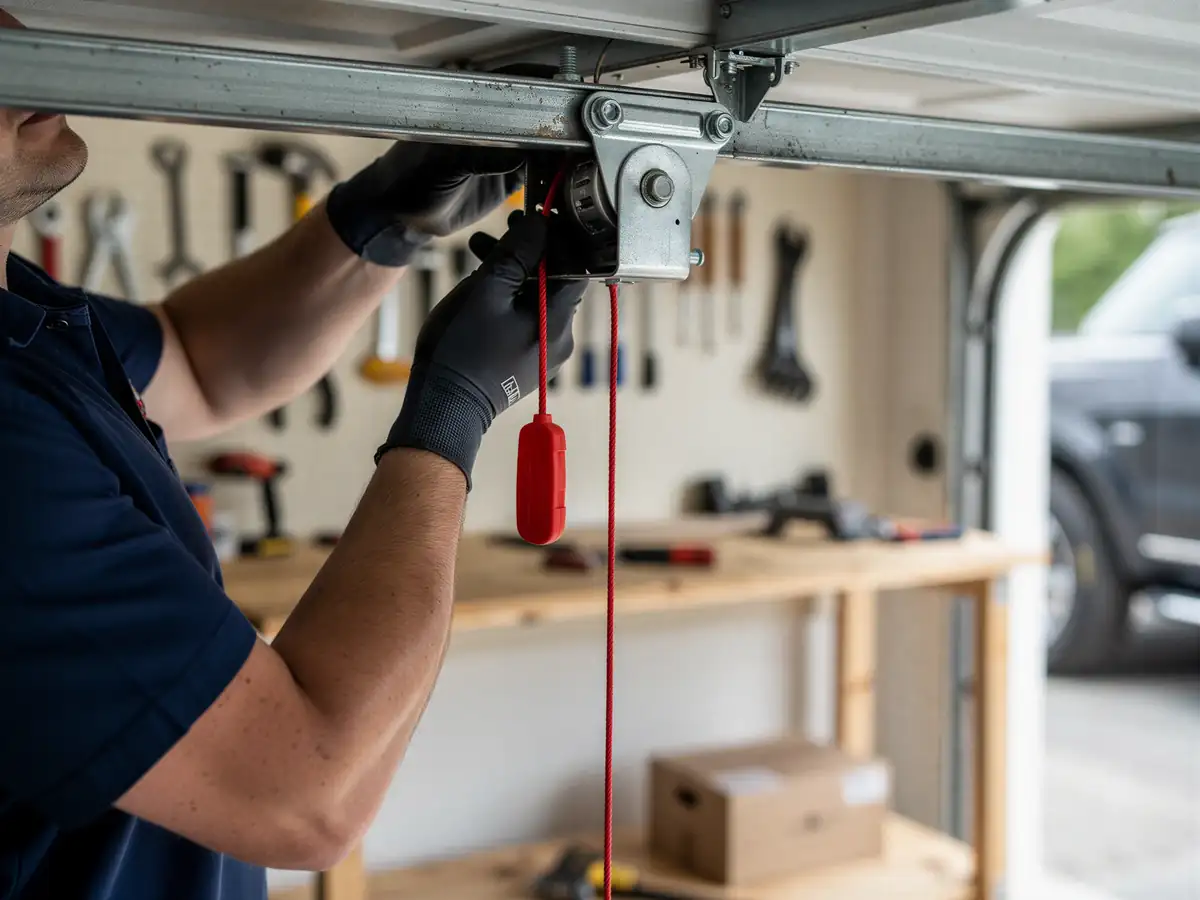
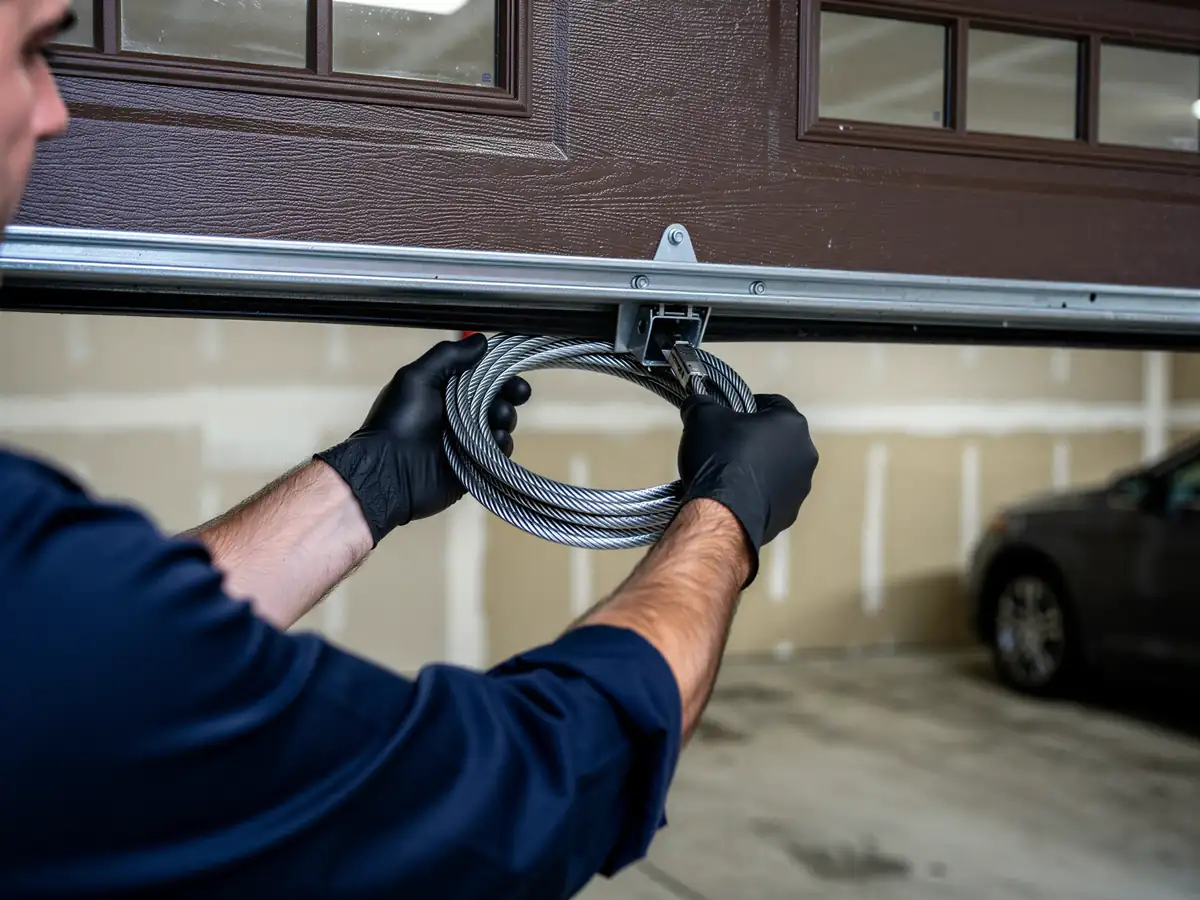
This region sits in a cold, severe winter climate zone, and a door old enough to predate current weatherstripping standards lets a lot of that cold straight into the garage. On a 1971 door specifically, the bigger risk isn't just heat loss - it's a cable or spring that's been cycling for five decades on hardware that was never rated for today's heavier insulated panels if someone swapped the door without upgrading the spring. We've also seen openers bolted to framing that's shifted slightly over fifty-plus years, which throws off travel limits and safety reversal. None of that is a reason to panic, but it is a reason to have us check the full assembly, not just the door, before anything new goes up.